Is An Unproven Medication Worth More Than the EPA or NASA?

For those who have not followed the FDA’s controversial decision of approving Aducanumab for the treatment of Alzheimer’s disease, the NEJM has two useful commentaries:

Key points -from 1st article:

  • “Biogen…has announced a list price of $56,000 –10 times the evidence-based benchmark recommended by the independent Institute for Clinical and Economic Review…if even 10% of U.S. patients with Alzheimer’s disease were prescribed aducanumab, drug spending for Medicare Part B would increase from $37 billion to $69 billion per year”
  • The authors note that Medicare Part B payments rely on average sales price (ASP) from private insurers rather than a direct negotiated price; thus, the higher the price for private plans (even if poorly covered), the higher the Medicare rate
  • Hospitals and physicians are incentivized at higher prices due to receiving a 4-6% reimbursement price over the acquisition price
  • “The $56,000 price for aducanumab is a rational manufacturer response to an irrational insurance system.”

Key points -from 2nd article:

  • By one estimate, the potential cost will exceed the budgets of agencies such as EPA or NASA
  • “In granting accelerated approval to aducanumab, the FDA concluded that the drug’s ability to reduce amyloid plaques was reasonably likely to translate into clinical benefits. But this claim is hotly contested and was not presented to the FDA’s advisory committee, which voted against recommending approval of the drug because of the lack of a demonstrated clinical benefit”
  • If Medicare refuses to cover medication, this would leave a burden to state budgets. “As a legal matter,…state Medicaid programs are required to cover nearly all FDA-approved drugs.”
  • “Congress could adopt new legislation specifying that state Medicaid programs need not cover aducanumab…Protecting state budgets shouldn’t require Medicare to cover an expensive drug with unproven clinical benefits.”

My take: This type of huge fiscal burden may provide the rationale for Medicare and Medicaid to reexamine whether/how they cover expensive FDA-approved medications.

Related blog posts:

NASPGHAN Toolbox App

Patrick Reeves passed along the following helpful information about the NASPGHAN toolbox:

The NASPGHAN Fellows committee, working in close partnership with the NASPGHAN Technology and Training committees, has developed an App named, “The NASPGHAN Toolbox”.

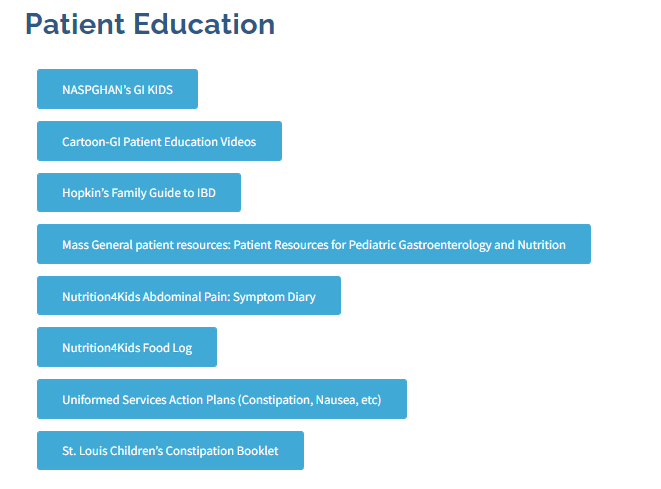
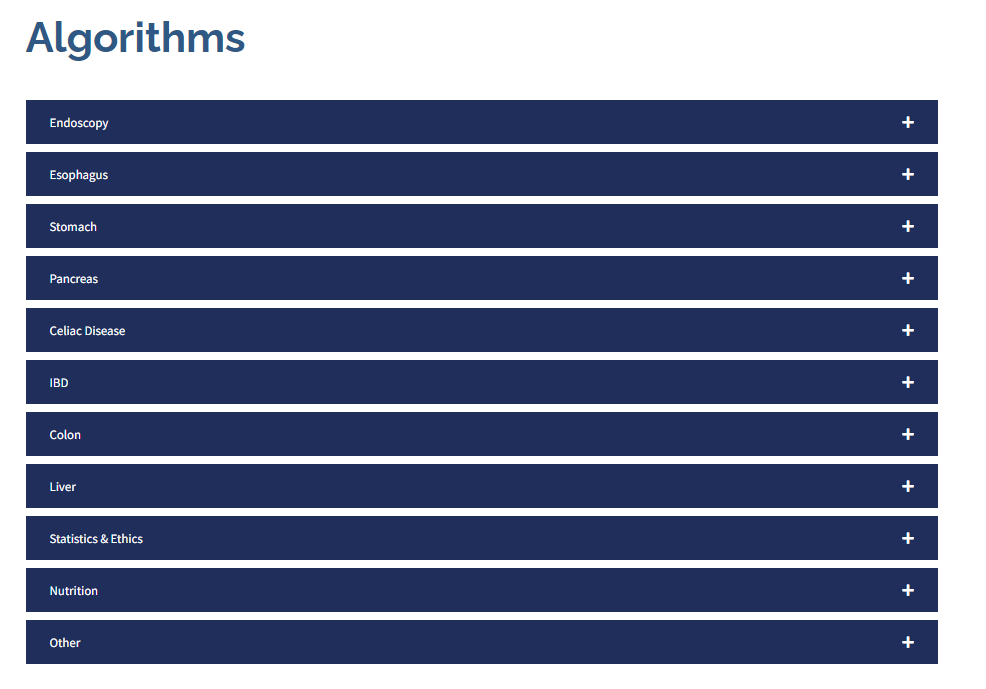
The App is equipped with ready access to: clinical calculators, guidelines and algorithms, medication guides, patient education resources, and more. You can access the Toolbox via its URL (https://toolbox.naspghan.org/) on your phone or computer.

The NASPGHAN team hopes this will enhance your day-to-day patient care of children with gastrointestinal disorders.

Some highlights:

Some screenshots:

Genetic Basis of Eosinophilic Esophagitis

Cincinnati Children’s Research Horizons: Two Genes Associated with Familial EoE

Researchers (first author Tetsuo Shodaand senior author Marc Rothenberg) at “Cincinnati Children’s have identified two rare gene variants associated with inherited forms of eosinophilic esophagitis (EoE) that may also play roles as acquired mutations among the larger population of people with non-familial EoE.”  

Citation of article: Shoda, T., Kaufman, K.M., Wen, T. et al. Desmoplakin and periplakin genetically and functionally contribute to eosinophilic esophagitis. Nat Commun 12, 6795 (2021). https://doi.org/10.1038/s41467-021-26939-9

The findings regarding the genes desmoplakin (DSP) and periplakin (PPL) were published Nov. 23, 2021 in Nature Communications (Link to article: Desmoplakin and periplakin genetically and functionally contribute to eosinophilic esophagitis). “The proteins generated by these genes are found in the epithelial layer of the esophagus amid structures called desmosomes that help bind cells together. These variants of DSP and PPL appear to weaken the epithelial barrier, making the tissue more prone to damage from inflammation-causing eosinophils.”

Methods: Using whole-genome sequencing, the researchers discovered the variants among five members of a family that had multiple generations of members with EoE.  The team tested another 61 families with familial EoE and found 13 having either the DSP or PPL variants.

Key Findings:

  • The authors “estimate that these gene variants account for about 21% of patients with familial EoE”
  • “A series of functional analyses using an organotypic-like ALI culture system demonstrated that modulating wild-type DSP and PPL expression in vitro was functionally sufficient to induce changes in epithelial integrity (e.g., acantholysis) and barrier impairment, processes that are dysregulated in EoE”
  • DSP and PPL loss occurs in non-familial EoE, substantiating that the pathway identified initially by rare familial EoE cases is broadly applicable to familial and non-familial EoE”

My take:

  1. This article provides data showing that genetic alterations affecting the epithelial barrier are important in the pathophysiology of EoE.
  2. Often EoE is compared to eczema. This finding of altered epithelial barrier is analogous to eczema where many cases are due to a mutation in a protein called filaggrin, which is important in reducing the gap between skin cells (related blog: Eczema Rarely Linked to Food Allergy).

Related blog posts:

Ongoing Hepatitis B Susceptibility in U.S. Adults

H Roberts et al. Hepatology 2021; 74: 2353-2365. Prevalence of HBV Infection, Vaccine-Induced Immunity, and Susceptibility Among At-Risk Populations: US Households, 2013-2018

This article provides some useful trends in Hepatitis B virus (HBV) epidemiology based on NHANES surveys (National Health and Nutrition Examination Survey).  Persons who tested negative for anti-HBc, HBsAg, and anti-HBs were considered susceptible to HBV infection.

Key Findings:

  • The estimated prevalence of persons living with chronic hepatitis B in the USA has remained unchanged at 0.3% since 1999. During 2013-2018, this accounted for 880,000 US residents who were living with chronic HBV infection. It is noted that only a minority of the 11.7 million residents with a history of HBV develop chronic HBV
  • The non-US-born population accounted for 69% (610,000) of persons living with chronic HBV and 70% of this group were Asian. Non-US born population had a 9-fold risk of chronic HBV compared to US-born persons
  • Among adults aged ≥ 25 years who resided in US households, an estimated 155.8 million persons (or 73.4%) were susceptible to HBV infection. Susceptibility was lower in the 25-49 age group (64.8%) compared to the 50 years and older group (81.6%)
  • Despite vaccine recommendations, at risk groups including those using illicit drugs, hx/o MSM, and HCV exposure continue to have high susceptibility; fewer than 25% of adults “deemed to be at high risk for contracting HBV infection had vaccine-induced immunity
  • Overall, vaccine-induced immunity increased to 21.4% (2013-2018) compared to previously 17.9% (2007-2012) in those 25 years and older
  • Limitations: lack of detectable anti-HBs is likely to overestimate susceptibility in those who have previously been vaccinated, participation in NHANES by non-US born persons may have been unequal, and determining timing of HBV acquisition by non-US born persons was not feasible in this study

My take: Lots of adults have chronic HBV and lots more are susceptible. How to identify and encourage adults to avoid vaccine-preventable illnesses is NOT getting easier.

Related blog posts:

From NPR 12/5/21

Frequency of Strictures in Pediatric Eosinophilic Esophagitis

D Burnett et al. JPGN Reports 2021; Free Access: Incidence of Pediatric Eosinophilic Esophagitis and Characterization of the Stricturing Phenotype in Alberta, Canada doi: 10.1097/PG9.0000000000000136

This retrospective study (2015-2018) identified 185 new cases of eosinophilic esophagitis (EoE).

Key findings:

  • Eight of 185 (4%) patients had endoscopically confirmed esophageal strictures, 4 of which required mechanical dilation. (The authors note a Dutch study which demonstrated a 14% stricture rate)
  • Eleven of 185 (5.9%) patients had more subtle signs of esophageal narrowing, but no focal strictures
  • Pain was reported after 15% of all scopes, including 50% of the 28 scopes with focal strictures
  • For patients <15 years old living in Edmonton, the incidence over the 4 years was 11.1 cases per 100,000 person years
  • EoE was more common in urban setting: incidence 10.6 versus 4.1 per 100,000 person-years, respectively

My take: This article provides useful data on the likelihood of stricturing EoE in the pediatric population in an area with a high incidence of EoE.

Related blog posts:

Where Did the Blood Go? Case Report

M Tracy et al. JPGN Reports 2021; Free Access: Where Did the Blood Go?: A Meckel’s Diverticulum Bleed Without Hematochezia or Melena doi: 10.1097/PG9.0000000000000119

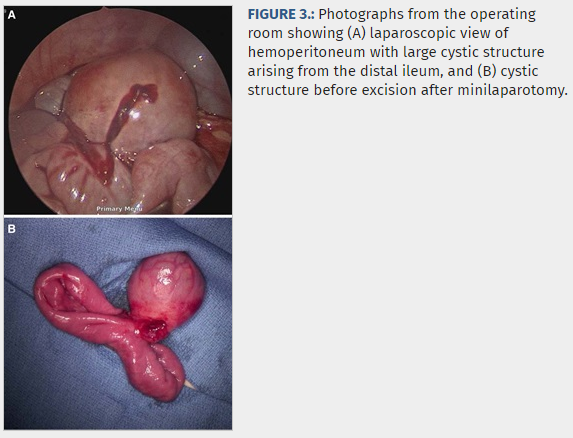
In this case report, a 2 yo with acute anemia along with acute on chronic abdominal pain was diagnosed with a Meckel’s diverticulum. After diagnostic studies, “a blood-filled mass arising from the ileum was identified and resected by the surgical team. Pathology was consistent with Meckel’s diverticulum with heterotopic gastric mucosa.”

My take: This is a rare presentation of a Meckel’s diverticulum. Besides bleeding, per the authors, “common presentations of Meckel’s diverticulum include diverticulitis/perforation (16%-20%), bowel obstruction (about 14%), and intussusception (12%).” 

Related blog post: NASPGHAN Postgraduate Course (2017): Strictures, GI Bleeding Pancreatic Fluid Collections

Can We Predict Which Patients With Irritable Bowel Will Respond to Dietary Manipulation Based on Their Microbiome?

Quote From Martin Short

In a recent post regarding Next-Generation Treatment for H pylori, the authors denigrated the term “empiric” treatment and said a more accurate term would be “hopeful” therapy. There are a lot of areas in our field in which hopeful therapy is a mainstay, especially in those with non-organic abdominal pain (eg. irritable bowel syndrome). Even with the benefit of a therapeutic ‘regression to the mean,’ treatment is often unsatisfactory.

Thus, it is a very positive sign that a recent article provides an indication of which patients are most likely to benefit from dietary manipulation:

K Vervier et al. Gut 2021;gutjnl-2021-325177. doi: 10.1136/gutjnl-2021-325177. Online ahead of print: Open Access: Two microbiota subtypes identified in irritable bowel syndrome with distinct responses to the low FODMAP diet

Methods: A prospective single centre case–control study recruited participants (n=56 pairs) from 2016 to 2019. The authors included adults (18–68 years of age) meeting the Rome IV criteria for diarrhoea-predominant or mixed type IBS (IBS-D and IBS-M, respectively) with respective household controls. 

Key findings:

  • Baseline IBS cases pre-diet identified two distinct microbiota profiles, which we refer to as IBSP (pathogenic-like) and IBSH (health-like) subtypes.
  • IBSP microbiomes were enriched in Firmicutes and genes for amino acid and carbohydrate metabolism, but depleted in Bacteroidetes species.
  • IBSH microbiomes were similar to controls.
  • On the low FODMAP diet, IBSH and control microbiota were unaffected, but the IBSP signature shifted towards a health-associated microbiome with an increase in Bacteroidetes (p=0.009), a decrease in Firmicutes species (p=0.004) and normalization of primary metabolic genes. The clinical response to the low FODMAP diet was greater in IBSP subjects compared with IBSH (p=0.02).
  • 50% of IBS cases manifested a ‘pathogenic’ gut microbial signature. This shifted towards the healthy profile on the low FODMAP diet; and IBSP cases showed an enhanced clinical responsiveness to the dietary therapy
A) Beta diversity analysis of IBS cases and healthy controls: principal coordinate analysis for the two first components identifies two distinct clusters among cases, described as cluster 1 (cl1, red) and cluster 2 (cl2, blue). Overall dispersion of household controls is represented in grey.

My take: Currently, what is a “pathogenic” microbiome is unclear at least to me. However, changes in the microbiome do occur with dietary manipulation and are likely involved in response to treatment for IBS and other disorders.

Related blog posts:

What We Know Right Now About Omicron and About Boosters

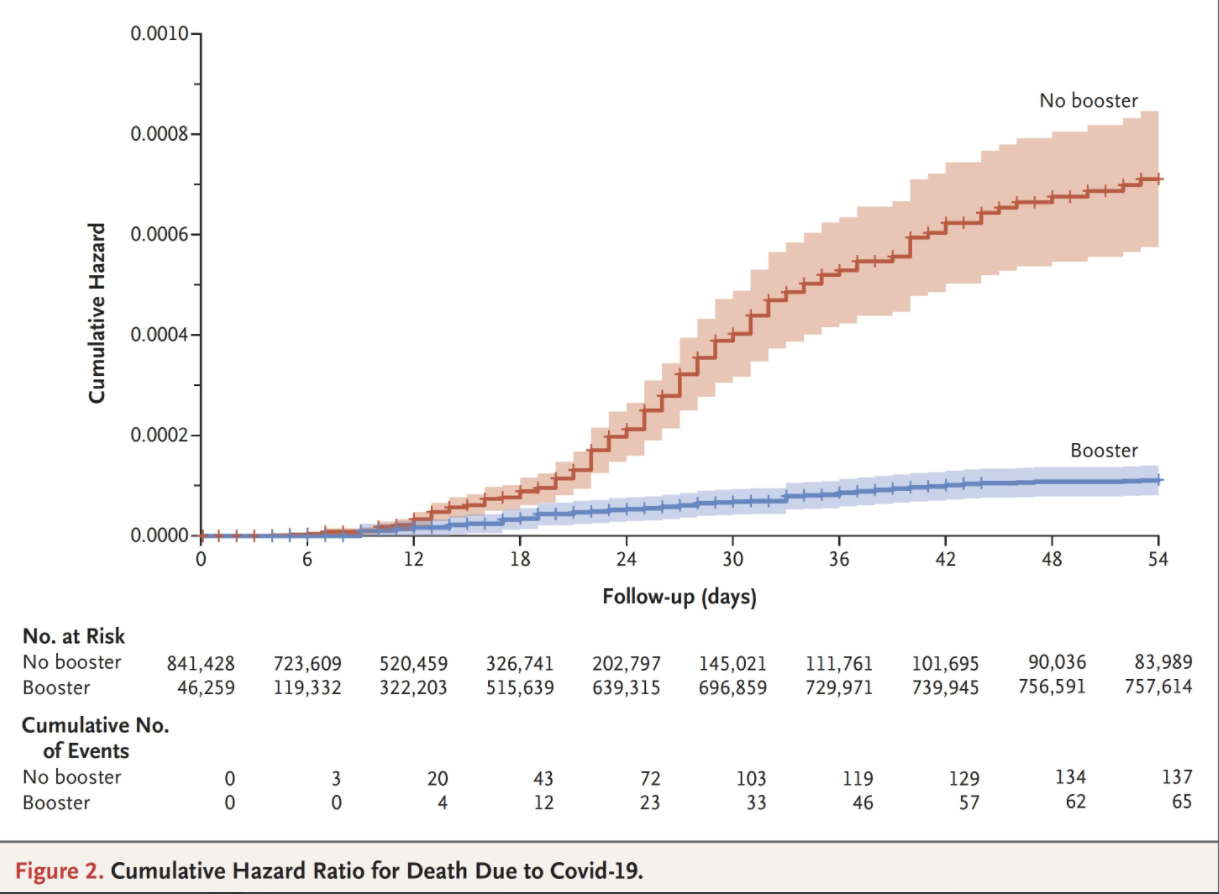
This article shows that the booster shot lowers the risk of death by 90% compared to those who did not receive the booster shot in those 50 years of age or older. R Arbel et al. NEJM 2021; DOI: 10.1056/NEJMoa2115624. Open Access: BNT162b2 Vaccine Booster and Mortality Due to Covid-19

Key Findings:

  • A total of 843,208 participants (50 years and older) met the eligibility criteria, of whom 758,118 (90%) received the booster during the 54-day study period. Death due to Covid-19 occurred in 65 participants in the booster group (0.16 per 100,000 persons per day) and in 137 participants in the nonbooster group (2.98 per 100,000 persons per day). The adjusted hazard ratio for death due to Covid-19 in the booster group, as compared with the nonbooster group, was 0.10 (95% confidence interval, 0.07 to 0.14; P<0.001).

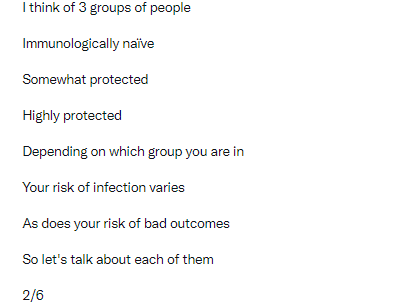
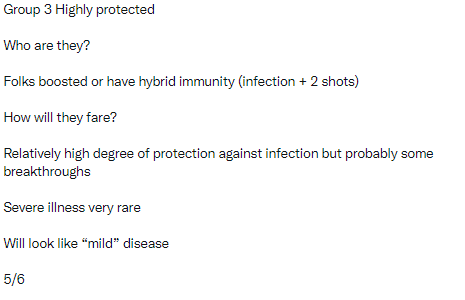
This twitter thread from Ashish Jha provides insight into the current understanding of the Omicron variant.

How To Test For Zollinger-Ellison: On or off PPI Therapy?

S Bhattacharya et al. The American Journal of Gastroenterology: November 2021 – Volume 116 – Issue 11 – p 2216-2221doi: 10.14309/ajg.0000000000001487. Validity of Secretin Stimulation Testing on Proton Pump Inhibitor Therapy for Diagnosis of Zollinger-Ellison Syndrome

Methods: Twenty-eight patients corresponding to 29 SSTs (secretin stimulation tests) were performed on PPI, and 70 patients corresponding to 107 SSTs were performed off PPI. 

Key findings:

  • Sensitivity, specificity, and PPV of SSTs on PPI were determined to be noninferior to SSTs off PPI (P ≤ 0.05 for all).

My take: Zollinger-Ellison is a rare consideration in pediatric gastroenterology (I have only seen one case in ~ 25 years of practice). However, if testing is needed, this article indicates that stopping PPIs is probably not needed.

Disclaimer: This blog, gutsandgrowth, assumes no responsibility for any use or operation of any method, product, instruction, concept or idea contained in the material herein or for any injury or damage to persons or property (whether products liability, negligence or otherwise) resulting from such use or operation. These blog posts are for educational purposes only. Specific dosing of medications (along with potential adverse effects) should be confirmed by prescribing physician.  Because of rapid advances in the medical sciences, the gutsandgrowth blog cautions that independent verification should be made of diagnosis and drug dosages. The reader is solely responsible for the conduct of any suggested test or procedure.  This content is not a substitute for medical advice, diagnosis or treatment provided by a qualified healthcare provider. Always seek the advice of your physician or other qualified health provider with any questions you may have regarding a condition.