

Related blog post: Expert Update on COVID-19 Pandemic and Vaccine Rollout (12/2/20)

CR Kelly et al. Gastroenterol 2020; doi.org/10.1053/j.gastro.2020.09.038 (in press). Fecal Microbiota Transplantation Is Highly Effective in Real-World Practice: Initial Results From the FMT National Registry
Background: “The FMT National Registry was designed to assess FMT methods and both safety and effectiveness outcomes from North American FMT providers.” n=259 with 222 who completed short-term follow-up.
Key findings:
My take: Overall, the findings from this prospective registry confirm that FMT works fairly well for CDI. Long-term follow-up will provide more answers on the safety of FMT.
Related blog posts:


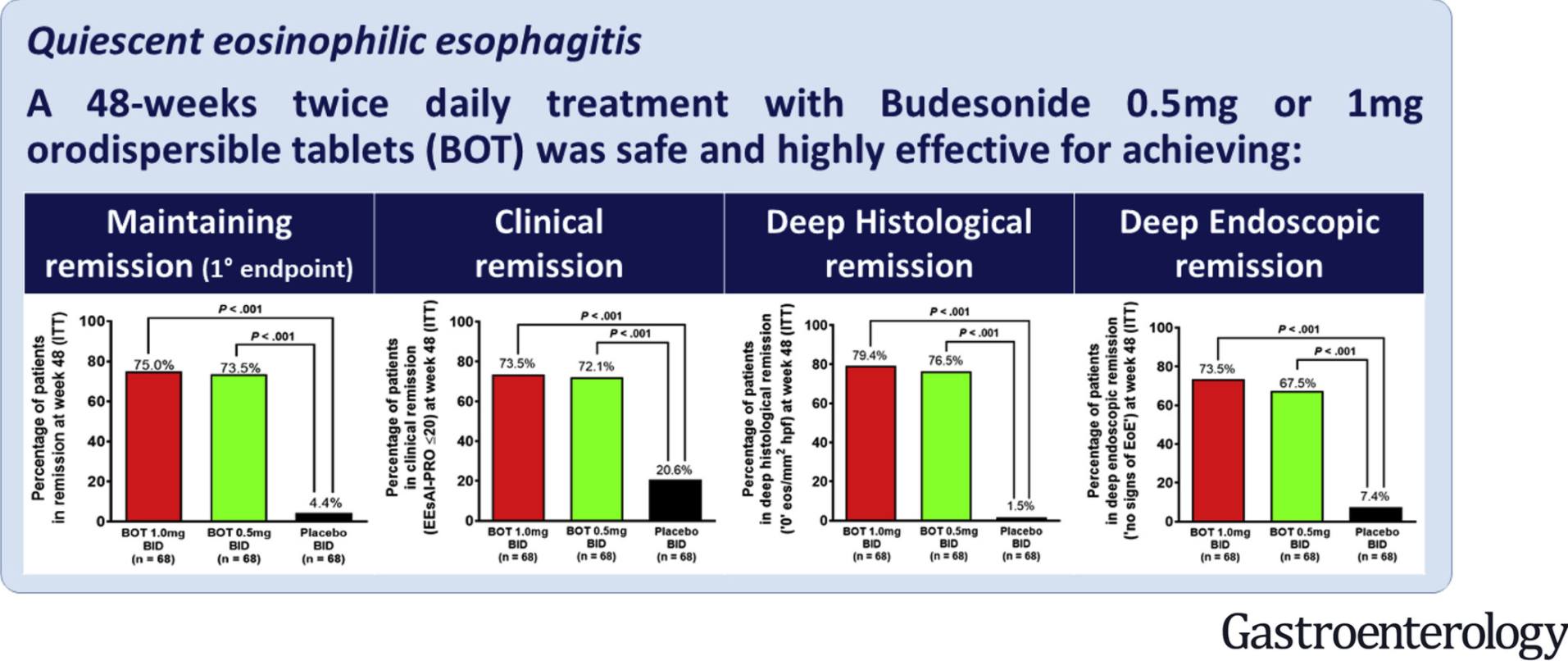
A Straumann et al. Gastroenterology 2020; Free Full Text Link: Budesonide Orodispersible Tablets Maintain Remission in a Randomized, Placebo-Controlled Trial of Patients With Eosinophilic Esophagitis
Methods: Two hundred and four adults with EoE in clinical and histologic remission, from 29 European study sites, were randomly assigned to groups given budesonide orodispersible tablet (BOT) 0.5 mg twice daily (n = 68), BOT 1.0 mg twice daily (n = 68), or placebo twice daily (n = 68) for up to 48 weeks
Key Findings:
In the discussion, the authors state that “we recommend monitoring symptoms and signs of adrenal insufficiency when administrating topical-acting corticosteroids over prolonged time periods, in particular in children and when using higher dosages.”
My take (from discussion): “EoE requires a proper long-term anti-inflammatory therapy because, without active treatment, the vast majority of patients experience a relapse within the first 100 days after cessation of the medication.”
Related blog posts:
I Kaji et al. Gastroenterol 2020; 159: 1390-1405. Full free text: Lysophosphatidic Acid Increases Maturation of Brush Borders and SGLT1 Activity in MYO5B-deficient Mice, a Model of Microvillus Inclusion Disease
Key finding: Lysophosphatidic acid (LPA)partially restored the brush border height and the localization of SGLT1 and NHE3 in small intestine of MYO5B-knockout mice and enteroids. There are a number of high quality figures that illustrate these effects:

Editorial, S Abtahi, JR Turner. Gastroenterol 2020; 159:1233-1235: Full free text: Exploiting Alternative Brush Border Trafficking Routes to Treat Microvillous Inclusion Disease
Background (from editorial):
Key points from editorial
My take (borrowed from editorial): This study shows “there are multiple trafficking pathways to the brush border and that one of these can be exploited to overcome defects in another.”

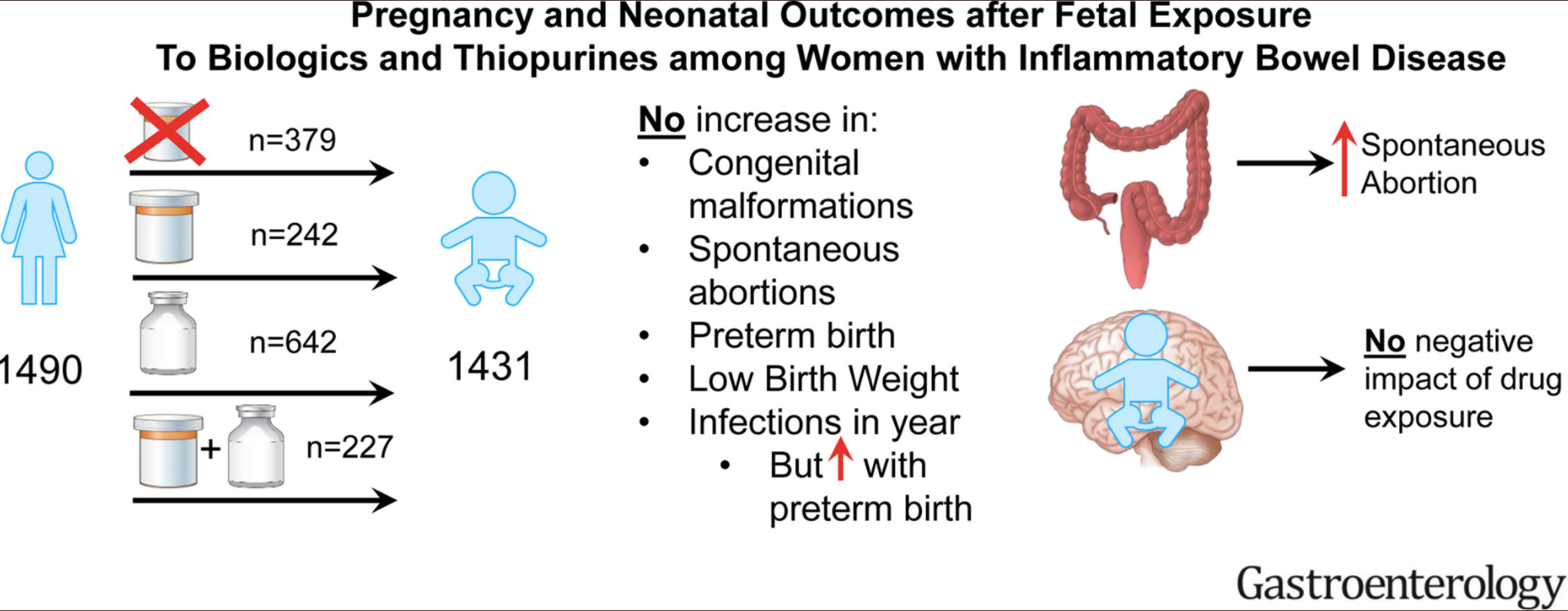
U Mahadevan at el. Gastroenterology; 2020: (in press) DOI:https://doi.org/10.1053/j.gastro.2020.11.038. Pregnancy and Neonatal Outcomes after Fetal Exposure To Biologics and Thiopurines among Women with Inflammatory Bowel Disease
Methods: Between 2007 and 2019, pregnant women with IBD were enrolled in a prospective, observational, multicenter study across the United States (PIANO registry).
Key findings:
My take: This study provides some reassurance that treatments for IBD are unlikely to affect neonatal outcomes; however, increased IBD activity does affect outcomes
Related blog post: IBD and Pregnancy
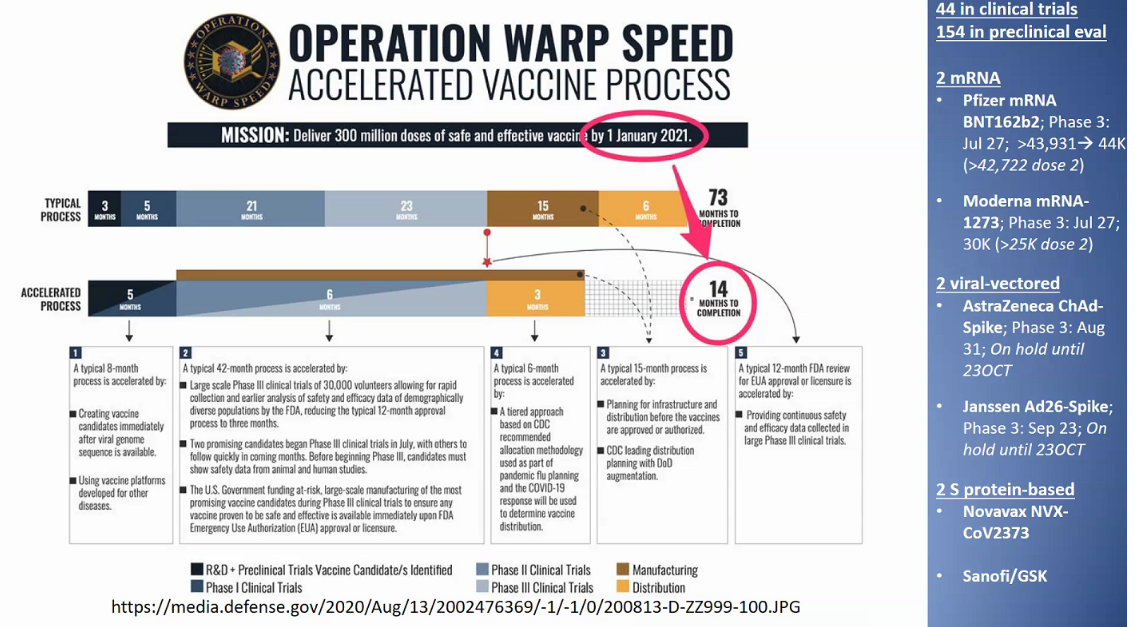
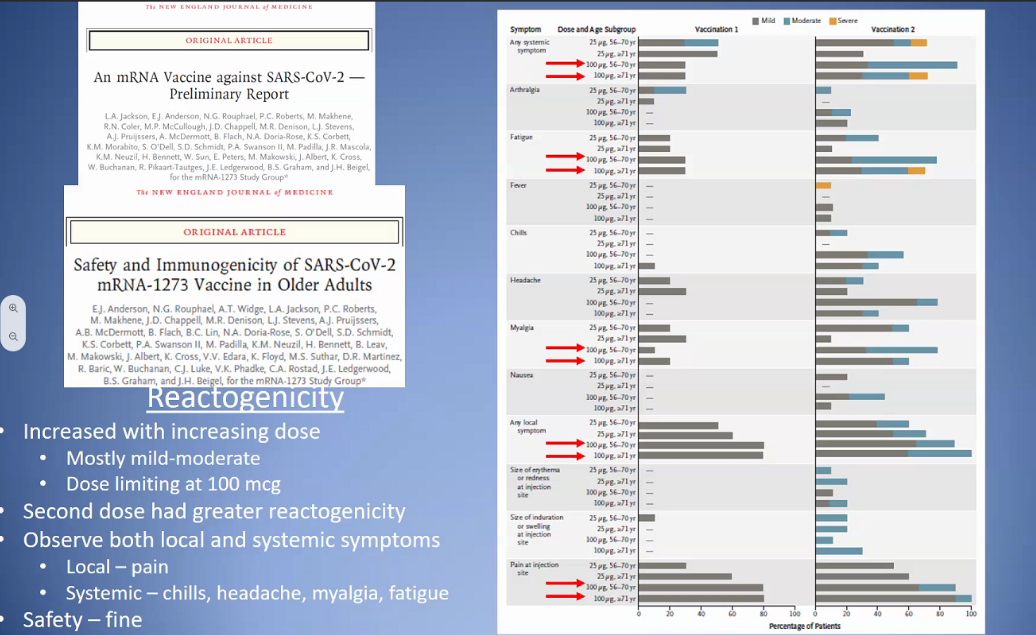
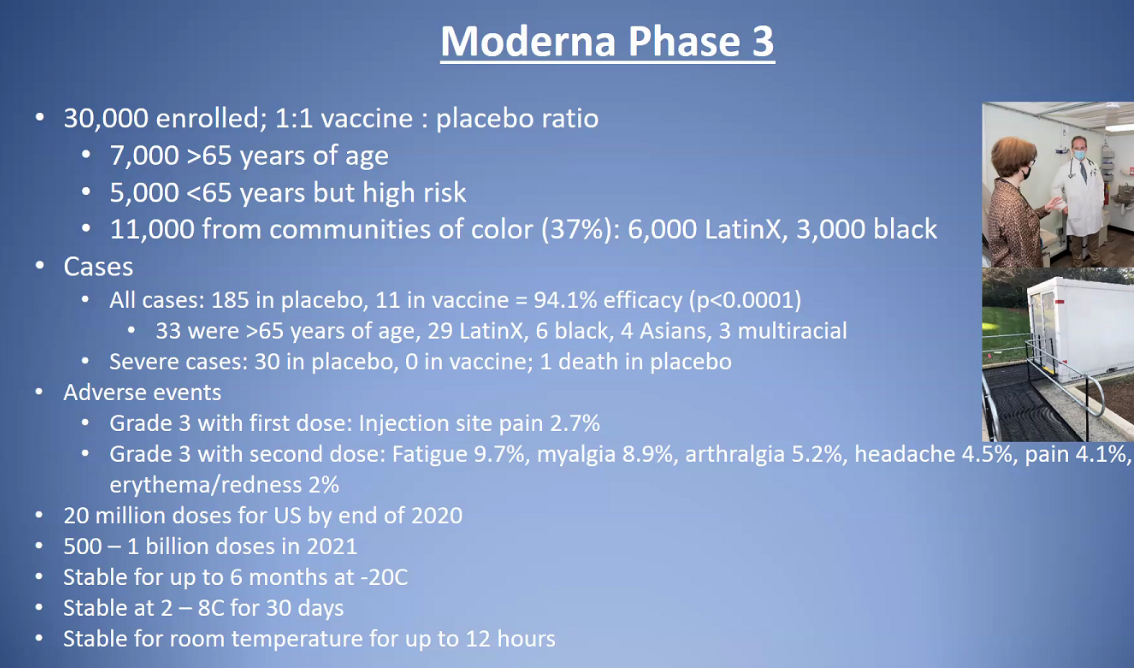
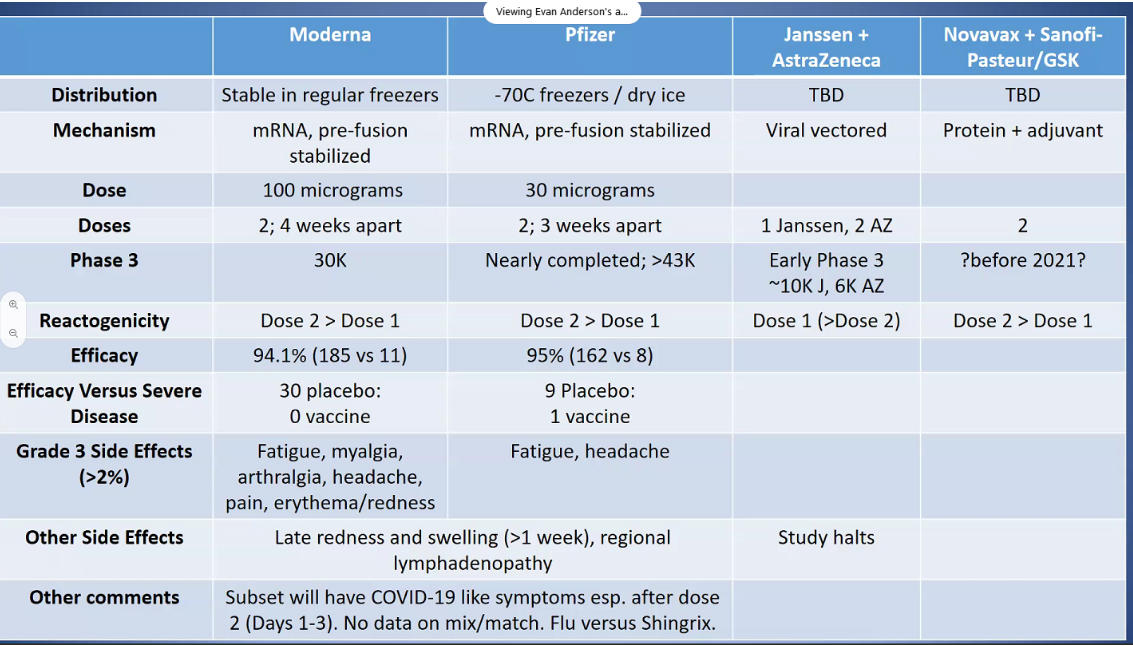
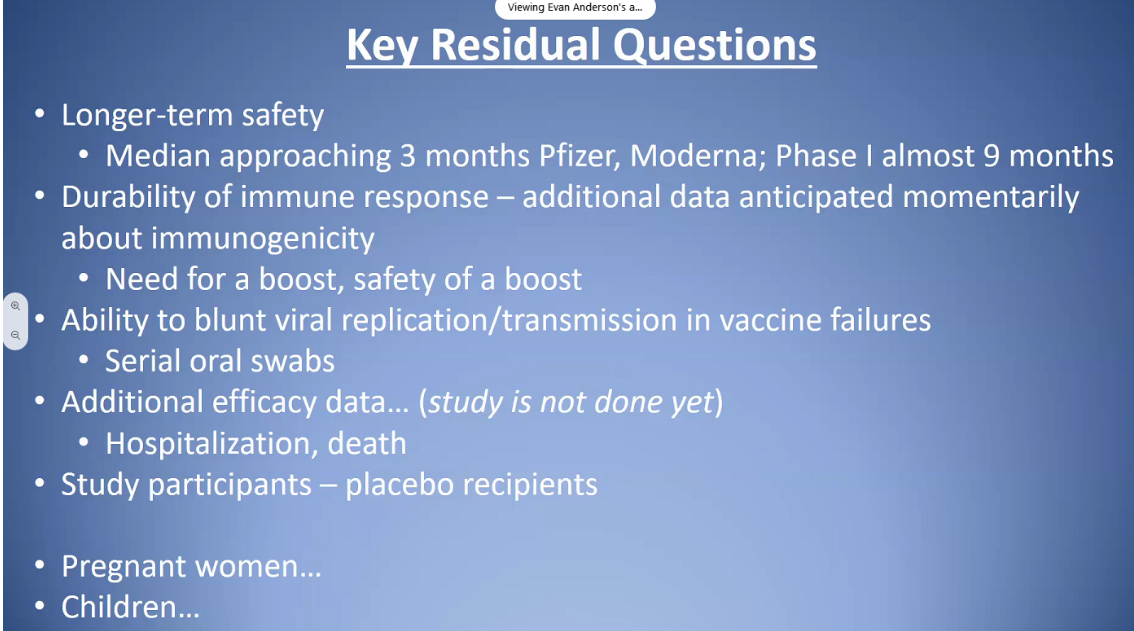
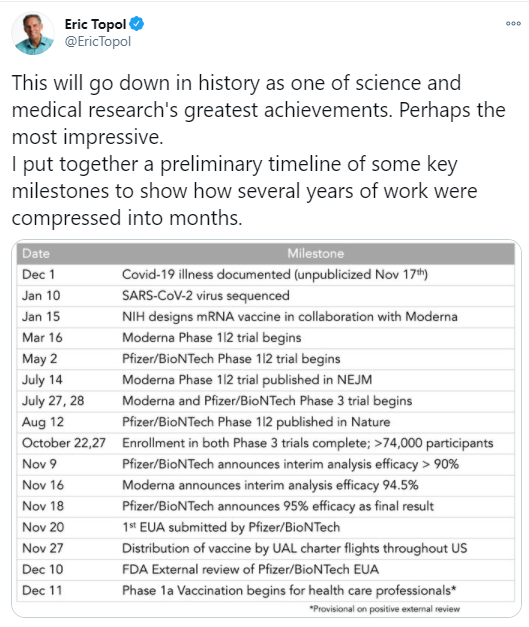
Our hospital system has been arranging frequent staff meetings to provide situational updates amid the pandemic. On 12/2/20, Evan Anderson (infectious disease) provided an an excellent update on COVID-19/rollout of vaccines.
Key Points:




Current pandemic situation in metro Atlanta (slide from Dan Salinas)

Related blog posts:
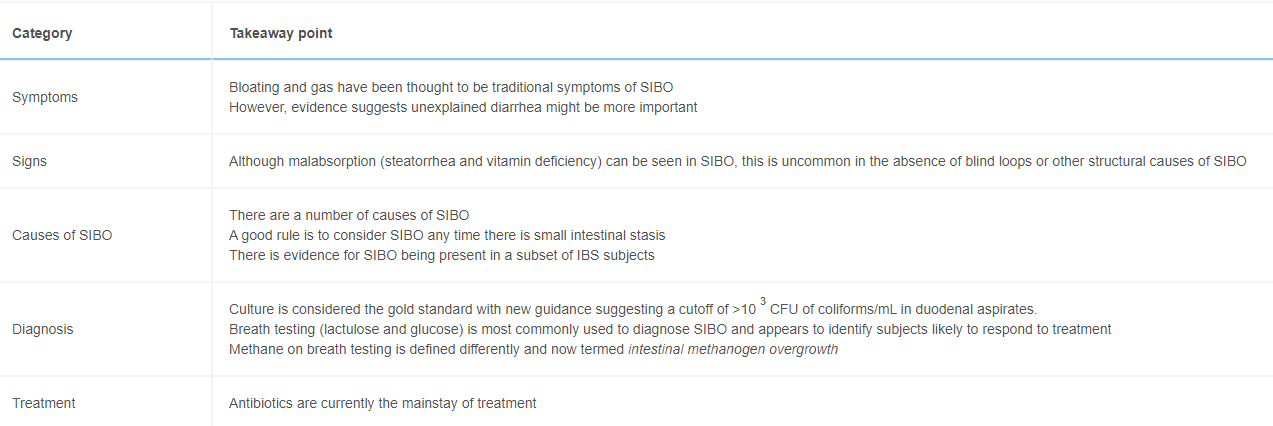
EMM Quigley, JA Murray, M Pimental. Gastroenterol 2020; 159: 1526-1532. Clinical Practice Guidelines. Full Free Text: AGA Clinical Practice Update on Small Intestinal Bacterial Overgrowth: Expert Review
This is a really lousy clinical practice guideline but a pretty good review of small intestinal bacterial overgrowth (SIBO). The reason why it is lousy: it provides virtually no recommendations on how to define/diagnose SIBO, does not recommend specific testing and equivocates on specific treatments.
Here are a few of the “best practice advice” as examples:
While not providing ‘best practical advice,’ the article does provide details regarding limitations in testing, underlying pathogenesis, and potential treatment regimens for adults.
Related blog posts:
M Thanhaeuser et al. J Pediatr 2020; 226: 142-148. A Randomized Trial of Parenteral Nutrition Using a Mixed Lipid Emulsion Containing Fish Oil in Infants of Extremely Low Birth Weight: Neurodevelopmental Outcome at 12 and 24 Months Corrected Age, A Secondary Outcome Analysis
This study evaluated neurodevelopmental outcomes using Bayley Scales. the authors provided a secondary outcome analysis of a double-blind randomized trial of 206 extremely low birth weight infants. Participants received either SMOFlipid or soybean oil-based lipid. Lipids were dosed at </+ 3 g/kg/day.
Key findings:
Limitations: One of the reasons why this study did not find any difference is that it was not powered for assessment of neurodevelopmental outcomes. The authors provide other potential reasons:
My take: SMOFlipid has not been proven to have more favorable long-term neurocognitive effects than intralipid. However, for children with prolonged need for parenteral nutrition, SMOFlipid is more likely to allow full dosing which in itself may be an important contributor to better outcomes. That is, soybean-lipid emulsions are more likely to be reduced due to cholestasis and this could lead to nutritional deprivation.
Related blog posts:

NE Ebel et al. J Pediatr 2020; 226: 195-201. Decreased Incidence of Hepatic Artery Thrombosis in Pediatric Liver Transplantation Using Technical Variant Grafts: Report of the Society of Pediatric Liver Transplantation Experience
This study used multicenter data from the Society of Pediatric Liver Transplantation on first-time pediatric (aged <18 years) liver transplant recipients (n = 3801) in the US and Canada (1995-2016).
Key findings:
The finding that split grafts had lower rates of HAT may be related to the fact that these grafts more typically come from larger donors with larger vessels. Historically, split grafts had been described as a risk factor for HAT. The authors note that high-performing centers with the lowest incidence of HAT “also tend to have high rates of living and split transplants, suggesting that surgical expertise may play a role in the decreased risk of HAT in select recipients with technical variant grafts.”
Increased rates of HAT among those who were retransplanted, in some, could be related to thrombophilic conditions; thus, consideration of anticoagulation protocol could be needed
My take: Continued efforts are needed to reduce HAT due to its impact on liver transplantation outcomes. One of the biggest risk factors is age. While this would seem to be a nonmodifiable factor, improving recognition and treatment of biliary atresia could help.
Related blog posts:

S Hirsch, S Nurko, P Mitchell, R Rosen. J Pediatr 2020; 226: 228-235. Botulinum Toxin as a Treatment for Feeding Difficulties in Young Children
This retrospective study of children, n=85, 2 months to 5 years (2007-2019) examined the effectiveness of intrapyloric botulinum toxin injection (IPBI) in children with feeding difficulties; many had vomiting (n=66) or retching (n=25). Dosing per report: 6 units/kg to a maximum of 100 units, divided in 4 injections around the pylorus. 100 units were diluted in 1 mL of normal saline to create a 10 unit/0.1 mL solution. The study excluded 27 patients who had IPBI but had insufficient data/follow-up or other disease processes.
Key findings:
Limitations:
My take: Overall, I am impressed with the innovative ideas from Boston Children’s for pediatric patients with feeding problems. Yet, I am skeptical with regard to the use of IPBI for feeding difficulties; though, there may be a subset of children who benefit. Many children with complex feeding problems improve without the use of IPBI. Clearly, a randomized trial would be helpful.
Related blog posts:

Disclaimer: This blog, gutsandgrowth, assumes no responsibility for any use or operation of any method, product, instruction, concept or idea contained in the material herein or for any injury or damage to persons or property (whether products liability, negligence or otherwise) resulting from such use or operation. These blog posts are for educational purposes only. Specific dosing of medications (along with potential adverse effects) should be confirmed by prescribing physician. Because of rapid advances in the medical sciences, the gutsandgrowth blog cautions that independent verification should be made of diagnosis and drug dosages. The reader is solely responsible for the conduct of any suggested test or procedure. This content is not a substitute for medical advice, diagnosis or treatment provided by a qualified healthcare provider. Always seek the advice of your physician or other qualified health provider with any questions you may have regarding a condition
 gutsandgrowth