@AllergyKidsDoc: Deep Down the Rabbit Hole of Bias, Plus Two

NPR: From Camping To Dining Out: Here’s How Experts Rate The Risks Of 14 Summer Activities

This article describes the potential risks for dining out, staying at hotels, getting a haircut (ask your stylist to focus on cutting and not talking), going to the beach/pool and other activities.


Moving NY Times Graphic on coronavirus toll in U.S. (May 24, 2020): An Incalculable Loss: Remembering the Nearly 100,000 Lives Lost to Coronavirus in America


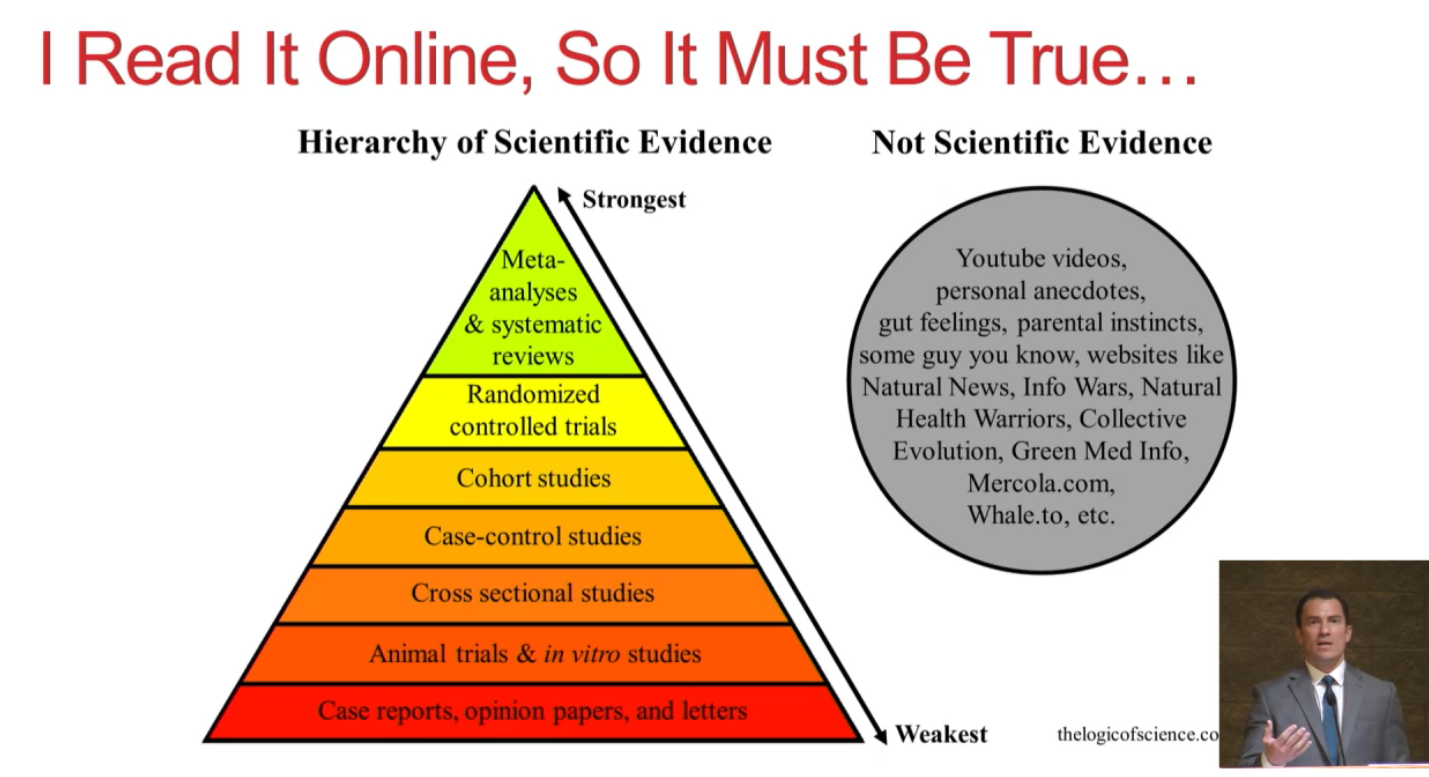
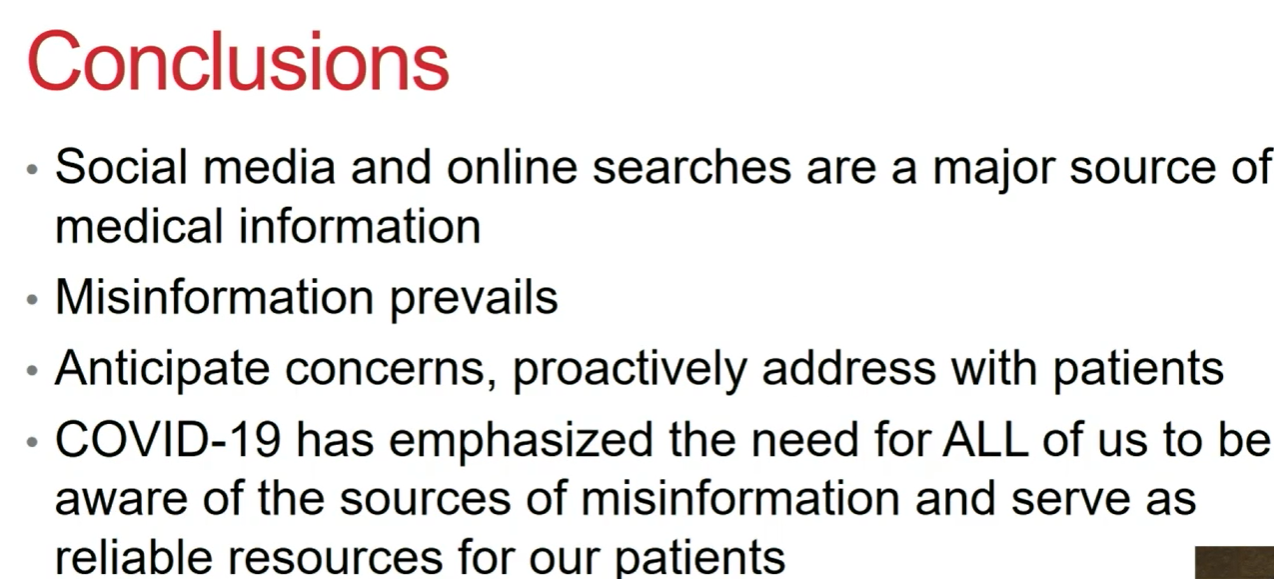
A recent lecture by Dave Stukus: Deep Down the Rabbit Hole of Biases, Conspiracies, and Echo Chambers (50 minutes). Thanks to Ben Gold for this reference.

This lecture summarizes some of the challenges of misinformation and quackery.

Some interesting points:

  • Explains common biases which lead us to faulty conclusions
  • Illustrates some far-fetched claims for Himalayan Salt Lamp as a treatment for asthma as well as Dr. Oz’s unproven recommendations for the coronavirus
  • Provides several books for those interested in learning a lot more (see last slide)

Some slides:



Related blog posts:


Not Curing Obesity with Fecal Microbiota Transplantation & More on Remdesivir

A recent pilot (n=22) double-blind study (JR Allegrett et al. Clin Gastroenterol Hepatol 2020; 18: 855-63) pours cold water on the idea that repopulating one’s microbiome would be helpful in treating obesity.

In this study, the authors examined obese patients without diabetes, nonalcoholic steatohepatitis, or metabolic syndrome.  In the treatment group, patients received FMT by capsules: 30 capsules at week 4 and then a maintenance dose of 12 capsules at week 8.  All FMT was derived from a single lean donor.

Key findings:

  • There were no significant changes in mean BMI at week 12 in either group.
  • Patients in the FMT group had sustained shifts in microbiomes associated with obesity toward those of the donor (P<.001).  In addition, bile acid profiles became more similar to the donor.

My take: Though this was a small study, it suggests that changing the microbiome by itself is likely insufficient to result in significant weight loss.

Related blog posts:

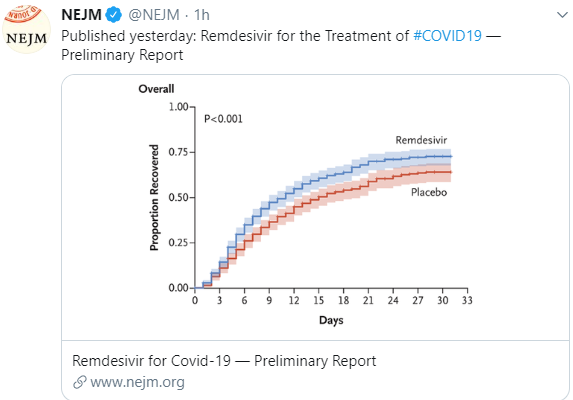
JH Beigel et al. NEJM DOI: 10.1056/NEJMoa2007764 (May 22, 2020): Full text: Remdesivir for the Treatment of Covid-19 — Preliminary Report

This was a a double-blind, randomized, placebo-controlled trial of intravenous remdesivir in adults hospitalized with Covid-19 with evidence of lower respiratory tract involvement (n=1063).

Key findings:

  • Faster recovery for remdesivir recipients: 11 days vs 15 days
  • Lower mortality rate: 7.1% with remdesivir and 11.9% with placebo (hazard ratio for death, 0.70, 95% CI, 0.47 to 1.04) (mortality difference did not reach statistical significance)


Prevalence of Rome IV Functional Bowel Disorders in Adults (US, UK, Canada) & Largest Study to Date on Hydroxychloroquine for COVId-19

OS Palsson et al. Gastoenterol 2020; 158: 1262-73.  The authors note that the switch from Rome III to Rome IV criteria reduces the prevalence of IBS by half, but increases the prevalence of functional constipation and functional diarrhea.

Full text PDF: Prevalence of Rome IV Functional Bowel Disorders Among Adults in the United States, Canada, and the United Kingdom

Abstract

BACKGROUND & AIMS:

Little is known about the population prevalence or demographic distributions of Rome IV functional bowel disorders (FBDs) or their effects on quality of life. We examined these in a multinational survey.

METHODS:

We analyzed data from a population-based [online] survey of adults in the United States, Canada, and United Kingdom (5931 valid responders; 49.2% female; mean age, 47.4 years; range, 18-92 years). The survey included the Rome IV Diagnostic Questionnaire, Rome III irritable bowel syndrome (IBS) and constipation questions, and the SF-8 quality of life questionnaire.

RESULTS:

The prevalence values of census-adjusted Rome IV FBDs were similar among the 3 countries; ranges were: 4.4%-4.8% for IBS, 7.9%-8.6% for functional constipation, 3.6%-5.3% for functional diarrhea, 2.0%-3.9% for functional bloating or distention, 1.1%-1.9% for opioid-induced constipation, 7.5%-10.0% for unspecified FBDs, and 28.6%-31.7% for any Rome IV FBD. FBDs were less common in older individuals, and all except functional diarrhea were more common in women. IBS was only half as prevalent by Rome IV as by Rome III criteria (4.6% vs 9.0% overall), primarily due to higher Rome IV minimum pain frequency. Functional diarrhea and functional constipation were more prevalent by Rome IV than Rome III criteria. Subjects with FBD had significant reductions in quality of life and reported more gastrointestinal doctor consultations than other subjects.

CONCLUSIONS:

More than 1 in 4 adults in the general population meet the Rome IV criteria for FBDs. These disorders affect quality of life and increase use of gastrointestinal health care. The switch from Rome III to Rome IV criteria reduces the prevalence of IBS by half, but increases the prevalence of functional constipation and functional diarrhea.

Related blog posts:


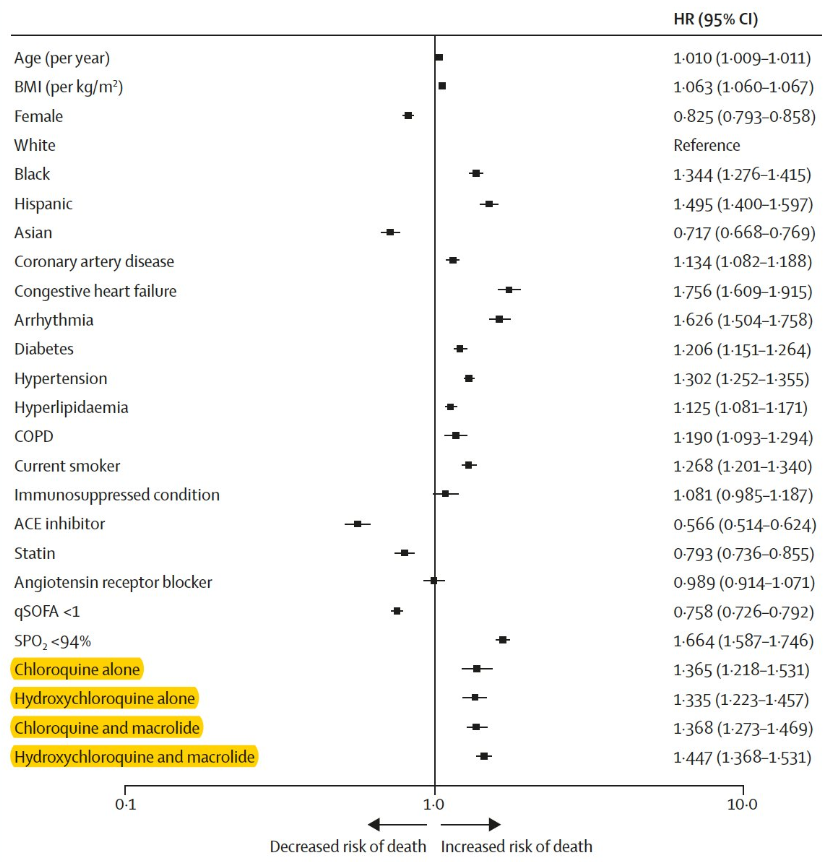
From @EricTopol: Just published @TheLancet The largest study of hydroxychloroquine shows a significant increase in death (~35%) and >2-fold increase of serious heart arrhythmias. ~96,000 patients, ~15,000 on HCQ or CQ from 671 hospitals, 6 continents.


More Jokes:

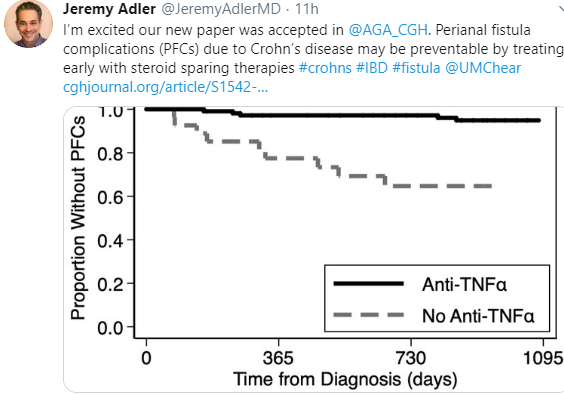
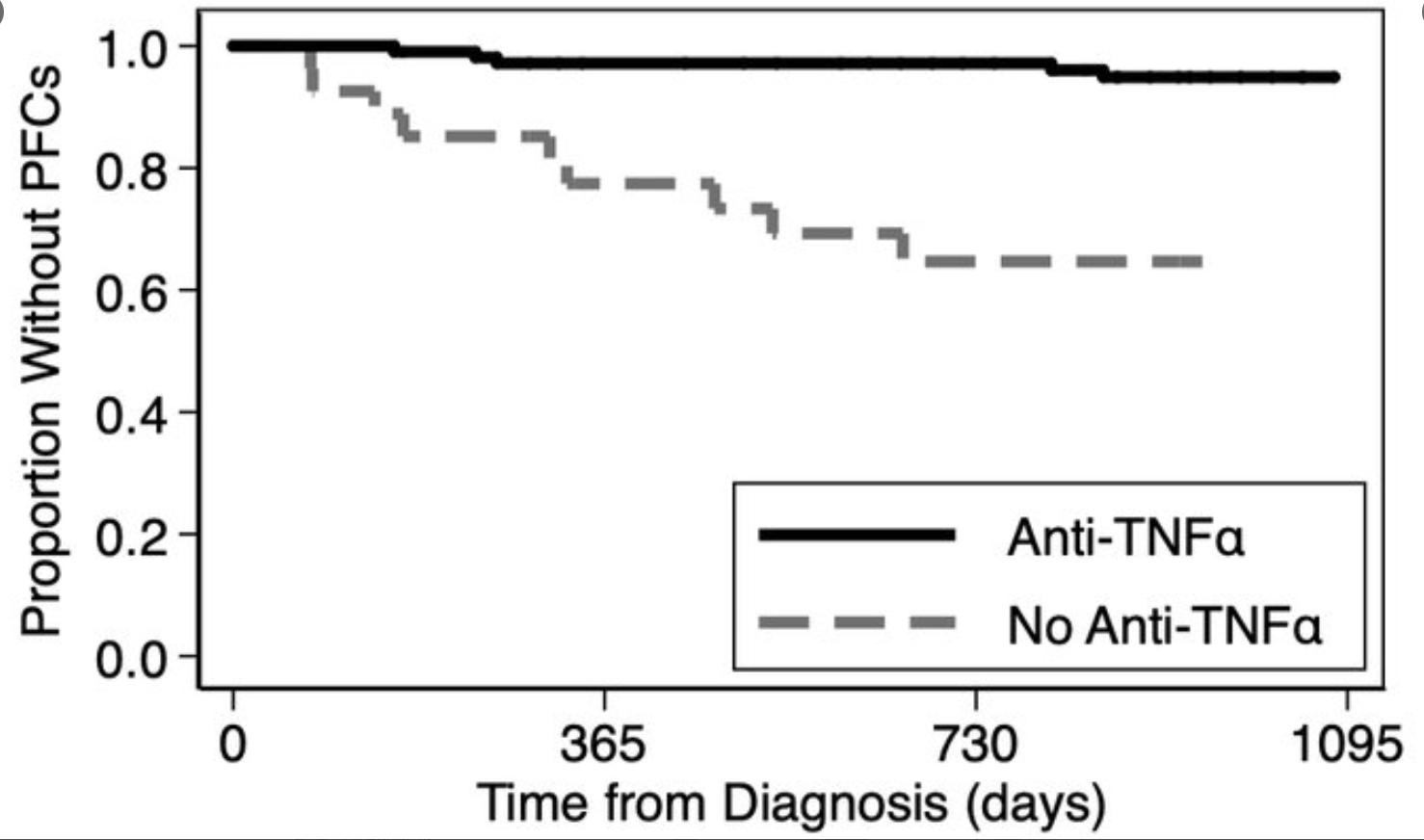
Early Treatment with Anti-TNF Agents and Development of Perianal Fistulas

AAM Singer, DA Bloom, J Adler. Clin Gastroenterol Hepatol 2020; In Press: Factors Associated With Development of Perianal Fistulas in Pediatric Patients With Crohn’s Disease

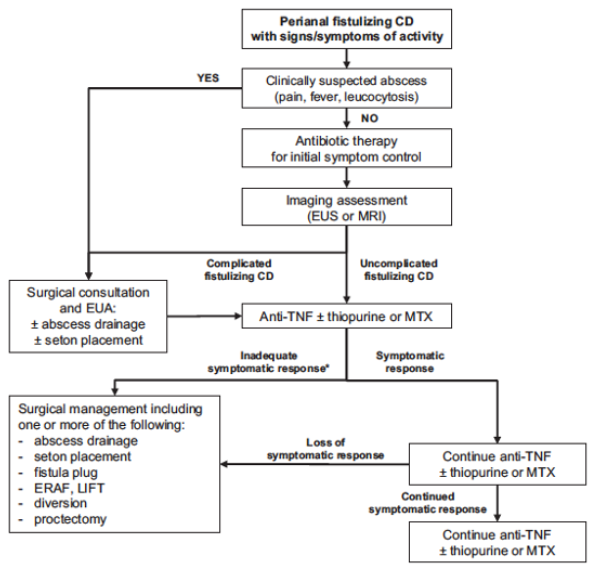
Also, related article:

Full Text: 2019 Jan 1;25(1):1-13. doi: 10.1093/ibd/izy247. Clinical Practice Guideline for the Medical Management of Perianal Fistulizing Crohn’s Disease: The Toronto Consensus.

Related blog posts:

Disclaimer: This blog, gutsandgrowth, assumes no responsibility for any use or operation of any method, product, instruction, concept or idea contained in the material herein or for any injury or damage to persons or property (whether products liability, negligence or otherwise) resulting from such use or operation. These blog posts are for educational purposes only. Specific dosing of medications (along with potential adverse effects) should be confirmed by prescribing physician.  Because of rapid advances in the medical sciences, the gutsandgrowth blog cautions that independent verification should be made of diagnosis and drug dosages. The reader is solely responsible for the conduct of any suggested test or procedure.  This content is not a substitute for medical advice, diagnosis or treatment provided by a qualified healthcare provider. Always seek the advice of your physician or other qualified health provider with any questions you may have regarding a condition.

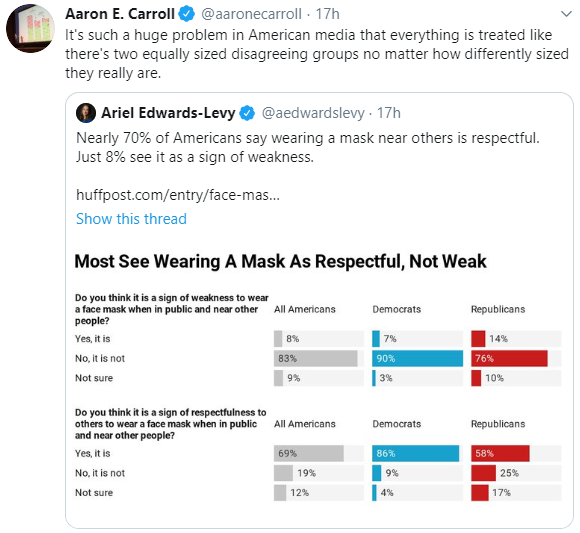
Nationwide Coronavirus Data Skewed & More on Masks

The CDC, along with numerous states, are currently using aggregated viral testing that include assays for current infection along with antibody testing that detects prior infections.  This muddies the picture on actual current coronavirus cases and makes it more difficult to determine if we are heading in the right direction.

From The Atlantic: ‘How Could the CDC Make That Mistake?

An excerpt:

The Centers for Disease Control and Prevention is conflating the results of two different types of coronavirus tests, distorting several important metrics and providing the country with an inaccurate picture of the state of the pandemic. We’ve learned that the CDC is making, at best, a debilitating mistake: combining test results that diagnose current coronavirus infections with test results that measure whether someone has ever had the virus…

The widespread use of the practice means that it remains difficult to know exactly how much the country’s ability to test people who are actively sick with COVID-19 has improved….

Georgia …has also seen its COVID-19 infections plateau amid a surge in testing. Like Texas, it reported more than 20,000 new results on Wednesday, the majority of them negative. But because, according to The Macon Telegraph, it is also blending its viral and antibody results together, its true percent-positive rate is impossible to know…

On a national scale, they call the strength of America’s response to the coronavirus into question…the portion of tests coming back positive has plummeted, from a seven-day average of 10 percent at the month’s start to 6 percent on Wednesday…The intermingling of viral and antibody tests suggests that some of those gains might be illusory.


Related blog posts:

Briefly Noted: Shwachman-Diamond

S Cesaro et al. J Pediatr 2020; 219: 196-201.  This prospective study with 121 patients provides long-term survival information regarding Shwachman-Diamond syndrome which is characterized by exocrine pancreatic insufficiency, hematologic alterations, skeletal abnormalities and sometimes liver disease. Key findings:

  • Initial hematologic parameters included severe neutropenia in 25.8%  , thrombocytopenia in 25.5%, and anemia in 4.6%; cumulative incidence of these abnormalities at 30 years of age were 59.9%, 66.8%, and 20.2% respectively
  • 20-year cumulative incidence of myelodysplasia/leukemia was 9.8% and of bone marrow failure/severe cytopenia was 9.9%.
  • 15 (12.4%) underwent stem cell transplantation
  • 15 (12.4%) died with probability of survival at 10 yrs: 95.7% and at 20 yrs 87.4%

My take: This study shows the hematologic morbidities associated with Shwachman-Diamond –important information for the pediatric gastroenterologist following these children for pancreatic insufficiency or liver-related abnormalities.

Related blog posts:

Also, a previous post (Do Button Battery Guidelines Need to be Revised?) reviewed an abstract suggesting that gastric button batteries could result in mucosal injury.  This has now been published: (Gastrointestinal Endoscopy, DOI: https://doi.org/10.1016/j.gie.2020.04.037 In press) Gastric injury secondary to button battery ingestions: a retrospective multicenter review

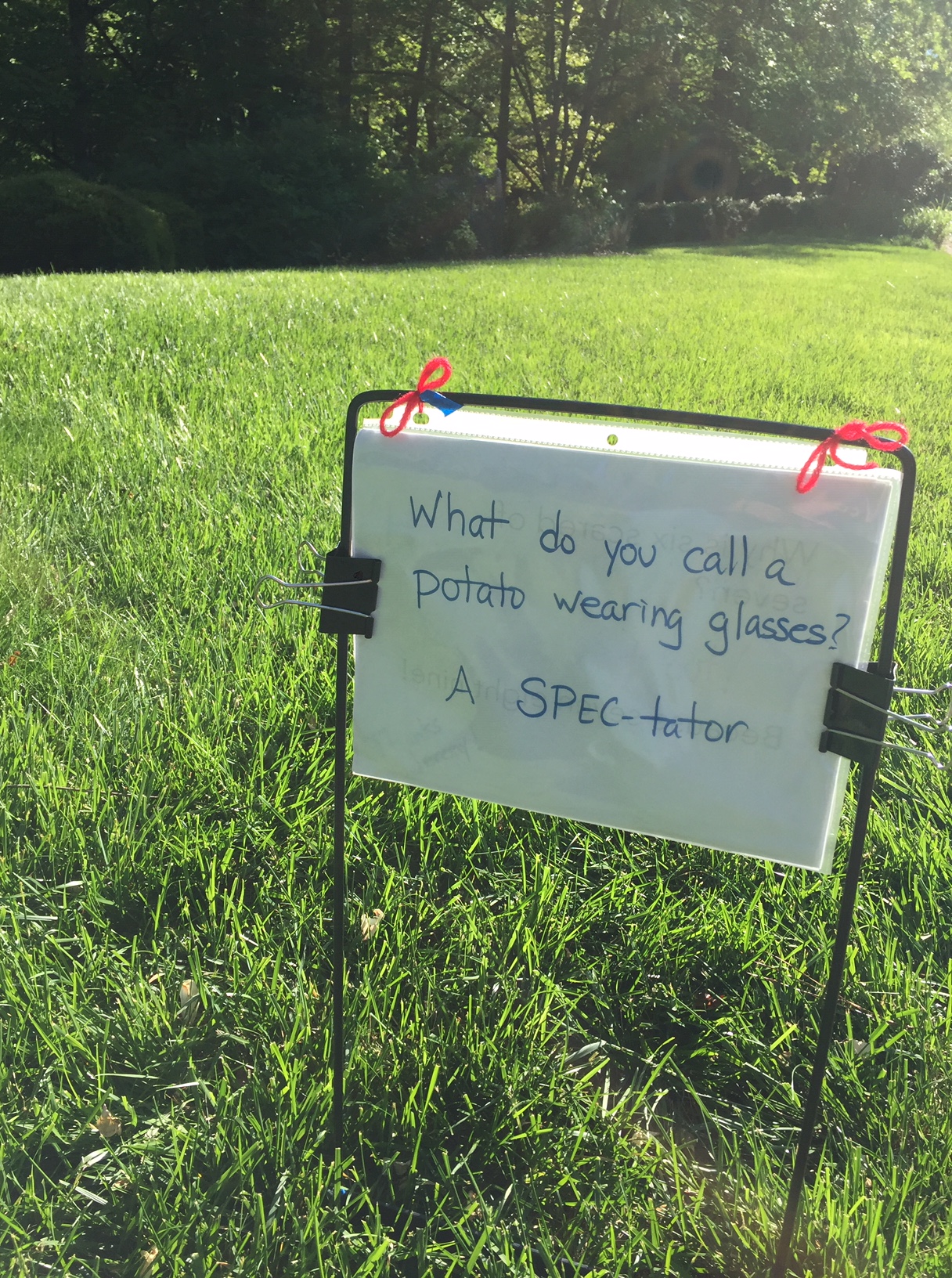
Curbside humor: How do you make a tissue dance?  Put a little boogie in it.

Island Ford National Recreation Area/Chattahoochee River


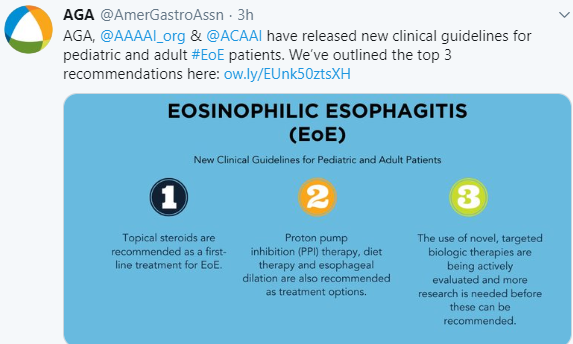
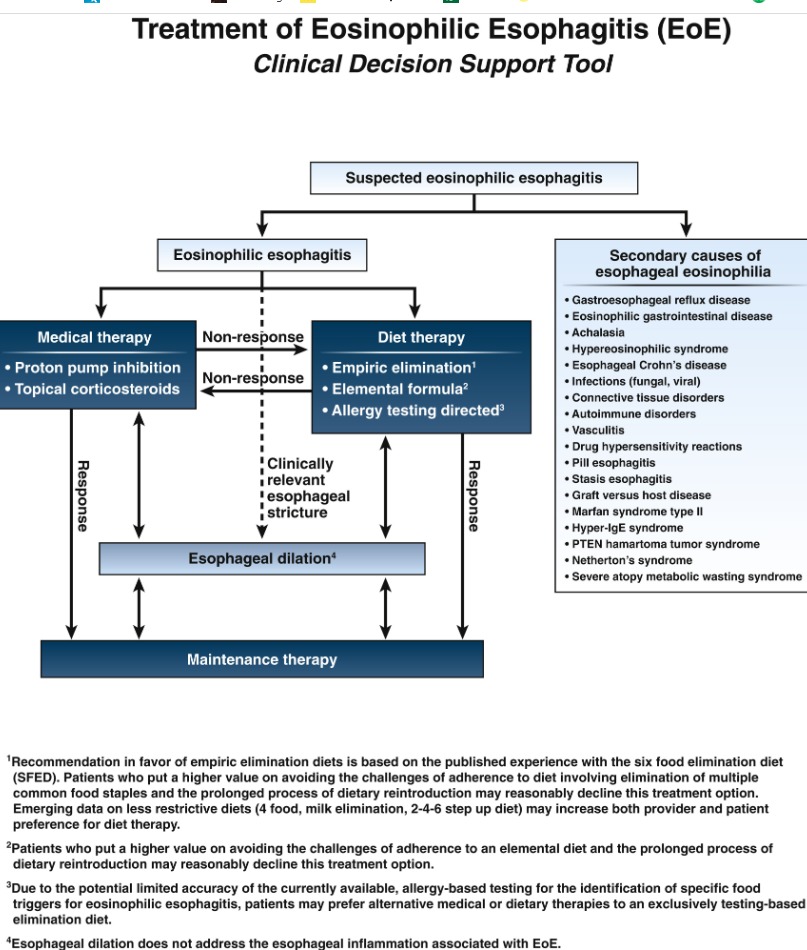
New 2020 Eosinophilic Esophagitis Guidelines

Full text (I Hirano et al. Gastroenterol 2020; 158: 1776-86)AGA Institute and the Joint Task Force on Allergy-Immunology Practice Parameters Clinical Guidelines for the Management of Eosinophilic Esophagitis

Full text: PDF

This guideline was developed through a collaboration between AGA and the Joint Task Force for Allergy-Immunology Practice Parameters, which comprises the American Academy of Allergy, Asthma & Immunology and the American College of Allergy, Asthma & Immunology. This guideline is jointly published in Gastroenterology and Annals of Allergy, Asthma and Immunology.

Technical review article (MA Rank et al. Gastroenterol 2020; 158: 1789-1810): Technical Review on the Management of Eosinophilic Esophagitis: A Report From the AGA Institute and the Joint Task Force on Allergy-Immunology Practice Parameters


Link: Clinical Decision Support Tool

Link: Treatment of EoE Spotlight Poster

Related blog posts:

Great Issue: We Need More Negative Studies (Published)

A recent ACG “Negative Issue” had some terrific articles –thanks to Ben Gold for sharing his issue.

Here are a few of the studies:

  1. Buspirone had similar efficacy as placebo in a randomized clinical trial for childhood functional abdominal pain, (n=117)  Full text: Comparison of the Efficacy of Buspirone and Placebo in Childhood Functional Abdominal Pain Key finding: Treatment response rates for buspirone and placebo were 58.3% and 59.6% at week 4 (P = 0.902) and 68.1% and 71.1% at week 12 (P = 0.753), respectively.
  2. IBS does not increase mortality in a nationwide cohort study (>300,000 in study)  Full text: Mortality Risk in Irritable Bowel Syndrome Key finding: After adjustment for confounders, IBS was not linked to mortality (HR = 0.96; 95% CI = 0.92–1.00) …and patients with IBS not undergoing a colorectal biopsy were at no increased risk of death (HR = 1.02; 95% CI = 0.99–1.06).
  3. Mongerson was not effective for active Crohn’s disease in a large phase 3 study, n=701 Full text: Mongersen (GED-0301) for Active Crohn’s Disease Key finding: The primary endpoint, clinical remission achievement (CD Activity Index score <150) at week 12, was attained in 22.8% of patients on GED-0301 vs 25% on placebo (P = 0.6210). At study termination, proportions of patients achieving clinical remission at week 52 were similar among individual GED-0301 groups and placebo.
  4. Treatment of H pylori did not increase the risk of C difficile infection (retrospective study)  Full text: Treatment of Helicobacter pylori & Clostridium difficile  Key finding: Of these 38,535 patients with H pylori based on endoscopic pathology, urea breath testing, or stool antigen, 284 (0.74%) had subsequent CDI. Those who developed CDI were less likely to have received treatment for HP within the VHA (66.2% vs 74.8%, P < 0.001)
  5. Percutaneous liver biospy was not safer when done by experienced clinician compared to a fellow, n=212 biopsies  Full text: Major Complications of Pediatric Percutaneous Liver Biopsy Do Not Differ Among Physicians With Different Degrees of Training  Key finding: No significant differences were found between groups (fellows vs staff) regarding number of punctures (median of 1.7 for both), nonrepresentative biopsies (4.2% vs 2.6%), and hemoglobin drop (median of 0.7 vs 0.5 g/L).  Interestingly, in the discussion, the authors assert: “previous studies do not support the conclusion that ultrasound-guided biopsies are superior in terms of safety or adequacy when compared with the use of ultrasound to mark the puncture” (this is based on a study referenced from 2007:  J Gastroenterol Hepatol 2007;22(9):1490–3.)  However, given that severe complications from liver biopsy are infrequent, this current study may be underpowered to detect a small difference between experienced clinicians and fellows.

Related blog posts:


It’s come to this:  Link: YouTube: Dirty Dancing Remake -Safest with a Lamp (this link is for Bernsie). 4 minute video.