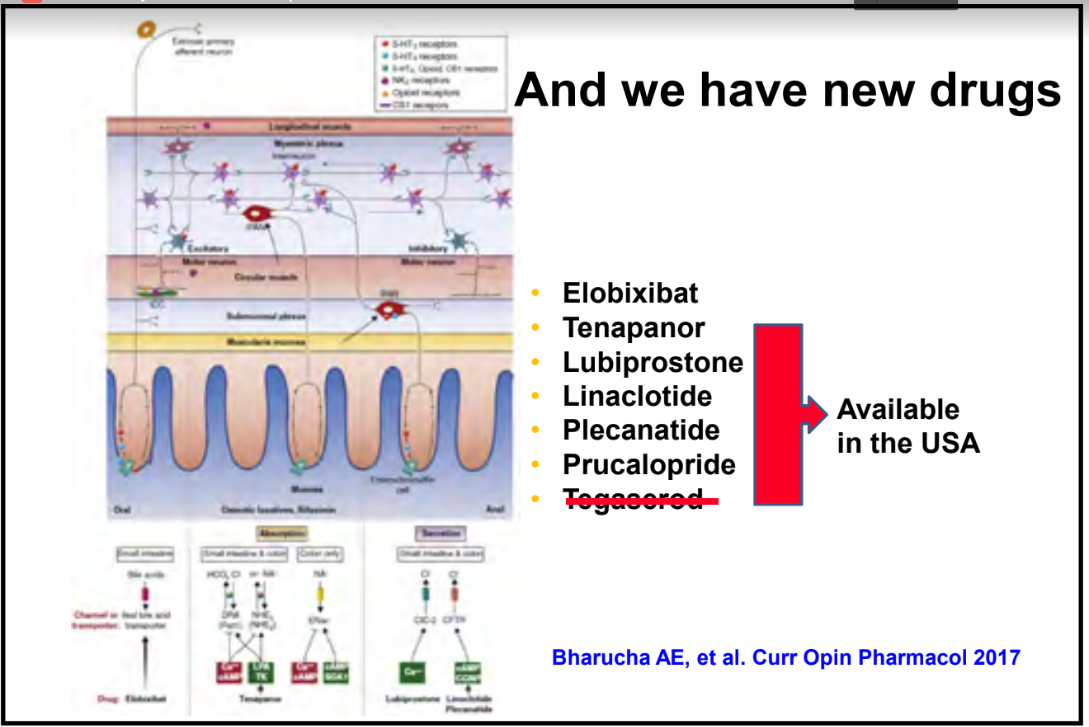
“FDA has approved Linzess (linaclotide) capsules to treat functional constipation in pediatric patients 6 to 17 years of age. Linzess is the first treatment for pediatric functional constipation. The recommended dosage in pediatric patients 6 to 17 years is 72 mcg orally once daily.”
“The efficacy of Linzess for the treatment of functional constipation in pediatric patients 6 to 17 years of age was established in a 12-week double-blind, placebo-controlled, randomized, multicenter clinical trial (Trial 7; NCT04026113) and supported by efficacy data from adequate and well-controlled trials in adults with chronic idiopathic constipation (constipation that persists and isn’t connected to an underlying illness).”
Safety:
Most common adverse effect was diarrhea
Avoid in patients with known or suspected mechanical gastrointestinal obstruction (bowel blockage)
“Linzess contains a boxed warning that the medication should not be taken by patients less than 2 years of age”
My take: While this is good news to have the first FDA-approved treatment for pediatric functional constipation, it is worth remembering that the estimated cost for a monthly supply is between $514-$536 (in Atlanta pharmacies per GoodRx.com).
Methods: Electronic records of 100 children seen in the emergency room for gastrointestinal symptoms who had an abdominal radiograph performed were included. Four physicians from each specialty including gastroenterology, radiology, and emergency medicine interpreted the radiographs independently.
Key findings:
Overall agreement among all providers: 40.8%. Fixed margin kappa 0.18
Intradepartmental agreement: 41.5% for Peds GI, 36.7% for Peds EM, and 47.3% for Peds Radiology.
My takes:
The only surprising finding was the low intradepartmental agreement for Peds EM; many of my colleagues have insisted that all Peds EM think everyone has a high fecal burden (so there should have been uniform agreement)
This study reinforces expert guidance to avoid reliance on AXRs for the diagnosis of constipation
Methods: A prospective study of pediatric patients (N=16) undergoing standard colonic motility testing that were able to consume caffeinated coffee, decaffeinated coffee, and caffeine tablet during colonic manometry (with normal response to bisacodyl)
Key findings:
Caffeinated coffee resulted in a higher AUC, motility index (MI), and time to HAPC compared with decaffeinated coffee (P < 0.05).
Urge to defecate, or actual bowel movement in 100% (n = 16) of patients after intraluminal bisacodyl (IB), compared to 81% (n = 13) after caffeinated coffee (CC), 56% (n= 9) after caffeine tablet (CT), and 50% (n = 8) after decaffeinated coffee (DC)
Based on AUC between T = 1 and T = 60 minutes after each agent, the response of the colon to IB was more robust, relative to other agents (P < 0.05). Both CC and DC had resulted in a higher AUC compared to CT (P < 0.05), but no significant difference between CC and DC
Caffeine is indeed a colonic stimulant; however, other components of caffeinated and non-caffeinated beverages likely induce colonic response as well
Limitation: Study population: patients required motility testing for refractory chronic constipation Therefore, they do not represent a normal population
My take: As with adult patients, coffee (both caffeinated and decaffeinated) acts as a colonic stimulant. Though, it is relatively weak compared to bisacodyl
Participants included healthy controls (n = 63), patients with functional constipation (FC, n = 60), and patients with constipation-predominant irritable bowel syndrome (IBS-C, n = 61). Mean age 35 years.
Key findings: Consumption of green kiwifruit was associated with a clinically relevant increase of ≥ 1.5 CSBM (complete spontaneous bowel movement) per week (Functional constipation; 1.53, P < 0.0001, IBS-C; 1.73, P = 0.0003) and significantly improved measures of GI comfort (GI symptom rating scale total score) in constipated participants (FC, P < 0.0001; IBS-C, P < 0.0001)
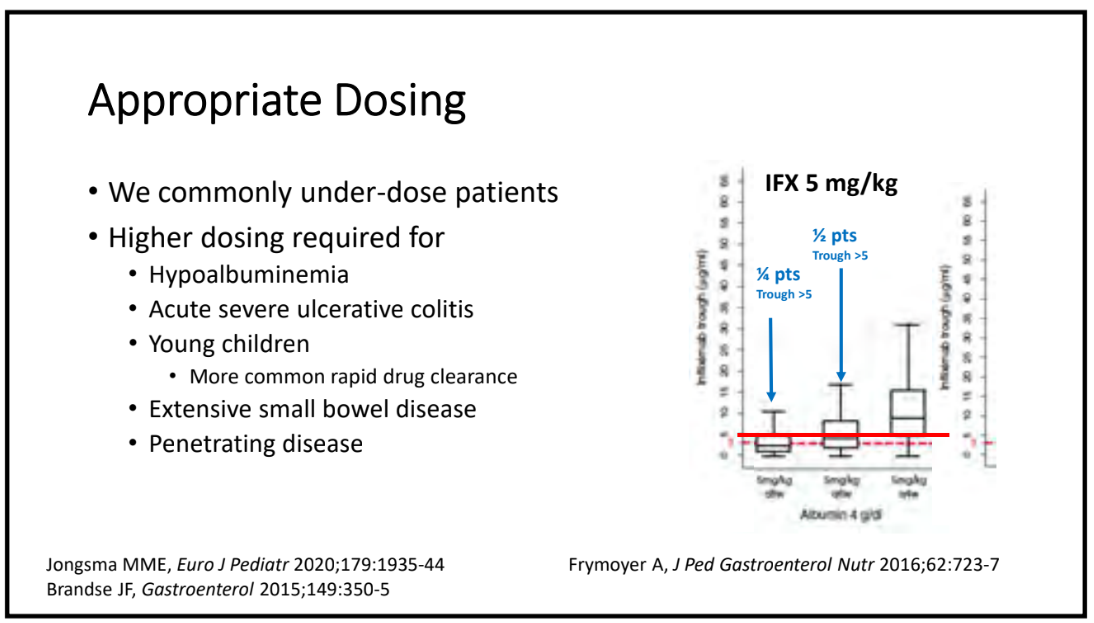
Several recent letters to the editor provide some insight into some of the shortcomings of the SERENE-CD study which reported that higher adalimumab induction dosing and proactive therapeutic drug monitoring (TDM) were not associated with improved outcomes.
“The rerandomization design of SERENE CD, which selectively enrolled patients with clinical response at week 12 to the TDM vs CA part of the study, may have resulted in the exclusion of those who would have benefited the most from early adjustment of their anti-tumor necrosis factor (TNF) dose. The rerandomization design and the late adaptation of the proactive strategy at week 12 were 2 significant aspects of the design that may have led to the negative results. On the other hand, PAILOT, which showed beneficial effects of proactive TDM, randomized patients as early as week 4 and assessed the outcome at week 72. This is distinct from the 1-year time frame used in most other studies, including SERENE CD.8 A properly designed, adequately powered clinical trial is needed before we can make a judgement on the use of proactive TDM in patients with inflammatory bowel disease. Until then, the jury remains out.”
“The study design only allowed patients in the TDM group with adalimumab concentrations of ≥5 and ≤10 μg/mL to be escalated to 40 mg every week if their CD activity index was ≥220 or their high-sensitivity C-reactive protein level was ≥10 mg/L.. The goal of proactive TDM is to attain a threshold concentration regardless of disease activity. This design probably led the 2 groups to have similar drug concentrations at week 56…
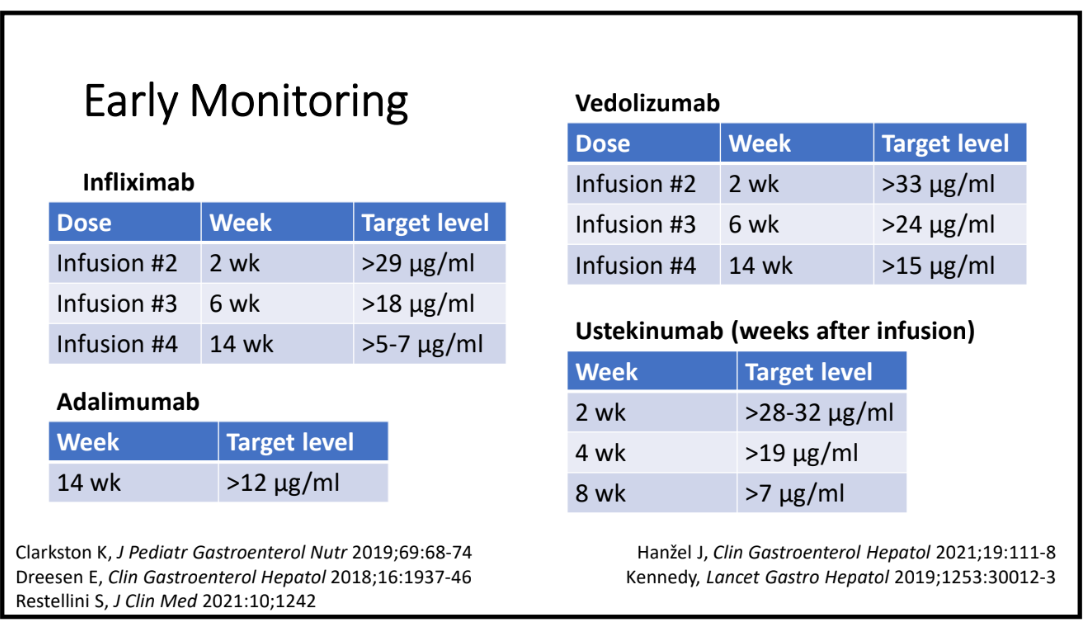
Second, a rather low targeted drug concentration of 5 μg/mL was used, although previous studies have suggested that higher concentrations are more appropriate.5, 6, 7, 8 A study from Ungar et al5 showed that adalimumab concentrations of 8–12 μg/mL are required to achieve mucosal healing in 80%–90% of patients with IBD, and the prospective PANTS (The Personalised Anti-TNF Therapy in Crohn’s Disease Study) study identified an adalimumab concentration of 12 μg/mL at week 14 associated with remission at both week 14 and week 54.8..
Third, dose escalation for the TDM group could only happen at weeks 14, 28, or 42 (and not earlier and more often). In the PAILOT RCT, proactive TDM based on adalimumab concentration evaluations started as early as week 4 followed by week 8 and every 8 weeks thereafter until the end of the follow-up at week 72.3 Fourth, there was a rather short follow-up of the patients (44 weeks).”
” Even with the assumption of a 30% benefit of proactive TDM and that 20% of patients would have low drug levels in the absence of symptoms, the sample size for 80% power would range from 1228 to 2170. Thus, although SERENE CD1 and other clinical trials3,4 have suggested a lack of benefit of proactive TDM in adults with inflammatory bowel disease, all were likely substantially underpowered to do so.”
My take: While the SERENE-CD results have suggested that a strategy of proactive TDM may not be helpful, there are a lot of reasons to disregard these findings. Achieving a therapeutic level is a fundamental principle and proactive TDM, particularly in pediatrics, is well-supported by other studies.
In total, 6723 patients completed new patient gastroenterology visits for a primary diagnosis of constipation between 2013 and 2019. Of these, 993 (14.8%) patients had abdominal radiographs taken within 24 hours of their initial visit. Over the 7 years of this project, a mean frequency of abdominal radiograph use decreased from 24% to less than 11%.
No increases in subsequent emergency department visits or hospitalization for constipation within 30 days of patients’ initial visits were seen.
One of the keys to improvement was providing data to individual providers
The authors note that routine radiographs are NOT recommended by expert guidelines in patients presenting with functional constipation.
My take: The trend of using radiographs less frequently shows that a QI project can help avoid low value testing though more than 10% is still too high.
This retrospective review examined health care utilization within 3 months before and after patients received a constipation action plan (CAP which was implemented in 2019). There were 336 patients who received a CAP and 2812 patients who did not.
Key findings:
There were fewer patient telephone calls for patients who received the CAP (P = 0.0006). The difference in patient electronic messages was not statistically significant (P = 0.09).
There were no differences in UC/emergency department visits or hospitalizations.
Medications for CAP included the following:
Polyethylene glycol 3350, Senna, Milk of Magnesia, Magnesium Citrate, Lactulose, Bisacodyl (tablets, suppository, enema), Normal saline enema, Glycerin suppository, and Sodium phosphate enema
My take: A CAP likely helps educate and empower families on how to manage their child’s symptoms. In this study, it resulted in fewer phone calls (& trend of less electronic messages). Better education is likely to help with patient outcomes even if this is difficult to prove in a retrospective study. This action plan appears easier to understand than a previous CAP, and uses the Red Zone as the cleanout section. Related blog post:Pictographic Constipation Action Plan (2021)
This is a sample of the institution’s constipation action plan (similar to Figure 1) shared by the author.
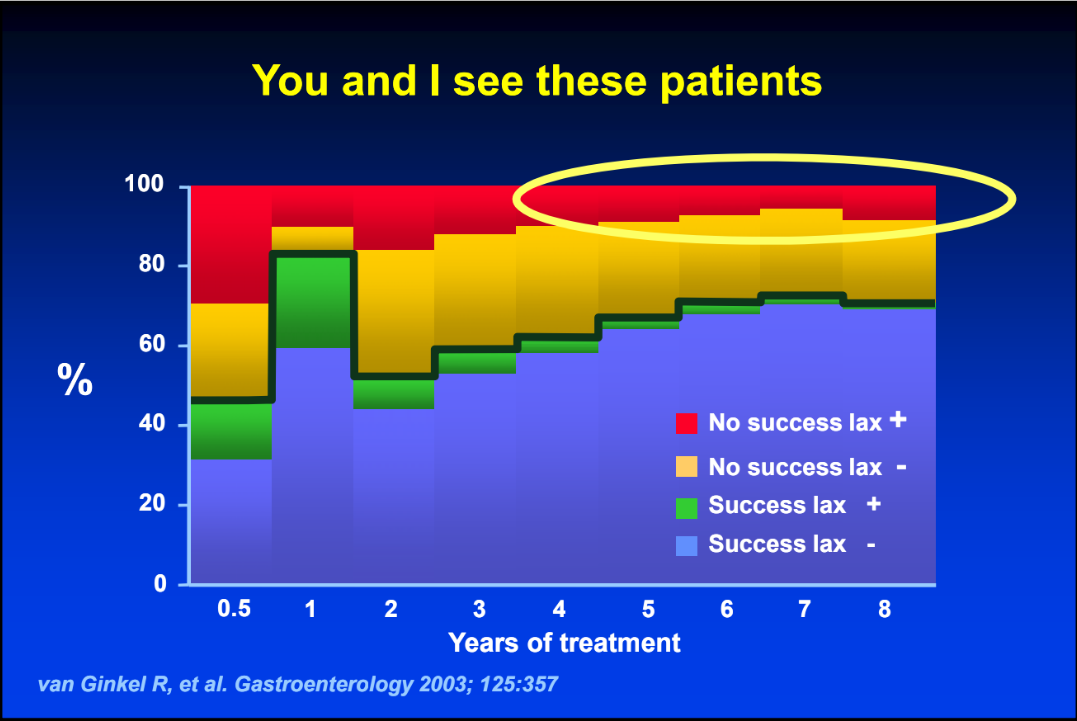
Oral small molecultes in IBD. Anne Griffiths, MDJudith Kelsen, Very early onset IBDVEO EvaluationVEO TreatmentsJeremy Adler and Treat to Target for IBDJeremy Adler and Treat to Target for IBDJeremy Adler and Treat to Target for IBDJeremy Adler and Treat to Target for IBDJeremy Adler and Treat to Target for IBDTimothy Sentongo and Growth and Nutrition Issues in the NICUMaureen Leonard and Gluten-Related Disorders UpdateMaureen Leonard and Gluten-Related Disorders UpdateMaureen Leonard and Gluten-Related Disorders UpdateMaureen Leonard and Gluten-Related Disorders UpdateRachel Rosen and Esophageal Motor DisordersKatja Kovacic and Functional NauseaThis study was 20 yrs ago -we can do better today
Disclaimer: This blog, gutsandgrowth, assumes no responsibility for any use or operation of any method, product, instruction, concept or idea contained in the material herein or for any injury or damage to persons or property (whether products liability, negligence or otherwise) resulting from such use or operation. These blog posts are for educational purposes only. Specific dosing of medications (along with potential adverse effects) should be confirmed by prescribing physician. Because of rapid advances in the medical sciences, the gutsandgrowth blog cautions that independent verification should be made of diagnosis and drug dosages. The reader is solely responsible for the conduct of any suggested test or procedure. This content is not a substitute for medical advice, diagnosis or treatment provided by a qualified healthcare provider. Always seek the advice of your physician or other qualified health provider with any questions you may have regarding a condition.
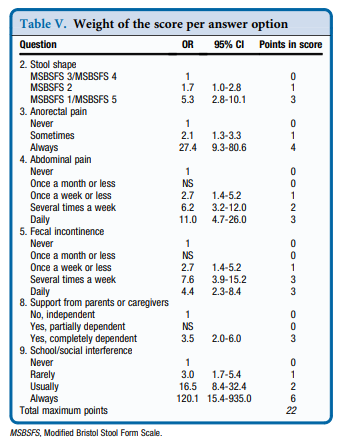
This report describes the “newly developed and validated PBMST (Pediatric Bowel Management Scoring Tool) is a reliable tool for evaluating bowel management strategies in children with constipation.”
Key finding:
“This study shows that use of the PBMST (see below) can better guide management of childhood constipation, with its fair reproducibility indicating that it is stable over a specified time period. Indeed, consistent use of the PBMST can objectify the patient’s clinical condition over a longer period. Consequently, the score provides feedback regarding the effect of the applied bowel management strategy for each individual patient.”