Fatty Liver Disease AASLD Practice Guidance 2023

ME Rinella et al. Hepatology 2023; 77: 1797-1835. Open Access! AASLD Practice Guidance on the clinical assessment and management of nonalcoholic fatty liver disease

This 38 page report has a ton of updated recommendations and useful advice –geared to adults with fatty liver disease. The last ~dozen pages are the 491 references.

Some of the useful points:

  • CVD and nonhepatic malignancies are the most common causes of mortality in patients with NAFLD without advanced fibrosis; death from liver disease predominates in patients with advanced fibrosis.
  • Initial lab evaluation in adults:
  • Statins are safe and recommended for CVD risk reduction in patients with NAFLD across the disease spectrum, including compensated cirrhosis.
  • Patients with NAFLD should be screened for the presence of T2DM. T2DM is the most impactful risk factor for the development of NAFLD, fibrosis progression, and HCC.108–111 Given the central pathogenic role that insulin resistance plays in the pathogenesis of both T2DM and NAFLD, it is not surprising that patients with T2DM have a higher prevalence of NAFLD (ranging from 30% to 75%)10,112,113 and a higher risk of developing NASH with fibrosis.93,114–117 
  • Other important comorbidities: dyslipidemia, obstructive sleep apnea, cardiovascular disease, and chronic kidney disease

Lifestyle factors that can be beneficial:

  • Table 6 lists potential medications though there are no FDA approved treatments for fatty liver disease. Bariatric surgery is also a beneficial treatment option “in patients who meet criteria for metabolic weight loss surgery, as it effectively resolves NAFLD or NASH in the majority of patients without cirrhosis and reduces mortality from CVD and malignancy.”
  • Potentially useful medications include Vitamin E, Pioglitazone, Liraglutide, Semaglutide, Tirzepatide and SGLT-2i. “Semaglutide can be considered for its approved indications (T2DM/obesity) in patients with NASH, as it confers a cardiovascular benefit and improves NASH. Pioglitazone improves NASH and can be considered for patients with NASH in the context of patients with T2DM . Available data on semaglutide, pioglitazone, and vitamin E do not demonstrate an antifibrotic benefit, and none has been carefully studied in patients with cirrhosis.”
  • Treatments NOT Recommended: “Metformin, ursodeoxycholic acid, dipeptidyl peptidase-4, statins, and silymarin are well studied in NASH and should not be used as a treatment for NASH as they do not offer a meaningful histological benefit.”

Related blog posts:

Type 2 Diabetes in Children with Nonalcoholic Fatty Liver Disease

JB Schwimmer et al. Clin Gastroenterol Hepatol 2022; DOI:https://doi.org/10.1016/j.cgh.2022.05.028. Pre-proof full text PDF:Incidence of Type 2 Diabetes in Children with Nonalcoholic Fatty Liver Disease

Methods: Children with NAFLD (n=892) enrolled in the Nonalcoholic Steatohepatitis Clinical Research Network were followed longitudinally. These children had a mean age of 12.8 years followed for a mean of 3.8 years 

Key findings:

  • At baseline, 63 (of 892) children had T2D, and during follow-up, an additional 97 children developed incident T2D, resulting in a period prevalence of 16.8 %.
  • Incident T2D was significantly higher in females versus males (HR 1.8 [1.0-2.8]), associated with BMI z-score (HR 1.8), and more severe liver histology including steatosis grade (HR 1.3), and fibrosis stage (HR 1.3).

My take: Children/adolescents with NAFLD need to be monitored for the development of T2D.

Related blog posts:

Thanks to David for picture of Portland Head Lighthouse

How Often Does Liver Disease Develop in Healthy Young Males…Over 65 Year Study Period

J Uhanova et al. Clin Gastroenterol Hepatol 2021; 19: 2417-2424. Chronic Liver Disease and Metabolic Comorbidities in Healthy Young Males Followed for 65 Years: The Manitoba Follow-up Study

Methods: 3,983 air force men were enrolled in the Manitoba Follow-up Study in 1948. The comprehensive database on results of routine physicals and health encounters was examined for evidence of chronic liver disease (CLD) and metabolic syndrome (MetS). 

Key findings:

  • 5.2% of men developed CLD and 6.4% MetS
  • Among the 206 with CLD, 162 (79%) were diagnosed with CLD as a non-terminal event; however, CLD was clinically significant with 50.5% (n=104) with cirrhosis (of whom 56 had hepatic decompensation)
  • The most common etiologies for CLD were alcohol-related liver disease (32.5%, n=67) and fatty liver disease (20%, n=41); chronic viral hepatitis (B & C) accounted for 4.4% (n=9). In 20%, the etiology was not specified
  • The relative risk of mortality in men with vs. without CLD was 3.33 (95% CI – 2.83 to 3.91, p < .0001)
  • An increasing gradient of risk for CLD was apparent with increasing numbers of MetS components; the HR of 3.67, 5.97 and 14.3 for IR/DM (insulin resistance /diabetes mellitus), IR/DM + one component, and IR/DM + two or more components respectively

Discussion –The authors note that the lifetime risk of CLD was much higher in NHANES studies (11.8% to 14.8% prevalence); this is attributed to active surveillance for liver disease in the NHANES study (and different study population). It is also likely that there is a substantially increased risk over the last 65 years due to factors like increasing rates of obesity as well as possibly higher rates of alcohol use and infections.

My take: Among healthy 18 year old males, a substantial number develop chronic liver disease, much of which could be prevented by limiting alcohol intake and maintaining a healthy diet/exercise.

Related blog posts:

Intracostal Waterway near Siesta Key, FL

Favorite Posts of 2021

I am happy to say that this is the last nightcall that I will have this year!

Today, I’ve compiled some of my favorite posts from the past year. I started this blog a little more than 10 years ago. I am grateful for the encouragement/suggestions from many people to help make this blog better. Also, I want to wish everyone a Happy New Year.

GI:

IBD:

LIVER:

Nutrition:

Other Topics:

Thanks to Jennifer

Aspen Webinar 2021 Part 2 -Nonalcoholic Steatohepatitis

From the 2nd lecture of the Aspen Webinar. This blog entry has abbreviated/summarized this presentation. Though not intentional, some important material is likely to have been omitted; in addition, transcription errors are possible as well. This was a terrific lecture!

NASH Update Stavra Xanthakos

Key points:

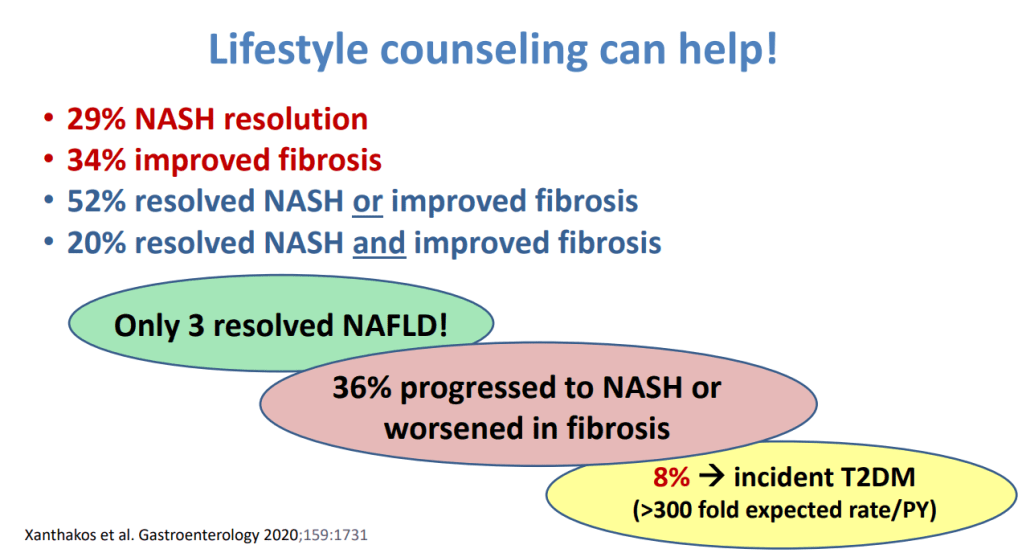
  • Lifestyle intervention is 1st line Rx (especially avoiding sugary beverages, and processed foods). This may lead to resolution of NASH in ~29%, fibrosis resolution in 34%; though, only 3% resolved fatty liver
  • Many have progressive disease despite lifestyle treatment recommendations
  • Consider adjunctive treatments if not improving with lifestyle intervention
  • Vitamin E for biopsy-confirmed disease (often for 1-2 years of therapy)
  • Pioglitazone -off-label for adults (18+). Can increase weight; a lot of trials in adults
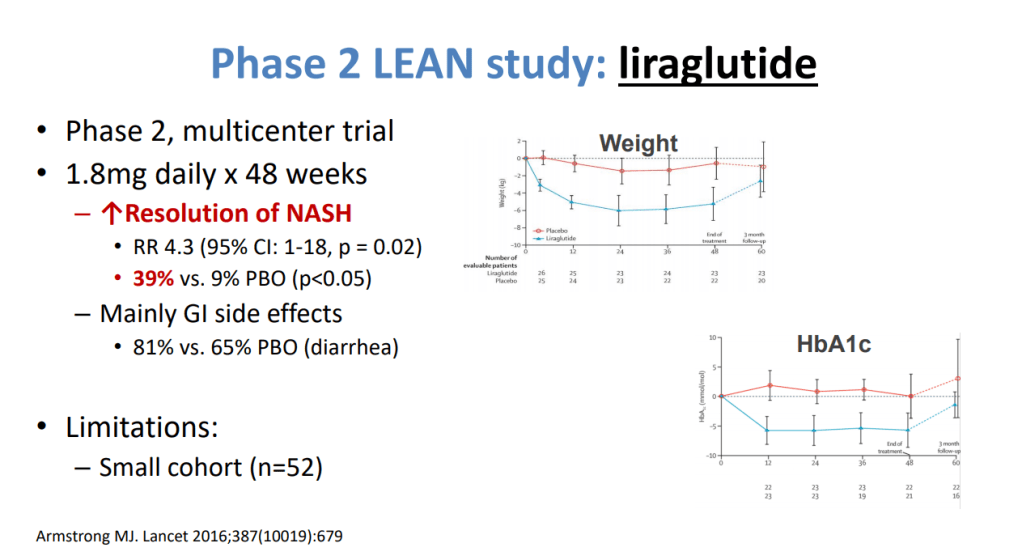
  • Several phase 3 trials in NASH -GLP1 agonists promising in phase 2 trials
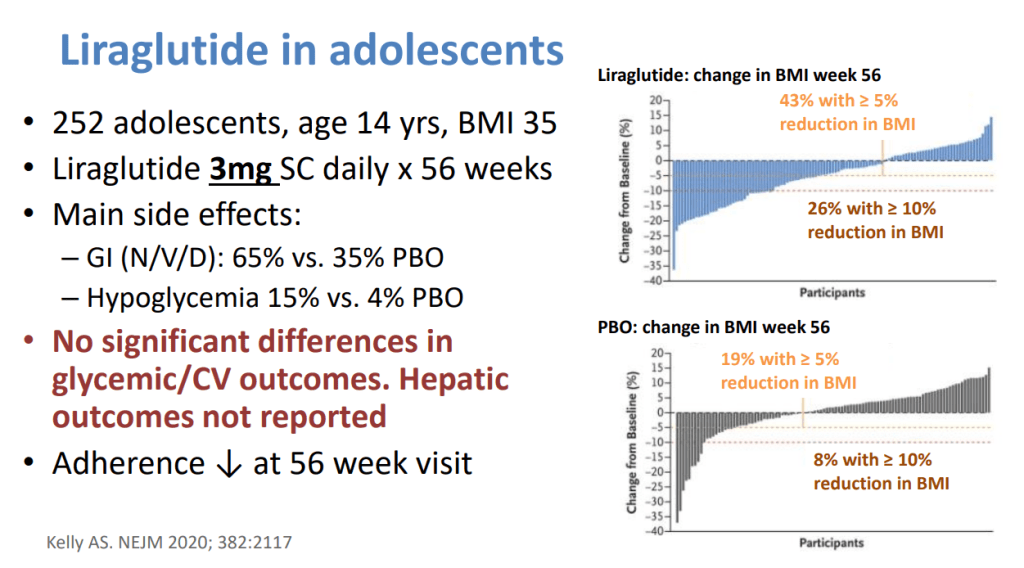
  • GLP1 agents being used in adolescents with T2DM who may also have NASH – monitor liver outcomes
  • Anti-obesity medications may help with weight and perhaps the liver. Approved agents for adolescents include 1) Orlistat -safe, but frequent side effects (eg. Diarrhea, greasy accidents) and 2) Liraglutide -daily SC.  Insurance coverage is limited.
  • Biopsy is important before implementing medications and may influence decision to pursue bariatric surgery.  
  • Fibroscan, if shows no significant fibrosis, can help limit biopsy.
This image has an empty alt attribute; its file name is image-230.png
This image has an empty alt attribute; its file name is image-232.png
This image has an empty alt attribute; its file name is image-234.png
This image has an empty alt attribute; its file name is image-236.png
This image has an empty alt attribute; its file name is image-240.png
This image has an empty alt attribute; its file name is image-238.png
This image has an empty alt attribute; its file name is image-242.png
This image has an empty alt attribute; its file name is image-244.png

Related blog posts:

Bariatric Surgery Helps NASH

G Lassailly et al. Gastroenterol 2020; 159: 1290-1301. Bariatric Surgery Provides Long-term Resolution of Nonalcoholic Steatohepatitis and Regression of Fibrosis

This was a  prospective study of 180 severely obese patients with biopsy-proven NASH.

Key findings:

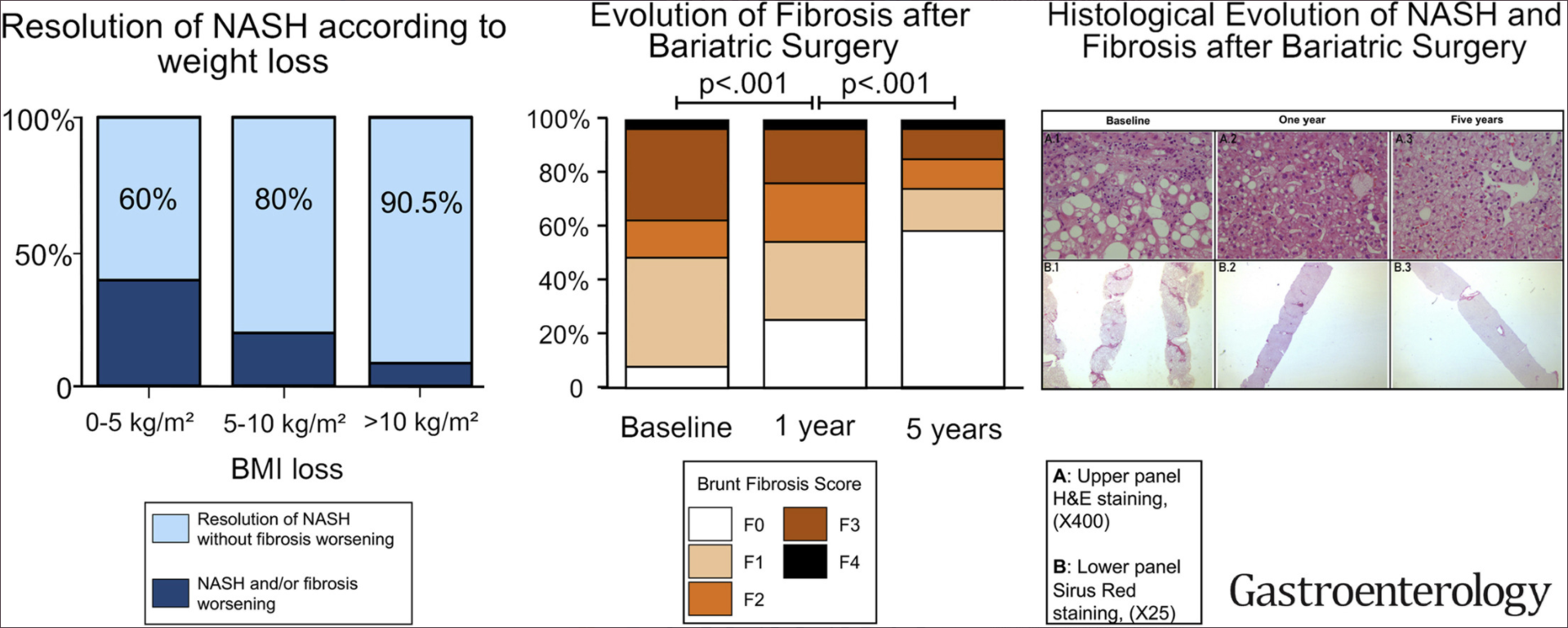
  • NASH: At 5 years after bariatric surgery, NASH was resolved, without worsening fibrosis, in samples from 84% of patients (n = 64; 95% confidence interval, 73.1%-92.2%). 
  • Fibrosis: Fibrosis decreased, compared with baseline, in samples from 70.2% of patients (95% CI, 56.6%-81.6%). Fibrosis disappeared from samples from 56% of all patients (95% CI, 42.4%-69.3%) and from samples from 45.5% of patients with baseline bridging fibrosis. 
Graphic Abstract

My take: This study showed that patients with NASH who underwent bariatric surgery had resolution of NASH in liver samples from 84% of patients 5 years later. The reduction of fibrosis was progressive, beginning during the first year and continuing through 5 years.

Related blog posts:

Renal Disease Associated With Fatty Liver Disease & Dexamethasone-COVID-19 Data

Looking for and managing hypertension has been an important component of care in children and adults with nonalcoholic fatty liver disease (NAFLD)/metabolic syndrome.  In addition, hypertension is frequently associated with renal impairment.

As such, it is perhaps not surprising that in both adults and children, there is a high rate of renal impairment.   The data in children is much more sparse than in adults.  A recent retrospective pediatric cohort study (T Yodoshi et al. J Pediatr 2020; 222: 127-33) adds more information to this problem.

More background information:

  • Chronic kidney disease is highly prevalent in adults with NAFLD: 20-55% (J Hepatol 2020; 72: 785-801; Am J Kidney Dis 2014; 64: 638-52)
  • NAFLD is currently the leading indication for concurrent liver and kidney transplantation
  • In adults, the severity of NAFLD histology is associated with renal impairment
  • The first stage of renal impairment is glomerular hyperfiltration. This is hypothesized to be a precursor of intraglomerular hypertension which leads to albuminuria and glomerular filtration rate (GFR) decline/progressive renal dysfunction
  • Early intervention in high risk patients with angiotensin receptor inhibitors may prevent or delay progressive renal disease

Key findings in 179 patients with biopsy-confirmed NAFLD:

  • 82% non-Hispanic, median age 14 yrs
  • 36 (20%) had glomerular hyperfiltration and 26 (15%) had low GFR (w/in 3 months of liver biopsy) based on Schwartz equation
  • Hyperfiltration was independently associated with higher NAFLD activity score (aOR 2.96)

Discussion:

  • Mechanism: The authors speculate that “it is possible that they [renal and liver disease] are both the end result of the same ‘hit.’ The renin-angiotensin system may play a key role….Notably, there is an ongoing…clinical trial investigating an ATI receptor blocker, losartan, for the treatment of NAFLD in children.” Other potential contributors include fructose and insulin resistance.
  • Limitations: This single center biopsy-confirmed population may not be representative of most children with NAFLD.  Also, as this was a retrospective study, more precise measures of renal function were not available.

My take: This study confirms a high rate of renal dysfunction (35%) in children with NAFLD. As such:

  • Children with NAFLD need to have their blood pressure monitored
  • Clinicians should have a low threshold for nephrology referral if suspected renal impairment.

NEJM Recovery Collaborative Group: July 17, 2020
DOI: 10.1056/NEJMoa2021436: Full Link: Dexamethasone in Hospitalized Patients with Covid-19 — Preliminary Report

Form NEJM Journal blog:

In the open-label RECOVERY trial, some 2100 U.K. patients hospitalized with COVID-19 were randomized to usual care plus oral or intravenous dexamethasone (6 mg once daily for up to 10 days), and 4300 were randomized to usual care alone.

Among patients on invasive mechanical support at the time of randomization, the mortality rate within 28 days was significantly lower with dexamethasone than with usual care alone (29% vs. 41%). A benefit was also seen among those on oxygen without invasive ventilation (23% vs. 26%). However, among patients not receiving respiratory support, mortality rates did not differ significantly between treatment groups.


Fatty Liver Feast (of Articles): NAFLD 2020

An entire issue of Gastroenterology delved into the topics of “NAFLD 2020.”

This special May 2020 issue provides a comprehensive update on Nonalcoholic Fatty Liver Disease.

Here are a few links to some of the articles:

Related blog posts:

China Is Catching and Passing U.S. with NAFLD Plus Updates

F Zhou et al. Hepatology 2019; 70: 1119-33. The authors performed a systematic review (n=392 studies, more than 2 million subjects) and found that NAFLD in China increased from 25.4% in 2008-2010 to 32.3% in 2015-2018. The pooled prevalence across all studies was 29.2%. The associated editorial speculates that some of this increase is related to diet changes as well as PNPLA3 gene.  This allele “is more common among East Asians than Caucasians”  It is lower in African Americans in the U.S. which helps explain why this population is at reduced risk.

JB Schwimmer, JS Johnson et al Gastroenterol 2019; 157: 1109-22.  In this prospective study with 87 children (89% Hispanic), the authors associated fecal microbiomes with NAFLD and NASH.  Both NAFLD and NASH were associated with intestinal dysbiosis with lower diversity and high abundance of Prevotella copri. Full text link: Microbiome Signatures Associated With Steatohepatitis and Moderate to Severe Fibrosis in Children With Nonalcoholic Fatty Liver Disease

S Pelusi et al. Clin Gastroenterol Hepatol 2019; 17: 2310-9.  This study analyzed data from 1738 subjects (45% with severe obesity) who had undergone liver biopsy.  132 of 389 (33.9%) with significant fibrosis did NOT have nonalcoholic steatohepatitis (NASH) and 39 patients (10%) had no inflammation. NASH diagnosis required steatosis (≥5% of hepatocytes), hepatocellular ballooning, and lobular inflammation. Factors associated with significant fibrosis in the absence of NASH, included fasting hyperglycemia, severe steatosis, mild inflammation or ballooning, and PNPLA3 1148M variant.  My take: this study shows that the finding of NASH on liver biopsy is NOT required for the development of severe liver disease related to NAFLD.

D Linden et al. Molecular Metabolism 2019; 22: 49-61. This study, summarized in Gastroenterol 2019; 157: 1156-9) showed that PNPLA3 silencing with antisense oligonucleotides ameliorates NASH in PNPLA3 1148M knock-in mice.  The summary notes that the mutated 1148 M PNPLA3 protein variant accumulates on lipid droplets altering clearance and affecting triglycerides and phospholipid turnover.

#NASPGHAN19 Selected Abstracts (Part 1)

Link to full NASPGHAN 2019 Abstracts.

Here are some abstracts that I found interesting at this year’s NASPGHAN meeting:

NAFLD:

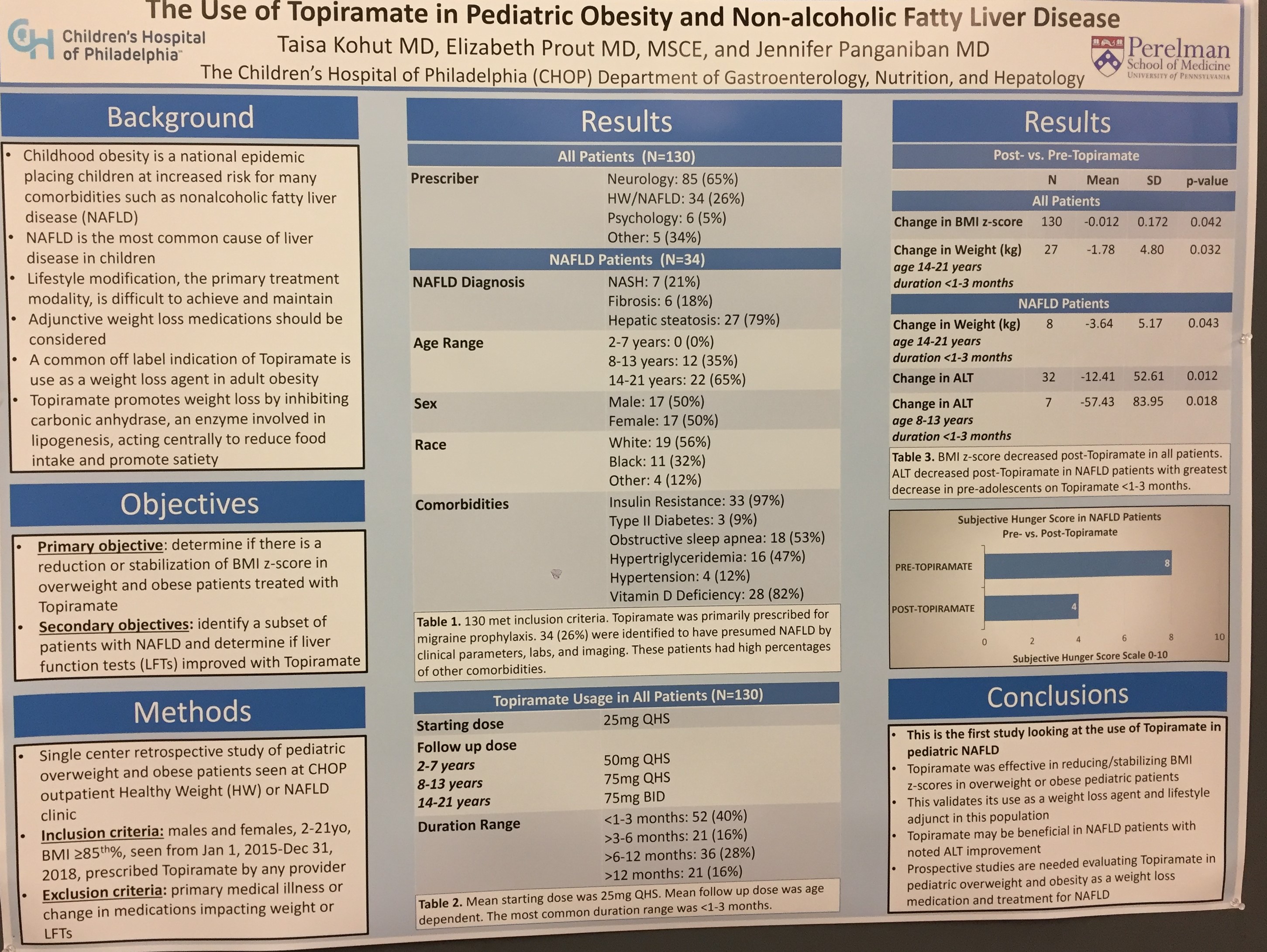
  1. Off-label use of topiramate may be helpful in stabilizing weight and improving NAFLD
  2. Socioeconomic barriers are frequent in NAFLD patients (the 2nd poster did not appear to show a control population):

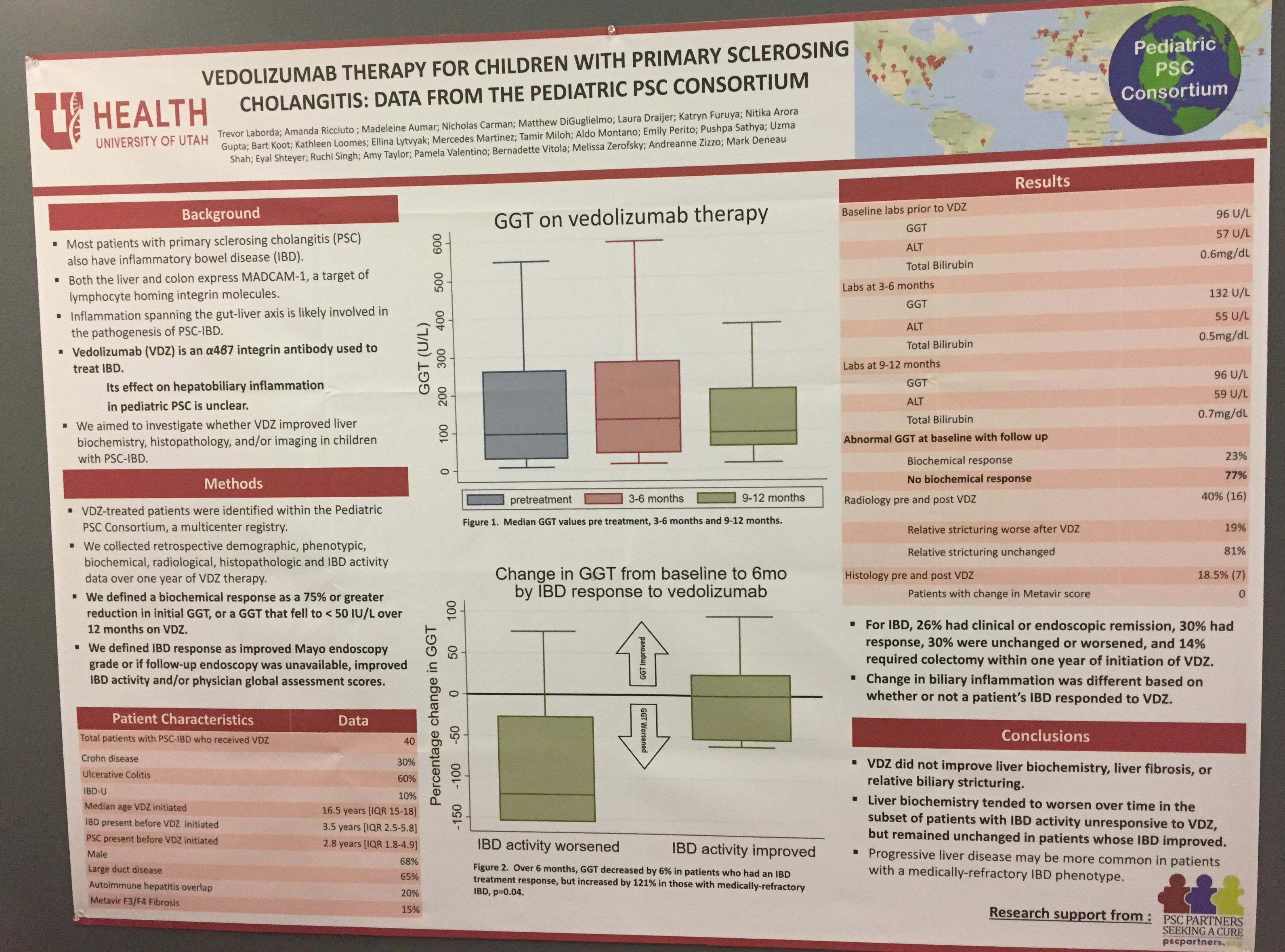
Primary Sclerosing Cholangitis -Use of Vedolizumab for PSC did not appear to help

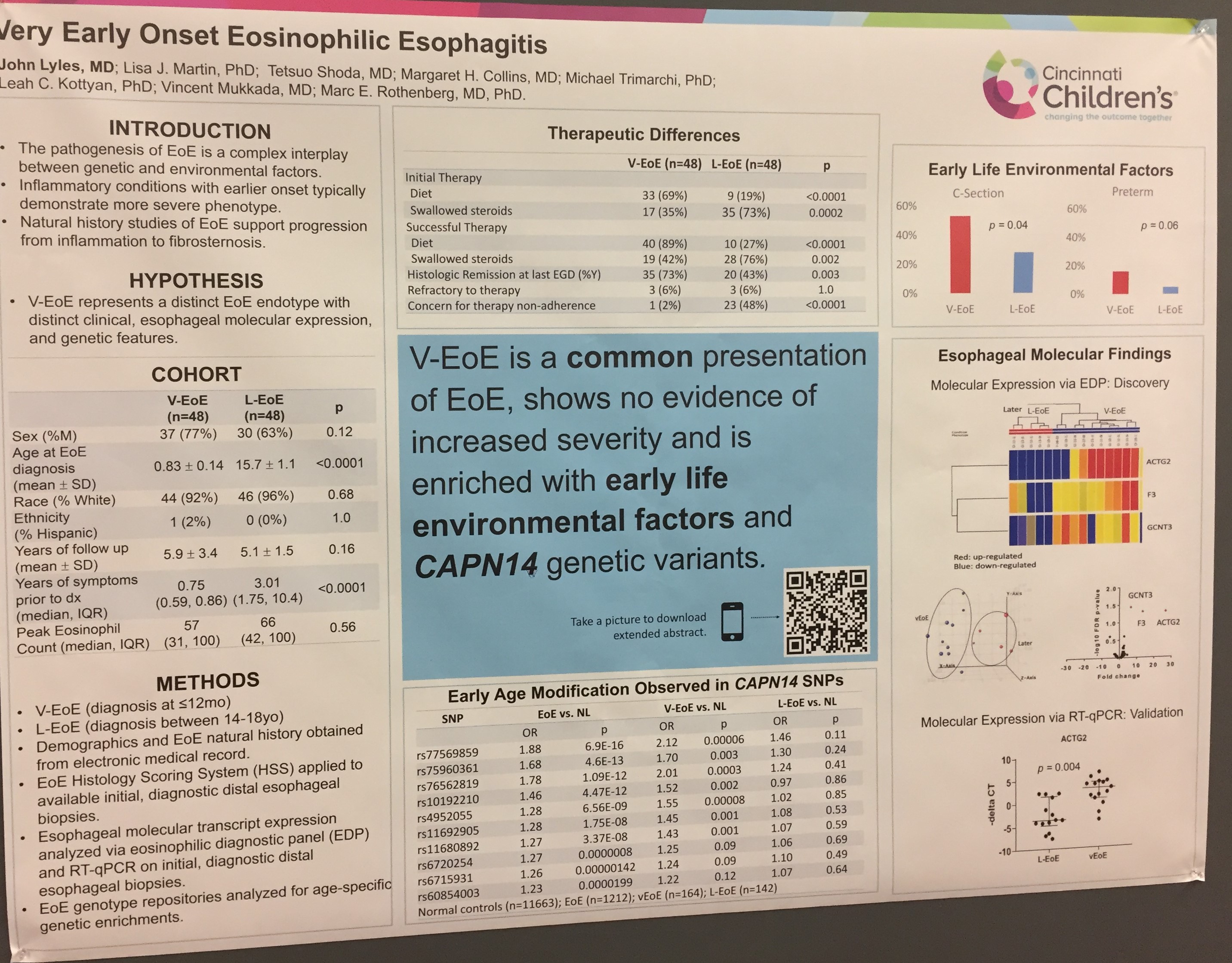
Eosinophilic Esophagitis

  1. EoE is four times more likely in this cohort with inflammatory bowel disease
  2. 2nd poster describes very early-onset EoE

Inflammatory Bowel Disease:

  1. Use of infliximab in VEO IBD.  Used in 46/122 (38% of patients) and 50% had persistent use 3 years later

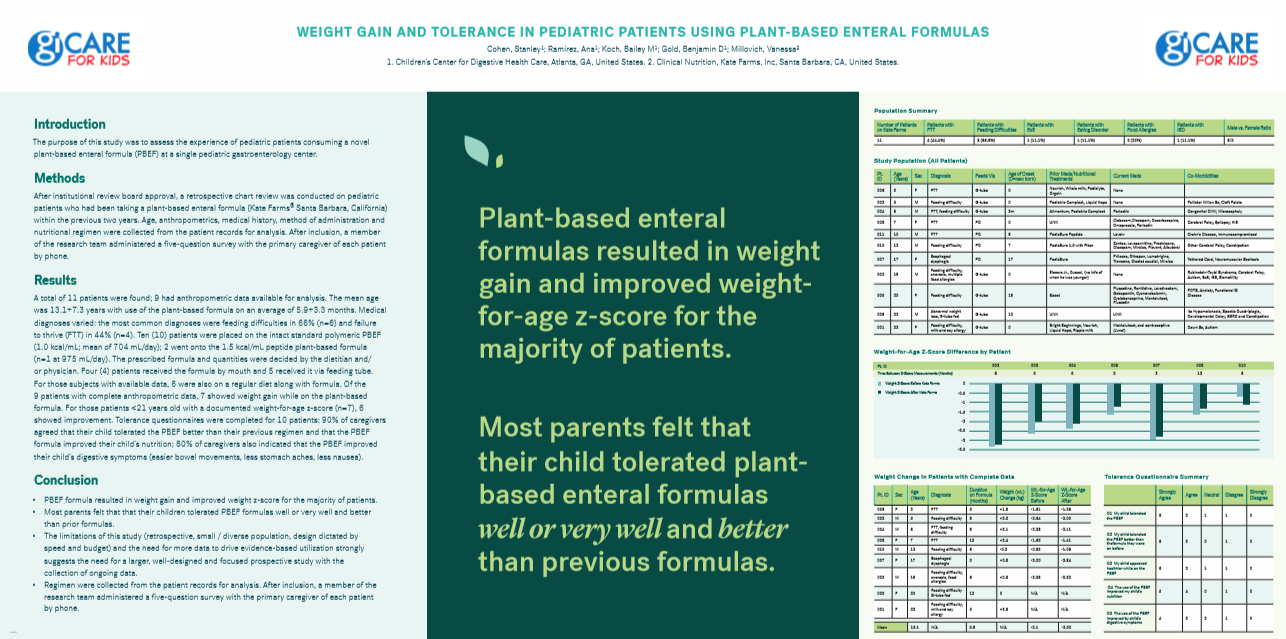
Enteral nutrition –poster from our group describing good tolerance of plant-based formula (with Ana Ramirez).

Celiac disease.  This poster indicates low yield of additional serology for celiac disease besides TTG IgA and serum IgA. This includes testing in young patients (< 2 years) with celiac disease.