NASPGHAN Pediatric Position Paper for Therapeutic Drug Monitoring

LM Felipez et al. J Pediatr Gastroenterol Nutr. 2025;81:1100–1117. Open Access! North American Society for Pediatric Gastroenterology, Hepatology, and Nutrition position paper on the therapeutic drug monitoring in pediatric inflammatory bowel disease

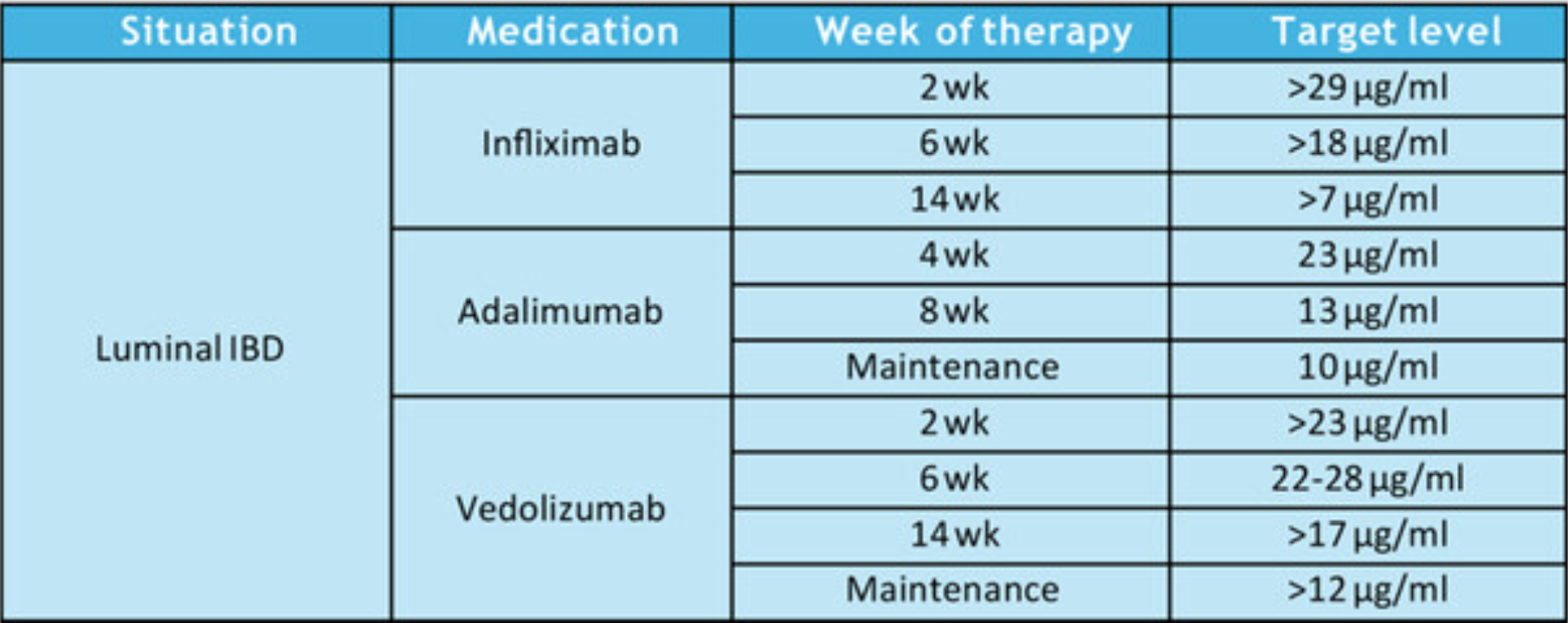
Therapeutic Drug Targets Based on Condition, Medication and Time of Therapy:
Discussion Points:

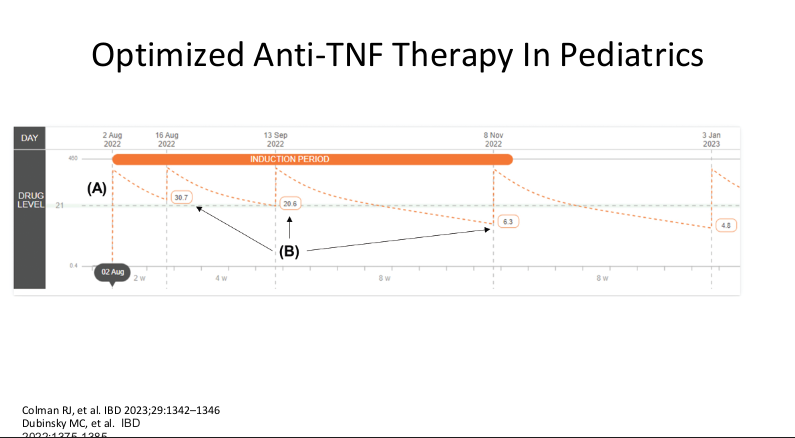
  • Pediatric Dosing is Different: “Pediatric studies have also determined adult infliximab targets are insufficient…In a prospective pediatric study, Clarkston et al. found that a trough level of 29 μg/mL at 2 weeks is required to achieve both clinical and biologic response. Patients with lower trough levels had 13-fold greater odds of clinical nonresponse. Additionally, a trough of 18 μg/mL at 6 weeks was associated with improved response. Patients with lower trough levels had sixfold greater odds of clinical nonresponse. They also observed that patients who did not achieve a trough >5–7 μg/mL by 14 weeks of therapy had a 21-fold increase in the odds of clinical nonresponse.62
  • Undetectable/very low anti-TNF levels: “If the serum level is extremely low or undetectable, then full re-induction is warranted in addition to dose escalation.”
  • Timing of TDM: “As a practice point, TDM is routinely recommended at the end of induction for most patients. We recommend obtaining TDM earlier during induction in at-risk populations, including younger age children, those with hypoalbuminemia, and those with increased inflammatory burden.”
  • Maintenance proactive TDM: “Based on prospective randomized trial evidence, we recommend proactive TDM during maintenance every 6–12 months…yearly proactive TDM was associated with 55% reduced risk of developing antidrug antibodies.26
  • Increased Antidrug Antibodies with Lower Infliximab Dosing: “In the pivotal REFINE study on immunogenicity in pediatric IBD, Coleman et al. found that antibodies to infliximab were detected in 68% of patients in the cohort, and starting dose under 7.5 mg/kg was one of the strongest predictors of developing antidrug antibodies.4
  • Higher Doses Prevent Antidrug Antibodies: “The best available evidence for preventing immunogenicity supports initiating therapy with infliximab doses greater than 8 mg/kg, and in the case of hypoalbuminemia, doses greater than 10 mg/kg. For children <40 kg, doses of 200 mg/m2 are more appropriate.”
  • Perianal fistulas: “Overall, there is less evidence to support adalimumab use over infliximab for treatment of perianal fistulas. It is possible that adalimumab may have lower efficacy for perianal fistula.105 However, it is unclear if this is inherent to adalimumab, or if it relates to less frequent TDM or less frequent dose escalation in practice.”
  • Vedolizumab: “In general, as with other biologic therapies, a higher serum vedolizumab concentration is associated with higher likelihood of treatment response…Multiple studies identified that in patients with IBD (either UC or CD) early trough levels at Week 2132 with a cut off of >23.2 μg/mL or Week 6133134 with a cut off of above 22–28 μg/mL or at Week 14135) above 16.55 μg/mL predicted a higher likelihood of sustained response over the first year. In regard to clinical remission one study identified that corticosteroid free, clinical and biochemical remission was correlated to higher trough vedolizumab concentration.136
  • Vedolizumab in younger patients: “Children under 30 kg require vedolizumab doses of 200 mg/m2 or 10 mg/kg.”

My take: “This NASPGHAN position paper should also serve to document that high-dose therapy, especially guided by TDM, is evidence-based standard of care.” This article clearly establishes three key points:

  1. “Intensive anti-TNF⍺ dosing strategies are not experimental. The initial doses of infliximab and adalimumab approved by the United States Food and Drug Administration (FDA) routinely lead to under-treatment, poor outcomes, and treatment discontinuation.60117 There is a rich, corroborated, and verified evidence-base to support the safety and efficacy of high-dose therapy anti-TNF⍺ therapy when clinically indicated, especially as supported by TDM.506265100101103118
  2. Therapeutic drug monitoring is essential in the pediatric population to optimize drug levels, allow many patients to do well with monotherapy, and to help avoid development of antidrug antibodies.
  3. The best available evidence supports TDM during induction of vedolizumab as well.

Related blog posts:

Disclaimer: This blog, gutsandgrowth, assumes no responsibility for any use or operation of any method, product, instruction, concept or idea contained in the material herein or for any injury or damage to persons or property (whether products liability, negligence or otherwise) resulting from such use or operation. These blog posts are for educational purposes only. Specific dosing of medications (along with potential adverse effects) should be confirmed by prescribing physician.  Because of rapid advances in the medical sciences, the gutsandgrowth blog cautions that independent verification should be made of diagnosis and drug dosages. The reader is solely responsible for the conduct of any suggested test or procedure.  This content is not a substitute for medical advice, diagnosis or treatment provided by a qualified healthcare provider. Always seek the advice of your physician or other qualified health provider with any questions you may have regarding a condition.
Impact of Adalimumab Levels on Fistula Healing in Crohn’s Disease

K Papamichael et al.Clin Gastroenterol Hepatol 2024; 22: 2134-2136.
Higher Adalimumab Concentration Is Associated With Complete Fistula Healing in Patients With Perianal Fistulizing Crohn’s Disease

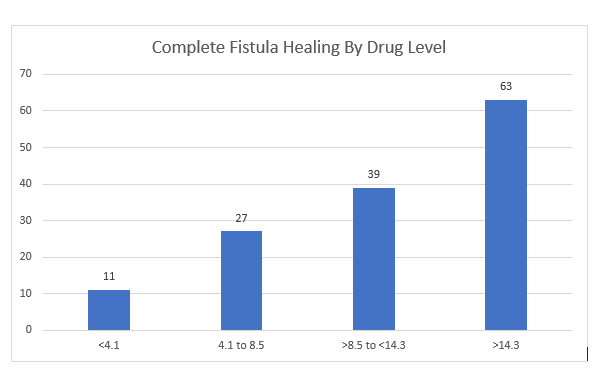
In this multicenter retrospective review with 183 patients, the adalimumab (ADM) levels were examined with respect to healing of perianal fistulas. Most patients (82%) had complex perianal fistulizing CD.

Key findings:

  • 87 patients (48%) received intensified dosing at the time of therapeutic drug monitoring (TDM)
  • Patients with complete fistula healing (CFH) had higher median ADM levels: 12.9 compared to 6.1 for those witout CFH
  • “Optimal ADM concentration associated with CFH was 12.2 mcg/mL” which had positive predictive value of 64% and negative predictive value of 80%. Among those with ADM >12.1, CFH was achieved in 64% compared to 20.5% in those with concentrations <12.1 (Odds ratio, 5.7). “Even higher drug levels may be needed.”
There were 46 patients in each drug level category

My take: There is a lot of data supporting TDM, including proactive TDM, with anti-TNF agents like adalimumab and infliximab. This study shows that with fistulizing disease higher drug levels are needed to achieve better outcomes.

Related blog posts:

Proactive Therapeutic Drug Monitoring and Better Outcomes in Pediatric Crohn’s Disease (2024)

S Ali et al. Clinical Gastroenterology and Hepatology, Volume 22, Issue 10, 2075 – 2083.e1. Characterization of Biologic Discontinuation Among Pediatric Patients With Crohn’s Disease

Methods:  Prospective ImproveCareNow registry data (n=823, from 7 centers) were supplemented with medical record abstraction. 

Treatment/Monitoring:

  • 86% started biologics (78% infliximab, 21% adalimumab, <1% others)
  • Twenty-six percent used concomitant immunomodulators for ≥12 months
  • Most (85%) measured TDM including 47% induction, 69% proactive, and 24% reactive

Key findings:

  • Twenty-nine percent discontinued their first biologic after median 793 days because of inefficacy (34%), anti-drug antibodies (8%), adverse events (8%), or non-adherence (12%)
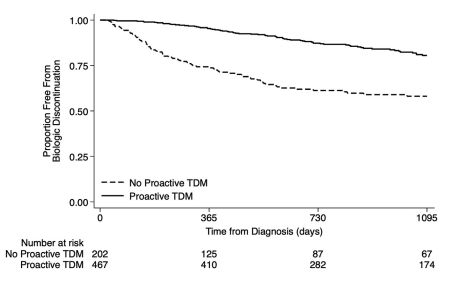
  • Proactive TDM and concomitant immunomodulators were associated with 60% and 32% reduced biologic discontinuation
  • Half of patients discontinued biologics without trial of high-dose therapy and 14% without any evaluation
  • Among patients started with infliximab therapy, 62% of patients started at a dose of <6 mg/kg, 18% stared at a dose >8 mg/kg. 67% of patients underwent dose escalation. This is agreement with other studies indicating that as many as 80% of children need doses in excess of ‘standard’ dosing (5 mg/kg every 8 weeks)
  • In patients with anti-TNF medication inefficacy with TDM availability, 36% had infliximab or adalimumab levels below 5 mcg/mL. and 20% had levels between 6-8 mcg/mL.
  • Among patients who discontinued anti-TNF medications, 60% had serum trough levels less than 10 mcg/mL.
  • The rate of biologic durability was lower for those (n=61) receiving a 2nd biologic who had rates of remaining on agent of 56% at 1 yr, 28% at 2 yrs, and 10% at 4 yrs. In contrast, the first biologic had durability of 90% at 1 year, 79% at 2 years, and 66% at 4 yrs.

My take: This study strongly supports the use of proactive therapeutic drug monitoring. In addition, the authors make a compelling argument to optimize a therapy and evaluate carefully before switching to a new medication/biologic. Finally, the use of concomitant immunomodulators can improve medication durability; it is particularly important if needing to switch from one anti-TNF agent to another due to anti-drug antibodies.

Related blog posts:

Pitt Street Bridge (Mt Pleasant, SC)

Dr. Joel Rosh: Positioning Therapies for Pediatric Ulcerative Colitis

Dr. Joel Rosh gave our group an excellent update on sequencing therapy for ulcerative colitis (UC).  My notes below may contain errors in transcription and in omission. Along with my notes, I have included many of his slides.

  • There are only two FDA-approved biologics in pediatric Ulcerative Colitis. It typically takes 8-10 years for a medication with approval in adults to receive FDA approval in children
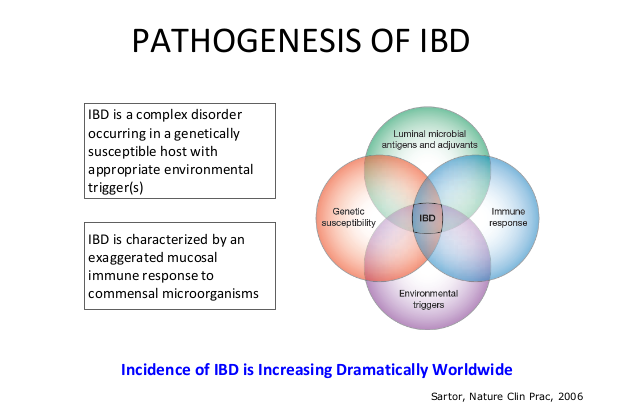
  • The concept of IBD as two diseases, Crohn’s disease and UC, is flawed; there are more than 200 susceptibility genes for inflammatory bowel disease
  • There has been an increasing incidence and prevalence of IBD. Some of this increase is likely due to our diet and its effects on the microbiome
  • Ultrasound is a nice tool to see what is going on in real time and shows that UC is really a transmural disease.  UC changes in the bowel can result in fibrosis
  • Consider cytokine-basis for disease as a way to conceptualize disease presentation compared to organ-based disease. Many autoimmune diseases (eg. JIA, RA, Psoriasis) are different manifestations related to cytokine-based autoimmunity
  • Almost all pediatric IBD can be considered higher risk based on known risk factors including disease extent (>80% of pediatric UC is pancolitis) and disease age of onset
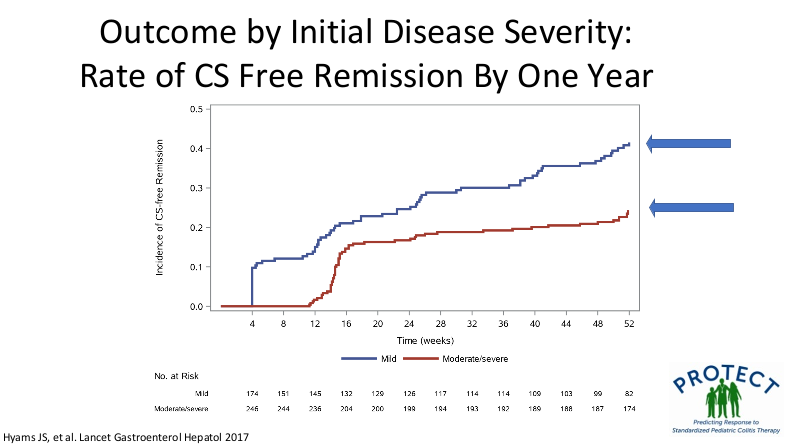
  • Mesalamine steroid-free clinical remission rates are about 1/3rd after 1 year of treatment
  • Overall, there has been an improvement in colectomy rates since 2001; there still appears to be a bump in the colectomy rate after having UC for more than 10 years
  • Elevated CRP is less common in patients with UC, compared to Crohn’s disease, and is a marker for more severe disease activity
  • Dr. Rosh prefers to avoid some terms including biologic-naive and steroid failure; he favors biologic-unexposed for the former. For the latter, he tries to make it clear that the patient was not a steroid failure. Steroids failed the patient rather than the patient failing the steroids
  • Therapeutic drug monitoring (TDM) is mainly beneficial for anti-TNF agents at this time. Use of TDM can help monotherapy achieve similar results as combination therapy. For infliximab, Dr. Rosh’s ‘rule of thumb’ is 28-18-8 for 2 week trough, 6 week trough, and maintenance trough. Therapeutic levels will meet or exceed these trough levels.
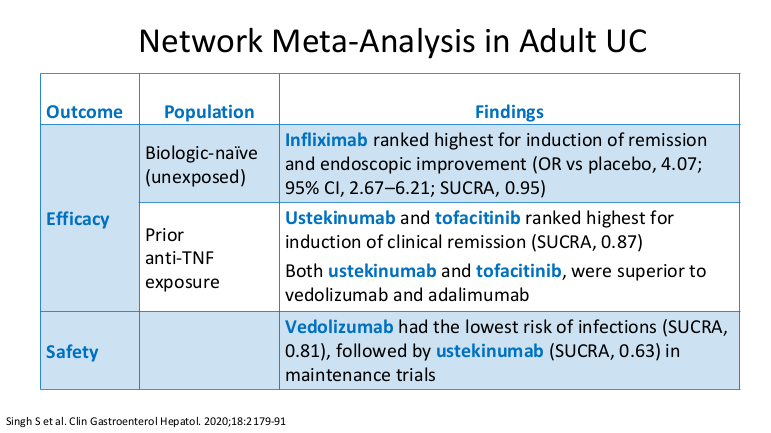
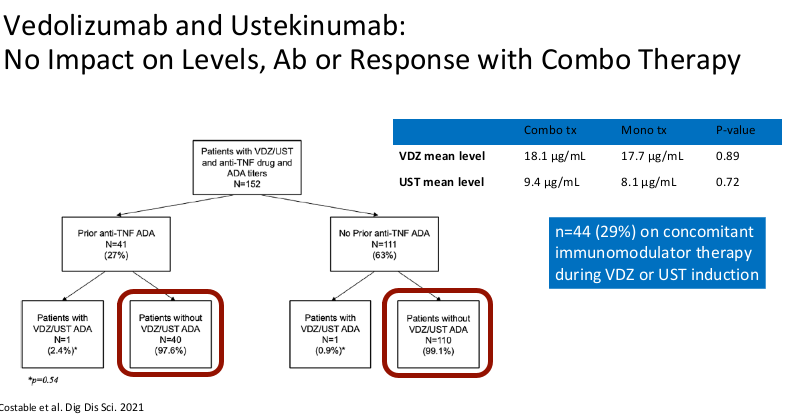
  • Combination therapy has not been shown to improve pharmacokinetics for vedolizumab or ustekinumab
  • Generally, a washout period is not needed when changing biologic therapies. In fact, having some overlap in the medications may have some therapeutic benefit
  • Upadacitinib (Rinvoq) appears to be the most effective JAK for IBD. It is labelled for use as a 2nd-line agent but may be superior for some sicker patients. Rinvoq could be considered as a ‘bridge’ medication in patients with acute severe ulcerative colitis with transition to another biologic like vedolizumab
  • It is important for families to be informed that there is a black box warning for the use of JAK inhibitors. However, major cardiac adverse events (MACE) do not appear to be increased in patients without preexisting cardiac disease risk factors

Related blog posts:

Disclaimer: This blog, gutsandgrowth, assumes no responsibility for any use or operation of any method, product, instruction, concept or idea contained in the material herein or for any injury or damage to persons or property (whether products liability, negligence or otherwise) resulting from such use or operation. These blog posts are for educational purposes only. Specific dosing of medications (along with potential adverse effects) should be confirmed by prescribing physician.  Because of rapid advances in the medical sciences, the gutsandgrowth blog cautions that independent verification should be made of diagnosis and drug dosages. The reader is solely responsible for the conduct of any suggested test or procedure.  This content is not a substitute for medical advice, diagnosis or treatment provided by a qualified healthcare provider. Always seek the advice of your physician or other qualified health provider with any questions you may have regarding a condition.

Proactive Monitoring Associated with Higher Rates of Transmural Healing

SR Fernades et al. Inflammatory Bowel Diseases, izad272, https://doi.org/10.1093/ibd/izad272 Proactive Infliximab Monitoring Improves the Rates of Transmural Remission in Crohn’s Disease: A Propensity Score–Matched Analysis 

Methods: Retrospective cohort study (n=195) including consecutive CD patients starting treatment with IFX. Rates of transmural remission were compared between patients with and without therapeutic drug monitoring (target level: 5-7 µg/mL).

Key findings:

  • The rates of transmural remission were higher in patients under proactive therapeutic drug monitoring (37.2% vs 18.3%; P = .004) with similar results in the propensity score–matched analysis (34.2% vs 17.1%; P = .025). 
  • In multivariate analysis, proactive therapeutic drug monitoring was independently associated with transmural remission (odds ratio, 2.95)

My take: Proactive therapeutic monitoring is beneficial in improving outcomes in patients with Crohn’s disease. Higher drug levels are likely to be particularly important to achieve adequate tissue penetration in transmural Crohn’s disease.

Related blog posts:

Ram Head Trail, St John

Therapeutic Drug Monitoring with Ustekinumab

C McDonald et al. Inflammatory Bowel Diseases, Volume 30, March 2024, Pages 423–428. Open Access! Higher Ustekinumab Levels in Maintenance Therapy are Associated with Greater Mucosal Healing and Mucosal Response in Crohn’s Disease: An Experience of 2 IBD Centers

This retrospective study enrolled 47 patients receiving maintenance ustekinumab (UST) for Crohn’s disease. Over one-third of patients (n = 18, 38.3%) were on higher than standard dosing of 90 mg every 8 weeks. The study utilized drug-tolerant ELISA assay for UST trough levels and drug antibody titers.

Key findings:

  • In this observational cohort of patients with CD on maintenance UST, 63.8% of patients (n = 30 of 47) had achieved mucosal healing at time of level assay, and 85.1% (n = 40 of 47) had achieved at least mucosal response.
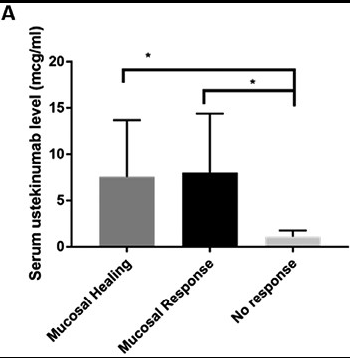
  • Patients with mucosal healing (n = 30) had significantly higher mean serum UST levels (5.7 µg/mL, SD 6.4) compared with those with no response (1.1 µg/mL, SD 0.52; n = 7, P < .0001).
  • Patients with mucosal healing (n = 30) had significantly higher mean serum UST levels (5.7 µg/mL, SD 6.4) compared with those with no response (1.1 µg/mL, SD 0.52; n = 7, P < .0001)
  • Similarly, for patients with mucosal response (n = 40), we observed a higher mean serum UST trough level (5.1 µg/mL, SD 6.1) compared with those with no response (1.1 µg/mL, SD 0.52; n = 7, P < .0001).
  • There were no antidrug antibodies detected in the cohort.

Discussion:

Unlike anti-TNF therapeutic drug monitoring, “there are few data supporting a correlation between serum ustekinumab levels and MH. The STARDUST randomized control trial34 is studying standard of care compared with treat-to-target ustekinumab therapy and has reported preliminary data at 1-year showing superiority of treat-to-target approaching achieving endoscopic response.”

My take: In this study, patients with UST levels above 2.3 μg/mL had a 10-fold level higher likelihood of mucosal healing and mucosal response. UST therapeutic drug monitoring can help “determine true nonresponse rather than insufficient dosing in patients who have not responded to UST.”

Other studies have suggested higher target levels. Mayo clinic lab site: “Concentrations > or =4.5 mcg/mL are associated with mucosal healing.” Ref: Papamichael K, Cheifetz AS, Melmed GY, et al. Appropriate therapeutic drug monitoring of biologic agents for patients with inflammatory bowel diseases. Clin Gastroenterol Hepatol. 2019;17(9):1655-1668.e3

 Mean through serum ustekinumab levels with standard deviation in patients who had achieved mucosal healing (n = 30), mucosal response (n = 40) or nonresponse (n = 7).

Related blog posts:

How Much Ustekinumab (Stelara) Is Needed to Get a Good Response

K Chen et al. Inflamm Bowel Dis 2023; 29: 1499-1503. Serum Ustekinumab Concentrations Are Associated With Improved Outcomes With the Magnetic Resonance Index of Activity for Crohn’s Disease

This retrospective trial included thirty three patients with Crohn’s disease (CD) receiving maintenance ustekinumab (UST). The simplified Magnetic Resonance Index of Activity (sMARIA) and biomarkers were correlated with UST levels. The authors utilized a homologous mobility shift assay (HMSA) (Prometheus) for their UST levels.

Key findings:

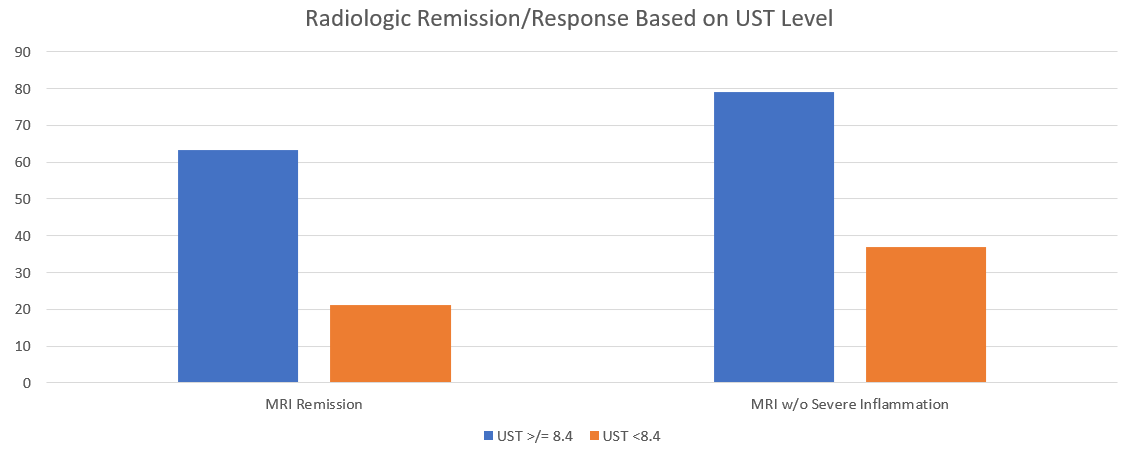
With UST level greater or equal to 8.4, radiologic remission was seen in 63% compared to 21% in those with levels <8.4. Similarly, the absence of severe inflammation was seen in 78.9% of those with higher levels compared with only 36.8% in those with levels below 8.4.
Both findings were clinically-significant P=.01
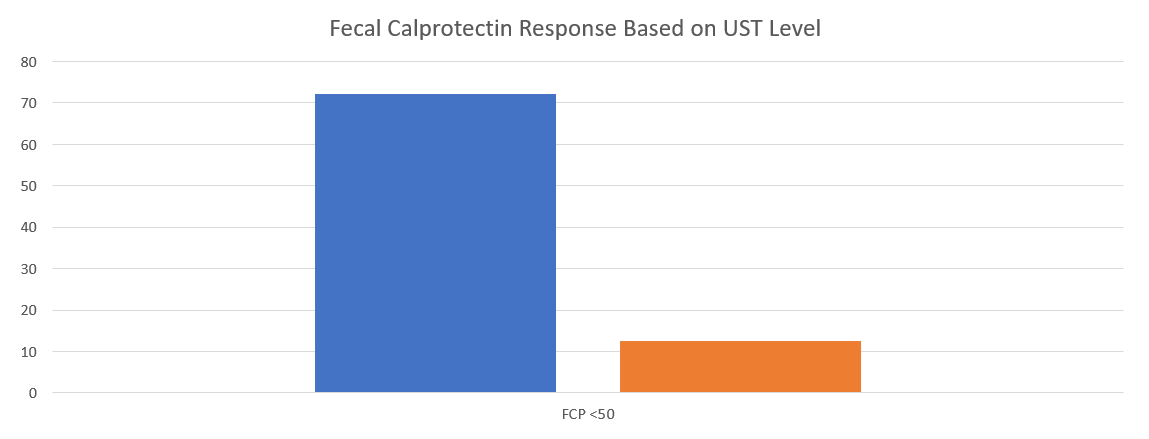
With UST levels greater or equal to 6.1, FCP less than 50 was seen in 72.2% compared to only 12.5% in those with a level less than 6.1. P<.01

My take: This study show the need for higher levels of UST to achieve optimal outcomes. Levels of at least 8.4 appear to be a good target.

Related blog posts:

Disclaimer: This blog, gutsandgrowth, assumes no responsibility for any use or operation of any method, product, instruction, concept or idea contained in the material herein or for any injury or damage to persons or property (whether products liability, negligence or otherwise) resulting from such use or operation. These blog posts are for educational purposes only. Specific dosing of medications (along with potential adverse effects) should be confirmed by prescribing physician.  Because of rapid advances in the medical sciences, the gutsandgrowth blog cautions that independent verification should be made of diagnosis and drug dosages. The reader is solely responsible for the conduct of any suggested test or procedure.  This content is not a substitute for medical advice, diagnosis or treatment provided by a qualified healthcare provider. Always seek the advice of your physician or other qualified health provider with any questions you may have regarding a condition.

Another Study Justifying Higher Infliximab Dosing in Pediatrics

S Lawrence et al. JPGN 2022; 75: 601-607. Optimized Infliximab Induction Predicts Better Long-Term Clinical and Biomarker Outcomes Compared to Standard Induction Dosing

In this retrospective observational cohort study (n=140 children), patients were started on 5 mg/kg/dose during induction. 78 children had “optimized dosing” with an infliximab level drawn prior to 3rd dose. A level <15 mcg/g was considered subtherapeutic. It is noted that combination therapy was much higher in the standard (not optimized) group (95% vs 42%).

Key findings:

  • Combined corticosteroid-free clinical and biomarker remission (CRP < 5 mg/L) was higher in the optimized compared to the standard cohort [65/78 (83%) vs 25/62 (40%), P < 0.001]. Remission rates correlated with trough levels; those in clinical remission had a median level of 3.6 compared to 2.0 in those without clinical remission.
  • The median post-induction trough was higher in the optimized group 4.2 mg/L vs 1.9 mg/L.
  • The optimized group were significantly more likely to achieve a therapeutic level (5 mg/L or greater): 44% vs 18%.

My take:

  1. The “optimized” group was not very well optimized –only 44% had a therapeutic level >5, but still performed much better than the standard group (which more often had combination therapy). This indicates a need to start with higher doses and reinforces the need for therapeutic drug monitoring.
  2. This study further shows that 5 mg/kg dosing is inadequate. In the standard group, even with combination therapy, only 18% achieved therapeutic levels.
  3. This article will be another one to include to try to persuade insurance companies that kids are different and need higher doses of infliximab.
  4. Though inconvenient for families, dosing more frequently is more effective than higher doses for improving trough levels (ie 5 mg/kg q4 wks results in better trough levels than 10 mg/kg q8 wks).

Here are some additional references on this topic (from a recent appeal):

For pediatrics, studies have shown that utilizing dosing of 5 mg/kg/dose results in subtherapeutic dosing in around 80%, especially if low albumin.  This places patients at high risk for developing antibodies to infliximab and complications from Crohn’s disease.

  1. LE Bauman et al Inflamm Bowel Dis 2020 Feb 11;26(3):429-439. Improved Population Pharmacokinetic Model for Predicting Optimized Infliximab Exposure in Pediatric Inflammatory Bowel Disease. The authors identified 228 pediatric patients with IBD and developed a pharmacokinetic model using weight, albumin, sedimentation rate and antibodies to infliximab (ATI) to help predict infliximab dosing that would achieve a therapeutic trough level (>5 mcg/mL). In their study, they also simulated 1000 patients and found that only 24% of patients receiving 5 mg/kg q8weeks achieved a therapeutic level; this increased to 56% for 10 mg/kg q8weeks
  2. Frymoyer A, Piester TL, Park KT. JPGN. 2016;62(5):723-727. Infliximab dosing strategies and predicted trough exposure in children with Crohn’s disease. Only 21% of children in this modeling study achieved a trough level >3 if the albumin was 3 or lower. The goal for trough level is NOW >5.
  3. JM Shapiro et al. JPGN 2016; 62: 867-72. Durability of Infliximab Is Associated With Disease Extent in Children With Inflammatory Bowel Disease.  In this study with 98 pediatric patients, 70% with extensive disease required dose escalation.
  4. Ungar B, Levy I, Yavne Y, et al. Clin Gastroenterol Hepatol. 2016;14(4):550-557.e552. Optimizing Anti-TNF-alpha therapy: serum levels of Infliximab and Adalimumab are associated with mucosal healing in patients with inflammatory bowel diseases. Getting good levels important to achieve healing/remission.
  5. NV Castelle et al. Clin Gastroenterol Hepatol 2022; 20: 465-467. Patients With Low Drug Levels or Antibodies to a Prior Anti-Tumor Necrosis Factor Are More Likely to Develop Antibodies to a Subsequent Anti-Tumor Necrosis Factor. Good levels are associated wtih fewer antibodies to infliximab.

Related blog posts:

On a recent trip to Florida, we picked up more than 40 sand dollars on a morning beach walk. This was during a cold snap, at low tide and after a storm.

Disclaimer: This blog, gutsandgrowth, assumes no responsibility for any use or operation of any method, product, instruction, concept or idea contained in the material herein or for any injury or damage to persons or property (whether products liability, negligence or otherwise) resulting from such use or operation. These blog posts are for educational purposes only. Specific dosing of medications (along with potential adverse effects) should be confirmed by prescribing physician.  Because of rapid advances in the medical sciences, the gutsandgrowth blog cautions that independent verification should be made of diagnosis and drug dosages. The reader is solely responsible for the conduct of any suggested test or procedure.  This content is not a substitute for medical advice, diagnosis or treatment provided by a qualified healthcare provider. Always seek the advice of your physician or other qualified health provider with any questions you may have regarding a condition.
Picking Apart the SERENE-CD Study & Constipation Vibrating Capsule FDA Approved

Several recent letters to the editor provide some insight into some of the shortcomings of the SERENE-CD study which reported that higher adalimumab induction dosing and proactive therapeutic drug monitoring (TDM) were not associated with improved outcomes.

“The rerandomization design of SERENE CD, which selectively enrolled patients with clinical response at week 12 to the TDM vs CA part of the study, may have resulted in the exclusion of those who would have benefited the most from early adjustment of their anti-tumor necrosis factor (TNF) dose. The rerandomization design and the late adaptation of the proactive strategy at week 12 were 2 significant aspects of the design that may have led to the negative results. On the other hand, PAILOT, which showed beneficial effects of proactive TDM, randomized patients as early as week 4 and assessed the outcome at week 72. This is distinct from the 1-year time frame used in most other studies, including SERENE CD.8 A properly designed, adequately powered clinical trial is needed before we can make a judgement on the use of proactive TDM in patients with inflammatory bowel disease. Until then, the jury remains out.”

“The study design only allowed patients in the TDM group with adalimumab concentrations of ≥5 and ≤10 μg/mL to be escalated to 40 mg every week if their CD activity index was ≥220 or their high-sensitivity C-reactive protein level was ≥10 mg/L.. The goal of proactive TDM is to attain a threshold concentration regardless of disease activity. This design probably led the 2 groups to have similar drug concentrations at week 56…

Second, a rather low targeted drug concentration of 5 μg/mL was used, although previous studies have suggested that higher concentrations are more appropriate.5678 A study from Ungar et al5 showed that adalimumab concentrations of 8–12 μg/mL are required to achieve mucosal healing in 80%–90% of patients with IBD, and the prospective PANTS (The Personalised Anti-TNF Therapy in Crohn’s Disease Study) study identified an adalimumab concentration of 12 μg/mL at week 14 associated with remission at both week 14 and week 54.8..

Third, dose escalation for the TDM group could only happen at weeks 14, 28, or 42 (and not earlier and more often). In the PAILOT RCT, proactive TDM based on adalimumab concentration evaluations started as early as week 4 followed by week 8 and every 8 weeks thereafter until the end of the follow-up at week 72.3 Fourth, there was a rather short follow-up of the patients (44 weeks).”

” Even with the assumption of a 30% benefit of proactive TDM and that 20% of patients would have low drug levels in the absence of symptoms, the sample size for 80% power would range from 1228 to 2170. Thus, although SERENE CD1 and other clinical trials3,4 have suggested a lack of benefit of proactive TDM in adults with inflammatory bowel disease, all were likely substantially underpowered to do so.”

My take: While the SERENE-CD results have suggested that a strategy of proactive TDM may not be helpful, there are a lot of reasons to disregard these findings. Achieving a therapeutic level is a fundamental principle and proactive TDM, particularly in pediatrics, is well-supported by other studies.

Related blog posts:

Also noted:

IBD Updates: Rising Burden of IBD, Calprotectin in Severe Colitis, Postoperative Therapeutic Drug Monitoring, Formula Choice for EEN

M Agrawal et al. Gastroenterol 2022; 163: 1547-1554. Open Access! The Rising Burden of Inflammatory Bowel Disease in Denmark Over Two Decades: A Nationwide Cohort Study

Key findings:

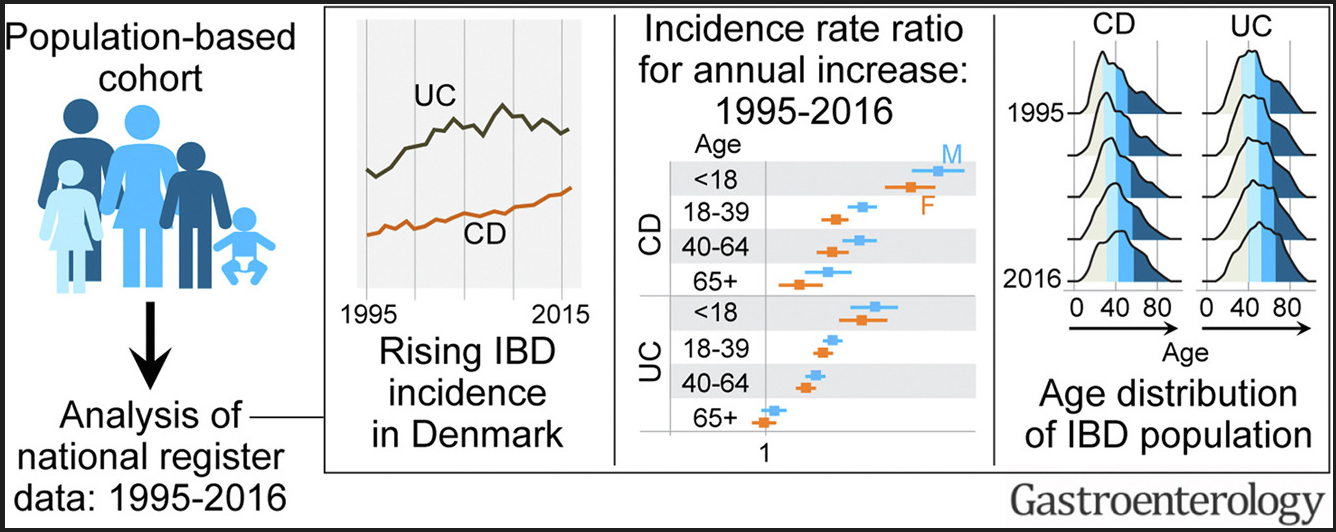
  • Between 1995 and 2016, the incidence rate (95% confidence interval) per 100,000 person-years rose from 9.1 (8.3–10.0) to 17.8 (16.8–19.0) for CD, and from 21.0 (19.8–22.3) to 28.4 (27.0–29.8) for UC.
  • The highest increase in CD and UC incidence rates occurred in children and young adults, respectively.
  • The prevalence of IBD doubled from 1995 to 2016; the greatest increase (2.5-fold) was in UC prevalence among individuals aged >40 years. During this period, the median age of the IBD population increased by 6 to 7 years.

Y Pan et al. Inflamm Bowel Dis 2022; 28: 1865-1871. Utility of Therapeutic Drug Monitoring for Tumor Necrosis Factor Antagonists and Ustekinumab in Postoperative Crohn’s Disease

In this retrospective study (n=130), therapeutic drug levels in the postoperative period were associated with improved outcomes for anti-TNF agents (infliximab (IFX) or adalimumab (ADA) but NOT for ustekinumab (UST):

  • In patients with IFX ≥3 µg/mL, higher rates of deep remission (39% vs 0%; P = .02) existed compared with those with IFX less than 3 µg/mL. This was true for clinical remission (44% vs 9%; P = .04) and objective (83% vs 62%; P = .1) remission. 
  •  In patients with ADA ≥7.5 µg/mL, rates of deep (42% vs 0%; P = .02), clinical (42% vs 0%; P = .02), and objective (88% vs 40%; P = .007) remission were higher than patients with lower concentrations.
  • For UST, rates of deep (28% vs 17%; P = 1.0), clinical (33% vs 33%; P = 1.0), and objective (70% vs 67%; P = 1.0) remission were similar between patients regardless of drug concentration.

S Sasidharan et al. Inflamm Bowel Dis 2022; 28: 1833-1837. Fecal Calprotectin Is a Predictor of Need for Rescue Therapy in Hospitalized Severe Colitis

In this retrospective study (n=147), a fecal calprotectin >800 mcg/g independently predicted the need for inpatient medical rescue therapy (odds ratio, 2.61; 95% CI, 1.12-6.12). An admission calprotectin >800 mcg/g independently predicted surgery within 3 months (odds ratio, 2.88; 95% CI, 1.01-8.17). My take: This is the least surprising study I’ve read this past month —those with more severe colitis, based on calprotectin values, were more likely to need more intensive treatments.

R Dawson et al. Inflamm Bowel Dis 2022; 28: 1859-1864. Comparing Effectiveness of a Generic Oral Nutritional Supplement With Specialized Formula in the Treatment of Active Pediatric Crohn’s Disease

In this retrospective pediatric study (n=171), the authors found that a generic oral supplement (Fortsip) was as effective as a specialized formula (Modulen IBD) for enteral nutrition. “No difference was demonstrated in remission rate (Fortisip n = 67 of 106 [63%] vs Modulen IBD n = 41 of 64 [64%], P = .89), nonadherence rate (Fortisip n = 7 of 106 [7%] vs Modulen IBD 3 of 64 [5%], P = .57) or method of administration.” The main difference in outcome was a lower expense in the group receiving the generic formula. My take: This study is in agreement with previous studies.
Related blog posts: