#NASPGHAN19 Annual Meeting -Plenary Session

Here are some notes and a few slides from NASPGHAN’s plenary session.  There could be errors of transcription in my notes.

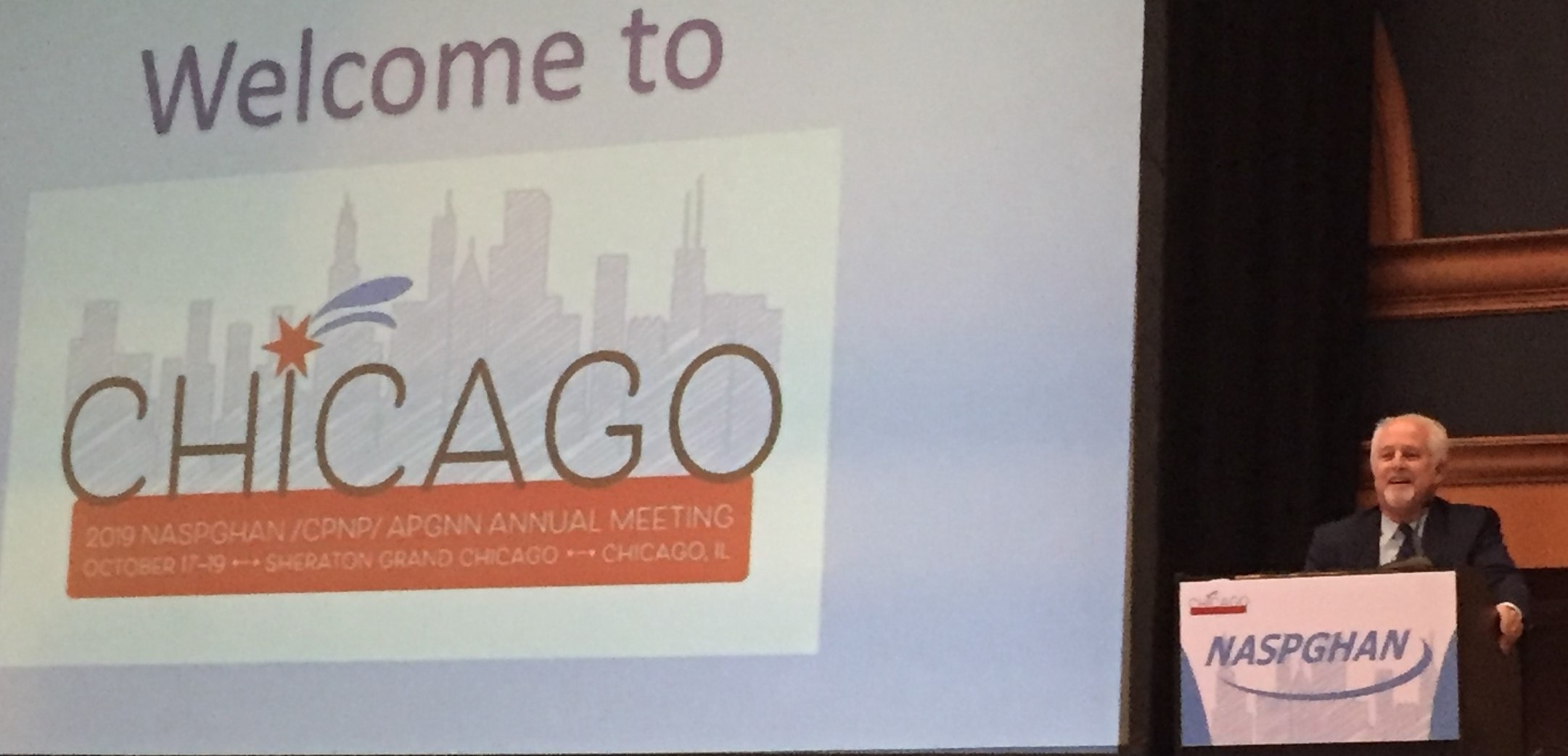
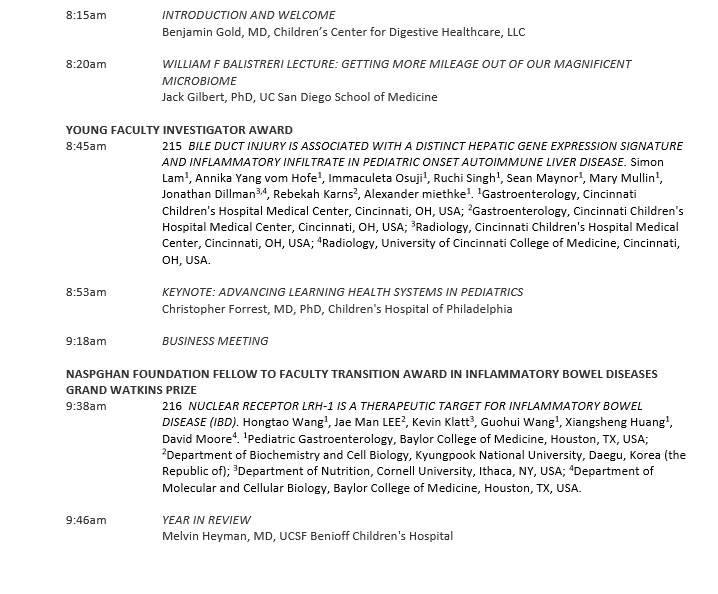
Benjamin Gold, NASPGHAN president and part of our GI group, GI Care For Kids, welcomed everyone to the meeting.

Link to NASPGHAN_Annual_Meeting_Program 2019

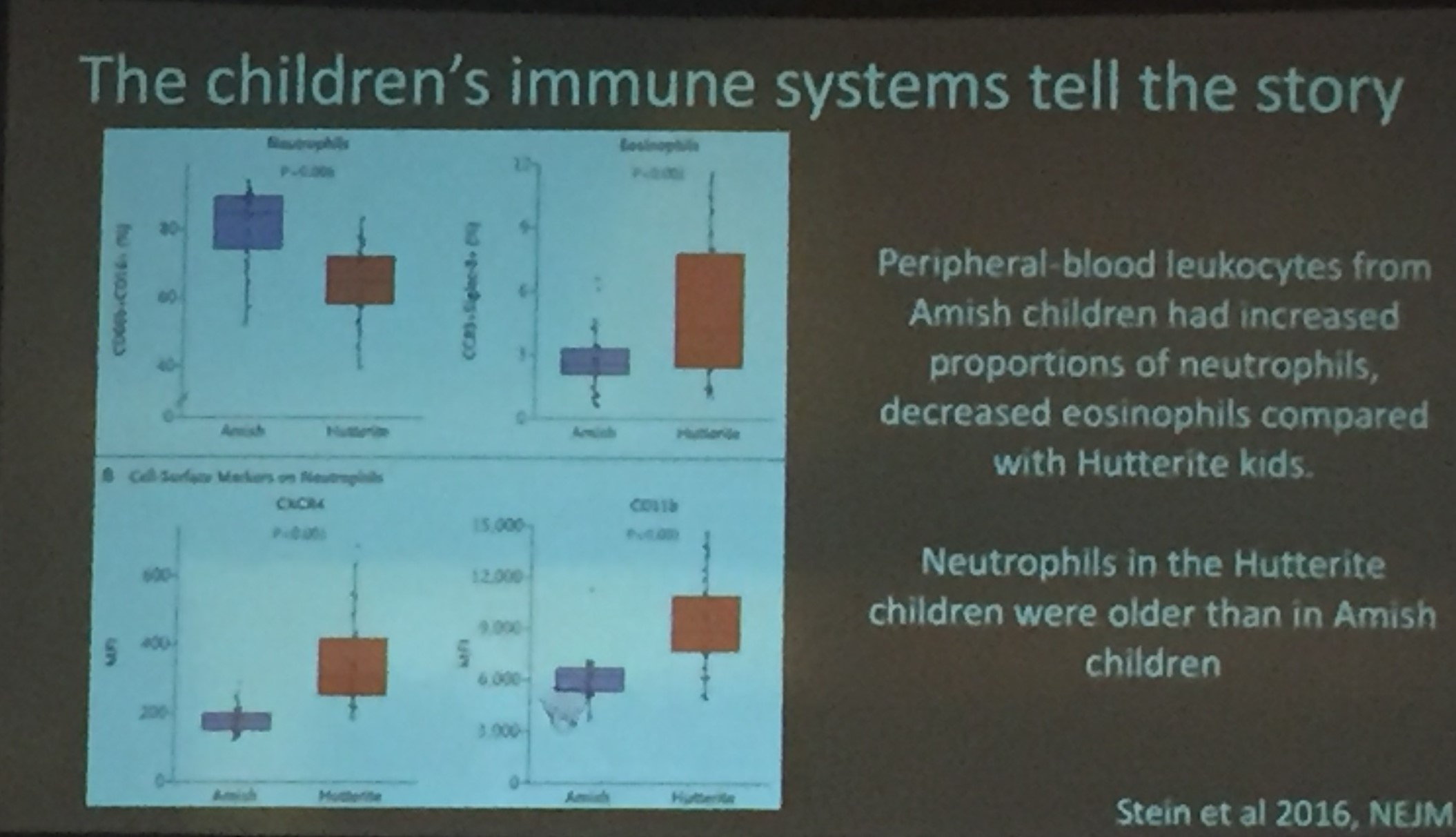
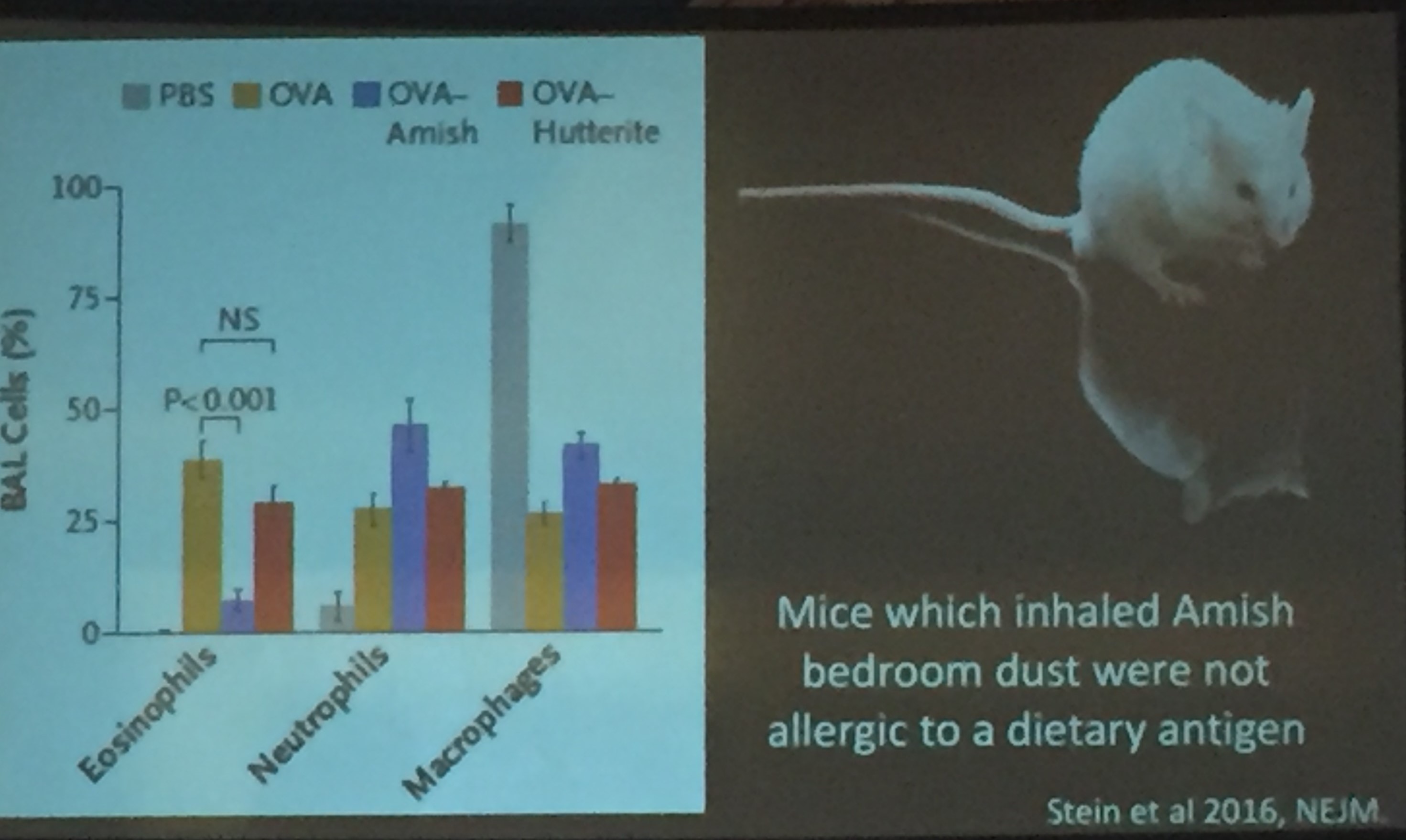
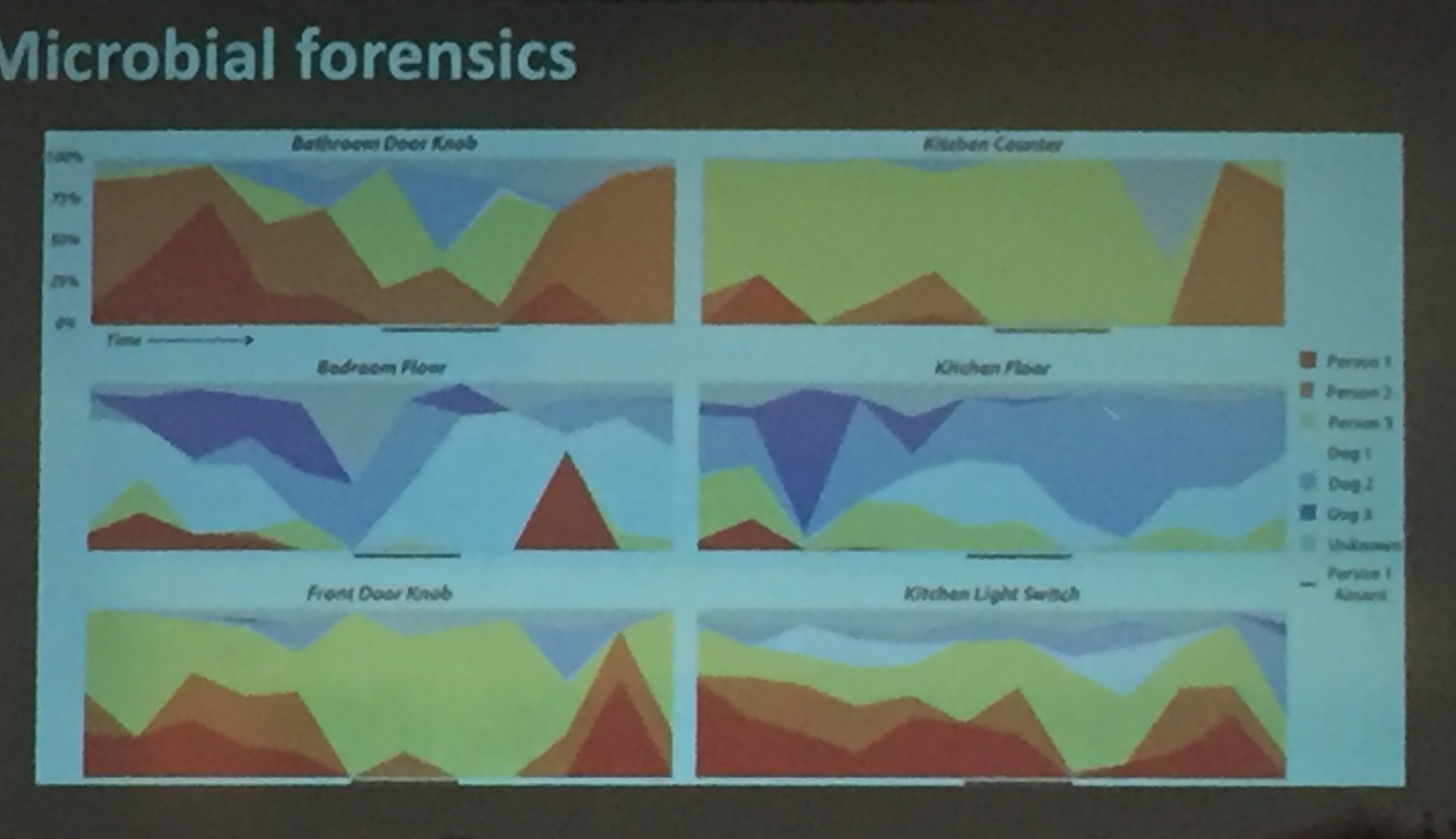
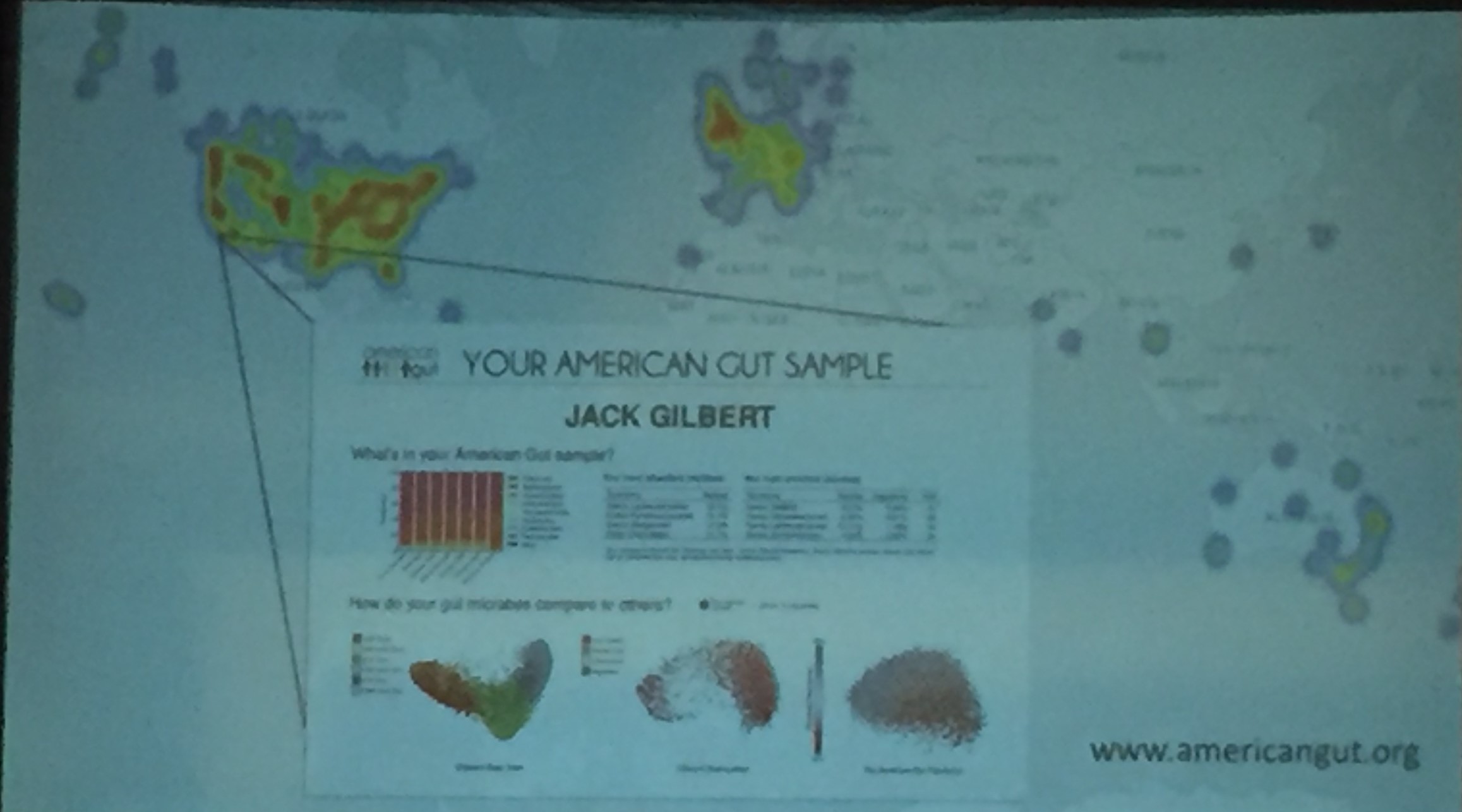
The first speaker, Jack Gilbert, gave the William F Balistreri lecture.  Dr. Gilbert has written a book on the topic of our ‘magnificent microbiome,’ Dirt is Good.  Here are a few slides:

Related study (not discussed in the talk): A recent study (R Vasapolli et al. Gastroenterology 2019; 157: 1081-91) provided data from 21 healthy adults. Using biopsies from panendoscopy and saliva/fecal samples, the authors found that the fecal microbiome is not representative of the mucosal microbiome.  In addition, each GI region had a different bacterial community.

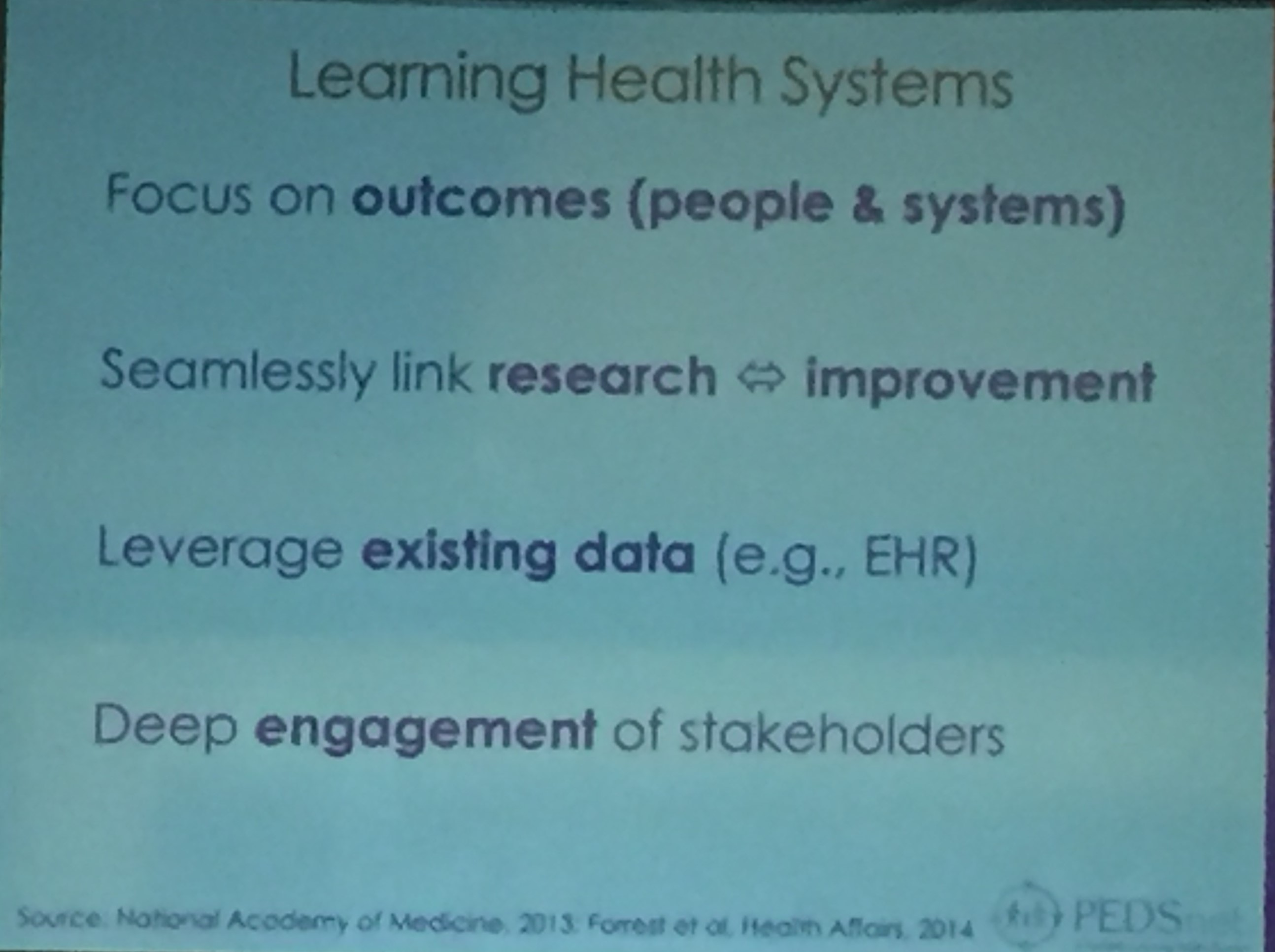
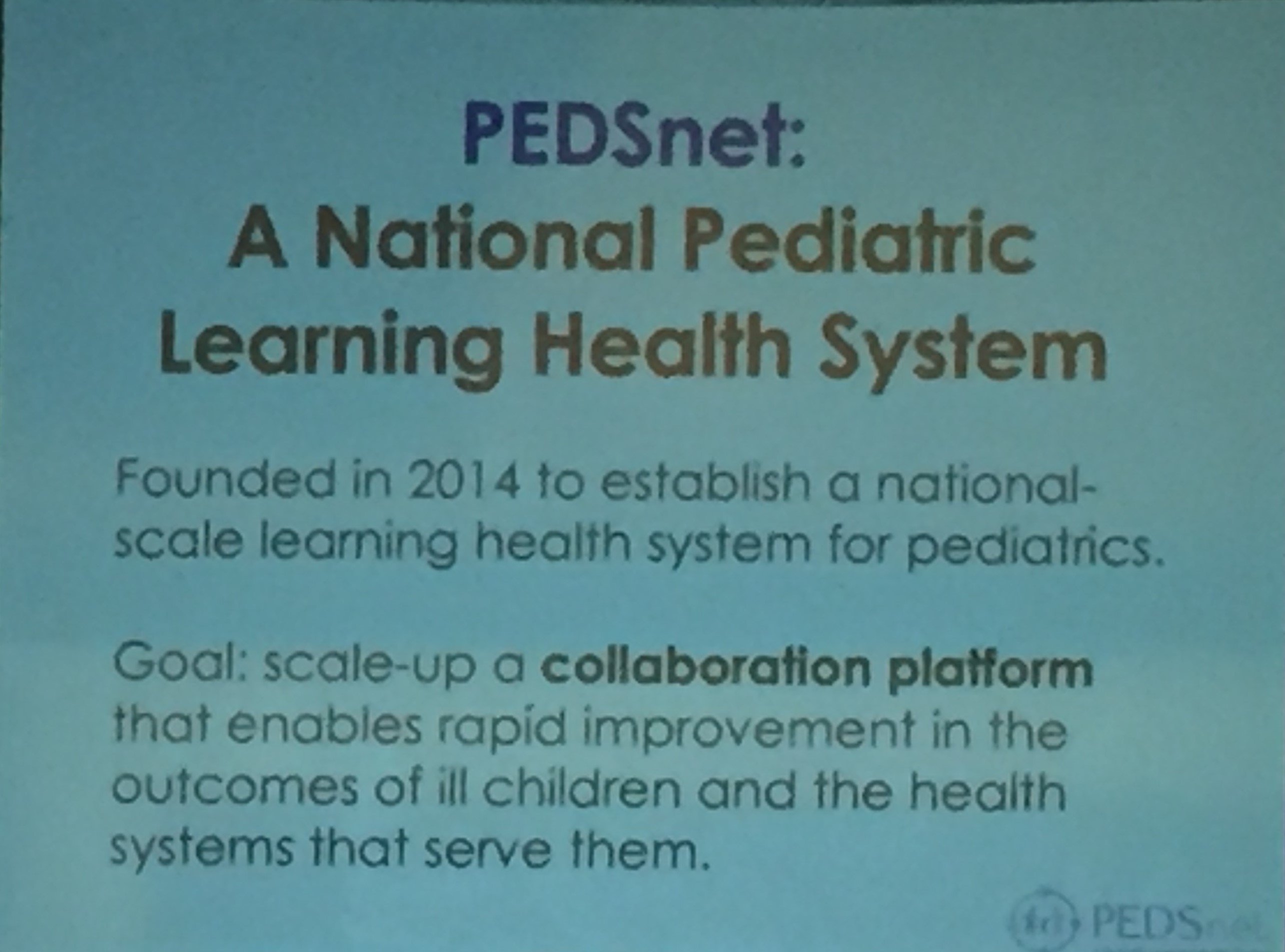
Christopher Forrest gave the keynote lecture on pediatric learning health systems. By collating data from large pediatric health systems, the researchers can determine more quickly how effective treatments are in all pediatric specialties.

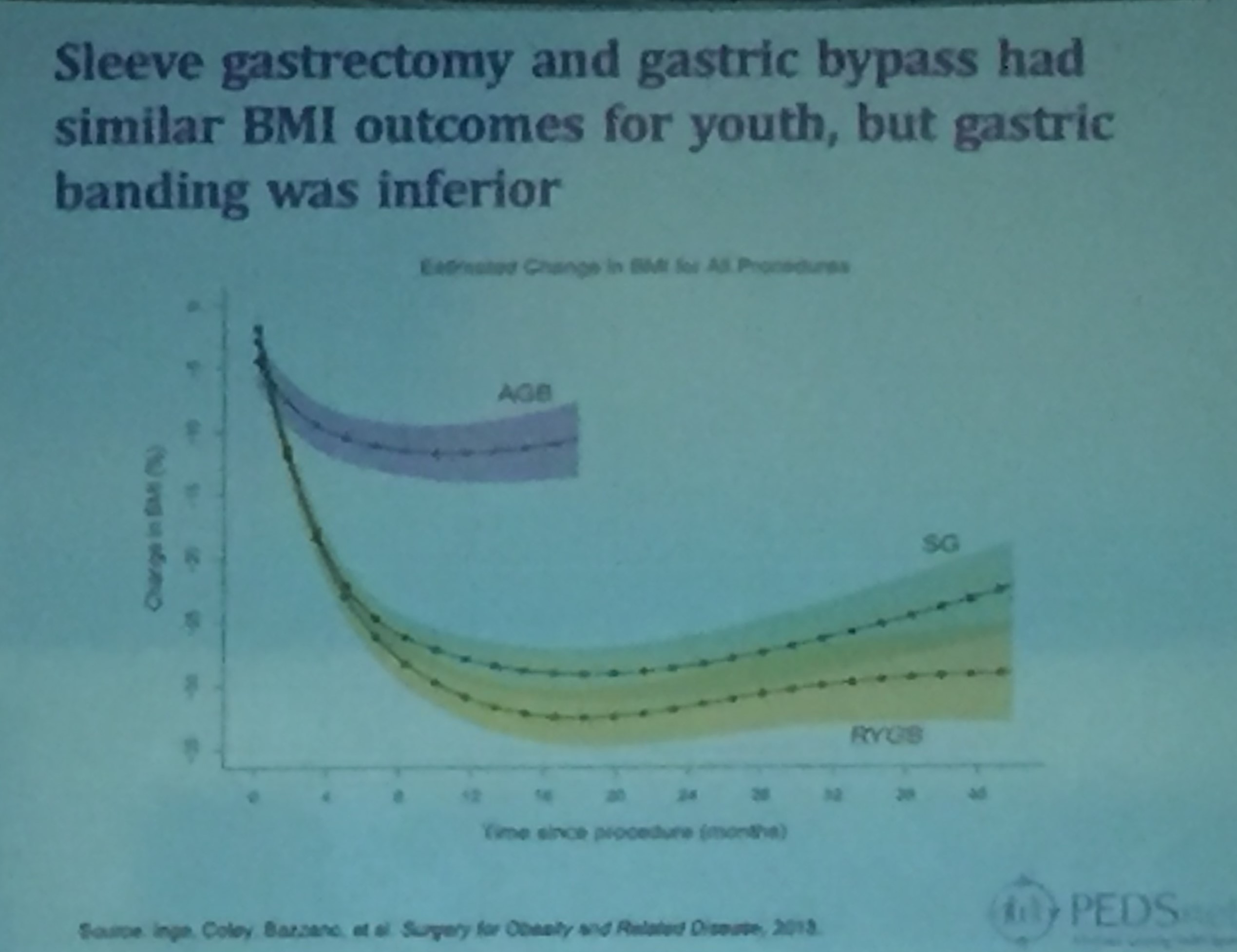
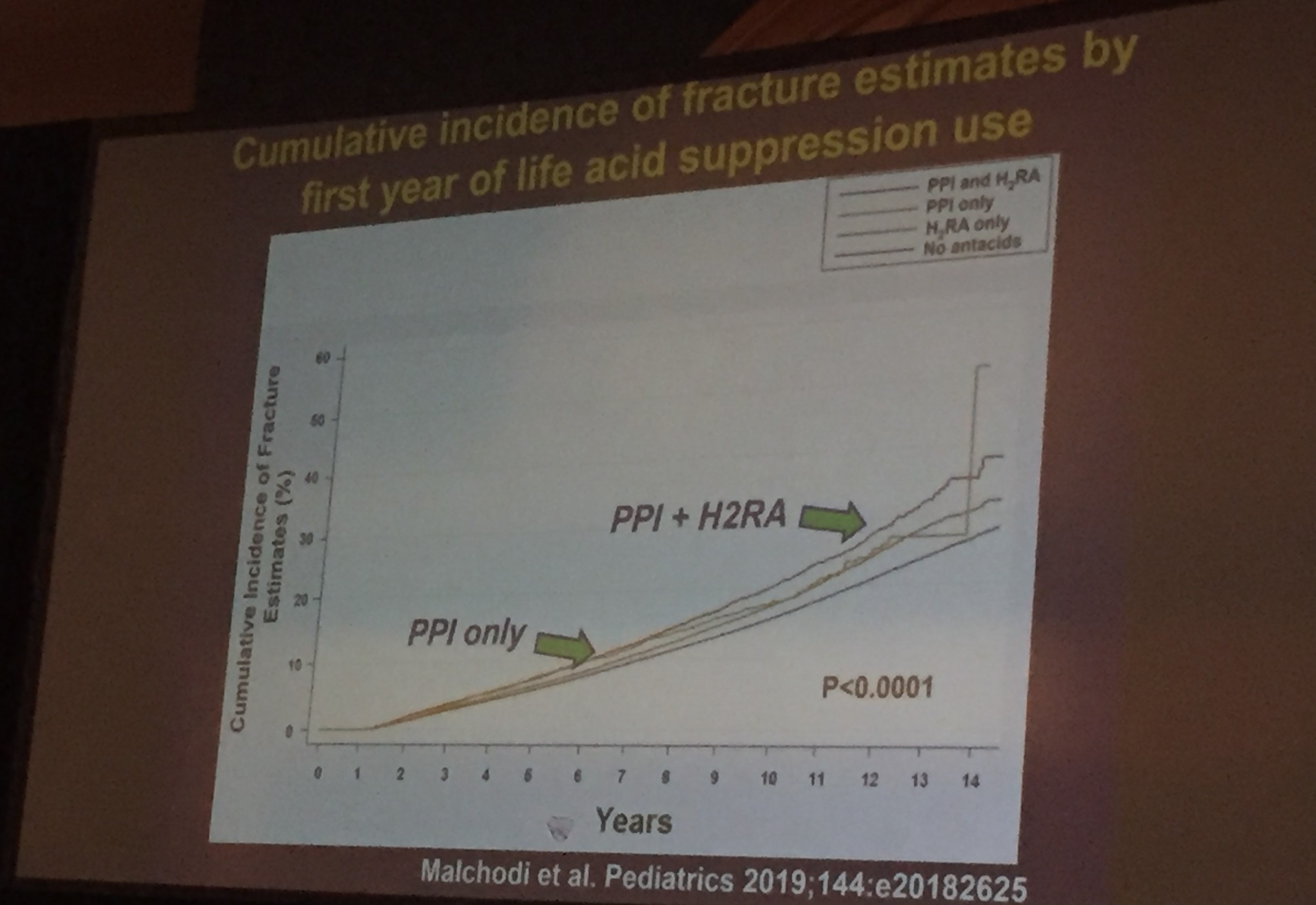
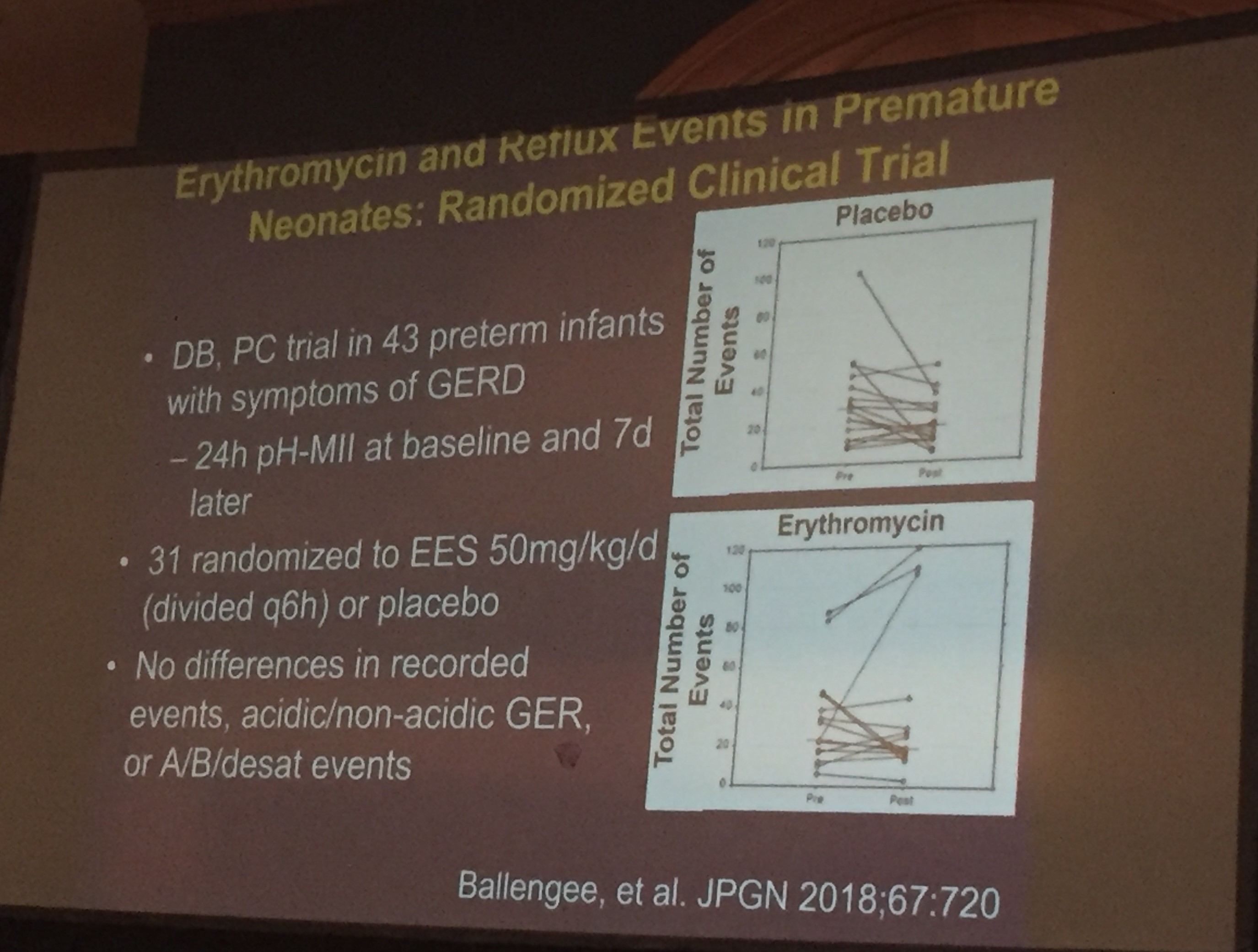
Melvin Heyman, editor of JPGN, provided a good year in review. I only capture a few images.

#NASPGHAN19 Selected Abstracts (Part 2)

Link to full NASPGHAN 2019 Abstracts.

Here are some more abstracts/notes that I found interesting at this year’s NASPGHAN meeting.

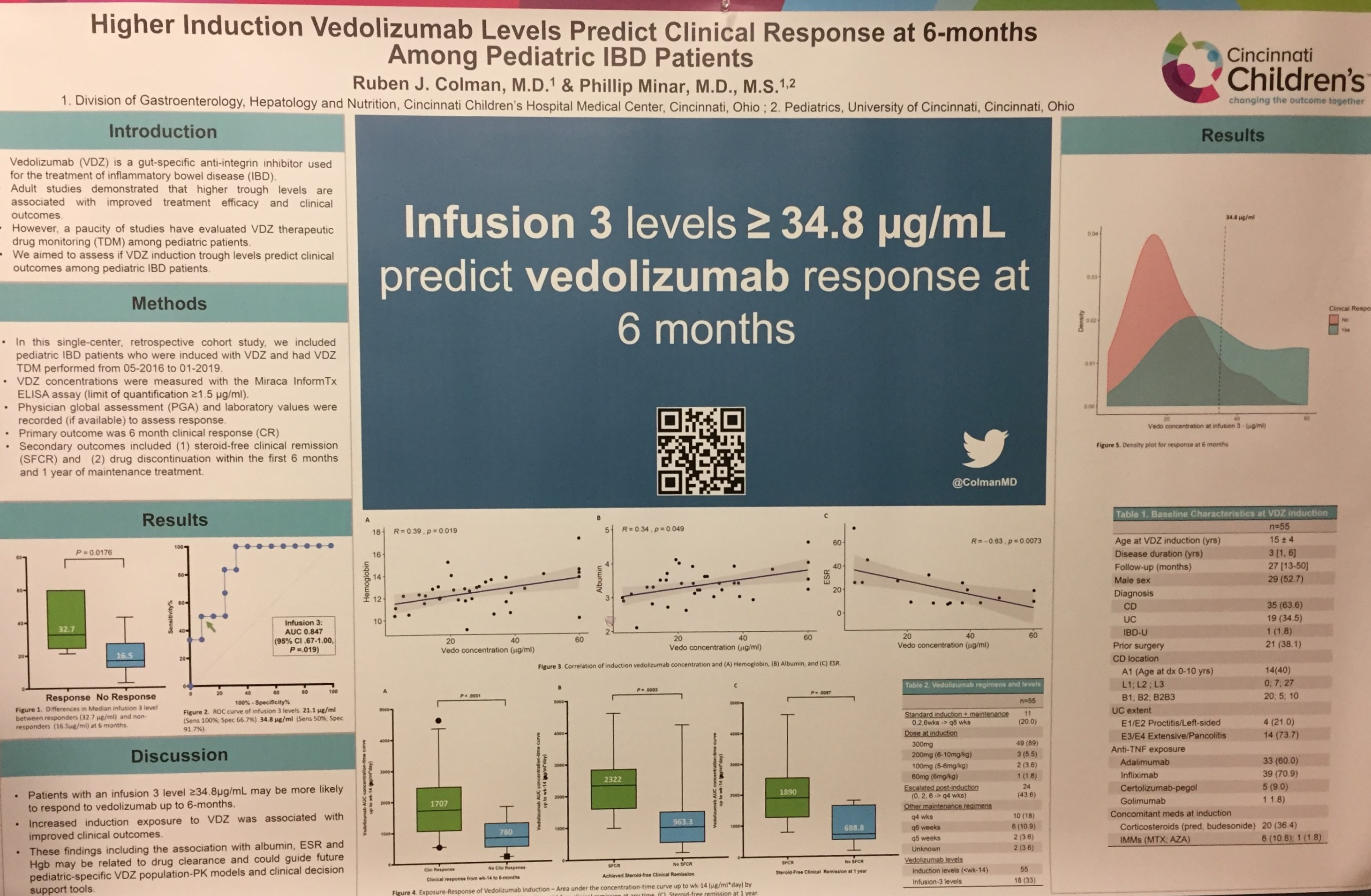
A study (poster below) from Cincinnati found that a vedolizumab level ≥34.8 mcg/mL at week 6 (prior to 3rd infusion) predicted clinical response at 6 months

Related blog posts:

The poster below reported a high frequency of eosinophilic disorders in children who have undergone intestinal transplantation. Related blog post: Eosinophilic disease in children with intestinal failure

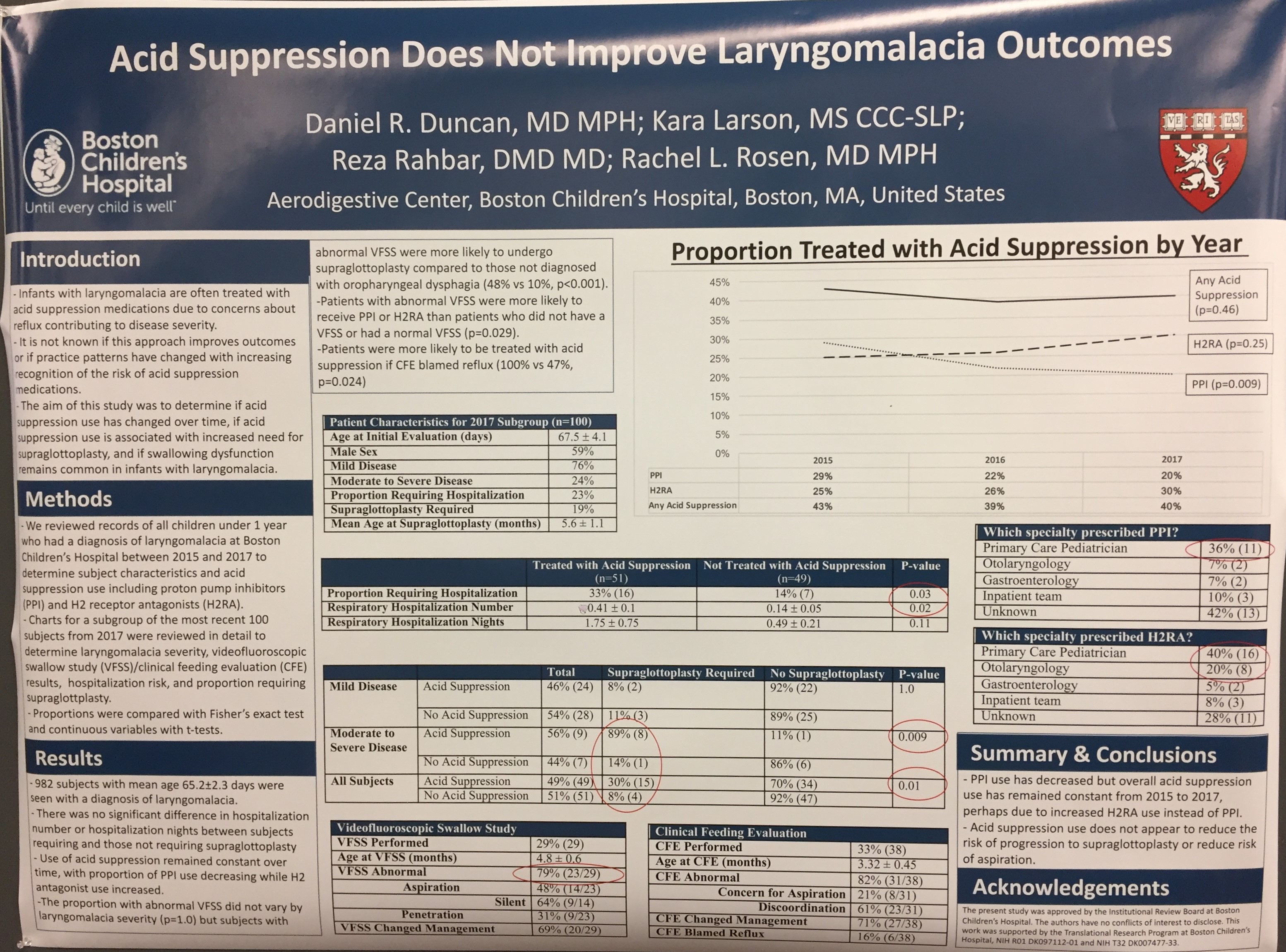
This study from Boston indicates that acid suppression was not associated with improved outcomes in infants with laryngomalacia (eg. lower supraglottoplasy rates or lower aspiration rates.

Related blog posts:

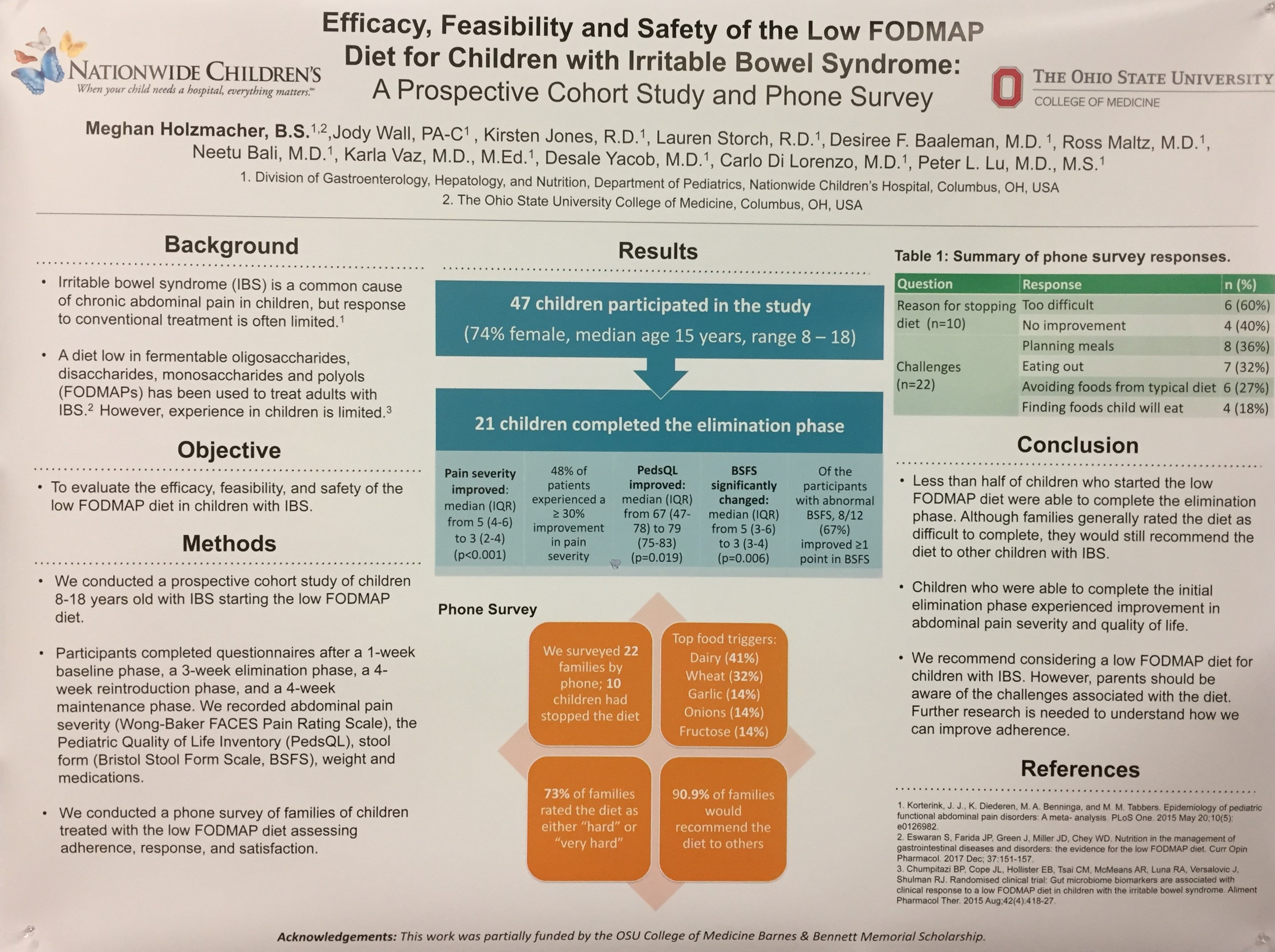
The study below showed that “less than half of children who started the low FODMAP diet were able to complete the elimination phase.” This indicates the need for careful dietary counseling when attempting this therapy.

Related blog posts:

The abstract below showed that the dietary intake of children with inflammatory bowel disease, who were not receiving enteral nutrition therapy, was similar to healthy control children.

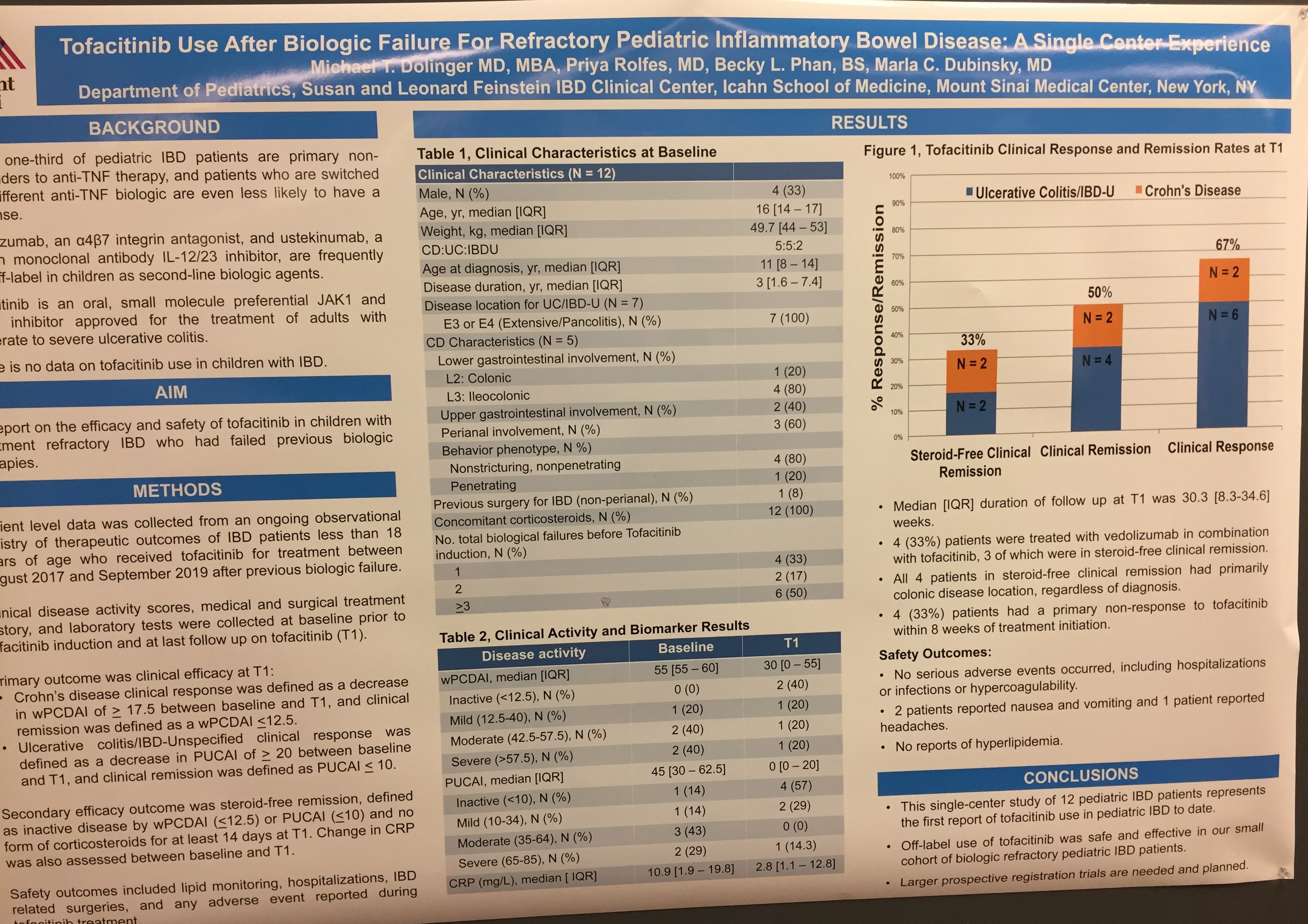
The next two studies provide some pediatric experience with tofacitinib in teenagers with inflammatory bowel disease (14-18 years of age).  The first poster had 12 children and reported a 67% clinical response rate (cohort with 5 with CD, 5 with UC, and 2 with IC).  The second poster had 4 of 6 with a clinical response and 3 in remission.

Related blog posts -Tofacitinib:

Disclaimer: This blog, gutsandgrowth, assumes no responsibility for any use or operation of any method, product, instruction, concept or idea contained in the material herein or for any injury or damage to persons or property (whether products liability, negligence or otherwise) resulting from such use or operation. These blog posts are for educational purposes only. Specific dosing of medications (along with potential adverse effects) should be confirmed by prescribing physician.  Because of rapid advances in the medical sciences, the gutsandgrowth blog cautions that independent verification should be made of diagnosis and drug dosages. The reader is solely responsible for the conduct of any suggested test or procedure.  This content is not a substitute for medical advice, diagnosis or treatment provided by a qualified healthcare provider. Always seek the advice of your physician or other qualified health provider with any questions you may have regarding a condition.

Those Probiotics May Actually Be Hurting Your ‘Gut Health’

A very readable article in the Wall Street Journal: Those Probiotics May Actually Be Your ‘Gut Health’ –may be behind a paywall. (Thanks to Ben Enav for sharing)

This study makes the following key points:

  • “In a landmark paper by my colleague Dr. Jennifer Wargo at the University of Texas MD Anderson Cancer Center that was published in Science last year, melanoma patients with the healthiest gut microbiomes—that is, the greatest diversity of microorganisms—showed enhanced systemic and antitumor immunity as well as significantly increased odds of responding to immunotherapy.”
  • “The preliminary results [from an MD Anderson Study] showed that patients who reported taking an over-the-counter probiotic supplement had a lower probability of responding to immunotherapy as well as lower microbiome biodiversity. But those eating a high-fiber diet were about five times more likely to respond to immunotherapy and had high gut bacteria diversity, including bacteria previously linked to a strong immunotherapy response.”
  • “The cheapest and safest way to improve our microbiome and gut health is to make simple dietary changes to feed the development of good bacteria and crowd out the bad. There is no pill, special food, unique diet or quick fix for what ails our health and diet. The key is simply to focus on eating a diverse, whole-food, plant-centered, high-fiber diet.”

More information on studies alluded to above:

Related blog posts:

#NASPGHAN19 Selected Abstracts (Part 1)

Link to full NASPGHAN 2019 Abstracts.

Here are some abstracts that I found interesting at this year’s NASPGHAN meeting:

NAFLD:

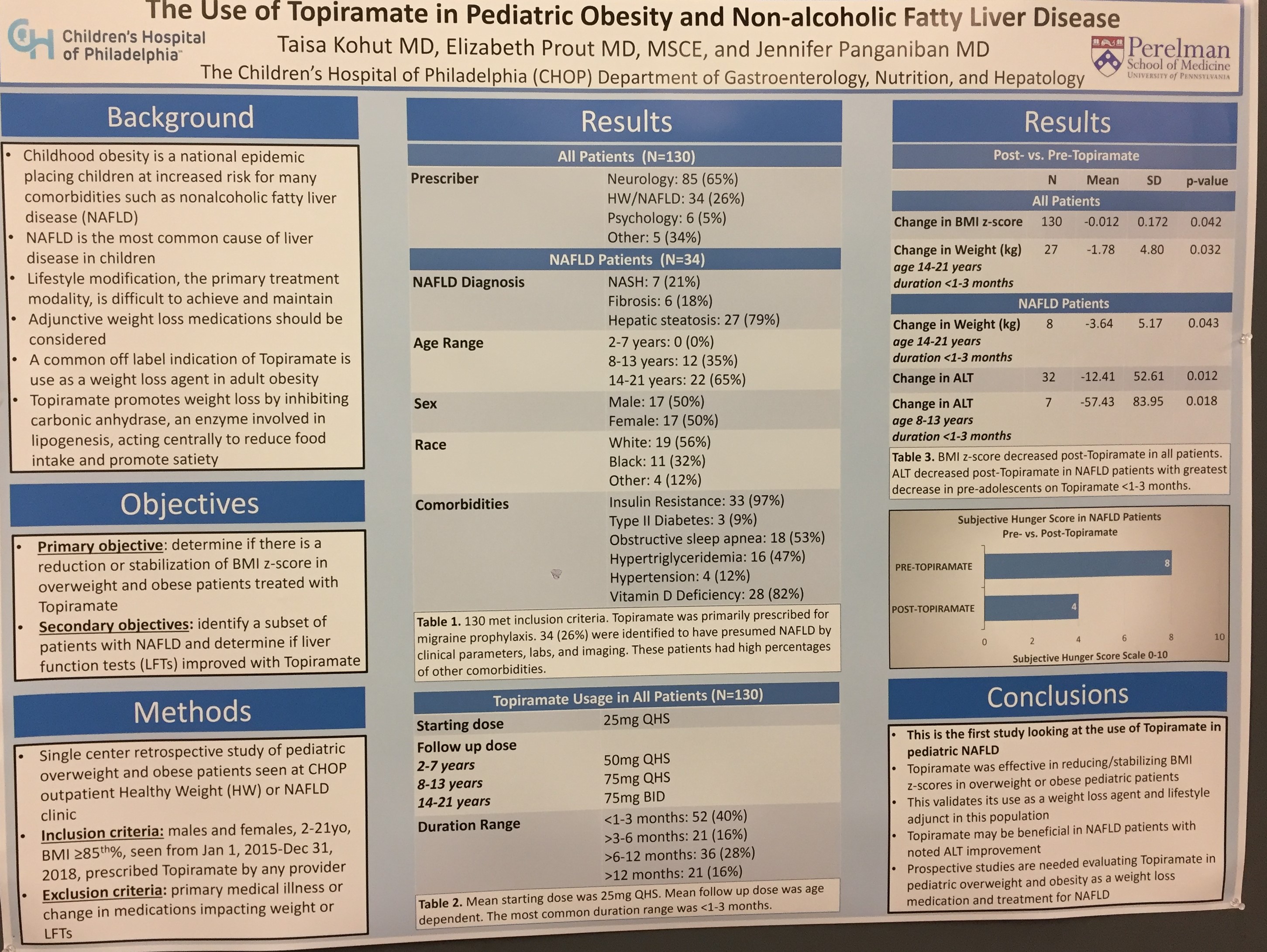
  1. Off-label use of topiramate may be helpful in stabilizing weight and improving NAFLD
  2. Socioeconomic barriers are frequent in NAFLD patients (the 2nd poster did not appear to show a control population):

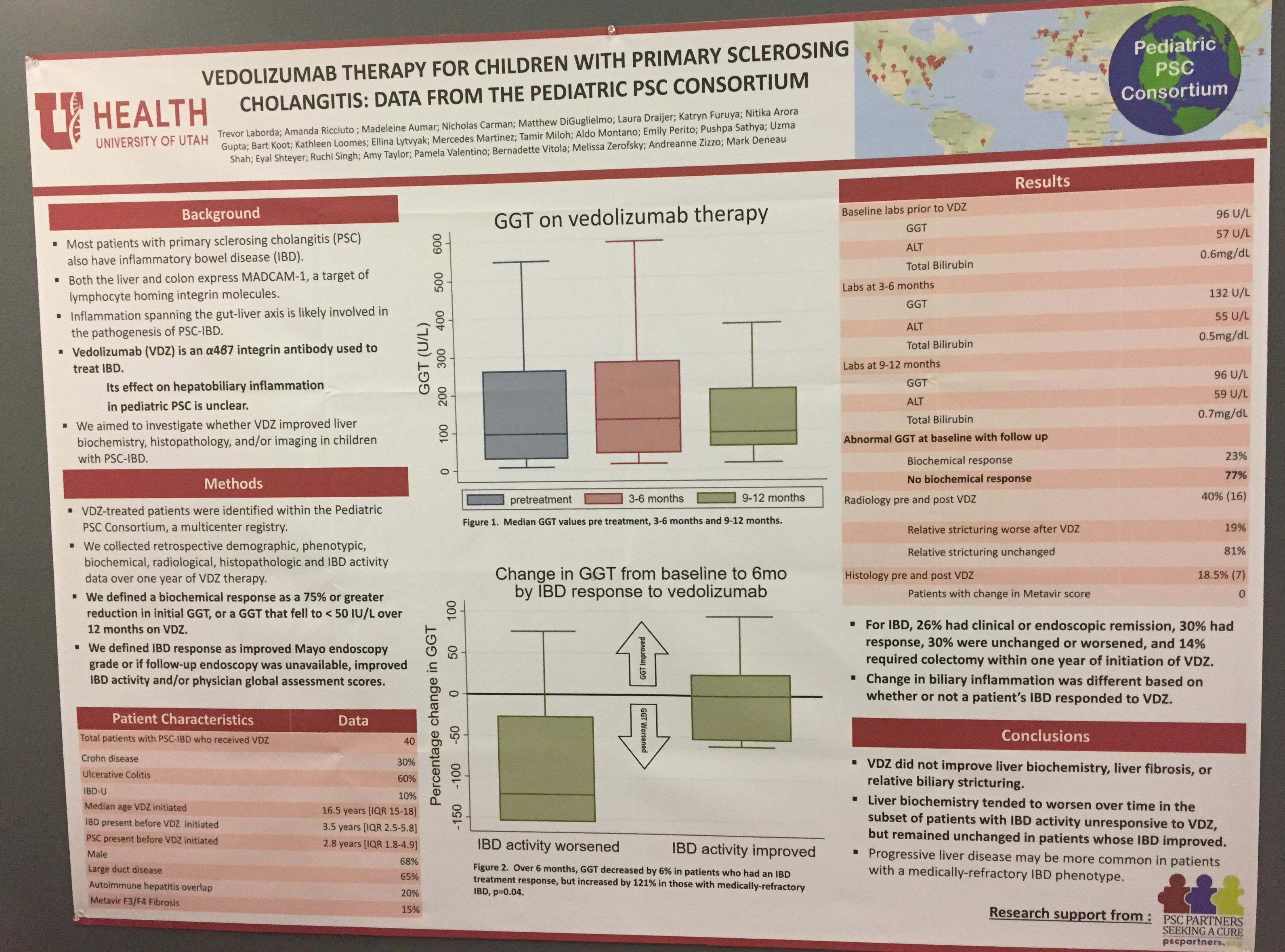
Primary Sclerosing Cholangitis -Use of Vedolizumab for PSC did not appear to help

Eosinophilic Esophagitis

  1. EoE is four times more likely in this cohort with inflammatory bowel disease
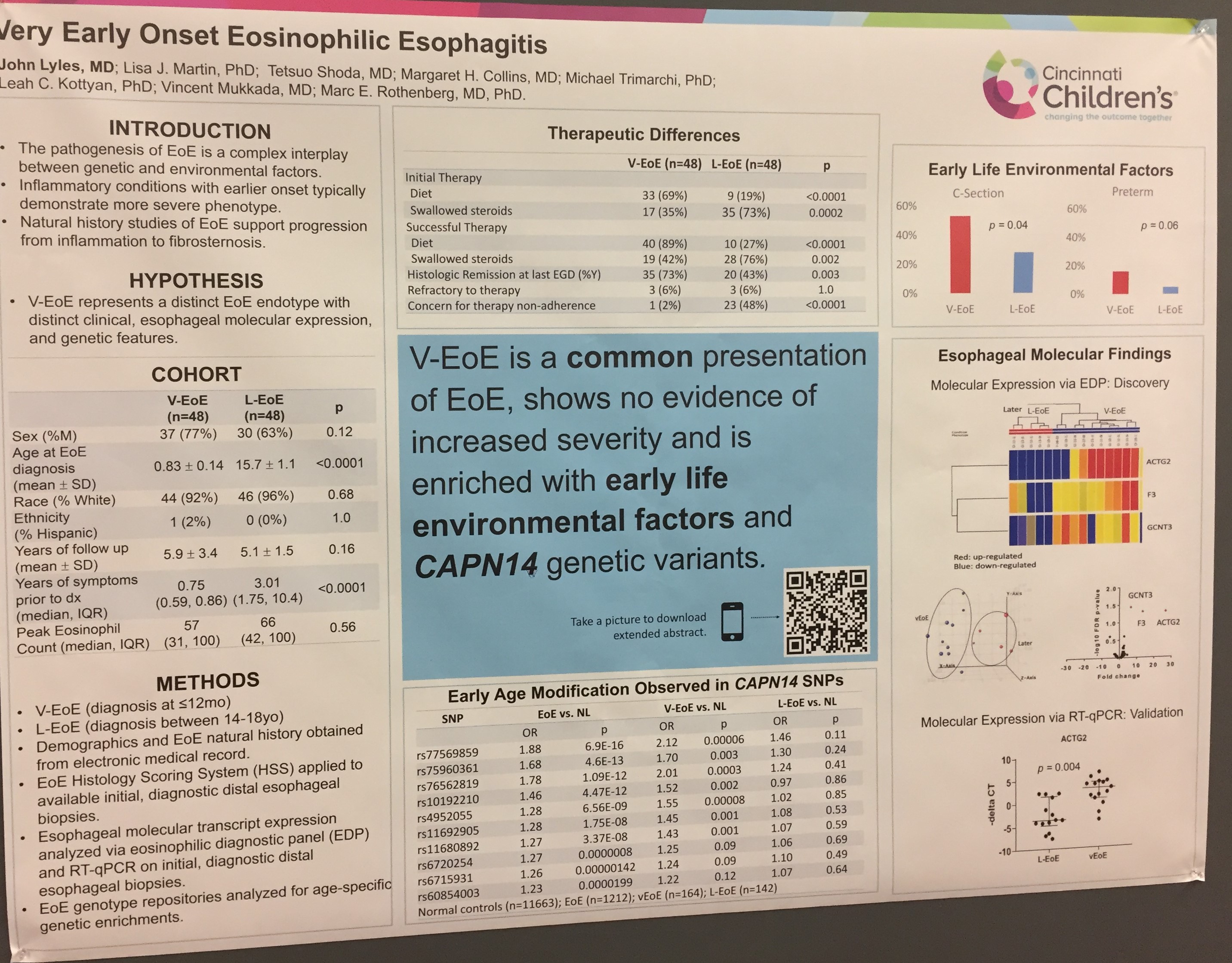
  2. 2nd poster describes very early-onset EoE

Inflammatory Bowel Disease:

  1. Use of infliximab in VEO IBD.  Used in 46/122 (38% of patients) and 50% had persistent use 3 years later

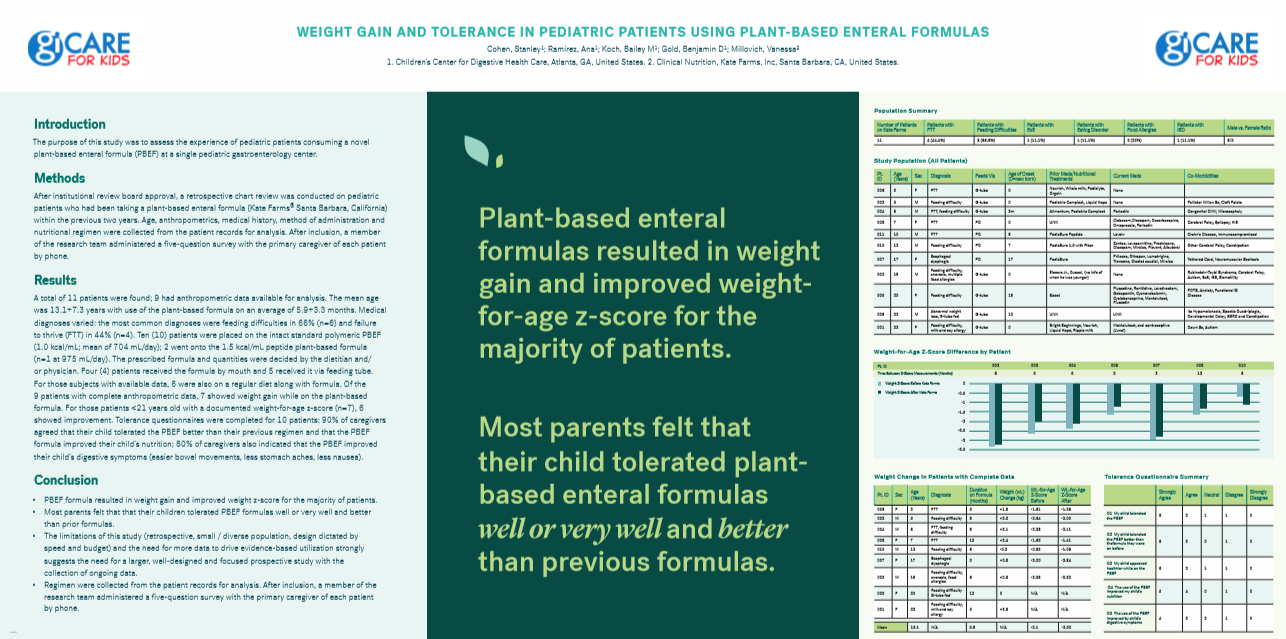
Enteral nutrition –poster from our group describing good tolerance of plant-based formula (with Ana Ramirez).

Celiac disease.  This poster indicates low yield of additional serology for celiac disease besides TTG IgA and serum IgA. This includes testing in young patients (< 2 years) with celiac disease.

Prevalence of Bloodstream Infections in Children with SBS and Fever

Abstract Link: Prevalence of Bloodstream Infections in Children With Short‐Bowel Syndrome With a Central Line Presenting to Emergency Department With Fever

AC Fifi et al JPEN; https://doi.org/10.1002/jpen.1701

This retrospective study with 246 encounters identified the rate of bloodstream infections (BSI) in children with short bowel syndrome (SBS).

Key findings:

  • The adjusted calculated prevalence rate for BSI in children with SBS and fever was 55% (95% CI, 42.3%–65.4%)
  • There were 114 gram‐negative infections (72.6%), 46 gram‐positive infections (29.3%), and 17 fungal infections (10.8%)
  • Each additional 10 units above 20 mg/L CRP increased the odds of BSI by 26%. There was no association between WBC count and the presence of BSI

My take: This study supports the practice of using broad‐spectrum antibiotics in children with SBS and fever.

Related blog posts:

Atlanta Botanical Garden

Georgia AAP Nutrition Symposium 2019: Care of the NICU (Premature Infant) Graduate

This year’s Georgia AAP Nutrition Symposium featured lectures targeting the NICU graduates and children with allergies (tomorrow). My notes from these lectures could contain errors of omission or transcription.

Greg Sysyn

Link to slides: The Care and Feeding of the Tertiary NICU October 10 2019

Key points:

When can NICU graduates take a standard formula?  ‘When at normal weight at term or beyond for 2-3 months (tracking along a good percentile)’ –but keep in context (how big are parents); otherwise use preterm formula up to 52 weeks post-conceptional age. Studies have shown that formula-fed VLBW infants use of a transitional formula should continue until 3-6 months of age, possibly as long as 12 months of age.

Related blog posts:


Disclaimer: These blog posts are for educational purposes only. Specific dosing of medications (along with potential adverse effects) and changes in diet should be confirmed by prescribing physician.  This content is not a substitute for medical advice, diagnosis or treatment provided by a qualified healthcare provider. Always seek the advice of your physician or other qualified health provider with any questions you may have regarding a condition.

Georgia AAP Nutrition Symposium 2019: Food Allergy Immunotherapy

This year’s Georgia AAP Nutrition Symposium featured lectures targeting the NICU graduates (yesterday) and children with allergies. My notes from these lectures could contain errors of omission or transcription.

Luqman Seidu — Food Allergy Immunotherapy: it’ll drive you nutty

Key Points:

  • Currently, it is hard to quantitate food-related mortality/anaphylaxis. It is much more common to have anaphylaxis due to medications.
  • Immunotherapy –can establish tolerance but needs to be considered in terms of efficacy, safety, ease of compliance.   Goal is sustained unresponsiveness so that there is an end in sight to treatment.
  • Multiple modalities, SLIT (sublingual and then swallowed), OIT (oral), EPIT (Epicutaneous therapy), OIT with anti-IgE therapy
  • 1 peanut =250-300 mg (important number to keep in mind, as many studies aim for ~1000 mg, which is ability to ingest ~3 peanuts).
  • EPIT -peanut patch.  1-yr study –goal was 1000 mg or 10-fold increase in tolerance without reaction.  97% compliance with study. Safer approach and better adherence but takes longer to get response.  Lower response at 1 yr –takes ~2 yr to get similar response
  • OIT therapy allows more rapid attainment of tolerance but lower compliance and higher rates of systemic reactions compared to EPIT.  A standardized product will be available soon; an FDA advisory committee has approved a peanut product (Palforzia). (NPR has reported on this as well: Peanut Allergy Treatment Palforzia)
  • Anti-IgE therapy (eg. Xolair).  Can use to desensitize for multiple foods at the same time.

Though not discussed in this talk, it is important for GI physicians to recognize that oral immunotherapy has been shown to trigger new onset EoE in 2.7% (AJ Lucendo et al. Ann Allergy Asthma Immunol 2014; 113: 624-9).

Related blog posts:


Disclaimer: These blog posts are for educational purposes only. Specific dosing of medications (along with potential adverse effects) and changes in diet should be confirmed by prescribing physician.  This content is not a substitute for medical advice, diagnosis or treatment provided by a qualified healthcare provider. Always seek the advice of your physician or other qualified health provider with any questions you may have regarding a condition.

#NASPGHAN19 Intestinal Failure Session Part 2

Our Spooky Pumpkin

Here are some notes and a few slides from NASPGHAN’s plenary session.  There could be errors of transcription in my notes.

Benjamin Gold, NASPGHAN president and part of our GI group, GI Care For Kids, welcomed everyone to the meeting.

Link to NASPGHAN_Annual_Meeting_Program 2019

Beth Carter  Trophic Growth Factors: A Practical View

Key Points:

  • GLP-2 has been approved as agent for intestinal failure for children (May 2019)
  • Studies thus far have shown good safety but concerns remain (?increased risk of polyposis, increased growth of neoplasm) and as such increased surveillance needed for patients receiving GLP-2
  • Cost in adults ~$295,000 per year
  • Most patients need to continue GLP-2 to maintain effect

Arthur Kasti  Abstract 218  Microbial Metabolites as Markers of Intestinal Dysbiosis in Pediatric Short Bowel Syndrome

This was a terrific presentation. Key points:

  • Microbiome in SBS patients is less diverse
  • Current diagnosis of bacterial overgrowth is difficult and definitive diagnosis is often impractical
  • Several metabolites may be helpful in diagnosis of bacterial overgrowth

Disclaimer: This blog, gutsandgrowth, assumes no responsibility for any use or operation of any method, product, instruction, concept or idea contained in the material herein or for any injury or damage to persons or property (whether products liability, negligence or otherwise) resulting from such use or operation. These blog posts are for educational purposes only. Specific dosing of medications (along with potential adverse effects) should be confirmed by prescribing physician.  Because of rapid advances in the medical sciences, the gutsandgrowth blog cautions that independent verification should be made of diagnosis and drug dosages. The reader is solely responsible for the conduct of any suggested test or procedure.  This content is not a substitute for medical advice, diagnosis or treatment provided by a qualified healthcare provider. Always seek the advice of your physician or other qualified health provider with any questions you may have regarding a condition.
#NASPGHAN19 Intestinal Failure Session Part 1

Here are some notes and a few slides from NASPGHAN’s plenary session.  There could be errors of transcription in my notes.

Benjamin Gold, NASPGHAN president and part of our GI group, GI Care For Kids, welcomed everyone to the meeting.

Link to NASPGHAN_Annual_Meeting_Program 2019

John Kerner  Potential Role of New Fat Emulsions

Key points:

  • Both SMOFlipid and Omegaven help prevent and/or treat parenteral nutrition associated cholestasis.
  • SMOFlipid is much less expensive (see slide below) -50 gm of SMOFlipid ~$5 compared to 10 gm of Omegaven at $35, thus omegaven costs more than 30 times SMOFlipid.
  • Though SMOFlipid is not FDA approved in children, it is being used widely and allows for increased calories compared to lipid minimization with intralipid and could improve neurocognitive outcomes.
  • SMOF dosing (listed below) with goal of 3 g/kg in preterm infants.
  • Resolution of cholestasis does not mean reversal of cirrhosis.  Thus, lipid emulsion intervention at earlier stage may be important.

Bram Raphael  Getting In Line: Towards a Clinical Practice Guideline For CVC Salvage

Key points:

  • Several infections are very difficult to clear, especially yeast, enterococcus, and pseudomonas
  • Salvaging central lines may obviate the need for multi-visceral transplant which carries a 5-year ~50% mortality rate
  • Cefepime provides good gram-negative coverage; consider meropenem in those with septic shock

Disclaimer: This blog, gutsandgrowth, assumes no responsibility for any use or operation of any method, product, instruction, concept or idea contained in the material herein or for any injury or damage to persons or property (whether products liability, negligence or otherwise) resulting from such use or operation. These blog posts are for educational purposes only. Specific dosing of medications (along with potential adverse effects) should be confirmed by prescribing physician.  Because of rapid advances in the medical sciences, the gutsandgrowth blog cautions that independent verification should be made of diagnosis and drug dosages. The reader is solely responsible for the conduct of any suggested test or procedure.  This content is not a substitute for medical advice, diagnosis or treatment provided by a qualified healthcare provider. Always seek the advice of your physician or other qualified health provider with any questions you may have regarding a condition.

Food Safety Lecture–It is Still A Jungle Out There

Yesterday, I posted a blog that tried to summarize some of William Balistreri’s talk on Global Health.  He gave a 2nd Excellent Lecture on Food Safety at the Georgia AAP Nutrition Symposium.  One audience member suggested that this lecture was well-paired with the previous lecture as the awareness of food-borne illnesses might deter gluttony.

This lecture was packed with information regarding food safety; he highlighted the extensive and frequent food-borne illnesses.

Key points:

  • The problem of food-borne illness was put under a spotlight by Upton Sinclair in The Jungle (1906) which led to reforms in meat packing industry.  However, more work is needed
  • FSMA -Food Safety Modernization Act was signed into law in 2011; it’s aim is to create a proactive rather than reactive approach, Historic opportunity to increase food safety
  • Food-borne illnesses: 1 in 10 persons worldwide will be sick every year & leads to 1/2 million deaths worldwide each year.  125,000 deaths in children
  • Food-borne illnesses: 48 million cases in U.S. each year (CDC estimates) and 3000 deaths (MMWR 64:2, 2015)
  • Besides significant mortality rates for food-borne illnesses, they also contribute to post-infectious irritable bowel syndrome (~13% of all cases) and these illnesses can be indefinite
  • Social media, including “IwasPoisoned.com” and Yelp, will likely help identify outbreaks more quickly.  Newer molecular technologies during food processing has the potential to improve food safety.

Resources:

  • For those who want to keep up food-borne illnesses, Dr. Balistreri recommended food safety news, which provides daily emails. Link to subscribe: Food Safety News
  • Two books that were recommended: The Poison Squad by Deborah Blum and Outbreak by Timothy Lytton
  • The CDC has plenty of advice and a useful pamphlet regarding the key 4 steps with food preparation: Clean, Separate, Cook, Chill. https://www.cdc.gov/foodsafety/keep-food-safe.html
  • Another resource: FoodSafety.gov

Link to full talk slides PDF: FOOD SAFETY (10-10-19)  I have placed about 20 slides below which summarize much of the information that he conveyed.