In this single-center retrospective study with 19 patients, MMP-7 and GGT values were compared in children who were diagnosed with Parenteral Nutrition-Associated Liver Disease (PNALD, n=15) and Biliary atresia (n=4). Key findings:
Median MMP-7 values for PNALD patients 37.8 ng/mL was much lower than MMP-7 values for biliary atresia 112.3 ng/mL.
GGT values were not statistically significantly different 116 for PNALD vs 248 for biliary atresia
In this cohort, a MMP-7 threshold of 52.8 ng/mL had a sensitivity of 100% and specificity of 93.5% for biliary atresia.
My take: MMP-7 values reduce diagnostic uncertainty between PNALD and biliary atresia. However, there are infrequent cases of biliary atresia with lower values of MMP-7.
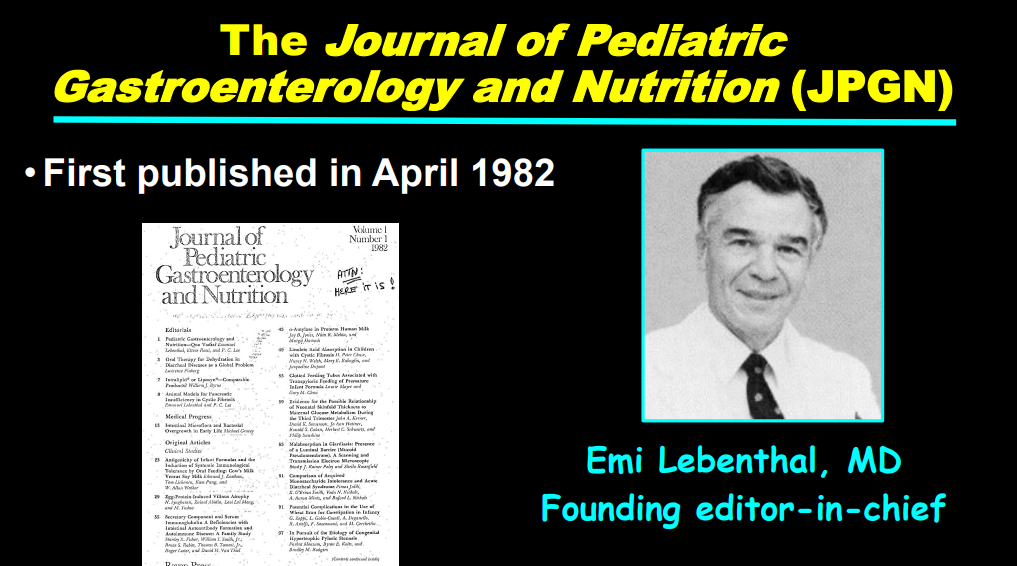
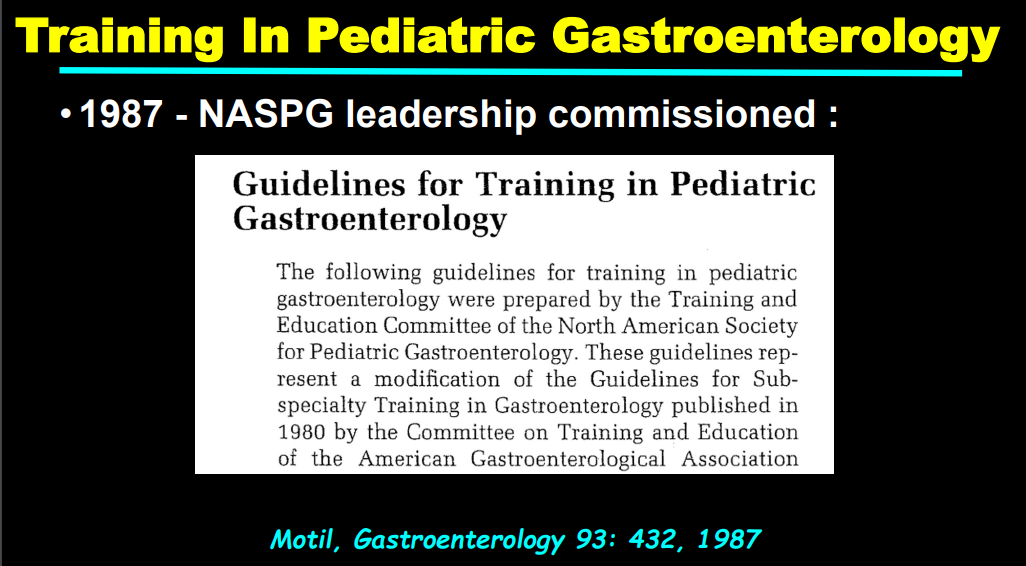
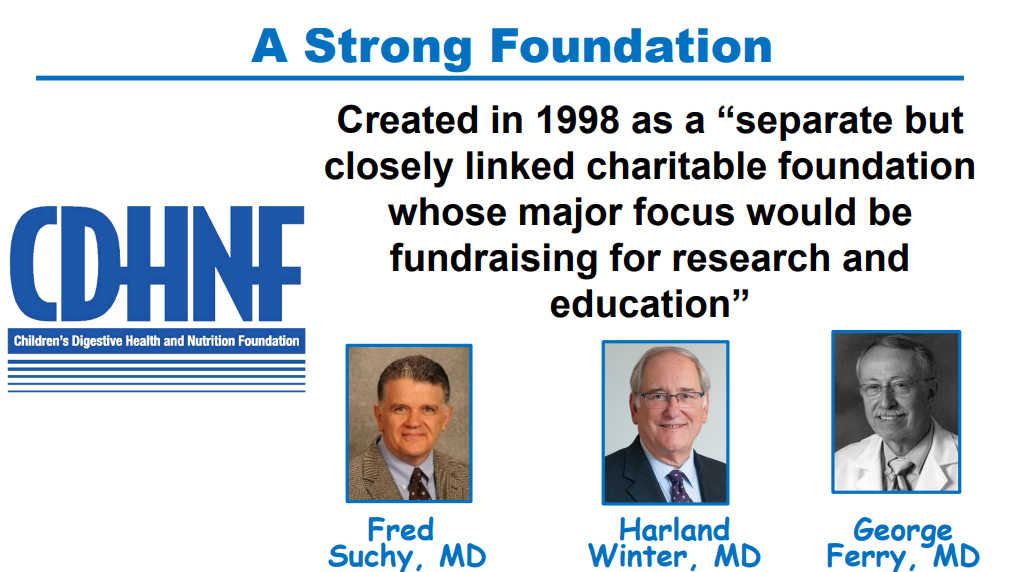
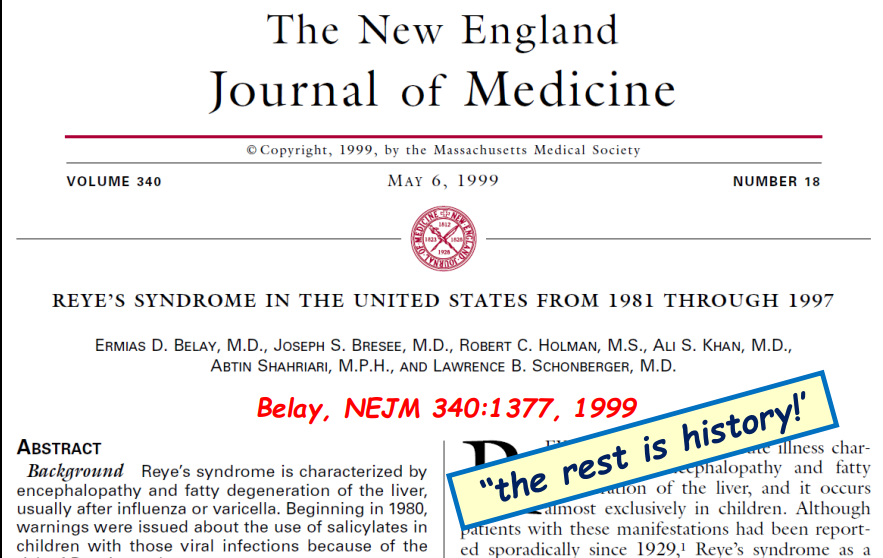
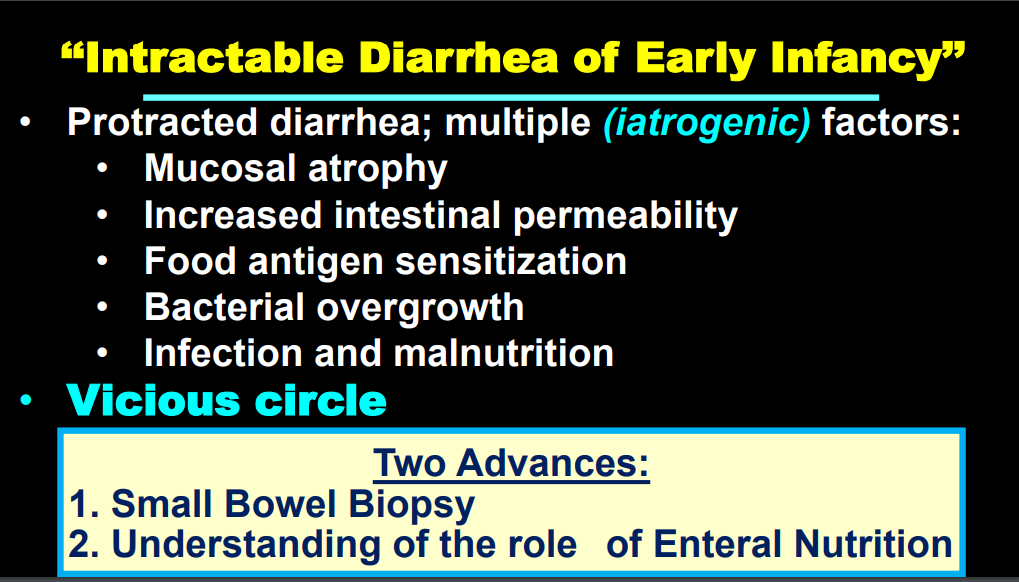
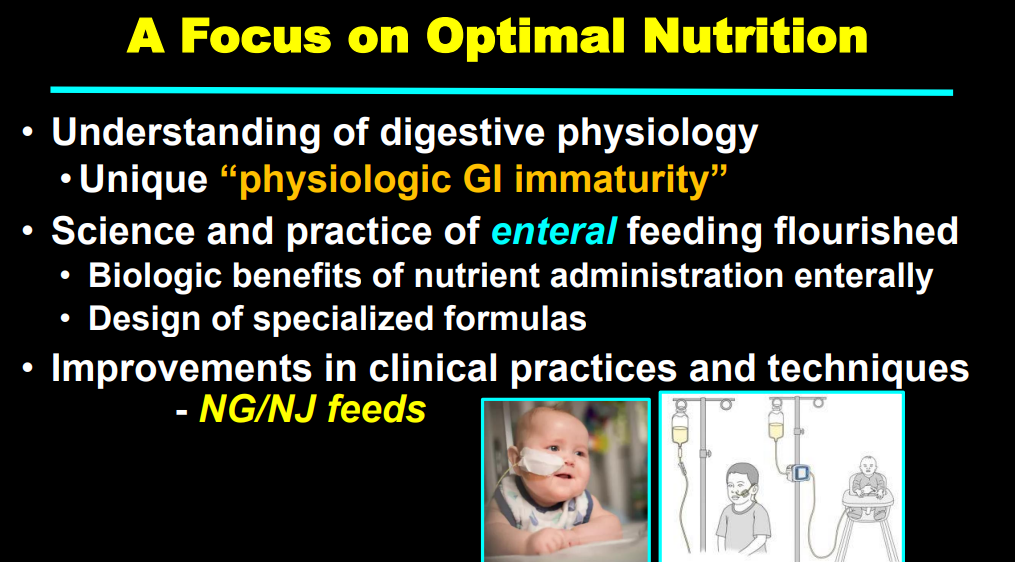
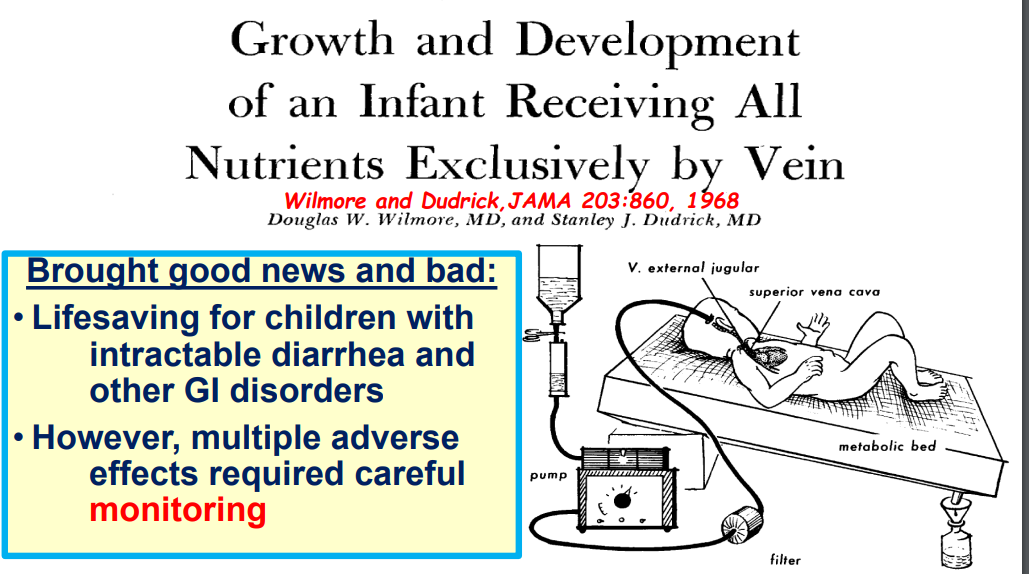
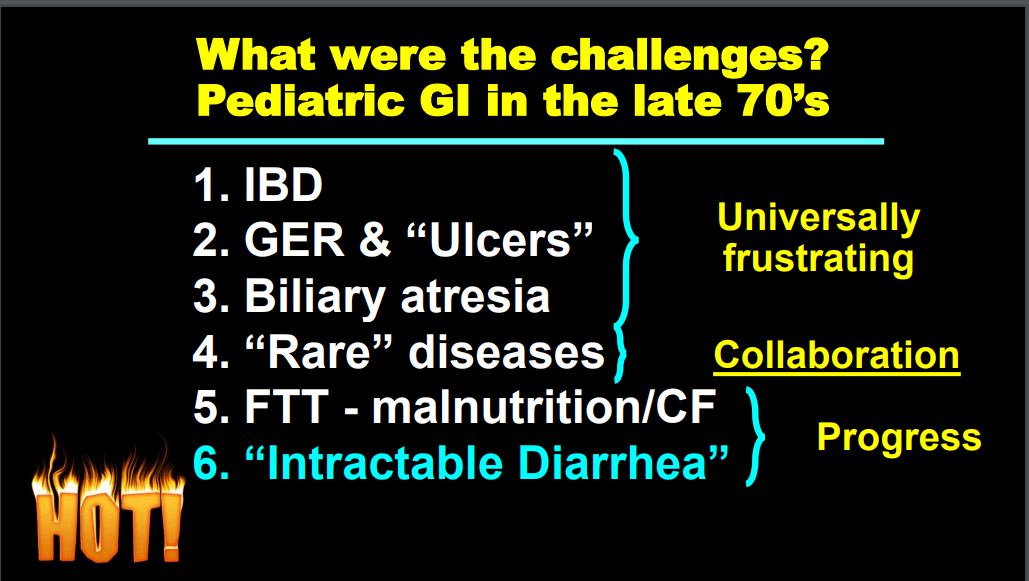
Shortly before attending medical school, I read a book by Lewis Thomas called The Youngest Science. The narrative explains the evolving of medicine into a sophisticated science. The recent Balistreri lecture (given by Dr. Balistreri himself) provides a similar narrative but focused on our specific subspecialty.
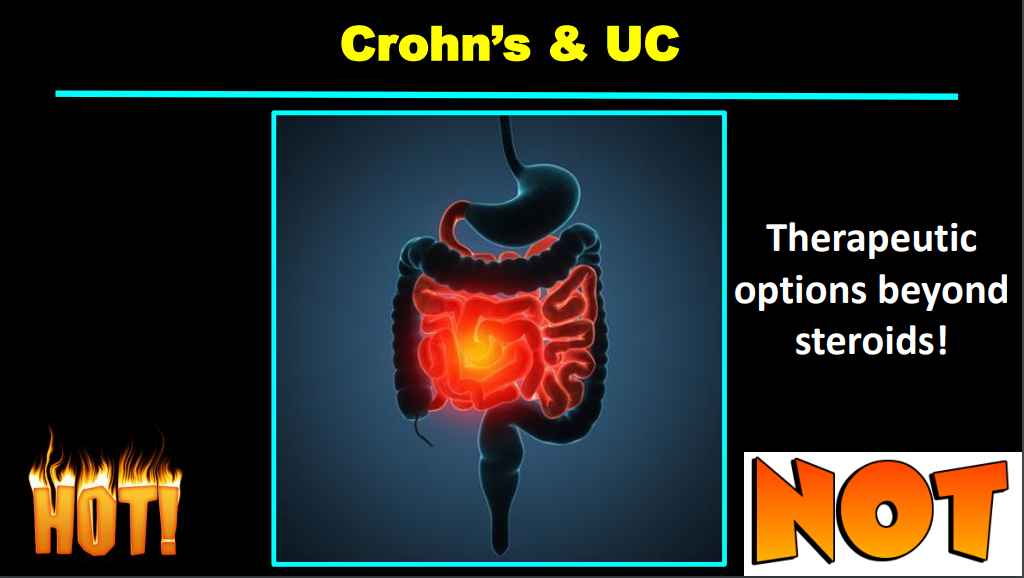
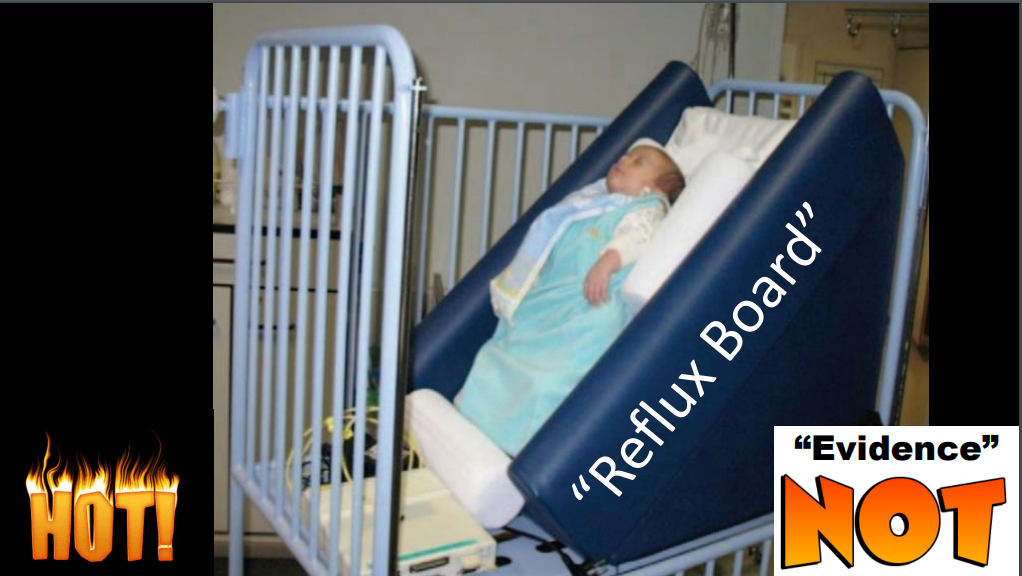
Here are some of the slides:
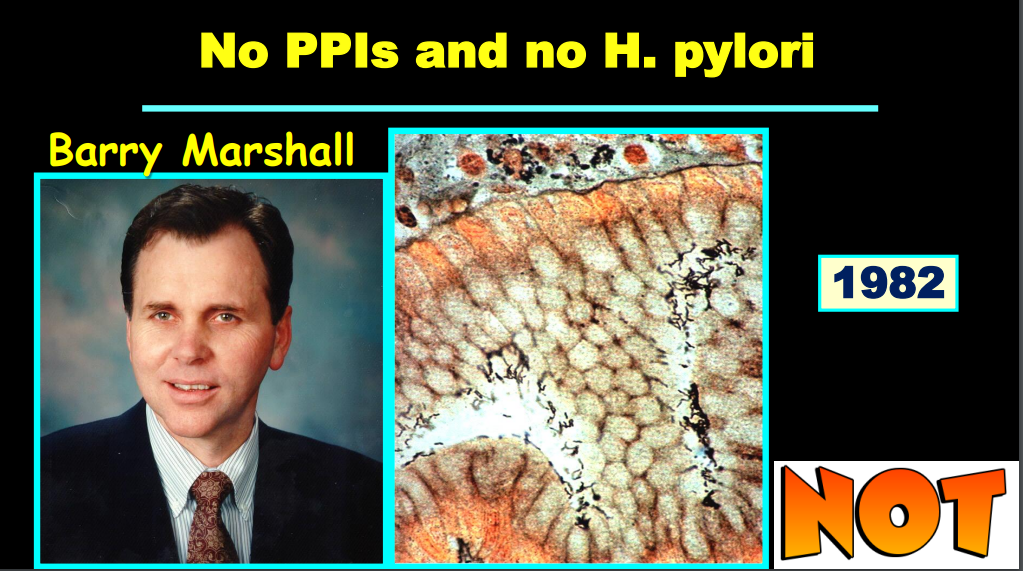
It was not until 1982 that the role of H pylori was recognized as a causative agent for peptic ulcer disease
Background: Antibiotics and antiepileptics remain the most frequent causes of DILI. DILI may result in severe outcomes (eg liver transplant) in up to 5% of cases and could result in chronic liver disease in ~20%.
This is a terrific review -Figure 1 is particularly helpful. Figure 1 is an algorithm. Prior to using algorithm, review potential hepatoxcity by searching in NIH Livertox website. Next steps:
Calculate pattern of injury (R score). R= ALT/ULN divided by ALP/ULN (ALP =alkaline phosphatase)
Identify suspect drug. Hepatocellular (R >/=5), Mixed (R=2-5), Cholestatic (R</= 2). Examples of hepatocellular include acetaminophen, NSAIDs, Minocycline. Examples of mixed include azathioprine, and sulfasalazine. Examples of cholestatic include amoxicillin/clavulanate, and TMP/SMX
Disclaimer: This blog, gutsandgrowth, assumes no responsibility for any use or operation of any method, product, instruction, concept or idea contained in the material herein or for any injury or damage to persons or property (whether products liability, negligence or otherwise) resulting from such use or operation. These blog posts are for educational purposes only. Specific dosing of medications (along with potential adverse effects) should be confirmed by prescribing physician. Because of rapid advances in the medical sciences, the gutsandgrowth blog cautions that independent verification should be made of diagnosis and drug dosages. The reader is solely responsible for the conduct of any suggested test or procedure. This content is not a substitute for medical advice, diagnosis or treatment provided by a qualified healthcare provider. Always seek the advice of your physician or other qualified health provider with any questions you may have regarding a condition.
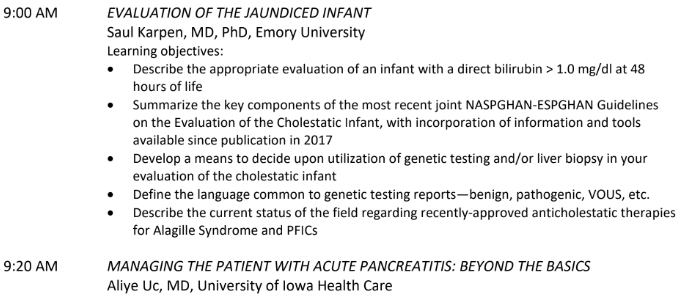
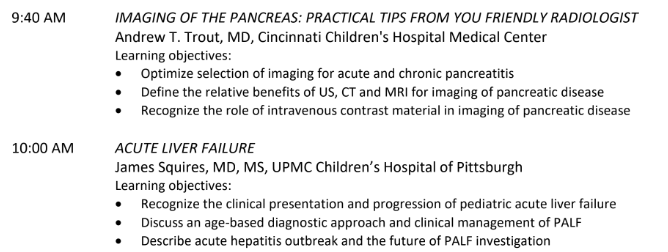
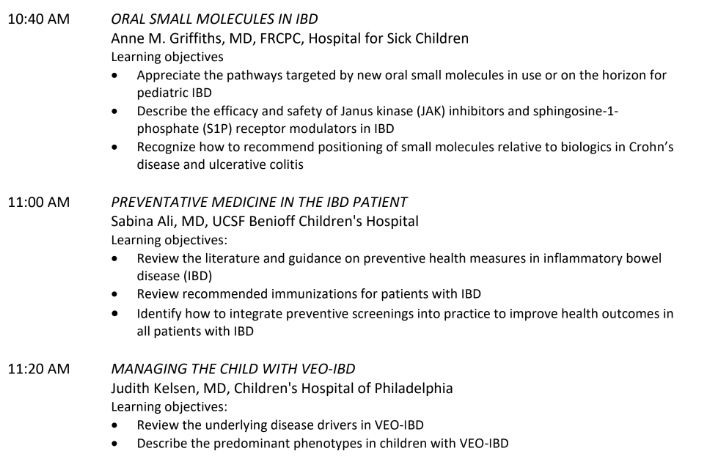
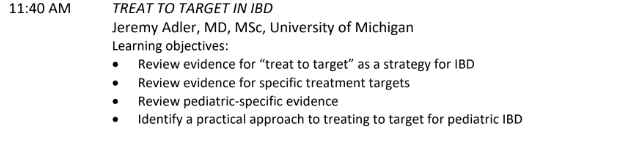
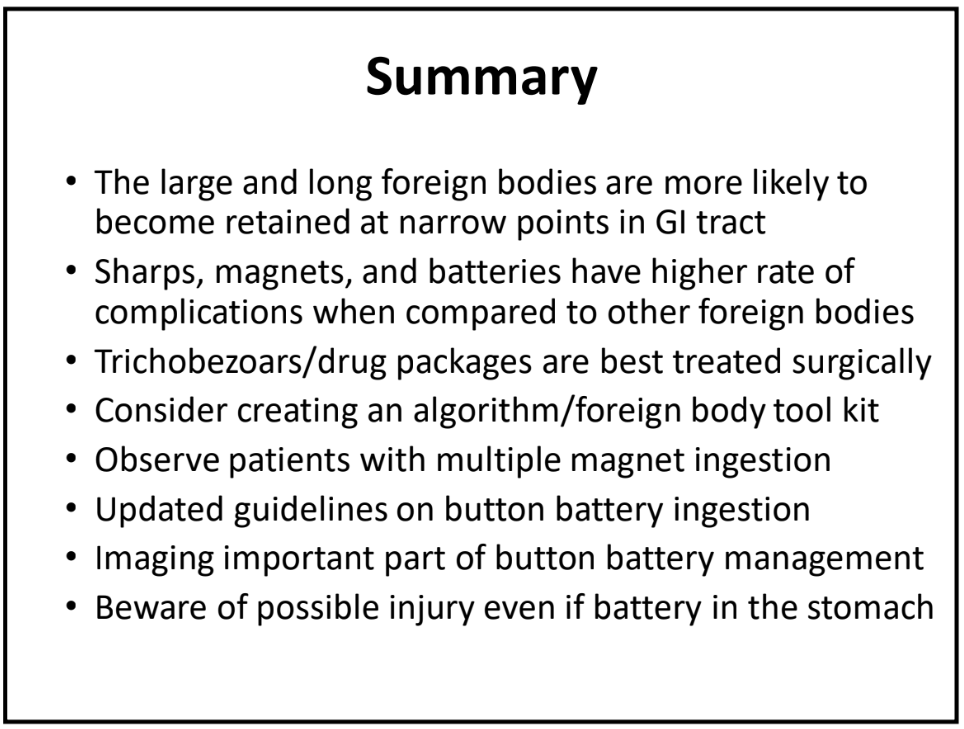
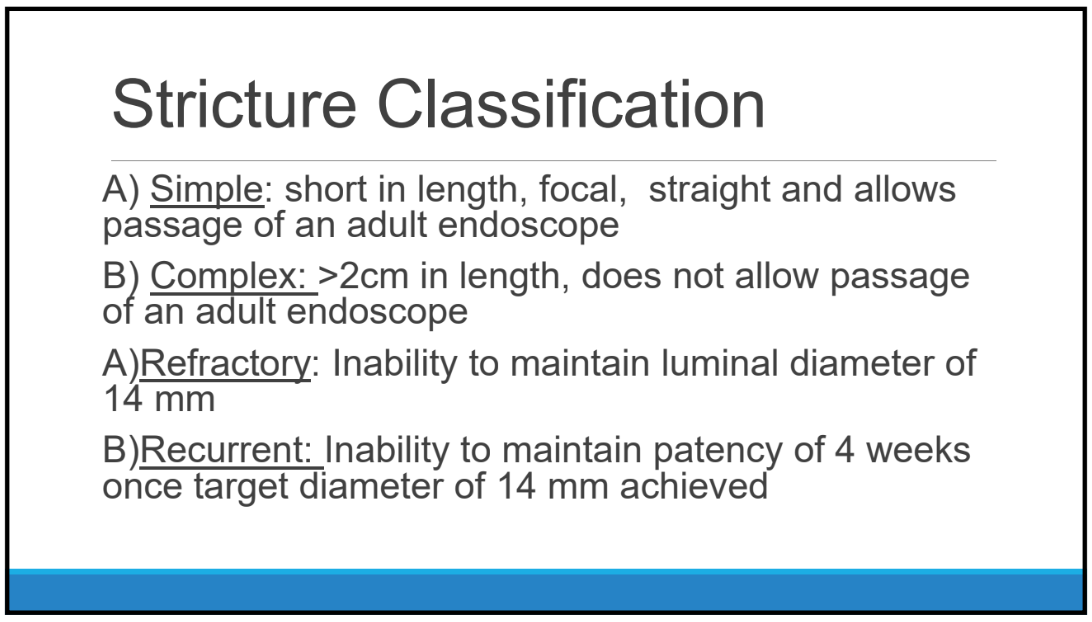
Pediatric Foreign Body IngestionsEsophageal StricturesEsophageal StricturesImaging for Acute PancreatitisImaging for Acute PancreatitisFor Acute Liver FailureFor Acute Liver FailureFor Acute Liver Failure
Disclaimer: This blog, gutsandgrowth, assumes no responsibility for any use or operation of any method, product, instruction, concept or idea contained in the material herein or for any injury or damage to persons or property (whether products liability, negligence or otherwise) resulting from such use or operation. These blog posts are for educational purposes only. Specific dosing of medications (along with potential adverse effects) should be confirmed by prescribing physician. Because of rapid advances in the medical sciences, the gutsandgrowth blog cautions that independent verification should be made of diagnosis and drug dosages. The reader is solely responsible for the conduct of any suggested test or procedure. This content is not a substitute for medical advice, diagnosis or treatment provided by a qualified healthcare provider. Always seek the advice of your physician or other qualified health provider with any questions you may have regarding a condition.
In medical school, I took additional courses in bioethics and one of the influential lecturers was Tristramm Engelhardt (Right to Health Care). “According to him, injuries, disabilities, and diseases arising from natural causes are considered unfortunate. On the other hand, those situations become unfair when brought about by the doing of others. Engelhardt also notes that the result of someone’s unfair action should not be attributed to the society as a whole.”
Two recent articles detail the link between socioeconomics and outcomes in liver transplantation. Are these problems unfair or just unfortunate?
Disparities remain in pediatric liver transplantation at all time points: from access to referral for transplantation, likelihood of living donor transplantation, use of exception narratives, waitlist mortality, and inequitable posttransplant outcomes
Black children are less likely to be petitioned for exception scores, have higher waitlist mortality, are less likely to be the recipient of a living donor transplant, and have worse posttransplant outcomes compared with White children.
Children living in the most socioeconomically deprived neighborhoods have worse posttransplant outcomes.
Children living farther from a transplant center have higher waitlist mortality
Based on retrospective analysis of 3454 patients (2011-2018), neighborhood poverty was independently associated with waitlisting (odds ratio 0.56, 95% confidence interval [CI] 0.38–0.82) and death during LT evaluation (hazard ratio 1.49, 95% CI 1.09–2.09)
Despite use of the objective prioritization with MELD scores in the allocation of organs, disparities in access for LT continues for vulnerable populations
My take: It is unfortunate but not surprising that poverty and socioeconomic factors adversely affect liver transplantation; the outcomes show stark differences. These issues, however, affect every aspect of health care (& beyond). Though they are not easily addressed, efforts to try to level the playing field are important especially with regard to transplantation to assure optimal use of this life-saving resource.
This retrospective study of patients (n=74) diagnosed with autoimmune hepatitis (AH) prior to 16 years of age examined the safety of low dose steroids. Median age of patients with 12.8 yrs and median followup was 12.6 years. Typically, after induction, patients were tapered over ~2 months to 5 mg per day (& 2.5 mg per day if <12 years). Key findings:
Growth of patients with AILD on a daily maintenance dose of steroids remains stable and within normal range during long-term follow up. At all time-points, the mean z-scores for weight, height and BMI were within the normal range, indicating normal nutritional status.
Small, daily doses are effective in maintaining disease control and minimize the need for high-dose steroid pulses during relapses.
In this cohort, there were 14 patients in which prednisolone was utilized as monotherapy; the majority received cotherapy with azathioprine (n=44), mycophenolate (n=12); triple-therapy was utilized tacrolimus (n=4).
Prednisolone was stopped in 17 patients (23%) after a median time of 9.5 years (range 3 years-14 years)
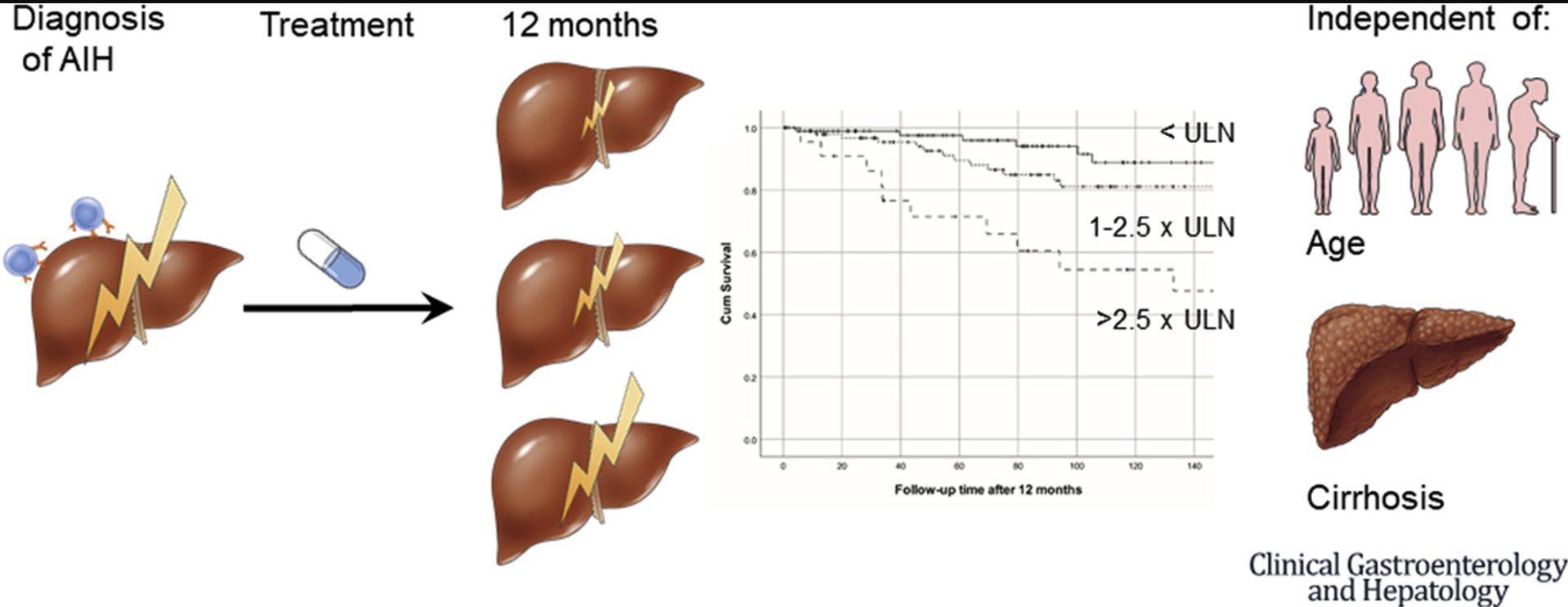
In this multicenter cohort study (n=301), it was shown that higher aminotransferases during treatment were independent of baseline risk factors associated with liver transplantation–free survival in patients with AIH type 1. Median followup was 99 months. Key finding:
During follow-up, 15 patients required liver transplantation and 33 patients died
In multivariate analysis AST at 12 months (HR, 2.13; P < .001) was predictive for survival independent of age, AST at diagnosis and cirrhosis, while IgG was not associated with survival (HR, 1.30; P = .53)
There was a trend toward a worse survival in patients with mildly elevated aminotransferases (1–1.5× upper limit of normal) compared with patients with normal aminotransferases (P = .097)
My take: Normalization of AST (aminotransferases), especially during the first year of treatment, is associated with better long-term outcomes. The study by Manwani et al suggest that long-term low dose steroids are associated with low risks.
Yesterday’s link to a funny 2 minute eulogy did not work right and has been fixed. Here is the updated link and it should work: Humor: Eulogy
In response to this video, Steven Liu sent me a link to a a Weird Al Yankovic:YouTube: Word Crimes. This link would probably be helpful for those reviewing a poorly-written journal submission when providing feedback (& hopefully not sent to anyone trying to provide information via a GI blog).
“More than 95% of people infected with hepatitis C can be cured with a simple course of antivirals…[the CDC] looked at nearly 50,000 insured patients diagnosed with hepatitis C between January 2019 and October 2020 and found less than one-third received treatment within a year of their diagnosis, according to the study published Tuesday in the Morbidity and Mortality Weekly Report...Treatment was lowest among patients who had state-administered Medicaid plans, with about 23% receiving it. About 28% people covered by Medicare and 35% with private insurance received treatment within the year.”
“Cases of hepatitis C rates have skyrocketed as the opioid epidemic worsens, jumping from an estimated 2,700 infections in 2011 to 57,500 infections in 2019, according to the CDC.”
“Two small studies…suggest a possible explanation for the hepatitis cases: In a small subset of children with this particular gene variant, dual infections with A.A.V.2. (adeno-associated virus 2) and a helper virus, often an adenovirus, trigger an abnormal immune response that damages the liver….As of July 8, 1,010 probable cases had been reported from 35 countries, according to the World Health Organization”
Disclaimer: This blog, gutsandgrowth, assumes no responsibility for any use or operation of any method, product, instruction, concept or idea contained in the material herein or for any injury or damage to persons or property (whether products liability, negligence or otherwise) resulting from such use or operation. These blog posts are for educational purposes only. Specific dosing of medications (along with potential adverse effects) should be confirmed by prescribing physician. Because of rapid advances in the medical sciences, the gutsandgrowth blog cautions that independent verification should be made of diagnosis and drug dosages. The reader is solely responsible for the conduct of any suggested test or procedure. This content is not a substitute for medical advice, diagnosis or treatment provided by a qualified healthcare provider. Always seek the advice of your physician or other qualified health provider with any questions you may have regarding a condition.
Inborn errors of metabolism -bile acids: BASD, bile acid conjugation defects, peroxisomal defects
Inborn errors of metabolism -carbohydrates: galactosemia, hereditary fructose intolerance
Inborn errors of metabolism -amino acids: tyrosinemia type 1
Key Points:
Low GGT genetic disorders (>25 genetic mutations) include canalicular transporter defects, basolateral transporter defects, intracellular trafficking defects, defects of cytoskeletal and tight junction protein, transaldolase deficiency, bile duct paucity, and inborn errors of metabolism.
The authors note that the timing and utility of a liver biopsy is changing due to the advent of rapid molecular testing.
Potential treatments are reviewed include ursodeoxycholic acid, IBAT inhibitors, cholic acid, biliary diversion, and liver transplantation.
Multidisciplinary evaluation is often needed in patients with Alagille. 87% have cardiac anomalies, up to 36% have/develop cerebral vasculopathy, 21% develop post-transplant renal dysfunction, and 22% develop spontaneous or procedure-associate systemic bleeding (need for hematology consultation). In addition, pathologic fractures are common; one report found the rate of femur fractures was 50 times that in the general population which is likely related to intrinsic bone defects (as well as cholestasis).
My take: With the widespread availability of genetic testing which is needed due to the numerous etiologies, the diagnosis of ‘idiopathic’ chronic cholestasis has decreased and targeted therapies have emerged.
In this multicenter retrospective and prospective study was conducted in 32 children with cryptogenic intrahepatic cholestasis, whole exome sequencing identified 6 with MYO5B mutations. The most common signs were pruritus, poor growth, hepatomegaly, jaundice, and hypocholic stools.