Proactive Monitoring Associated with Higher Rates of Transmural Healing

SR Fernades et al. Inflammatory Bowel Diseases, izad272, https://doi.org/10.1093/ibd/izad272 Proactive Infliximab Monitoring Improves the Rates of Transmural Remission in Crohn’s Disease: A Propensity Score–Matched Analysis 

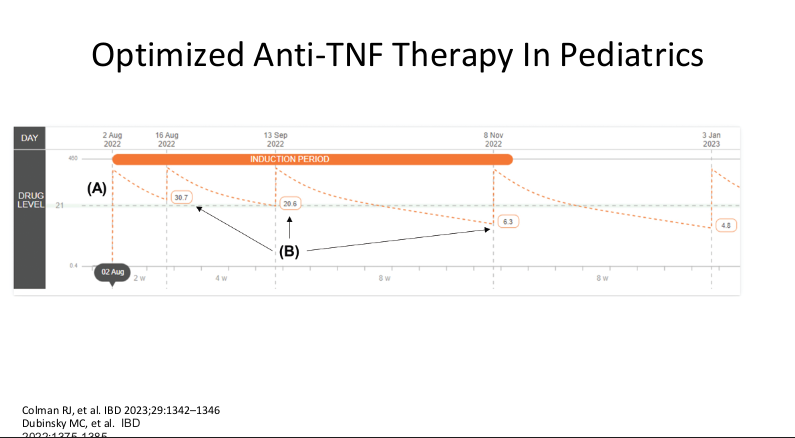
Methods: Retrospective cohort study (n=195) including consecutive CD patients starting treatment with IFX. Rates of transmural remission were compared between patients with and without therapeutic drug monitoring (target level: 5-7 µg/mL).

Key findings:

  • The rates of transmural remission were higher in patients under proactive therapeutic drug monitoring (37.2% vs 18.3%; P = .004) with similar results in the propensity score–matched analysis (34.2% vs 17.1%; P = .025). 
  • In multivariate analysis, proactive therapeutic drug monitoring was independently associated with transmural remission (odds ratio, 2.95)

My take: Proactive therapeutic monitoring is beneficial in improving outcomes in patients with Crohn’s disease. Higher drug levels are likely to be particularly important to achieve adequate tissue penetration in transmural Crohn’s disease.

Related blog posts:

Ram Head Trail, St John

AGA Guidance: Nutritional Therapies for Inflammatory Bowel Disease

JG Hashash et al.Gastroenterology 166; 521-532. Open Access! AGA Clinical Practice Update on Diet and Nutritional Therapies in Patients With Inflammatory Bowel Disease: Expert Review

There are 12 “best practice” recommendations. Here are a few of them:

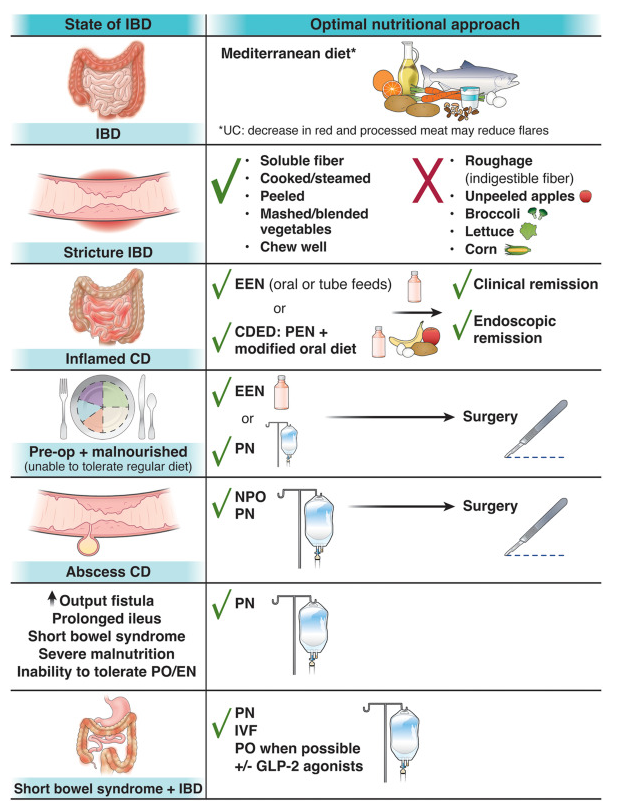
  • Best Practice Advice 1: Unless there is a contraindication, all patients with IBD should be advised to follow a Mediterranean diet rich in a variety of fresh fruits and vegetables, monounsaturated fats, complex carbohydrates, and lean proteins and low in ultraprocessed foods, added sugar, and salt for their overall health and general well-being. No diet has consistently been found to decrease the rate of flares in adults with IBD. A diet low in red and processed meat may reduce ulcerative colitis flares, but has not been found to reduce relapse in Crohn’s disease.
  • Best Practice Advice 3: Exclusive enteral nutrition using liquid nutrition formulations is an effective therapy for induction of clinical remission and endoscopic response in Crohn’s disease, with stronger evidence in children than adults. Exclusive enteral nutrition may be considered as a steroid-sparing bridge therapy for patients with Crohn’s disease.
  • Best Practice Advice 6: In patients with IBD who have an intra-abdominal abscess and/or phlegmonous inflammation that limits ability to achieve optimal nutrition via the digestive tract, short-term parenteral nutrition may be used to provide bowel rest in the preoperative phase to decrease infection and inflammation as a bridge to definitive surgical management and to optimize surgical outcomes.
  • Best Practice Advice 7: We suggest the use of parenteral nutrition for high-output gastrointestinal fistula, prolonged ileus, short bowel syndrome, and for patients with IBD with severe malnutrition when oral and enteral nutrition has been trialed and failed or when enteral access is not feasible or contraindicated.
  • Best Practice Advice 10: All patients with IBD should be monitored for vitamin D and iron deficiency. Patients with extensive ileal disease or prior ileal surgery (resection or ileal pouch) should be monitored for vitamin B12 deficiency.
  • Best Practice Advice 12: Breastfeeding is associated with a lower risk for diagnosis of IBD during childhood. A healthy, balanced, Mediterranean diet rich in a variety of fruits and vegetables and decreased intake of ultraprocessed foods have been associated with a lower risk of developing IBD.

AGA has a summary and video here: What you need to know about diet and nutritional therapies for IBD patients

Related blog posts:


Dr. YouTube for IBD Dietary Advice

K Gkikas et al. Inflamm Bowel Dis 2024; Volume 30, March 2024, 347–356. Open Access! YouTube as a Source of Information for Food, Diet-Related Items, and Advisory Comments for the Management of Inflammatory Bowel Disease

The authors assessed videos discussing dietary aspects (food, diet-related items, and advisory comments [FODRIACs]) on YouTube. Of 1800 videos screened, a total of 160 were included in the final analysis.

Background: “Currently, the only well-established dietary treatment in IBD is exclusive enteral nutrition (EEN), which is used for induction of remission mostly in pediatric CD.5,6 Over the past 2 decades, several food-based exclusion diets have been suggested as potential treatments for CD and UC, some of which demonstrated promising efficacy signals such as the CD-TREAT (Crohn’s disease treatment with eating) diet and the CDED (Crohn’s disease exclusion diet).7-9 Nonetheless, current societal guidelines do not recommend the use of any solid food–based exclusion diet as a treatment option for the induction or maintenance of clinical remission in IBD.6

Key findings:

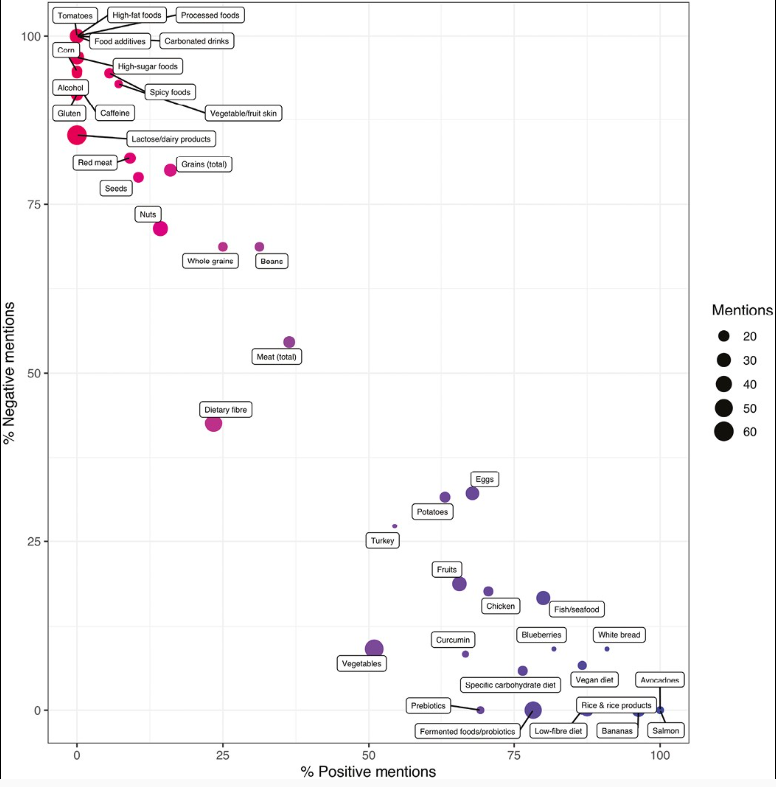
  • Foods pertinent to a prudent dietary pattern (ie, fish, chicken, avocado, blueberries), foods high in pre- and probiotics, and certain food exclusion diets (eg, SCD) were primarily portrayed as beneficial.
  • Foods often associated with a Western dietary pattern, including processed foods, high-sugar foods and high-fat foods, red meat, and alcohol, were considered detrimental for disease outcomes in patients with IBD.
  • Neutral opinions were expressed about fiber and vegetables.
  • There was a higher video interaction rate and number of likes in patient-generated videos compared with videos from healthcare professionals.
  • Only 3% of all patient videos and 35% of videos from healthcare professionals cited any form of scientific evidence.
  • Problems with diet advice is that extensive dietary restrictions and adherence to extreme diets may lead to the development of disordered eating as well as nutrient deficiencies (nutritionist involvement is important to avoid this). In addition, reliance on unproven diets may lead some patients to forgo proven therapies.

My take: Though there are some overlapping advice in these videos, much of the dietary advice on YouTube (and elsewhere) is conflicting. In part, this reflects the lack of evidence-based dietary guidelines for IBD. Physicians should review information on dietary therapies at diagnosis and request that families contact them (or well-qualified nutritionists) when considering dietary modifications.

Related blog posts:

Is It RISKy Not To Use Anti-TNF Therapy for Pediatric Crohn’s Disease?

D Geem et al (Senior author: Subra Kugasthasan). Clin Gastroenterol Hepatol 2024; 22: 368-376. Progression of Pediatric Crohn’s Disease Is Associated With Anti–Tumor Necrosis Factor Timing and Body Mass Index Z-Score Normalization

Congratulations to my colleagues at Emory who led/participated in this study.

This study examined 5-year longitudinal data from the pediatric multicenter RISK cohort (n=1075). RISK=risk stratification and identification of immunogenetic and microbial markers of rapid disease progression in children

Key findings:

  • For children with a low BMIz at diagnosis (n = 294), BMIz normalization within 6 months of diagnosis were associated with a decreased risk for surgery (HR 0.47). Patients without BMIz normalization were enriched for genes in cytokine production and inflammation.
  • Unsurprisingly, baseline B2 (stricturing disease) and B2+B3 (stricturing and penetrating disease) were associated with increased risk of surgery with HR, 4.20 and HR, 8.24 respectively
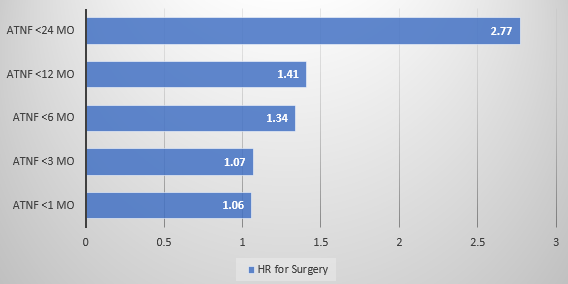
  • Earlier anti-TNF therapy was associated with a lower hazard rate (HR) of needing surgery


My take: It appears that early anti-TNF therapy lowers the risk of surgery. Improved BMI with treatment is another good prognostic variable. There may be an early window in which effective treatment prevents long-term damage to the GI tract in pediatric patients with Crohn’s disease.

This study has overlapping findings (also with RISK cohort) by Adler et al showing early treatment preventing perianal fistulas. Blog post: Early Treatment Can Prevent Fistulas in Pediatric Crohn’s Disease

Related article: JC McCurdy et al. Clin Gastroenterol Hepatol 2024; 22: 377-385. Open Access! Comparative Effectiveness of Biologic Therapies in Preventing Penetrating Complications in Patients With Crohn’s Disease

In this observational retrospective study with 40,693 patients: 93% anti-TNF, 3% UST (ustekinumab), and 4% VDZ (vedolizumab), “Anti-TNF therapy was associated with a lower risk of LPD and PPD [luminal and perianal penetrating disease] compared with VDZ, and lower risk of LPD compared with UST.”

Related blog posts:

IBD Updates: Extending Mirkizumab Induction, Best Biologic, Fatigue in Pediatric IBD, Adalimumab Success in Patients with Abdominal Abscess

  1. G D’Haens et al. Inflamm Bowel Dis 2024; https://doi.org/10.1093/ibd/izae004. Extended Induction and Prognostic Indicators of Response in Patients Treated with Mirikizumab with Moderately to Severely Active Ulcerative Colitis in the LUCENT Trials

Key findings:

  • Of patients not achieving clinical response during 12-week induction, 53.7% achieved response following extended induction (additional 3 doses of IV infusion every 4 weeks)
  • With “extended induction,” total of 80.3% mirikizumab-treated patients achieved clinical response by W24

2. S Schreiber et al. Inflamm Bowel Dis 2024; 30: S7. NETWORK META-ANALYSIS TO EVALUATE THE COMPARATIVE EFFICACY OF BIOLOGICS FOR MAINTENANCE TREATMENT OF ADULT PATIENTS WITH CROHN’S DISEASE

Methods: A network meta-analysis (NMA) was conducted to evaluate comparative efficacy of licensed biologics. Phase 3 randomized controlled-trials (RCTs) evaluating biologics approved by the European Medicines Agency or United States Food and Drug Administration as of 31 March 2023 for maintenance treatment of adult patients with moderate-to-severe CD were included, i.e. infliximab (IFX) intravenous (IV) and SC, adalimumab (ADL) SC, vedolizumab (VDZ) IV and SC, ustekinumab (UST) SC, and risankizumab (RZB) SC.

Key findings:

  • Among 8 comparator arms, IFX SC 120 mg every 2 weeks (Q2W) showed the highest odds ratio (95% credible interval) vs. PBO for clinical remission during the maintenance phase (3.52 [2.18–5.65]).

My take: This meta-analysis shows a favorable response for IFX SC; however, head-to-head trials are needed to really determine which biologic has the highest efficacy.

3. N Bevers et al. JPGN 2024; 2023; 77: 628-633. Fatigue and Physical Activity Patterns in Children With Inflammatory Bowel Disease

In this cross-sectional study with 104 children (24 with fatigue), biological parameters (CRP, fecal calprotectin) did not discriminate fatigued from non-fatigued patient

4. Y Bouhnik et al. Clin Gastroenterol Hepatol 2023; 21: 3365-3378. Adalimumab in Biologic-naïve Patients With Crohn’s Disease After Resolution of an Intra-abdominal Abscess: A Prospective Study From the GETAID

In this multicenter prospective study with 117 patients, the authors examined the success rate of adalimumab (ADA) in patients with CD with an intra-abdominal abscess resolved without surgery.

Key findings:

  • At W24, the survival rate without abscess recurrence or surgery was 74% (n=87)
  • Abscess drainage was significantly associated with ADA failure at W24 (odds ratio, 4.18)

My take (borrowed from authors): Provided that the abscess was carefully managed before initiating medical treatment, this study showed the high efficacy of ADA in the short and long term in biologic-naïve patients with CD complicated by an intra-abdominal abscess

Adjacent to Honeymoon Beach, St John

IBD Update -Stem Cells for Perianal Disease, Medicine-Induced VEO-IBD, and Thalidomide for VEO-IBD

AL Lightner et al. Inflamm Bowel Dis 2023; 29: 1912-1919. A Phase I Study of Ex Vivo Expanded Allogeneic Bone Marrow–Derived Mesenchymal Stem Cells for the Treatment of Pediatric Perianal Fistulizing Crohn’s Disease

Seven pediatric patients with perianal Crohn’s disease were treated with mesenchymal stem cells. Key finding: At 6 months, 83% had complete clinical and radiographic healing. This healing rate is higher than “the 50% efficacy reported by the only completed randomized control phase III clinical trial.[ADMIRE study].”

MA Baarslag et al. NEJM 2023; 389: 1790-1796. Severe Immune-Related Enteritis after In Utero Exposure to Pembrolizumab

This case report details severe immune-related gastroenterocolitis after in utero exposure to pembrolizumab, an anti–PD-1 agent; the infant presented at 4 months of life. Extensive testing did not identify any underlying causes of VEO-IBD. This infant required TPN for a short period, but subsequently responded to treatment with glucocorticosteroids and infliximab (with plans to continue until at least 3 years of age). Both programmed death 1 (PD-1) and cytotoxic T-lymphocyte-associated antigen 4 (CTLA-4) immune checkpoint inhibitors are negative regulators of T-cell immune function. Inhibition of these targets, resulting in increased activation of the immune system and can result in medication-induced colitis in the patients who take them and potentially in infants exposed to these agents in utero.

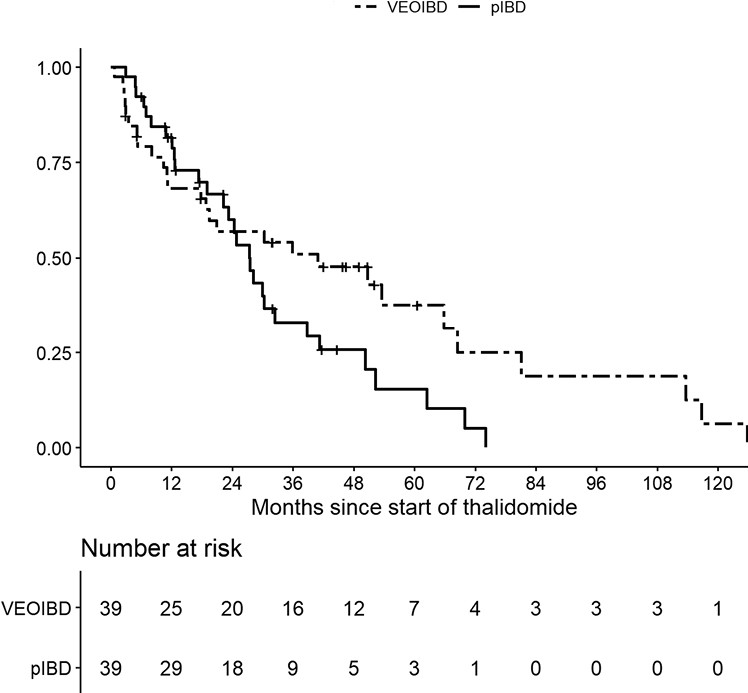
M Bramuzzo et al. Inflamm Bowel Dis 2024; 30: 20-28. https://doi.org/10.1093/ibd/izad018. Efficacy and Tolerance of Thalidomide in Patients With Very Early Onset Inflammatory Bowel Disease

This retrospective study with 39 patients with VEO and 39 patients with pediatric IBD.

Key findings:

  • The treatment persistence at 1, 2, and 3 years was 68.2%, 57.0%, and 50.9% for VEOIBD patients and 81.7%, 60.0% and 33.0% for pIBD patients, respectively 
  • A significantly higher proportion of VEOIBD patients discontinued therapy due to lack of efficacy (48.2% vs 17.2%; P = .03), while AEs were the main reason for discontinuation in pIBD patients
  • A significatively lower number of VEOIBD patients experienced AEs compared with pIBD patients (14 [35.9%] vs 30 [76.9%]; P = .0005).

Treatment persistence:

Treatment persistence

Related blog posts:

Is PPI Use Detrimental Before or After a Diagnosis of Inflammatory Bowel Disease?

N Singh et al. Inflamm Bowel Dis 2023; 29: 1871-1878. Proton Pump Inhibitor Use Before and After a Diagnosis of Inflammatory Bowel Disease

The authors retrospectively utilized the University of Manitoba IBD Epidemiology Database includes all Manitobans diagnosed with IBD between 1984 and 2018 (n=5920). Key findings:

  • Rates of PPI use in control subjects increased gradually from 1.5% to 6.5% over 15 years
  • Persons with IBD had a higher rate of PPI use, peaking up to 17% within 1 year of IBD diagnosis with a rate ratio (RR) of 3.1

The authors noted an abrupt increase in PPI use within 6 months of an IBD diagnosis which could indicate that IBD-related symptoms are being mistakenly treated with a PPI or that IBD may increase reflux-related symptoms. Given the higher rate of PPI use in pre-IBD diagnosis patients, compared to controls, the authors note that “it is possible that their [PPI] use enhances the likelihood of an IBD diagnosis by their role in altering the gut microbiota.” In addition, they note that “a case-control study found that PPIs were associated with an increased risk of pediatric IBD” (NR Schwartz et al. J Pediatr Pharmacol Ther 2019; 24: 489-496).

My take: PPIs are being used more frequently. Whether PPIs are detrimental before or after a diagnosis with IBD is not clear.

Chattahoochee River at Island Ford

Vedolizumab and Infliximab: Expected Dosing When Switching From IV to SC Routes

Z Wang et al. Clin Gastroenterol Hepatol 2023; 3188-3190. Therapeutic Drug Monitoring Can Guide the Intravenous-to-Subcutaneous Switch of Infliximab and Vedolizumab: A Simulation Study

The authors performed population pharmacokinetic (popPK) simulations to determine optimal dosing recommendations.

Key points:

  • Infliximab: “The Q2W SC dosing regimen of infliximab has been selected with the purpose of exceeding a C,trough,ss of 5 mg/L.” This tends to align with 5 mg/kg Q8W IV dosing.
  • Infliximab: “Patients on Q6W or Q8W IV infliximab can safely switch to Q2W SC infliximab…only patients on Q4W IV infliximab need Q1W SC dosing”
  • Vedolizumab: “Only patients on Q4W IV vedolizumab should switch to Q1W SC dosing”
  • Both agents: “Switching 4 instead of 8 weeks after the last IV dose can hit SS[steady state] faster, thereby avoiding the risk of temporary underexposure.”

My take: It is still important to see how switching from IV to SC route affects clinical outcomes in real-world cohorts. This study, though, does provide a good starting point when trying to provide the right dose frequency to achieve good therapeutic troughs.

Related blog posts:

Japanese Maple tree

Disclaimer: This blog, gutsandgrowth, assumes no responsibility for any use or operation of any method, product, instruction, concept or idea contained in the material herein or for any injury or damage to persons or property (whether products liability, negligence or otherwise) resulting from such use or operation. These blog posts are for educational purposes only. Specific dosing of medications (along with potential adverse effects) should be confirmed by prescribing physician.  Because of rapid advances in the medical sciences, the gutsandgrowth blog cautions that independent verification should be made of diagnosis and drug dosages. The reader is solely responsible for the conduct of any suggested test or procedure.  This content is not a substitute for medical advice, diagnosis or treatment provided by a qualified healthcare provider. Always seek the advice of your physician or other qualified health provider with any questions you may have regarding a condition.

AGA Guidance: Biomarkers for Crohn’s Disease

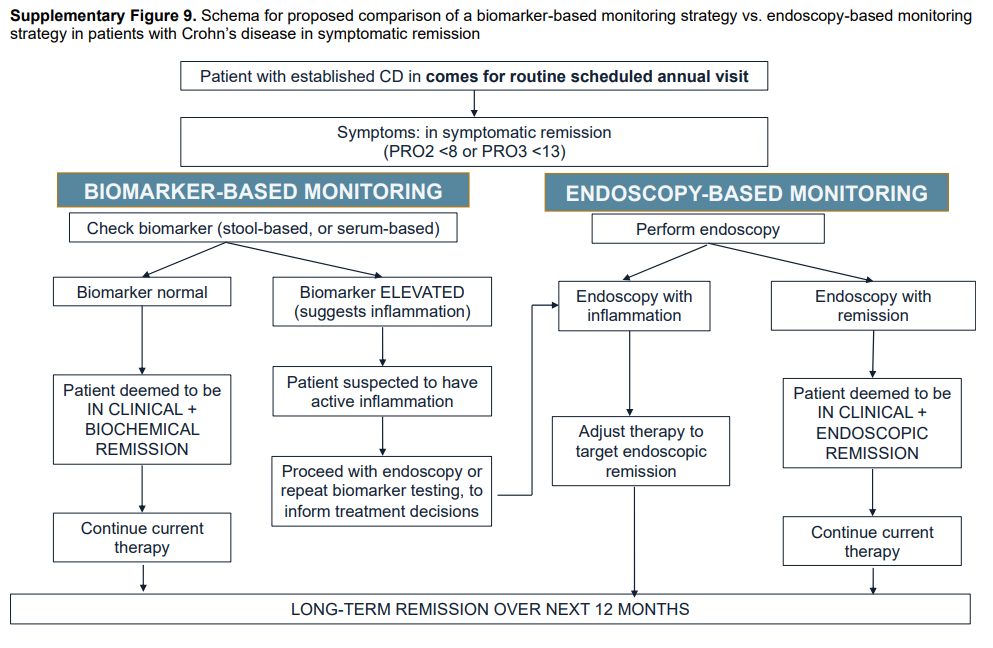
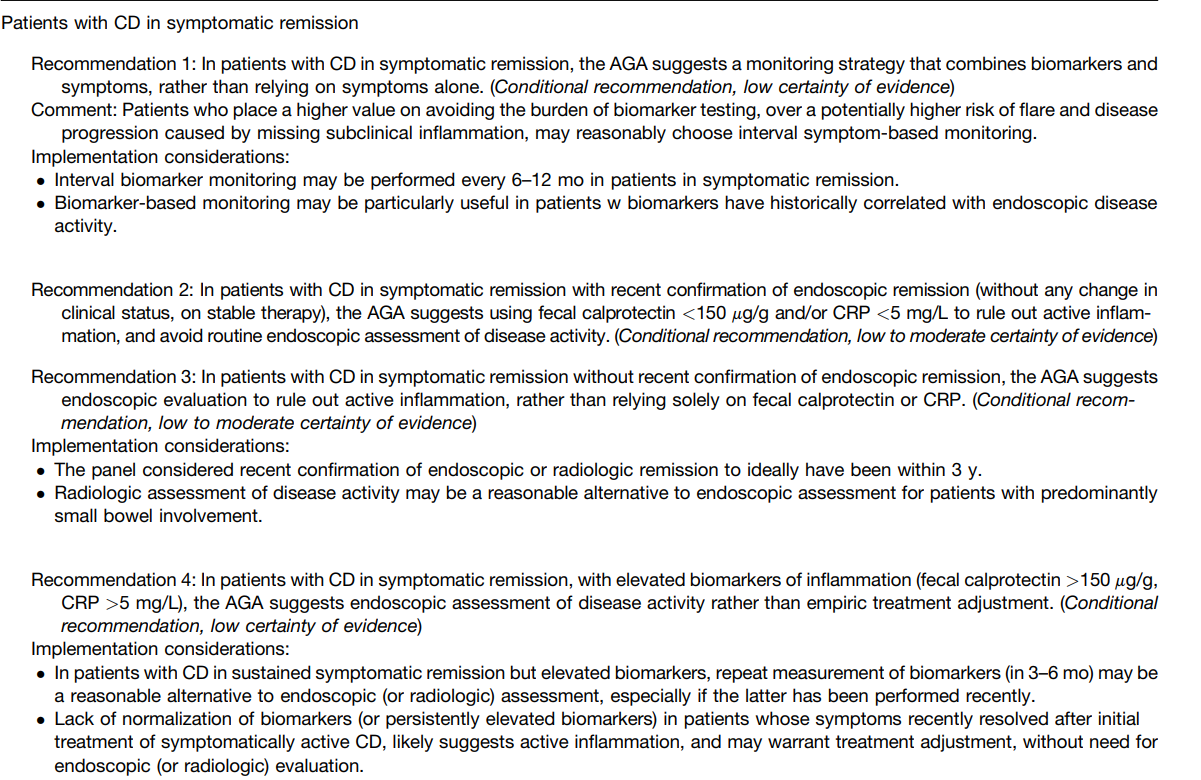
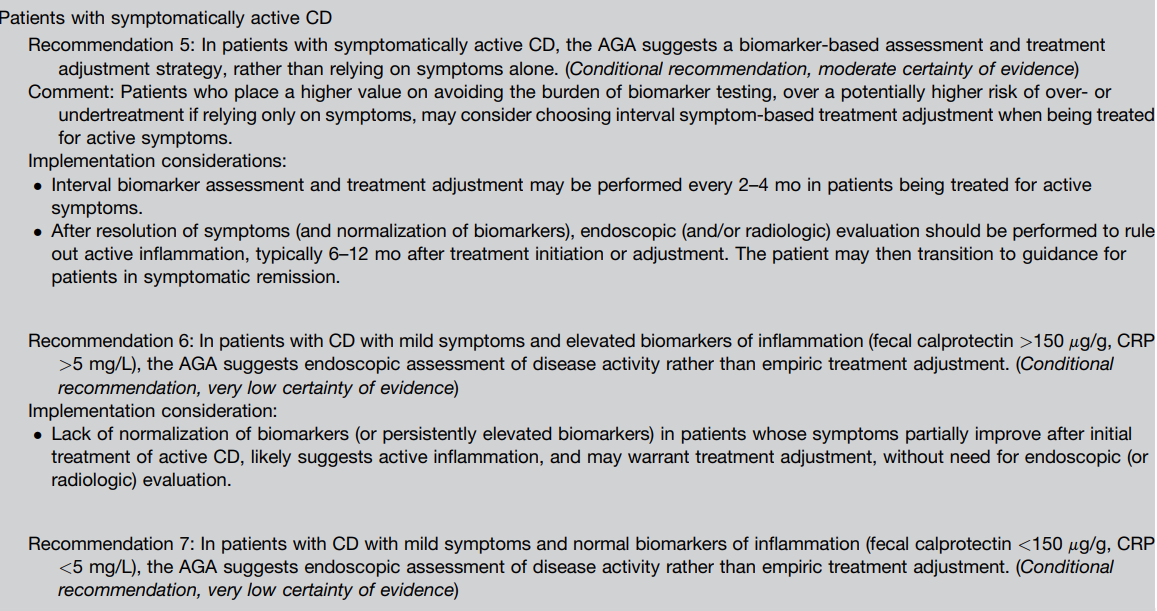
AN Ananthakrishnan, J Adler et al. Gastroenterol 2023; 165: 1367-1399. Open Access! AGA Clinical Practice Guideline on the Role of Biomarkers for the Management of Crohn’s Disease

Key points:

  • Recommendation #2: In patients in symptomatic remission with recent endoscopic evaluation (w/in 3 yrs), a fecal calprotectin <150 μg/g and normal CRP rules out active inflammation, avoiding endoscopic evaluation for assessment of disease activity. However, elevated biomarkers in this setting merit confirmation with endoscopy before treatment adjustment.
  • Recommendations #6, #7: In patients with CD with mild symptoms, neither normal nor elevated biomarkers alone are sufficiently accurate to determine endoscopic activity.
  • Recommendations #8, #9: In patients with CD with moderate to severe symptoms, elevated fecal calprotectin or serum CRP suggests endoscopic activity, precluding routine endoscopic assessment for disease activity. In those with moderate to severe symptoms but normal biomarkers, endoscopic assessment is recommended rather than empiric adjustment in treatment.
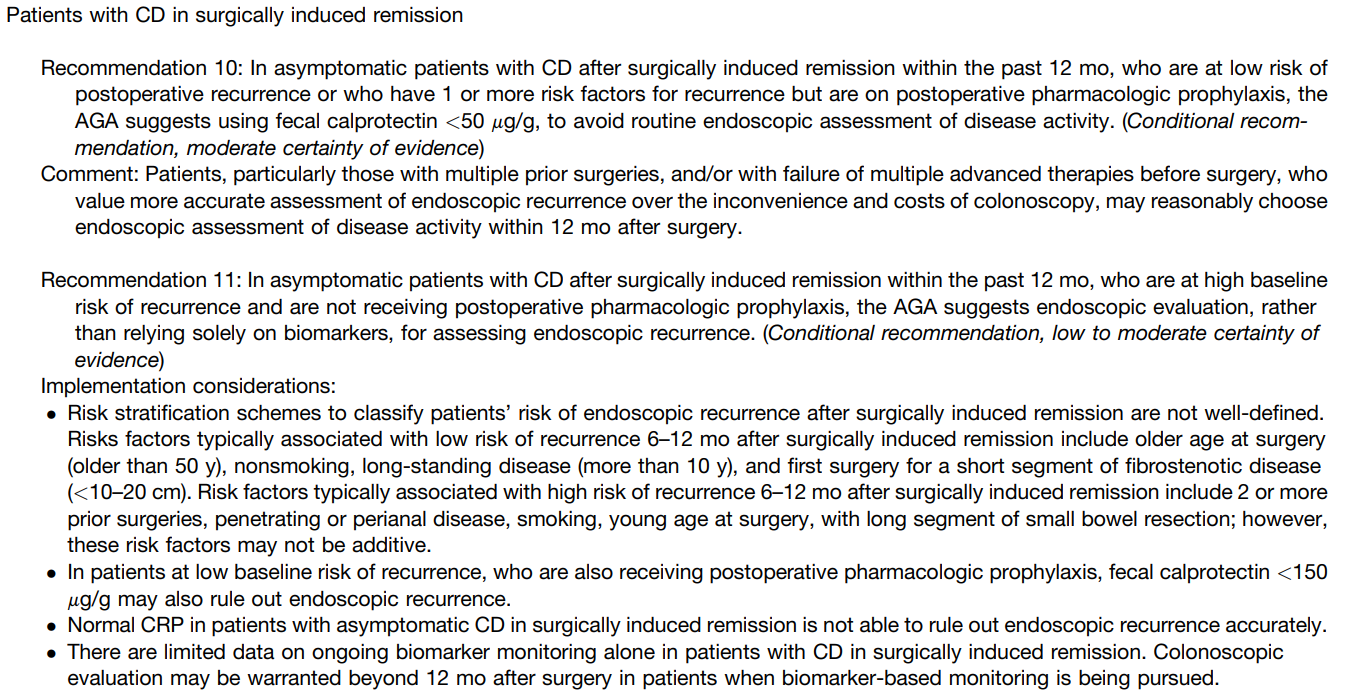
  • Recommendation #10: In patients with CD in surgically induced remission in low-risk patients on pharmacologic prophylaxis, a normal fecal calprotectin (<50 mcg/gm) reliably rules out endoscopic recurrence.

More Recommendations:

#1 In patients with CD in symptomatic remission, the AGA suggests a monitoring strategy that combines biomarkers and symptoms, rather than relying on symptoms alone.

#3 In patients with CD in symptomatic remission without recent confirmation of endoscopic remission, the AGA suggests endoscopic evaluation to rule out active inflammation, rather than relying solely on fecal calprotectin or CRP. 

#5 In patients with symptomatically active CD, the AGA suggests a biomarker-based assessment and treatment adjustment strategy, rather than relying on symptoms alone.

My take: This practical guidance will help target endoscopy in patients with Crohn’s disease. In those who are feeling well with normal biomarkers, frequent endoscopic evaluation is a low-value procedure. Similarly, in those with very elevated biomarkers and who are very symptomatic (with normal infectious studies), endoscopic evaluation is often unnecessary. The AGA expert recommendations should help persuade insurance companies to include biomarkers in their coverage.

Summary of all recommendations -see below from Figure 9 and Table 3.

Related blog posts:

When is the Right Time to De-escalate Dose of Tofacitinib for Ulcerative Colitis?

A Yu et al. Clin Gastroenterol Hepatol 2023; 21: 3115-3124. Open Access! Real-World Experience With Tofacitinib Dose De-Escalation in Patients With Moderate and Severe Ulcerative Colitis

On May 30, 2018, the US Food and Drug Administration (FDA) expanded the indication of tofacitinib (Xeljanz; Pfizer), an oral Janus kinase (JAK) inhibitor, for the treatment of adults with moderately to severely active ulcerative colitis. However, the optimal dosing remains unclear.

In this “real-world” study by Yu et al, a retrospective review of 162 patients was conducted (2012-2022). 52% continued 10 mg twice daily while 48% underwent dose de-escalation to 5 mg twice daily.  The primary outcome was evidence of UC disease activity–related events: hospitalization/surgery, corticosteroid initiation, tofacitinib dose increase, or therapy switch.

Key findings:

  • Cumulative incidence rates of UC events at 12 months were similar in patients with and without dose de-escalation (56% vs 58%; P = .81)
  • An induction course with 10 mg twice daily for more than 16 weeks was protective of UC events (hazard ratio [HR], 0.37) while ongoing severe disease (Mayo 3) was associated with UC events (HR, 6.41)
  • Twenty-nine percent of patients with UC events had their dose re-escalated to 10 mg twice daily, with only 63% able to recapture clinical response at 12 months

Discussion Points:

  •  “Although the product label recommends dose de-escalation after 8 or 16 weeks, clinical practice is variable in the real-world setting… In this retrospective real-world study of moderate to severe UC patients with almost half undergoing dose de-escalation, we observed that more than half of patients experienced a UC disease activity–related event within 12 months after dose de-escalation, particularly in patients with an induction course of fewer than 16 weeks and active endoscopic disease at 6 months after induction…”
  • ” Although dose de-escalation is preferable for long-term maintenance therapy to reduce the potential lifetime risk of medication-related adverse events [eg. VTE], it must be balanced with sustained remission to prevent short- and long-term disease-related complications.”
  • “In the OCTAVE study which reported higher rates of long-term remission, patients de-escalated only after having shown clinical and endoscopic remission after 52 weeks on tofacitinib 10 mg twice daily”

My take (borrowed from authors):  “Emphasis should be placed on clinical and endoscopic evidence of improvement before consideration of dose de-escalation to ensure the highest probability of treatment success.” This advice, though, may conflict with product labelling which states that “tofacitinib induction with 10 mg twice daily beyond 16 weeks is not recommended; in fact, it is recommended to stop after 16 weeks if adequate response has not been achieved.”

Related blog posts:

Belem Tower, Lisbon

Disclaimer: This blog, gutsandgrowth, assumes no responsibility for any use or operation of any method, product, instruction, concept or idea contained in the material herein or for any injury or damage to persons or property (whether products liability, negligence or otherwise) resulting from such use or operation. These blog posts are for educational purposes only. Specific dosing of medications (along with potential adverse effects) should be confirmed by prescribing physician.  Because of rapid advances in the medical sciences, the gutsandgrowth blog cautions that independent verification should be made of diagnosis and drug dosages. The reader is solely responsible for the conduct of any suggested test or procedure.  This content is not a substitute for medical advice, diagnosis or treatment provided by a qualified healthcare provider. Always seek the advice of your physician or other qualified health provider with any questions you may have regarding a condition.