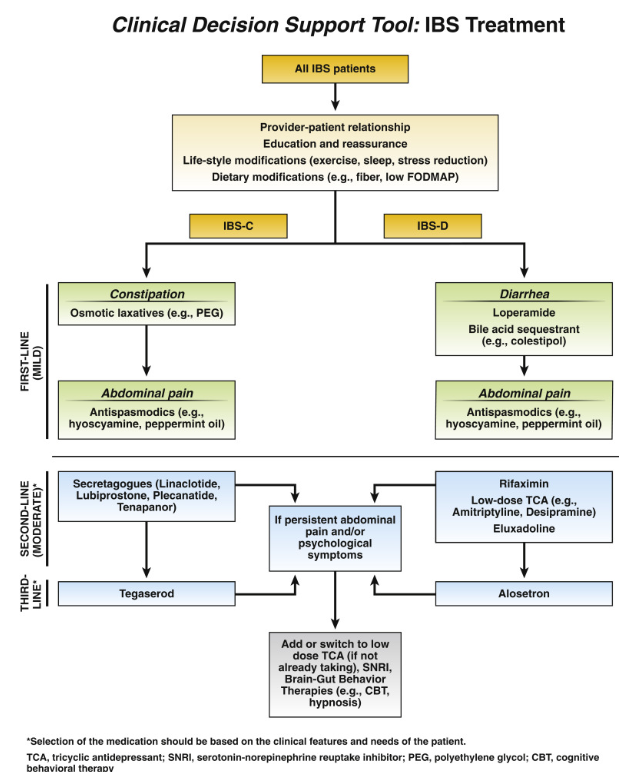
AGA Guidelines for Pharmacologic Therapy of IBS-D and IBS-C

A Lembo, S Sultan et al. Gastroenterol 2022; 162: 137-151. Open access PDF: AGA Clinical Practice Guideline on the Pharmacological Management of Irritable Bowel Syndrome With Diarrhea

LChang, S Sultan et al. Gastroenterol 2022; 162: 118-136. Open access: AGA Clinical Practice Guideline on the Pharmacological Management of Irritable Bowel Syndrome With Constipation

The associated 1-page summary (“Spotlight: IBS Treatment“) on pg 153 reviews society guidelines on testing in IBS. This includes for IBS-D celiac serology, calprotectin/lactoferrin, CRP, possilby Giardia antigen (if in endemic area) and possibly bile acid diarrhea testing. Not recommended include food allergy/sensitivity testing, colonoscopy if <45 years and lactulose or glucose hydrogen breath testing. This 1-page summary details therapeutic dosing and costs. Monthly costs of selected medications according to this report:

  • Lubiprostone (Amitiza): $374
  • Linaclotide (Linzess): $523
  • Pleacnatide (Trulance): $528
  • Tegaserod (Zelnorm): $480
  • Tenapanor (IBSRELA): $1680
  • Rifaximin (Xifaxan) $1544 (for 14 day course)
  • Eluxadoline (Viberzi): $1550
  • Alosetron (Lotronex): $1457-1929 (starting dose), $2915-3859 (max dose)

My take: These guideline publications provide comprehensive information regarding potential pharmacological therapies.

Related blog posts:

Covid Updates

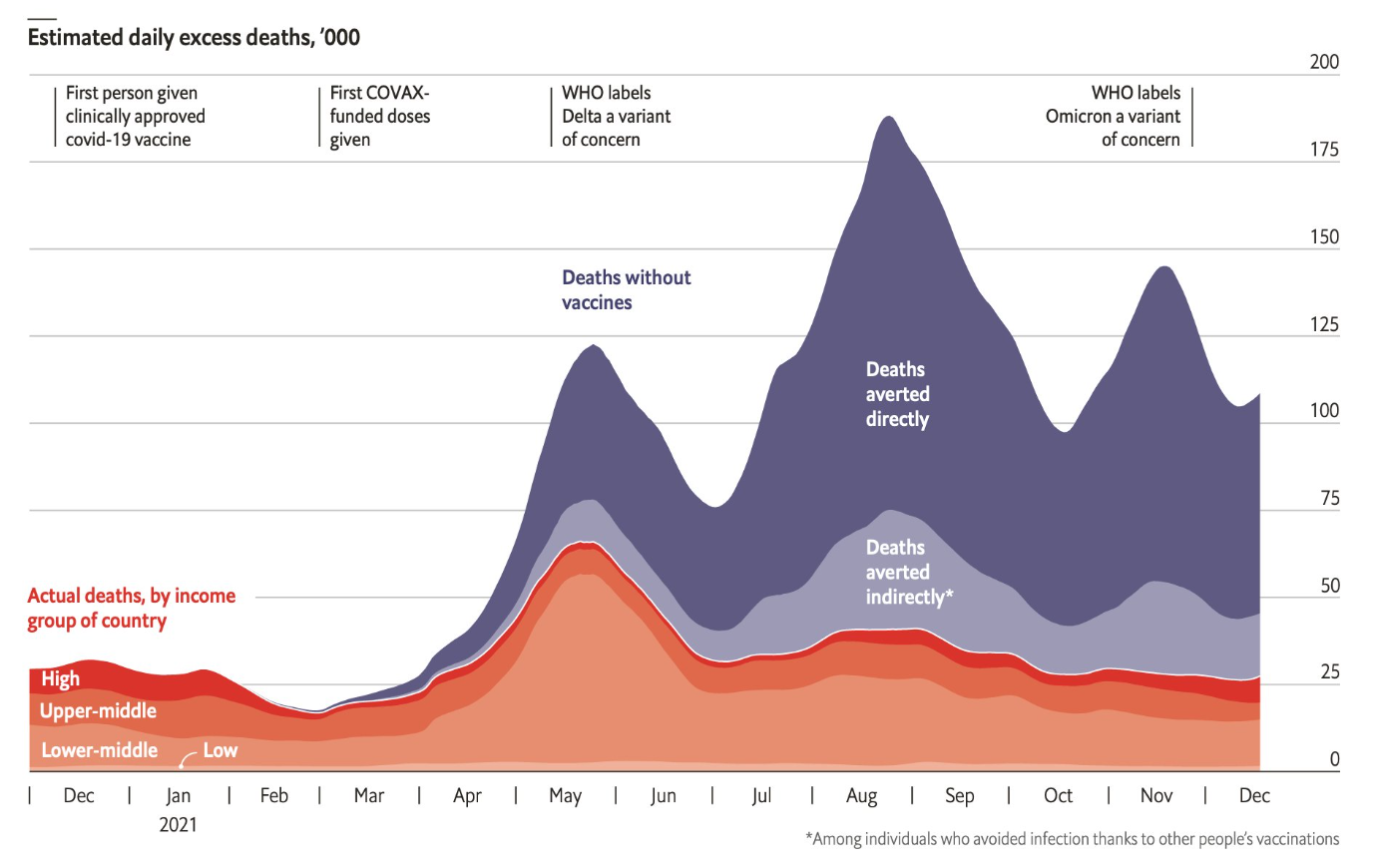
Vaccines have been estimated to have saved more than 20 million deaths. The Lancet Infectious Diseases new release: COVID-19 vaccines are estimated to have prevented 20 million deaths worldwide in the first year of the vaccine program, modelling study find

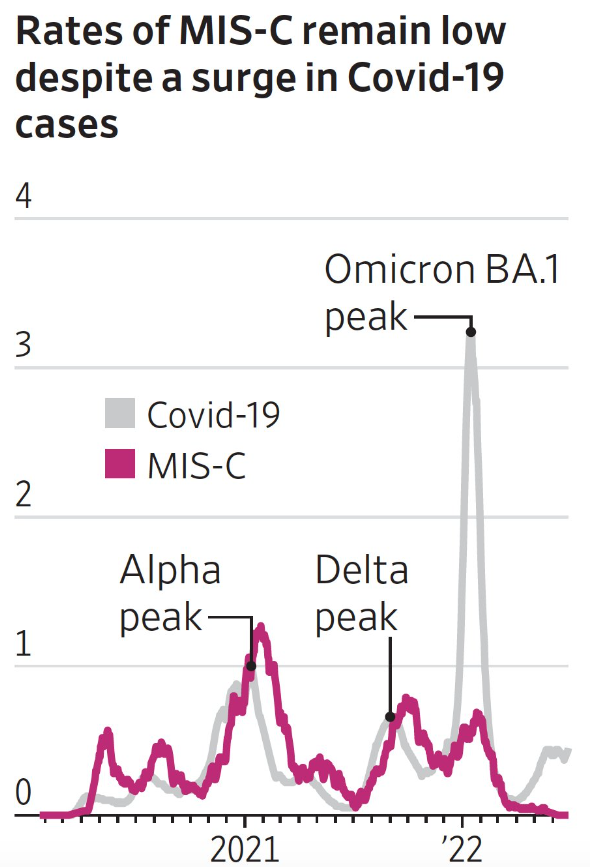
Omicron has been associated with lower rates of MIS-C in children compared to other surges –95% less than alpha. WSJ: Covid-19 Complication Among Children Fades in Latest Wave of Virus.

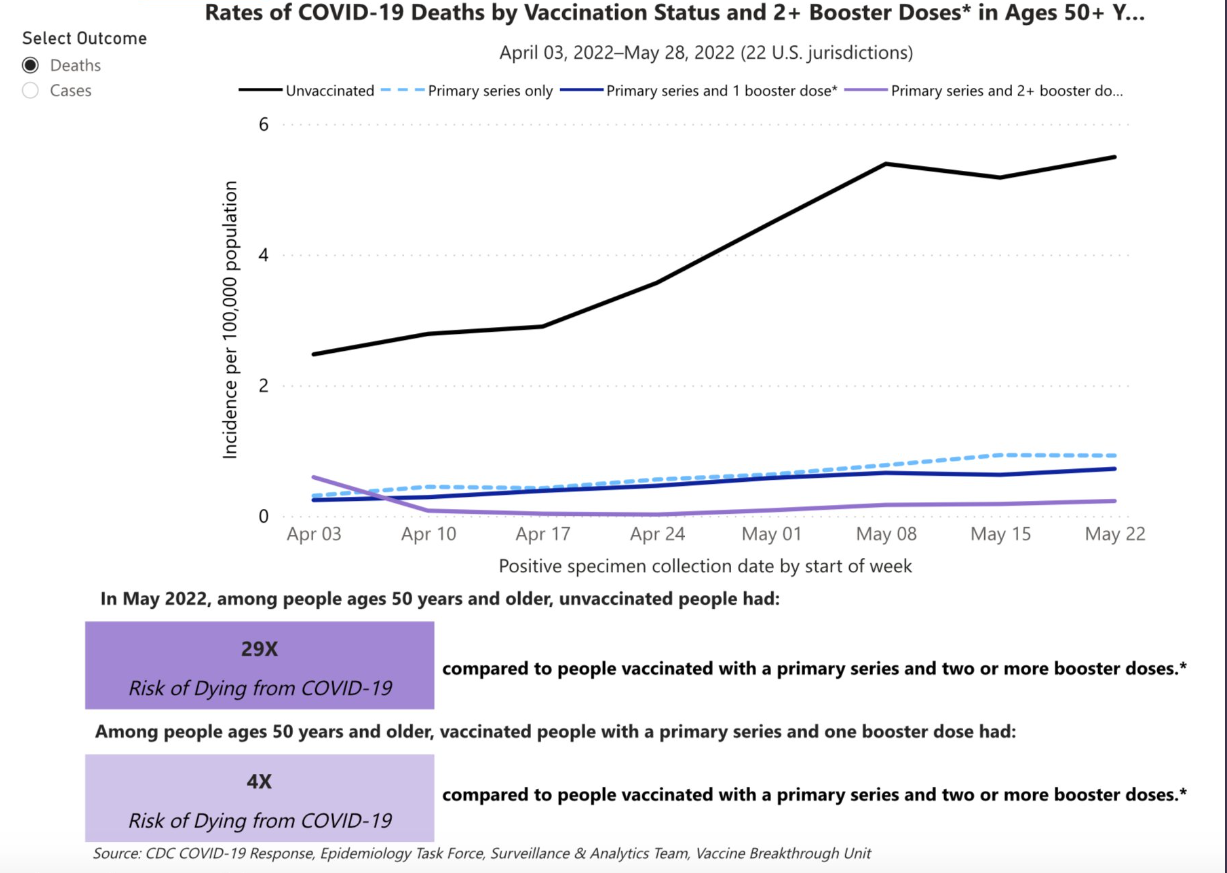
Getting boosted is important for those >50 years. There was a 29-fold reduction when comparing 2 boosters vs unvaccinated and a 4-fold reduction when comparing 2nd booster vs 1 booster. CDC: Rates of COVID-19 Cases and Deaths by Vaccination Status

Good Review of Cholestatic Liver Diseases

SH Ibrahim et al. Hepatology 2022; 75: 1627-1646. Cholestatic liver diseases of genetic etiology: Advances and controversies

Table 1 lists more than 40 monogenic disorders of cholestasis. Examples:

  • Disorders of membrane transporter or polarity: PFIC1, PFIC2, PFIC3, Dubin-Johnson
  • Basolateral disorders: NTCP deficiency, Rotor syndrome, Organic solute transporter deficiency
  • Disorders of nuclear receptors: PFIC5
  • Disorders of intracellular trafficking: Arthrogryposis-renal dysfunction-cholestasis, PFIC6 microvillous inclusion (MYO5B gene), Osteo-oto-hepato-enteric, Fanconi renotubullar syndrome
  • Disorders of cytoskeletal and tight junction protein: PFIC4, Neonatal ichthyosis sclerosing cholangitis
  • Cholangiopathies-Ciliopathy: Neonatal sclerosing cholangitis, Nephronophthisis, Meckel-Joubert syndrome, renal cysts and diabetes syndrome, BASM
  • Cholangiopathies-Bile duct paucity: Alagille
  • Cholangiopathies-cholangiocyte channelopathy: Cystic Fibrosis
  • Hepatocellular disease: A1AT deficiency, mitochondrial depletion, mitochondrial translation defect, transaldolase deficiency
  • Inborn errors of metabolism -bile acids: BASD, bile acid conjugation defects, peroxisomal defects
  • Inborn errors of metabolism -carbohydrates: galactosemia, hereditary fructose intolerance
  • Inborn errors of metabolism -amino acids: tyrosinemia type 1

Key Points:

  • Low GGT genetic disorders (>25 genetic mutations) include canalicular transporter defects, basolateral transporter defects, intracellular trafficking defects, defects of cytoskeletal and tight junction protein, transaldolase deficiency, bile duct paucity, and inborn errors of metabolism.
  • The authors note that the timing and utility of a liver biopsy is changing due to the advent of rapid molecular testing.
  • Potential treatments are reviewed include ursodeoxycholic acid, IBAT inhibitors, cholic acid, biliary diversion, and liver transplantation.
  • Multidisciplinary evaluation is often needed in patients with Alagille. 87% have cardiac anomalies, up to 36% have/develop cerebral vasculopathy, 21% develop post-transplant renal dysfunction, and 22% develop spontaneous or procedure-associate systemic bleeding (need for hematology consultation). In addition, pathologic fractures are common; one report found the rate of femur fractures was 50 times that in the general population which is likely related to intrinsic bone defects (as well as cholestasis).

My take: With the widespread availability of genetic testing which is needed due to the numerous etiologies, the diagnosis of ‘idiopathic’ chronic cholestasis has decreased and targeted therapies have emerged.

Related article: L Matarazzo et al. JPGN 2022; 74; p e115-e121. MYO5B Gene Mutations: A Not Negligible Cause of Intrahepatic Cholestasis of Infancy With Normal Gamma-Glutamyl Transferase Phenotype

Key finding:

In this multicenter retrospective and prospective study was conducted in 32 children with cryptogenic intrahepatic cholestasis, whole exome sequencing identified 6 with MYO5B mutations.  The most common signs were pruritus, poor growth, hepatomegaly, jaundice, and hypocholic stools. 

Related blog post:

Biologics in Children with Very Early Onset Inflammatory Bowel Disease

B Kerur et al. JPGN 2022; 75: 64-69. Utilization of Antitumor Necrosis Factor Biologics in Very Early Onset Inflammatory Bowel Disease: A Multicenter Retrospective Cohort Study From North America

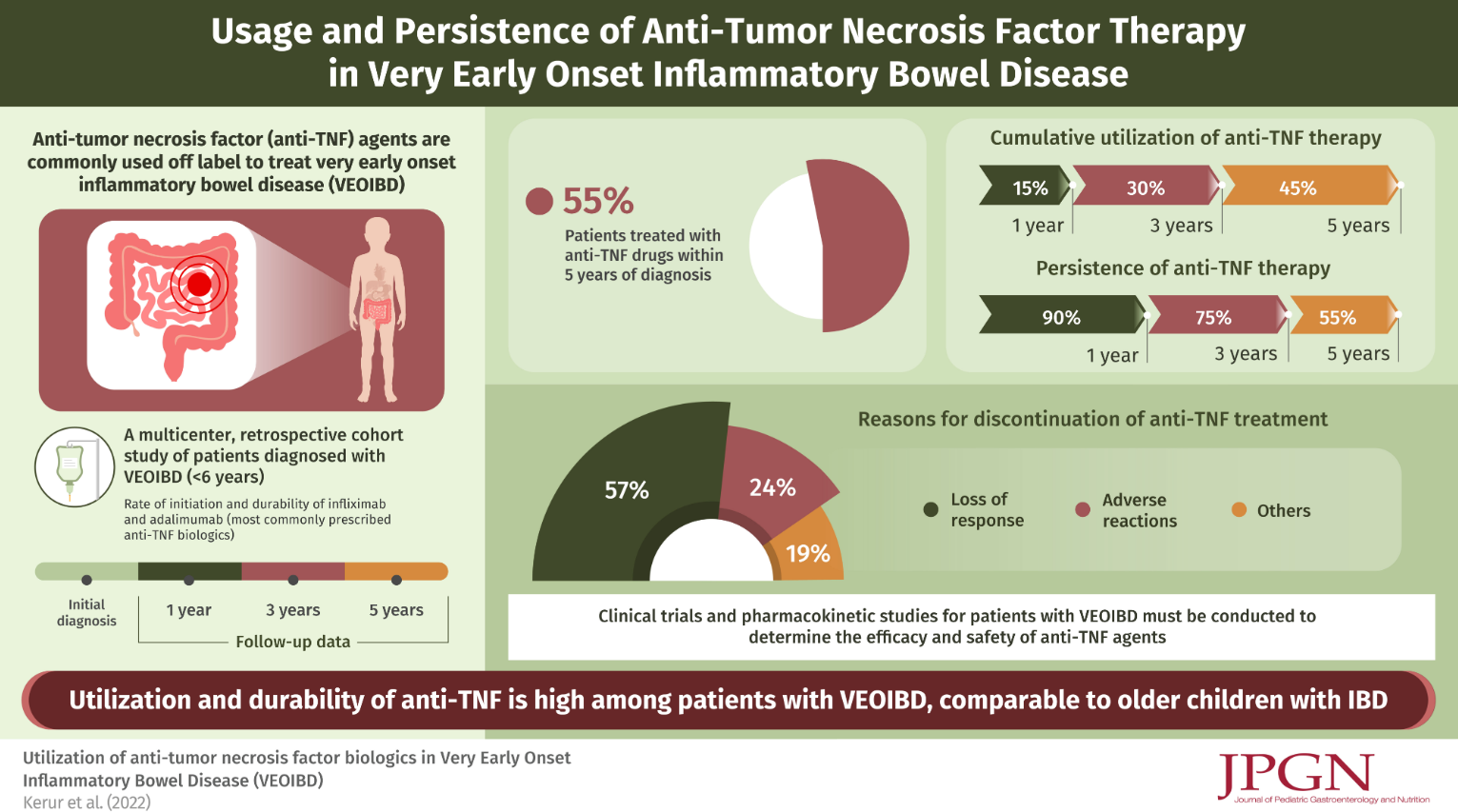
In this retrospective study, 120 of 294 children with VEO-IBD (diagnosed 2008 and 2013, PRO-KIDS network) received anti-TNF therapy (96% infliximab). 101 of these 120 had adequate data recorded. It is noted that additional data on this cohort has been previously published (IBD Updates: Outcomes of VEO-IBD, PIANO Study Update, and Insurance-Disparity Relationship). Key findings:

  • Anti-TNF durability was 90% at 1 year, 75% at 3 years, and 55% at 5 years
  • Patients with Crohn’s disease had better durability than those with UC/IBD-U (Hazard ratio 0.17)
  • The most common reason for discontinuation of anti-TNF were loss of response in 24 (57%) children
  • 67 (66%) received combined therapy with an immunomodulator and this was associated with improved anti-TNF durability (Hazard ratio 0.30). However, authors note this was in era preceding widespread therapeutic drug monitoring.
  • The majority of children in the current study did not undergo testing for monogenic mutations

My take: Data for use of anti-TNF agents in this age group (< 6 yrs) has been limited. This study suggests similar effectiveness of anti-TNF agents in VEO-IBD compared to older groups. Given this groups increased risk for monogenic mutations, it is still a good idea, if feasible, to test for these disorders.

Related blog posts:

Misinformation in Medicine

RJ Baron, YD Ejnes. NEJM 2022; 387:1-3. Physicians Spreading Misinformation on Social Media — Do Right and Wrong Answers Still Exist in Medicine?

The authors, representing the American Board of Internal Medicine (ABIM), assert that “there aren’t always right answers, but some answers are clearly wrong.” In their commentary, they note that there is “growing allegiance to crowd-endorsed ‘facts.'” Yet, they expect physicians to adhere to higher standards; however, they note the inherent conflict between speech that can be prohibited by licensing boards and speech protected by the First Amendment.

My take: While the authors state that physicians risk disciplinary action for spreading misinformation, I remain skeptical that licensing boards have the appetite to do this, particularly when it comes to disciplining high-profile offenders like Mehmet Oz or Joseph Ladapo (Florida Surgeon General) (Business Insider: Dr. Oz is running for US Senate in Pennsylvania. Here are 8 times he’s made false or baseless medical claims; Insider: Florida’s surgeon general breaks with CDC advice, says the state will be the first to ‘officially recommend against the COVID-19 vaccine for healthy children‘).

PA Cohen et al. NEJM 2022; 387: 3-5. Institutionalizing Misinformation — The Dietary Supplement Listing Act of 2022

Dietary supplements are another part of medicine with rampant misinformation. In fact, there is nearly ubiquitous misinformation through advertisements across all media segments. Americans spent ~$55 billion on dietary supplements in 2020. This commentary discusses a Senate bill, the Dietary Supplement Listing Act of 2022, which ostensibly would improve this situation.

However, this is NOT the case. This bill requires manufacturers to provide the FDA with a product’s name, ingredients and health claims. It mandates the FDA create a searchable database. What the legislation doesn’t do:

  • Provide the the FDA with a mechanism to confirm a product’s ingredients
  • Enable regulation of misleading health claims
  • Stop the promotion and sale of supplements with dangerous ingredients
  • Allow the FDA to remove products from its registry determined to have unlawful ingredients and remove products deemed hazardous

My take: This legislation needs to be strengthened to limit deception. In its current form, this registry would appear to confer FDA oversight to dietary supplements (which is minimal) and paradoxically legitimize dietary supplements .

Related blog posts:

Hilton Head at Sunrise

Outcomes with Enteral Nutrition

Notice: At this time, gutsandgrowth intends to post blogs 2-3 times per week rather than daily.

——————————————————————————————————————

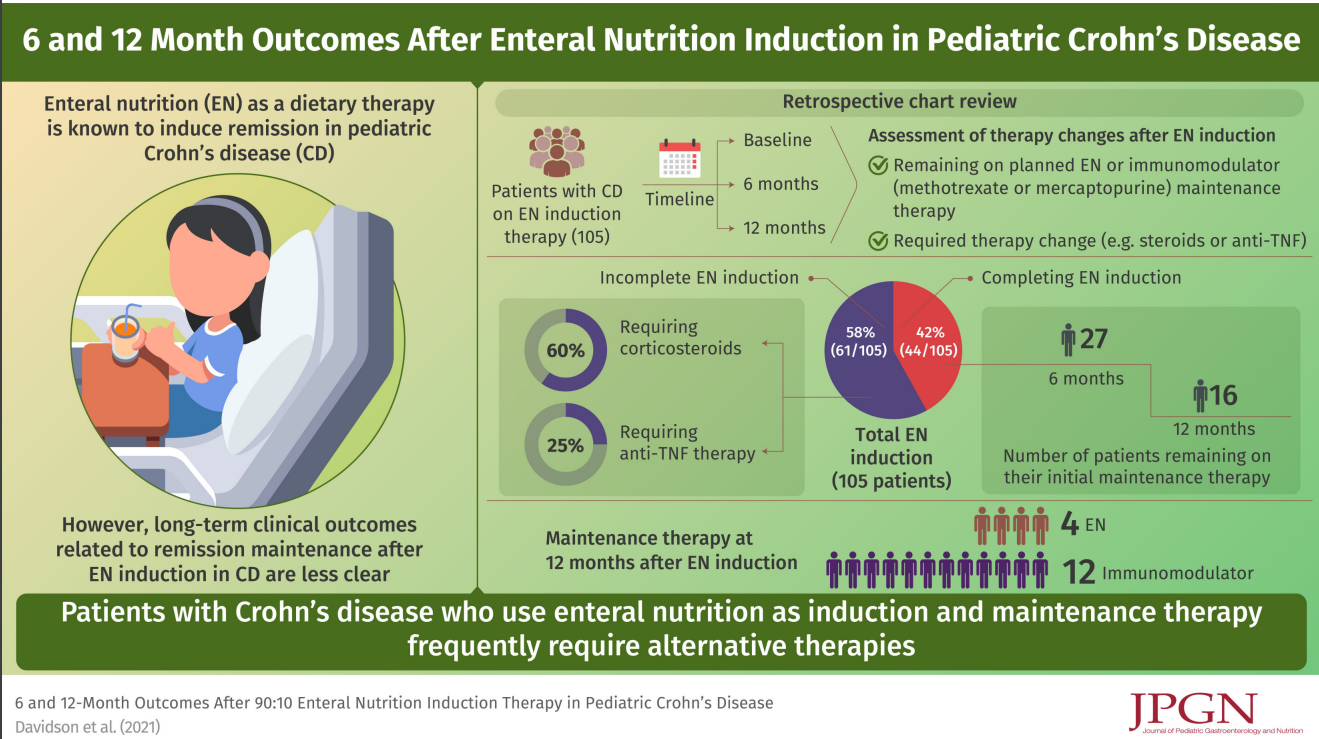
N Davidson et al. JPGN 2022; 75: 70-75. 6- and 12-Month Outcomes after 90:10 Enteral Nutrition Induction Therapy in Pediatric Crohn’s Disease

In this retrospective study (2013-2018), the authors examined outcomes in 105 children treated with a 90:10 enteral feeds (90% formula).

Key findings:

  • 44/105 (42%) patients completed 8–12 weeks
  • After induction, 18 continued EN maintenance with a 80:20 then 70:30 protocol; however, only 10 remained on EN at 6 months and 4 remained on EN at 12 months

The associated editorial (pg: 1-2) make several points:

  1. While EEN is effective and safe, this study and others have shown poor adherence
  2. It is unclear how exclusive enteral nutrition needs to be in order to be effective. And, many patients instructed to receive 90% of their calories as formula are likely consuming higher amounts of table foods
  3. We still are working out which foods need to be excluded

My take: This study shows that EEN is NOT a practical option for most patients beyond induction. Only 4 patients remained on EEN at 12 months.

Related blog posts:

Vitamin Supplements and Outcomes

EA O’Connor et al. JAMA. 2022;327(23):2334-2347. doi:10.1001/jama.2021.15650. Full text -open access: Vitamin and Mineral Supplements for the Primary Prevention of Cardiovascular Disease and Cancer. Updated Evidence Report and Systematic Review for the US Preventive Services Task Force

Key findings:

  • In pooled analyses, multivitamin use was significantly associated with a lower incidence of any cancer (odds ratio [OR], 0.93 [95% CI, 0.87-0.99]…However, the evidence for multivitamins had important limitations
  • Limited evidence suggested some supplements may be associated with higher risk of serious harms (hip fracture [vitamin A], hemorrhagic stroke [vitamin E], and kidney stones [vitamin C, calcium])
  • Vitamin and mineral supplementation was associated with little or no benefit in preventing cancer, cardiovascular disease, and death, with the exception of a small benefit for cancer incidence with multivitamin use.

Summary of this study –USA Today (6/30/22): Are common multivitamins worth the money? New study explores the benefits, harms. In this “massive meta-analysis from JAMA of 84 studies on vitamins and supplements, …

  • Beta-carotene: supplementation associated with increased risk of lung cancer and cardiovascular mortality.
  • Vitamins D and E: not associated with increased or decreased risk of all-cause mortality, cardiovascular disease or cancer. In summary, no benefit.
  • Based on these findings, the United States Preventive Services Taskforce 1) recommends against the use of beta-carotene or vitamin E supplements for the prevention of cardiovascular disease or cancer and 2) states that there’s insufficient evidence to assess the benefits or harms of multivitamins or other single or paired nutrient supplements for the prevention of cardiovascular disease or cancer.
  • Americans spent $50 billion on multivitamins and supplements in 2021.

My take: Most people will not benefit from vitamin supplements and should focus on developing a healthy diet. Certain populations, including pregnant women and those with intestinal disorders, do need additional vitamins.

Related blog posts:

Los Poblanos Ranch, Alburquerque

Implications of Serene Studies

In a previous post, this blog highlighted SERENE-CD which showed that higher induction doses of adalimumab did not improve outcomes compared to standard dosing (SERENE Study: Does a Higher Induction Dose of Adalimumab Help for Crohn’s Disease?)

However, there was a 2nd SERENE study: SERENE-UC: J Panes et al. Gastroenterol 2022; 162: 1891-1910. Open Access: Higher vs Standard Adalimumab Induction and Maintenance Dosing Regimens for Treatment of Ulcerative Colitis: SERENE UC Trial Results The online version includes supplementary material (link: supplement) which is needed to understand the response rate more fully.

The main component of this double-blind, randomized (no placebo) study allocated 512 patients with ulcerative colitis to a higher induction regimen (HIR) of adalimumab and 340 patients to a standard induction regimen (SIR). A maintenance phase continued with 374 main patients who were clinical responders at week 8 (n=757 who completed induction). The study results are presented in a confusing manner, in part because of a subgroup from Japan as well as a great deal of data from both the induction phase and the maintenance phase.

Key findings:

  • In the main study, 13.3% vs 10.9% of patients receiving the higher induction regimen (HIR) vs standard induction regimen (SIR) achieved clinical remission (full Mayo score ≤2 with no subscore >1) at week 8 (induction primary end point; P = .265)
  • Among week-8 responders, 39.5% vs 29.0% receiving 40 mg ew vs 40 mg eow achieved clinical remission at week 52 (maintenance primary end point; P = .069).
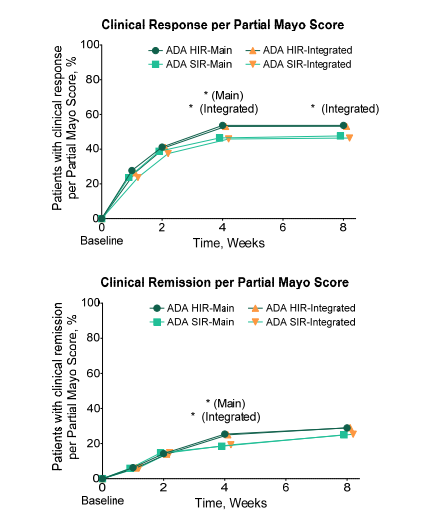
  • Figure S2 below shows that approximately 50% of patients treated with adalimumab had a clinical response at week 8

My takes on this study:

  1. Fairly low response to adalimumab: the clinical remission rate for adalimumab is low at week 8 (10-13%) and the 8-week response rate is less than 50%
  2. Higher doses during induction were not helpful & did not result in significantly better responses at week 8
  3. Therapeutic drug monitoring was not beneficial in this study
  4. Higher doses during maintenance were associated with improved responses: patients receiving weekly adalimumab during maintenance treatment had improved week 52 remission. The editorial (pages 1831-1832) note that this effect was demonstrated in those with “elevated C-reactive protein, low albumin, extensive UC or long disease burden”
Figure S2: Clinical response was defined as Partial Mayo Score decrease from baseline ≥ 2 and ≥ 30% plus ≥ 1-point
decrease from baseline in rectal bleeding subscore or absolute rectal bleeding subscore of 0 or 1.
Clinical remission was defined as Partial Mayo Score ≤ 2 with no subscore > 1.
ADA, adalimumab; HIR, higher induction regimen; SD, standard deviation; SIR, standard induction regimen

Related blog posts:

Disclaimer: This blog, gutsandgrowth, assumes no responsibility for any use or operation of any method, product, instruction, concept or idea contained in the material herein or for any injury or damage to persons or property (whether products liability, negligence or otherwise) resulting from such use or operation. These blog posts are for educational purposes only. Specific dosing of medications (along with potential adverse effects) should be confirmed by prescribing physician.  Because of rapid advances in the medical sciences, the gutsandgrowth blog cautions that independent verification should be made of diagnosis and drug dosages. The reader is solely responsible for the conduct of any suggested test or procedure.  This content is not a substitute for medical advice, diagnosis or treatment provided by a qualified healthcare provider. Always seek the advice of your physician or other qualified health provider with any questions you may have regarding a condition.

Ustekinumab Efficacy in Crohn’s Disease With Concurrent Autoimmune Skin Disease

E Fradkov et al. Inflamm Bowel Dis 2022; 28: 895-904. Efficacy of Ustekinumab in Crohn’s Disease With and Without Concurrent Autoimmune Skin Disease

This retrospective study reviewed 395 CD patients received ustekinumab therapy (79 CD-ASD (autoimmune skin disease), 316 CD-none). ASD included atopic dermatitis, eczema, psoriasis/psoriaform dermatitis and alopecia. The skin disease group also included those with cutaneous manifestations of Crohn’s disease: erythema nodosum, pyoderma gangrenosum, pyostomatitis vegetans, Sweet’s syndrome, granulomatous vasculitis, and leukocytoclastic vasculitis. 55 of the 79 with CD-ASD had psoriatic disease, 20 had eczema, 11 had erythema nodosum, 8 had pyoderma gangrenosum.

Key findings:

  • Ustekinumab had greater efficacy in CD-ASD when evaluated by fecal calprotectin (P = .0337) and CRP (P = .078). For calprotectin, the values decreased by 61% after at least 5 months of therapy (394 to 164) in the CD-ASD group compared to 11% in the group without skin disease (365 to 265)
  • The CD-ASD group also showed better outcomes in Likert scores of endoscopy (P = .016), histopathology (P = .074), and imaging (P = .094). 

My take: Ustekinumab appears to be particularly effective in patients with concurrent skin disease.

Related posts:

Chattahoochee River near Morgan Falls

Safety of Preoperative Tumor Necrosis Factor  Inhibitor Exposure in Patients With Inflammatory Bowel Disease Undergoing Intra-abdominal Surgery

BL Cohen et al. Gastroenterol; 2022; 163: 204-221. Prospective Cohort Study to Investigate the Safety of Preoperative Tumor Necrosis Factor Inhibitor Exposure in Patients With Inflammatory Bowel Disease Undergoing Intra-abdominal Surgery

Key finding:

  • Preoperative TNFi exposure was not associated with postoperative infectious complications in a large prospective multicenter cohort. Any infection (18.1% vs 20.2%, P = .469) and SSI (12.0% vs 12.6%, P = .889) rates were similar in patients currently exposed to TNFis and those unexposed.