Trisomy 18 Trends over the Last 20 Years

TA Fick et al. J Pediatr 2021; 239: 206-211. Trisomy 18 Trends over the Last 20 Years

Methods: A retrospective analysis using the Kids’ Inpatient Database from 1997 to 2016 (10,151 admissions) was performed for trisomy 18.

Key Findings:

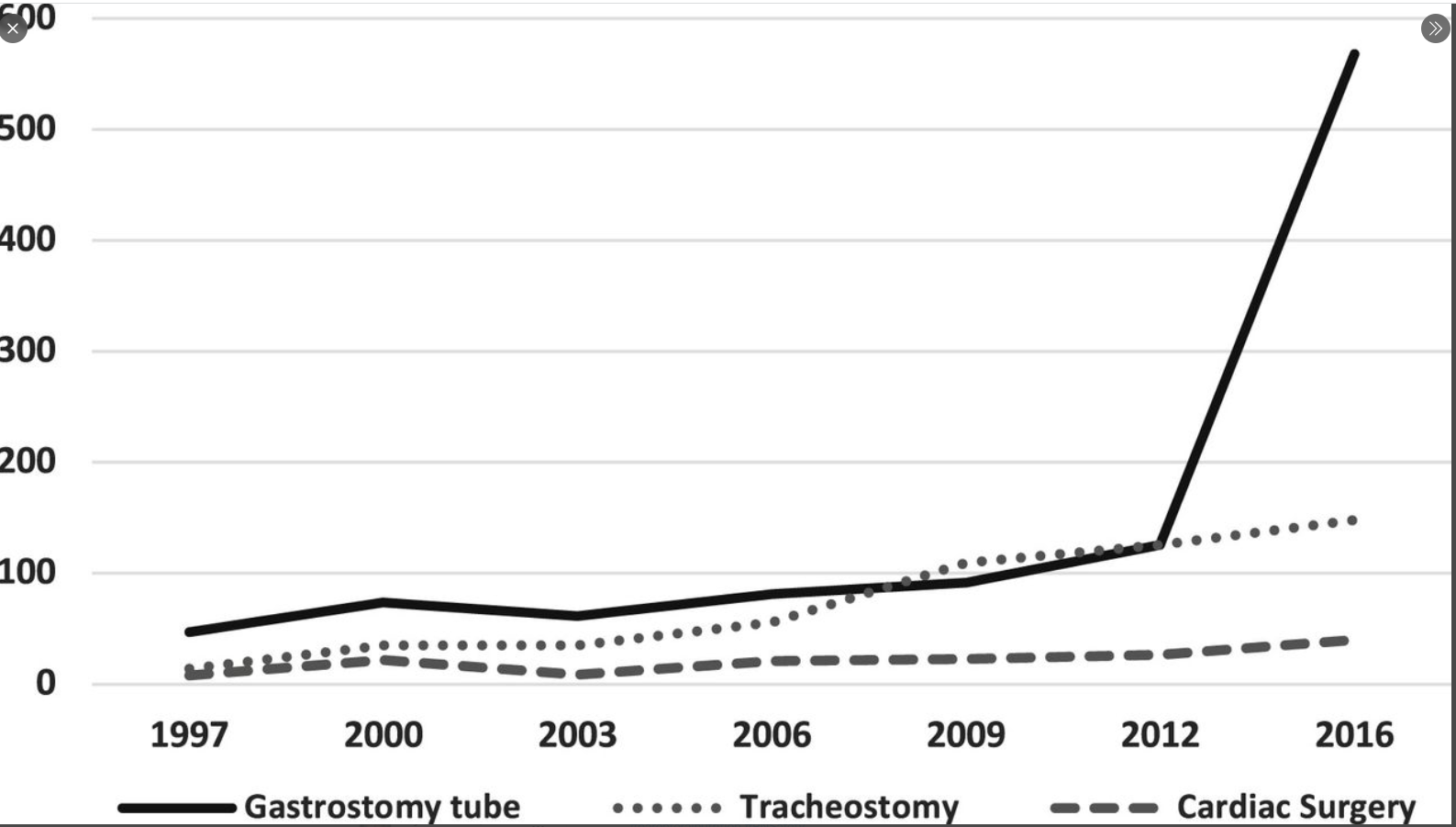
  • Gastrostomy tube placement increased 12-fold during the study period, tracheostomy increased 11-fold, and cardiac intervention increased 5-fold
  • The overall mortality rate (based on inpatient data) decreased in those with trisomy 18 from 32% in 1997 to 21% in 2016
  • Limitations: their data are limited to only hospitalized children and do not include all patients with trisomy 18 or capture population incidence

My take: This study documents a change in the approach to treating children with Trisomy 18. Compared to 20 years ago, these children are being offered more medical/surgical treatments rather than only palliative interventions.

Genetic Underpinnings of Acute Liver Failure in Children

R Hegarty et al. J Pediatrics; 236: 124-130. Open Access: Study of Acute Liver Failure in Children Using Next Generation Sequencing Technology

Background: “Despite the progress made over the last 40 years the rate of indeterminate cases [of acute liver failure] remains ~30%”

Methods: The authors identified 41 children (<10 yrs) with DNA sample availability who were admitted to King’s College Hospital, London, with ALF of indeterminate etiology (2000-2018). In addition, trio exome sequencing was performed on 4 children admitted during 2019.

Key Findings:

  • Homozygous and compound heterozygous variants were identified in 8 out of 41 children (20%) and 4 out of 4 children (100%) in whom targeted and exome sequencing were carried out, respectively
  • The genes involved were NBAS (3 children); DLD (2 children); and CPT1A, FAH, LARS1, MPV17, NPC1, POLG, SUCLG1, and TWINK (1 each). Variants in NBAS and mitochondrial DNA maintenance genes were the most common findings.

My take: Genetic testing for underlying metabolic/metabolic disorders is important to further determine the reasons for ALF. Given the potential need for liver transplantation, obtaining these results quickly will be crucial. In addition, interpretation of the results in some cases will be difficult.

Related blog posts:

Emerging Data on Risankizumab for Crohn’s Disease

From Gastroenterology and Endoscopy News: New Anti–IL-23 Therapy Shows Benefit in Crohn’s Disease

An excerpt:

Two phase 3 placebo-controlled trials with the immune modulator risankizumab demonstrated control of Crohn’s disease whether or not patients had previously received a biologic agent.

Rates of clinical remission at 12 weeks with the interleukin (IL)-23 inhibitor risankizumab (Skyrizi, AbbVie), were about 48% in patients without prior exposure to biologic therapy and more than 40% in those with prior exposure…

The two trials, ADVANCE and MOTIVATE were presented together at the 2021 Digestive Disease Week (abstract 775a)…

Only 12% of patients in the placebo group achieved endoscopic remission versus 40.3% of those on the 600-mg dose of risankizumab (P<0.001). [Rates of endoscopic remission were higher in the biologic-naive (50.5%)]

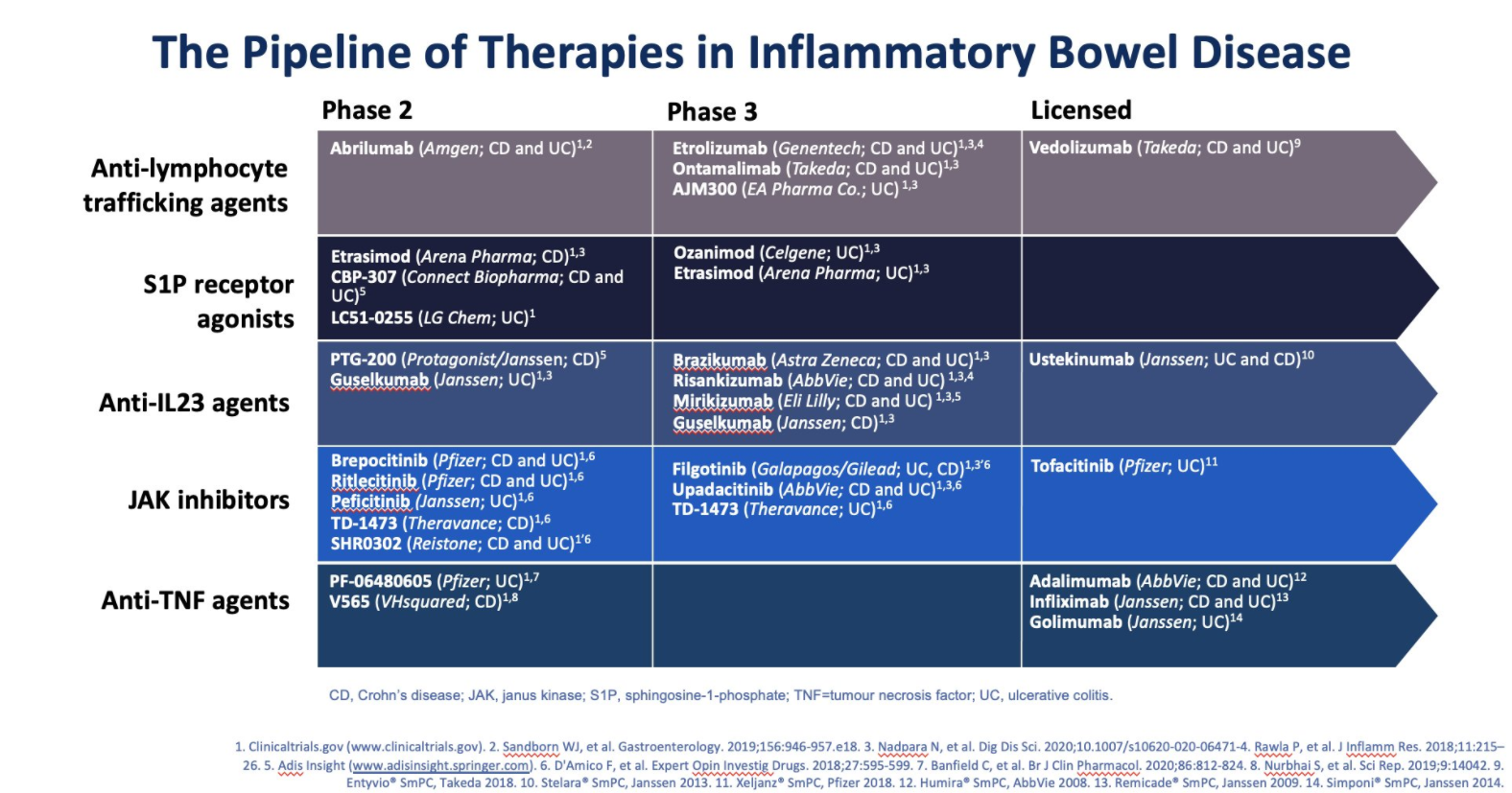
My take: In addition to ustekinumab (already approved), a number of other therapeutic agents that target IL-23 are likely to be available soon to help manage Crohn’s disease. This includes risankizumab but others with phase 3 studies include brazikumab, mirikizumab, and guselkumab..

Slide from David Rubin Twitter Feed (March 2021). Ozanimod now approved.

Ustekinumab vs Adalimumab: Head-to-Head Study

From Gastroenterology & Endoscopy News: Head-to-Head Trial Shows Similar Efficacy and Safety With Ustekinumab and Adalimumab

An excerpt:

The first head-to-head trial comparing ustekinumab and adalimumab has found the two drugs are similarly safe and effective in patients with moderate to severe Crohn’s disease

Dr. Scherl and her co-investigators in the SEAVUE trial randomly assigned 386 biologic-naive patients with Crohn’s disease to receive one year of treatment with either ustekinumab or adalimumab at standard on-label doses, with no dose escalation throughout the study period and no concomitant immunomodulators...

The findings, which were presented at the 2021 annual meeting of the European Crohn’s and Colitis Organisation (oral presentation OP02), showed that after one year of treatment, 65% of patients who received ustekinumab and 61% of those who received adalimumab achieved clinical remission, defined as a CDAI below 150...[And] similar additional outcomes, including clinical response at one year (72.3% for ustekinumab vs. 66.2% for adalimumab), corticosteroid-free remission at one year (60.7% vs. 57.4%, respectively), endoscopic remission at one year (28.5% vs. 30.7%) 

My take: This study indicates that ustekinumab likely has similar safety and efficacy as adalimumab (though the study did not allow dose escalation or immunomodulators); thus, it could be positioned as a first-line treatment. It is administered less frequently as well.

Related blog posts:

Is An Unproven Medication Worth More Than the EPA or NASA?

For those who have not followed the FDA’s controversial decision of approving Aducanumab for the treatment of Alzheimer’s disease, the NEJM has two useful commentaries:

Key points -from 1st article:

  • “Biogen…has announced a list price of $56,000 –10 times the evidence-based benchmark recommended by the independent Institute for Clinical and Economic Review…if even 10% of U.S. patients with Alzheimer’s disease were prescribed aducanumab, drug spending for Medicare Part B would increase from $37 billion to $69 billion per year”
  • The authors note that Medicare Part B payments rely on average sales price (ASP) from private insurers rather than a direct negotiated price; thus, the higher the price for private plans (even if poorly covered), the higher the Medicare rate
  • Hospitals and physicians are incentivized at higher prices due to receiving a 4-6% reimbursement price over the acquisition price
  • “The $56,000 price for aducanumab is a rational manufacturer response to an irrational insurance system.”

Key points -from 2nd article:

  • By one estimate, the potential cost will exceed the budgets of agencies such as EPA or NASA
  • “In granting accelerated approval to aducanumab, the FDA concluded that the drug’s ability to reduce amyloid plaques was reasonably likely to translate into clinical benefits. But this claim is hotly contested and was not presented to the FDA’s advisory committee, which voted against recommending approval of the drug because of the lack of a demonstrated clinical benefit”
  • If Medicare refuses to cover medication, this would leave a burden to state budgets. “As a legal matter,…state Medicaid programs are required to cover nearly all FDA-approved drugs.”
  • “Congress could adopt new legislation specifying that state Medicaid programs need not cover aducanumab…Protecting state budgets shouldn’t require Medicare to cover an expensive drug with unproven clinical benefits.”

My take: This type of huge fiscal burden may provide the rationale for Medicare and Medicaid to reexamine whether/how they cover expensive FDA-approved medications.

Related blog posts:

NASPGHAN Toolbox App

Patrick Reeves passed along the following helpful information about the NASPGHAN toolbox:

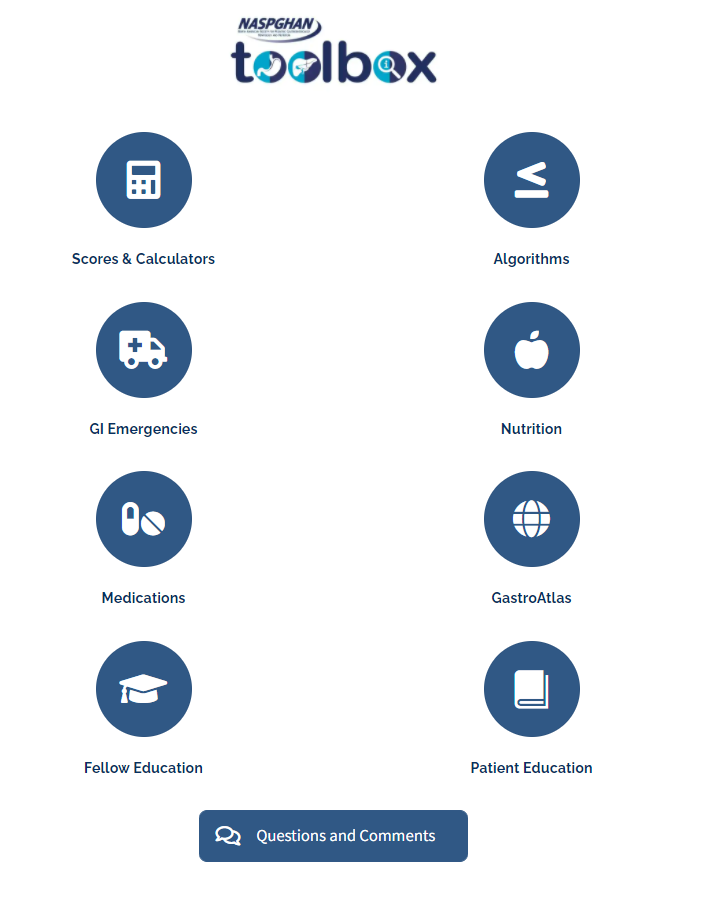
The NASPGHAN Fellows committee, working in close partnership with the NASPGHAN Technology and Training committees, has developed an App named, “The NASPGHAN Toolbox”.

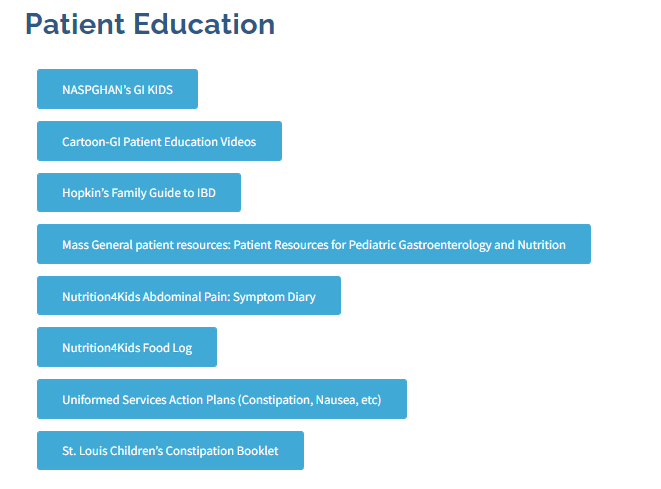
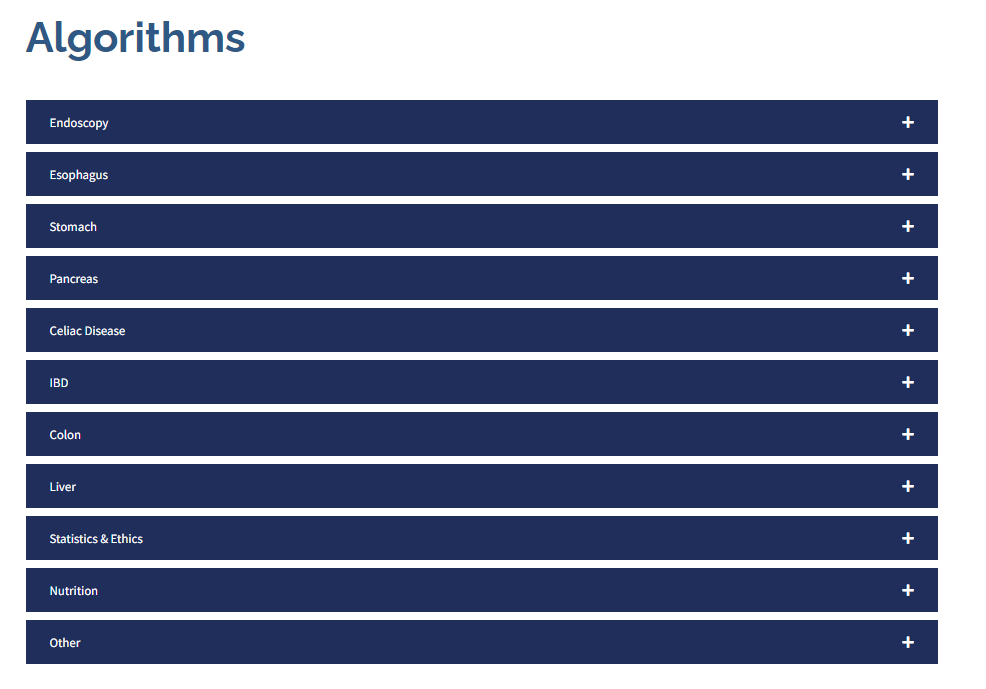
The App is equipped with ready access to: clinical calculators, guidelines and algorithms, medication guides, patient education resources, and more. You can access the Toolbox via its URL (https://toolbox.naspghan.org/) on your phone or computer.

The NASPGHAN team hopes this will enhance your day-to-day patient care of children with gastrointestinal disorders.

Some highlights:

Some screenshots:

Genetic Basis of Eosinophilic Esophagitis

Cincinnati Children’s Research Horizons: Two Genes Associated with Familial EoE

Researchers (first author Tetsuo Shodaand senior author Marc Rothenberg) at “Cincinnati Children’s have identified two rare gene variants associated with inherited forms of eosinophilic esophagitis (EoE) that may also play roles as acquired mutations among the larger population of people with non-familial EoE.”  

Citation of article: Shoda, T., Kaufman, K.M., Wen, T. et al. Desmoplakin and periplakin genetically and functionally contribute to eosinophilic esophagitis. Nat Commun 12, 6795 (2021). https://doi.org/10.1038/s41467-021-26939-9

The findings regarding the genes desmoplakin (DSP) and periplakin (PPL) were published Nov. 23, 2021 in Nature Communications (Link to article: Desmoplakin and periplakin genetically and functionally contribute to eosinophilic esophagitis). “The proteins generated by these genes are found in the epithelial layer of the esophagus amid structures called desmosomes that help bind cells together. These variants of DSP and PPL appear to weaken the epithelial barrier, making the tissue more prone to damage from inflammation-causing eosinophils.”

Methods: Using whole-genome sequencing, the researchers discovered the variants among five members of a family that had multiple generations of members with EoE.  The team tested another 61 families with familial EoE and found 13 having either the DSP or PPL variants.

Key Findings:

  • The authors “estimate that these gene variants account for about 21% of patients with familial EoE”
  • “A series of functional analyses using an organotypic-like ALI culture system demonstrated that modulating wild-type DSP and PPL expression in vitro was functionally sufficient to induce changes in epithelial integrity (e.g., acantholysis) and barrier impairment, processes that are dysregulated in EoE”
  • DSP and PPL loss occurs in non-familial EoE, substantiating that the pathway identified initially by rare familial EoE cases is broadly applicable to familial and non-familial EoE”

My take:

  1. This article provides data showing that genetic alterations affecting the epithelial barrier are important in the pathophysiology of EoE.
  2. Often EoE is compared to eczema. This finding of altered epithelial barrier is analogous to eczema where many cases are due to a mutation in a protein called filaggrin, which is important in reducing the gap between skin cells (related blog: Eczema Rarely Linked to Food Allergy).

Related blog posts:

Ongoing Hepatitis B Susceptibility in U.S. Adults

H Roberts et al. Hepatology 2021; 74: 2353-2365. Prevalence of HBV Infection, Vaccine-Induced Immunity, and Susceptibility Among At-Risk Populations: US Households, 2013-2018

This article provides some useful trends in Hepatitis B virus (HBV) epidemiology based on NHANES surveys (National Health and Nutrition Examination Survey).  Persons who tested negative for anti-HBc, HBsAg, and anti-HBs were considered susceptible to HBV infection.

Key Findings:

  • The estimated prevalence of persons living with chronic hepatitis B in the USA has remained unchanged at 0.3% since 1999. During 2013-2018, this accounted for 880,000 US residents who were living with chronic HBV infection. It is noted that only a minority of the 11.7 million residents with a history of HBV develop chronic HBV
  • The non-US-born population accounted for 69% (610,000) of persons living with chronic HBV and 70% of this group were Asian. Non-US born population had a 9-fold risk of chronic HBV compared to US-born persons
  • Among adults aged ≥ 25 years who resided in US households, an estimated 155.8 million persons (or 73.4%) were susceptible to HBV infection. Susceptibility was lower in the 25-49 age group (64.8%) compared to the 50 years and older group (81.6%)
  • Despite vaccine recommendations, at risk groups including those using illicit drugs, hx/o MSM, and HCV exposure continue to have high susceptibility; fewer than 25% of adults “deemed to be at high risk for contracting HBV infection had vaccine-induced immunity
  • Overall, vaccine-induced immunity increased to 21.4% (2013-2018) compared to previously 17.9% (2007-2012) in those 25 years and older
  • Limitations: lack of detectable anti-HBs is likely to overestimate susceptibility in those who have previously been vaccinated, participation in NHANES by non-US born persons may have been unequal, and determining timing of HBV acquisition by non-US born persons was not feasible in this study

My take: Lots of adults have chronic HBV and lots more are susceptible. How to identify and encourage adults to avoid vaccine-preventable illnesses is NOT getting easier.

Related blog posts:

From NPR 12/5/21

Frequency of Strictures in Pediatric Eosinophilic Esophagitis

D Burnett et al. JPGN Reports 2021; Free Access: Incidence of Pediatric Eosinophilic Esophagitis and Characterization of the Stricturing Phenotype in Alberta, Canada doi: 10.1097/PG9.0000000000000136

This retrospective study (2015-2018) identified 185 new cases of eosinophilic esophagitis (EoE).

Key findings:

  • Eight of 185 (4%) patients had endoscopically confirmed esophageal strictures, 4 of which required mechanical dilation. (The authors note a Dutch study which demonstrated a 14% stricture rate)
  • Eleven of 185 (5.9%) patients had more subtle signs of esophageal narrowing, but no focal strictures
  • Pain was reported after 15% of all scopes, including 50% of the 28 scopes with focal strictures
  • For patients <15 years old living in Edmonton, the incidence over the 4 years was 11.1 cases per 100,000 person years
  • EoE was more common in urban setting: incidence 10.6 versus 4.1 per 100,000 person-years, respectively

My take: This article provides useful data on the likelihood of stricturing EoE in the pediatric population in an area with a high incidence of EoE.

Related blog posts:

Where Did the Blood Go? Case Report

M Tracy et al. JPGN Reports 2021; Free Access: Where Did the Blood Go?: A Meckel’s Diverticulum Bleed Without Hematochezia or Melena doi: 10.1097/PG9.0000000000000119

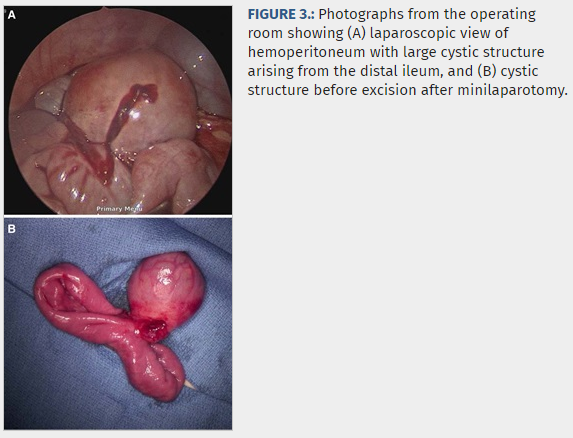
In this case report, a 2 yo with acute anemia along with acute on chronic abdominal pain was diagnosed with a Meckel’s diverticulum. After diagnostic studies, “a blood-filled mass arising from the ileum was identified and resected by the surgical team. Pathology was consistent with Meckel’s diverticulum with heterotopic gastric mucosa.”

My take: This is a rare presentation of a Meckel’s diverticulum. Besides bleeding, per the authors, “common presentations of Meckel’s diverticulum include diverticulitis/perforation (16%-20%), bowel obstruction (about 14%), and intussusception (12%).” 

Related blog post: NASPGHAN Postgraduate Course (2017): Strictures, GI Bleeding Pancreatic Fluid Collections