Timely Tweets & NY COVID-19 Study

From John Pohl Twitter Feed: Article about mortality/comorbidites from COVID-19 in NYC: Link: Presenting Characteristics, Comorbidities, and Outcomes Among 5700 Patients Hospitalized With COVID-19 in the New York City Area

Methods: Case series of patients with COVID-19 admitted to 12 hospitals in New York City, Long Island, and Westchester County, New York, within the Northwell Health system. The study included all sequentially hospitalized patients between March 1, 2020, and April 4, 2020, inclusive of these dates.

Key findings:

  • The authors report a 88% fatality rate among patients requiring mechanical ventilation, including >97% among those >65 years of age
  • Comorbidities were present in 94% of the 5700 patients.  Most common comorbities included  hypertension (57%), obesity (42%), and diabetes (34%). Asthma was present in 9%.
  • Among patients who were discharged or died (n = 2634), 14.2% were treated in the intensive care unit, 12.2% received invasive mechanical ventilation, 3.2% were treated with kidney replacement therapy, and 21% died.


From Emily Perito:

From The Onion


Impedance May Help in Borderline Reflux Disease Assessment

A recent retrospective study (A Rengarajan et al. Clin Gastroenterol Hepatol 2020; 18: 589-95), with a cohort of 371 patients (mean age 54 years) shows how impedance testing may help identify patients who are likely to respond to reflux management when pH probe testing is equivocal.  The cohort included adults with persistent reflux symptoms.  Response to antireflux therapy was defined as >50% improvement in esophageal symptoms.

Key points:

  • 107 (28.8%) had pathologic acid exposure time (AET) (pH<4 for >6%)
  • 234 (63.1%) had abnormal mean nocturnal baseline impedance (MNBI) (<2292 ohms). MNBI was calculated using baseline values at 10-minute periods between 1-3 am from the 5 cm channel to correspond to total distal AET.
  • Figure 1, shows the combined use of AET and MNBI.  Only 106/107 patients with AET>6, had an abnormal MNBI.  In the borderline category of AET 4-6%, 62/68 (91.2%) had abnormal MNBI values. In those with AET <4, MNBI was abnormal in 66/196 (33.7%)

Response to Treatment:

  • Among patients with AET >6, 66/89 (74%) responded to medical therapy and 18/23 (78%) responded to surgical therapy; among patients with AET 4-6%, 37/56 (66%) responded to medical therapy and 14/17 (82%) responded to surgical therapy. In those with AET <4, 39/185 (21%) responded to medical therapy and 16/23 (70%) responded to surgical therapy
  • Among patients with a low MNBI, 119/198 (60%) responded to medical therapy and 41/50 (82%) to surgical therapy.  In those with a normal MNBI, 23/132 (17%) responded to medical therapy and 7/13 (54%) responded to surgical treatment
  • In those with AET >6, 84/111 (76%) responded to treatment. For those with AET 4-6%, of those with low MNBI, 49/67 (73%), responded (similar to those with AET >6%).  In those with low MNBI and AET <4, 27/70 (39%) responded to treatment
  • 28/138 (20.2%) with normal AET <4 and with normal MNBI responded to treatment

My take: The big takeaway is that all of our tests for pathologic reflux are highly flawed; impedance may (to a small degree) help stratify patients with equivocal evaluation based on AET.  Normal tests do not exclude response treatment (especially surgery).

Related blog posts:

Island Ford, Sandy Springs


Two Studies: 1. COVID-19 Transmissibility 2.Fecal Microbiota Transplantation in 372 Children

A study in Nature suggests that more than 40% of SARS-CoV-2 infections (COVID-19 viral infections) are spread in the presymptomatic stage: Temporal dynamics in viral shedding andtransmissibility of COVID-19 (Thanks to Steven Liu for this reference).

An excerpt:
We report temporal patterns of viral shedding in 94 patients with laboratory-confirmed COVID-19 and modeled COVID-19 infectiousness profiles from a separate sample of 77 infector–infectee transmission pairs. We observed the highest viral load in throat swabs at the time of symptom onset, and inferred that infectiousness peaked on or before symptom onset. We estimated that 44% (95% confidence interval, 25–69%) of secondary cases were infected during the index cases’ presymptomatic stage, in settings with substantial household clustering, active case finding and quarantine outside the home. Disease control measures should be adjusted to account for probable substantial presymptomatic transmission.

——————————-

A recent retrospective multi-center study (MR Nicholson et al. Clin Gastroenterol Hepatol 2020; 18: 612-9) provides data on fecal microbiota transplantation (FMT) for Clostridium difficile infection (CDI). Congratulations to one of my partners, Jeffery Lewis, who is one of the coauthors. This paper’s abstract is noted in a separate blog: Large Study Show FMT Efficacy/Safety in Children.

Though this is a pediatric study, the authors included patients up to 23 years.  335 of the patients had followup for at least 2 months following FMT.

Key findings:

  • 81% of patients had a successful outcome after a single FMT and 86.6% after single or repeated FMT
  • Higher success rates were associated with fresh donor stool (OR 2.66), FMT via colonoscopy (OR 2.41), and with not having a feeding tube (OR 2.08)
  • Though not reaching statistical significance, patients with inflammatory bowel disease had a high failure rate of 23% (26/111).  Short bowel syndrome patients had a 50% failure rate (5/10), solid organ transplant recipients had a 56% failure rate (5/9), and patients with feeding tubes had a 32% failure rate (21/65).
  • Seventeen patients (4.7%) had a severe adverse event during the 3-month follow-up period, including 10 hospitalizations; however, the majority were unrelated to FMT. Specific adverse reactions that were related or may have been included aspiration pneumonia on day of procedure (n=1), IBD flare/colectomy (n=5), and vomiting/dehydration (n=1)
  • Common adverse reactions included diarrhea, abdominal pain, and bloating. (These symptoms have been reported in up to 70% of adults following FMT.)

The authors note that a prior systematic review had indicated that delivery of FMT via colonoscopy was more successful in adults (95% vs 88%), though there are some additional risks with colonoscopy.

It is worth considering that the failure rate in some patients could be due to misdiagnosis, particularly in certain populations like patients with IBD and or organ transplant recipients.  In these populations, PCR assays may result in false-positive diagnosis and should be confirmed with an ELISA assay.   While eradication of CDI with FMT improves clinical symptoms and reduces the use of antibiotics the true benefit and risks will not be known for a long time.  Does FMT increase or reduce the risk of downstream infections, autoimmune disease, and metabolic syndrome?

My take: Many of the concerns with FMT can only be adequately addressed with prospective studies (with strict definitions of CDI) and longer followup.

Related blog posts:

Island Ford, Sandy Springs

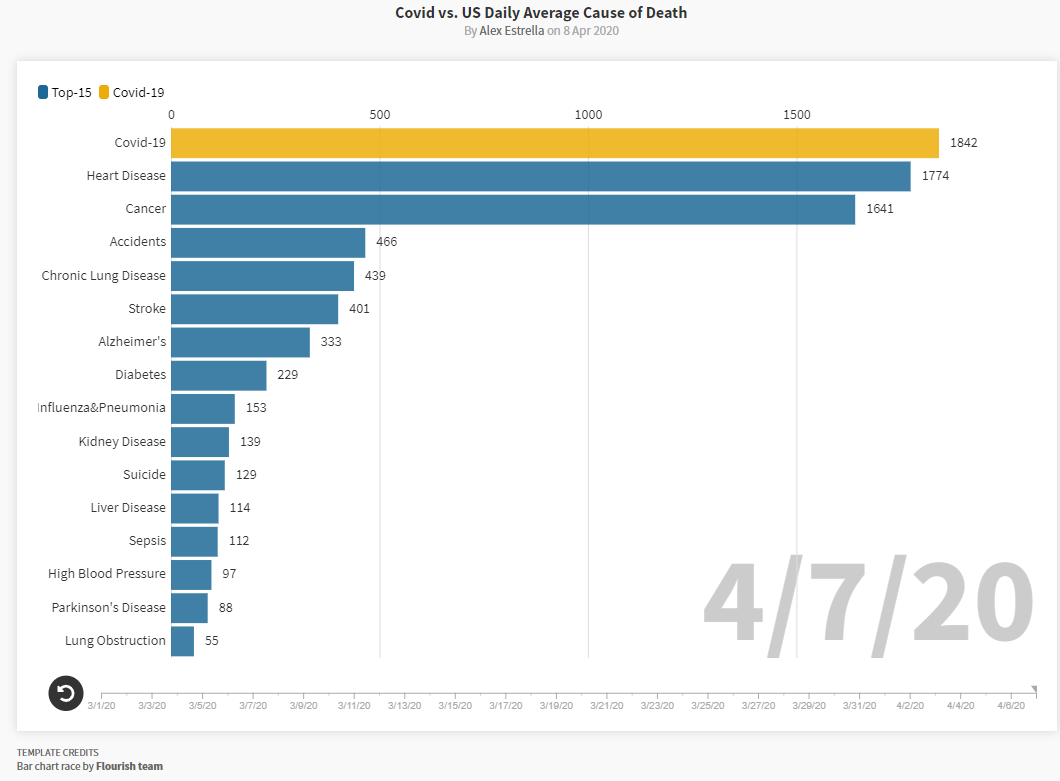
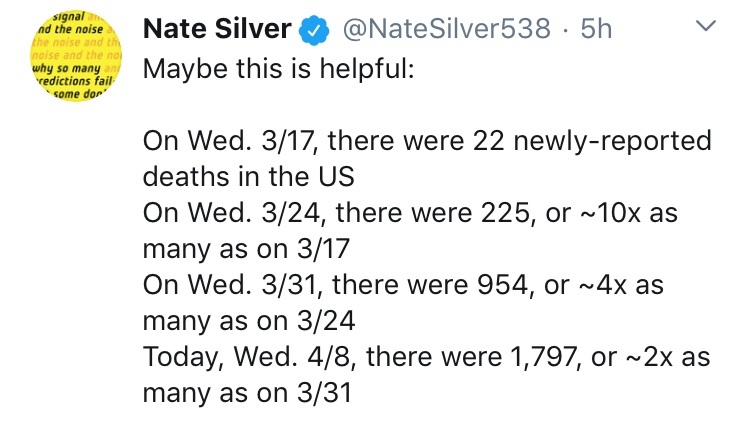
COVID-19 Daily Deaths & Asymptomatic Infections

Recent data show why experts were concerned about SARS-CoV-2 (COVID-19 Virus) several months ago, due to its potential for exponential spread. Even now many question whether this infection is more significant than influenza.

Link: COVID-19 Daily Deaths

Several screenshots:

NEJM Link: Universal Screening for SARS-CoV-2 in Women Admitted for Delivery

An excerpt:

Between March 22 and April 4, 2020, a total of 215 pregnant women delivered infants at the New York–Presbyterian Allen Hospital and Columbia University Irving Medical Center [NYC] …

Most of the patients who were positive for SARS-CoV-2 at delivery were asymptomatic, and more than one of eight asymptomatic patients who were admitted to the labor and delivery unit were positive for SARS-CoV-2. Although this prevalence has limited generalizability to geographic regions with lower rates of infection, it underscores the risk of Covid-19 among asymptomatic obstetrical patients. Moreover, the true prevalence of infection may be underreported because of false negative results of tests to detect SARS-CoV-2

My take: This study indicates that there are a lot of undetected cases of SARS-CoV-2.


Stony Brook Univeristy’s Innovations to manage COVID-19 Crisis -NEJM: Staying Ahead of the Wave

Some tips:

Related blog posts:


Using Spot Urine Sodiums

A recent study (AKN Pedersen et al. JPEN https://doi.org/10.1002/jpen.1593) shows the utility of obtaining urine spot sodiums in patients with an ileostomy. Thanks to Kipp Ellsworth for sharing this reference.

Full link: A Single Urine Sodium Measurement May Validly Estimate 24‐hour Urine Sodium Excretion in Patients With an Ileostomy

Background: Sodium deficiency in patients with an ileostomy is associated with chronic dehydration and may be difficult to detect. We aimed to investigate if the sodium concentration in a single spot urine sample may be used as a proxy for 24‐hour urine sodium excretion.

Design: In this prospective, observational study, we included 16 adult individuals: 8 stable patients with an ileostomy and 8 healthy volunteers with intact intestines

Key finding:

  • There was a high and statistically significant correlation between 24‐hour natriuresis and urine sodium concentrations in both morning spot samples (n = 8, Spearman’s rho [ρ] = 0.78, P = 0.03) and midday spot samples (n = 8, ρ = 0.82, P = 0.02) in the patients with an ileostomy.

My take: In patients with ileostomy (and also short bowel syndrome), periodic urine sodium values (from morning or mid-day) will help detect subclinical sodium depletion.

Related blog posts:


Atlanta Botanical Gardens

NEJM: Compassionate Use of Remdesivir

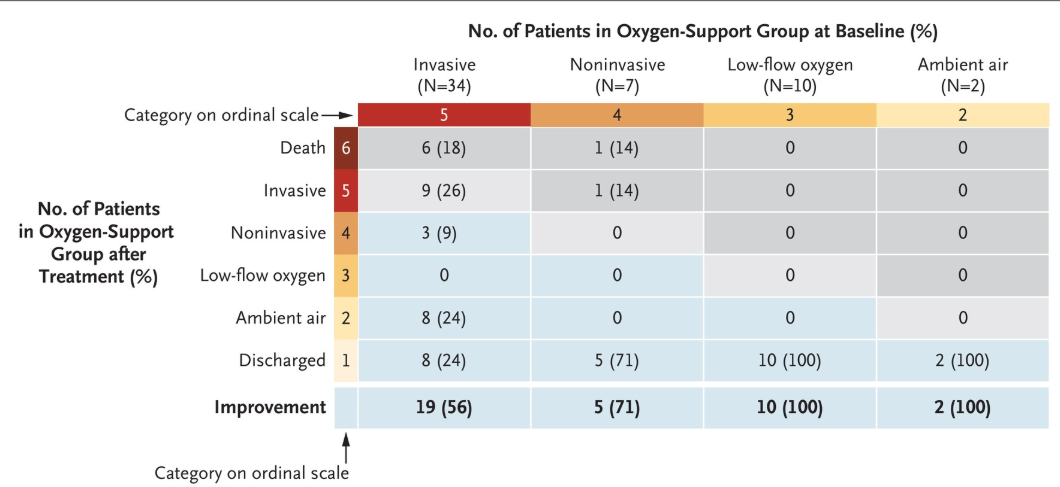
Full report, NEJM, J Grein et al. April 10, 2020, DOI: 10.1056/NEJMoa2007016: Compassionate Use of Remdesivir for Patients with Severe Covid-19

53 of 61 had adequate data for inclusion.  Indications of severe COVID-19: at baseline, 57% required mechanical ventilation and 4 (8%) were receiving ECMO.

With a median follow-up of 18 days, Key findings:

  • 36 patients (68%) had an improvement in oxygen-support class, including 17 of 30 patients (57%) receiving mechanical ventilation who were extubated.
  • 25 patients (47%) were discharged
  • 7 patients (13%) died; mortality was 18% (6 of 34) among patients receiving invasive ventilation and 5% (1 of 19) among those not receiving invasive ventilation.
  • By 28 days of follow-up, the cumulative incidence of clinical improvement, as defined by either a decrease of 2 points or more on the six-point ordinal scale or live discharge, was 84%

My take: Given the severity of the disease, this therapy looks promising. However, the authors note that “measurement of efficacy will require ongoing randomized, placebo-controlled trials of remdesivir therapy.”

For each oxygen-support category, percentages were calculated with the number of patients at baseline as the denominator. Improvement (blue cells), no change (beige) and worsening (gray) in oxygen-support status are shown. Invasive ventilation includes invasive mechanical ventilation, extracorporeal membrane oxygenation (ECMO), or both. Noninvasive ventilation includes nasal high-flow oxygen therapy, noninvasive positive pressure ventilation (NIPPV), or both.


What is Going On With Pouchitis? & No More Handshakes

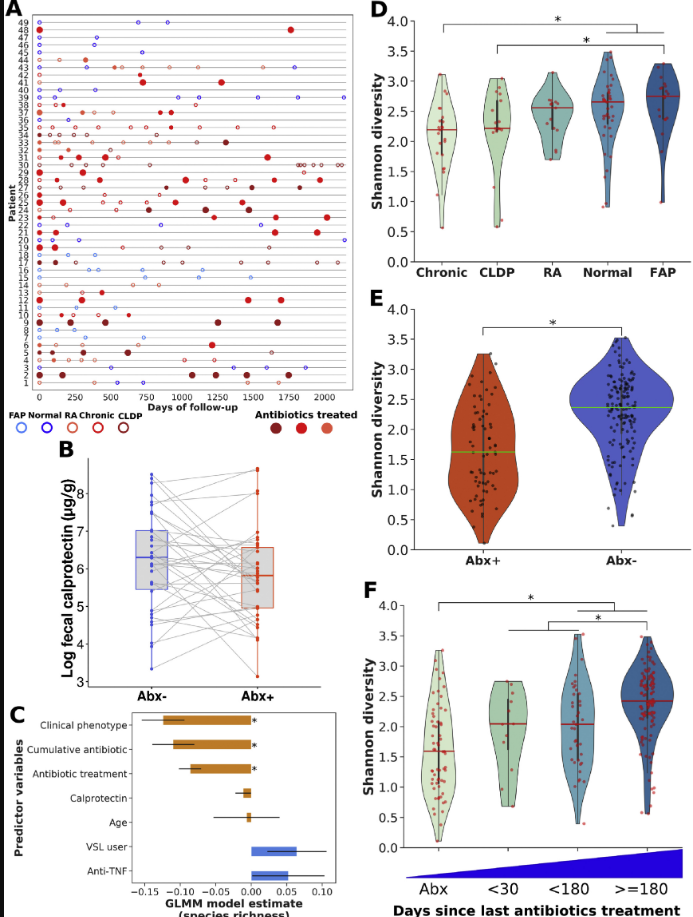
A prospective study (V Dubinsky et al. Gastroenterol 2020; 158: 610-24) followed 49 patients who had undergone pouch surgery for ulcerative colitis or for familial adenomatous polyposis (FAP).

The authors followed multiple parameters including calprotectin, metagenomes/bacterial diversity, antibiotic resistance testing, and virulence factors/toxins. 33 patients received antibiotics for a median of 425 days.  Most patients were treated with a combination of ciprofloxacin and metronidazole.

Full text link: Predominantly Antibiotic-resistant Intestinal Microbiome Persists in Patients With Pouchitis Who Respond to Antibiotic Therapy

Key findings:

  • Pouch phenotype: normal from UC (n=10), recurrent acute pouchitis (n=6), chronic pouchitis and Crohn’s-like disease of the pouch (n=27), and normal from FAP (n=6)
  • 79% of antibiotic-treated patients had a clinical response to each course of antibiotics
  • 89% of those who completed a 4-week course relapsed within 3 months
  • Median calprotectin values decreased by 40% in response to antibiotics
  • Antibiotic treatment reduced disease-associated bacteria including Clostridium perfringens, Ruminococcus gnavus, and Klebsiella pnneumoniae. However, F prausnitzii, a putative anti-inflammatory species, also decreased during antibiotic treatment
  • While antibiotic resistance was noted, these strains had a tendency toward lower potential for virulence and “did not induce secretion of inflammatory cytokines by epithelial cells”

Why do patients become antibiotic-dependent?

“We observed a drastic shift in microbiome composition on antibiotics cessation, characterized by blooms of nonintestinal bacteria, especially those originating from the oral cavity, as well as of opportunistic pathogens. Intestinal colonization by oral bacteria has been associated with UC and Crohn’s disease, and shown to trigger severe intestinal inflammation in germ-free mice…[this] drug-resistant microbiome may be fragile and unable to prevent colonization by exogenous bacteria that are ecologically fitter once antibiotics are discontinued.”

My take: This study provides insight into how antibiotics improve pouchitis; namely, they reduce disease-associated bacteria and promote an antibiotic-resistant microbiome with lower inflammatory potential.

Related blog posts:

Figure 1:

Link:  34 AAP Publications regarding COVID-19 and children

Gastric Electrical Stimulation For Refractory Vomiting, IBD Resources & MMWR COVID-19 Report

A recent yard sign from my wife for neighborhood walkers during the pandemic

P Ducrotte el al (Gastroenterol 2020; 158: 506-14, editorial 461-3) examined the use of an implanted gastric electrical stimulation (GES) in 172 patients in a randomized crossover trial (mean age 45 years).  GES device was implanted and left unactivated until patients were randomized in a double-blind manner to receive stimulation (for 4 months) or not.  Patients had vomiting that was either idiopathic, postsurgical or associated with diabetic gastroparesis (n=72).

Key findings:

  • A significant decrease in vomiting occurred with the device on based on a nonvalidated vomiting score.  During the ON period, vomiting was improved with score of 2.2 compared to vomiting score of 1.8 with device off.  30.6% of patients reported at least a 1 point improvement with device ON compared to device OFF.  However, 16.5% of patients reported improvement with device OFF compared to device ON.
  • Gastric emptying was not accelerated during treatment (device on) compared to no treatment
  • GES was NOT associated with increased quality of life
  • GES was not associated with improved nutritional parameters
  • Adverse effects included pain (n=26) or infection (n=16) at the insertion site of GES; 3 patients required GES removal.

My take (from editorial): “Taking into account the modest magnitude of therapeutic benefit, the cost of the treatment and the potential for adverse events with GES, it seems advisable to exhaust all (symptomatic) therapeutic options” beforehand.

Related blog posts:

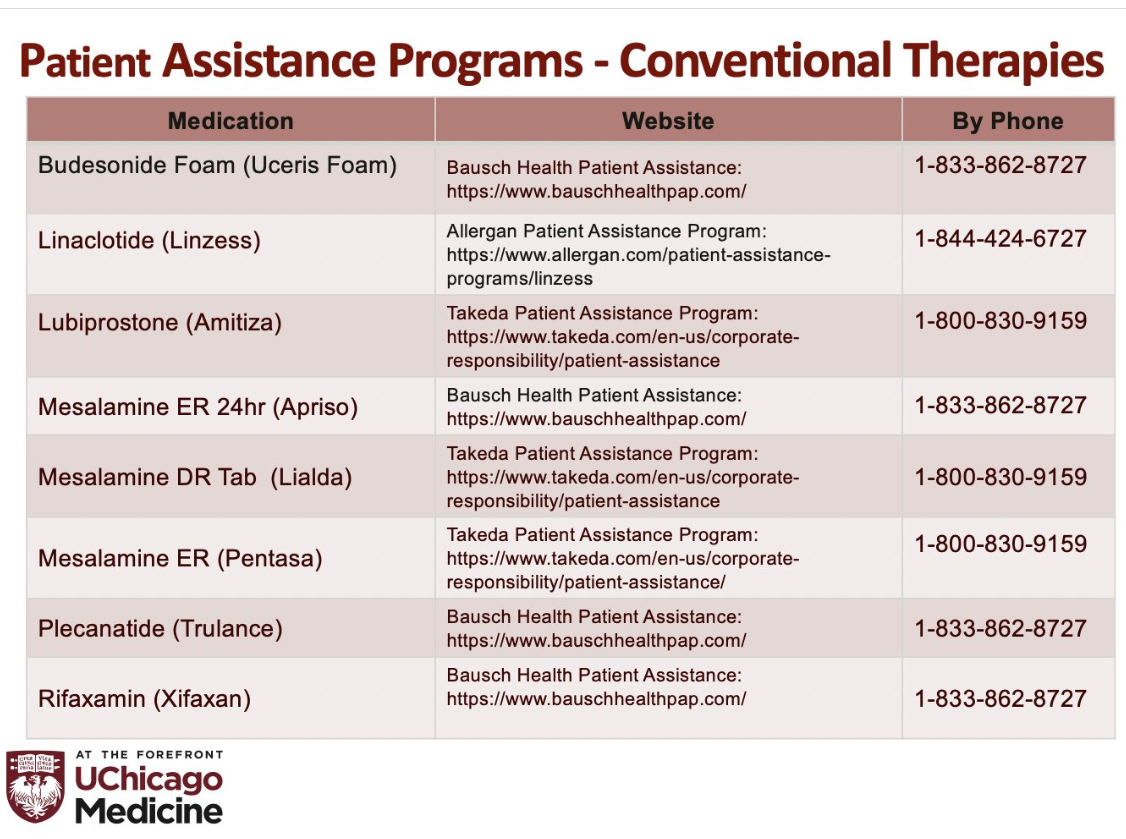
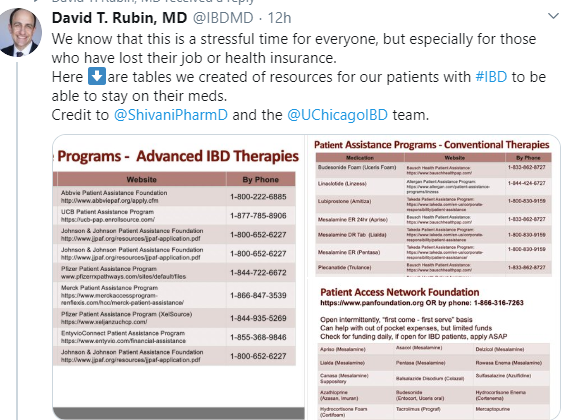
IBD Resources (from David Rubin, MD):

COVID-19 March 2020: MMWR Report (Link to report from Bryan Vartabedian 33mail)

  • March 1-28 2020, 84% of hospitalized U.S. patients had underlying diseases -he most common being obesity, hypertension, chronic lung disease, diabetes mellitus, and cardiovascular disease.
  • Hospitalization rates increased with age, with a rate of 0.3 (per 100,000) in persons aged 0–4 years, 0.1 in those aged 5–17 years, 2.5 in those aged 18–49 years, 7.4 in those aged 50–64 years, and 13.8 in those aged ≥65 years


Deconstructing PPI-Associated Risks with Nearly 8 Billion Data Points and More on COVID-19 GI Symptoms (Video)

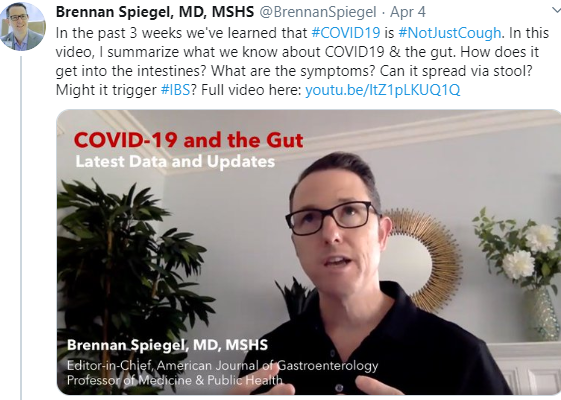
Link: 22 minute video —COVID-19 and the GI Tract -What We Know Right Now

———————

A recent study (C Ma et al. Gastroenterol 2020; 158: 780-82) used cross-sectional data from the National Ambulatory Medical Care Survey (NAMCS) (2006-2015) with a total 7,872,115,883 weighted observations.  They used this data to evaluate medication exposures and outcomes.

Key findings:

  • There was no association between PPI use and dementia, pneumonia, or intestinal infections.  There was a trend towards intestinal infections (AOR 1.48, CI 0.80-2.71) but this did not reach statistical significance. “Sensitivity analysis showed an association between PPI use and C difficile.”
  • There was an association with chronic kidney disease (CKD) (AOR 1.26); however, this was seen with a multitude of drug classes including statins, calcium channel blockers, and beta-blockers.

Discussion:

  • This study notes that a recent large randomized controlled trial found no statistically significant differences between those receiving PPIs and those receiving placebo except for intestinal infections.
  • With regard to CKD, “it is extremely unlikely that all of these medications increase the risk of CKD, and therefore, it is likely that these findings are due to residual confounding.”

My take: With the exception of C difficile/intestinal infections, this study provides further evidence of the safety of PPIs and a lack of association between these medications and purported PPI-related adverse events.  That said, it is still a good idea to limit use for appropriate indications.

Related blog posts:


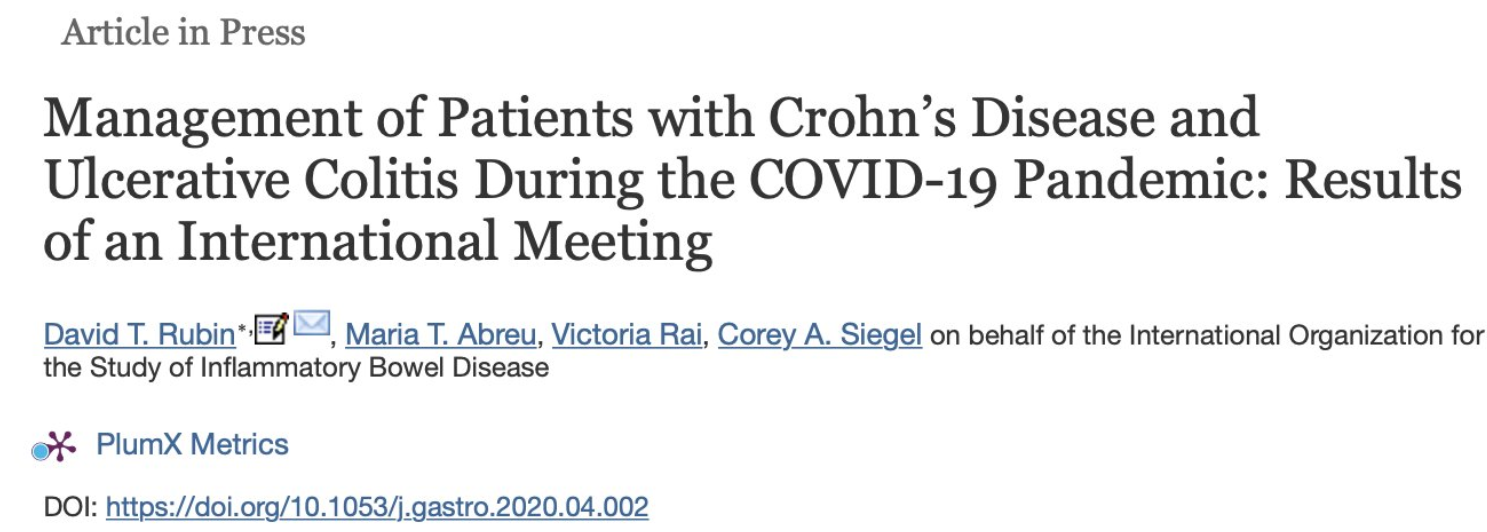
Also, IOIBD recommendations for IBD patients and COVID-19 have been published.

Here is link as well:

IOIBD (International Organization for the Study of Inflammatory Bowel Disease) Recommendations (#76) for IBD Patients with Regard to COVID-19:

Full link: IOIBD Update on COVID19 for Patients with Crohn’s Disease and Ulcerative Colitis (3/26/20)


NY Times: How Will We Know When to Reopen the Country? & Timely Tweets

A good read from Aaron Carroll/NY Times: How Will We Know When to Reopen the Country?

Here is an excerpt:

Everyone wants to know when we are going to be able to leave our homes and reopen the United States. That’s the wrong way to frame it.

The better question is: “How will we know when to reopen the country?”…

 A recent report by Scott Gottlieb, Caitlin Rivers, Mark B. McClellan, Lauren Silvis and Crystal Watson staked out some goal posts.

  • Hospitals in the state must be able to safely treat all patients requiring hospitalization, without resorting to crisis standards of care.
  • A state needs to be able to test at least everyone who has symptoms.
  • The state is able to conduct monitoring of confirmed cases and contacts.
  • There must be a sustained reduction in cases for at least 14 days…

These four criteria are a baseline…Until we get a vaccine or effective drug treatments, focusing on these major criteria, and directing efforts toward them, should help us determine how we are progressing locally, and how we might achieve each goal.

Related blog posts/links: