Vedolizumab and Infliximab: Expected Dosing When Switching From IV to SC Routes

Z Wang et al. Clin Gastroenterol Hepatol 2023; 3188-3190. Therapeutic Drug Monitoring Can Guide the Intravenous-to-Subcutaneous Switch of Infliximab and Vedolizumab: A Simulation Study

The authors performed population pharmacokinetic (popPK) simulations to determine optimal dosing recommendations.

Key points:

  • Infliximab: “The Q2W SC dosing regimen of infliximab has been selected with the purpose of exceeding a C,trough,ss of 5 mg/L.” This tends to align with 5 mg/kg Q8W IV dosing.
  • Infliximab: “Patients on Q6W or Q8W IV infliximab can safely switch to Q2W SC infliximab…only patients on Q4W IV infliximab need Q1W SC dosing”
  • Vedolizumab: “Only patients on Q4W IV vedolizumab should switch to Q1W SC dosing”
  • Both agents: “Switching 4 instead of 8 weeks after the last IV dose can hit SS[steady state] faster, thereby avoiding the risk of temporary underexposure.”

My take: It is still important to see how switching from IV to SC route affects clinical outcomes in real-world cohorts. This study, though, does provide a good starting point when trying to provide the right dose frequency to achieve good therapeutic troughs.

Related blog posts:

Japanese Maple tree

Disclaimer: This blog, gutsandgrowth, assumes no responsibility for any use or operation of any method, product, instruction, concept or idea contained in the material herein or for any injury or damage to persons or property (whether products liability, negligence or otherwise) resulting from such use or operation. These blog posts are for educational purposes only. Specific dosing of medications (along with potential adverse effects) should be confirmed by prescribing physician.  Because of rapid advances in the medical sciences, the gutsandgrowth blog cautions that independent verification should be made of diagnosis and drug dosages. The reader is solely responsible for the conduct of any suggested test or procedure.  This content is not a substitute for medical advice, diagnosis or treatment provided by a qualified healthcare provider. Always seek the advice of your physician or other qualified health provider with any questions you may have regarding a condition.
COMBO-IBD Study -Combination Immunomodulator Use and Thresholds

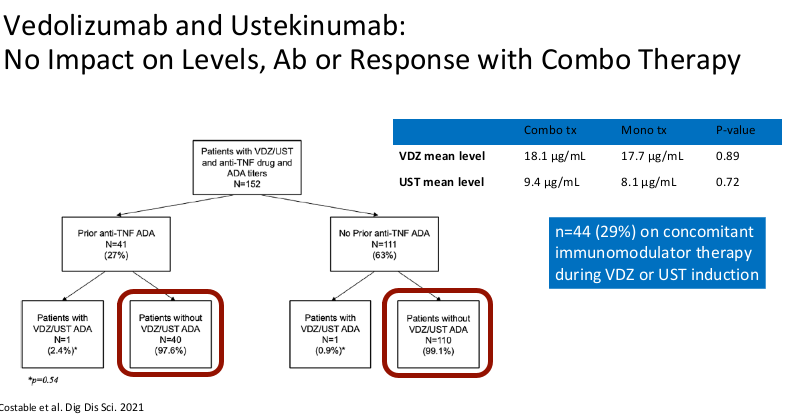
AJ Yarur et al. Clin Gastroenterol Hepatol 2023; 21: 2908-2917. Open Access! Combination Therapy With Immunomodulators Improves the Pharmacokinetics of Infliximab But Not Vedolizumab or Ustekinumab

In this prospective cohort with 369 patients, treatment included the following 113 infliximab, 133 vedolizumab, and 123 ustekinumab. All patients received standard dosing (eg. 5 mg/kg/dose every 8 weeks with infliximab). Per Table 1, dose of thiopurine was 100 mg (range 50-150, “using a 2:1 ratio of azathioprrine and mercaptopurine”); most patients received methotrexate at a dose of 12.5 mg. Key findings:

  • Infliximab levels were much improved in patients receiving combination therapy with either a thiopurine or methotrexate. In those patients receiving a thiopurine, a threshold of 6-TGN ≥146 was considered optimal.
  • Patients receiving combination therapy with methotrexate or a thiopurine and a 6-TGN concentration ≥146 pmol per 8 × 108 RBCs, and those with baseline infliximab level ≥12.3 μg/mL had a lower rate of secondary nonresponse when compared with those on monotherapy, thiopurine with 6-TGN <146 pmol per 8 × 108 RBCs, and baseline infliximab level <12.3 μg/mL (88.2 vs 11.8% [P = .04], 71.2 vs 45.5% [P = .04])
  • Ustekinumab and vedolizumab levels were NOT increased in patients receiving an immunomodulator

My take: This study reinforces the idea that there are pharmacokinetic benefits of combination therapy with infliximab (and extrapolated to other anti-TNF agents); there is a lack of benefit for most patients receiving ustekinumab and vedolizumab. Even with ustekinumab and vedolizumab, it is possible that patients with more severe disease may still benefit independent of pharmacokinetic effects on biologic agent.

Higher doses of infliximab monotherapy with therapeutic drug monitoring may achieve similar results as combination therapy. However, patients switching from one anti-TNF to another due to immunogenicity/antidrug antibodies are particularly likely to benefit from combination therapy. In addition, a recent ImproveCareNow study showed better outcomes for pediatric patients who received methotrexate with adalimumab (see below).

Related blog posts:

Disclaimer: This blog, gutsandgrowth, assumes no responsibility for any use or operation of any method, product, instruction, concept or idea contained in the material herein or for any injury or damage to persons or property (whether products liability, negligence or otherwise) resulting from such use or operation. These blog posts are for educational purposes only. Specific dosing of medications (along with potential adverse effects) should be confirmed by prescribing physician.  Because of rapid advances in the medical sciences, the gutsandgrowth blog cautions that independent verification should be made of diagnosis and drug dosages. The reader is solely responsible for the conduct of any suggested test or procedure.  This content is not a substitute for medical advice, diagnosis or treatment provided by a qualified healthcare provider. Always seek the advice of your physician or other qualified health provider with any questions you may have regarding a condition.

CCFA 2023 (Atlanta) Part 2

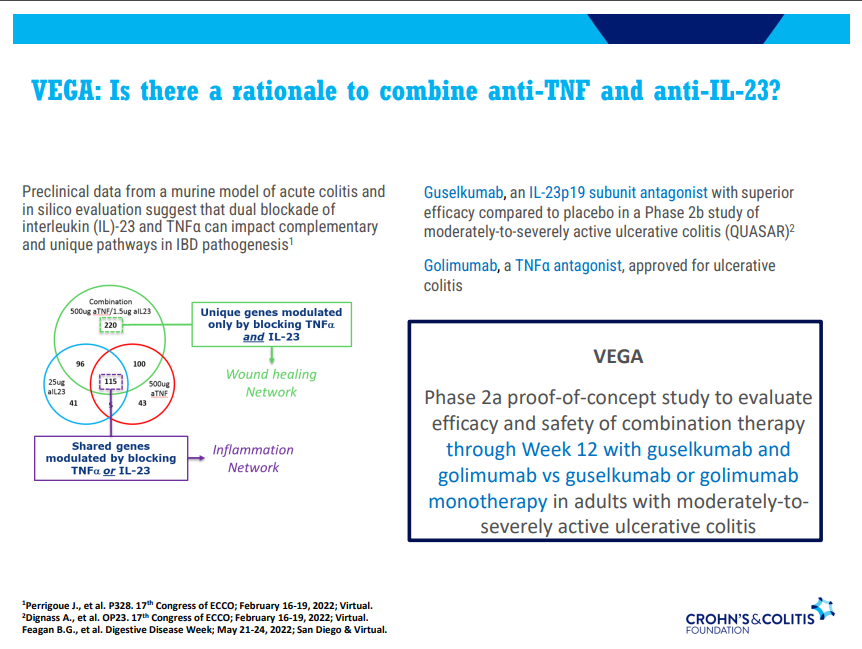
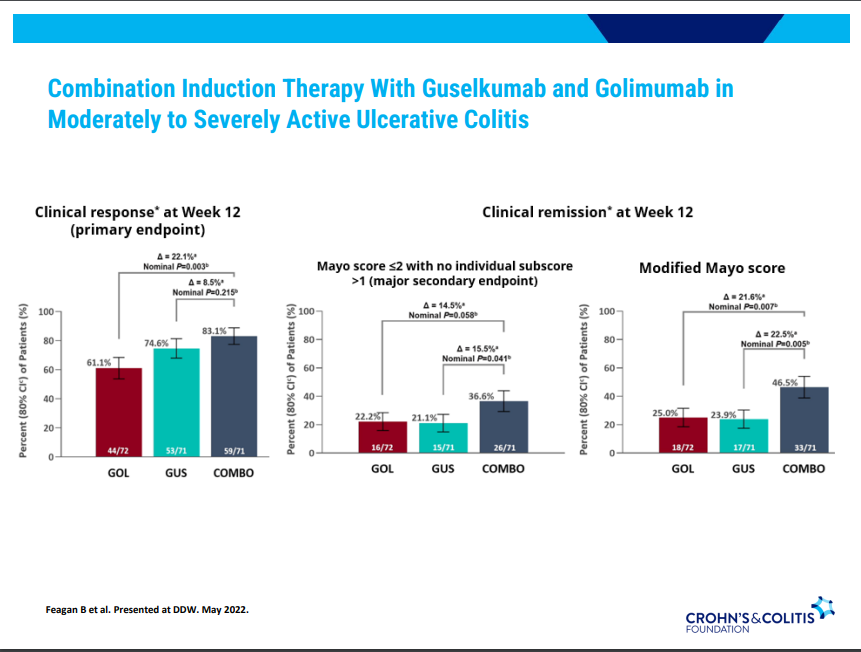
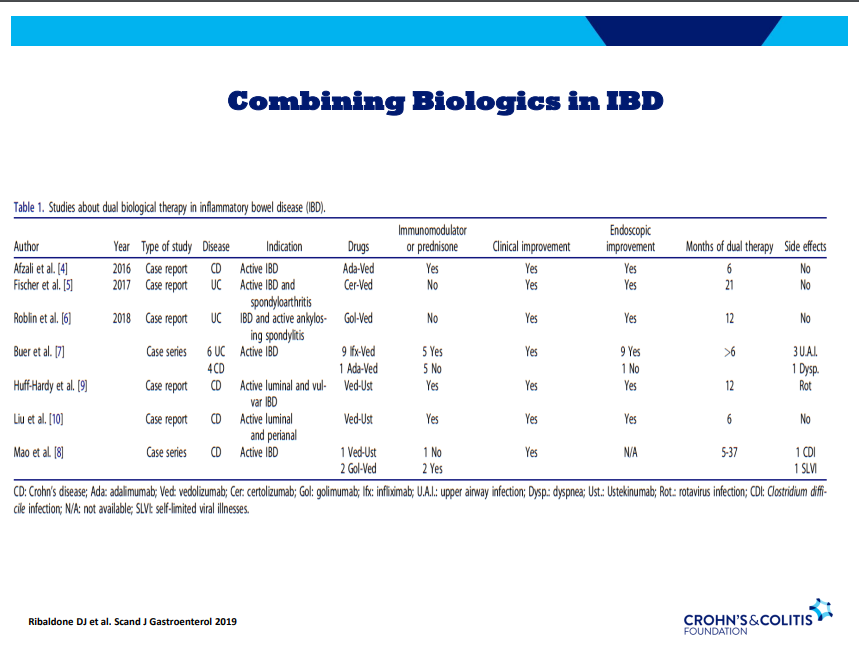
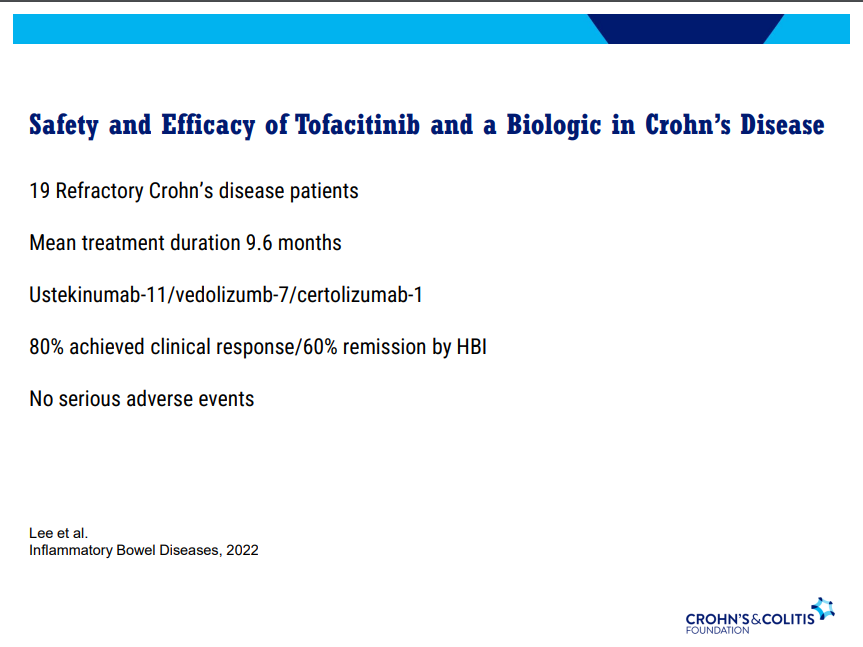
There were a bunch useful lectures at CCFA 2023 regional conference in Atlanta. Here are some of my notes and slides from Doug Wolf‘s lecture; my notes may have errors of omission or transcription. Can get access to full slide set (n=37) here: Dose Escalation of Biologic Therapy and Dual Biologic Therapy

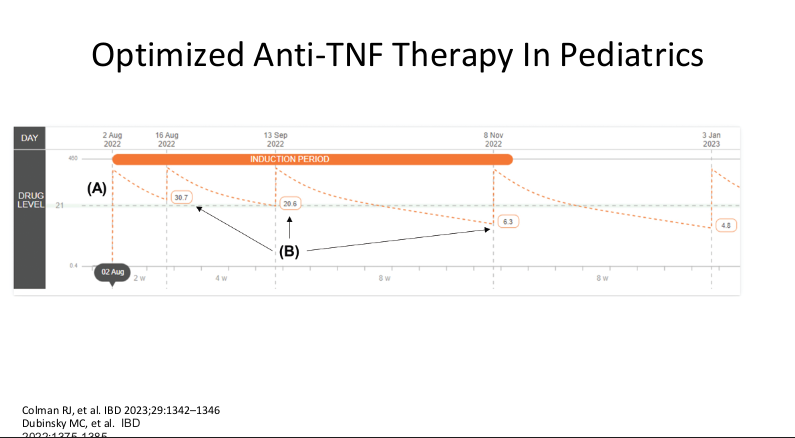
  • If loss of response to anti-TNF, consider dose escalation by either re-induction or increasing (doubling) dose. Re-induction is less costly
  • Dose escalation generally not effective for vedolizumab
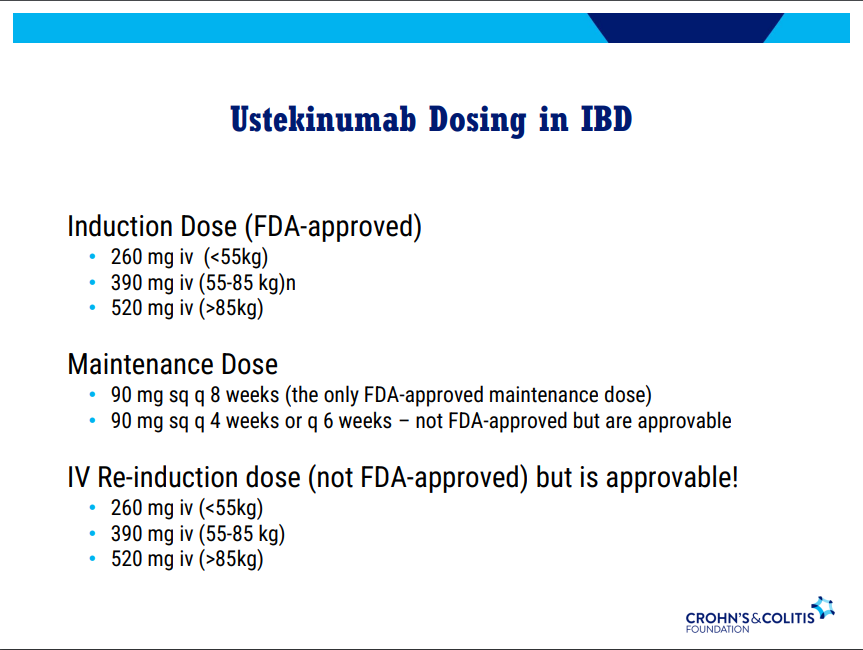
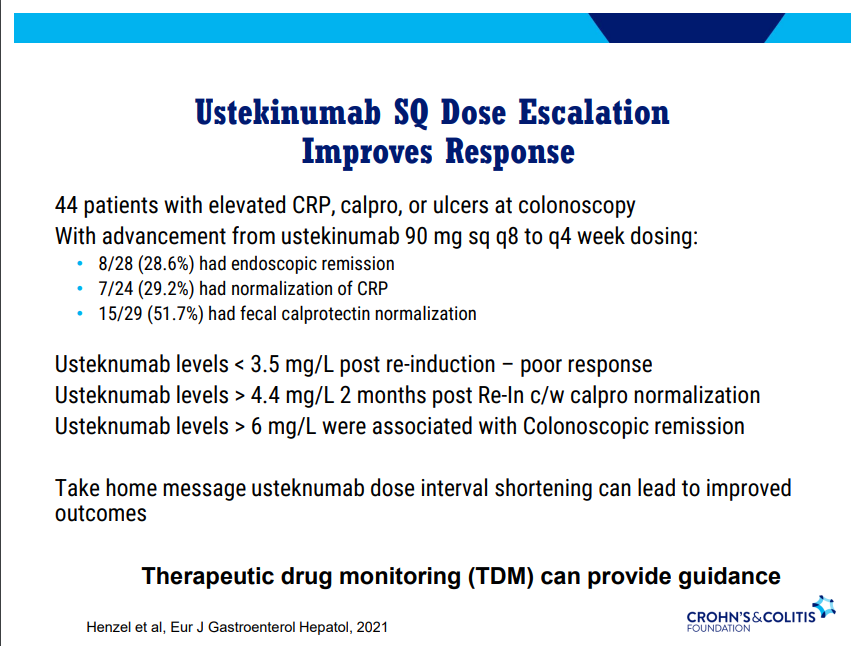
  • Dose escalation (increased frequency) with ustekinumab can be effective.  Therapeutic drug monitoring can provide guidance.  Re-induction can also be effective in half of patients (especially in patients with either no prior biologics or one prior biologic)
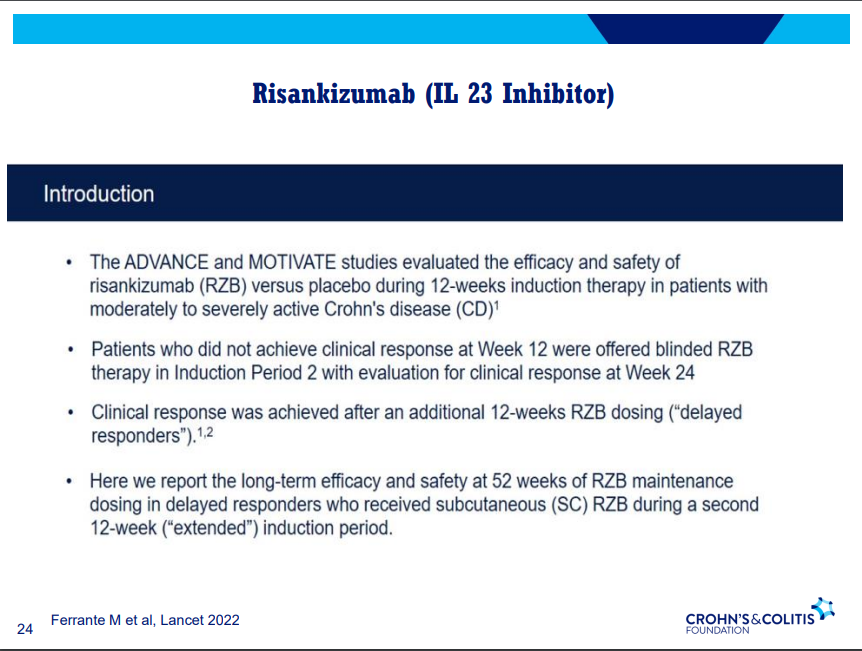
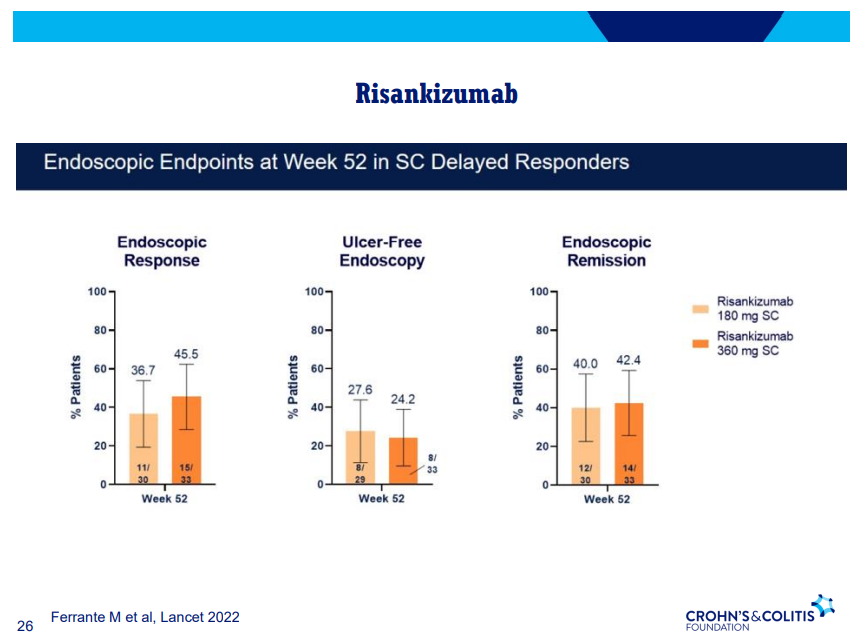
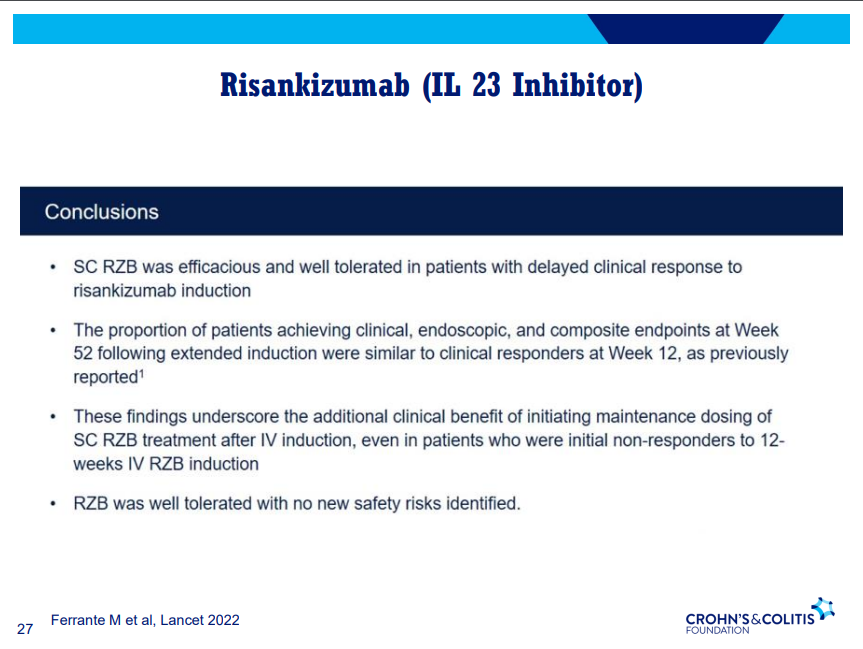
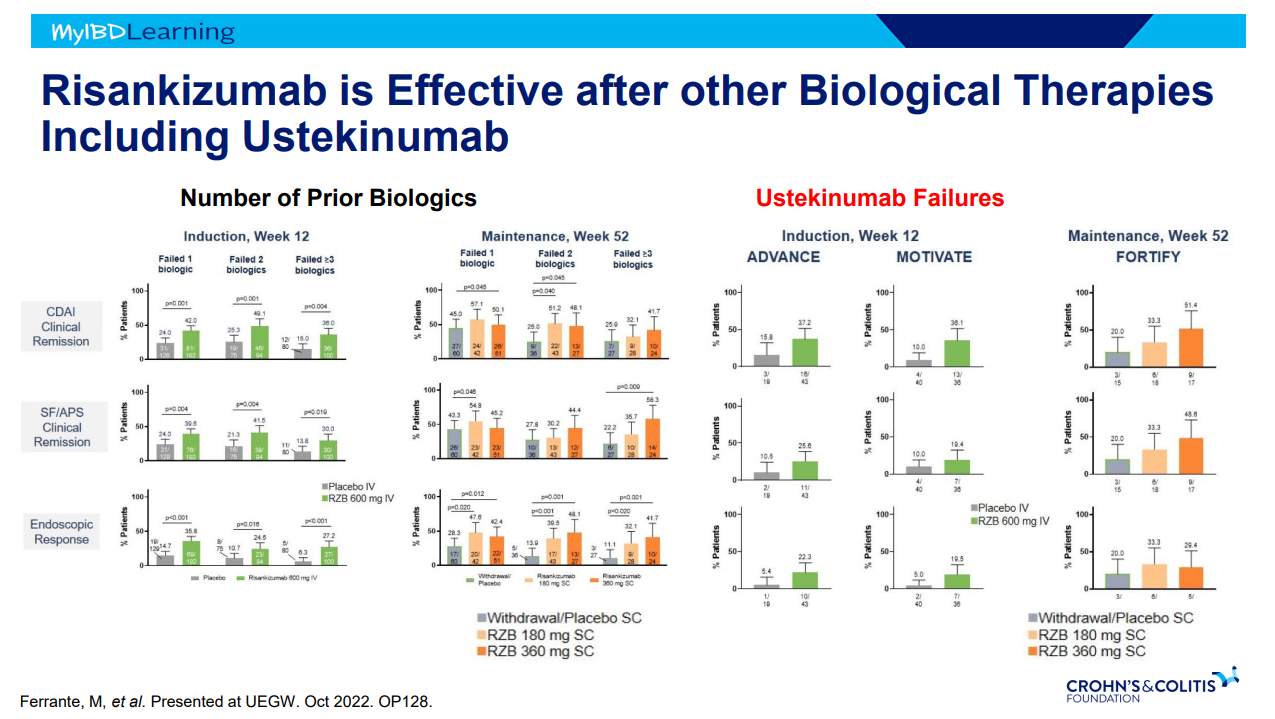
  • Risankizumab can still work in patients who had not responded by 12 weeks (delayed responders)
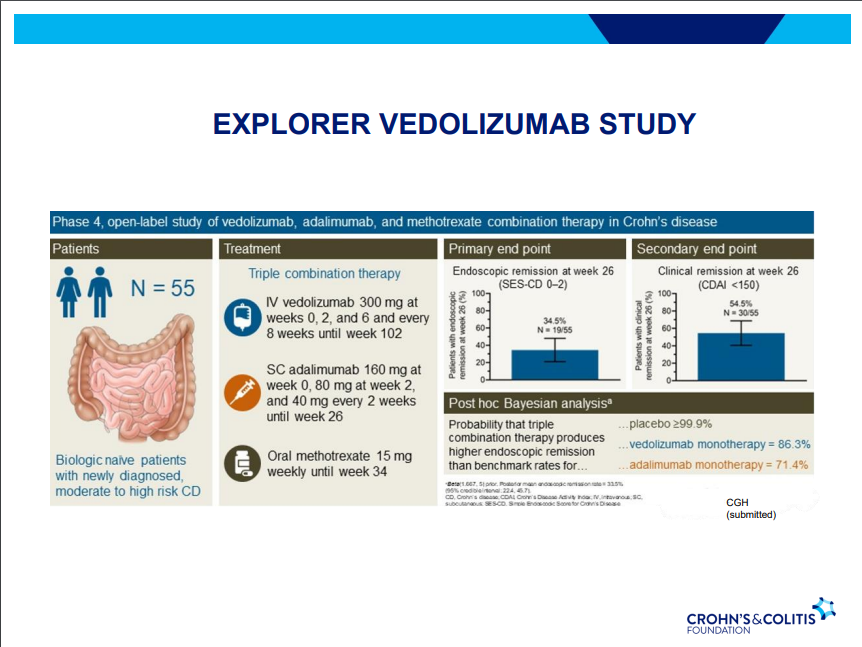
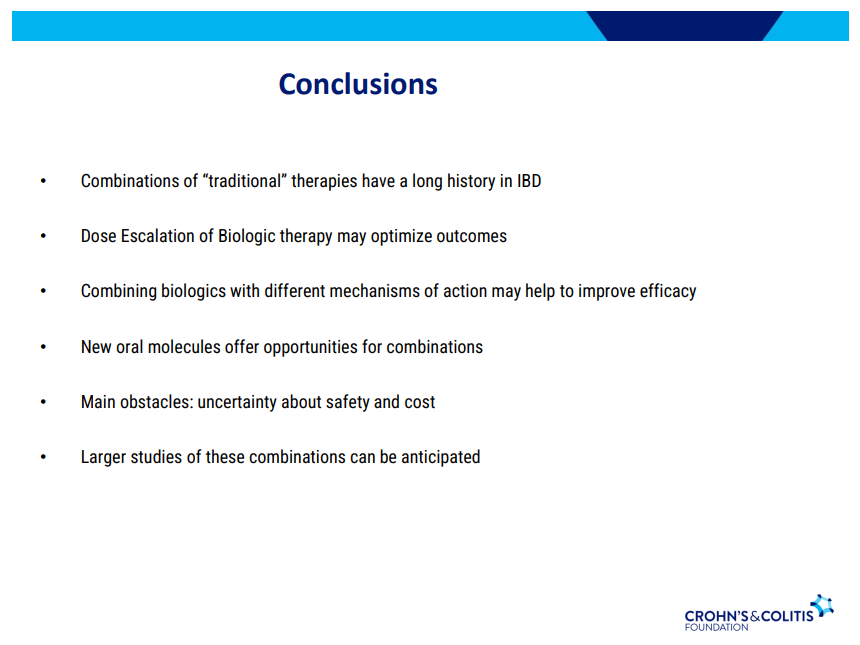
  • Discussed several combination treatments -no large studies thus far

CCFA 2023 (Atlanta) -Part 1

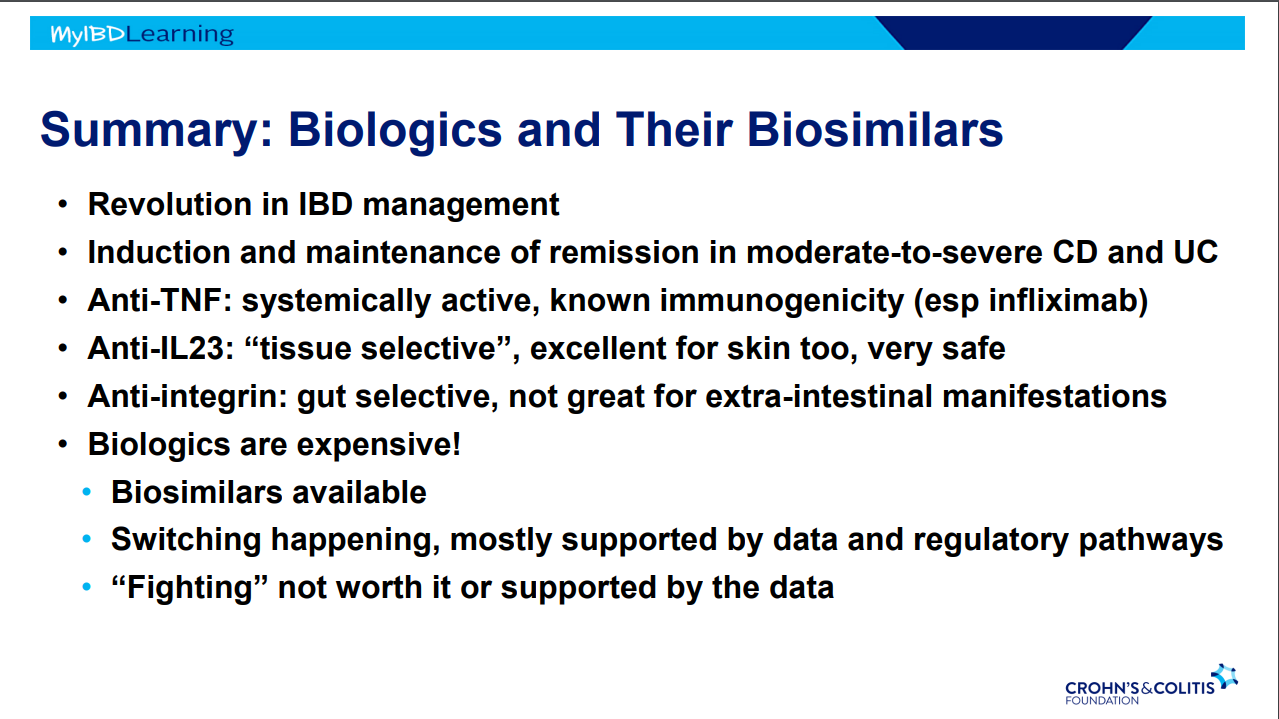
I recently attended a regional CCFA conference. David Rubin gave several terrific lectures. Here are some of my notes and some slides from this lecture. My notes may contain transcription errors as well as important omissions. Can get access to full set of slides here: Biologics and Their Biosimilars

Biologics and Their Biosimilars

What is a Biologic Therapy?

Dr. Rubin makes a point of explaining the term to patients.  It is a protein made in a living cell that targets another protein.  Term “biologic” can sound scary to patients.  Usually given IV because they cannot be absorbed through the small bowel.

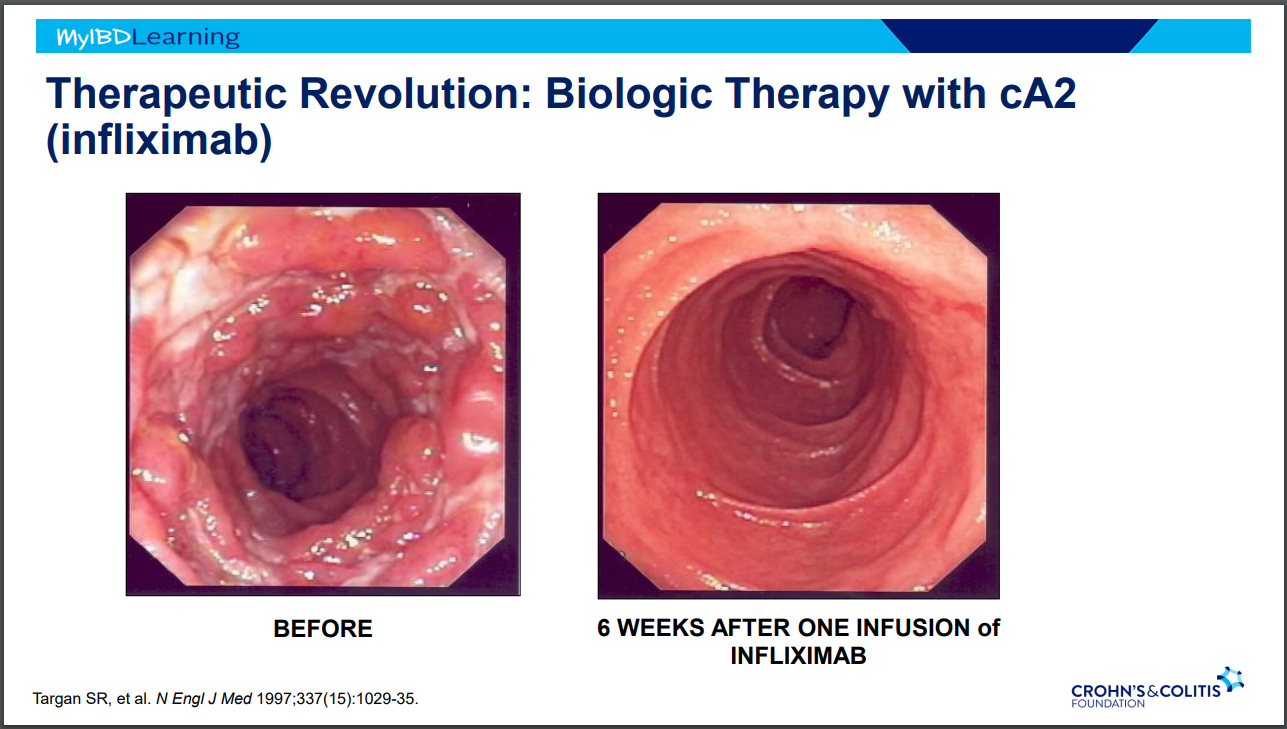
IBD Treatment Revolutions

  • Steroids -overnight changed mortality in IBD
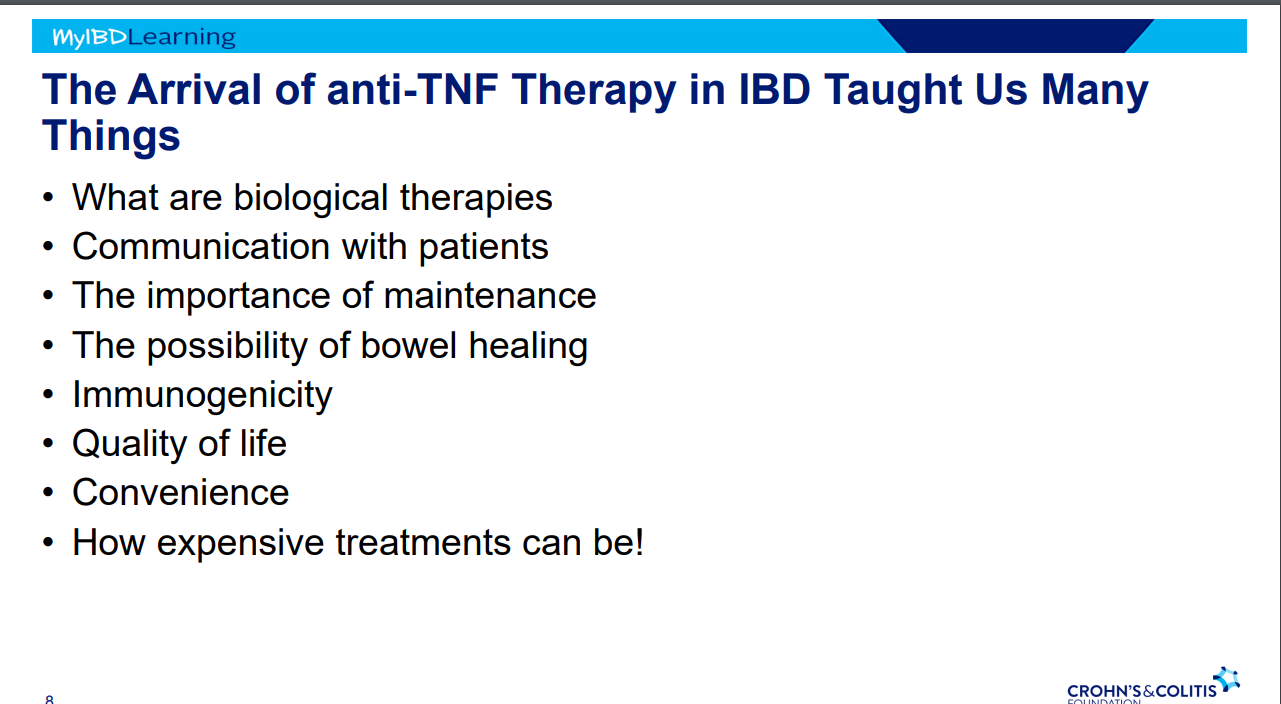
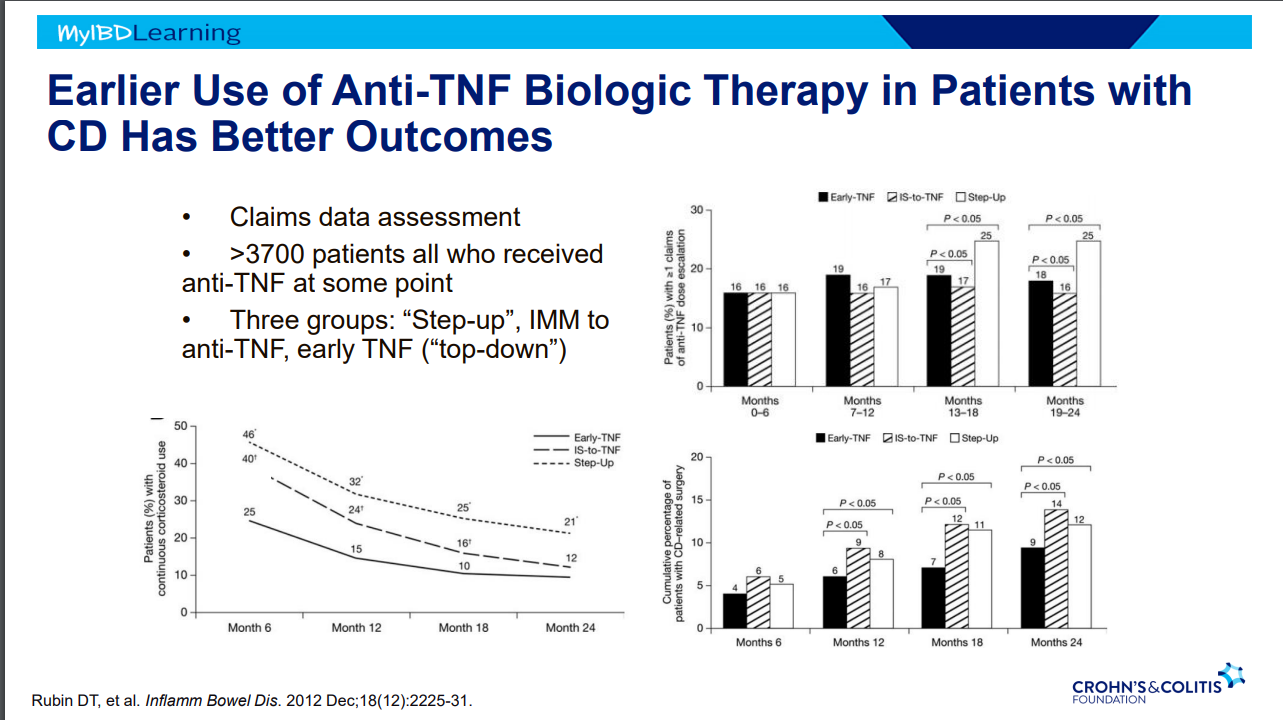
  • Anti-TNF Therapy in IBD -taught many lessons. Treat earlier –>better outcomes. 

Anti-TNF Therapy

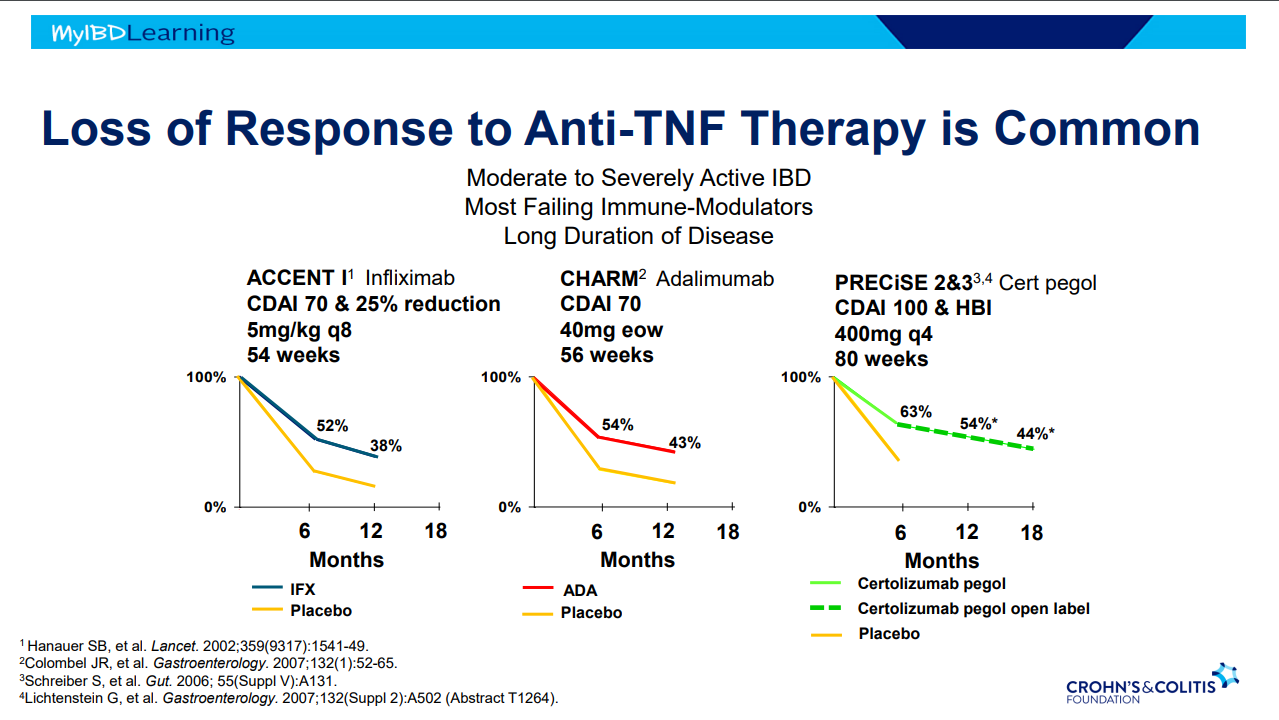
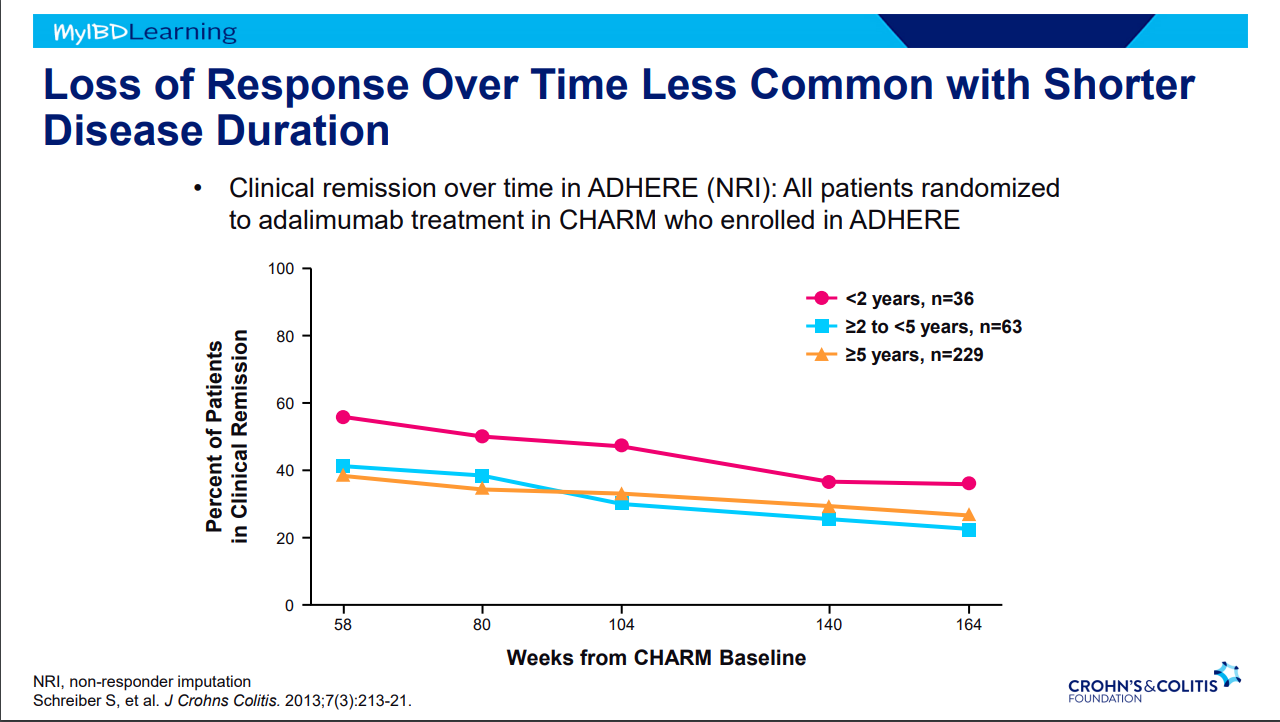
  • Frequent loss of response.
  • Earlier treatment with biologics result in better outcomes.
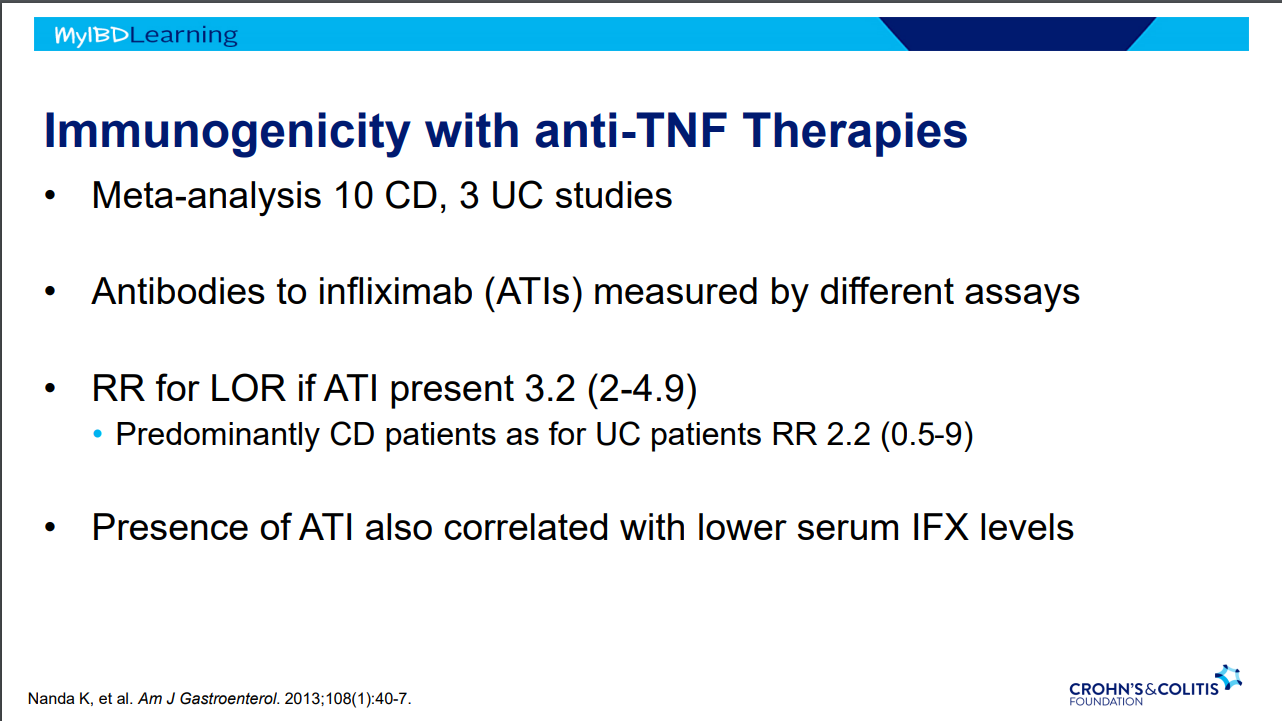
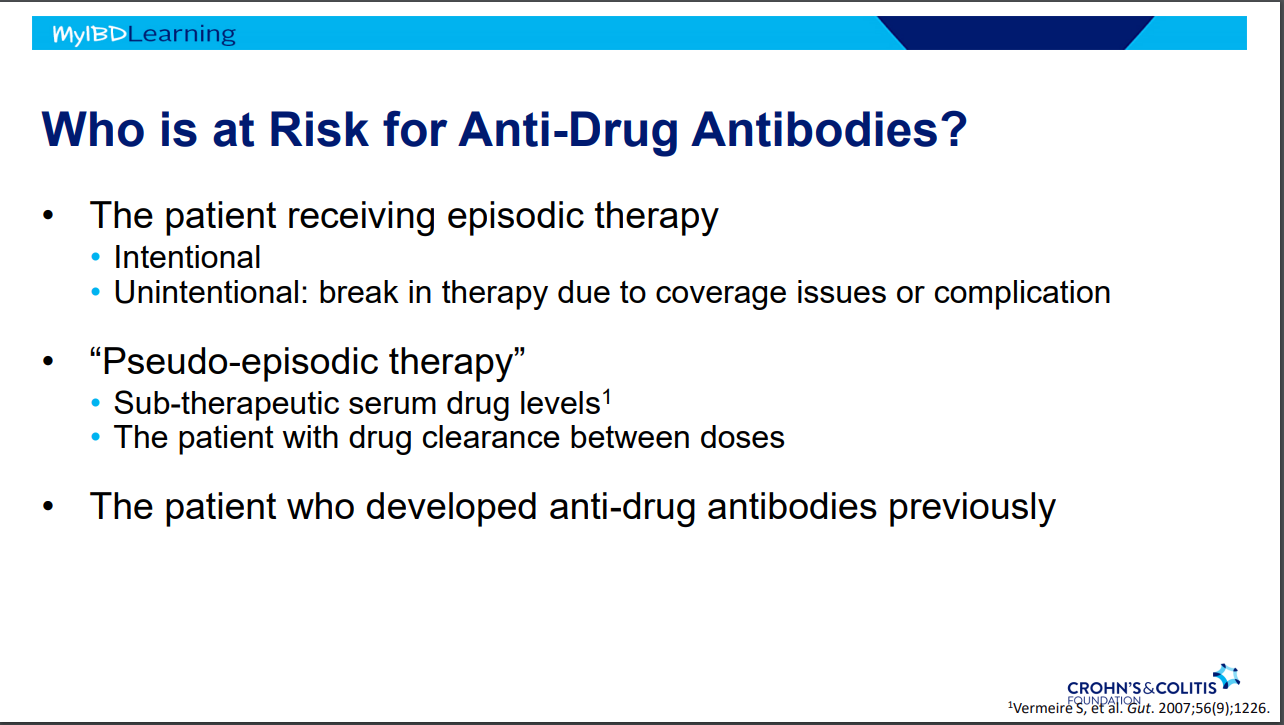
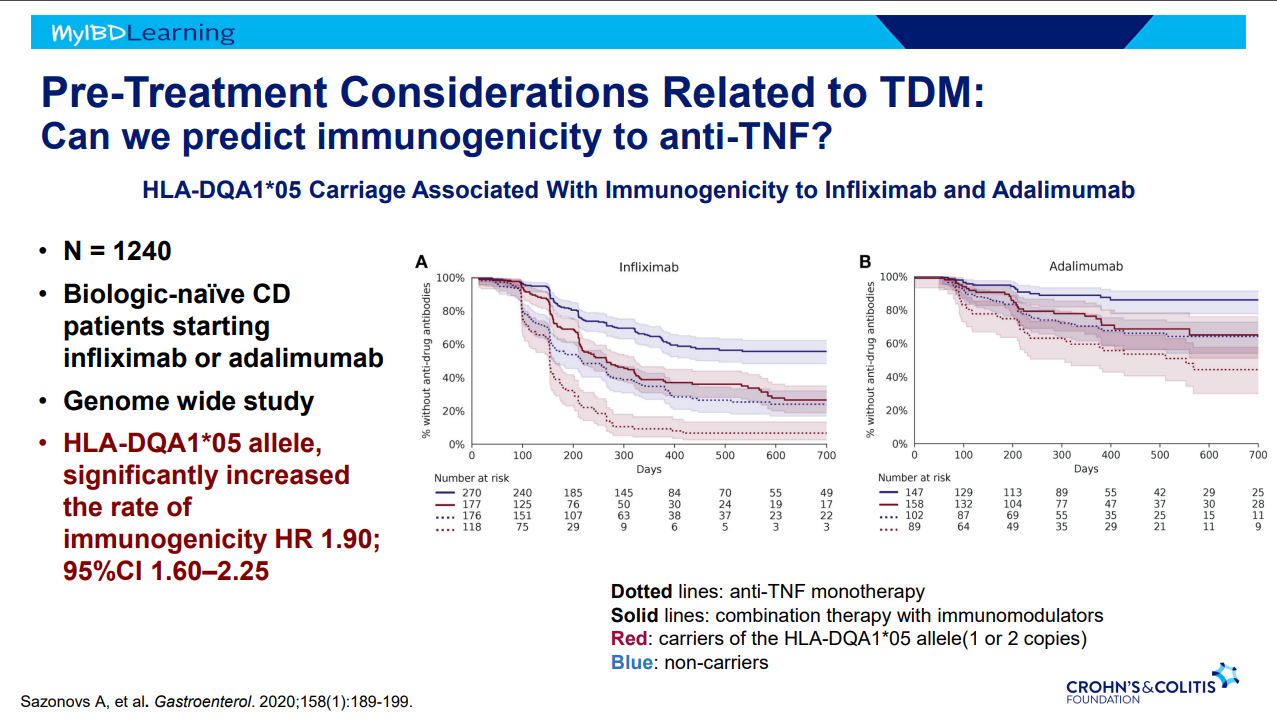
  • Immunogenicity is mainly an issue with anti-TNF agents and not much of an issue with other biologics. Episodic therapy is a big risk factor for anti-drug antibodies. 
  • If staying with in-class medication, after anti-drug antibodies, need to take additional measures to prevent anti-drug antibodies (eg. Immunomodulators).
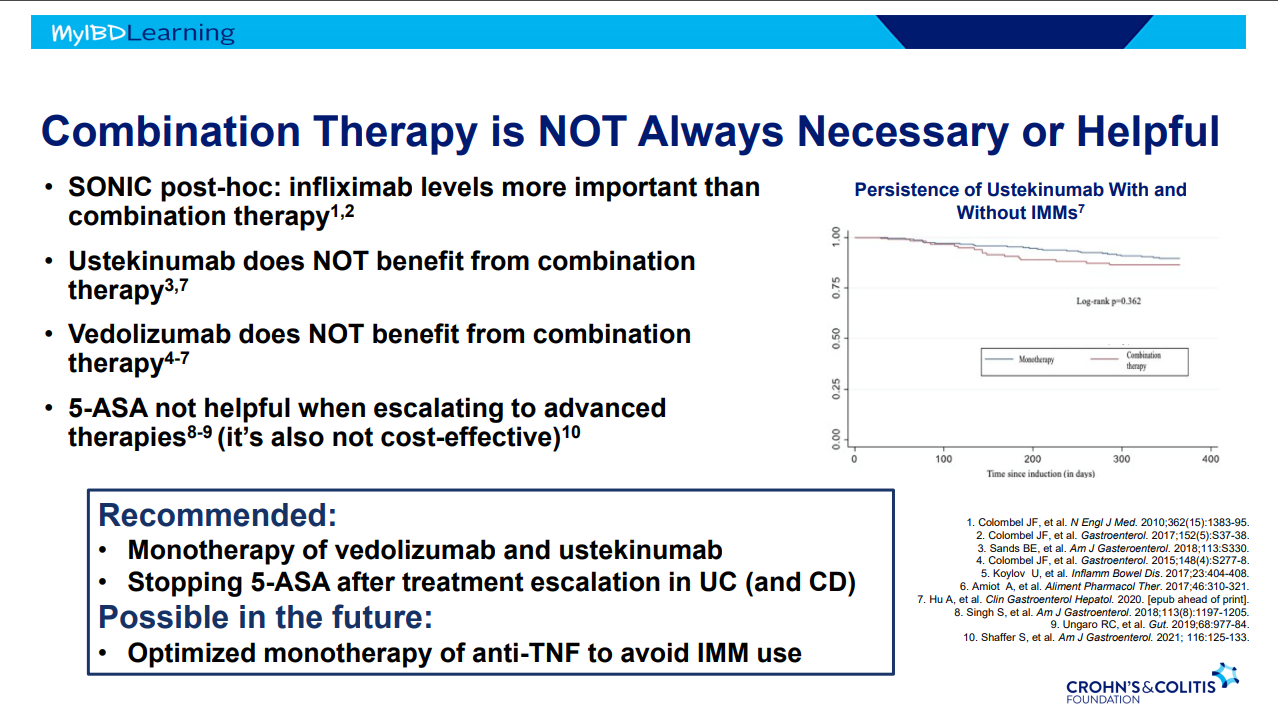
  • Combination therapy is more effective (SONIC, UC SUCCESS trials).  This is due to using multiple mechanisms of disease control, reduction in anti-drug antibodies, and elevated serum drug levels.
  • Good therapeutic levels appears to deliver similar results as combination therapy
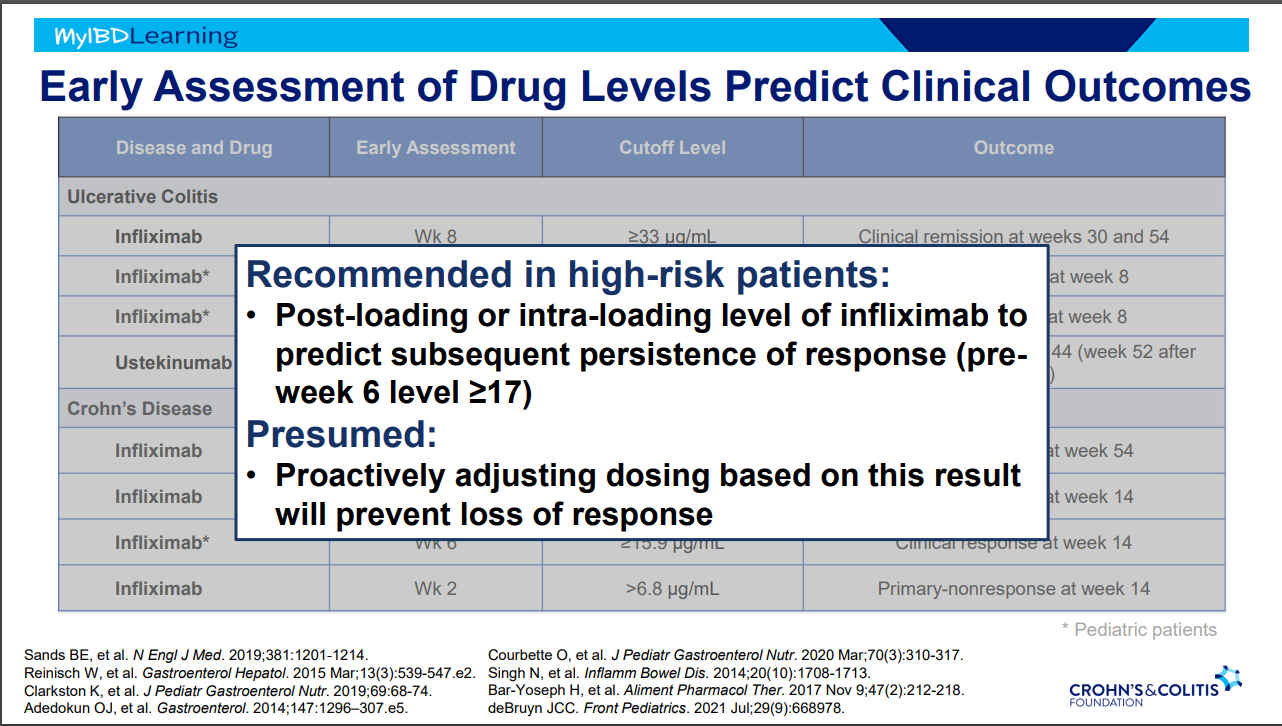
  • Pre-week 6 level of 17 or greater, associated with good response in maintenance.  If level is low, presumption is that higher dosing will be beneficial.
  • Higher levels of infliximab trough levels needed for perianal fistula healing (improved with ciprofloxacin).  Higher levels could be causally-related to healing or could be a marker that there is less inflammation and a patient is responding.
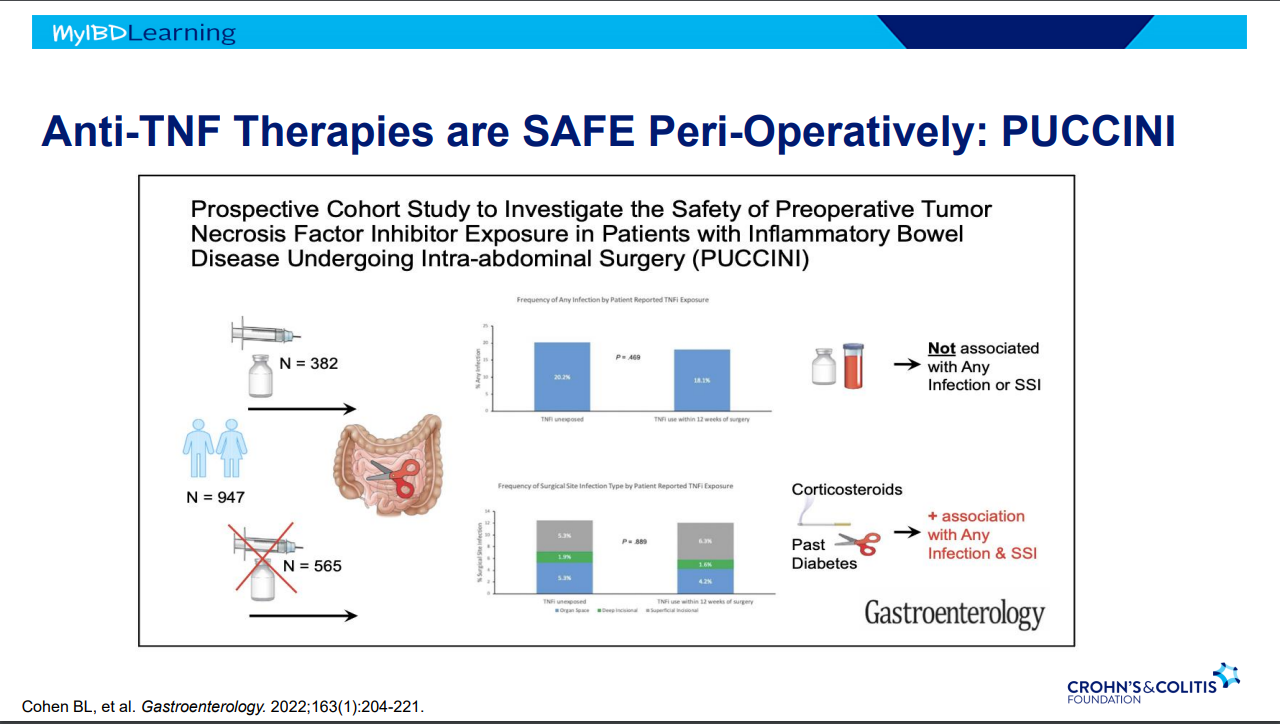
  • Anti-TNFs do not appear to increase risk of infections (see PUCCINI study)

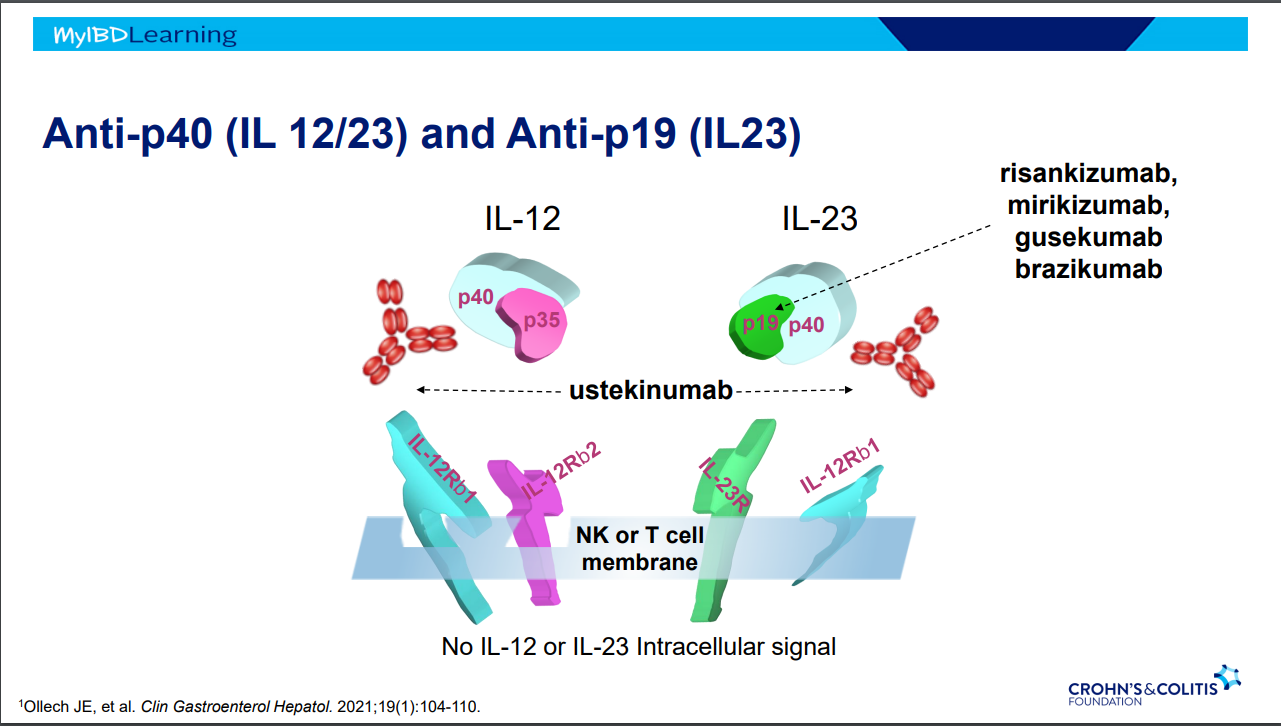
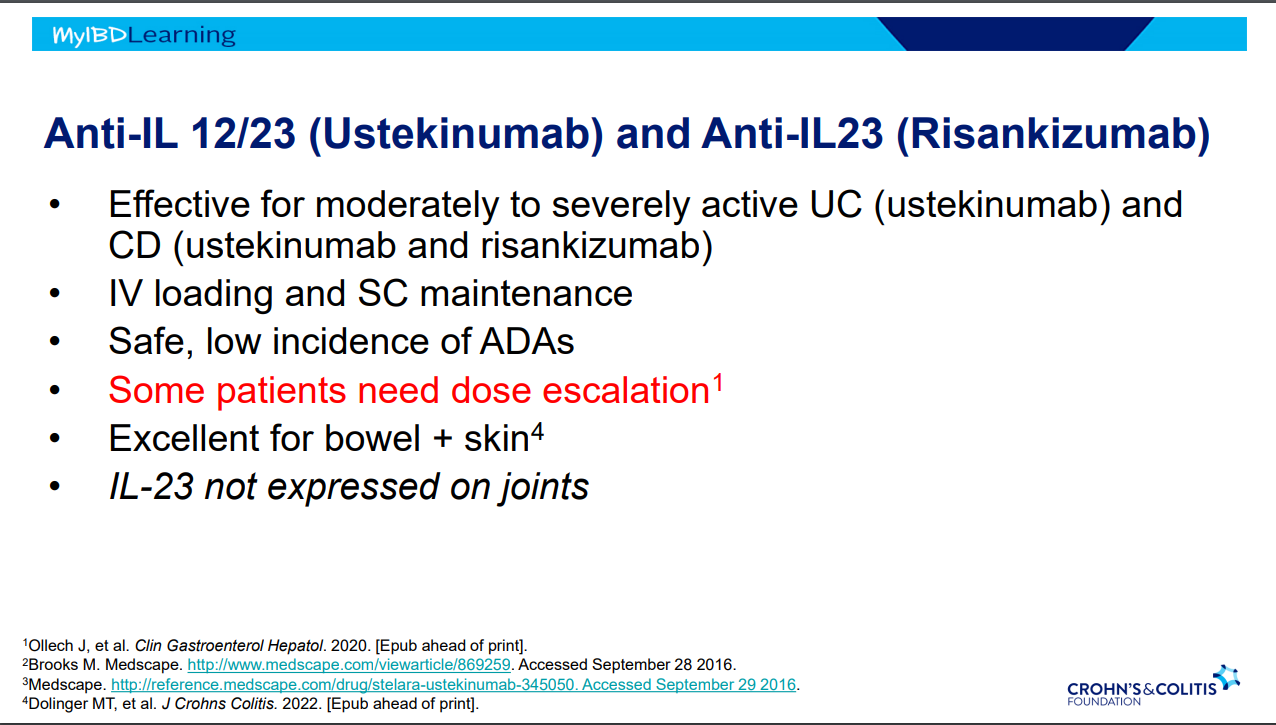
Anti-23 and Anti-IL-12/IL-23

  • Tissue selective targeted therapy –>excellent safety profile
  • IV loading and SC maintenance
  • Excellent for bowel and skin
  • IL-23 is not expressed in joints
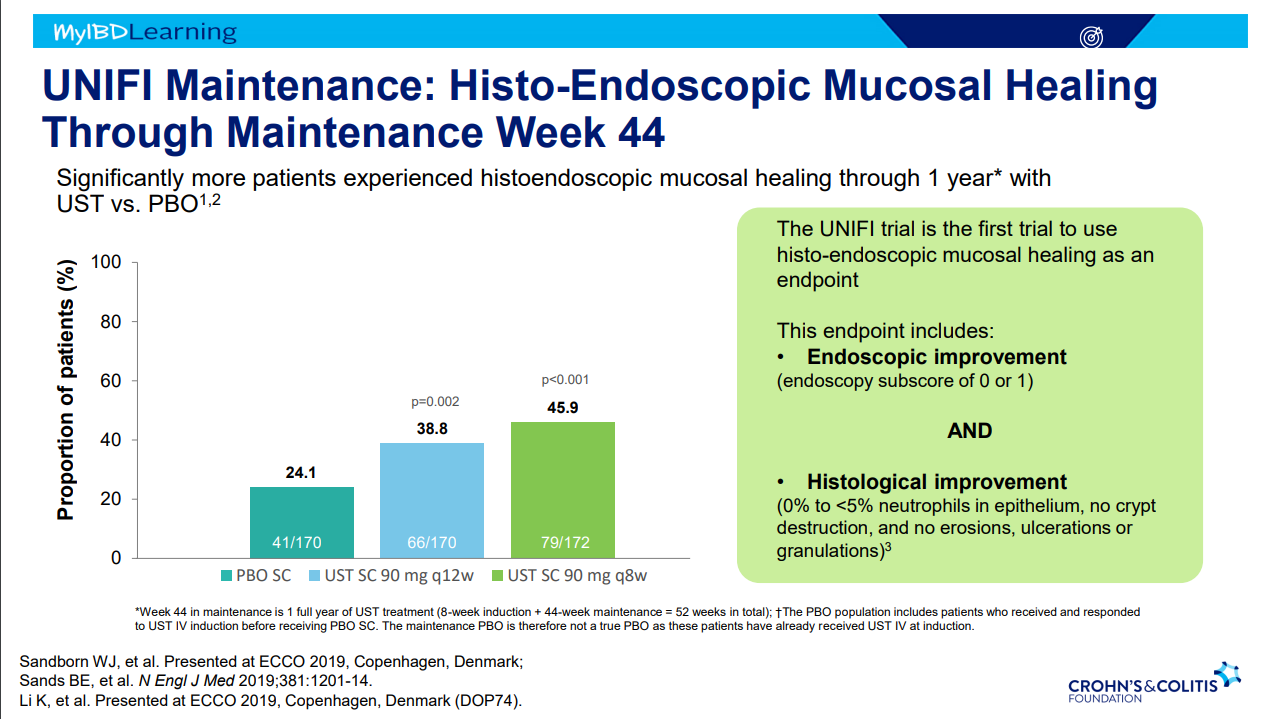
  • Ustekinumab is effective for perianal disease and ulcerative colitis
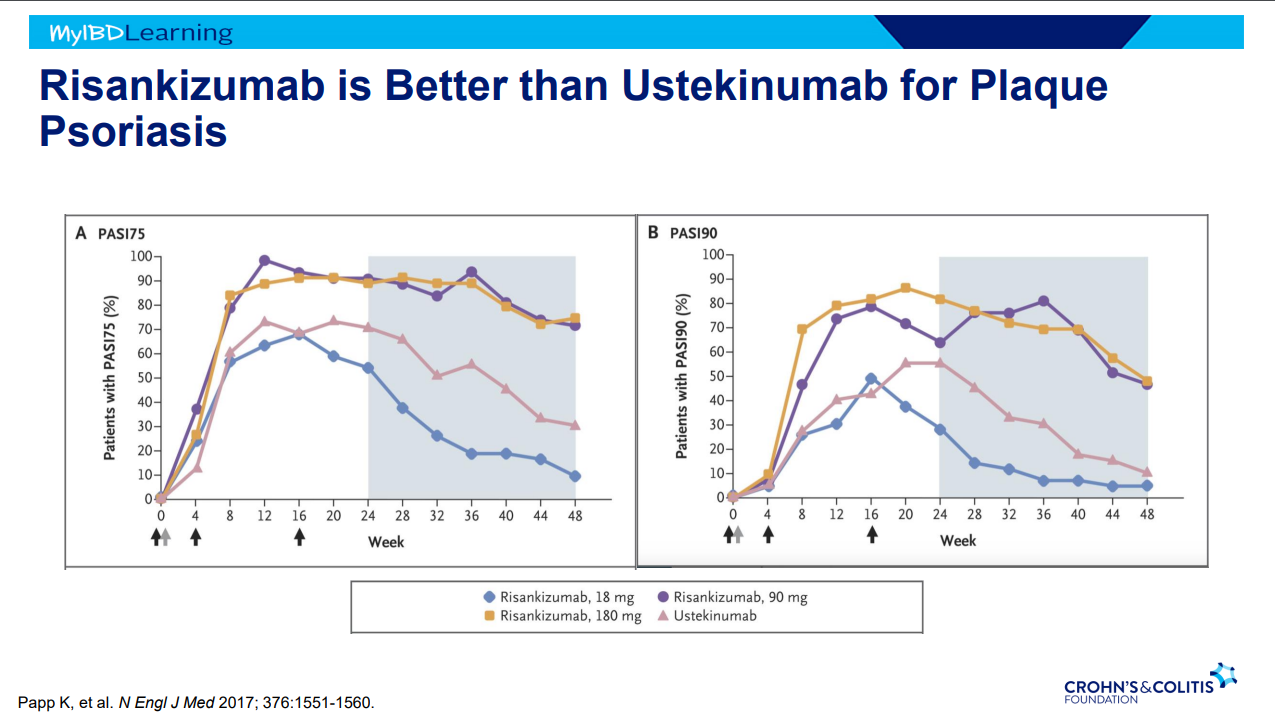
  • Risankizumab is superior to ustekinumab in plaque psoriasis.  If loss of response to ustekinumab, can still respond to Risankizumab

Anti-Integrins:

  • Natalizumab (not used frequently in IBD)
  • Vedolizumab.  Affects mucosa (can explain frequent nasopharyngitis)
  • Vedolizumab -terrific safety profile.  No PML, no malignancy risk

Biosimilars:

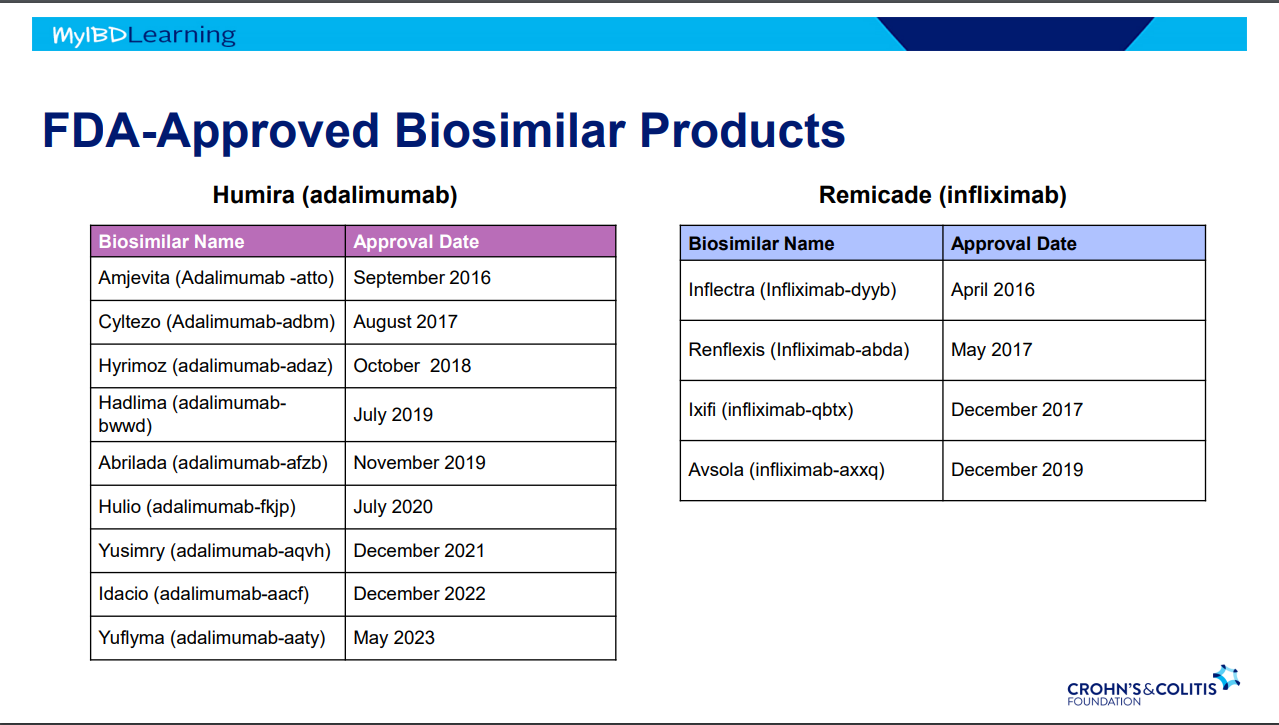
  • If biosimilar found effective for one approved condition, extrapolation given to all indications
  • IBD switching studies have NOT shown increased loss of response.  Consider reassess prior to switch to help determine if patient truly in remission prior to switch. Switching often blamed for loss of response when many times the disease was not under good control prior to switch
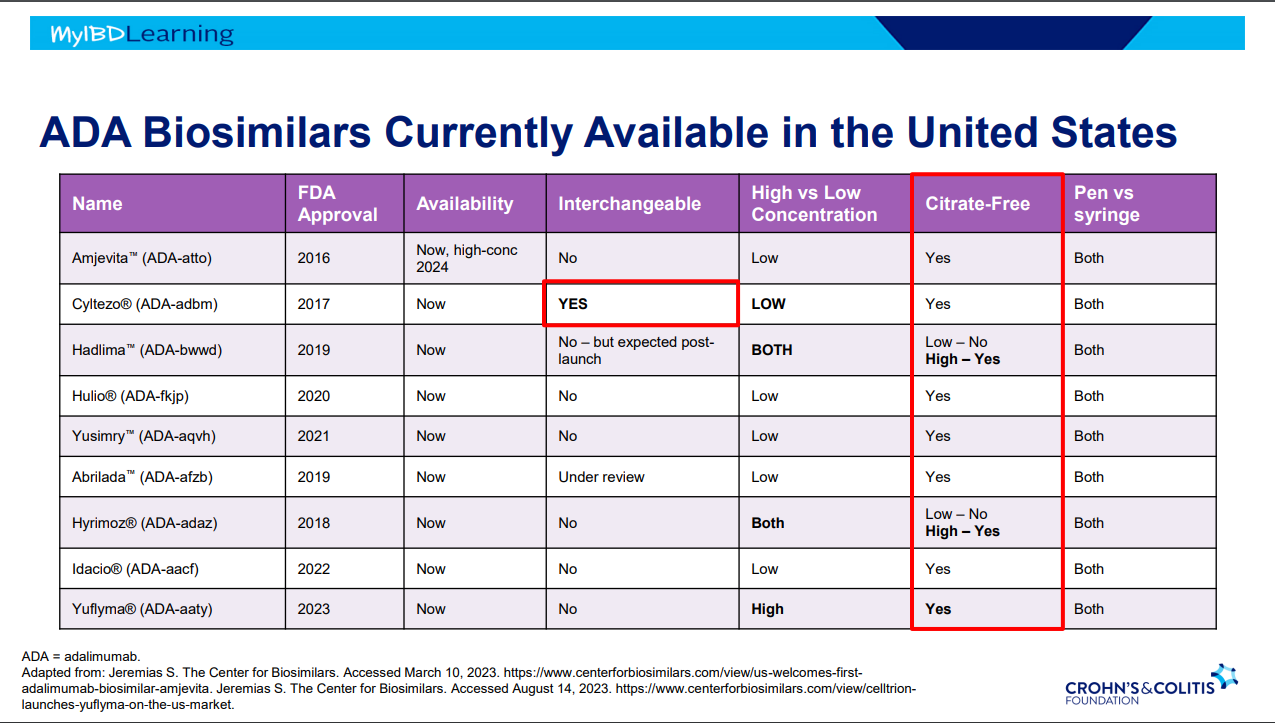
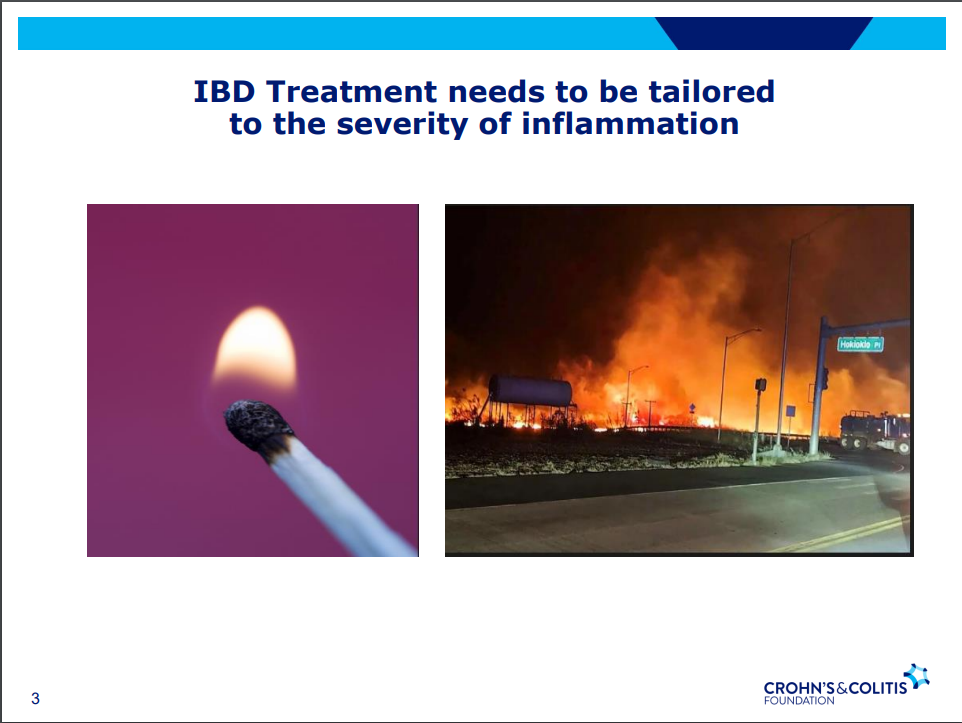
  • Interchangeable indicates that the drug can be switched by pharmacists
  • Biosimilars are saving insurers money but no proof that this is saving patients money
  • Anti-drug antibodies will cross-react to biosimilars

Disclaimer: This blog, gutsandgrowth, assumes no responsibility for any use or operation of any method, product, instruction, concept or idea contained in the material herein or for any injury or damage to persons or property (whether products liability, negligence or otherwise) resulting from such use or operation. These blog posts are for educational purposes only. Specific dosing of medications (along with potential adverse effects) should be confirmed by prescribing physician.  Because of rapid advances in the medical sciences, the gutsandgrowth blog cautions that independent verification should be made of diagnosis and drug dosages. The reader is solely responsible for the conduct of any suggested test or procedure.  This content is not a substitute for medical advice, diagnosis or treatment provided by a qualified healthcare provider. Always seek the advice of your physician or other qualified health provider with any questions you may have regarding a condition.

Comparative Efficacy of Biologics for Crohn’s Disease

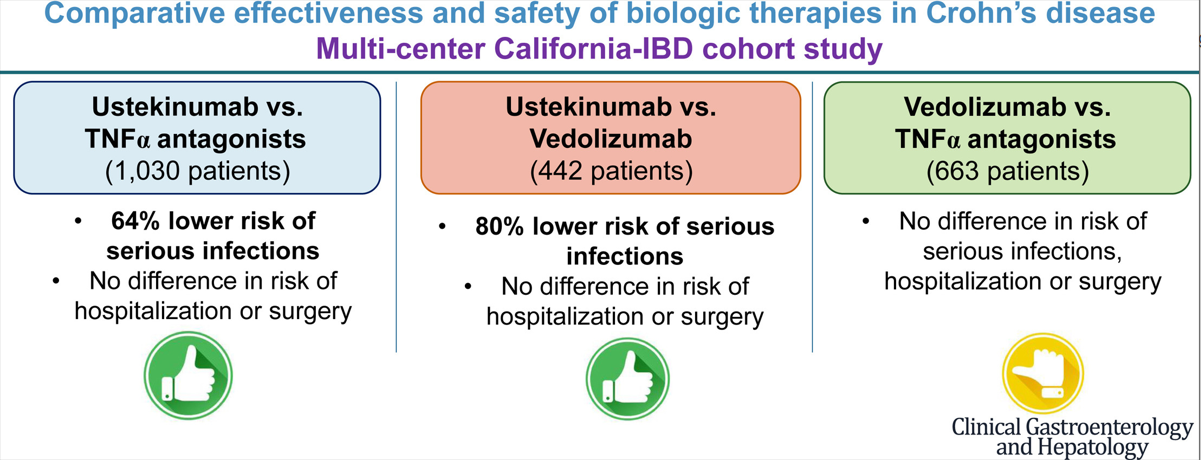
S Singh et al. Clin Gastroenterol Hepatol 2023; 21: 2359-2369. Open Access! Comparative Safety and Effectiveness of Biologic Therapy for Crohn’s Disease: A CA-IBD Cohort Study

There is limited head-to-head data comparing the effectiveness of the biologics used for inflammatory bowel disease. In this study, the authors used a “series of propensity score (PS)-matched cohort studies comparing TNF-α antagonists vs vedolizumab vs ustekinumab in a large, diverse, multicenter, electronic health record (EHR)-based cohort.”

This graphical abstract summarizes the findings, though the first cohort (ustekinumab vs TNFalpha population is actually 1545 not 1030):

Key findings:

  • Ustekinumab-treated patients with CD (n = 515) experienced a lower risk of serious infections (hazard ratio [HR], 0.36), without any difference in the risk of hospitalization (HR, 0.99) or surgery (HR, 1.08) -compared to patients receiving TNF alpha antagonists (n=1030)
  • Ustekinumab-treated patients with CD (n = 221) experienced a lower risk of serious infections (HR, 0.20), without significant differences in risk of hospitalization (HR, 0.76) or surgery (HR, 1.42) -compared to vedolizumab-treated patients (n=221)
  • Compared with TNF-α antagonists (n = 442), vedolizumab-treated patients with CD (n = 221) had a similar risk of serious infections (HR, 1.53), hospitalization (HR, 1.32), and surgery (HR, 0.63).

The increase rate of infections with vedolizumab compared to ustekinumab could be an indication of lower efficacy with vedolizumab as the medication itself has a high safety profile.

In the discussion, the authors comment further on head-to-head studies and lack of these as well. “Biemans et al23 observed that ustekinumab-treated patients were more likely to achieve corticosteroid-free clinical remission (69 patients in each arm, vs vedolizumab; 46.4% vs 29.0%; P = .04) and biochemical remission (42.1% vs 13.2%; P = .01) at 12 months, although these rates were not significant at earlier time points.”

My take: This study provides further evidence that ustekinumab is a good option for Crohn’s disease with regard to both safety and efficacy.

Related blog posts:

Vedolizumab for Chronic Pouchitis

S Travis et al. NEJM 2023; 388: 1191-1200. Vedolizumab for the Treatment of Chronic Pouchitis

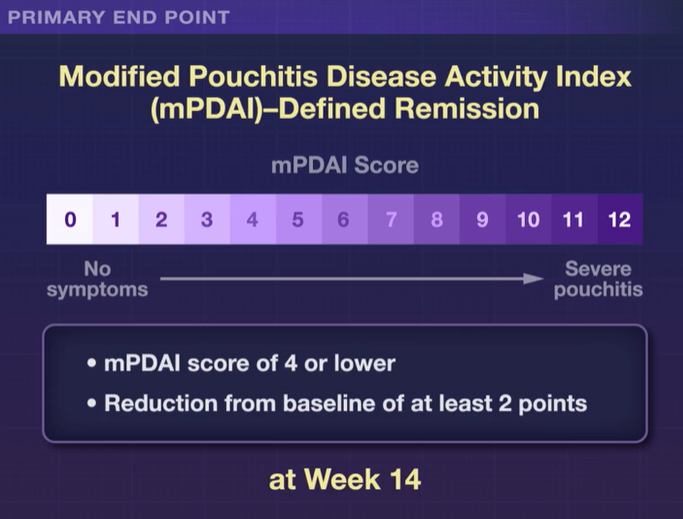
Methods: This was a a phase 4, double-blind, randomized trial (n=102 adults,EARNEST trial) to evaluate vedolizumab in adult patients in whom chronic pouchitis had developed after undergoing IPAA for ulcerative colitis.All patients received 4 weeks of ciprofloxacin and the treatment group received standard vedolizumab dosing. The primary end point was modified Pouchitis Disease Activity Index (mPDAI)–defined remission (an mPDAI score of ≤4 and a reduction from baseline of ≥2 points in the mPDAI total score; scores range from 0 to 12, with higher scores indicating more severe pouchitis) at week 14. The mPDAI is based on clinical symptoms and endoscopic findings.

Key findings:

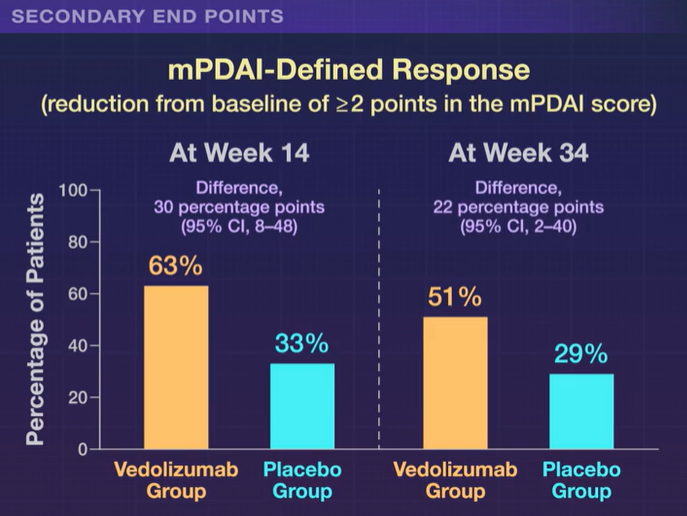
  • The incidence of mPDAI-defined remission at week 14 was 31% (16 of 51 patients) with vedolizumab and 10% (5 of 51 patients) with placebo
  • Differences in favor of vedolizumab over placebo were also seen with respect to mPDAI-defined remission at week 34 (difference, 17 percentage points, 35% vs 18%)

My take: Vedolizumab is an effective treatment for chronic pouchitis.

This figure is from NEJM Twitter Feed

Related blog posts:

Tofacitinib Outperformed Vedolizumab in Anti-TNF-experienced Ulcerative Colitis

T Straamijer et al. Clin Gastroenterol Hepatol 2023; 21: 182-191. Open Access! Superior Effectiveness of Tofacitinib Compared to Vedolizumab in Anti-TNF-experienced Ulcerative Colitis Patients: A Nationwide Dutch Registry Study

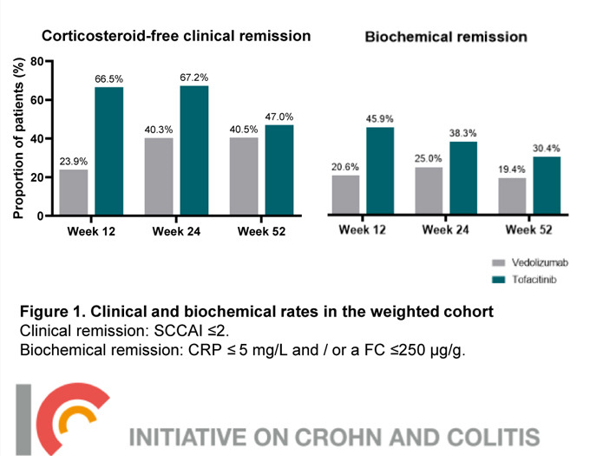
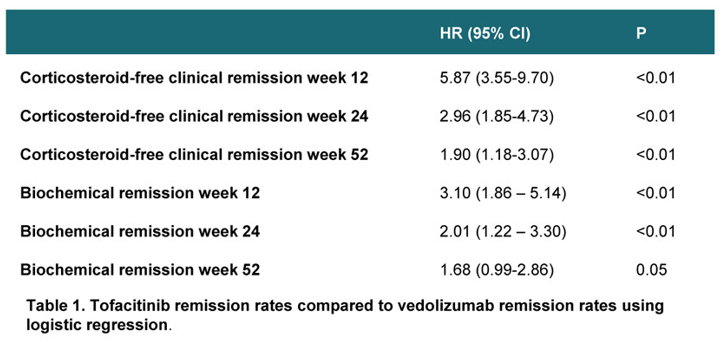
Methods: Adults with ulcerative colitis (UC) previously who failed anti-TNF treatment and initiated vedolizumab (n=83) or tofacitinib (n=65) treatment were identified in the Initiative on Crohn and Colitis Registry in the Netherlands.

Key findings (Vedolizumab is in gray):

  • There was no difference in infection rate or severe adverse events.

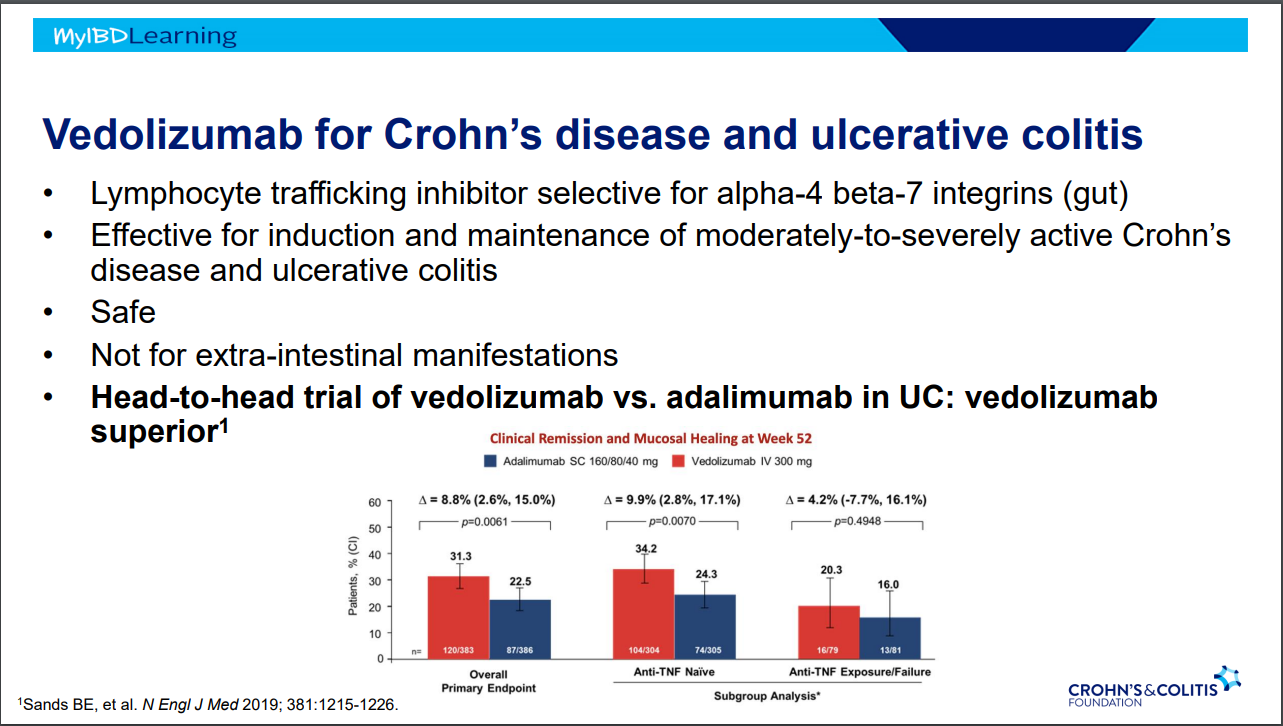
My take: Coupled with more recent reassuring safety data on JAK inhibitors, this study makes a strong case for positioning Tofacitinib (or other JAK inhibitor) earlier in patients with moderate-to-severe ulcerative colitis. Given that vedolizumab outperformed adalimumab in a head-to-head study, this indicates that tofacitinib is a very effective therapy.

Related article: B Chen et al. Gastroenterology 2022; 163: 1555-1568. Efficacy and Safety of Ivarmacitinib in Patients With Moderate-to-Severe, Active, Ulcerative Colitis: A Phase II Study This phase 2 study with 146 patients examined the effectiveness of the selective JAK inhibitor Ivarmacitinib found a week 8 clinical response in 46% of those receiving 8 mg per day. The week 8 clinical remission rate was 22%-24% in the treatment groups compared to 5% in the placebo group.

Related blog posts:

Disclaimer: This blog, gutsandgrowth, assumes no responsibility for any use or operation of any method, product, instruction, concept or idea contained in the material herein or for any injury or damage to persons or property (whether products liability, negligence or otherwise) resulting from such use or operation. These blog posts are for educational purposes only. Specific dosing of medications (along with potential adverse effects) should be confirmed by prescribing physician.  Because of rapid advances in the medical sciences, the gutsandgrowth blog cautions that independent verification should be made of diagnosis and drug dosages. The reader is solely responsible for the conduct of any suggested test or procedure.  This content is not a substitute for medical advice, diagnosis or treatment provided by a qualified healthcare provider. Always seek the advice of your physician or other qualified health provider with any questions you may have regarding a condition.

Brief Updates: H pylori Resistance Rates, VEDOKIDS, Increasing Bariatric Surgery in Kids

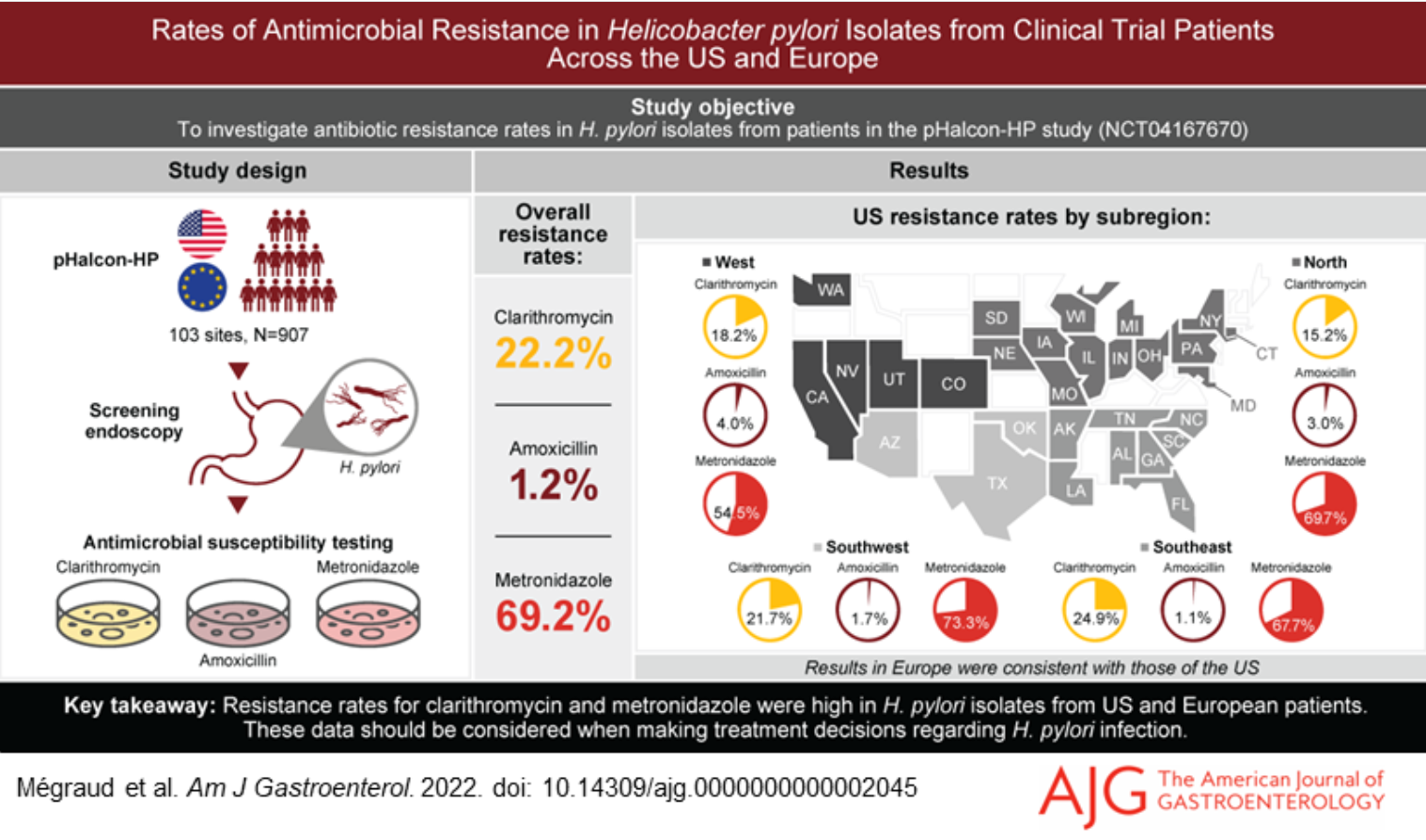
F Megraud et al. AJG 2022; doi: 10.14309/ajg.0000000000002045 Open Access: Rates of Antimicrobial Resistance in Helicobacter pylori Isolates From Clinical Trial Patients Across the US and Europe. Resistance rates were established in isolates from 907 participants. Overall, 22.2% were resistant to clarithromycin, 1.2% to amoxicillin, and 69.2% to metronidazole.

O Atia et al. Lancet Gastroenterol Hepatol 2022; DOI:https://doi.org/10.1016/S2468-1253(22)00307-7. Outcomes, dosing, and predictors of vedolizumab treatment in children with inflammatory bowel disease (VEDOKIDS): a prospective, multicentre cohort study

Methods: VEDOKIDS was a paediatric, multicentre, prospective cohort study done in 17 centres in six countries. We report the 14-week outcomes as the first analyses of the planned 3-year follow-up of the VEDOKIDS cohort

Key findings:

  • 32 (42%) of 77 children with ulcerative colitis and 21 (32%) of 65 children with Crohn’s disease were in steroid-free and exclusive enteral nutrition-free remission at 14 weeks.
  •  In children who weighed less than 30 kg, the optimal drug concentration associated with steroid-free and exclusive enteral nutrition-free clinical remission was 7 μg/mL at week 14, corresponding to a dose of 200 mg/m2 body surface area or 10 mg/kg

USAToday 11/14/22: More teens are getting weight loss surgery but some experts think more needs to be done

And of course, an important story from The Onion: Arsonist Worried He Forgot To Turn Stove On Before Leaving House

Disclaimer: This blog, gutsandgrowth, assumes no responsibility for any use or operation of any method, product, instruction, concept or idea contained in the material herein or for any injury or damage to persons or property (whether products liability, negligence or otherwise) resulting from such use or operation. These blog posts are for educational purposes only. Specific dosing of medications (along with potential adverse effects) should be confirmed by prescribing physician.  Because of rapid advances in the medical sciences, the gutsandgrowth blog cautions that independent verification should be made of diagnosis and drug dosages. The reader is solely responsible for the conduct of any suggested test or procedure.  This content is not a substitute for medical advice, diagnosis or treatment provided by a qualified healthcare provider. Always seek the advice of your physician or other qualified health provider with any questions you may have regarding a condition.

Treatments for “Bad” Inflammatory Bowel Disease (Part 3)

D Tarabar et al. Inflamm Bowel Dis 2022; 28: 1549-1554. A Prospective Trial with Long Term Follow-up of Patients With Severe, Steroid-Resistant Ulcerative Colitis Who Received Induction Therapy With Cyclosporine and Were Maintained With Vedolizumab

As noted previously, in my view, “bad” inflammatory bowel disease (IBD) occurs when treatments are not working; though, many would argue that any IBD is bad IBD. Today’s post concludes several reviewed articles that focus on the problem of IBD that is not responding well to treatment.

Methods: Seventeen steroid-resistant adult UC patients were treated with cyclosporine in combination with vedolizumab, with a follow up of 52 weeks. Only 2 patients in this chort had failed infliximab therapy. The authors administered IV cyclosporine at a dose of “2 to 4 mg/kg/d IV for 7 days, titrated to a goal trough level of 300 to 400 ng/mL.” In those with a response, patients were started on oral therapy along with IV vedolizumab. During oral therapy (for 8 weeks), goal trough levels were 150 to 250 ng/mL (measured weekly).

Key findings:

  • Fifteen (88%) of 17 patients initially responded to cyclosporine and were started on vedolizumab
  • At week 10, 11 (73%) of 15 patients had achieved endoscopic remission with a Mayo score of ≤1. 
  • At week 26, 14 (93%) of 15 of the patients were in clinical remission and 11 (73%) were in endoscopic remission.
  • At week 52 of follow-up, 10 (71%) of 14 of these patients continued to be in endoscopic remission and 11 (79%) of 14 were in clinical remission.
  • Colectomy-free survival rate was 82% (n = 14 of 17) at 1 year and mean C-reactive protein, erythrocyte sedimentation rate, and fecal calprotectin levels were 3.2 mg/L, 16.1 mm/h, and 168.3 µg/g, respectively

My take: Cyclosporine is a fast-acting medication and thus appropriate as a salvage therapy in those with severe disease. Concerns for adverse effects have led most pediatric GIs to favor infliximab for refractory severe UC. However, in selected patients, it could be a useful “bridge” to slower-acting long-term treatments. It is possible (likely) that insurance issues would be less with cyclosporine than tofacitinib as a bridge therapy.

**An alternative agent to cyclosporine is tacrolimus. Hamel B, Wu M, Hamel EO, Bass DM, Park KT. Outcome of tacrolimus and vedolizumab after corticosteroid and anti-TNF failure in paediatric severe colitis. BMJ Open Gastroenterol. 2018;5(1):e000195 (“Positioning Biologic Therapies in the Management of Pediatric Inflammatory Bowel Disease” & 14% of U.S. Infected with COVID-19)

Related blog posts:

Disclaimer: This blog, gutsandgrowth, assumes no responsibility for any use or operation of any method, product, instruction, concept or idea contained in the material herein or for any injury or damage to persons or property (whether products liability, negligence or otherwise) resulting from such use or operation. These blog posts are for educational purposes only. Specific dosing of medications (along with potential adverse effects) should be confirmed by prescribing physician.  Because of rapid advances in the medical sciences, the gutsandgrowth blog cautions that independent verification should be made of diagnosis and drug dosages. The reader is solely responsible for the conduct of any suggested test or procedure.  This content is not a substitute for medical advice, diagnosis or treatment provided by a qualified healthcare provider. Always seek the advice of your physician or other qualified health provider with any questions you may have regarding a condition.
Island Ford National Recreational Area, Sandy Springs GA

Improving MRE Utility in Pediatric Crohn’s

G Focht et al. Gastroenterol 2022; 163: 1306-1320. Open Access! Development, Validation, and Evaluation of the Pediatric Inflammatory Crohn’s Magnetic Resonance Enterography Index From the ImageKids Study
In this prospective study of children (n-240) with Crohn’s disease, the authors utilized ileocolonoscopy and MREs (n=159) and followed for 18 months.

Key findings:

  • 5 MRE findings were identified to generate a PICMI (Pediatric Inflammatory Crohn’s Magnetic Resonance Enterography Index): wall thickness, wall diffusion weighted imaging, ulcerations, mesenteric edema, and comb sign
  • In the validation cohort of 81 MREs, the weighted global PICMI correlated well with the radiologist global assessment (r = 0.85; P < .001) and with the simple endoscopic score in a subsample with ileocolonic disease (r = 0.63; P < .001).
  •  Interobserver and test-retest reliability were high (interclass correlation coefficients, 0.84 and 0.81, respectively; both P < .001)
  • Transmural healing was defined as PICMI ≤10 and response as a change of >20 points with excellent discriminative validity (area under the receiver operating characteristic curve = 0.96

My take: This study identifies a specific MRI index (PICMI) that is reliable for assessing the entire bowel in pediatric CD and does not require intravenous gadolinium or rectal enema. By using a standardized tool, similar to SEMA-CD for ileocolonoscopy, this will improve the usefulness of MREs.

Also noted: Link: Clinical support tool (sponsored by AGA) that provides individualized information on 2nd line therapy effectiveness (ustekinumab and vedolizumab) with regard to probability of achieving clinical remission, how quick to expect a response, and whether therapeutic drug monitoring is needed.

Related blog posts: