Comparative Evidence and Positioning Advance Therapies for Inflammatory Bowel Disease

PS Dulai et al. Gastroenterol 2024; 166: 396-408. Open Access! Integrating Evidence to Guide Use of Biologics and Small Molecules for Inflammatory Bowel Diseases

“In this review, we provide a framework for clinicians and researchers to understand key differences in sources of evidence, how different methodologies are applied to study the comparative effectiveness of advanced medical therapies in IBD, and considerations for how these sources of evidence can be used to better integrate current guideline recommendations.”

This article explains the use of randomized controlled trials, “real-world evidence”/observational comparative studies, network meta-analysis, and post-hoc comparisons from randomized studies.

“The authors advocate for “”Given the rapidity with which new advanced medical therapies are becoming available in IBD, which quickly make current guidelines obsolete, living guidelines may offer a unique consideration to ensure applicability to routine care.”
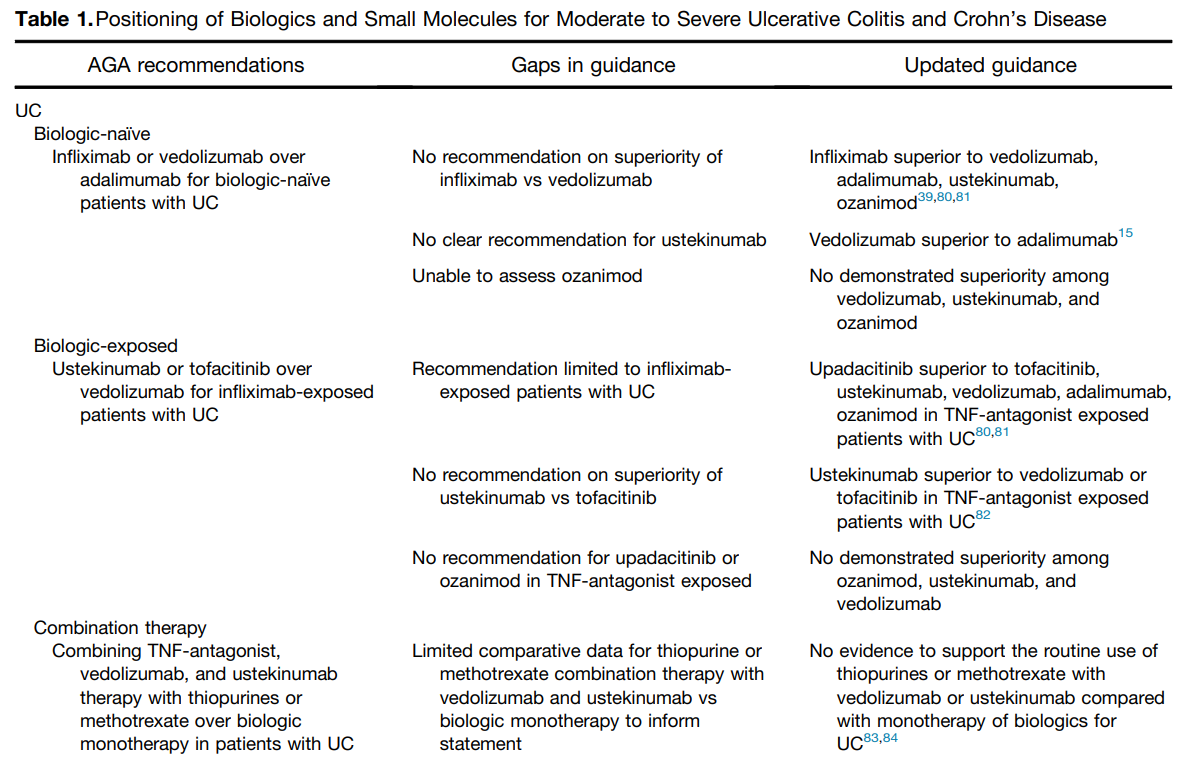
My take: This article provides a useful update of current advanced therapies and information in positioning these advanced therapies. It would be a great service if the IBD community could create something similar to HCVguidelines.org. The latter was a coordinated effort by the AASLD and IDSA to help provide expert advice during a deluge of amazing advances in HCV. And just like HCVguidelines, it is important to address “special” populations including pediatric patients and patients with very early onset IBD.

Related blog posts:

Disclaimer: This blog, gutsandgrowth, assumes no responsibility for any use or operation of any method, product, instruction, concept or idea contained in the material herein or for any injury or damage to persons or property (whether products liability, negligence or otherwise) resulting from such use or operation. These blog posts are for educational purposes only. Specific dosing of medications (along with potential adverse effects) should be confirmed by prescribing physician.  Because of rapid advances in the medical sciences, the gutsandgrowth blog cautions that independent verification should be made of diagnosis and drug dosages. The reader is solely responsible for the conduct of any suggested test or procedure.  This content is not a substitute for medical advice, diagnosis or treatment provided by a qualified healthcare provider. Always seek the advice of your physician or other qualified health provider with any questions you may have regarding a condition.
FDA Approves Etrasimod for Ulcerative Colitis

GI & Hepatology News, November 2023: FDA OKs two new treatments for UC

An excerpt:

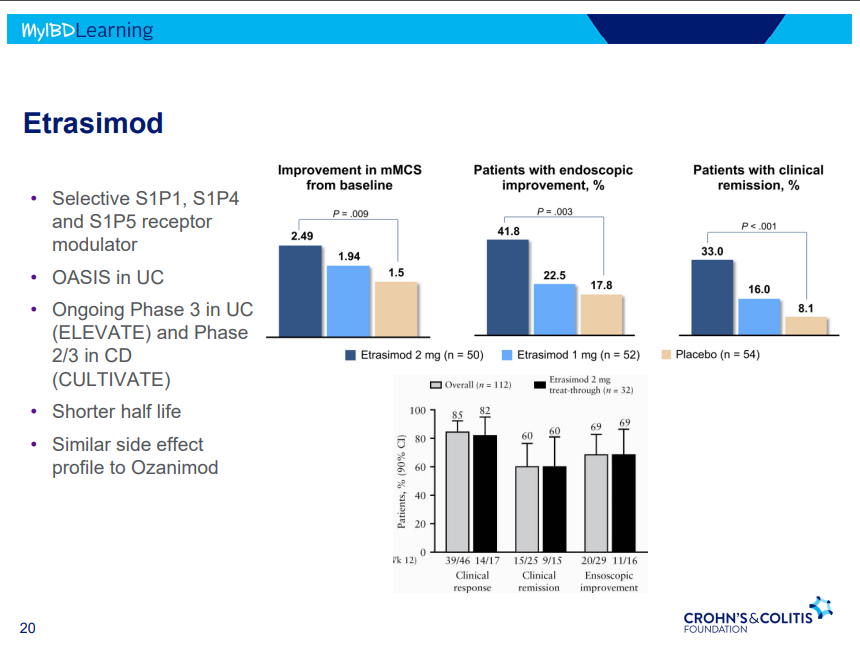
In October, the FDA approved etrasimod (Velsipity, Pfizer) for moderate to severe active UC in adults. Etrasimod, an oral sphingosine-1-phosphate (S1P) receptor, binds with high affinity to receptors 1, 4, and 5. It is the second agent in the S1P class approved for UC. The other agent, ozanimod (Zeposia, Bristol-Myers Squibb), which was approved for moderate to severe active UC in May 2021, is an S1P receptor modulator that is selective for the S1P1 and S1P5 receptors located on endothelial cells and oligodendrocytes, respectively.

Etrasimod’s approval was based on safety and efficacy data from two randomized, double-blind, placebo-controlled phase 3 trials ― ELEVATE UC 52 trial, and ELEVATE UC 12 trial. The Lancet published full results from the two trials on March 2. Both trials enrolled patients with UC who had previously failed or were intolerant of at least one conventional, biologic, or Janus kinase (JAK) inhibitor therapy.

In ELEVATE UC 52, clinical remission at 12 weeks occurred in 27% of patients taking etrasimod, vs 7% of patients taking a placebo (20% difference; P ˂.001). At week 52, remission rates were 32% with active treatment, vs. 7% with placebo (26% difference;
P ˂ .001).

In ELEVATE UC 12, clinical remission was achieved among 26% of patients who received etrasimod, vs 15.0% of patients who received placebo (11% difference; P < .05).

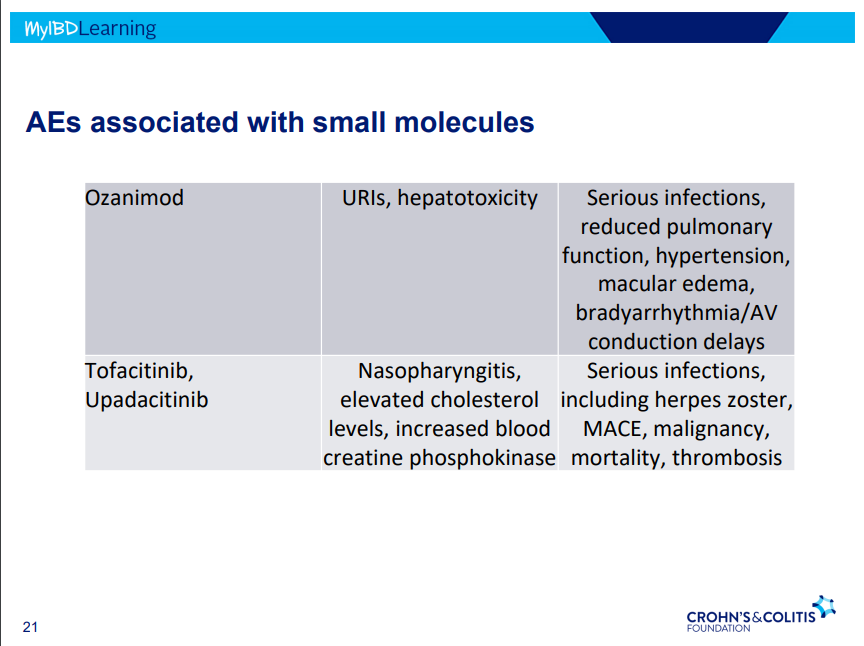
The approved recommended dose is 2 mg once daily. The most common side effects of etrasimod are headache, elevated values on liver tests, worsening of UC, SARS-CoV-2 infection, dizziness, pyrexia, arthralgia, abdominal pain, and nausea

Reference: WJ Sandborn et al. The Lancet 2023; DOI:https://doi.org/10.1016/S0140-6736(23)00061-2. Open Access! Etrasimod as induction and maintenance therapy for ulcerative colitis (ELEVATE): two randomised, double-blind, placebo-controlled, phase 3 studies

My take: It is not exactly clear where etrasimod or ozanimod should be positioned for ulcerative colitis therapy as several other drug classes have much higher response rates.

Related blog posts:

Next time someone says that they are receiving therapy, perhaps I will be able to say ‘me too.’

CCFA 2023 (Atlanta) Part 3

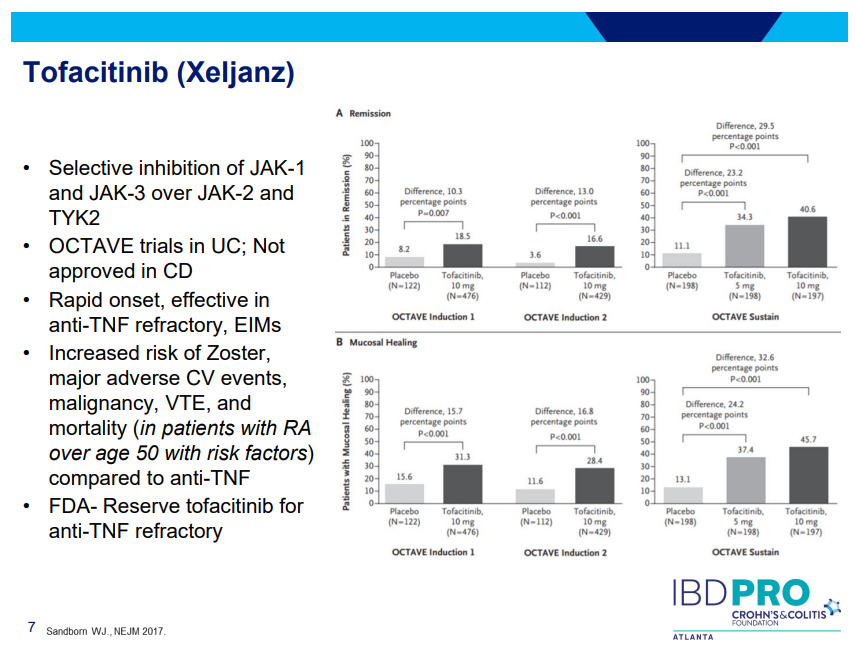
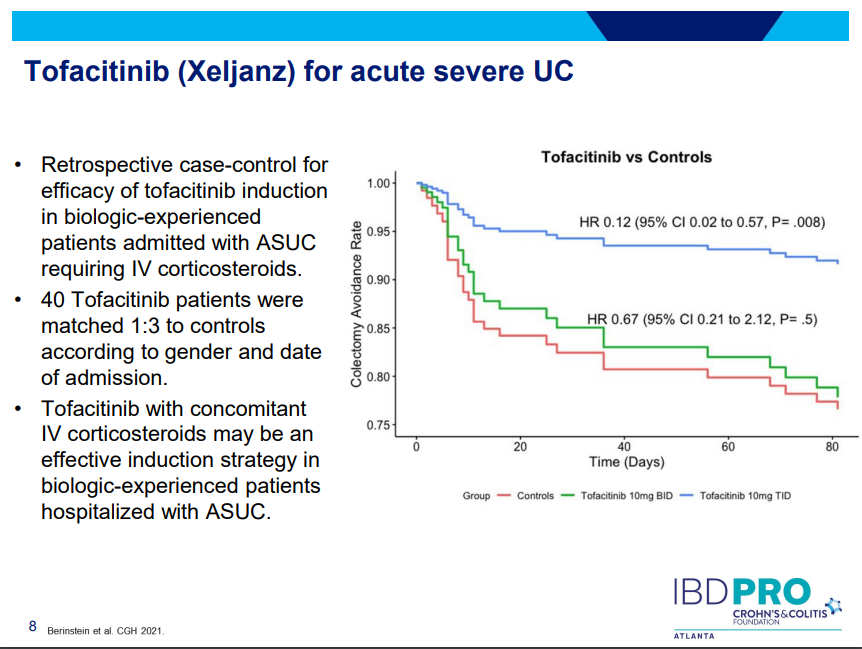
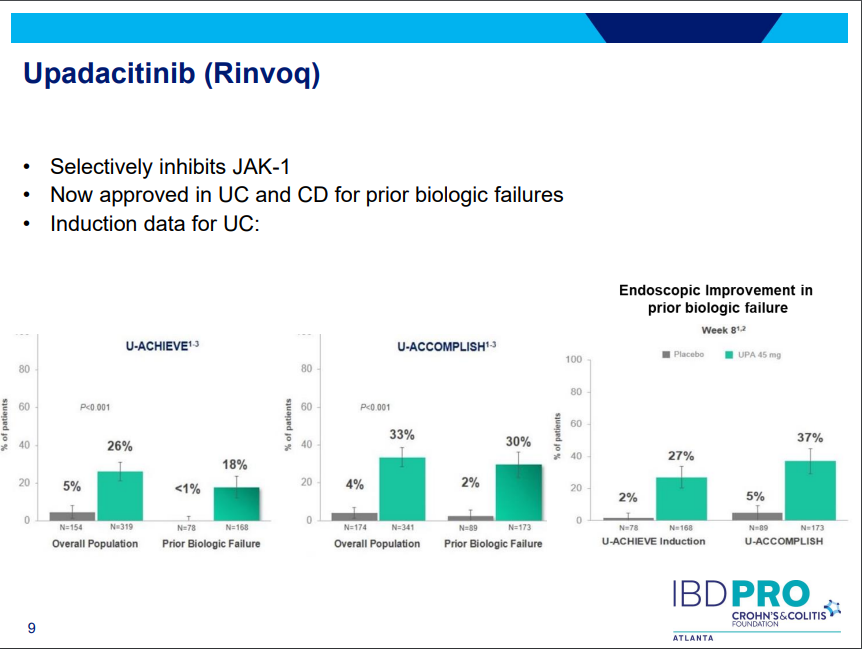
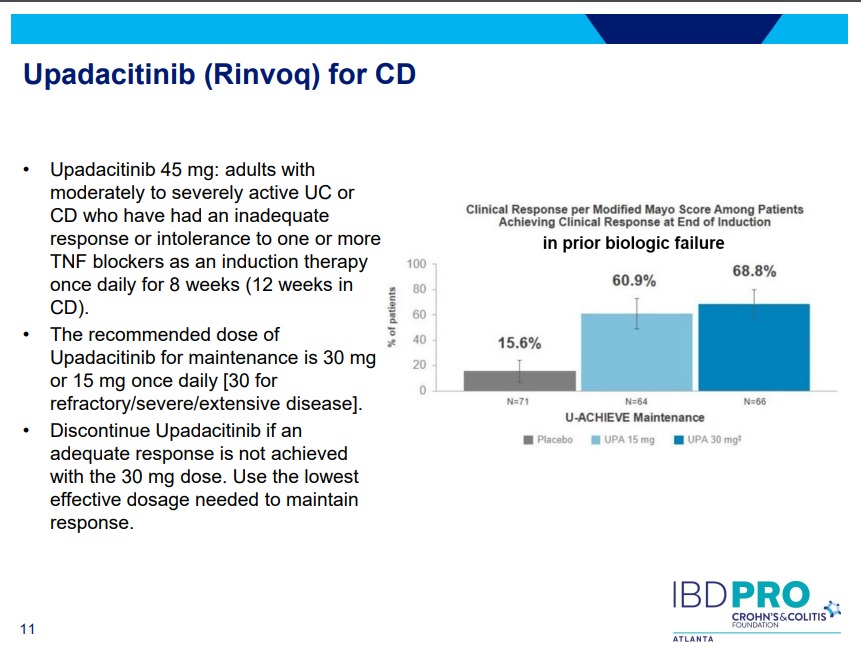
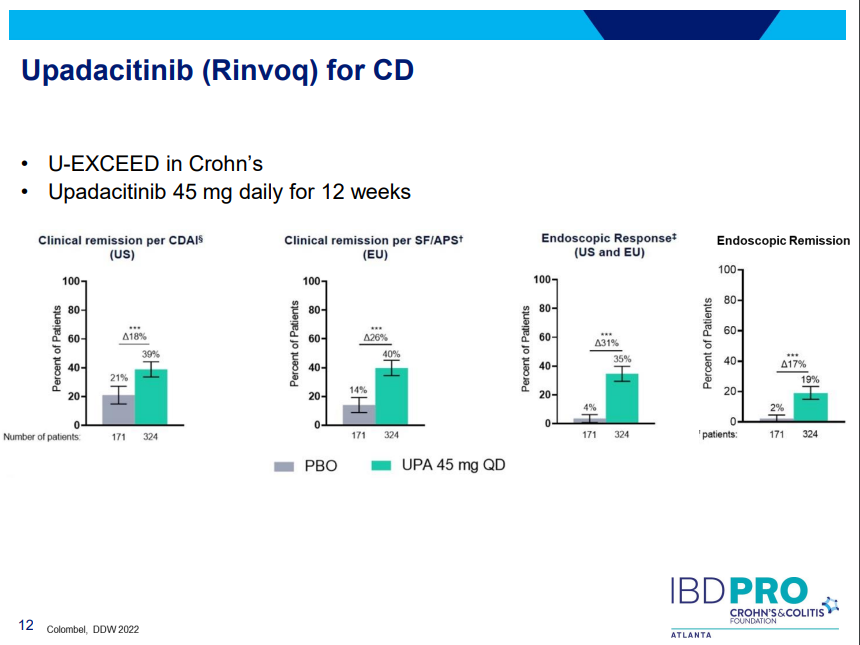
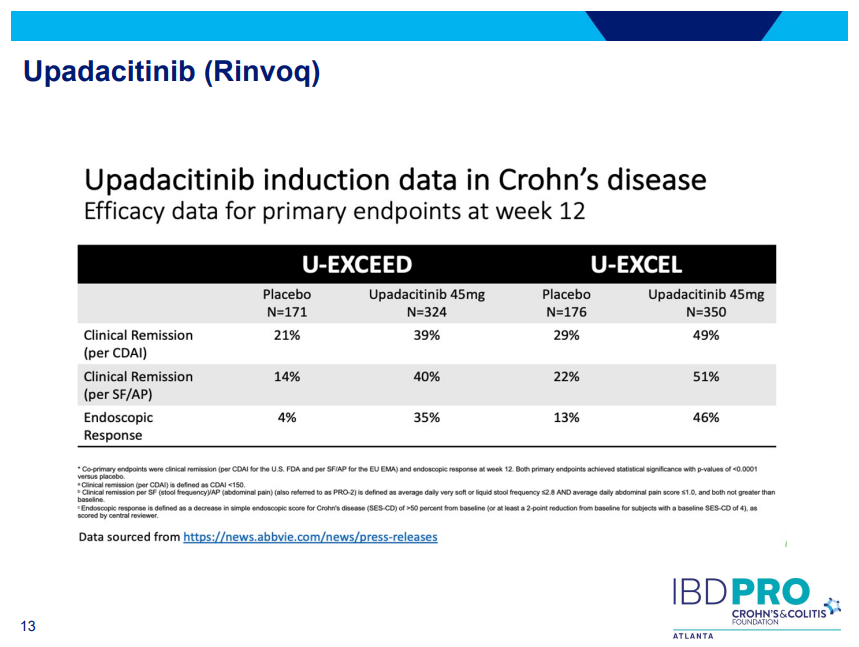
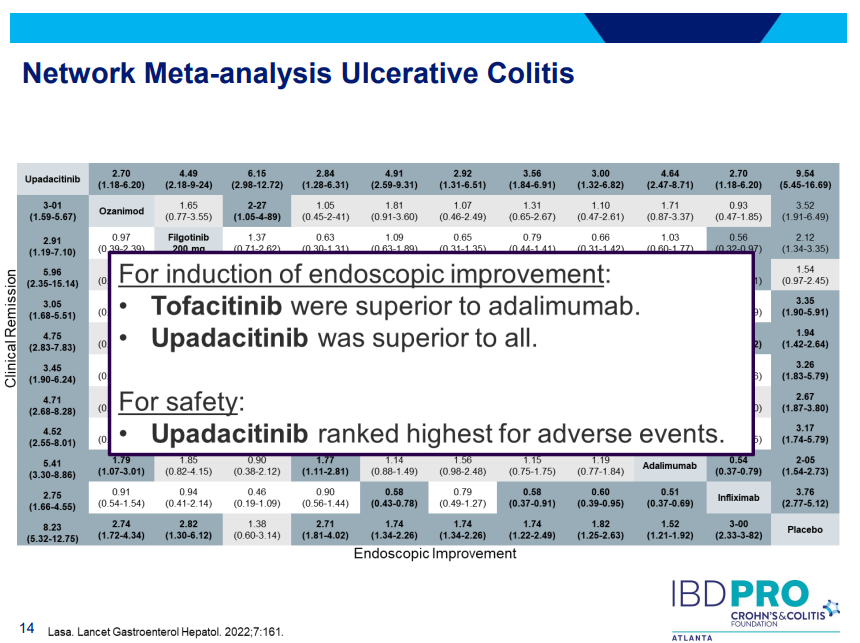
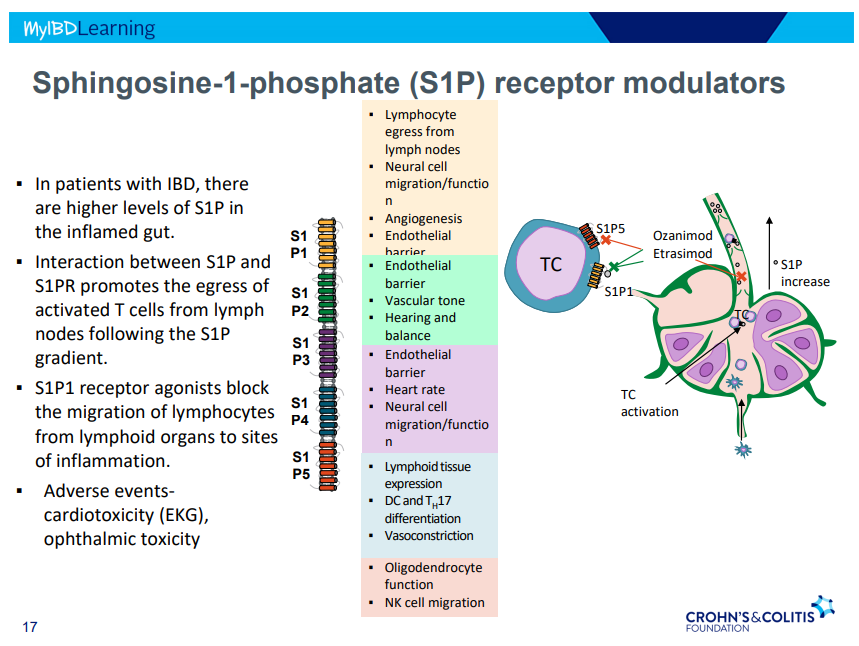
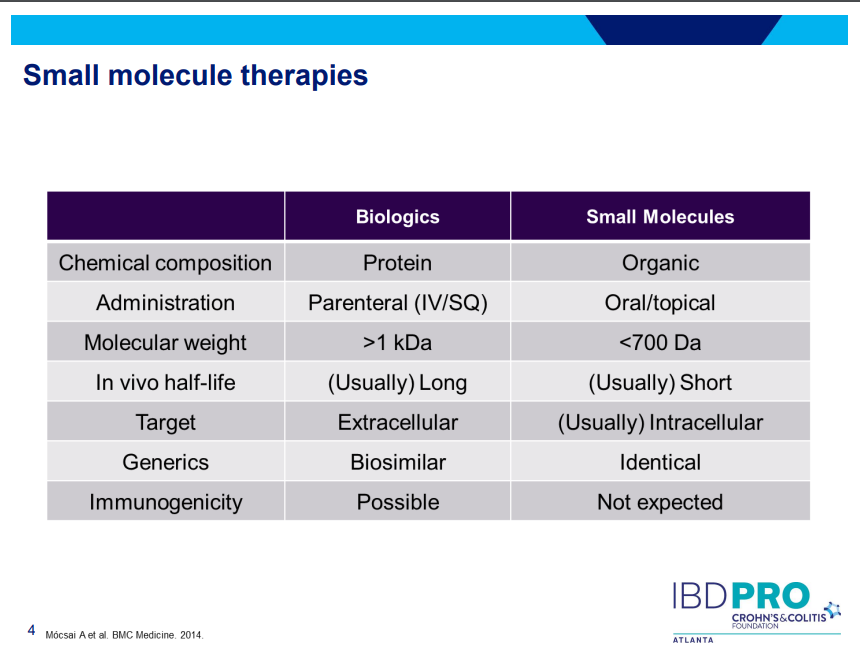
This is third day summarizing some of the talks at the regional CCFA conference. Erin Forster presented on Treatment with Oral Advanced Therapy. Below are my notes and some of the slides; my notes may have errors of omission or transcription. Can get access to full slide set: (n=22) here: Treatment with Oral Advanced Therapy

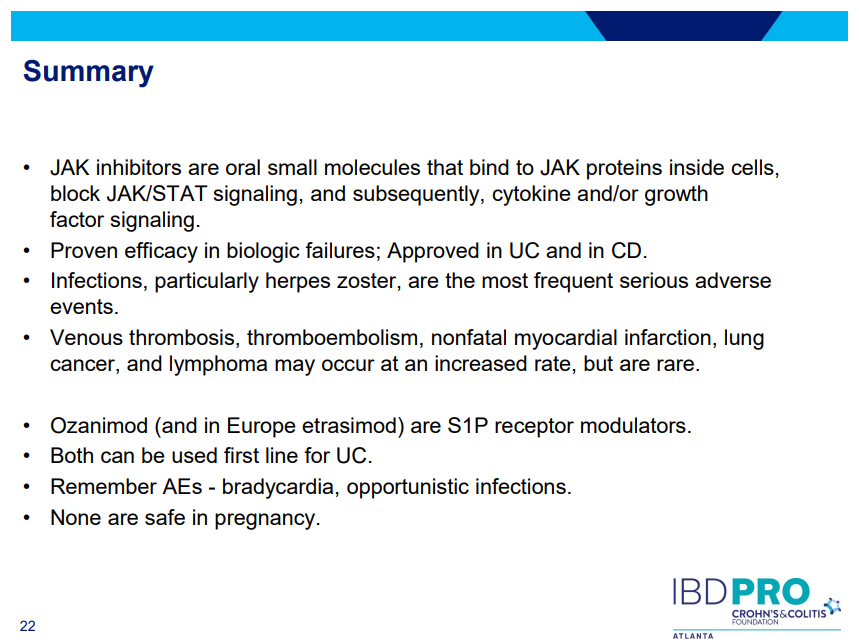
  • JAK inhibitors (Tofacitinib, Upadacitinib) have rapid onset of action and are taken orally
  • Tofacitinib (Xeljanz) -concern about cardiovascular events was derived from elderly rheumatologic patients.  Cardiovascular events are rare. Higher dose (TID) (in the hospital) associated with lower colectomy rates in acute severe ulcerative colitis.
  • Upadacitinib (Rinvoq) -now approved for CD and UC. Higher dosing could affect liver function (especially if underlying liver disease).  Also, JAK inhibitors as a class have similar safety concerns: increased herpes zoster and concerns for cardiovascular concerns (esp if >50 years)..
  • S!P receptor modulators: Oznaimod, Etrasimod & Amiselimod. Can cause bradycardia -have to check EKG prior.
  • None of the oral agents are safe in pregnancy

Favorite Posts of 2021

I am happy to say that this is the last nightcall that I will have this year!

Today, I’ve compiled some of my favorite posts from the past year. I started this blog a little more than 10 years ago. I am grateful for the encouragement/suggestions from many people to help make this blog better. Also, I want to wish everyone a Happy New Year.

GI:

IBD:

LIVER:

Nutrition:

Other Topics:

Thanks to Jennifer

Unpacking the Pivotal Ozanimod (True North) Trial

WJ Sandborn et al. NEJM 2021; 385: 1280-1291. Ozanimod as Induction and Maintenance Therapy for Ulcerative Colitis

This study led to FDA approval of ozanimod (Zeposia) in May 2021 for ulcerative colitis.

Mechanism of Action: Ozanimod is a selective sphingosine-1-phosphate receptor modulator which leads to internalization of S1P1 receptors in lymphocytes and the prevention of lymphocyte mobilization to inflammatory sites.

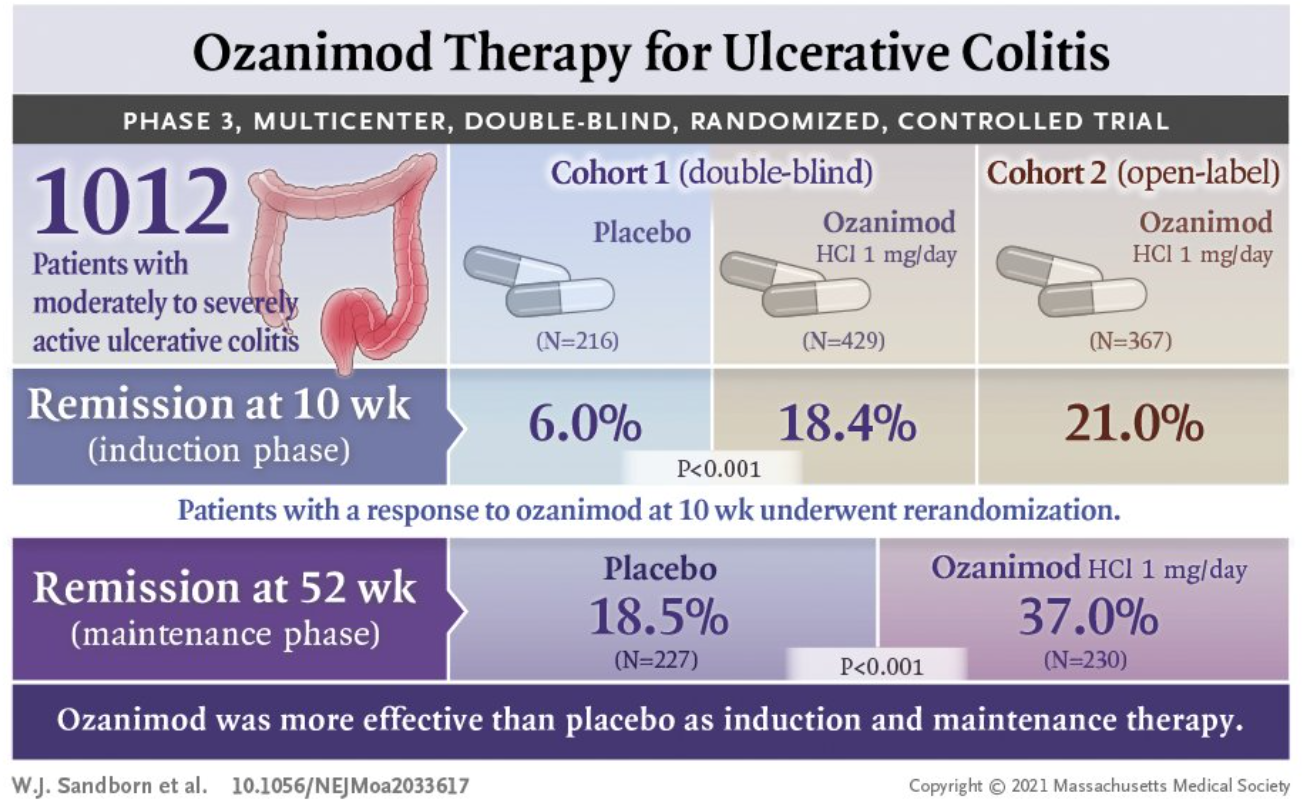
Design: There were two initial cohorts of adults with moderately to severely active ulcerative colitis. The first cohort (n=645) of this 52-week multicenter, randomized, double-blind, placebo-controlled trial (285 sites, 30 countries) of ozanimod as induction and maintenance therapy received either 1 mg of ozanimod hydrochloride once a day or placebo. A second cohort (n=457) received open-label ozanimod and was designed to assure that there would be adequate numbers of patients for the maintenance phase. The design allowed up to 30% of the first cohort to have received prior anti-TNF therapy and up to 50% of the second cohort to have received prior anti-TNF therapy. Ozanimod-treated patients with a clinical response during the 10-week induction were randomized again to a treatment group (n=230) or a placebo group for maintenance (n=227). Placebo-treated patients with a clinical response continued to receive placebo.

Approximately 97% of both cohorts had received prior aminosalicylate treatment and ~20% had received prior vedolizumab therapy.

As a safety measure (due to concerns of bradycardia), there was a 7-day period at the start of treatment with dose escalation, starting at 0.25 mg on days 1-4, 0.5 mg on days 5-7, then to 1 mg thereafter.

Key findings:

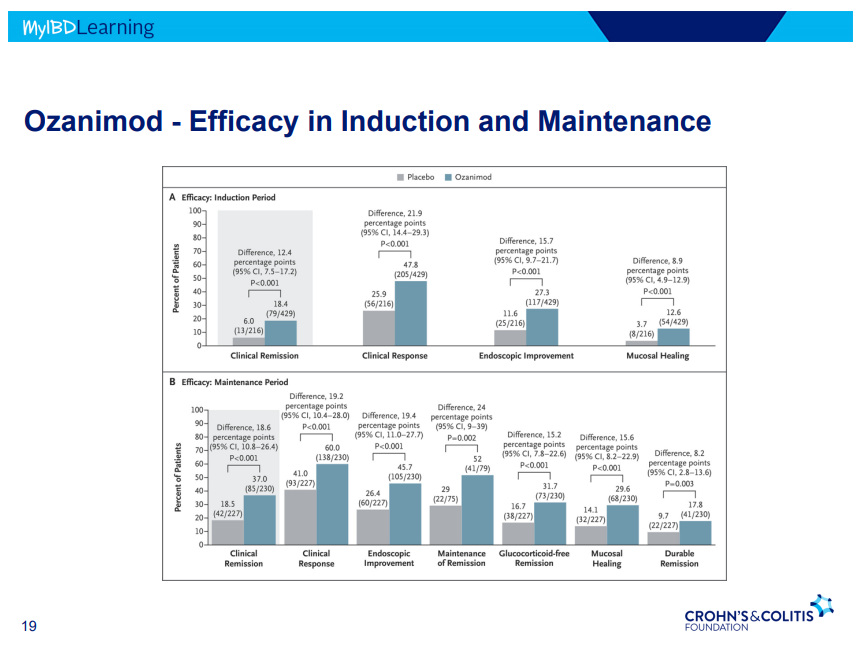
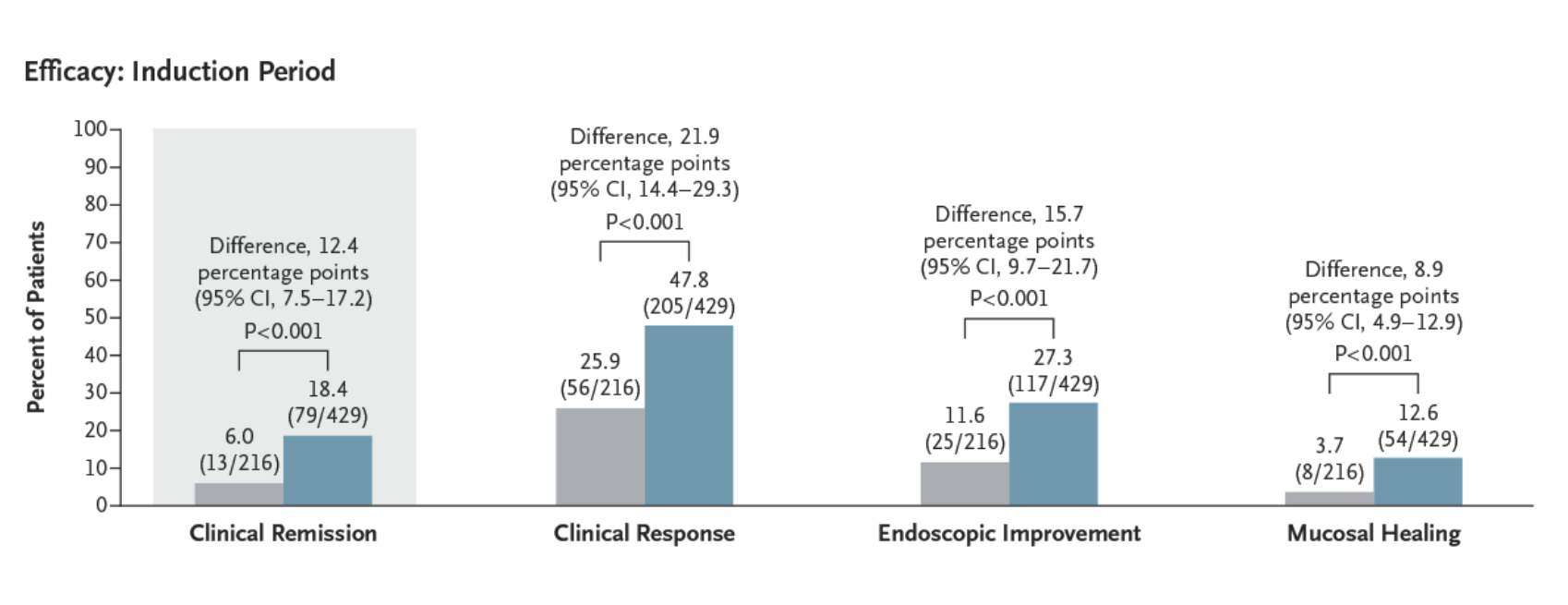
  • The incidence of clinical remission was significantly higher among patients who received ozanimod than among those who received placebo during both induction (18.4% vs. 6.0%, P<0.001) and maintenance (37.0% vs. 18.5% [among patients with a response at week 10], P<0.001). 
  • The incidence of clinical response was also significantly higher with ozanimod than with placebo during induction (47.8% vs. 25.9%, P<0.001) and maintenance (60.0% vs. 41.0%, P<0.001).
  • Histologic remission during induction, ozanimod vs placebo: 15.% vs 5.8%.
  • A post hoc analysis showed decreases in the rectal-bleeding and stool-frequency subscores by week 2 (1 week after the completion of dose adjustment).
From NEJM Twitter Feed

Safety Concerns:

  • Serious adverse events attributed to ozanimod or placebo occurred in 4 (0.5%) and 2 (0.9%) during induction respectively and none and 1 (0.4%) respectively during maintenance.
  • Overall all adverse events during induction occurred in 40% of ozanimod-treated patients and 38% of placebo recipients; during maintenance, adverse events were 49% and 37% respectively.
  • Absolute lymphocyte count (ALC) decreased by a mean of ~54% from baseline to week 10 in ozanimod-treated patients; ALC was <200 in 1.1% (both cohorts) in induction and 17 patients during maintenance. None of the patients with ALC <200 experienced a serious or opportunistic infection.
  • Serious infections associated wtih ozanimod or placebo occurred in 10 (1.3%) and 1 (0.5%) during induction respectively and 2 (0.9%) and 4 (1.8%%) respectively during maintenance.
  • Common infections like nasopharyngitis and upper respiratory tract infections in 3-4% of ozanimod-treated patients compared to ~2% of placebo-treated patients
  • Cancer: during induction there was one ozanimod-treated patient who had a basal cell carcinoma and during maintenance there was one ozanimod-treated patient who had a basal cell carcinoma. In the placebo group, during maintenance there was one patient who developed adenocarcinoma of the colon and one who developed breast cancer.
  • Among ozanimod-treated patients, bradycardia was evident in 5 (~0.6%) during induction and none during maintenance. (Patients with significant cardiovascular history were excluded from trial)
  • Among ozanimod-treated patients, hypertension occurred in 13 (~1.6%) during induction and 4 (1.7%); in the placebo group, none in the induction period and three (1.3%) in the maintenance had hypertension.
  • Prior to entry, the trial required documented varicella zoster IgG antibody or completion of vaccination. Still, HSV occurred in 3 during induction (~0.5%) and 5 (2.2%) during maintenance (only 1 placebo patient (0.4%) had an HSV infection during maintenance.
  • Elevated liver tests associated wtih ozanimod or placebo occurred in 42 (5.3%) and 2 (0.9%) during induction respectively and 32 (13.9%) and 1 (5.3%%) respectively during maintenance.
  • Macular edema was noted in 2 ozanimod-treated patients during induction and 1 during maintenance.

My take: This study shows that ozanimod was more effective than placebo in adults with moderately to severely active ulcerative colitis. It will probably be years before we have adequate pediatric data.

From NEJM Twitter Feed

Ozanimod for Ulcerative Colitis

The results of a phase 2 trial for Ozanimod have been published: WJ Sandborn et al. NEJM 2016; 374; 1754-62.

Ozanimod (RPC1063) is “an oral agonist of the sphingosine-1-phosphate receptor subtypes 1 and 5 that induces peripheral lymphocyte sequestration, potentially decreasing the number of activated lymphocytes circulating to the gastrointestinal tract.”

From the abstract:

METHODS

We conducted a double-blind, placebo-controlled phase 2 trial of ozanimod in 197 adults with moderate-to-severe ulcerative colitis. Patients were randomly assigned, in a 1:1:1 ratio, to receive ozanimod at a dose of 0.5 mg or 1 mg or placebo daily for up to 32 weeks. The Mayo Clinic score was used to measure disease activity on a scale from 0 to 12, with higher scores indicating more severe disease; subscores range from 0 to 3, with higher scores indicating more severe disease. The primary outcome was clinical remission (Mayo Clinic score ≤2, with no subscore >1) at 8 weeks.

RESULTS

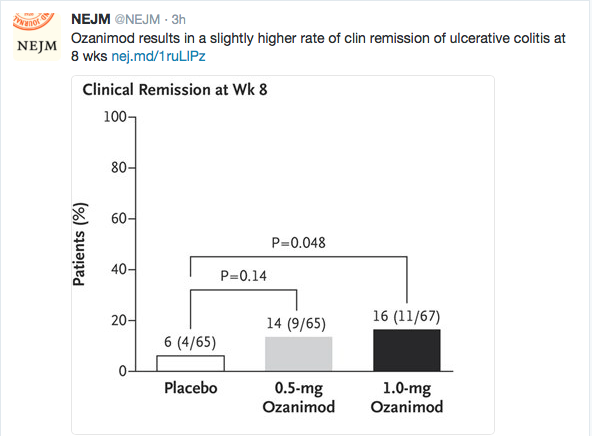
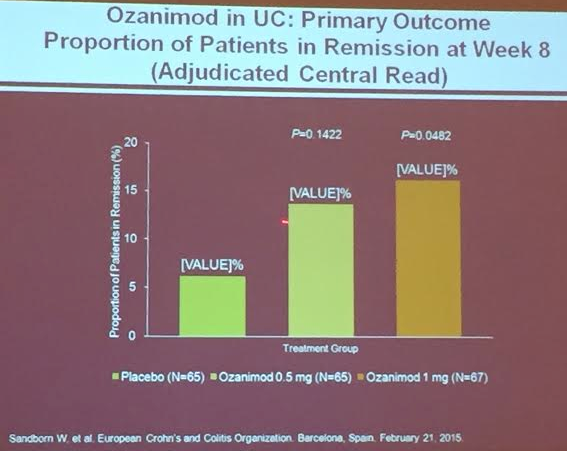
The primary outcome occurred in 16% of the patients who received 1 mg of ozanimod and in 14% of those who received 0.5 mg of ozanimod, as compared with 6% of those who received placebo (P=0.048 and P=0.14, respectively, for the comparison of the two doses of ozanimod with placebo). Differences in the primary outcome between the group that received 0.5 mg of ozanimod and the placebo group were not significant; therefore, the hierarchical testing plan deemed the analyses of secondary outcomes exploratory. Clinical response (decrease in Mayo Clinic score of ≥3 points and ≥30% and decrease in rectal-bleeding subscore of ≥1 point or a subscore ≤1) at 8 weeks occurred in 57% of those receiving 1 mg of ozanimod and 54% of those receiving 0.5 mg, as compared with 37% of those receiving placebo. At week 32, the rate of clinical remission was 21% in the group that received 1 mg of ozanimod, 26% in the group that received 0.5 mg of ozanimod, and 6% in the group that received placebo; the rate of clinical response was 51%, 35%, and 20%, respectively. At week 8, absolute lymphocyte counts declined 49% from baseline in the group that received 1 mg of ozanimod and 32% from baseline in the group that received 0.5 mg. The most common adverse events overall were anemia and headache.

CONCLUSIONS

In this preliminary trial, ozanimod at a daily dose of 1 mg resulted in a slightly higher rate of clinical remission of ulcerative colitis than placebo. The trial was not large enough or of sufficiently long duration to establish clinical efficacy or assess safety. (Funded by Receptos; TOUCHSTONE ClinicalTrials.gov number, NCT01647516.)

Ozanimod

Related blog post: CCFA Conference Notes 2016 (part 5) -Emerging Therapies …


CCFA Conference Notes 2016 (part 5) -Emerging Therapies

This blog entry has abbreviated/summarized this terrific presentation; most of the material has been covered in this blog in prior entries (can use search function to find additional relevant material) but still this was a useful review. Though not intentional, some important material is likely to have been omitted; in addition, transcription errors are possible as well.

Emerging Therapies in IBD –Dr. Gary Lichtenstein

Background: This lecture started with a review of current therapies. We have learned how to use our current therapies better. There still remain a large number of patients that face surgery with IBD; though there has been improvement (?50% reduction).

Issues with thiopurines were reviewed. May take 2-6 months to take effect, though monotherapy with thiopurines are fairly ineffective for Crohn’s disease as initial therapy.

Leukocyte Trafficking Agents:

  • Natalizumab
  • Vedolizumab
  • AJM300 –oral agent. Initial safety data were fine.
  • AMG 181
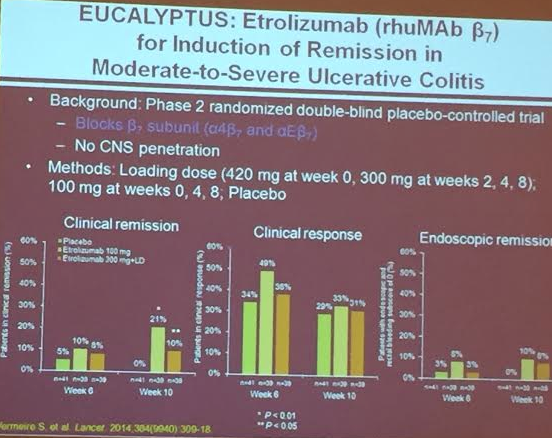
  • Etrolizumab (Vermeire S Lancet 2014) –low rates of endoscopic healing, but better than placebo

Screen Shot 2016-04-17 at 12.15.26 PM

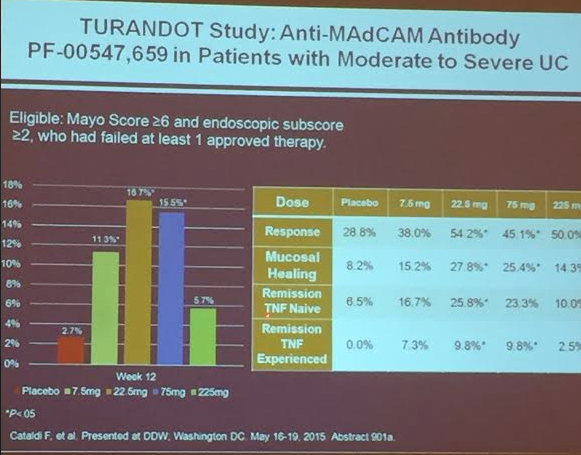
PF-00547,659

Screen Shot 2016-04-17 at 12.15.52 PM

S1P Modulators:

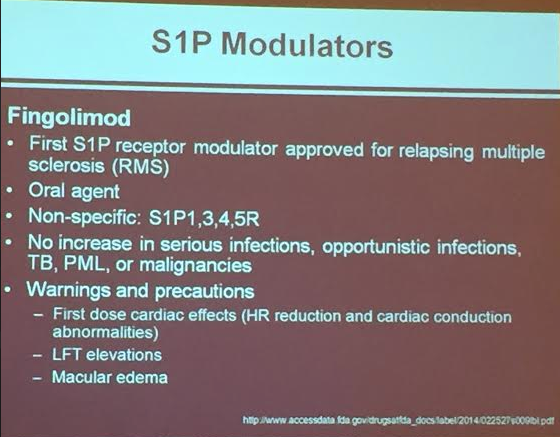
Fingolimod

Screen Shot 2016-04-17 at 12.16.26 PM

Ozanimod (RPC1063) (oral agent, fairly rapid onset) causes S1P-r on lymphocytes to be internalized –more selective than Fingolimod. Good safety has been noted thus far.  No notable cardiac problems. Infrequent elevations of transaminases; this issue will need to be followed.

Screen Shot 2016-04-17 at 12.16.38 PM

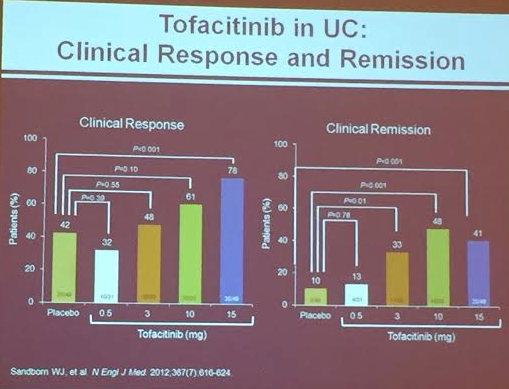
Tofacitinib oral Janus Kinus (JAK) Inhibitor (Sanborn WJ et al. NEJM 2012; 367: 616-24). Dr. Lichtenstein thinks 10 mg will be recommended dose. Follow lipids. For UC

Screen Shot 2016-04-17 at 12.17.11 PM

Mongerson related post: Mongerson -Phase II Data Available in NEJM | gutsandgrowth


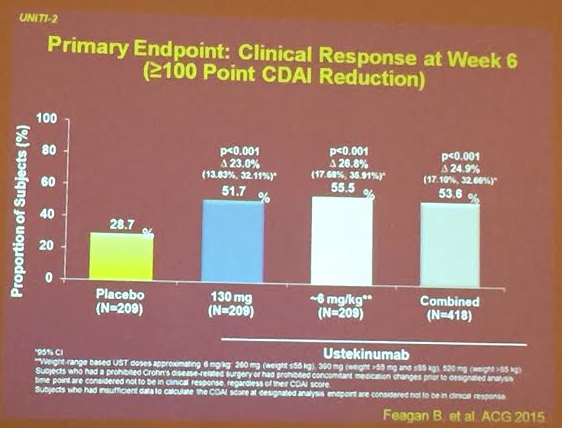
Ustekinumab

Screen Shot 2016-04-17 at 12.18.05 PM

Related article from GI & Hep News: Ustekinumab for complex Crohn’s from ECCO conference/UNITI-1 Study (n=741)

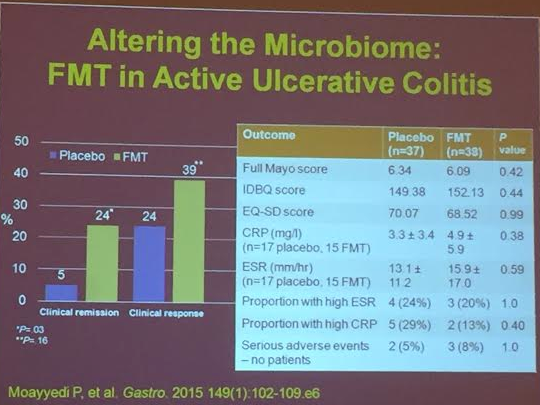
FMT.  Further studies are needed

Screen Shot 2016-04-17 at 12.18.17 PM