Unknown's avatar

About gutsandgrowth

I am a pediatric gastroenterologist at GI Care for Kids (previously called CCDHC) in Atlanta, Georgia. The goal of my blog is to share some of my reading in my field more broadly. In addition, I wanted to provide my voice to a wide range of topics that often have inaccurate or incomplete information. Before starting this blog in 2011, I would tear out articles from journals and/or keep notes in a palm pilot. This blog helps provide an updated source of information that is easy to access and search, along with links to useful multimedia sources. I was born and raised in Chattanooga. After graduating from the University of Virginia, I attended Baylor College of Medicine. I completed residency and fellowship training at the University of Cincinnati at the Children’s Hospital Medical Center. I received funding from the National Institutes of Health for molecular biology research of the gastrointestinal tract. During my fellowship, I had the opportunity to work with some of the most amazing pediatric gastroenterologists and mentors. Some of these individuals included Mitchell Cohen, William Balistreri, James Heubi, Jorge Bezerra, Colin Rudolph, John Bucuvalas, and Michael Farrell. I am grateful for their teaching and their friendship. During my training with their help, I received a nationwide award for the best research by a GI fellow. I have authored numerous publications/presentations including original research, case reports, review articles, and textbook chapters on various pediatric gastrointestinal problems. In addition, I have been recognized by Atlanta Magazine as a "Top Doctor" in my field multiple times. Currently, I am the vice chair of the section of nutrition for the Georgia Chapter of the American Academy of Pediatrics. In addition, I am an adjunct Associate Clinical Professor of Pediatrics at Emory University School of Medicine. Other society memberships have included the North American Society for Pediatric Gastroenterology Hepatology and Nutrition (NASPGHAN), American Academy of Pediatrics, the Food Allergy Network, the American Gastroenterology Association, the American Association for the Study of Liver Diseases, and the Crohn’s and Colitis Foundation. As part of a national pediatric GI organization called NASPGHAN (and its affiliated website GIKids), I have helped develop educational materials on a wide-range of gastrointestinal and liver diseases which are used across the country. Also, I have been an invited speaker for national campaigns to improve the evaluation and treatment of gastroesophageal reflux disease, celiac disease, eosinophilic esophagitis, hepatitis C, and inflammatory bowel disease (IBD). Some information on these topics has been posted at my work website, www.gicareforkids.com, which has links to multiple other useful resources. I am fortunate to work at GI Care For Kids. Our group has 17 terrific physicians with a wide range of subspecialization, including liver diseases, feeding disorders, eosinophilic diseases, inflammatory bowel disease, cystic fibrosis, DiGeorge/22q, celiac disease, and motility disorders. Many of our physicians are recognized nationally for their achievements. Our group of physicians have worked closely together for many years. None of the physicians in our group have ever left to join other groups. I have also worked with the same nurse (Bernadette) since I moved to Atlanta in 1997. For many families, more practical matters about our office include the following: – 14 office/satellite locations – physicians who speak Spanish – cutting edge research – on-site nutritionists – on-site psychology support for abdominal pain and feeding disorders – participation in ImproveCareNow to better the outcomes for children with inflammatory bowel disease – office endoscopy suite (lower costs and easier scheduling) – office infusion center (lower costs and easier for families) – easy access to nursing advice (each physician has at least one nurse) I am married and have two sons (both adults). I like to read, walk/hike, bike, swim, and play tennis with my free time. I do not have any financial relationships with pharmaceutical companies or other financial relationships to disclose. I have helped enroll patients in industry-sponsored research studies.

Video for Patients: Benefits and Risks of IBD Treatment & Risks of Untreated IBD

A recent study (NE Newman, KL Williams, BJ Zikmunde-Fisher, J Adler. JPGN 2020;70: e33-36) highlights work to communicate the benefits and risks of the treatment for inflammatory bowel disease (IBD) along with the risks of untreated IBD.  “We developed a simple video aid to illustrate competing risks associated with medications and underling disease in context of inflammatory bowel disease…Those who viewed the video aid had more realistic perceptions than those who did not view it.”

Here is a link to the ~13 minute online video: IBD: Risk of Disease and Treatments

Overall, the presentation is very helpful and thoughtful.  I think this would be an excellent overview for families.  For practitioners, a few points that could benefit from some nuance are noted below some screenshots.  It is worth stating that the authors had started this project a few years ago and some of the points below are related to more information that has emerged.

In the section of treatment benefits (above), the presentation suggests that thiopurines (azathioprine, 6-mercaptopurine) and methotrexate both are effective in about 50%; this is probably an overestimate; in addition, methotrexate as monotherapy is definitely less effective (if effective at all) for ulcerative colitis .  Also, it would be worthwhile to indicate that anti-TNF monotherapy with therapeutic drug monitoring may help achieve similar benefits as dual therapy.

In the section of colon cancer, the authors provide useful data that current treatments lower this risk substantially.  It is notable that more recent reports suggest that there have been improvements in the rates of colon cancer associated with IBD.

Overall, the section on lymphoma is very good.

In the section on other complications, the presentation suggests that there may be impaired wound-healing with anti-TNFs.  I think this risk is overstated in this slide. Also, I think the risk of severe infection with thiopurines is a little bit higher than stated; though, this can be mitigated with careful monitoring.

I think this summary slide could be improved by noting that the overall risk of serious cancers is likely lowered by treating IBD.  Since colon cancer is a fairly common cancer and IBD treatment reduces the risk, this likely outweighs the increased risk of other cancers (eg. lymphoma) which are much less common.

Another link to video: https://tinyurl.com/IBDTreatments

Related posts:

Disclaimer: This blog, gutsandgrowth, assumes no responsibility for any use or operation of any method, product, instruction, concept or idea contained in the material herein or for any injury or damage to persons or property (whether products liability, negligence or otherwise) resulting from such use or operation. These blog posts are for educational purposes only. Specific dosing of medications (along with potential adverse effects) should be confirmed by prescribing physician.  Because of rapid advances in the medical sciences, the gutsandgrowth blog cautions that independent verification should be made of diagnosis and drug dosages. The reader is solely responsible for the conduct of any suggested test or procedure.  This content is not a substitute for medical advice, diagnosis or treatment provided by a qualified healthcare provider. Always seek the advice of your physician or other qualified health provider with any questions you may have regarding a condition.

New Therapy for Eosinophilic Esophagitis

In a report (I Hirano, ES Dellon et al. Gastroenterol 2020; 158: 111-22) on a phase 2 trial with 47 adults, the authors show that weekly subcutaneous injections of dupilumab (300 mg) was associated with improvement in eosionophilic esophagitis.

Dupilumab, a fully human monoclonal antibody, antagonizes the interleukin-4 receptor-alpha component of the type 2 receptor, thereby inhibiting signaling of IL-4 and IL-13. Dupilumab has shown “efficacy in pediatric and adult atopic dermatitis, asthma, and chronic sinusitis with nasal polyposis” and is FDA-approved for use in these disorders.

Key findings:

  • Dupilumab was associated with improvement in dysphagia as measured by the Straumann Dysphagia Instrument with a mean reduction of 3.0 compared to 1.3 in the placebo group at week 10 (P=.0304)
  • Dupilumab was associated with improvement in histology, at week 12, the peak eosinophil count had dropped by a mean of 86.8 (P<.0001 vs. placebo)
  • Dupilumab was associated with improvement in endoscopic parameters as assessed by endoscopic reference score which dropped by 1.6 (P -.0006 vs placebo)
  • No serious adverse effects were evident.  Nasopharyngitis was noted in 17% in the dupilumab group compared to 4% of placebo-treated patients.  Injection site erythema was noted in 35% (vs. 8% in placebo group

Of note, the study was sponsored by pharmaceutical companies and many of the authors (including both lead authors) were either affiliated with these companies.

My take: This study indicates that Dupilumab has at least short term efficacy and safety for eosinophilic esophagitis.

Related blog posts:

Disclaimer: This blog, gutsandgrowth, assumes no responsibility for any use or operation of any method, product, instruction, concept or idea contained in the material herein or for any injury or damage to persons or property (whether products liability, negligence or otherwise) resulting from such use or operation. These blog posts are for educational purposes only. Specific dosing of medications (along with potential adverse effects) should be confirmed by prescribing physician.  Because of rapid advances in the medical sciences, the gutsandgrowth blog cautions that independent verification should be made of diagnosis and drug dosages. The reader is solely responsible for the conduct of any suggested test or procedure.  This content is not a substitute for medical advice, diagnosis or treatment provided by a qualified healthcare provider. Always seek the advice of your physician or other qualified health provider with any questions you may have regarding a condition

PERSUADE Study: I Guarantee That It Will …

Peppermint oil (PO) products have been promoted for irritable bowel syndrome (IBS) for quite a long time.  When I have recommended PO as a possible treatment, I frequently say that “I guarantee that it will….give you fresh breath.  It might help your stomach symptoms.”

A recent randomized, double-blind “PERSUADE” study (Zsa Zsa R. M. Weerts et al Gastroenterol 2020; 158: 123-36) shows that PO likely has some efficacy for stomach symptoms in IBS. This trial enrolled 189 patients & 178 completed study (mean age, 34 years, 78% female) from the Netherlands.  Subjects were divided in three groups -instructed to take the study capsule 3/day for 8 weeks:

  • 182 mg small-intestinal release PO-SI
  • 182 mg ileocolonic release PO-IC
  • Placebo

The primary endpoint was at least a 30% decrease in the weekly average of worst daily abdominal pain

Key findings:

  • The primary endpoint did NOT differ significantly between the three groups: PO-SI with 46.8%, PO-IC with 41.3%, and Placebo with 34.4% response.
  • The PO-SI but not PO-IC was associated in secondary improvements compared to placebo in abdominal pain (P=.06), discomfort (P=.02), and IBS severity (P=.02).
  • Adverse events were mild with PO, but more common than placebo. Adverse events included heartburn, belching, and headache.
  • The authors calculate that the number needed to treat with PO-SI would be 8 which is higher than recent ACG monograph which suggested an NNT of 4 (Am J Gastroenterol 2018; 113: 1-18).  Even an NNT of 8 compares favorably with other treatments: linaclotide 6, plecanatide 10, and eluxadoline 12.5.

Limitations:

  • the studied population was mainly young adult, predominantly white and female; thus the findings may not be generalized to other groups
  • the peppermint smell could have undermined blinding despite presentation in capsule form
  • relatively short duration study

The associated editorial by BD Cash (pgs 36-37) notes that PO medicinal use began in 1753 by Carl Linnaeus.  PO is thought to work via smooth muscle calcium channel antagonism.  The findings of working in the small intestine and not ileocolonic release could “spur additional therapeutic development.”

My take (borrowed in part from editorial): “These results reaffirm that PO can improve viscerosensory symptoms of IBS …and is well-tolerated… [It is] clearly not a gangbuster as a monotherapy.”  While the findings show modest effect, the findings are supported by a “robust” study as this is the first randomized, double-blind placebo-controlled clinical trial of PO.

Related blog posts:

Also, fidaxomicin has received FDA approval for pediatric use for C diff infections:

Electronic Health Record: 16 minutes Per Patient

Related blog posts:

How Allergy Testing Can Lead to More Allergies

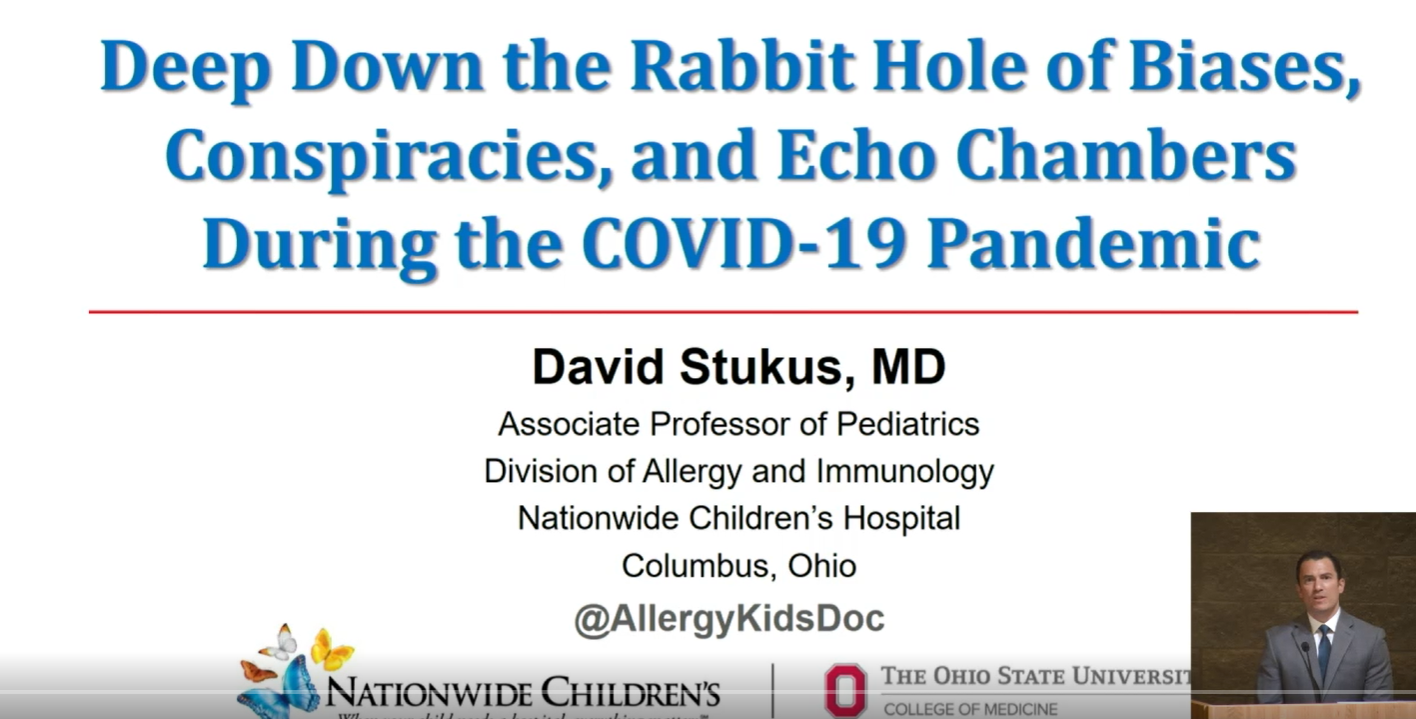
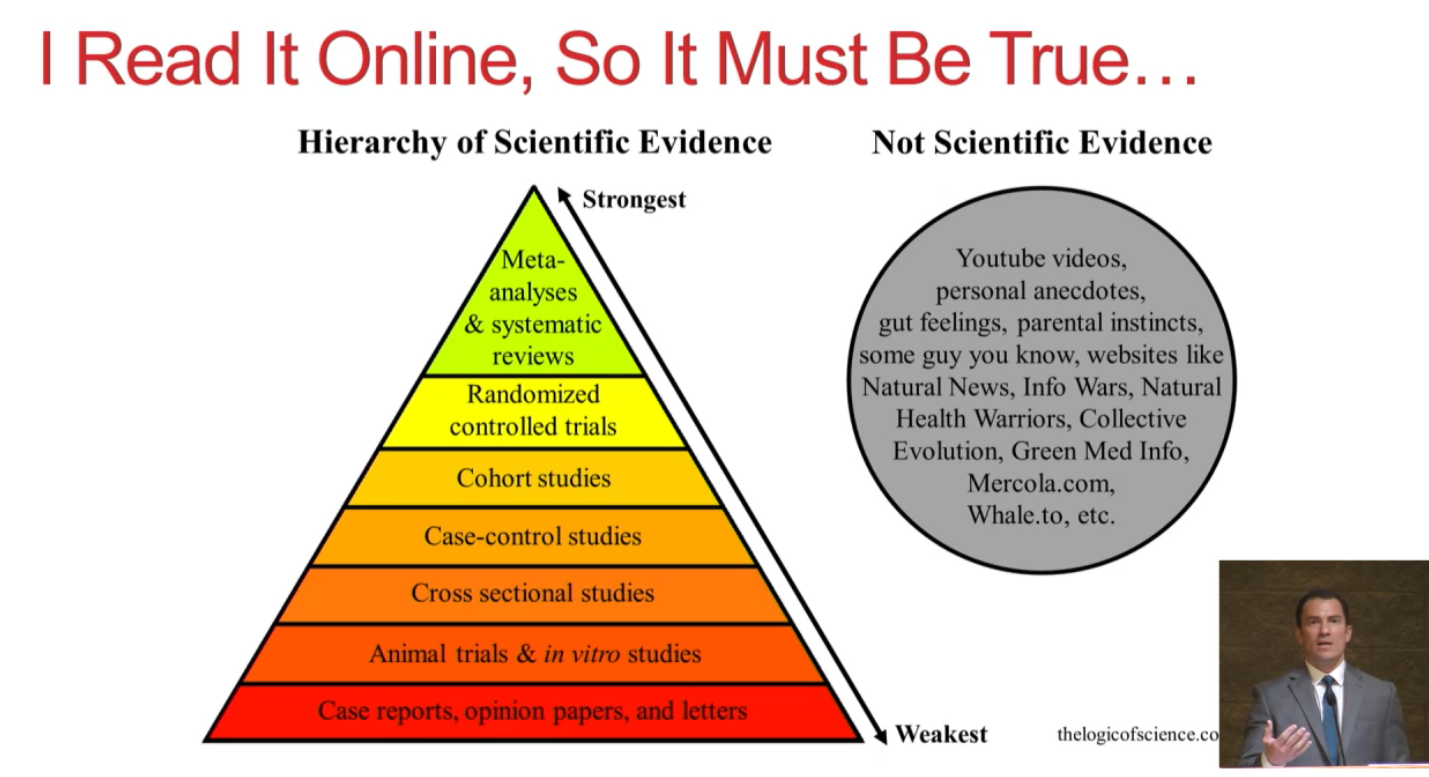
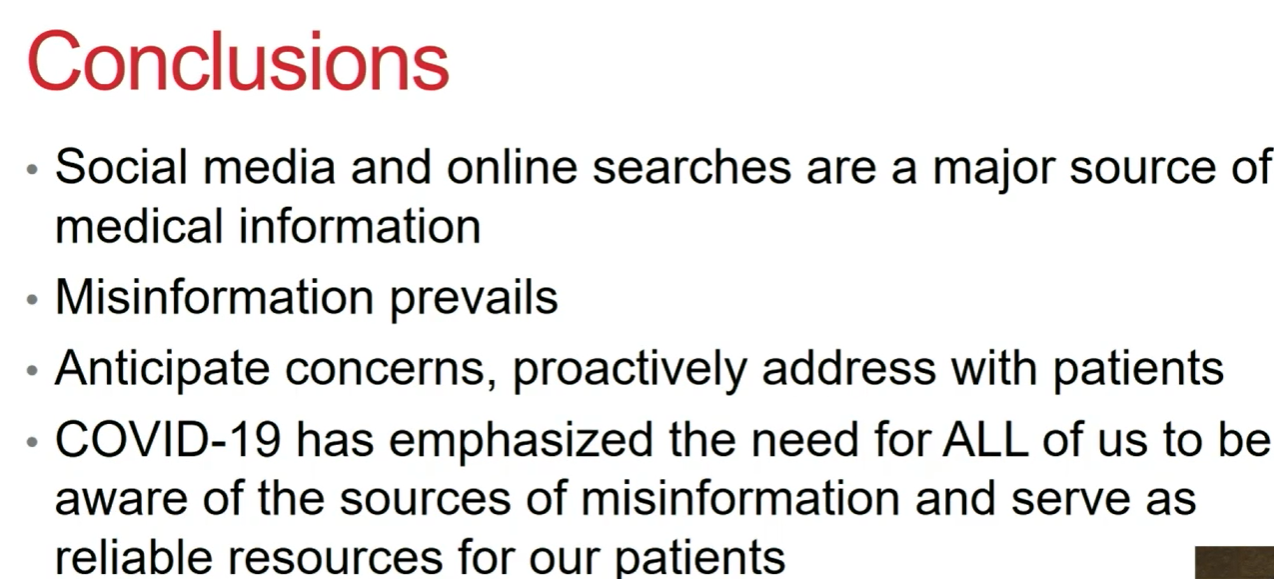
Dr. Dave Stutkus shared some slides (on twitter) recently based on a lecture at Nationwide Children’s.  Since I see children everyday who are undergoing poorly-conceived allergy testing, I wanted to share some of them.

  • Excluding foods from diet based on allergy testing without concurrent symptoms can lead to allergies rather than tolerance:

  • Newer antihistamines are safer

  • Most individuals with penicillin allergy are not truly penicillin allergic.  Also, there is a low rate of cross-reactivity with most cephalosporins.

  • Proper allergy testing relies on the basic understanding that sensitization is not equivalent to being allergic.  In addition, allergy testing has a high rate of false positives; therefore, testing needs to be limited (avoid broad panels).

Also, link to AAP guidelines on breastfeeding & eczema and introduction of foods to minimize development of allergies: The Effects of Early Nutritional Interventions on the Development of Atopic Disease in Infants and Children: The Role of Maternal Dietary
Restriction, Breastfeeding, Hydrolyzed Formulas, and Timing of Introduction of Allergenic Complementary Foods

Related blog posts:

Disclaimer: This blog, gutsandgrowth, assumes no responsibility for any use or operation of any method, product, instruction, concept or idea contained in the material herein or for any injury or damage to persons or property (whether products liability, negligence or otherwise) resulting from such use or operation. These blog posts are for educational purposes only. Specific dosing of medications (along with potential adverse effects) should be confirmed by prescribing physician.  Because of rapid advances in the medical sciences, the gutsandgrowth blog cautions that independent verification should be made of diagnosis and drug dosages. The reader is solely responsible for the conduct of any suggested test or procedure.  This content is not a substitute for medical advice, diagnosis or treatment provided by a qualified healthcare provider. Always seek the advice of your physician or other qualified health provider with any questions you may have regarding a condition

USDA Changing School Rules –Policy Should Get an “F”

From NPR: More Pizza And Fries? USDA Proposes To ‘Simplify’ Obama-Era School Lunch Rules

An excerpt:

The U.S. Department of Agriculture has proposed new rules for school meals aimed at giving administrators more flexibility in what they serve in school cafeterias around the country each day.

For instance, instead of being required to offer higher quantities of nutrient-dense red and orange vegetables such as carrots, peppers and buttternut squash, schools would have more discretion over the varieties of vegetables they offer each day. In addition, students will be allowed to purchase more entree items as a la carte selections…

Critics say the proposed changes from the Trump administration amount to further rollbacks of the nutrition standards put in place during the Obama administration following the passage of the Healthy, Hunger-Free Kids Act of 2010

“In practice, if finalized, this would create a huge loophole in school nutrition guidelines, paving the way for children to choose pizza, burgers, French fries, and other foods high in calories, saturated fat or sodium in place of balanced school meals every day,” The proposal follows a spate of rule changes announced by Perdue in 2018 that weakened the whole grain requirements and gave school administrators more leeway to serve up white breads and biscuits. 

My take: School lunch standards do not need to be rolled back.  While improving nutrition at schools will not solve the epidemic of obesity, it needs to be at least one piece of a much bigger puzzle.

Related blog posts:

Legislative Agenda for Drug Pricing

There have been some recent terrific advances in pharmacology –a few that come to mind:

The one common feature is that these are all very expensive; there are many other expensive medications with less benefit.  Given the rise in costs of these medications, there is a need to do a better job in getting good value in our drug costs.  A potential path forward is outlined in a recent commentaries (SB Dusetzina, J Oberlander. NEJM 2019; 381: 2081-4; PB Bach. NEJM 2019; 381: 2084-6).

In the first commentary, the authors review the Elijah E Cummings Lower Drug Costs Now Act of 2019 (HR 3).

  • In essence, this act establishes a drug-price negotiation process and limits price increases on existing products.  “Companies whose products are selected for ‘negotiation’ will in reality face price regulation and a severe penalty for noncompliance.”
  • The act would examine U.S. prices compared to prices paid in other countries.  “There would also be a legislatively set maximum price that could not exceed 120% of the average net price paid for the same drug in designated countries.”
  • The bill also would cap Medicare Part D out-of-pocket spending at $2000 per year.

In the second commentary, Dr. Bach notes that drugs that have too little evidence to support full approval and those that are ‘too late in their life cycle’ both should have their pricing negotiated by the government.  This would side step some of the arguments about undermining the incentive for new drug development.

“Too little”

  • The FDA grants approval of some drugs on the market conditionally on the basis of data indicating that they improve a surrogate marker of patient benefit. “Despite the conditional nature of the approval, …the pharmaceutical firms currently charge the same high prices that fully approved drugs capture.”
  • Required studies frequently show that these conditionally-approved medications are ineffective.  Of the 198 indications granted accelerated approval since 1992, only 115 have garnered full approval.  Also, conditional approval may result in less incentive to complete the needed trials in a timely fashion.

“Too late”

  • In this category, the author notes that some medications have found many ways to extend their monopolies, which are intended as a time-limited reward for the effort of developing a new medication.  These include overlapping patents, refusing to provide samples to competitors, and paying other companies to delay bringing generic or biosimilar products to market
  • Most of the potential for savings are in this category rather than the ‘too little’ category
  • Negotiating prices of the top 10 too little and 10 too late medications with reference to 120% of UK pricing would have provided about nearly 27 billion in savings in 2019

My take: While current partisanship makes reaching agreement difficult, targeting soaring pharmaceutical costs is one area in which I predict common ground can be found.  While many are going to benefit from the therapeutic advances listed above, there are other medications which are overpriced and should be negotiated like in other high-income countries.

Related blog posts:

Bathroom mural for bicycle enthusiasts (at a stop on the Petit Train du Nord Linear Park)

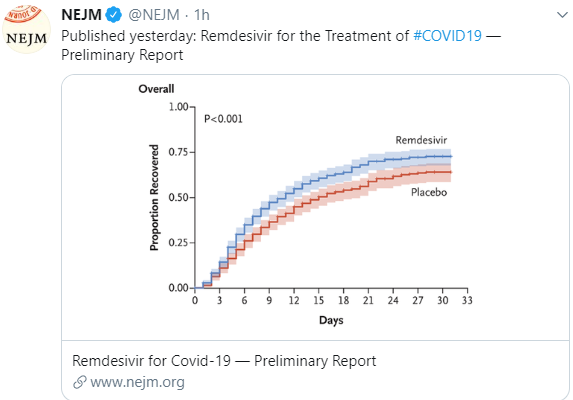
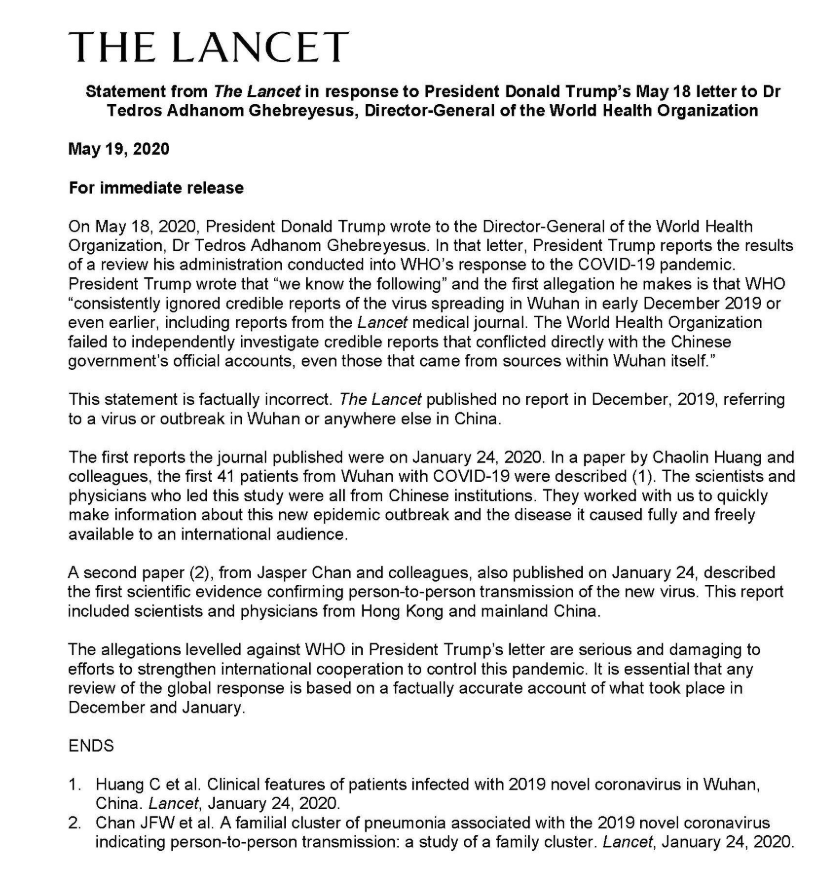
The Best Information We Have To Date on the Emerging Coronavirus

The NEJM has made the information it has on the emerging coronavirus open access.  Here are the links:

An excerpt from the editorial:

For the third time in as many decades, a zoonotic coronavirus has crossed species to infect human populations. This virus, provisionally called 2019-nCoV, was first identified in Wuhan, China, in persons exposed to a seafood or wet market. The rapid response of the Chinese public health, clinical, and scientific communities facilitated recognition of the clinical disease and initial understanding of the epidemiology of the infection. First reports indicated that human-to-human transmission was limited or nonexistent, but we now know that such transmission occurs, although to what extent remains unknown. Like outbreaks caused by two other pathogenic human respiratory coronaviruses (severe acute respiratory syndrome coronavirus [SARS-CoV] and Middle East respiratory syndrome coronavirus [MERS-CoV]), 2019-nCoV causes respiratory disease that is often severe.1 As of January 24, 2020, there were more than 800 reported cases, with a mortality rate of 3%…

Both SARS-CoV and MERS-CoV infect intrapulmonary epithelial cells more than cells of the upper airways.4,6 Consequently, transmission occurs primarily from patients with recognized illness and not from patients with mild, nonspecific signs. It appears that 2019-nCoV uses the same cellular receptor as SARS-CoV (human angiotensin-converting enzyme 2 [hACE2]),3 so transmission is expected only after signs of lower respiratory tract disease develop…

It is likely that 2019-nCoV will behave more like SARS-CoV and further adapt to the human host, with enhanced binding to hACE2.


Neurologic Toll of Celiac Disease

A recent prospective cohort study (M Hadjivassiliou et al. Clin Gastroenterol Hepatol 2019; 17: 2678-86) shows an alarmingly-high level of neurologic deficits in 100 consecutive adults (mean age 43 years) with a new diagnosis of celiac disease.

Key findings:

  • Gait instability in 24%
  • Persistent sensory symptoms in 12%; peripheral neuropathy was identified in 2%
  • Frequent headaches in 42%
  • Abnormal results from Brain MRI in 60%; 25% had brain white matter lesions beyond expectation for age group and 46% had abnormal MR spectroscopy of the cerebellum
  • Anti-TG6 antibodies were detected in 40% of patients and this subgroup had significant atrophy of subcortical brain regions compared to patients who were Anti-TG6 antibody-negative

Some neurologic findings improve on a gluten-free diet (GFD).  In previous studies of patients with CD and headaches, 75-80% improved or subsided after a year of strict adherence to a GFD.

My take: This study indicates that early diagnosis of celiac disease along with strict adherence to a gluten-free diet is likely to prevent permanent neurologic disability.

Related blog posts: