Incidental Liver Lesions -What to Do

B Karmazyn et al. JPGN 2022; 74: 320-327. Diagnosis and Follow-up of Incidental Liver Lesions in Children

This article summarizes the authors’ diagnostic approach to incidental liver lesions. Figure 1 provides provides an overview. The authors note that an MRI is preferred for multiple lesions, complex cysts, and solid cysts >3 cm in size. This algorithm recommends the following:

  • Consideration of liver biopsy for lesions 5 cm or greater (though imaging surveillance can be considered for some lesions with typical benign appearance). Most malignant lesions are >5 cm.
  • For those lesions less than 5 cm, in those with features of hepatocellular adenoma or lesions with atypical features, consider a biopsy if feasible
  • For those lesions less than 5 cm, in those with a typical appearance of a simple cyst, hemangioma or focal nodular hyperplasia, the algorithm recommends surveillance every 6-12 months. When a lesion is stable in size, surveillance can be changed to every 2-3 years. In those lesions that are increasing size, either a biopsy or more frequent surveillance (every 3-6 months) is recommended.
  • In terms of modality, if initial imaging is an ultrasound, the algorithm recommends an MRI if the lesion is a complex cyst, and for solid lesions >3 cm. No followup is recommended for “typical focal fatty infiltration or sparing.”

Related blog post: Liver Masses -Helpful Reference

Dawn in Sandy Springs (no filter)

Disclaimer: This blog, gutsandgrowth, assumes no responsibility for any use or operation of any method, product, instruction, concept or idea contained in the material herein or for any injury or damage to persons or property (whether products liability, negligence or otherwise) resulting from such use or operation. These blog posts are for educational purposes only. Specific dosing of medications (along with potential adverse effects) should be confirmed by prescribing physician.  Because of rapid advances in the medical sciences, the gutsandgrowth blog cautions that independent verification should be made of diagnosis and drug dosages. The reader is solely responsible for the conduct of any suggested test or procedure.  This content is not a substitute for medical advice, diagnosis or treatment provided by a qualified healthcare provider. Always seek the advice of your physician or other qualified health provider with any questions you may have regarding a condition.

IQ and Pediatric Chronic Liver Disease

DH Leung et al. JPGN2022 – Volume 74 – Issue 1 – p 96-103. Neurodevelopmental Outcomes in Children With Inherited Liver Disease and Native Liver

In this longitudinal study, the authors evaluated Full Scale Intelligence Quotient (FSIQ) in children with chronic liver disease (mean age 7.6 yrs). Key finding:

  • Patients with Alagille syndrome (ALGS) are at increased risk of lower FSIQ (with 29% <85), whereas our data suggest A1AT and PFIC are not

Related blog posts:

Bookmark This Article on Pediatric Acute Liver Failure

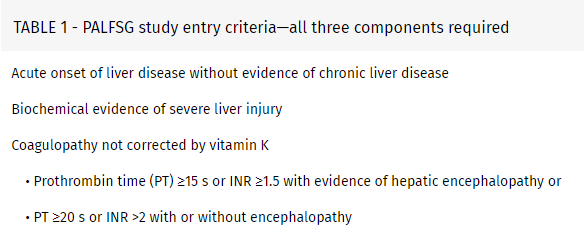
JE Squires et al. JPGN 2022 – Volume 74 – Issue 1 – p 138-158. doi: 10.1097/MPG.0000000000003268. Open Access: North American Society for Pediatric Gastroenterology, Hepatology, and Nutrition Position Paper on the Diagnosis and Management of Pediatric Acute Liver Failure

This article provides a terrific summary of the most urgent issues with regard to caring for children with PALF; this article provides helpful information for diagnosis, and management, as well as information on pathophysiology, and associated outcomes.

PDF version: PALF in Children Position Paper

The article makes a number of recommendations for testing/treatment -here are a few of them:

  • While the initial testing does list ferritin, it does not list soluble IL2R as an early test (listed lower in Table 4 under section of hepatic encephalopathy). My colleagues at Emory who specialize in liver transplantation have frequently recommended this test early in the evaluation of severe liver disease/acute liver failure (ALF) as a potential marker of HLH and immune dysregulation.
  • With regard to coagulopathy: “Coagulopathy secondary to vitamin K deficiency should rapidly correct following appropriate repletion. Notably, if coagulopathy persists, efforts to “correct” abnormal coagulation profiles with fresh frozen plasma or other pro-coagulation products should generally be avoided” [in the absence of bleeding or need for invasive procedure].
  • Initial IV Fluids: ” In the absence of the need for volume resuscitation, total intravenous fluids should initially be restricted to around 90% of maintenance fluids to avoid overhydration. Initial fluids should be similar to hypertonic glucose (D10) one-half normal saline and supplemented with 15 mEq of potassium (K+)/L.”
  • Nutritional support: “Patients with PALF are likely catabolic and require more calories than basal needs. Enteral feeding is often preferred over total parenteral nutrition (TPN), and both naso-gastric or naso-jejunal feeds should be considered before TPN.”
  • Neonatal ALF: “GALD results from an intrauterine alloimmune liver injury and is suspected to be the single most common cause of neonatal acute liver failure… Characteristic clinical features of GALD include an ALF presentation usually at birth and almost always in the first days of life. The majority (70–90%) of affected infants are born premature and a history of maternal sibling death is common. Timely exchange transfusion and high-dose intravenous immunoglobulin (IVIG) is the preferred treatment to remove offending antibodies and block their action, including activation of complement (88,91). The mechanism of GALD places subsequent pregnancies at risk, and intrapartum IVIG should be used to prevent recurrences.”
  • Table 8 list common medications implicated in PALF. “Acetaminophen (APAP) …remains the most common cause of DILI, and is the most common identified cause of ALF in children.” 

Related blog posts:

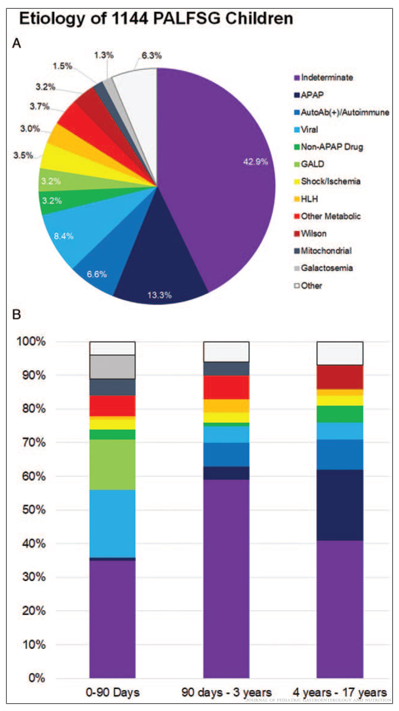
Figure 3: Etiology of acute liver failure in children.
(A) Etiology for 1144 children from the Pediatric Acute Liver Failure Study Group (PALFSG) 1999–2014. (B) Final diagnosis by age (note: figure B includes information on only 985 participants)

Disclaimer: This blog, gutsandgrowth, assumes no responsibility for any use or operation of any method, product, instruction, concept or idea contained in the material herein or for any injury or damage to persons or property (whether products liability, negligence or otherwise) resulting from such use or operation. These blog posts are for educational purposes only. Specific dosing of medications (along with potential adverse effects) should be confirmed by prescribing physician.  Because of rapid advances in the medical sciences, the gutsandgrowth blog cautions that independent verification should be made of diagnosis and drug dosages. The reader is solely responsible for the conduct of any suggested test or procedure.  This content is not a substitute for medical advice, diagnosis or treatment provided by a qualified healthcare provider. Always seek the advice of your physician or other qualified health provider with any questions you may have regarding a condition.
Food Allergy in Liver Transplant Recipients

F Mori et al. JPGN 2022; 74: 175-179. De Novo Food Allergy in Pediatric Recipients of Liver Transplant

This interesting review has several key points:

  • Reported prevalence of food allergy after liver transplant ranges from 5% to 40%
  • Younger age at transplantation is a risk factor for developing de novo post-transplant food allergy (dnPTFA)
  • Tacrolimus has been implicated as a risk factor for dnPTFA
  • Common dnPTFA are the same as in the general population: milk, egg, wheat, peanouts/nuts, fish, and soy

Management recommendations:

  • If the donor has a food allergy, the recipient should be tested within the first months of transplant for food-specific IgE and “it is advisable to introduce the suspected food in a controlled setting”
  • Elimination diet is mainstay of treatment. Some individuals may need modification of their immunosuppressive medications
  • Provide self-injectable epinephrine in those with food allergy
  • Monitoring of specific IgE/skin prick tests is advised

My take: There are increased allergy issues in kids who have had liver transplantation.

Related blog post: Lots of Allergy & Autoimmunity Issues Following Solid Organ Transplantation

Disclaimer: This blog, gutsandgrowth, assumes no responsibility for any use or operation of any method, product, instruction, concept or idea contained in the material herein or for any injury or damage to persons or property (whether products liability, negligence or otherwise) resulting from such use or operation. These blog posts are for educational purposes only. Specific dosing of medications (along with potential adverse effects) should be confirmed by prescribing physician.  Because of rapid advances in the medical sciences, the gutsandgrowth blog cautions that independent verification should be made of diagnosis and drug dosages. The reader is solely responsible for the conduct of any suggested test or procedure.  This content is not a substitute for medical advice, diagnosis or treatment provided by a qualified healthcare provider. Always seek the advice of your physician or other qualified health provider with any questions you may have regarding a condition.

Liver Shorts: Biliary Atresia Organoids, AIH Pregnancy Outcomes, ALT Levels in Primary Care, Polyreactive IgG for AIH

SP Amarachintha et al. Hepatology 2022; 75: 89-103. Open Access: Biliary organoids uncover delayed epithelial development and barrier function in biliary atresia

This is a super cool article documenting a new human model for studying biliary atresia. The authors “generated biliary organoids from liver biopsies of infants with biliary atresia and normal and diseased controls…Organoids from biliary atresia are viable and have evidence of halted epithelial development. The induction of developmental markers, improved cell-cell junction, and decreased epithelial permeability by EGF and FGF2 identifies potential strategies to promote epithelial maturation and function.”

The authors note that delayed development of cholangiocytes impair barrier function and leave the liver susceptible to various insults which can trigger an inflammatory response with potential progression to obliteration of the bile ducts.

CW Wang et al. Hepatology 2022; 75: 5-12. Open Access: Outcomes of pregnancy in autoimmune hepatitis: A population-based study

Among 18,595,345 pregnancies, 935 (<0.001%) had AIH (60 with cirrhosis) and 120,100 (0.006%) had other CLD (845 with cirrhosis). Key findings:

  • AIH was not associated with postpartum hemorrhage, maternal, or perinatal death
  • AIH was associated with preterm births when compared with women without CLD (OR: 2.0)
  • The odds of gestational diabetes (GDM) and hypertensive complications (pre-eclampsia, eclampsia, or hemolysis, elevated liver enzymes, low platelets) were significantly higher in AIH compared to other CLD (GDM: OR 2.2 and hypertensive complications: OR: 1.8) and also compared to no CLD in pregnancy (GDM: OR: 2.4 and  hypertensive complications: OR: 2.4)

SJ Wu et al. J Pediatr 2022; 240: 280-283. The Prevalence of Elevated Alanine Aminotransferase Levels Meeting Clinical Action Thresholds in Children with Obesity in Primary Care Practice

In this brief report, the authors identified 7.8% of children from a cross-sectional California cohort (n=12,945) with ALT >44 U/L and BMI in the 95% or higher (2012-2014). Males were twice as likely to have elevated ALT. Ethnicity rates were higher in hispanics, asians than white and black children (in males: 12%, 10.4%, 7.3% and 3.1%, respectively)

R Taubert et al. Hepatology 2022; 75: 13-27. Quantification of polyreactive immunoglobulin G facilitates the diagnosis of autoimmune hepatitis

Key findings: Polyreactive IgGs (pIgGs) are a common finding in untreated AIH and have “the highest overall accuracy for the distinction between AIH and non-AIH LD compared to the most common conventional autoantibodies.” In addition, in this study with 1568 adutls, pIgGs were present in “up to 88% of patients with seronegative AIH and in up to 71% of AIH patients with normal IgG levels. Under therapy, pIgG returns to background levels of non-AIH-LD.”

Autoantibodies Significance in Pediatric Fatty Liver Disease

A Khayat, B Vitola et al. J Pediatr 2021; 239: 155-160. Prevalence and Clinical Significance of Autoantibodies in Children with Overweight and Obesity with Nonalcoholic Fatty Liver Disease

When investigating elevated liver enzymes in teenagers, serology for autoimmune hepatitis (AIH) is frequently obtained. In the face of overweight/obesity, the majority will have nonalcoholic fatty liver disease (NAFL). How many with elevated autoantibodies actually have autoimmune liver disease (ALD)? Some information regarding this issue is available in the article by Khayat et al.

Methods: A retrospective, cross-sectional study of 181 children with a biopsy-proven diagnosis of NAFL, NASH, autoimmune hepatitis (AIH), or primary sclerosing cholangitis (PSC) and a body mass index (BMI) >85th percentile treated between 2007 and 2016.

Key findings:

  • Antinuclear antibody (ANA), anti-actin antibody, and anti–liver kidney microsomal (LKM) antibody were positive in 16.1%, 13.8%, and 0%, respectively, of the patients with NAFL and in 32.8%, 15.5%, and 0%, respectively, of those with NASH
  • Total immunoglobulin G (IgG) was elevated in 27.3% of the patients with NAFL and in 47.7% of those with NASH, but in 100% of those with ALD. A normal IgG level was the “strongest negative predictor of ALD, followed by a negative ANA and actin.”
  • The positive predictive value of LKM was 100% for ALD but only 29% for ANA and 46% for anti-actin antibody. ANA positivity in this cohort was associated with more insulin resistance
  • ALD was present in 29/181 (16%).  12 (6.6%) with isolated ALD (AIH, PSC, or overlap), and 17 (9.4%) with combined ALD and NAFLD
  • BMI >98% “appears to be an important breakpoint above which ALD is less likely” even when IgG is high with a positive ANA
  • Limitations: Retrospective study, not every patient had all of the ALD serology tests

My take: Even heavy kids may have autoimmune liver disease. In those with abnormal serology, about 1 in 6 will have ALD, either in combination with NAFL or as the sole etiology of abnormal LFTs.

Related blog posts:

NASPGHAN Foundation: Hepatitis C in Children and Adolescents

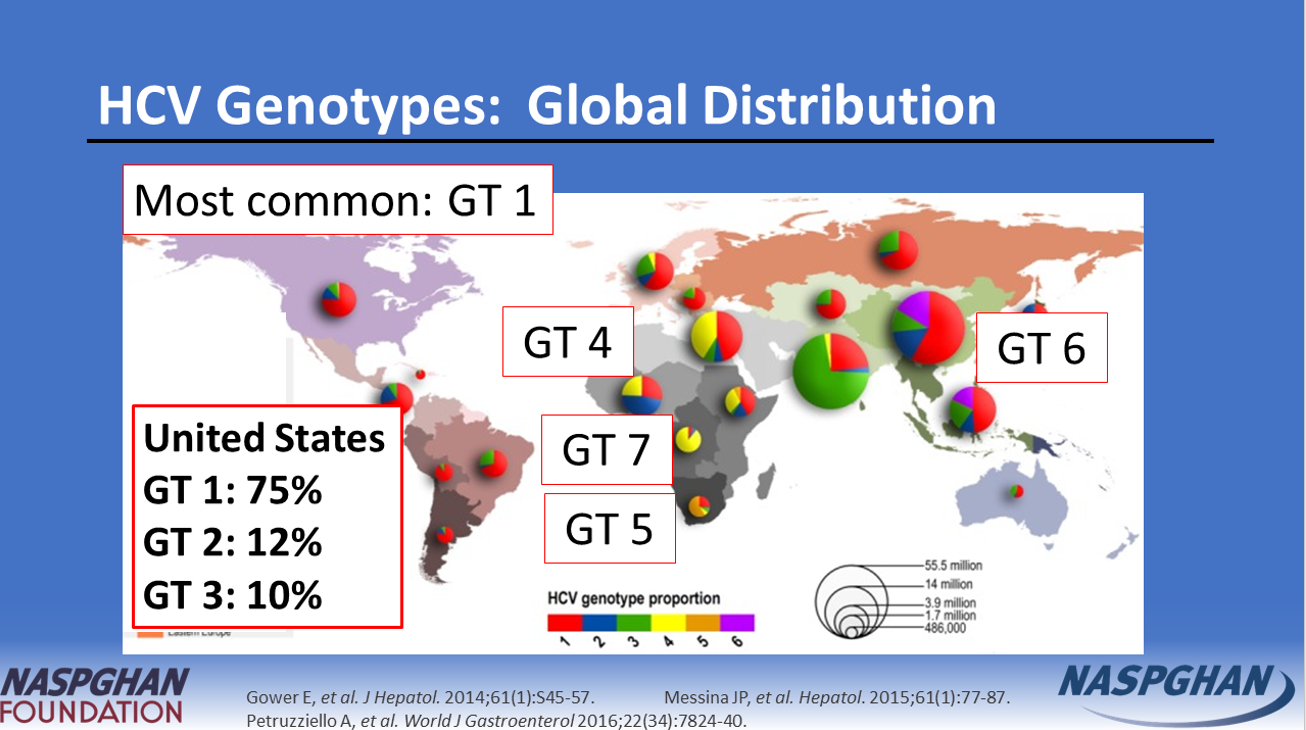
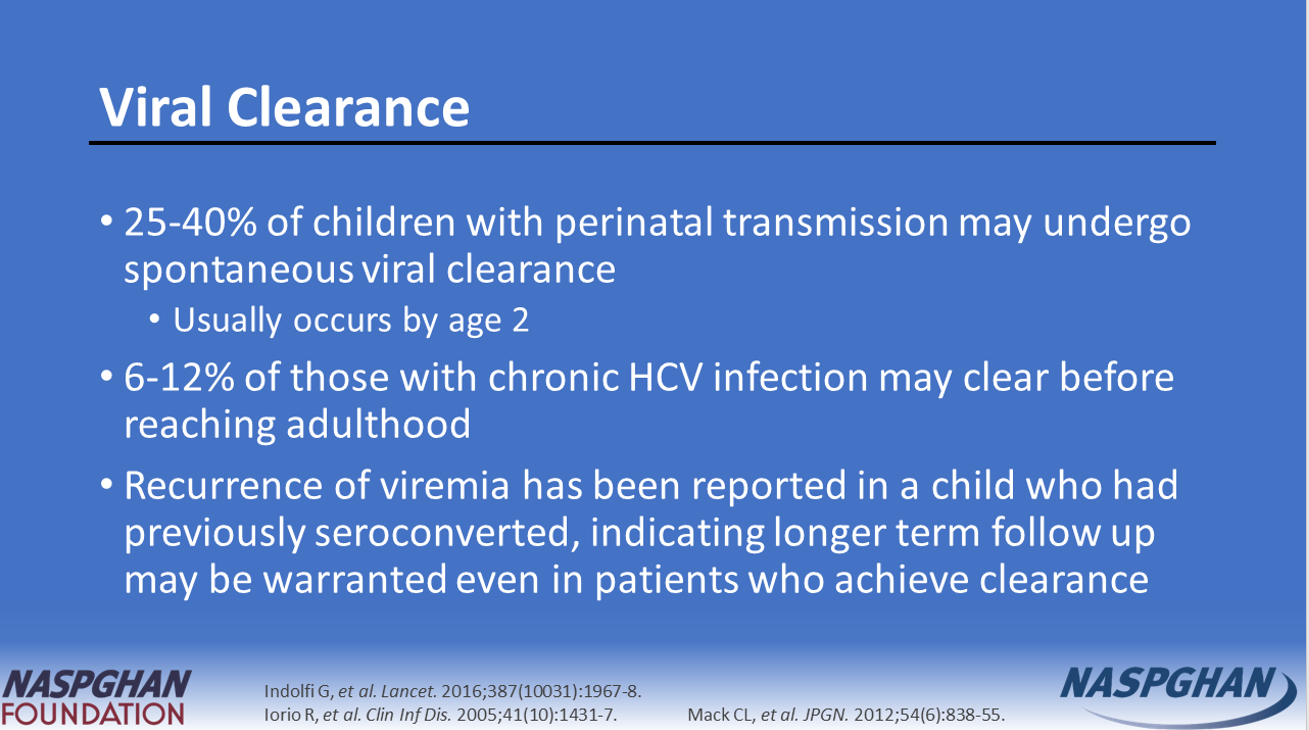
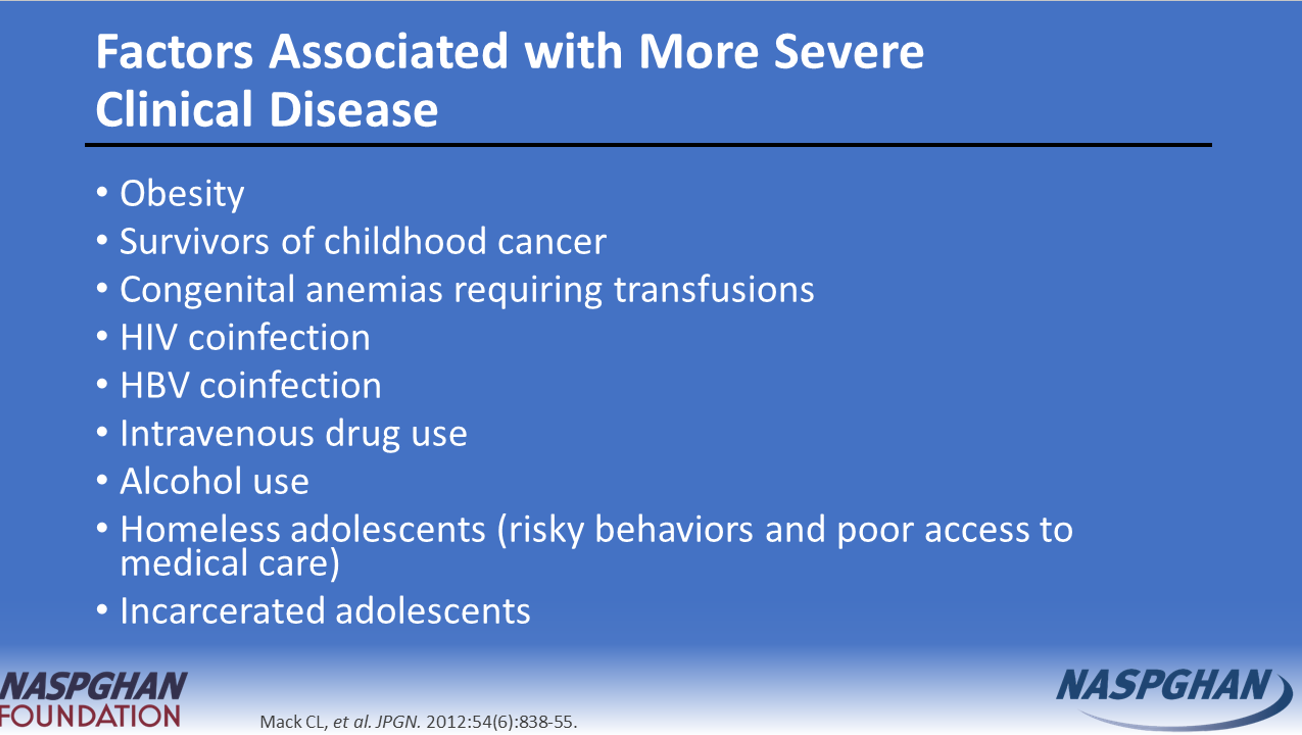
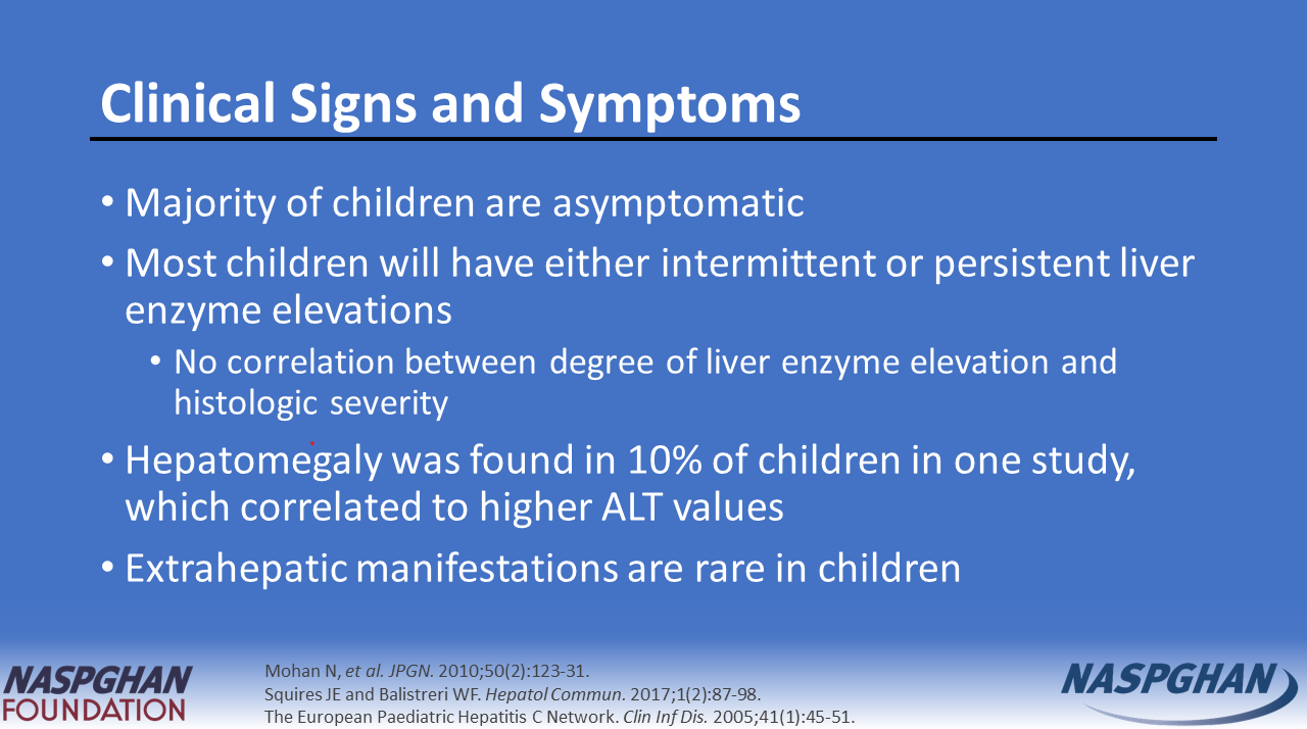
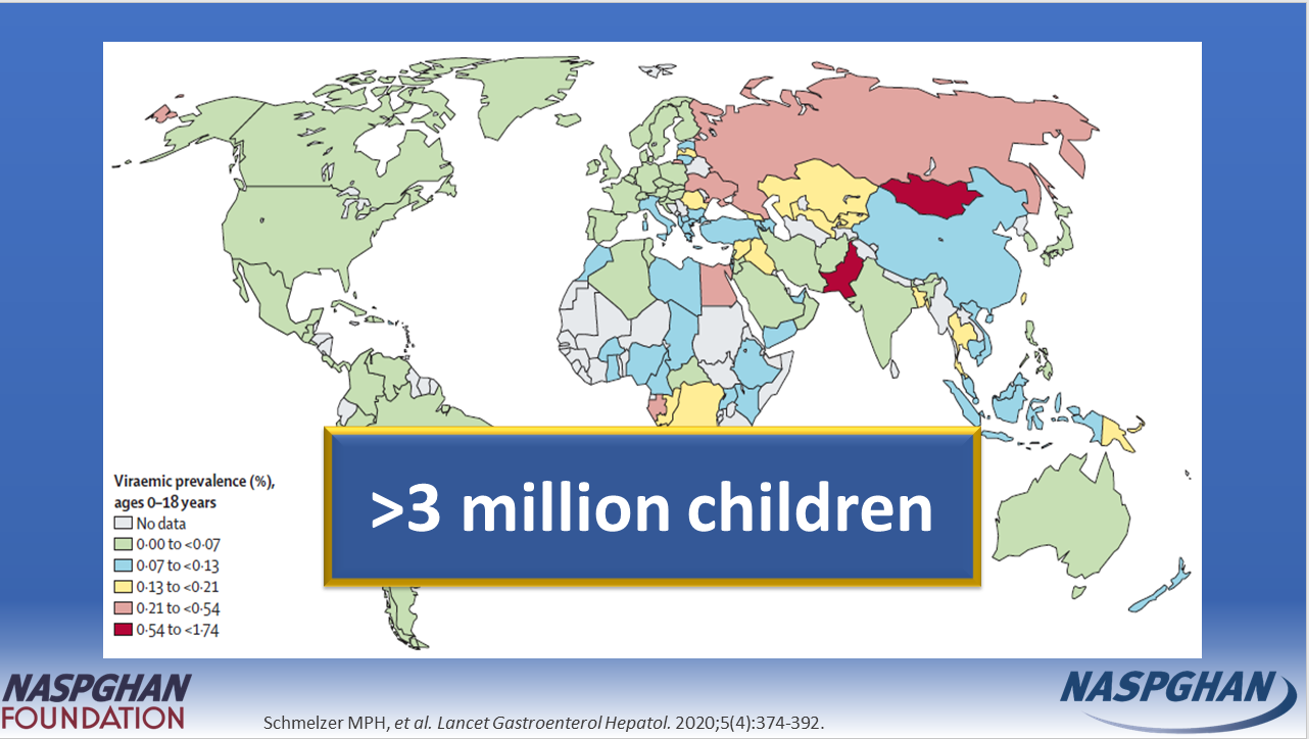
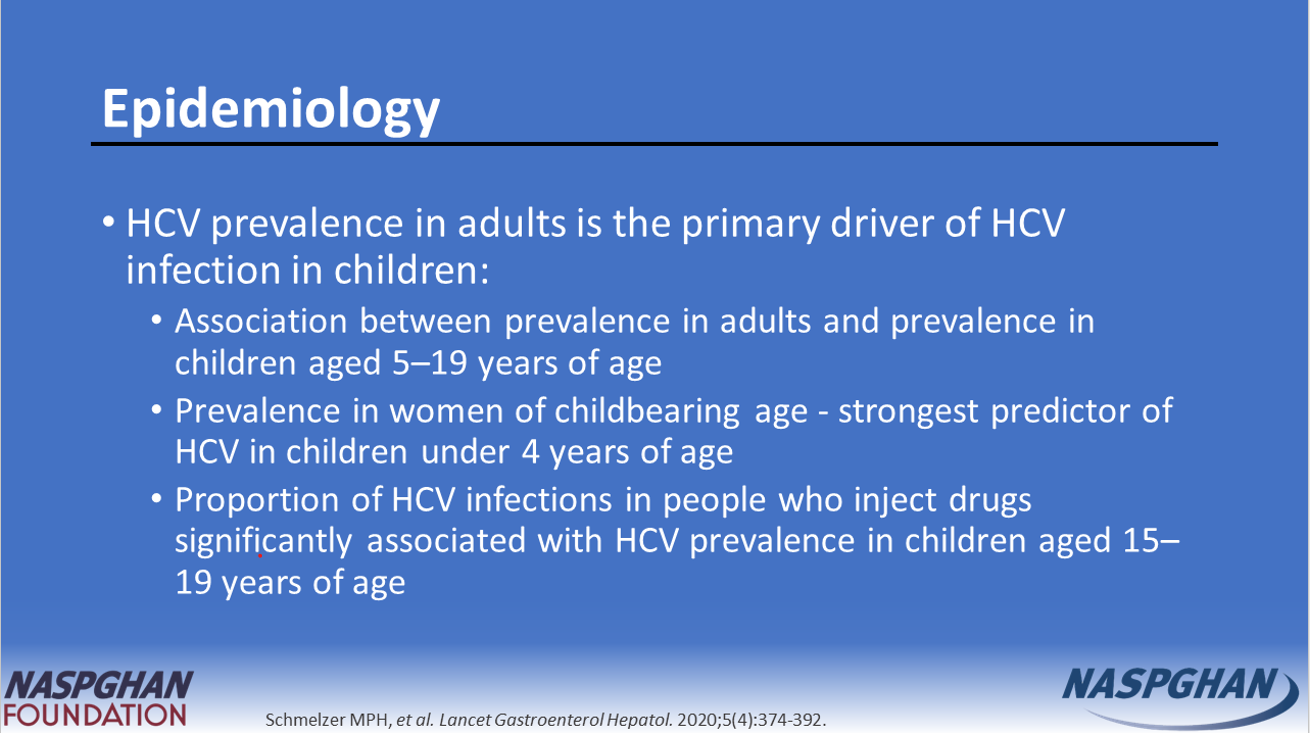
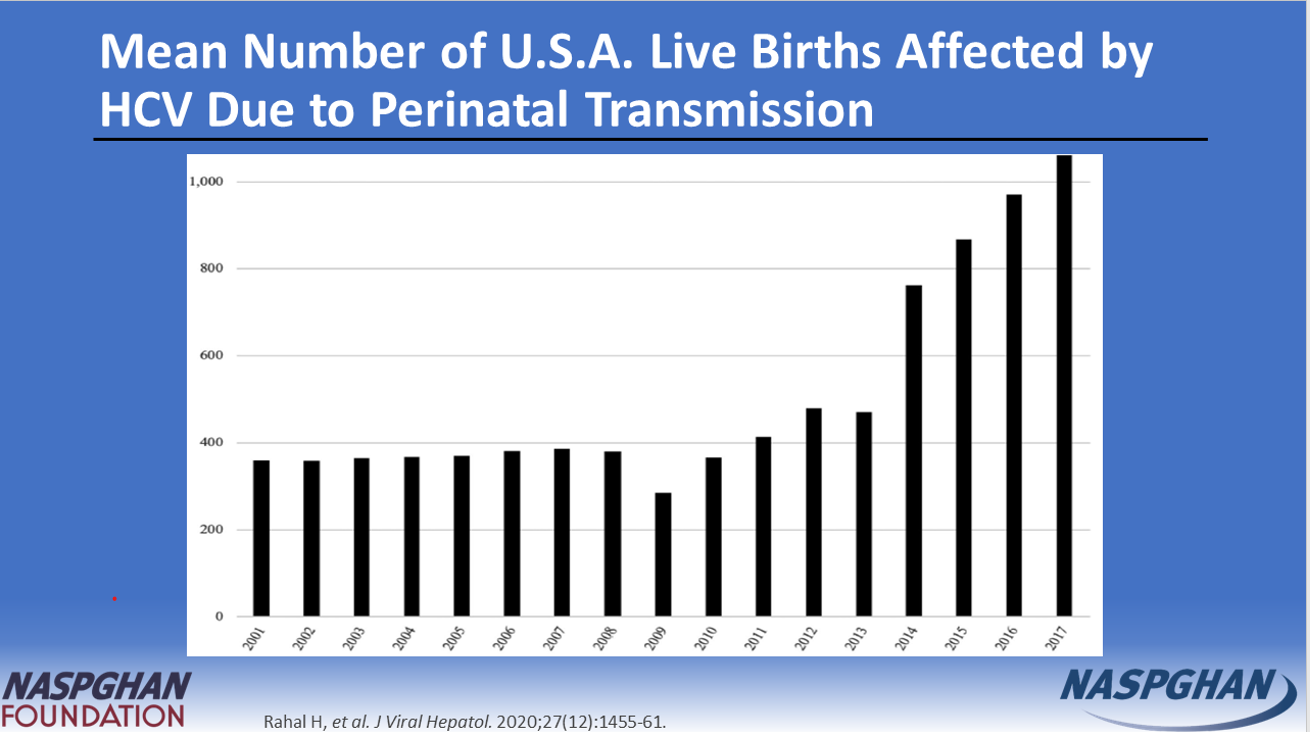
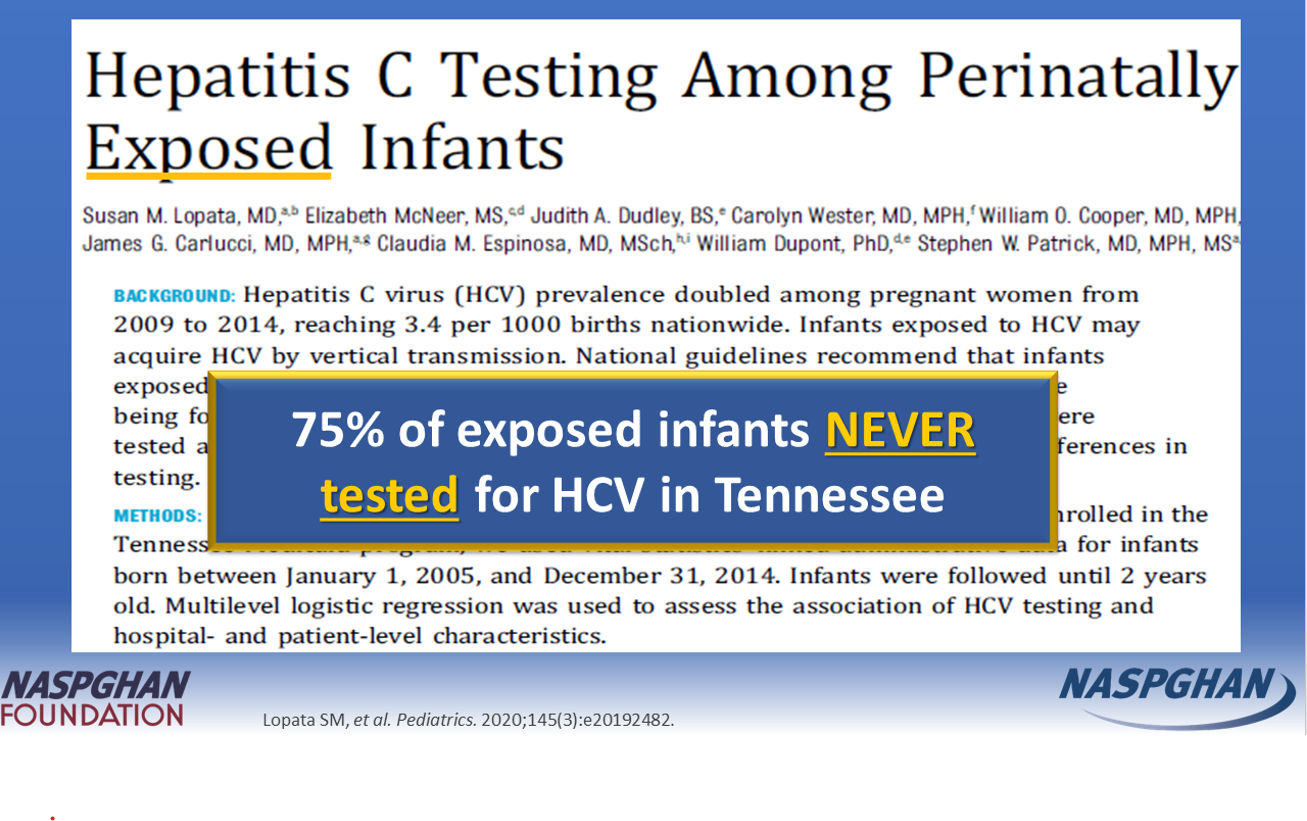
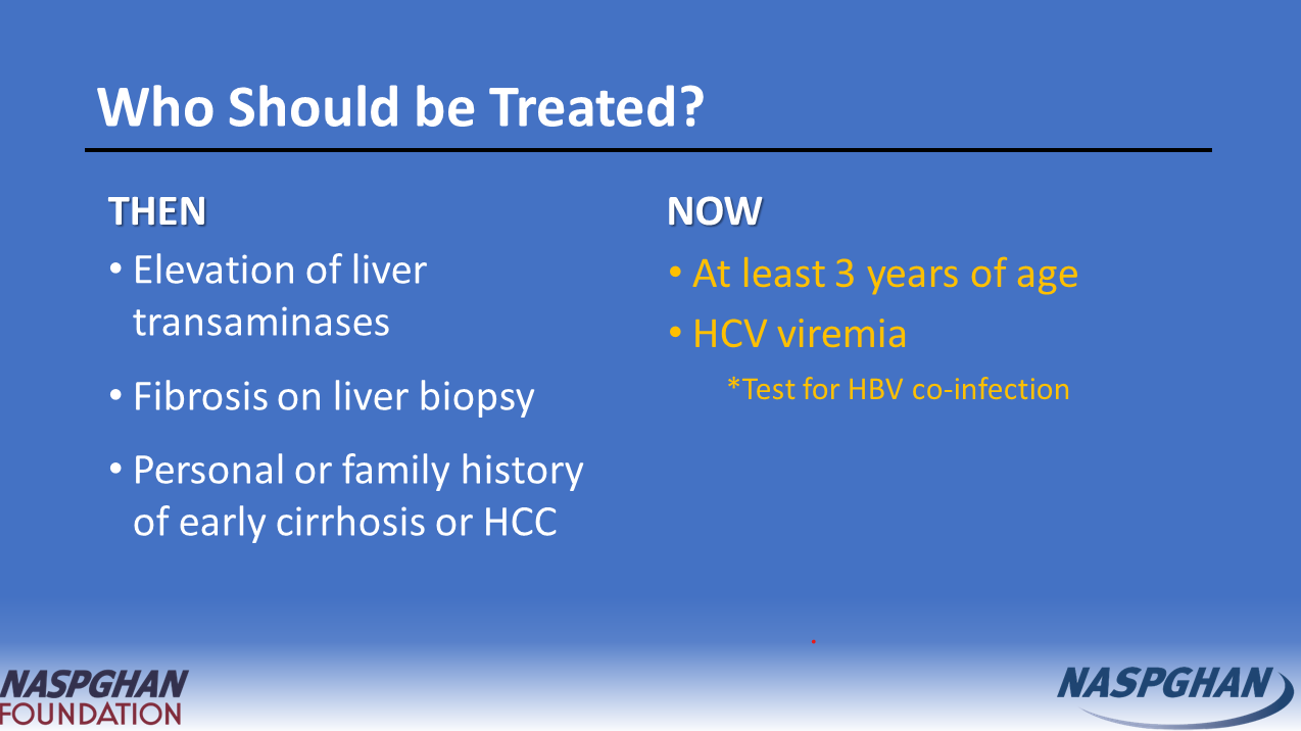
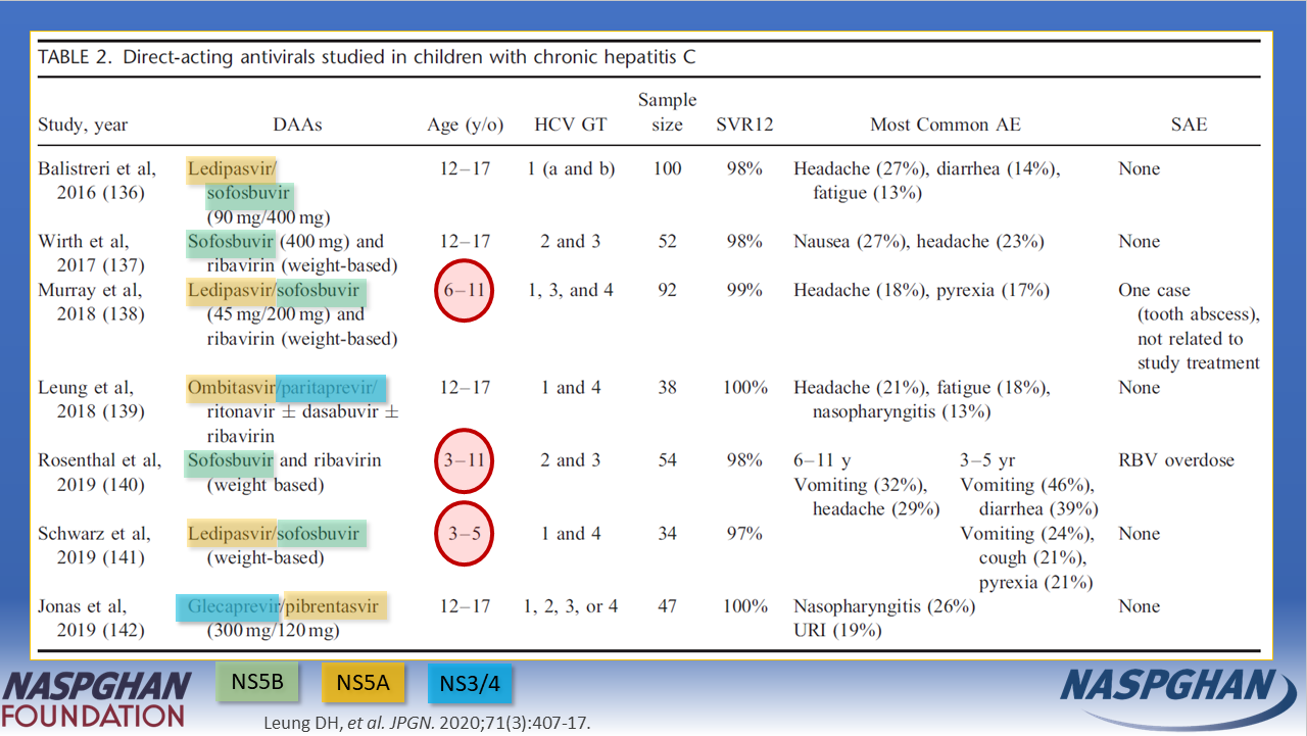
This past month, I participated as a lecturer for the NASPGHAN Foundation’s educational campaign on Hepatitis C in Children and Adolescents. The slides highlight some tremendous advances and challenges in the field of viral hepatitis. I have copied some of the slides below (used with permission) and the full slide deck can be obtained via this link: Hepatitis C in Children and Adolescents

Related blog posts:

Gilead is a corporate sponsor for these talks. (Disclosure: I have requested that the honorarium for these lectures to be directed back to the NASPGHAN Foundation.)

Disclaimer: This blog, gutsandgrowth, assumes no responsibility for any use or operation of any method, product, instruction, concept or idea contained in the material herein or for any injury or damage to persons or property (whether products liability, negligence or otherwise) resulting from such use or operation. These blog posts are for educational purposes only. Specific dosing of medications (along with potential adverse effects) should be confirmed by prescribing physician.  Because of rapid advances in the medical sciences, the gutsandgrowth blog cautions that independent verification should be made of diagnosis and drug dosages. The reader is solely responsible for the conduct of any suggested test or procedure.  This content is not a substitute for medical advice, diagnosis or treatment provided by a qualified healthcare provider. Always seek the advice of your physician or other qualified health provider with any questions you may have regarding a condition.

Long-Term Outcomes of Pediatric Patients with Sclerosing Cholangitis in the Setting of Inflammatory Bowel Disease

KO Hensel et al. J Pediatr 2021; 238: 50-56. Sclerosing Cholangitis in Pediatric Inflammatory Bowel Disease: Early Diagnosis and Management Affect Clinical Outcome

This was a retrospective study of 82 pediatric patients (31% female) with IBD-SC and a mean age at diagnosis of 11.9 ± 2.8 years who were followed up for a mean of 6.8 ± 3.3 years. Tests for SC included immunoglobulins and serology (ANA, ASMA, LKM-1, and SLA). Patients with ASC were maintained on low dose prednisolone (5 mg/day) and azathioprine (up to 2 mg/kg/day).

Key findings:

  • Autoimmune SC (ASC) was diagnosed in 72%, and small duct SC was diagnosed in 28%
  • Complication-free and native liver survival were 96% and 100%, respectively, at 5 years after diagnosis and 75% and 88%, respectively, at 10 years after diagnosis

The discussion notes generally better outcomes in this cohort than in previous studies. The authors note that this may be due to earlier diagnosis (though lead-time bias could be a factor as well). To increase earlier diagnosis, the gastroenterology diagnostic pathway at one institution (CUH) includes mandatory assessment of liver function and a low threshold for performing a liver biopsy (with initial panendoscopy). Diagnosis of ASC was based on the ESPGHAN diagnostic score for AILD (JPGN 2018; 66: 345-360, related post has image with scoring: Aspen Webinar 2021 Part 5 -Autoimmune Liver Disease & PSC). Also, they note that SCOPE score “seemed to overestimate the risk for developing complications.”

My take: In those with IBD and abnormal liver enzymes/GGT, looking for SC/ASC may improve outcomes.

Related blog posts:

Chattahoochee River, Atlanta

Favorite Posts of 2021

I am happy to say that this is the last nightcall that I will have this year!

Today, I’ve compiled some of my favorite posts from the past year. I started this blog a little more than 10 years ago. I am grateful for the encouragement/suggestions from many people to help make this blog better. Also, I want to wish everyone a Happy New Year.

GI:

IBD:

LIVER:

Nutrition:

Other Topics:

Thanks to Jennifer

Hepatitis C Relapse After Treatment –Spontaneously Cleared in Some

H Kuriry et al. Clin Gastroenterol Hepatol 2021; 19: 2398-2406. Spontaneous Clearance After Relapse Following Direct-Acting Antiviral Treatment for Chronic HCV Infection

This retrospective case-control study identified 93 patients out of 1032 with chronic HCV infection who had a relapse of detectable infection following treatment. Key findings:

  • 12 patients (13%) spontaneously cleared HCV within 6 months after the documented relapse without additional therapy
  • The spontaneous clearers had low levels of HCV RNA (<4 log IU/mL in 11 of 12) and normal levels of alanine aminotransferase at the time of relapse. Low level RNA was identified in only 1 persistent relapser
  • There was no significant difference between the spontaneous clearance group and the SVR12 group in magnitude and breadth of HCV-specific T cell responses
  • The authors note that one limitation of the study was a false positive PCR assay –though this does not negate their message that retesting is important before retreatment
  • The relatively high relapse rate (9%) in this cohort is likely related to the use of first-generation DAA therapy
  • The timing of retesting in the 12 with spontaneous clearance was variable. 7 who had repeat testing at 3 months were all negative.

My take: In those with a low level virological relapse after DAA therapy for HCV, it is a good idea to repeat testing before consideration of further treatment.

Related blog posts:

Huntingdon Lake, Sandy Springs (from Suzan)