Randomized Control Trial of the Modified Crohn’s Disease Exclusion Diet (CDED)

RS Boneh et al. Clin Gastroenterol Hepatol 2025; 23: 2001-2011. Open Access! Modified Crohn’s Disease Exclusion Diet Maintains Remission in Pediatric Crohn’s Disease: Randomized Controlled Trial

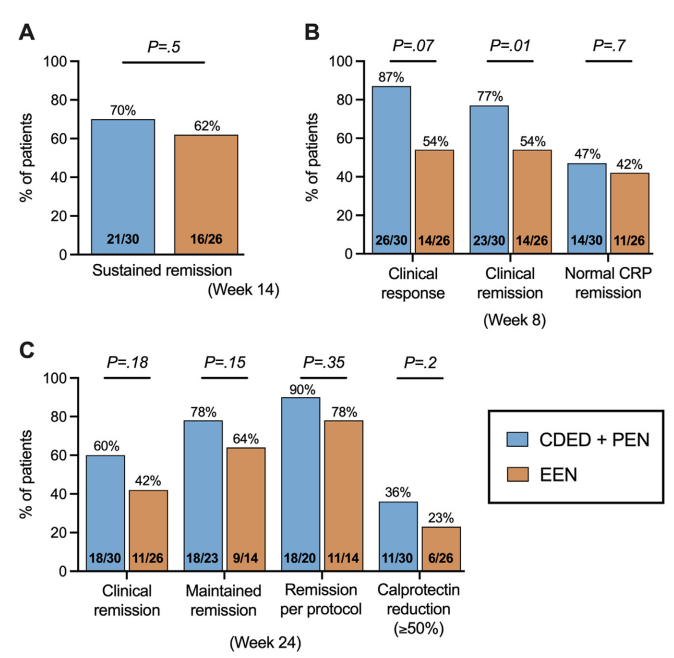
In this “DIETOMICS” study with 56 children with mild-to-severe Crohn’s disease, after a 2 week exclusive enteral nutrition (EEN) diet, 30 patients were randomized to CDED and 26 to EEN.

Diet intervention: The CDED group followed 3 diet phases over 24 weeks: phase 1 (weeks 3–8) supplemented with 50% PEN; phase 2 (weeks 9–14) with 25% PEN, as described previously16; and phase 3 (weeks 15–24) with gradual introduction of more foods, including 1 and 2 free meals per week from weeks 15 and 18, respectively.17 Patients in EEN group received 8 weeks of EEN followed by gradual introduction of free diet with 25% PEN up to week 24.

Key findings:

This study with a relatively small number of enrolled patients had a lot of variables in dietary parameters. “An additional potential confounder in this study is the use of IMM therapy. Although both groups were recommended to initiate IMM therapy from weeks 4 to 5 to maintain remission, several CDED patients opted for monotherapy with CDED and preferred to delay medication initiation. Interestingly, 90% of patients on CDED without IMM therapy were in remission at week 14 and 100% were in remission at week 2” (possibly impacting decision not to use IMM).

My take: This study adds another piece of information to the puzzle on dietary therapy for Crohn’s disease. The authors note the following: “while CDED shows promise as a standalone therapy in some cases, in more severe cases it may be more appropriately as an adjuvant to top-down treatment with early anti-TNF.4 Recent research and guidelines advocate for a top-down approach (anti-TNF ± nutrition) for more severe disease, emphasizing the integration of anti-TNF therapy with nutrition.8,29 This approach is crucial during critical growth stages, as the conventional step-up method may lead to ineffective use of IMM with prolonged steroid exposure and growth issues.12

Related blog posts:

Disclaimer: This blog, gutsandgrowth, assumes no responsibility for any use or operation of any method, product, instruction, concept or idea contained in the material herein or for any injury or damage to persons or property (whether products liability, negligence or otherwise) resulting from such use or operation. These blog posts are for educational purposes only. Specific dosing of medications (along with potential adverse effects) should be confirmed by prescribing physician.  Because of rapid advances in the medical sciences, the gutsandgrowth blog cautions that independent verification should be made of diagnosis and drug dosages. The reader is solely responsible for the conduct of any suggested test or procedure.  This content is not a substitute for medical advice, diagnosis or treatment provided by a qualified healthcare provider. Always seek the advice of your physician or other qualified health provider with any questions you may have regarding a condition

Are Shortages of Premature Formulas Likely Due to Necrotizing Enterocolitis Lawsuits?

DR Shores et al. J Pediatr Gastroenterol Nutr. 2025;81:158–161. Navigating the blame game: Exploring necrotizing enterocolitis, preterm nutrition, and the ramifications of a formula shortage

Key points from this commentary:

  • “Recent lawsuits involving preterm infant formula manufacturers in the United States (Abbott and Mead Johnson) … [a] formula shortage crisis … might ensue if these formulas are pulled from the market”
  • “Breast milk has long been associated with protection against NEC, possibly due to bioactive molecules that maybe protective. However, infants fed exclusively breastmilk can still develop NEC, highlighting a multifactorial etiology. Mother’s own breast milk provides the best protection against NEC and is the ideal primary form of nutrition for preterm infants…pasteurized donor breast milk provides some protection against NEC and should be offered if mother’s own breast milk is not available”
  • “Although preterm formula does not protect against NEC, it is the healthcare standard, assuming all medical comorbidities are taken into consideration for individualized care…preterm infant formulas that are specifically formulated to provide the calories, protein and micro-nutrient needs of preterm infants”
  • “Placing all the blame for the development of NEC on preterm formula manufacturers is not supported by science and is thus unfounded”
  • “For infants without access to mother’s own or donor breast milk, specialized formulas remain critical to their nutrition and survival….Vilifying formula companies risks provoking further shortages of essential specialized formulas, which could directly harm the very babies we all aim to protect”

Related blog posts:

National Covid Memorial Wall in London is a visual representation of the UK’s catastrophic loss to Covid-19. There are more than 240,000 individually hand-painted red hearts, each representing a person who died in the UK with Covid-19 as a direct cause of death. Many of the hearts on the Wall have been personalized with individual message

Increased Mortality in Pediatric Steatotic Liver Disease Plus One

From UCSD 4/28/25: Children with Liver Disease Face Dramatically Higher Risk of Early Death (via Jeff Schwimmer’s X feed)

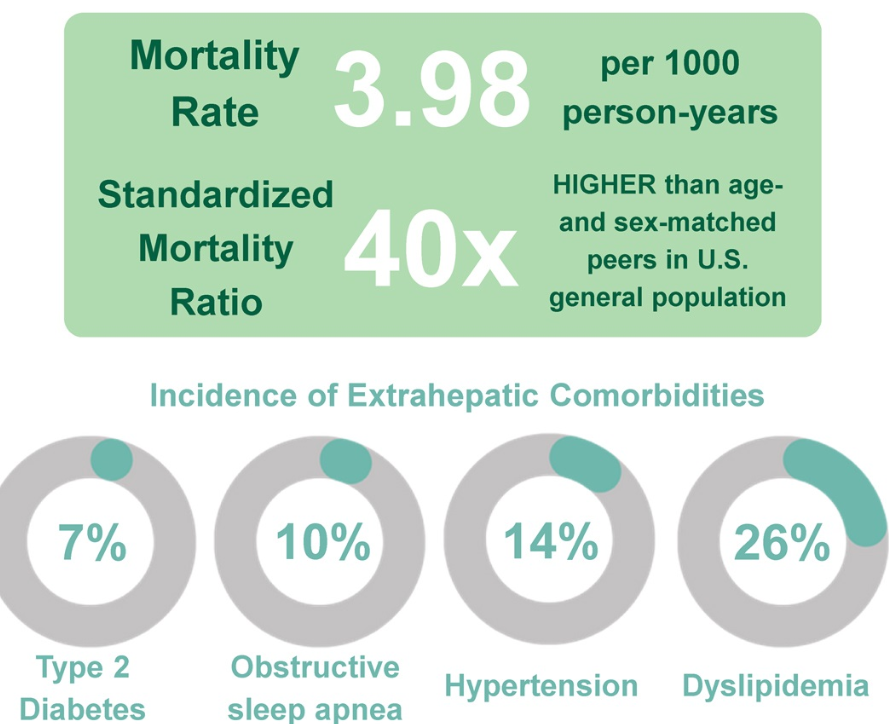
The findings, published April 22, 2025 in Hepatology, the scientific journal of the American Association for the Study of Liver Diseases, come from the Longitudinal InVestigation Evaluating Results of Steatosis (LIVERS) study, which followed 1,096 children over an average of 8.5 years. Nearly half of all deaths in the cohort were liver-related, and the overall mortality rate was 40 times higher than that of similar peers in the general U.S. population...

The retrospective cohort study used medical records and National Death Index data to follow children ages 2 to 18 who were diagnosed with MASLD between 2000 and 2017. Over an average of 8.5 years of follow-up, 3.4% of children had died

In addition to the risk of early death, many children in the study developed serious health problems while still in their teens or twenties. These included high blood pressure (14%), obstructive sleep apnea (9.5%) and type 2 diabetes (7.3%). Problems with blood fats, such as high triglycerides or low HDL, were even more common — making dyslipidemia, the presence of abnormal levels of fats (lipids) in the blood, the most frequent complication overall.

Link to study: JB Scwimmer et al Hepatology ():10.1097/HEP.0000000000001357. Long-term mortality and extrahepatic outcomes in 1,096 children with MASLD: A retrospective cohort study

My take: Since this was a retrospective single center study, the severity of the findings may be different with a more-representative national cohort. Nevertheless, this study shows that MASLD has serious consequences including premature death and numerous comorbidities.

Related article: J Panganiban et al. Obesity Pillars 2025: 14. https://doi.org/10.1016/j.obpill.2025.100164. Open Access! Metabolic dysfunction-associated steatotic liver disease (MASLD) in children with obesity: An Obesity Medicine Association (OMA) and expert joint perspective 2025. This Obesity Medicine Association (OMA) Expert Joint Perspective is a comprehensive review (~28 pages) of steatotic liver disease (SLD), metabolic dysfunction-associated steatotic liver disease (MASLD), and metabolic dysfunction-associated steatohepatitis (MASH) in children with obesity.

Related blog posts:

PICNIC Trial Results: Can Antimicrobial PICC Lines Reduce Central Line Infections?

AJ Ullman et al. NEJM 2025; 392: 161-172. A Comparison of Peripherally Inserted Central Catheter Materials

Background: Advances in material technology have introduced coatings and altered surfaces with purported antithrombotic and antiinfective properties to be used with polyurethane PICCs…A Cochrane review11 that included data from 42 randomized, controlled trials and 10,405 patients concluded that there was high-quality evidence showing that antimicrobial central venous catheters reduced the risk of bloodstream infections (risk ratio, 0.62)…On the basis of this indication, chlorhexidine-coated PICCs have been introduced to clinical practice… We conducted the Peripherally Inserted Central Catheter Innovation to Reduce Infections and Clots (PICNIC) trial to test the hypothesis that the risk of device failure due to complications would be lower with two technological innovations (hydrophobic and chlorhexidine PICCs) than with standard polyurethane PICCs.”

Methods: The authors conducted a randomized, controlled, superiority trial in three Australian tertiary hospitals. Adults and children (n=1098) who were referred for PICC placement were assigned in a 1:1:1 ratio to receive a hydrophobic or chlorhexidine PICC or a standard polyurethane PICC and were followed for 8 weeks

Key findings:

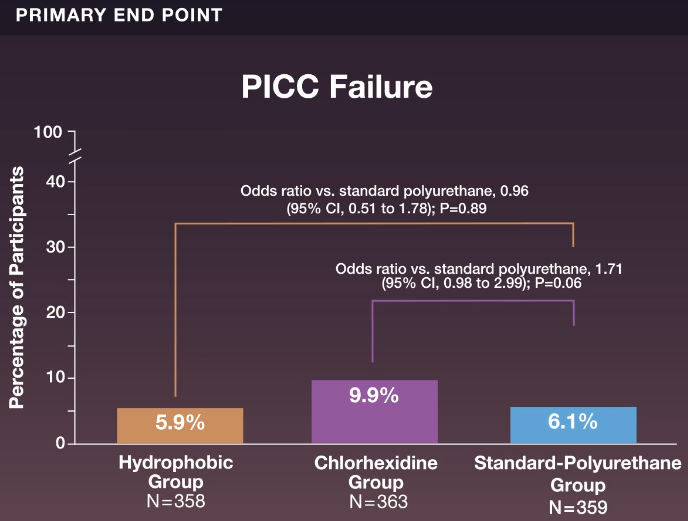
  • Device failure occurred in 21 of 358 participants (5.9%) in the hydrophobic group, in 36 of 363 (9.9%) in the chlorhexidine group, and in 22 of 359 (6.1%) in the standard-polyurethane group
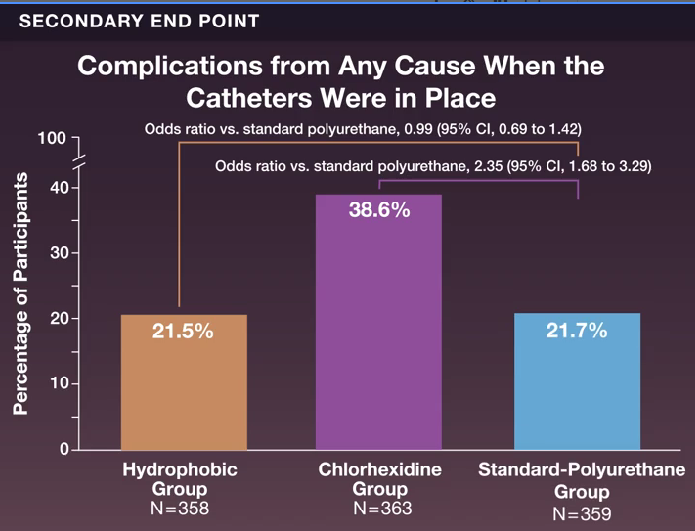
  • Complications from any cause during the period of PICC placement occurred in 77 participants (21.5%) in the hydrophobic group, in 140 (38.6%) in the chlorhexidine group, and in 78 (21.7%) in the standard-polyurethane group (odds ratio, hydrophobic vs. standard polyurethane, 0.99)

Discussion point: This trial was conducted during the COVID epidemic which may have altered the results due to a focus of mitigating infectious exposures.

My take (borrowed from authos): “The risk of device failure due to noninfectious or infectious complications was not lower with hydrophobic or chlorhexidine PICCs than with standard polyurethane PICCs.”

Related blog posts:

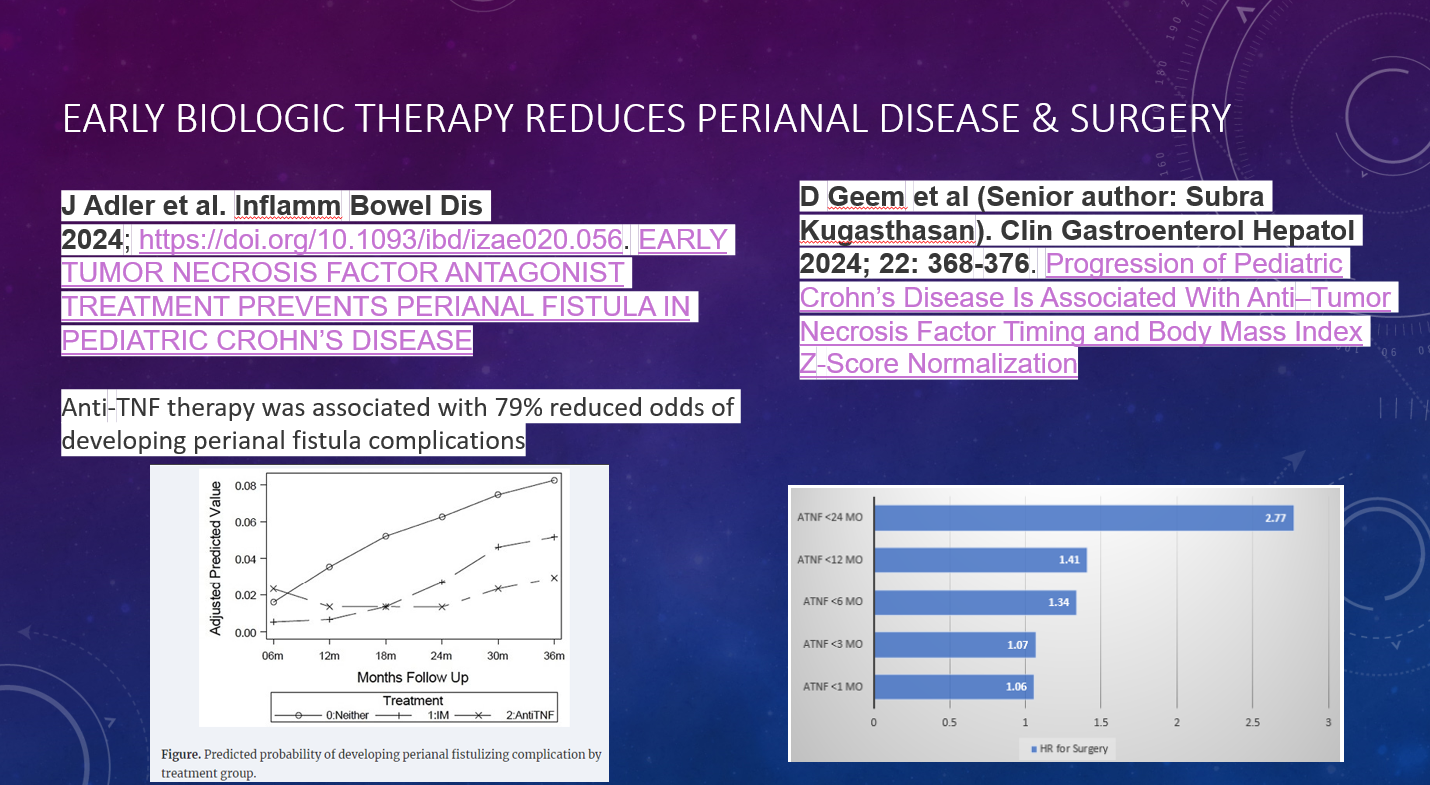
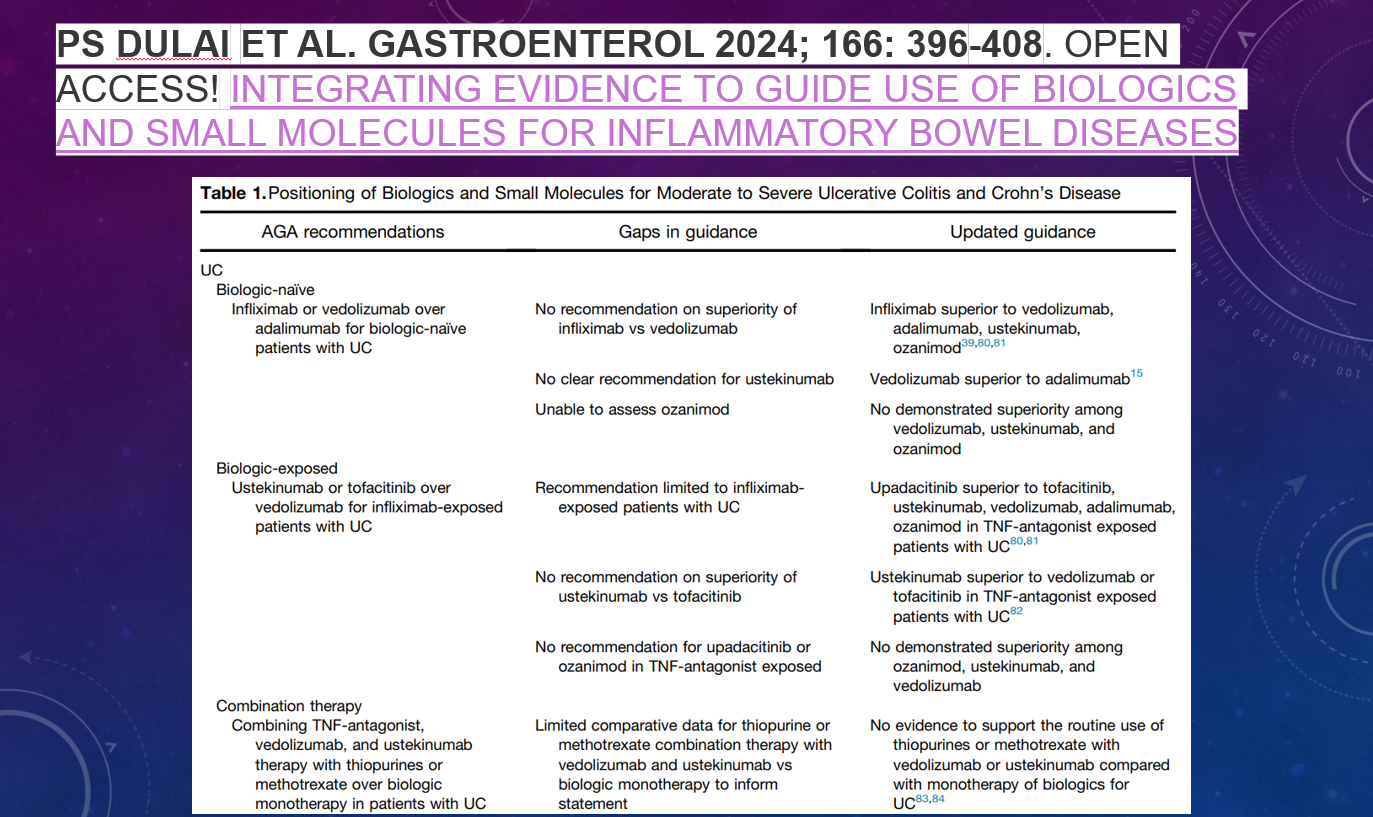
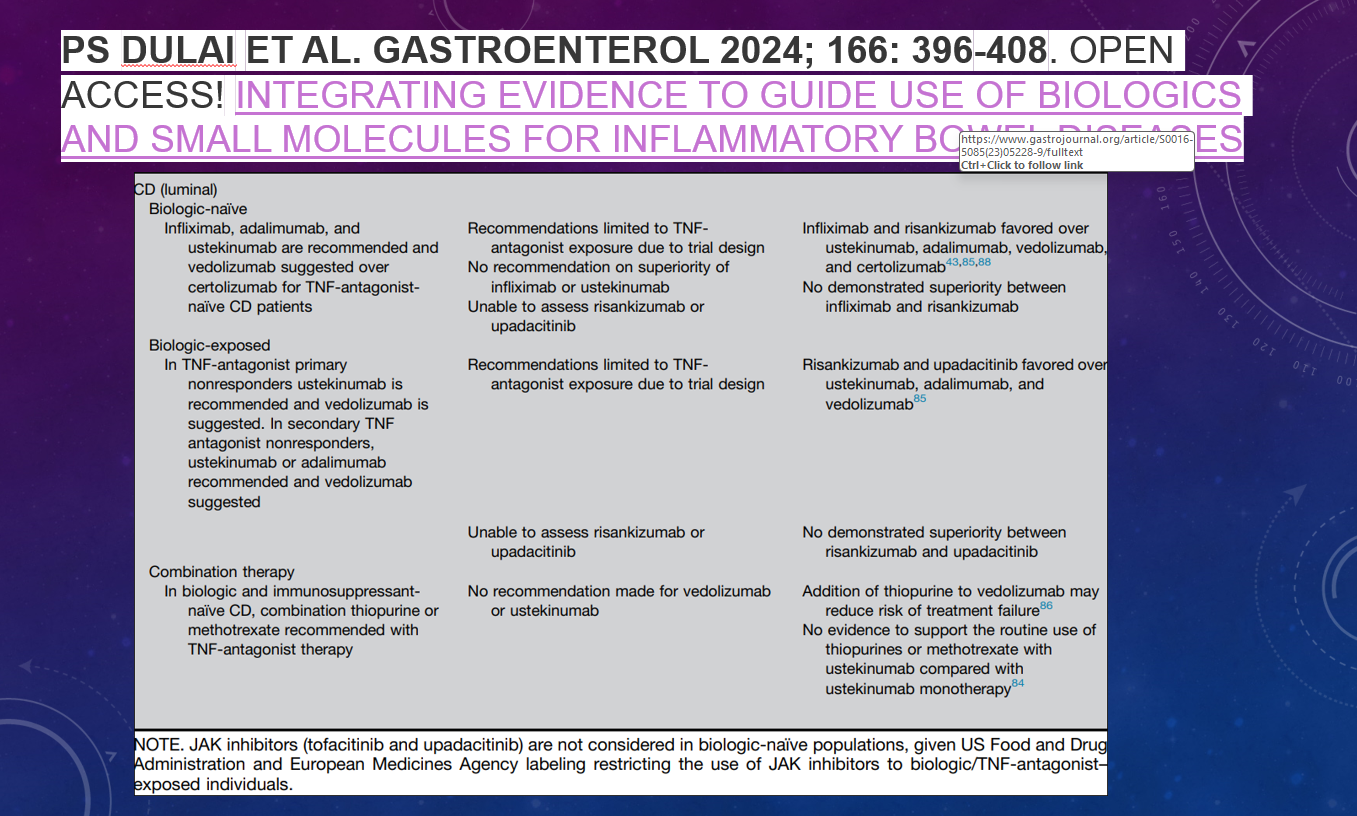
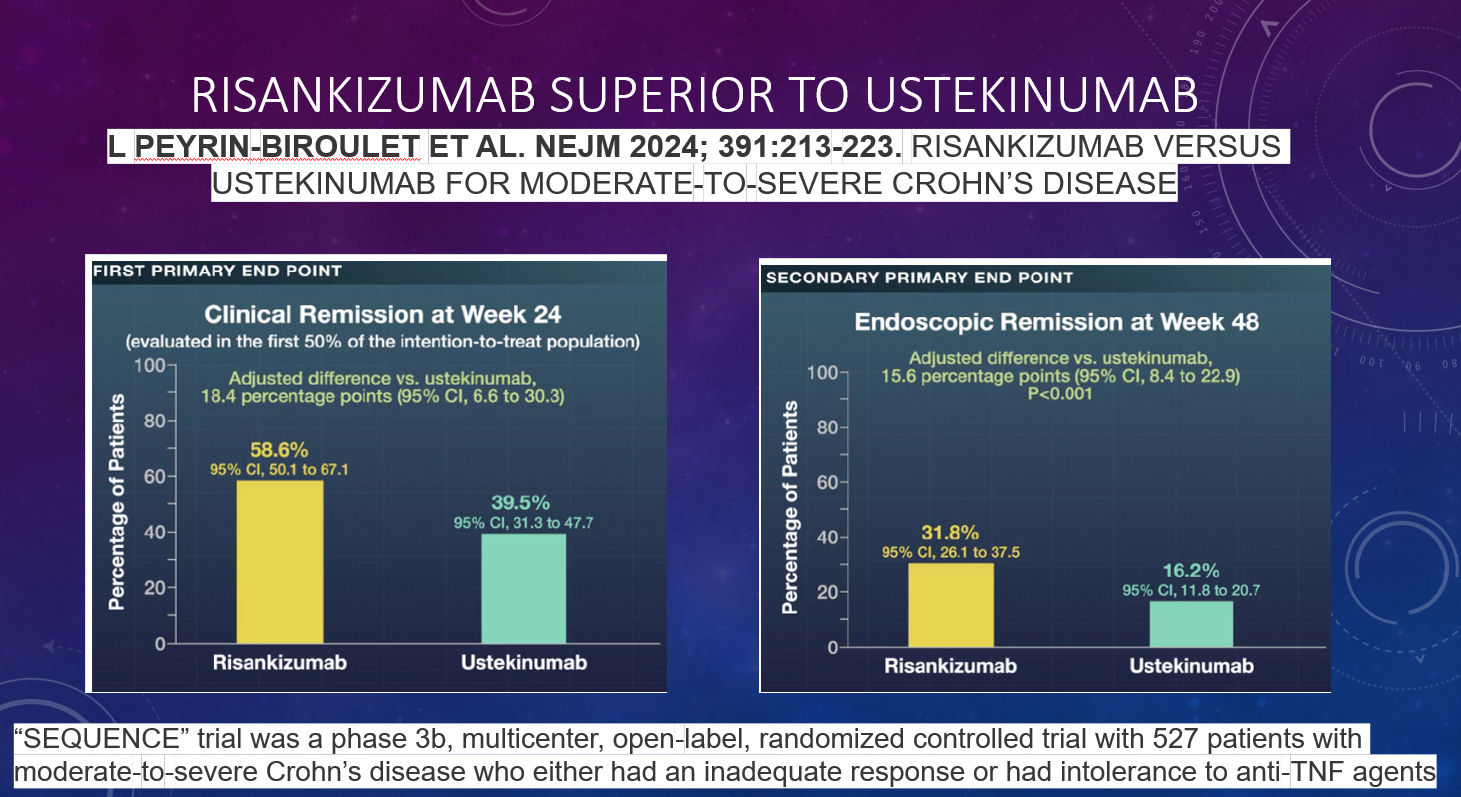
Key Advances in 2024: An Overview from GutsandGrowth (Part 1)

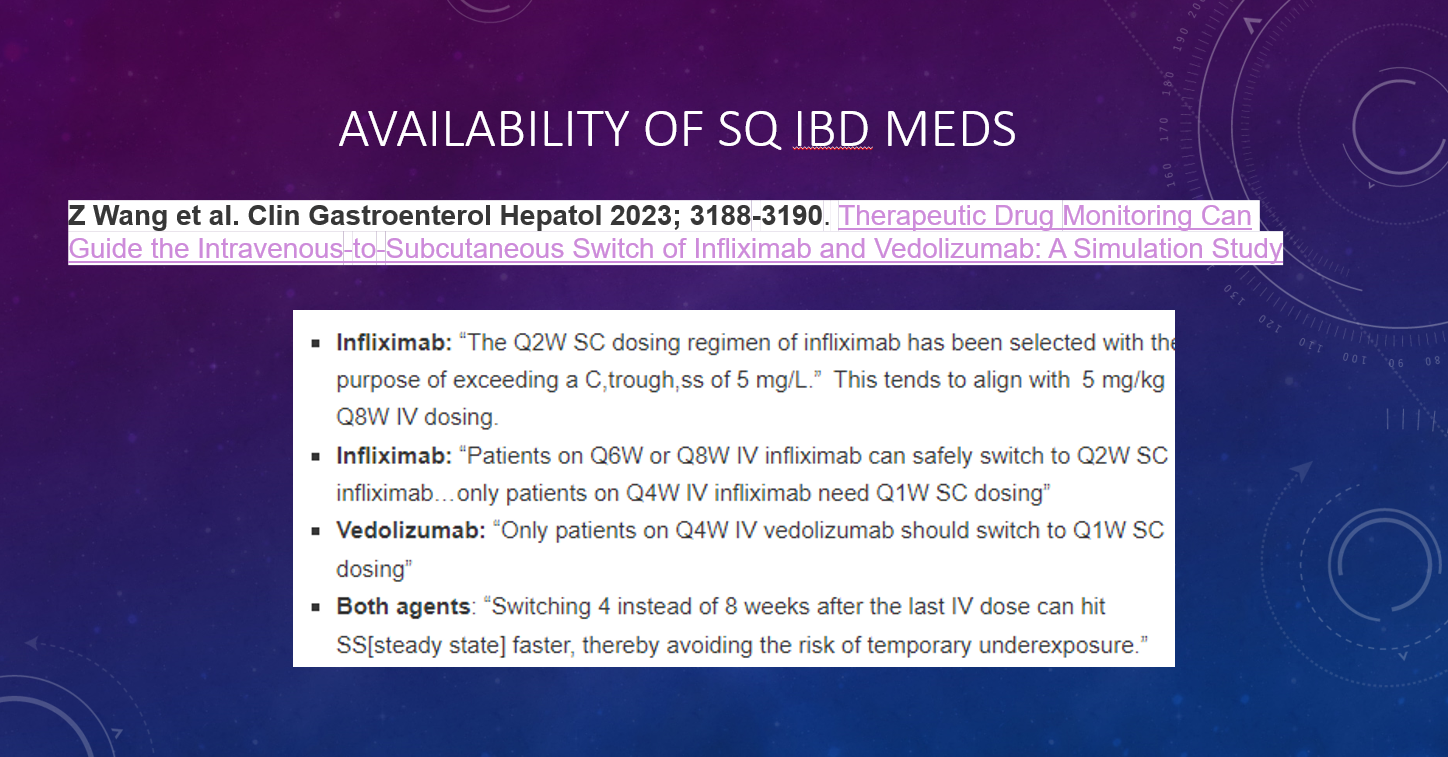
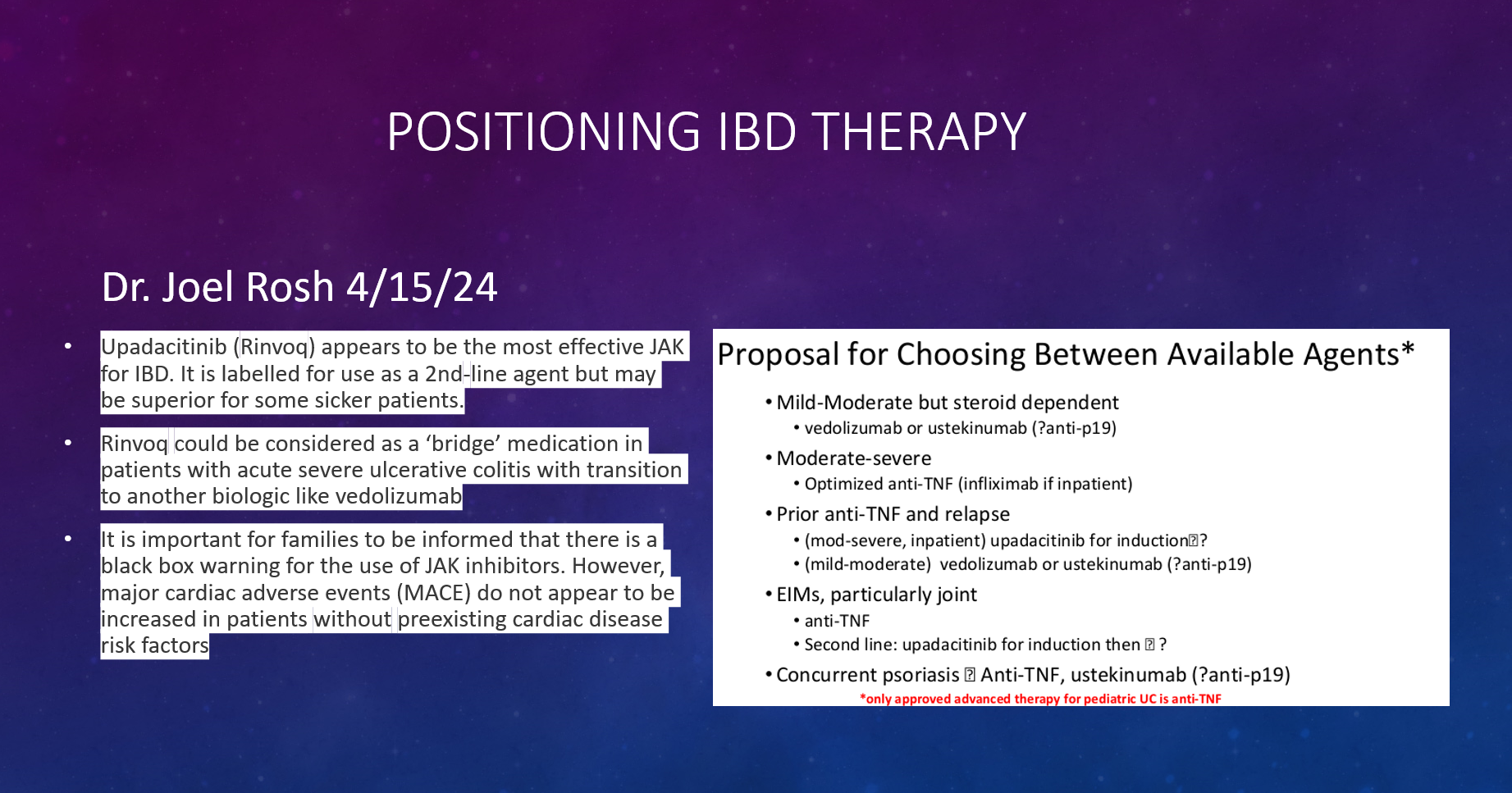
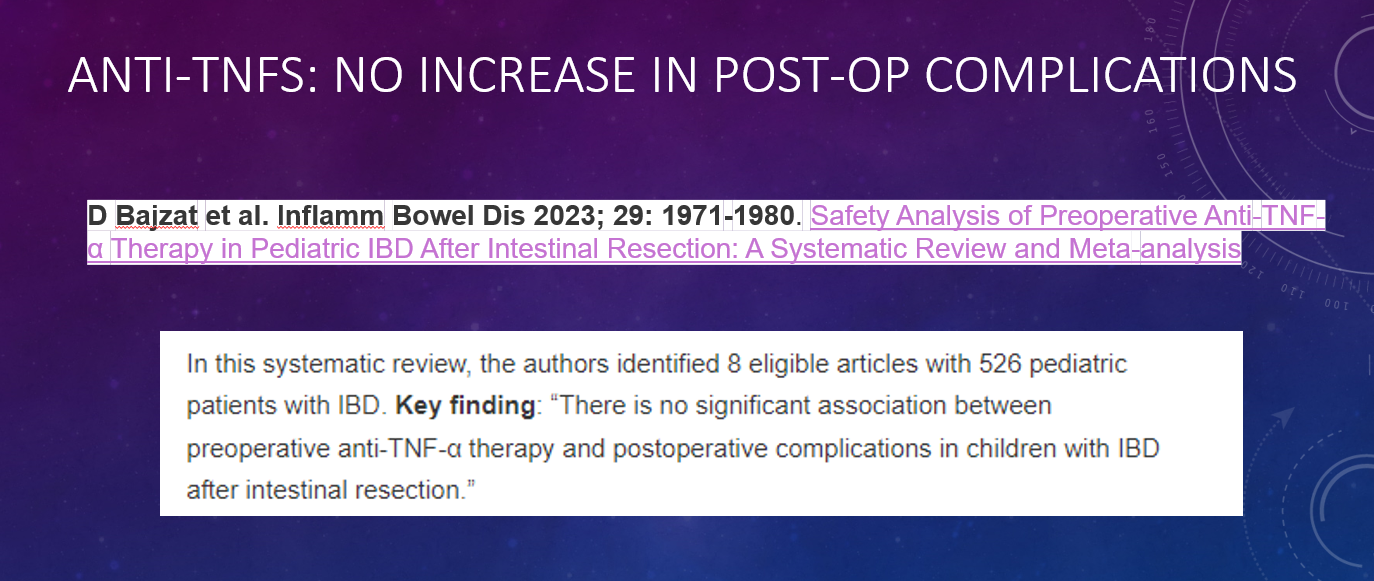
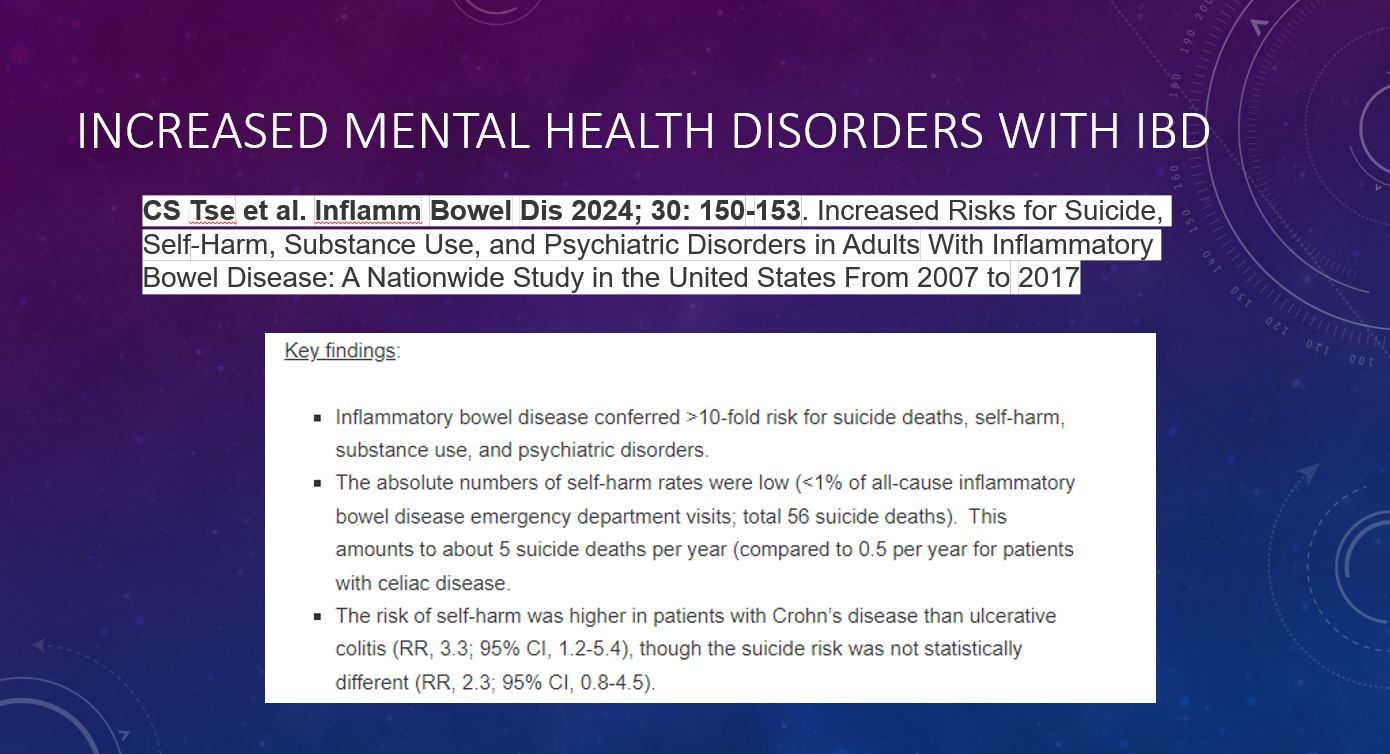
This year I had the opportunity to give a lecture to our group that reviewed much of the important advances that happened in 2024. Here are some of the slides (if you have any trouble reading the slides, you can search for the original blog post using author name).

Inpatient Admission to Achieve Enteral Autonomy in Children with Intestinal Failure

Happy New Year!

——-

A Fialdowski et al. J Pediatr 2024; 275: 114226. Achieving Enteral Autonomy in Children with Intestinal Failure Following Inpatient Admission: A Case Series

This retrospective review identified 6 patients (out of 153) who were weaned off parenteral nutrition (PN) as part of an inpatient admission.

Key findings:

  • Except for one admission of 8 days, all of these patients required a prolonged admission 1-5 months.
  • Two of the patients were receiving PN primarily due to abdominal pain in the absence of a recognizable motility disorder.
  • Two of the patients had a suspected factitious disorder imposed on a medical disorder; one received this diagnosis.
  • All patients had chronic feeding intolerance despite favorable prognostic factors including underlying necrotizing enterocolitis (n=1), preserved ileocecal valve (n=5), longer bowel length (n=5), and retention of entire colon (n=5).
  • Post-pyloric feeds aided conversion to EN in 5 patients.

My take: In order to achieve enteral autonomy, hospital admission may be needed for patients who require long-term PN despite favorable prognostic factors.

  • Be prepared for a lengthy stay
  • Anticipate the need for an interdisciplinary team (eg. nutrition, social work, and others).

Related blog posts:

From the Lake by Georgia O’Keefe (1924). High Museum, Atlanta.

GLP-1 Obesity Medication for 6-11 Year Olds

  • CK Fox et al. NEJM 2024; https://www.nejm.org/doi/full/10.1056/NEJMoa2407379. Liraglutide for Children 6 to <12 Years of Age with Obesity — A Randomized Trial
  • T Barrett et al. NEJM 2024 (editorial);/doi/full/10.1056/NEJMe2410560. Childhood Obesity and GLP-1 Receptor Agonists — A Coming of Age?

Background: The glucagon-like peptide-1 (GLP-1) analogues liraglutide and semaglutide are approved by the Food and Drug Administration and the European Medicines Agency for long-term weight management in adolescents 12 years of age or older with obesity, as adjunct treatments to lifestyle interventions.14-19 These medications act centrally to increase satiety signaling, reduce appetite and energy intake, and decrease food reward; these medications also increase postprandial insulin levels, reduce glucagon secretion, and delay gastric emptying.

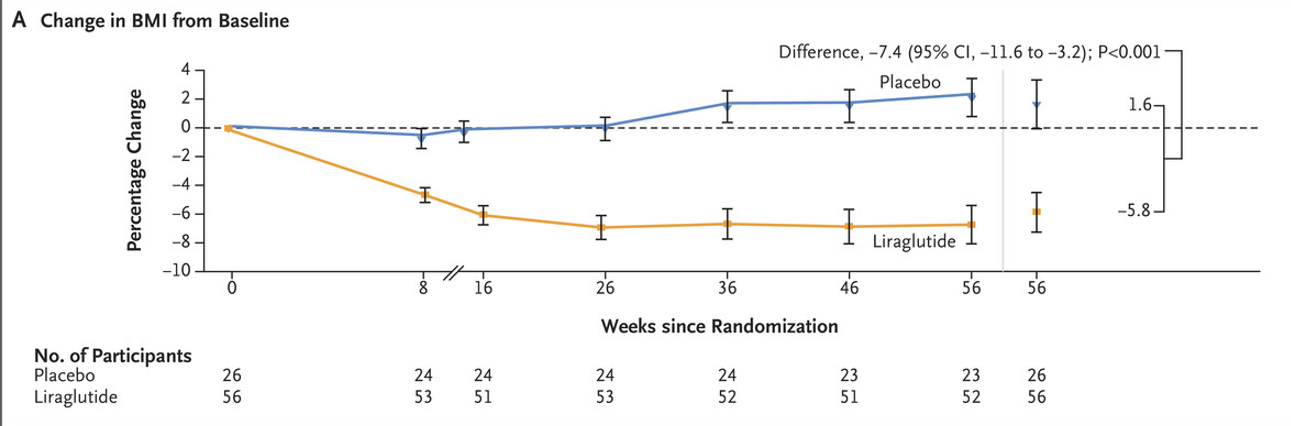
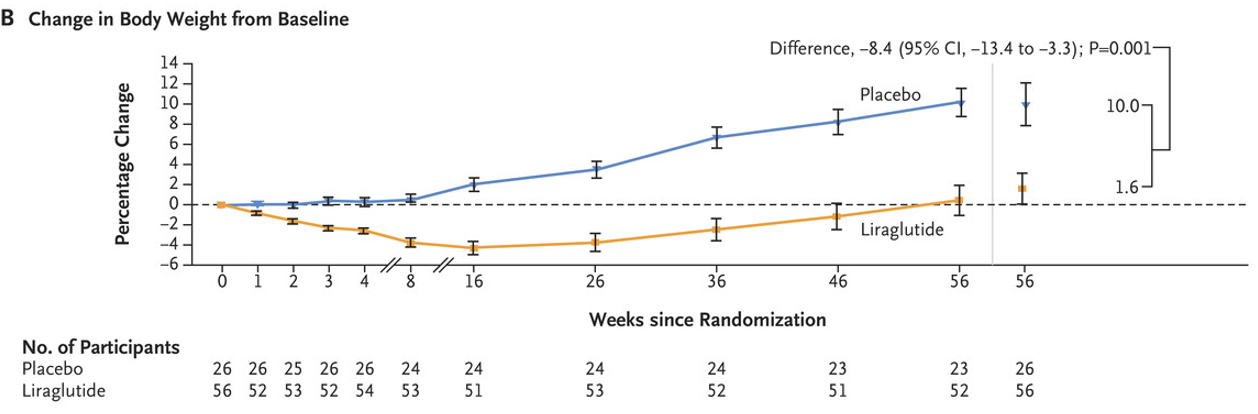
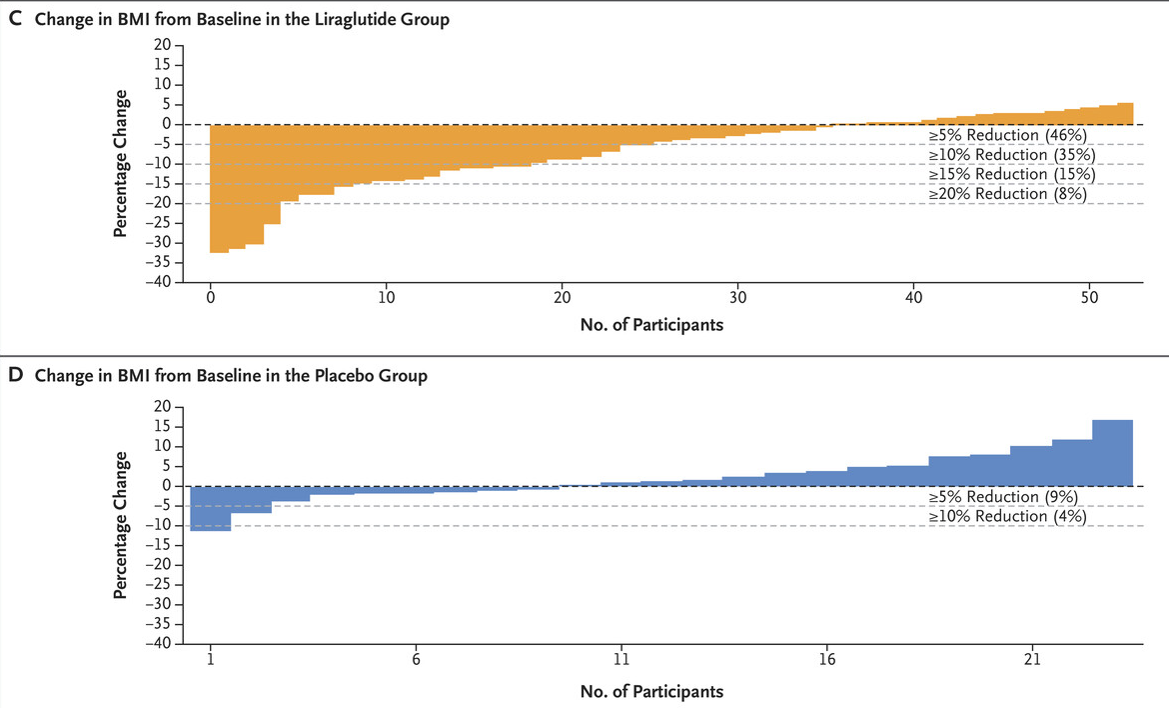
Methods: this phase 3a (SCALE kids) trial, which consisted of a 56-week treatment period and a 26-week follow-up period, we randomly assigned children (n=82) (6 to <12 years of age) with obesity, in a 2:1 ratio, to receive either once-daily subcutaneous liraglutide at a dose of 3.0 mg (or the maximum tolerated dose) or placebo, plus lifestyle interventions.

Key findings:

  • At week 56, the mean percentage change from baseline in BMI was −5.8% with liraglutide and 1.6% with placebo
  • A reduction in BMI of at least 5% occurred in 46% of participants in the liraglutide group and in 9% of participants in the placebo group (adjusted odds ratio, 6.3)
  • The most common adverse events were gastrointestinal disorders, which were reported in 45 of 56 participants (80%) in the liraglutide group and in 14 of 26 participants (54%) in the placebo group. Three cases of vomiting in the liraglutide group were considered by investigators to be serious (each required emergency care); however, none of the events required hospitalization and all resolved without sequelae.
  • In the treated group, improvements were also observed in diastolic blood pressure and the glycated hemoglobin level
  • The editorial: “Fox et al. provide much-needed evidence for the effects of a GLP-1 receptor agonist in young children with obesity, offering a therapeutic option in prepubertal children with severe obesity as an adjunct to healthy lifestyle interventions.”

My take: It is good that there are now effective therapeutic pharmaceutical options for obesity, especially for those developing complications. Long term studies are needed as the effects of these medications on weight are not sustained in those who stop them. Given the need for indefinite therapy, other public health measures are needed to try to reverse the high prevalence of obesity.

Related blog posts:

AGA Recommendations For Iron Deficiency Anemia

TG DeLoughery et al. Clin Gastroenterol Hepatol 2024; 22: 1575-1583. Open Access! AGA Clinical Practice Update on Management of Iron Deficiency Anemia: Expert Review

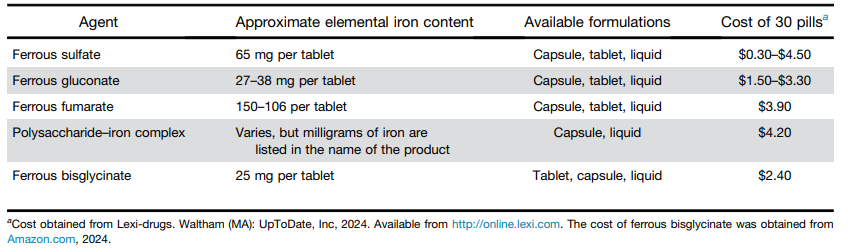
This guideline was developed with adults in mind; however, much of the practice advice is applicable in the pediatric population as well. Here are some of the recommendations:

  • Best Practice Advice 1: No single formulation of oral iron has any advantages over any other. Ferrous sulfate is preferred as the least expensive iron formulation.
  • Best Practice Advice 2: Give oral iron once a day at most. Every-other-day iron dosing may be better tolerated for some patients with similar or equal rates of iron absorption as daily dosing.
  • Best Practice Advice 3: Add vitamin C to oral iron supplementation to improve absorption.
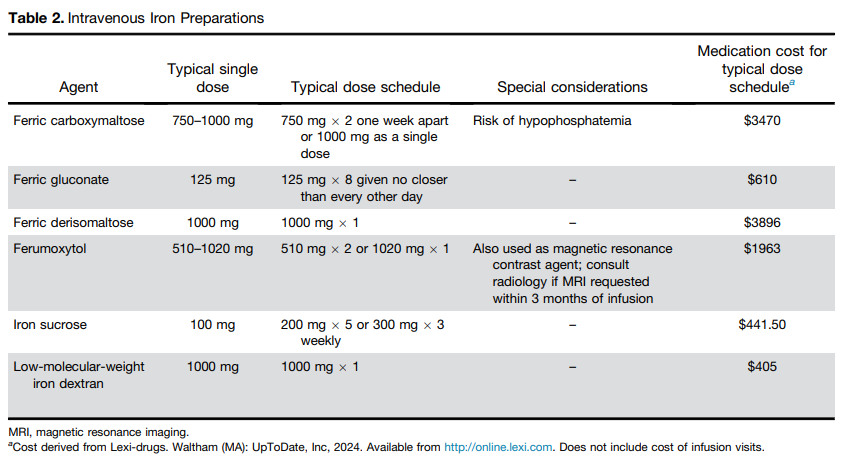
  • Best Practice Advice 4: Intravenous iron should be used if the patient does not tolerate oral iron, ferritin levels do not improve with a trial of oral iron, or the patient has a condition in which oral iron is not likely to be absorbed.
  • Best Practice Advice 5: Intravenous iron formulations that can replace iron deficits with 1 or 2 infusions are preferred over those that require more than 2 infusions.
  • Best Practice Advice 6: All intravenous iron formulations have similar risks; true anaphylaxis is very rare. The vast majority of reactions to intravenous iron are complement activation–related pseudo-allergy (infusion reactions) and should be treated as such.

With regard to iron infusion reactions, the authors note the following:

Being truly allergic to IV iron is very rare—almost all reactions are complement activation–related pseudo-allergy, which are idiosyncratic infusion reactions that can mimic allergic reactions.26 For mild reactions, simply stopping the infusions and restarting 15 minutes later at a slower rate will suffice. For more severe reactions, corticosteroids may be of benefit. Diphenhydramine should be avoided because its side effects of mouth dryness, tachycardia, diaphoresis, somnolence, and hypotension can be mistaken for worsening of the reaction.27 Studies have shown that rates of mild reactions are approximately 1:200 and rates of major reactions are approximately 1:200,000.28


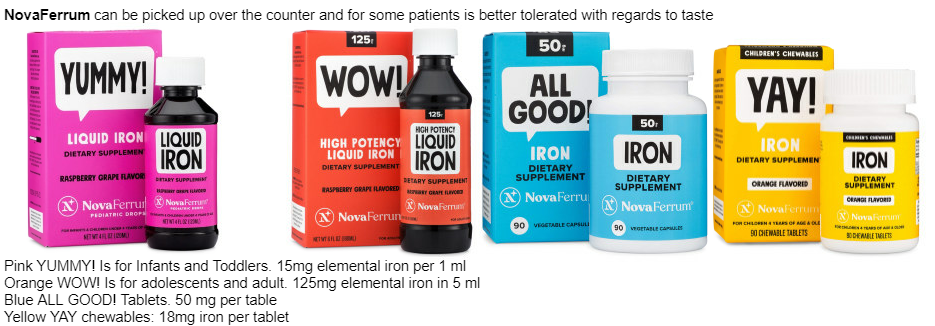
Related information: Our hematologists often recommend Novaferrum (polysaccharide-iron complex) products in children.

Food/diet items with plenty of iron:

  • beef, pork, poultry, and seafood
  • tofu
  • dried beans and peas
  • dried fruits
  • leafy dark green vegetables
  • iron-fortified breakfast cereals, breads, and pastas
  • Use of “lucky fish” (also available at Amazon) while cooking and cooking with cast iron pan can increase iron intake. The lucky fish can be used for 5 years.

Limiting milk consumption can help improve iron absorption.

My take: Iron deficiency anemia is a common issue in pediatric gastroenterology that usually merits evaluation. The AGA practice update provides helpful information with regard to management.

Related blog posts:

Disclaimer: This blog, gutsandgrowth, assumes no responsibility for any use or operation of any method, product, instruction, concept or idea contained in the material herein or for any injury or damage to persons or property (whether products liability, negligence or otherwise) resulting from such use or operation. These blog posts are for educational purposes only. Specific dosing of medications (along with potential adverse effects) should be confirmed by prescribing physician.  Because of rapid advances in the medical sciences, the gutsandgrowth blog cautions that independent verification should be made of diagnosis and drug dosages. The reader is solely responsible for the conduct of any suggested test or procedure.  This content is not a substitute for medical advice, diagnosis or treatment provided by a qualified healthcare provider. Always seek the advice of your physician or other qualified health provider with any questions you may have regarding a condition.

Dr. YouTube for IBD Dietary Advice

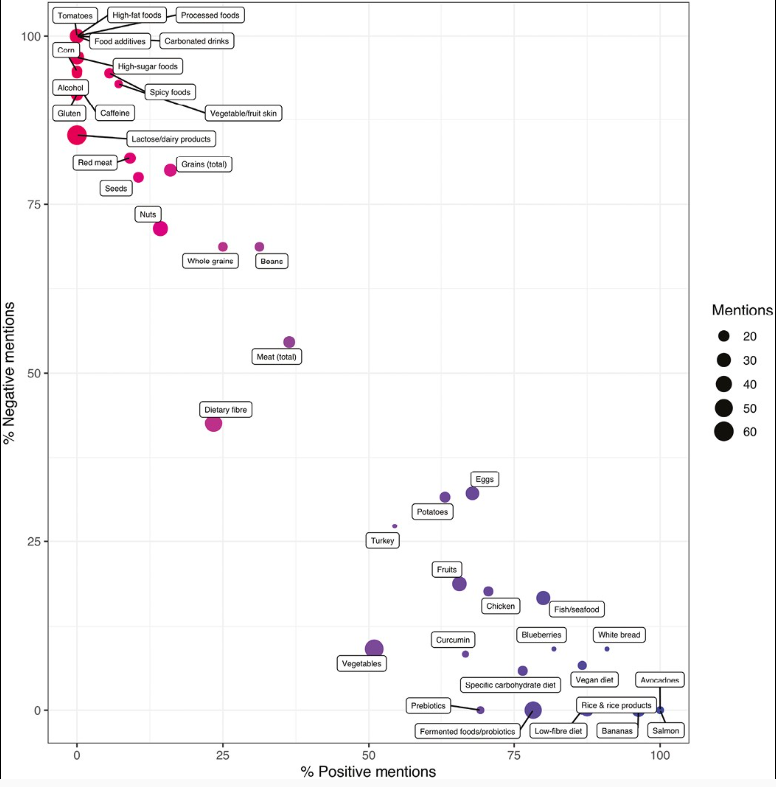
K Gkikas et al. Inflamm Bowel Dis 2024; Volume 30, March 2024, 347–356. Open Access! YouTube as a Source of Information for Food, Diet-Related Items, and Advisory Comments for the Management of Inflammatory Bowel Disease

The authors assessed videos discussing dietary aspects (food, diet-related items, and advisory comments [FODRIACs]) on YouTube. Of 1800 videos screened, a total of 160 were included in the final analysis.

Background: “Currently, the only well-established dietary treatment in IBD is exclusive enteral nutrition (EEN), which is used for induction of remission mostly in pediatric CD.5,6 Over the past 2 decades, several food-based exclusion diets have been suggested as potential treatments for CD and UC, some of which demonstrated promising efficacy signals such as the CD-TREAT (Crohn’s disease treatment with eating) diet and the CDED (Crohn’s disease exclusion diet).7-9 Nonetheless, current societal guidelines do not recommend the use of any solid food–based exclusion diet as a treatment option for the induction or maintenance of clinical remission in IBD.6

Key findings:

  • Foods pertinent to a prudent dietary pattern (ie, fish, chicken, avocado, blueberries), foods high in pre- and probiotics, and certain food exclusion diets (eg, SCD) were primarily portrayed as beneficial.
  • Foods often associated with a Western dietary pattern, including processed foods, high-sugar foods and high-fat foods, red meat, and alcohol, were considered detrimental for disease outcomes in patients with IBD.
  • Neutral opinions were expressed about fiber and vegetables.
  • There was a higher video interaction rate and number of likes in patient-generated videos compared with videos from healthcare professionals.
  • Only 3% of all patient videos and 35% of videos from healthcare professionals cited any form of scientific evidence.
  • Problems with diet advice is that extensive dietary restrictions and adherence to extreme diets may lead to the development of disordered eating as well as nutrient deficiencies (nutritionist involvement is important to avoid this). In addition, reliance on unproven diets may lead some patients to forgo proven therapies.

My take: Though there are some overlapping advice in these videos, much of the dietary advice on YouTube (and elsewhere) is conflicting. In part, this reflects the lack of evidence-based dietary guidelines for IBD. Physicians should review information on dietary therapies at diagnosis and request that families contact them (or well-qualified nutritionists) when considering dietary modifications.

Related blog posts:

Worldwide Trends in Underweight and Obesity

NCD Risk Factor Collaboration. The Lancet 2024; DOI:https://doi.org/10.1016/S0140-6736(23)02750-2 Open Access! Worldwide trends in underweight and obesity from 1990 to 2022: a pooled analysis of 3663 population-representative studies with 222 million children, adolescents, and adults

The authors used data from 3663 population-based studies with 222 million participants that measured height and weight in representative samples of the general population.

Key findings:

  • More than a billion people globally are now considered obese.
  • Obesity has more than quadrupled among children and adolescents since 1990.
  • Among all adults, 43 percent were overweight in 2022.
  • The combined burden of underweight and obesity has increased in most countries, driven by an increase in obesity, while underweight and thinness remain prevalent in south Asia and parts of Africa.
  • The trend of increasing obesity prevalence was present in adults and children (5-19 years).
  • Age-standardized prevalence of obesity increased by more than 20 percentage points in 49 countries (25%) for women and 24 countries (12%) for men, and by as much as 33·0 percentage points in The Bahamas for women and 31·7 percentage points in Romania for men.

My take: This is an impressive study providing extensive data on what’s happening with weight trends. Clearly, there is an urgent need for obesity prevention.

Related blog posts:

Humor from The Onion: