Sunshine and Inflammatory Bowel Disease

A recent provocative study (EA Holmes et al. JPGN 2019; 69: 182-88) describes an inverse association between sunshine exposure and the development of pediatric inflammatory bowel disease (IBD).  Among a cohort of 99 children with IBD and 396 controls, the authors used questionnaires to estimate past sun exposure along with other variables.

Key finding:

  • “For each 10 min increment in leisure-time sun exposure in summer or winter there was a linear 6% reduction in the odds of having IBD (P=0.002)”

There was no corresponding data with regard to vitamin D status.

My take:  Being active and going outside are likely good for one’s health and there have been other studies suggesting more sun exposure could reduce the rate of Crohn’s disease. Does Sun Exposure Lower the Risk of Crohn Disease? | gutsandgrowth  Despite this, in my view, this study’s findings have limited value.

  1. There may be many confounders that separate children with more sun exposure from those with less exposure, including diets, exercise, camping, exposure to animals and soil, and many other variables. In addition, there may have been problems with recall bias.
  2. The role of vitamin D was not studied. In previous studies, the importance of vitamin D in its effect on the IBD/immune system have yielded inconsistent results.
  3. In those with IBD, suggesting that more sun exposure may have prevented IBD would not be helpful; this is due to the flimsy evidence and this information could be interpreted  as blaming the family.
  4. Correlation does not prove causation.  For example, a far-fetched association of correlation that is not likely to have a causal association: Rates of Drowning by Falling in Pools and Nicholas Cage Films (National Geographic: Nicholas Cage Movies vs. Drownings)

Related blog posts:

View from Wahkeenah Falls Trail, OR


Non-Adherence Leads to Treatment Escalation and More on Early Infliximab Trough Levels

Briefly noted: JK Carmody et al. AP&T 2019; first published 02 August 2019: https://doi.org/10.1111/apt.15445 Full text link: Longitudinal non‐adherence predicts treatment escalation in paediatric ulcerative colitis

In this cohort of 268 pediatric patients with ulcerative colitis in the prospective PROTECT study, non-adherence to mesalamine was associated with need for treatment escalation.

Key finding:

  • Declining adherence over time strongly predicted treatment escalation (β = −.037, P = .001). By month 6, adherence rate ≤85.7% was associated with treatment escalation.

As noted in a previous blog (Briefly noted: Induction Inflixmab Levels), a recent study (K Clarkston et al. JPGN 2019; 69: 68-74) identified target early infliximab trough levels for infliximab as≥ 29 for week 2 (infusion 2) and ≥18 for week 6 (infusion 3). Below is an associated figure:

Image courtesy of Michael Rosen twitter feed

IBD Briefs August 2019

A Levine et al. Gastroenterol 2019; 157: 440-50.  This study found that a Crohn’s Disease Exclusion Diet plus partial enteral nutrition induced sustained remission in a 12-week prospective randomized controlled trial with 74 children.  At week 12, “76% of 37 children given CDED plus PEN were in corticosteroid-free remission compared with 14 (45.1%) of 31 children given” EEN followed by PEN.  The associated editorial on pages 295-6 provides a useful diagram of various dietary therapy components for a large number of diets that have been given for IBD.  The editorial recommends:

“For now, simple dietetic recommendations such as consuming a well-balanced diet prepared largely from fresh ingredients and thereby avoidance of emulsifiers and additives and processed foods are appropriate for all patients.  In select patients,…a trial of dietary therapy alone with a diet such as CDED could be attempted for a short period of time, with close follow-up, and with agreement with the patient that failure to fully respond is an indication to escalate therapy.”  More dietary trials are ongoing.

Related blog posts:

NJ Samadder et al Clin Gastroenterol Hepatol 2019; 17: 1807-13. In this cohort from Utah 1996-2011 with 9505 individuals with IBD, 101 developed colorectal cancer.  Standardized incidence ratio (SIR) for CRC in patients with Crohn’s disease was 3.4, in ulcerative colitis 5.2, in patients with primary sclerosing cholangitis 14.8.  A family history of CRC increased the risk of CRC in patients with IBD to 7.9 compared to general population.  Family hx/o CRC increased the SIR by about double the CRC risk in IBD patients without a family hx/o CRC.

CR Ballengee et al. Clin Gastroenterol Hepatol 2019; 17: 1799-1806. In this study with 161 subjects from the RISK cohort, the authors found that elevated CLO3A1 levels in subjects with CD was associated with the development of stricturing disease but was not elevated in those with strictures at presentation and in those who did not develop  strictures.

AL Lightner et al IBD 2019; 25: 1152-68.  Short- and Long-term Outcomes After Ileal Pouch Anal Anastomosis in Pediatric Patients: A Systematic Review.  This review included 42 papers.

  • Rates of superficial surgical site infection, pelvic sepsis, and small bowel obstruction at <30 days were 10%, 11%, and 14% respectively.
  • Rates of pouchitis, stricture, chronic fistula, incontinence and pouch failure were 30%, 17%, 12%, 20% and 8% respectively with followup between 37-109 months.
  • Mean 24-hour stool frequency was 5.

MC Choy et al IBD 2019; 25: 1169-86.  Systematic review and meta-analysis: Optimal salvage therapy in acute severe ulcerative colitis.  Among 41 cohorts (n=2158 cases) with infliximab salvage, overall colectomy-free survival was 69.8% at 12 months.  The authors could not identify an advantage of dose-intensification in outcomes, though this was used more often in patients with increased disease severity, “which may have confounded the results.”

Hood River, OR

Psoriasis Due to Infliximab –Latest Data

Briefly noted: O Courbette et al. JPGN 2019; 69: 189-93. In a retrospective review, among 147 children with inflammatory bowel disease treated with infliximab (IFX) (123 CD, 24 UC), 20 patients (13.6%) developed psoriaform rashes.  14 of 20 were in remission when skin rashes (especially on scalp) occurred and rash developed at median of 355 days.  In this cohort, all were controlled by local steroids; no patients required IFX discontinuation.

Related blog posts:

Wahkeena Falls Trail, OR

An Insurance Company Doing the Right Thing (with Calprotectin)

“An Insurance Company Doing the Right Thing” –not The Onion headline this time.

Recently (April 7. 2019) United Healthcare put out a policy statement explicitly stating:

“Fecal measurement of calprotectin is proven and medically necessary for establishing the diagnosis or for management of the following:

  • Crohn’s Disease
  • Ulcerative Colitis”

Thanks to Kim Conn for identifying this policy.

The policy statement provides an in-depth rationale for why calprotectin is medically-indicated along with supporting recommendations from multiple GI societies and National Institute for Health and Care Excellence (NICE).  The policy statement includes a long list of references and would provide a strong argument in supporting calprotectin testing for all insurance providers.

Here’s the link: FECAL CALPROTECTIN TESTING United Healthcare.

Related blog posts:

Lots of lazy river floating. Deschutes River, Bend OR

“Tofacitinib: A Jak of All Trades”

The clever title is derived from an editorial (KE Burke, AN Ananthakrishan. Clin Gastroenterol Hepatol 2019; 17: 1438-40) regarding three recent publications regarding Tofacitinib, a non-selective inhibitor of janus kinase (JAK) enzymes 1,2 and 3 which was FDA-approved in May 2018 for moderate to severe ulcerative colitis. This report was published prior to recent FDA warning regarding blood clots: FDA Warning on Tofacitinib

Two of the reports have been summarized previously on this blog:

The third study examines the safety of tofacitinib: W Sandborn et al. Clin Gastroenterol Hepatol 2019; 17: 1541-50

Methods: This study analyzed data from phase 2 and phase 3 trials with 1157 patients who had a median treatment of 1.4 years (1613 person-years).  More than three-fourths were receiving 10 mg BID.

Findings:

  • Serious infections were infrequent but there was a dose response relationship associated with herpes zoster infections.  At 10 mg BID,  the frequency was 5% whereas the rate was 1.5% in those receiving 5 mg BID and 0.5% in placebo-treated patients. This is likely related to interference of interferon production related to JAK inhibitor disruption.
  • Sandborn et al conclude that the “safety profile of tofacitinib for patients with UC appeared similar to that reported for patients with rheumatoid arthritis and for patients with UC treated with biologic agents, except for the higher incidence rate of herpes zoster infection.”

The editorial recommends NOT using tofacitinib for acute severe ulcerative colitis (ASUC); it “should be encouraged only in selected patients and preferably in the context of a research study.”  “Infliximab and cyclosporine [should be used] for steroid refractory UC;” however, they suggest that “one can consider initiating tofacitinib PRIOR to patients becoming steroid refractory.  “It could be used upfront on day 1.”

Related blog posts -Tofacitinib:

Related blog posts -ASUC:

Ciutedella Park, Barcelona

Disclaimer: These blog posts are for educational purposes only. Specific dosing of medications/diets (along with potential adverse effects) should be confirmed by prescribing physician/nutritionist.  This content is not a substitute for medical advice, diagnosis or treatment provided by a qualified healthcare provider. Always seek the advice of your physician or other qualified health provider with any questions you may have regarding a condition.

Combination Therapy Study Points to Central Role of Adequate Drug Levels

A recent study (JF Colombel et al. Clin Gastroenterol Hepatol 2019; 17: 1525-32) examines the effect of combination therapy and drug levels in achieving corticosteroid-free remission at week 26 (CSFR26).

The authors performed a post hoc analysis from 206 patients with Crohn’s disease (CD): 97 monotherapy with infliximab & 109 with combination infliximab/azathioprine

Key findings:

  • The proportions of patients achieving CSFR26 were not significantly greater among those receiving combination therapy vs monotherapy within the same serum infliximab concentrations
  • Mean trough infliximab concentrations in the combination therapy were higher than for monotherapy: 3.54 mcg/mL vs. 1.55 mcg/mL
  • Higher levels of antidrug antibodies were seen with monotherapy: 35.9% vs 8.3% of those with combination therapy.  Antidrug antibodies were detected only in those with lowest quartile of infliximab trough levels.

My take: This study indicates that combination therapy’s higher efficacy is due to  favorable pharmacokinetics rather than drug synergy.  If good infliximab trough levels can be achieved with infliximab monotherapy, this may obviate the need for combination therapy.  The uncertain factor is whether closer attention to trough levels will minimize the development of antidrug antibodies as effectively as the use of combination therapy.

Related blog posts:

Disclaimer: These blog posts are for educational purposes only. Specific dosing of medications/diets (along with potential adverse effects) should be confirmed by prescribing physician/nutritionist.  This content is not a substitute for medical advice, diagnosis or treatment provided by a qualified healthcare provider. Always seek the advice of your physician or other qualified health provider with any questions you may have regarding a condition.

Sagrada Familia, Barcelona

Red Meat for Dietary Cynics

A recent randomized study (L Albenberg et al. Gastroenterol 2019; 157: 128-36) examined whether a diet low in red or processed meats could reduce rates of Crohn’s disease (CD) flares.

Methods: Adults with CD were recruited into the FACES (Food and Crohn’s Disease Exacerbation Study) trial from 2013 to 2015. Participants were recruited from an internet-based cohort (n=15,600).  Eligible participants (consumed red meat at least once a week & in remission) were randomly assigned to high meat, n=118 (minimum of 2 servings per week) or low meat, n=96 (no more than 1 serving per month).  Outcomes were based on changes in sCDAI scores or need for treatment (new medication or surgery)

Key findings:

  • Any relapse occurred in 62% of participants in the high meat group compared to 42% in the low meat group.  This was not statistically significant.
  • At week 20, 18 participants in each arm had a stool calprotectin with the high meat group having a higher median: 74.5 mcg/g compared to 36.0 mcg/g (P=.13)
  • The high meat group did consume at least 2 servings per week in 98.5% of observed weeks compared to 18.8% of the low meat group.

Limitations:

  • Small number of diet participants
  • Study was not blinded and only a subset included more objective markers of response
  • Whether complete avoidance of red meat/processed meats would be more effective is unclear
  • In those in remission at baseline, it could take longer for the benefits of a dietary intervention to become evident

My take:  Limiting consumption of red and processed meats (particularly if meat is not lean) has been shown to have cardiovascular benefits.  While this study does not show a statistically-significant improvement in relapse rates in this cohort with Crohn’s disease, there are still strong arguments that a diet with increased fruits/vegetables and less red/processed meats would be beneficial.

Related Blog Posts:

Disclaimer: These blog posts are for educational purposes only. Specific dosing of medications/diets (along with potential adverse effects) should be confirmed by prescribing physician/nutritionist.  This content is not a substitute for medical advice, diagnosis or treatment provided by a qualified healthcare provider. Always seek the advice of your physician or other qualified health provider with any questions you may have regarding a condition.

Sagrada Familia, Barcelona

FDA Warning on Tofacitinib

From FDA: 7-26-19 FDA approves Boxed Warning about increased risk of blood clots and death with higher dose of arthritis and ulcerative colitis medicine tofacitinib (Xeljanz, Xeljanz XR)

An excerpt:

The U.S. Food and Drug Administration has approved new warnings about an increased risk of blood clots and of death with the 10 mg twice daily dose of tofacitinib (Xeljanz, Xeljanz XR), which is used in patients with ulcerative colitis…

Health care professionals should discontinue tofacitinib and promptly evaluate patients with symptoms of thrombosis. Counsel patients about the risks and advise them to seek medical attention immediately if they experience any unusual symptoms, including those of thrombosis listed above. Reserve tofacitinib to treat ulcerative colitis for patients who have failed or do not tolerate tumor necrosis factor (TNF) blockers. Avoid tofacitinib in patients who may have a higher risk of thrombosis. When treating ulcerative colitis, use tofacitinib at the lowest effective dose and limit the use of the 10 mg twice daily dosage to the shortest duration needed

  • 19 cases of blood clots in the lung out of 3,884 patient-years of follow-up in patients who received tofacitinib 10 mg twice daily, compared to 3 cases out of 3,982 patient-years in patients who received TNF blockers

Related blog posts:

University of Virginia

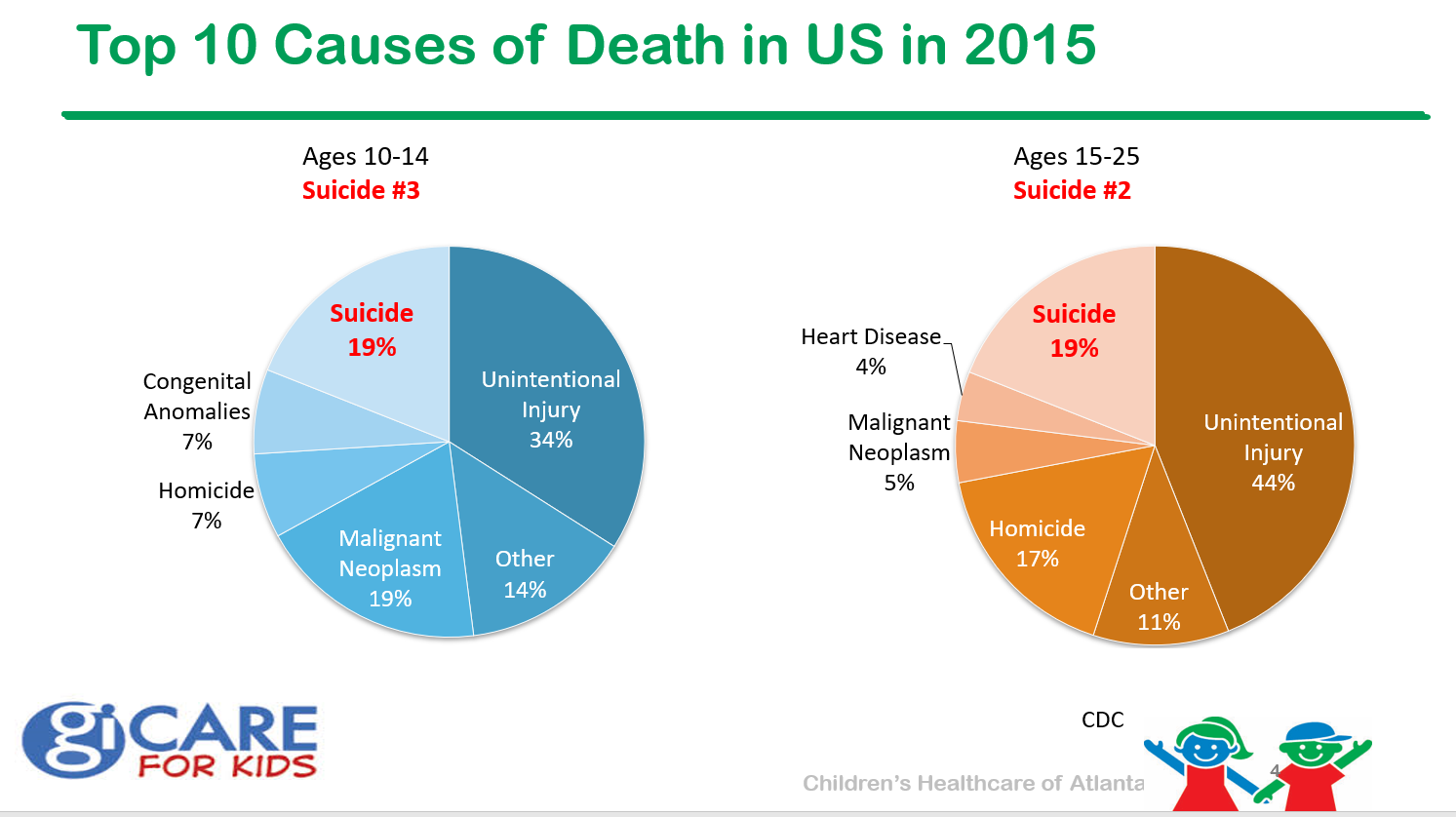
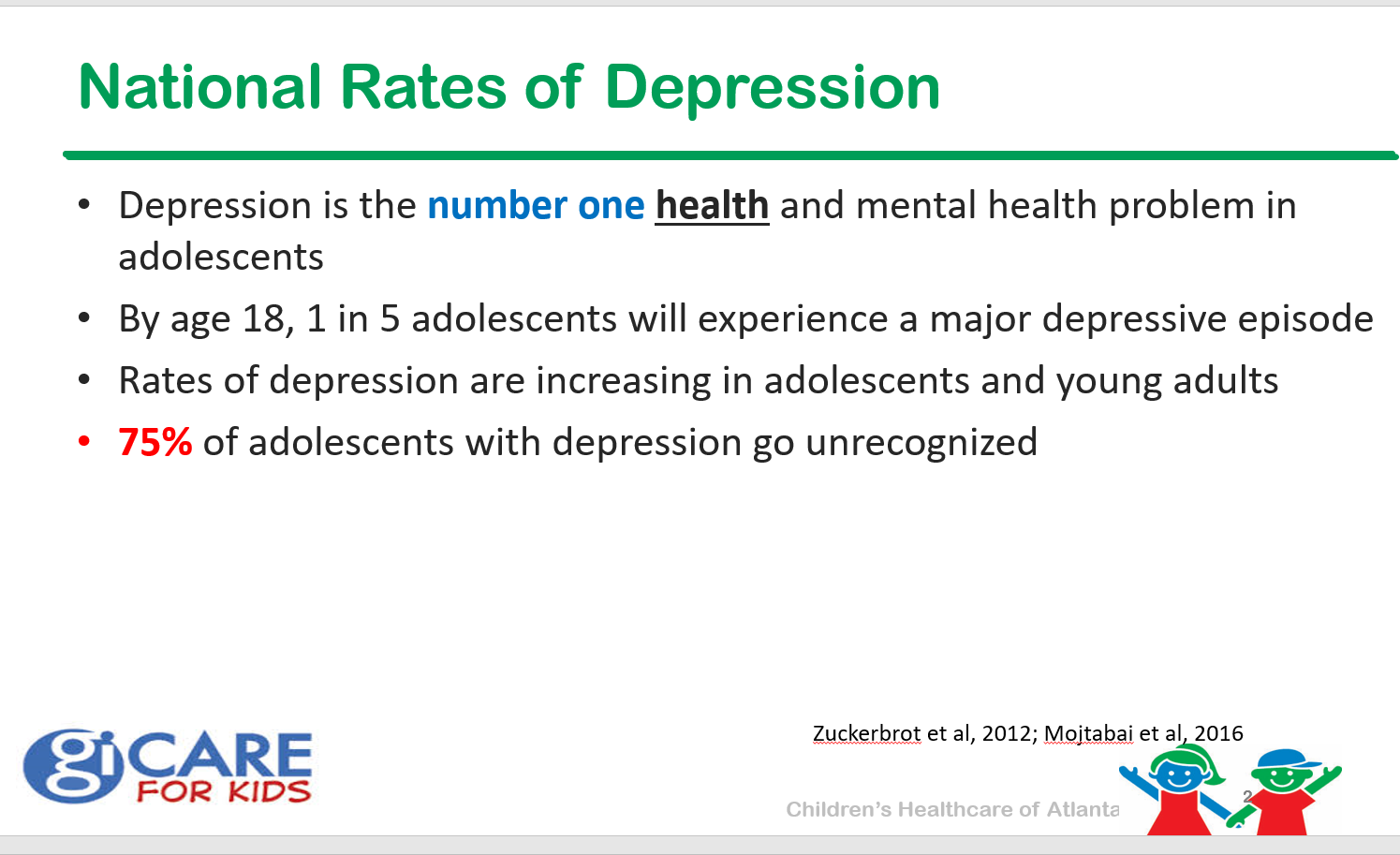
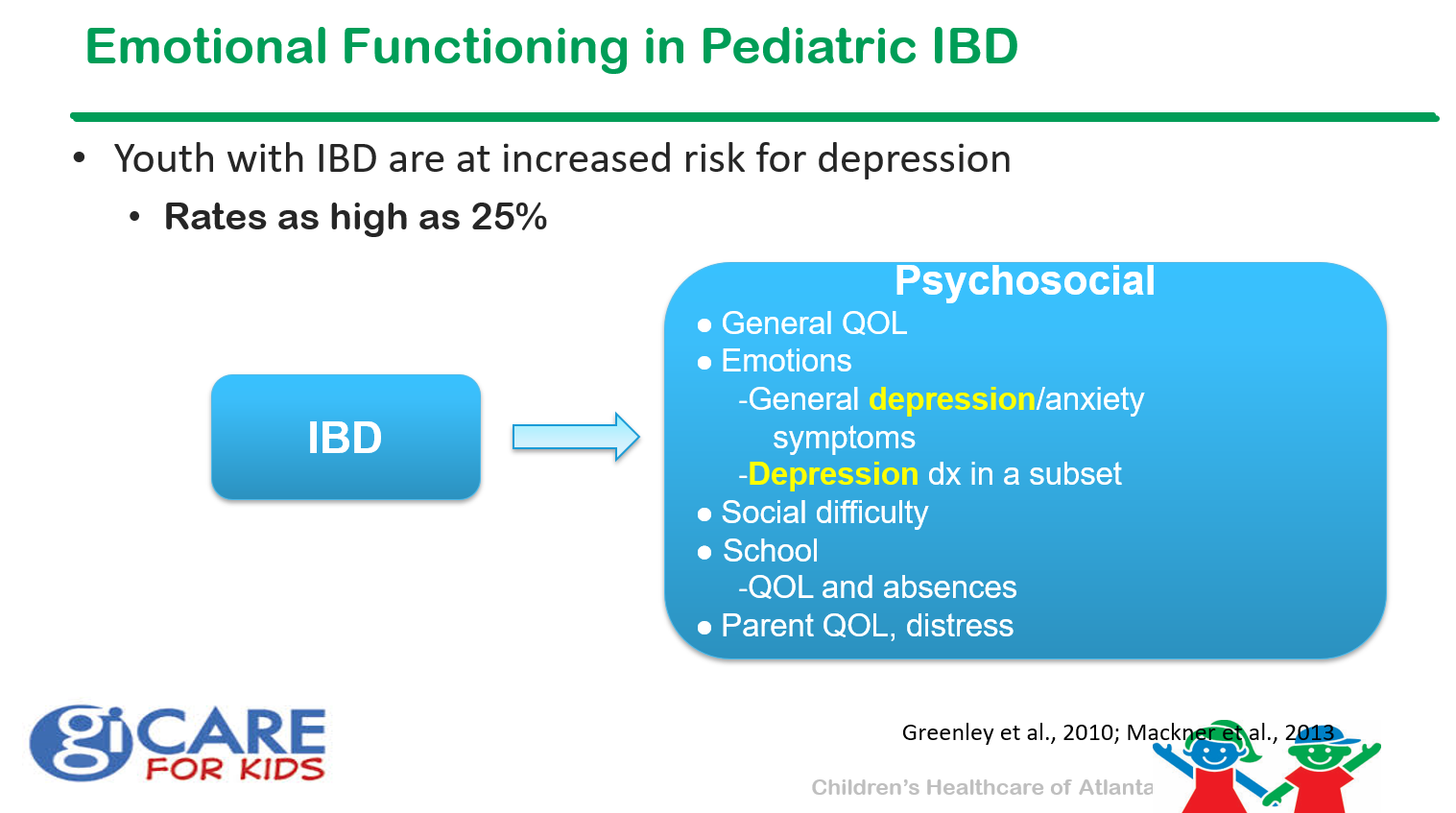
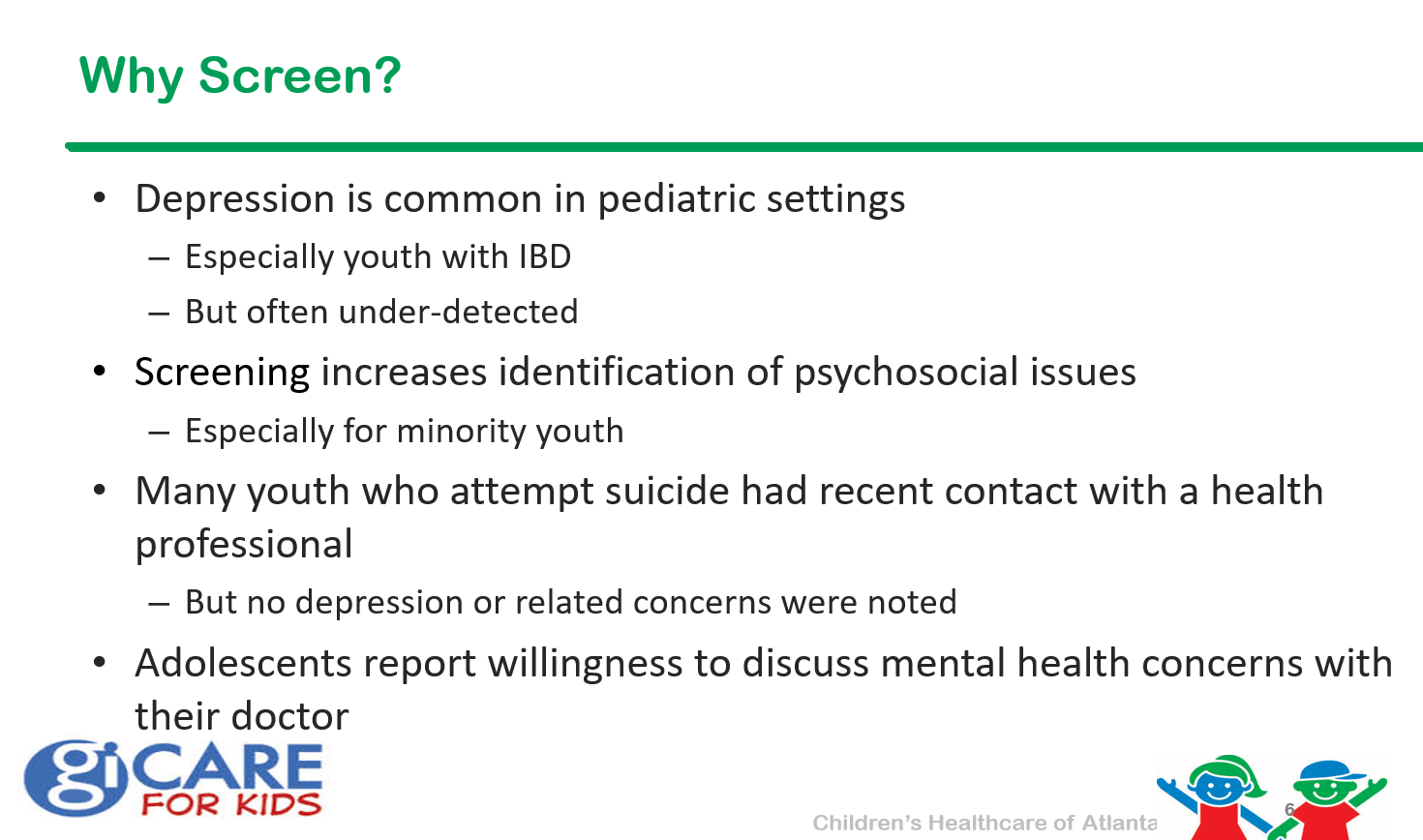
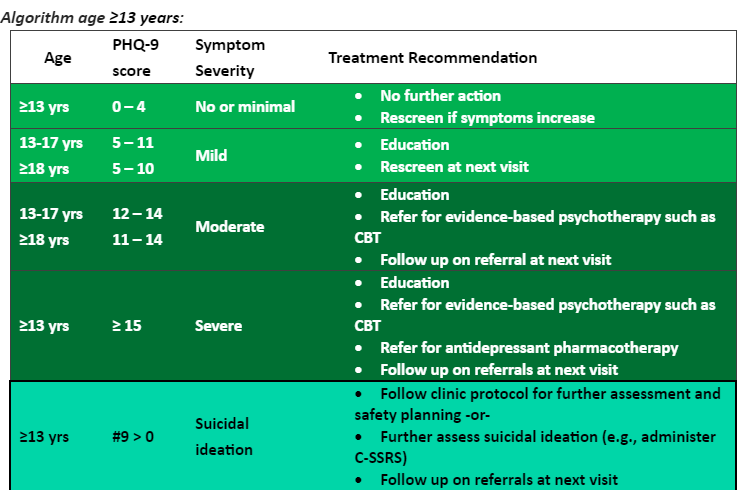
Depression Screening for Pediatric Patients with IBD

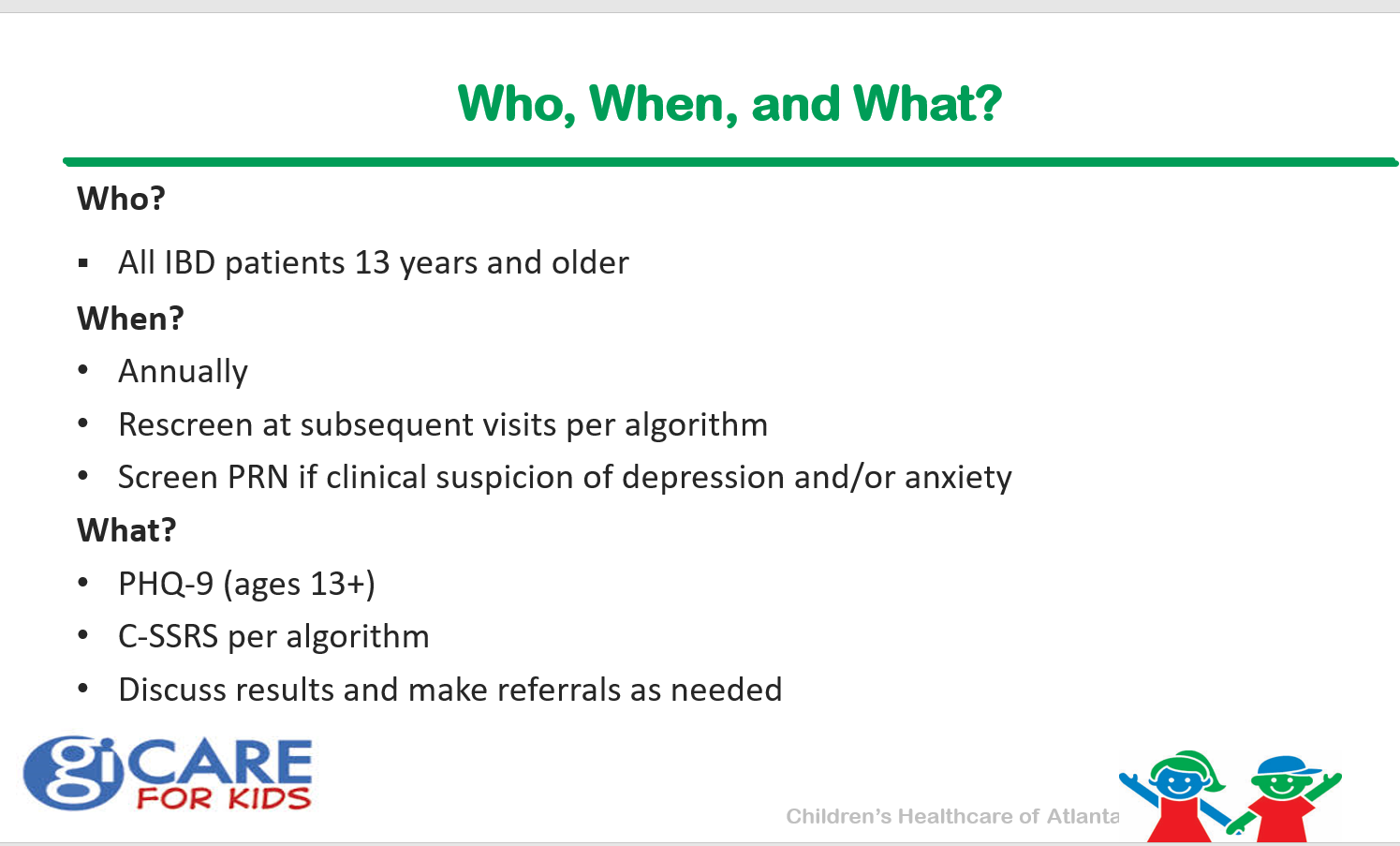
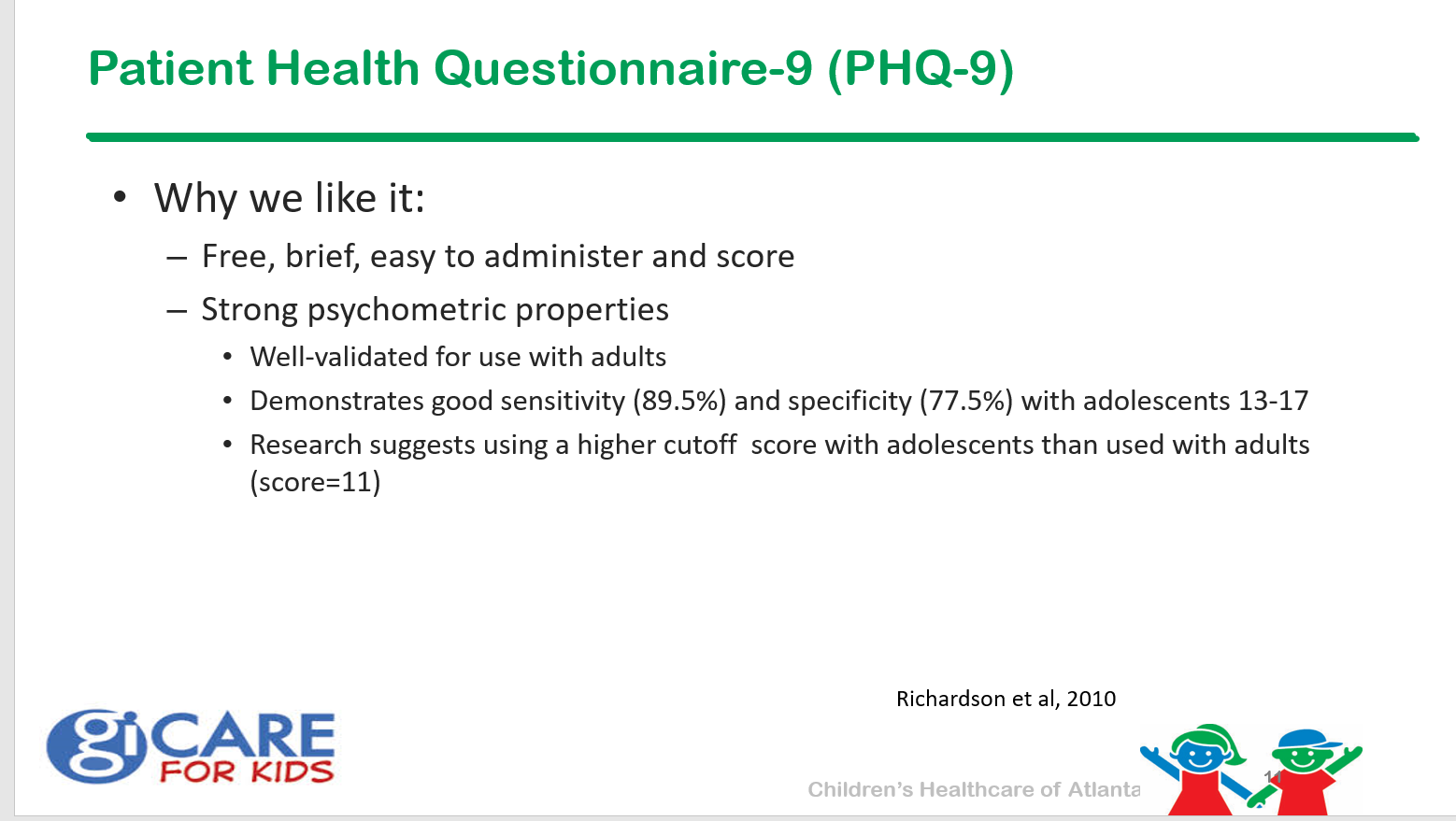
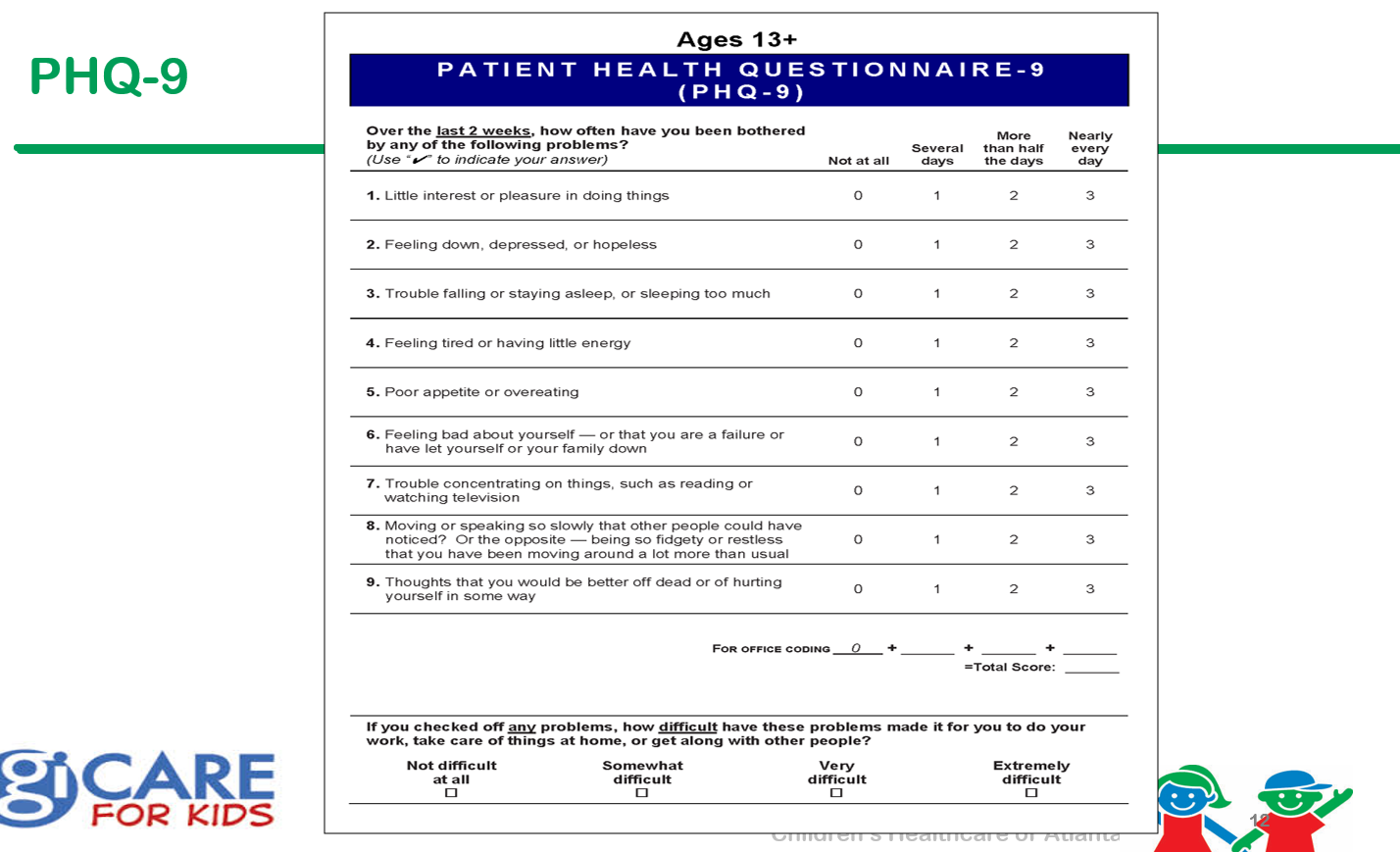
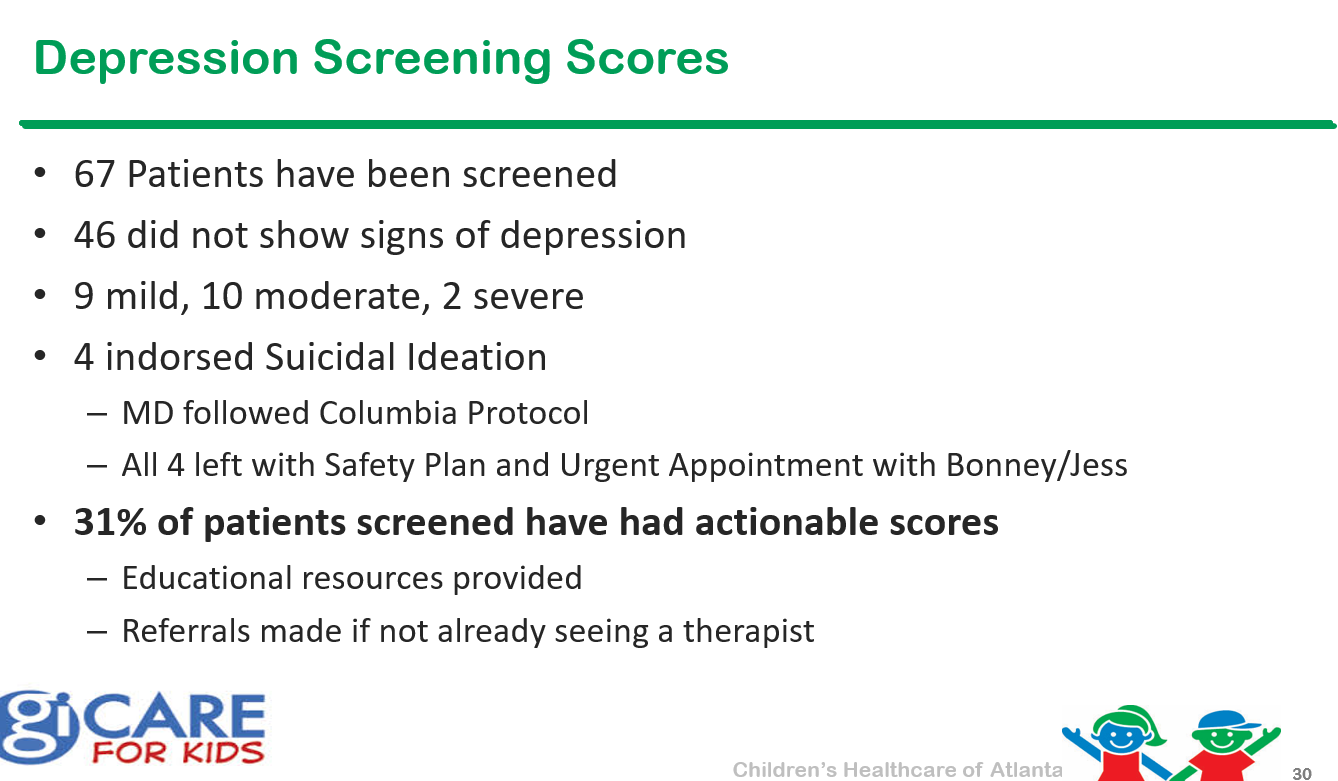
Recently, we had a morning conference to review depression screening for pediatric patients with IBD.  This lecture was led by Chelly Dykes, MD. Many of these slides were adapted from resources developed by the (ImproveCareNow) ICN Psychosocial Professionals group.

We have started depression screening with a subset of our patients and soon will start screening all children 13 years and older.  When this is working well, younger ages may be targeted as well.

Some of the key points:

  • Depression/anxiety are common, particularly in patients with inflammatory bowel disease
  • National rates of suicide have been increasing
  • Asking about suicide does not increase the risk of suicidality
  • We are fortunate to work closely with two psychologists, Bonney Reed-Knight and Jessica Buzenski

Some of the slides are listed below.

Related blog posts:

Disclaimer: These blog posts are for educational purposes only. Specific dosing of medications/diets (along with potential adverse effects) should be confirmed by prescribing physician/nutritionist.  This content is not a substitute for medical advice, diagnosis or treatment provided by a qualified healthcare provider. Always seek the advice of your physician or other qualified health provider with any questions you may have regarding a condition.