Nutrition Pearls -Fiber in Short Bowel and Good Growth with Cystic Fibrosis

One useful resource for NASPGHAN members (NASPGHAN Nutrition Pearls) has been the short monthly nutrition pearl videos (about 10 of them so far). Here are some pointers from the most recent of these.

In October: Fiber for Short Bowel Syndrome –Beneficial for those with a colon in continuity:

Commercial products with limited data supporting use in short bowel syndrome
All of the fiber products are fermented in colon and may be beneficial. Highlighted products are more likely to help with stool consistency (thickening).

In September: Growth in Cystic Fibrosis

Related blog posts for Short Bowel Syndrome:

Related blog posts for Cystic Fibrosis:

Ustekinumab Effectiveness for Ulcerative Colitis Over Two Years

R Pannacionne et al. AP&T. 2020; https://doi.org/10.1111/apt.16119. Full text link: Ustekinumab is effective and safe for ulcerative colitis through 2 years of maintenance therapy

Methods: Overall, 399 (adult) “responders to intravenous ustekinumab induction and who were randomised to maintenance therapy were treated in the long‐term extension (115 received subcutaneous placebo, 141 received ustekinumab 90 mg every 12 weeks [q12w], and 143 received ustekinumab 90 mg q8w). Placebo treatment was discontinued at unblinding after week 44”

Key Findings:

  • Symptomatic remission rates (stool frequency = 0/1; rectal bleeding = 0) at week 92 were, 64.5% and 67.6% in the ustekinumab q12w and q8w groups, respectively ((Intent-to-treat population).
  • At week 44 of maintenance, measures of UC disease activity (eg Mayo scores) were generally comparable among patients randomised to ustekinumab q12w and q8w with 46.1% and 52.4% in clinical remission and 56.7% and 61.5% with endoscopic improvement respectively
  • Among randomised patients treated in the long‐term extension, 78.7% and 83.2% of patients receiving q12w and q8w, respectively, attained symptomatic remission at week 92; >95% of patients in symptomatic remission at week 92 were corticosteroid‐free
  • No new safety signals were observed
Steroid-free Remission (Intent-to-treat population)

Related blog posts:

Disclaimer: This blog, gutsandgrowth, assumes no responsibility for any use or operation of any method, product, instruction, concept or idea contained in the material herein or for any injury or damage to persons or property (whether products liability, negligence or otherwise) resulting from such use or operation. These blog posts are for educational purposes only. Specific dosing of medications (along with potential adverse effects) should be confirmed by prescribing physician.  Because of rapid advances in the medical sciences, the gutsandgrowth blog cautions that independent verification should be made of diagnosis and drug dosages. The reader is solely responsible for the conduct of any suggested test or procedure.  This content is not a substitute for medical advice, diagnosis or treatment provided by a qualified healthcare provider. Always seek the advice of your physician or other qualified health provider with any questions you may have regarding a condition

Achalasia -More Complexity to Pathophysiology?

RK Mittal et al. Gastroenterol 2020; 159: 864-72. Three-Dimensional Pressure Profile of the Lower Esophageal Sphincter and Crural Diaphragm in Patients with Achalasia Esophagus

This prospective study combined 3-dimensional high-resolution manometry (3D-HRM) with detailed analysis of computed tomography images to study the EGJ (esophagogastric junction) in patients with achalasia (n=12) and healthy controls (n=10). Key finding: Besides LES, the 3D pressure profile of the EGJ can indicate anatomic and functional abnormalities of the crural diaphragm muscle in patients with achalasia esophagus

Full text editorial: DA Katzka, M Fox. Gastroenterol 2020: 159: 821- 23. Achalasia: When a Simple Disease Becomes Complex

“In this edition of Gastroenterology, researchers led by Ravi Mittal …demonstrated an asymmetric, extrinsic CD (crural diaphragm) component to EGJ pressure superimposed on the intrinsic LES.”

Related blog posts:

The Link Between Celiac Disease and Inflammatory Bowel Disease

IM Pinto-Sanchez et al. Gastroenterol 2020; 159: 884-903. Association Between Inflammatory Bowel Diseases and Celiac Disease: A Systematic Review and Meta-Analysis

Methods: The authors identified 65 relevant studies after searching databases including MEDLINE, EMBASE, CENTRAL, Web of Science, CINAHL, DARE, and SIGLE through June 25, 2019 for studies assessing the risk of CeD in patients with IBD, and IBD in patients with CeD

Key findings:

  • Among patients with celiac disease, there was an increased risk of IBD vs controls (RR 9.88; 95% CI 4.03–24.21); the risk was greater for Crohn’s disease than ulcerative colitis
  • Among patients with inflammatory bowel disease, there was an increased risk of celiac disease vs controls (risk ratio [RR] 3.96; 95% confidence interval [CI] 2.23–7.02); however, this finding needs to be interpreted with a lot more caution.
    • The population-based studies that identified this risk relied on ICD codes.
    • Celiac diagnosis is much more difficult in patients with IBD. Overdiagnosis is possible due to increased surveillance, and misinterpretation of serology (eg. false positive serology). In addition, the pooled prevalence in this study of 0.75%, while greater than the controls of 0.3%, remains lower that the current worldwide prevalence of approximately 1%.
    • Only more prospective cohort studies will prove a definitive increase in risk.

My take: In patients with either IBD or celiac disease, clinicians should consider additional diagnoses in patients with ongoing symptoms.

Bariatric Surgery Helps NASH

G Lassailly et al. Gastroenterol 2020; 159: 1290-1301. Bariatric Surgery Provides Long-term Resolution of Nonalcoholic Steatohepatitis and Regression of Fibrosis

This was a  prospective study of 180 severely obese patients with biopsy-proven NASH.

Key findings:

  • NASH: At 5 years after bariatric surgery, NASH was resolved, without worsening fibrosis, in samples from 84% of patients (n = 64; 95% confidence interval, 73.1%-92.2%). 
  • Fibrosis: Fibrosis decreased, compared with baseline, in samples from 70.2% of patients (95% CI, 56.6%-81.6%). Fibrosis disappeared from samples from 56% of all patients (95% CI, 42.4%-69.3%) and from samples from 45.5% of patients with baseline bridging fibrosis. 
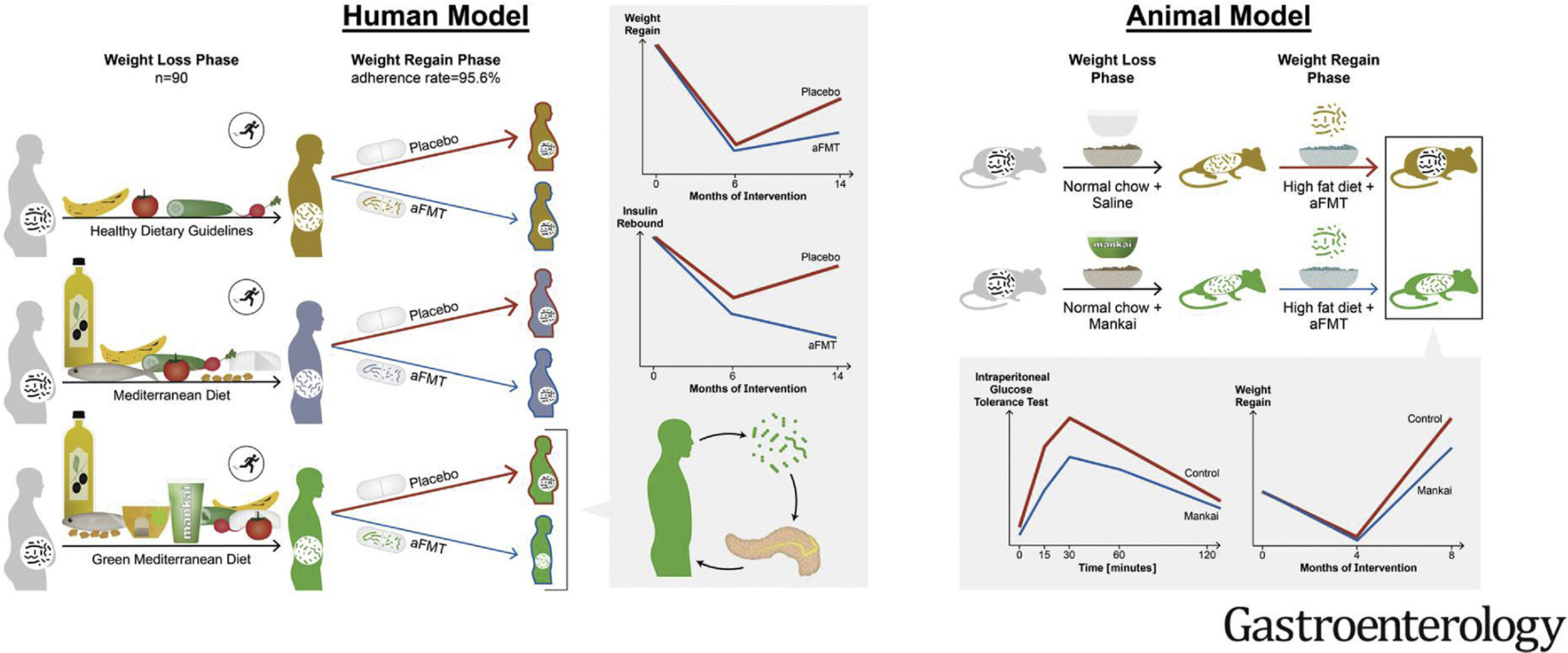
Graphic Abstract

My take: This study showed that patients with NASH who underwent bariatric surgery had resolution of NASH in liver samples from 84% of patients 5 years later. The reduction of fibrosis was progressive, beginning during the first year and continuing through 5 years.

Related blog posts:

Bariatric Surgery Reduced Obesity’s Premature Death from 8 years to 5 years in SOS Study

A recent study (LMS Carlsson et al. NEJM 2020; 383: 1535-43) was summarized in a quick take. Essentially, obese subjects who underwent bariatric surgery survived three years longer than a control group who had not undergone surgery but lived 5 years shorter than a reference group without obesity.

The authors speculate on the reasons why the bariatric subjects continued to have a lower life expectancy than controls after surgery:

  • Above-normal BMI even after surgery
  • Irreversible effects of obesity-related metabolic dysfunction
  • Surgical complications
  • Higher risk of alcohol abuse, suicide, and trauma (including fall-related); these factors were identified in the SOS study more often than in those who had not undergone bariatric surgery

Since there have been improvements in bariatric surgery since the time of this cohort underwent surgery (1987-2001), it is possible that the average gain in life expectancy would be greater.

Here are a few screenshots:

Trick or Tweets?

Rock art
This tweet was posted on 10/21/20
Ful Text Link: COVID-19 Mortality Risk in Down Syndrome: Results From a Cohort Study Of 8 Million Adults
15 min video Link: How America Helped Defeat the Coronavirus* (not in U.S.). an excerpt: We’ve all heard how U.S. leadership failed its citizens with its pandemic response. We had the playbooks, we had the money, we had the experts. We just … didn’t use them. But it turns out, other countries did. Because U.S. public health leaders and scientists have been planning for a catastrophe just like Covid-19 for decades, and, in typical American fashion, we didn’t just write the pandemic playbook — we exported it around the world.

Key to Reducing Unnecessary AXRs: Individualized Metrics

Diagnosis of constipation is primarily based on history and physical exam –not abdominal xray (AXR). In a recent quality improvement study (G Moriel et al. J Pediatr 2020; 225: 109-116. Reducing Abdominal Radiographs to Diagnose Constipation in the Pediatric Emergency Department), ED physicians were trying to improve adherence to evidence-based guidelines for diagnosis of constipation in otherwise healthy children. In this article, the authors note evidence “has shown abdominal radiographs to be unreliable in establishing an association between clinical symptoms of constipation and fecal load on abdominal radiographs.”

As part of the study, the researchers provided two 20-minute presentations to the pediatric emergency department providers and sent emails to them and to resident housestaff. The email for ED provider’s included the provider’s baseline abdominal radiograph frequency. After study was initiated, a followup email was sent with similar information with key information on the project along with individualized data.

Key findings:

  • After the QI interventions, the total percentage of abdominal radiograph decreased to 18% (from 36% at baseline). This 18% decrease was significant ( P < .001) and sustained over a 12-month follow-up period.
  • The average length of stay was 1.07 hours longer for children who had an abdominal radiograph.
  • Clinically important return visits to the emergency department were uncommon during the postintervention phase (125/1830 [6.8%]), and not associated with whether or not an abdominal radiograph was performed at the initial visit.
  • While the study focused on healthy children, the authors noted that the overall population (6 mo-18 years) experienced a decline in AXR usage, regardless of exclusion criteria. At baseline the rate of AXR was 39.5% (1550/3926) which decreased to 20.7% (478/2311).

One interesting piece of data was showing that this intervention resulted in a sustained reduction for 12 months after the intervention observation period, which mitigates the potential influence of the Hawthorne effect.

My take: In my view, the keys to this intervention was providing individualized metrics as well as having leadership in establishing this project. The individualized metrics help physicians recognize when they are outliers and to motivate them to address this.

Related posts:

Faulty Narrative with Functional Nausea Study

A recent study (SE Tarbell et al J Pediatr 2020 225: 109-108. Children with Functional Nausea—Comorbidities outside the Gastrointestinal Tract) highlights the frequent comorbidities in children with functional nausea. The authors have combined prospective and retrospective elements with specific questionnaires and review of the electronic medical records.

Key points:

  • High rates of comorbidities were noted: Abdominal pain 94%, Headache 83%, Orthostatic Intolerance 81%, Fatigue 75%, Disturbed sleep 71%, Anxiety 59%, and Constipation 57%. Other frequent findings included vomiting in 51%, Allergies 54%, , Joint Pain 46%, Hypermobility in 37%.
  • 69.5% of subjects missed more than 10 days of school due to their symptoms.
  • There was extensive testing in this cohort (n=63), including 96 endoscopies, and 199 radiologic tests. In addition, 4 patients had cholecystectomies.
  • Among 64 EGDs, 28 were considered abnormal. The authors claim that 6 had specific findings: H pylori (n=2), polyps (n=2), celiac disease (n=1), and lactase deficiency (n=1).
    • It is likely that H pylori and celiac disease could have been identified/suspected by non-invasive testing; these two findings may make a diagnosis of functional nausea more tricky.
    • Lactase deficiency could be considered a normal finding.
  • The authors state that 32 of 59 AXRs had “moderate to severe constipation” based on stool burden

Overall, this article makes some useful points about the high rate of comorbidities with functional nausea but I disagree with some of the other discussion points.

The authors claim that “negative tests can reassure families of the absence of a more serious underlying condition.” This assertion has been disputed in other studies. In one study (A Rolfe et al. JAMA Intern Med. 2013;173(6):407-416 Full text: Reassurance After Diagnostic Testing With a Low Pretest Probability of Serious Disease), the authors conclude that ‘diagnostic tests for symptoms with a low risk of serious illness do little to reassure patients, decrease their anxiety, or resolve their symptoms, although the tests may reduce further primary care visits.’

The authors also have a permissive attitude regarding AXRs saying “a radiograph may validate a diagnosis of constipation.” Yet the preponderance of evidence indicates that AXRs are not needed or recommended for the diagnosis of constipation. The juxtaposition of this statement on page 107 of this issue with the next article on page 109 which details a quality improvement process of reducing abdominal radiographs to diagnose constipation in the ED is interesting. The ED physicians in the next article are trying to adhere to evidence-based guidelines; in this article, the authors correctly note that evidence “has shown abdominal radiographs to be unreliable in establishing an association between clinical symptoms of constipation and fecal load on abdominal radiographs.”

My take: Tarbell et al show that in patients with functional nausea, nausea is the tip of the symptom iceberg. Generally, radiographic and endoscopic diagnostic studies have very low yield and should be discouraged.

Related posts: