This was a retrospective case-control study with 33 patients who were off immunosuppression for at least 1 year. The median age at LT was 0.7 years. The median IS withdrawal time was 9 years after LT.
Key findings:
No differences in allograft rejection rates, IS complications, or c-IO [composite ideal outcome] prevalence were seen between SPLIT patients off IS and age- and sex-matched controls remaining on IS.
This is a highly-selected group representing ~0.5% of pediatric liver transplants (1996-2015).
My take: In this small sample size, patients off IS had similar outcomes as patients who continued on IS. Understanding this group better could help extend this approach to more patients.
This retrospective study compared the findings of children with probable autism (ASD) to age- and gender-matched controls with developmental delay (DD) or with typical development (TD), (n= 526 ASD, 526 DD, 1052 TD). Key findings:
Children with ASD had higher rates of abnormal esophageal histology (ASD 38.4%; DD 33.4%; TD 30.4%, P = .008)
Stomach findings did not differ significantly among the groups: histologic inflammation was identified in ASD 13.3%, DD 18.5%, and TD 22.4% (P=.10).
In the duodenum, histologic abnormalities were observed with lower frequency in ASD (ASD 17.0%; DD 20.1%; TD 24.2%, P = .005).
The authors emphasize the importance of the esophageal findings (increased rates of esophagitis). However, there are some important caveats that are not discussed in the paper:
At baseline (prior to study), it was known that the ASD and DD groups had higher rates of eosinophilic esophagitis: ASD 9.1%, DD 9.5%, and TD 7.4% (Table 1). In addition, both of these groups had higher rates of gastroesophageal reflux at baseline: ASD 7.6%, DD 8.0%, and TD 6.5%. This selection bias is likely to negate much of the esophageal differences observed in their study. Also, the ASD group had much higher numbers receiving H2 blockers at time of procedure: ASD 11.4%, DD 10.3%, and TD 6.4%.
In addition, the TD group had a much higher rate of abdominal pain as the indication for endoscopy (TD 26.6%, ASD 17.5%, and DD 20.2%). It is well-recognized that isolated abdominal pain has a low yield on endoscopy.
The authors do not discuss the elephant in the room. What is the significance of microscopic esophagitis (or microscopic gastritis or microscopic duodenitis)? Previous authors have noted that “15% of healthy individuals may have microscopic esophagitis” (Gastroenterology 2018 (volume 154; pages 263-451 -see page 291). When we were looking at the variation of diagnostic yield for endoscopy, we decided to focus on colonoscopy because of the high rates of microscopic inflammation in the upper GI tract (related blog post: Our Study: Provider Level Variability in Colonoscopy Yield)
My take: In their discussion, the authors state that this study represents “significant progress in the understanding of gastrointestinal pathophysiology in children with ASD…suggest a unique fingerprint of findings in children with ASD.” In my view, the authors showed similar yield of EGD histologic abnormalities in all three groups and these microscopic findings are of uncertain significance.
The study, published in JAMA on Tuesday, found that, in the three years after a private equity fund bought a hospital [51 hospitals in study], adverse events including surgical infections and bed sores rose by 25 percent among Medicare patients when compared with similar hospitals that were not bought by such investors. The researchers reported a nearly 38 percent increase in central line infections, a dangerous kind of infection that medical authorities say should never happen, and a 27 percent increase in falls by patients while staying in the hospital…
Although the researchers found a significant rise in medical errors, they also saw a slight decrease (of nearly 5 percent) in the rate of patients who died during their hospital stay. The researchers believe other changes, like a shift toward healthier patients admitted to the hospitals, could explain that decline. And by 30 days after patients were discharged, there was no significant difference in the death rates between hospitals…
The researchers said the most likely explanation for the increased errors was fewer hospital employees, an effect that has been measured in other studies of private equity.
My take: Private equity (PE) investment is likely to result in a lower quality of care in most circumstances. The primary driver of PE is profits not people. In order for PE to achieve their goals, it necessitates either driving up costs (higher profit margin) or reducing costs/staffing.
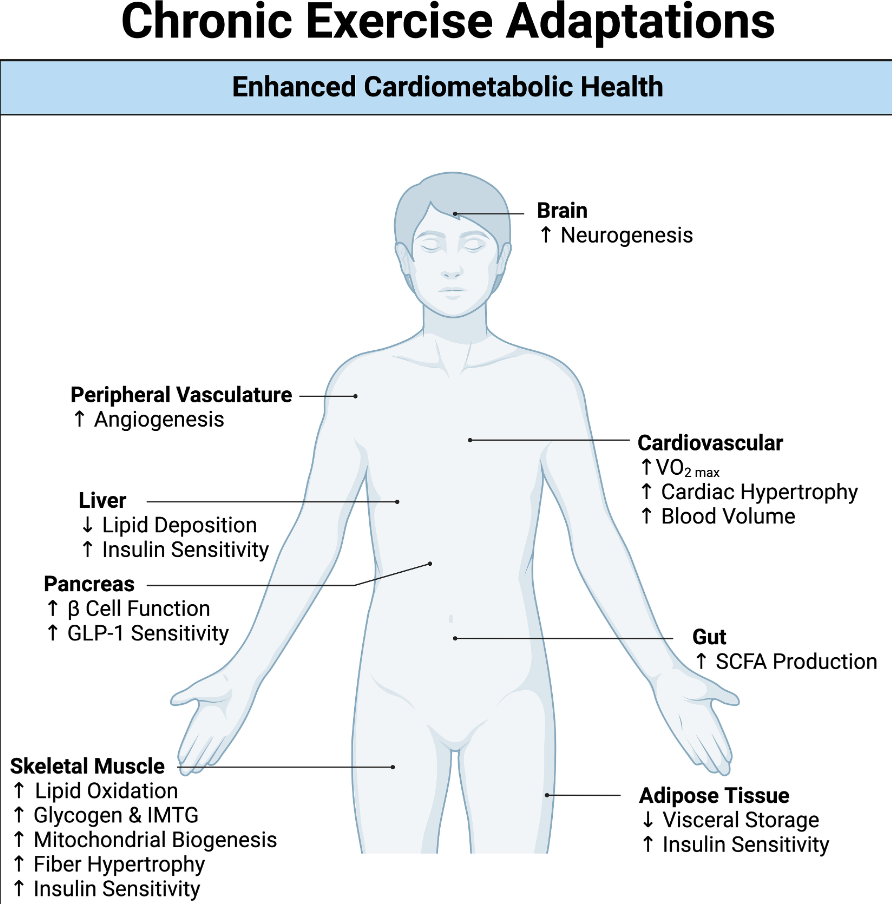
“The risk associated with multiple cancers, cardiovascular disease, diabetes, and all-cause mortality is decreased in individuals who meet the current recommendations for physical activity…Over time, the associated metabolic stress of each individual exercise bout provides the basis for long-term adaptations across tissues, including the cardiovascular system, skeletal muscle, adipose tissue, liver, pancreas, gut, and brain. Therefore, regular exercise is associated with a plethora of benefits throughout the whole body, including improved cardiorespiratory fitness, physical function, and glycemic control. Overall, we summarize the exercise-induced adaptations that occur within multiple tissues and how they converge to ultimately improve cardiometabolic health.”
JCT Lai et al. NEJM 2023; 389: 2377-2385. Case 39-2023: A 43-Year-Old Woman with Chronic Diarrhea, Hair Loss, and Nail and Skin Changes
This case presents a polyposis disorder seen in adults and provides a useful differential diagnosis: autoimmune disorders including IBD, vasculitis, and celiac, primary adrenal insufficiency, heavy metal poisoning, amyloidosis, and cancer. This rare disorder has a reported “5-year mortality of 55%, mostly due to complications such as sepsis and gastrointestinal bleeding”
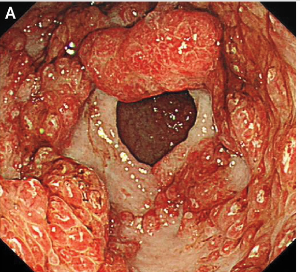
A few of the images from Figure 2:
Numerous sessile polyps in colonFrom Stomach
ChatGPT’s explanation of Cronkhite-Canada Syndrome:
Cronkhite-Canada syndrome (CCS) is a rare, noninherited, sporadic gastrointestinal polyposis syndrome that affects various parts of the digestive system. It is characterized by the presence of multiple polyps in the stomach and colon, as well as other distinctive features.
Epidemiology: Cronkhite-Canada syndrome is a very rare disorder, with only a few hundred cases reported worldwide. It typically affects older adults, with an average age of onset around 60 years, and there is no known genetic predisposition.
Clinical Presentation: Patients with Cronkhite-Canada syndrome often present with a combination of gastrointestinal and dermatological symptoms. The gastrointestinal manifestations include diarrhea, abdominal pain, weight loss, and protein-losing enteropathy. The dermatological symptoms consist of characteristic changes such as nail atrophy, hyperpigmentation, alopecia (hair loss), and skin hyperpigmentation.
Gastrointestinal Findings:
Polyposis: Multiple [hamartomotous] polyps are found in the stomach and colon. These polyps can vary in size and number.
Diarrhea and Abdominal Pain: Chronic diarrhea and abdominal pain are common symptoms due to the involvement of the digestive tract.
Dermatological Findings:
Nail Changes: Nail atrophy, ridges, and splitting are commonly observed.
Skin Changes: Hyperpigmentation of the skin, especially on the palms and soles, is a distinctive feature.
Alopecia: Hair loss is often present.
Laboratory Findings: Patients with Cronkhite-Canada syndrome may exhibit laboratory abnormalities, including hypoalbuminemia (low levels of albumin in the blood), hypoproteinemia, and electrolyte imbalances due to protein loss in the gastrointestinal tract.
Diagnosis: Diagnosis is based on a combination of clinical presentation, endoscopic findings, and pathology results from biopsies of the affected gastrointestinal tissue.
Treatment: Management of Cronkhite-Canada syndrome involves a multidisciplinary approach. Nutritional support is essential, and patients may require supplementation of protein and nutrients. Corticosteroids are often used to suppress inflammation, and immunosuppressive agents may be considered in refractory cases. Regular surveillance endoscopy is necessary to monitor polyp growth and assess response to treatment.
This study analyzed “pH impedance testing in the NICU in 516 infants with symptoms of arching and irritability. A nurse was assigned to document episodes of arching and irritability during the study.”
Key findings:
Acid reflux and impedance bolus characteristics were not significantly different between infants with >72 and ≤72 arching/irritability events (P ≥ .05)
Arching/irritability events had an 8% sensitivity for reflux (3062/39,962). The specificity of arching/irritability for NOT being reflux was 94% (246,462/262,534)
Oral feeding was associated with more arching and irritability than tube feeding
“The study found that <10% of the clinical episodes were associated with acid reflux but episodes of arching and irritability were more common in infants with preterm birth, neurologic injury, or chronic lung disease.”
My take (in part, borrowed from authors): “Acid GER disease is unlikely the primary cause of arching/irritability and empiric treatment should not be used when arching/irritability is present.” Unfortunately, getting physicians to curtail the use of ineffective acid blockers in infants is a not making headway (Unfavorable Trends in Reflux Management of Infants) There is definitely enough material with reflux to devote a whole MythBusters show.
In addition to not being the main reason for arching,
Reflux is not a frequent reason for BRUEs
Reflux cannot be reliably-identified by ENTs. Red airway appearance is NOT indicative of reflux (poor specificity, poor sensitivity)
Reflux in infants does not improve with PPIs (more than placebo)
Fundoplication does not result in fewer hospitalizations or improve pulmonary outcomes
Treating reflux does not improve asthma and probably does not help throat symptoms either
Many kids (and adults) with “reflux” don’t have reflux
T Watson, C Robertson. NEJM 2023; 389; 25: 2312-2314. Silencing the FDA’s Voice — Drug Information on Trial
Recently (9/1/23), “a panel of the Fifth Circuit Court of Appeals allowed a case to proceed against the Food and Drug Administration (FDA) concerning its public statements on the use of ivermectin for treating Covid-19.1“ Even though a district court had dismissed the suit due to “sovereign immunity,” the Fifth Court stated the FDA had exceeded its authority.
Some excerpts from this commentary:
Between August 2021 and April 2022, however, the agency released several public messages about ivermectin and Covid-19 — including an informal consumer update titled “Why You Should Not Use Ivermectin to Treat or Prevent COVID-19”…
Three physicians who prescribed and promoted ivermectin for Covid-19 treatment sued the FDA, alleging that its statements interfered with their ability to practice medicine and harmed their professional reputations, even though they hadn’t been named by the FDA. One doctor claimed the agency’s statements had caused him to be referred to his state medical board; the others claimed to have lost admitting privileges at a hospital and a role at a medical school.
According to the Fifth Circuit, the FDA “has authority to inform, announce, and apprise — but not to endorse, denounce, or advise”….
The Fifth Circuit panel’s opinion is puzzling in light of the FDA’s long-standing and generally unquestioned role as a public health educator. The agency routinely releases consumer-directed information; for example, its website instructs consumers about the appropriate use of antibiotics and includes related clinical information. The opinion suggests the FDA may need to reevaluate each of these communications — an impractical proposition.
The opinion is also in tension with a long-standing constitutional principle known as the government speech doctrine, according to which the government can itself be a speaker, like any person or corporation, and isn’t required to be neutral when it expresses an opinion..
The Fifth Circuit’s holding reflects suspicion of agency influence, even in matters in which the agency is an expert speaking directly about products it regulates. The court’s interpretation of the FDA’s proper role may permit only narrow forms of expression...
Subsequent courts could use the Fifth Circuit’s logic to disempower other agencies with health-related missions, such as the Centers for Disease Control and Prevention and the Environmental Protection Agency… Meanwhile, “junk science” pervades social media and harms public health.2
My take: It is hard to believe that the justification for this challenge comes from three physicians prescribing ivermectin. It turns out the FDA’s advice was spot on and that these physicians were offering an ineffective therapy. This is a worrisome trend in which the judicial branch seeks
To limit government agencies without explicit line-by-line authorization by a dysfunctional congress
And to substitute its judgement over matters in which it has little expertise over governmental agencies tasked with protecting our country (eg. FDA, CDC, EPA, and others)
This research utilized 40 studies which met the eligibility criteria, including over 288 million participants and 147,668 patients with EoE from 15 countries across the five continents.
Key findings:
The global pooled incidence and prevalence of EoE were 5.31 cases per 100,000 inhabitant-years and 40.04 cases per 100,000 inhabitant-years, respectively.
The pooled prevalence and incidence of EoE were higher in high-income countries, males, and North America.
The pooled prevalence and incidence of EoE have increased from 1976 to 2022.
Time trends of incidence (A) and prevalence (B) of EoE, 1976 to 2022. Pooled estimates, cases per 100,000 inhabitant-years.
“This review summarizes the data leading to FDA approval for dupilumab and provides a practical approach for clinical use of dupilumab.” Dupilumab, a humanized monoclonal antibody that blocks interleukin (IL)-4 receptor alpha, is currently the only FDA-approved medication for EoE. It is noted that in the trials leading to FDA approval, all patients were PPI refractory and ~70% had received topical steroids (with about half either intolerant or nonresponsive).
Dosing: 300 mg weekly injection with a single-dose prefilled autoinjector pen or a syringe with a needle shield. It is recommended that refrigerated medicine is brought to room temperature for at least 45 minutes prior to injection. It “can remain unrefrigerated up to 14 days.”
In Figure 1, the articles details positioning of use of dupilumab in EoE management algorithm:
New diagnosis, patient preference
Additional atopic condition with approved dupilumab use (strong indication)
Lack of response to current treatment (diet, PPI, swallowed steroids) or adverse effects from current treatment (strong indications)
“It is reasonable to repeat endoscopy with biopsy 24 weeks after initiation of dupilumab in many patients…However, endoscopy may be completer earlier” in selected patients.
At least 5 other biologics are in phase 2 or phase 3 studies (listed in Table 1).
My take: EoE is increasing in prevalence and new therapies (often expensive) are emerging.
Also, there is a fairly good patient education 7-page pamphlet from the makers of Dupixent encouraging patients with symptoms suggestive of EoE to speak with their physicians.
Disclaimer: This blog, gutsandgrowth, assumes no responsibility for any use or operation of any method, product, instruction, concept or idea contained in the material herein or for any injury or damage to persons or property (whether products liability, negligence or otherwise) resulting from such use or operation. These blog posts are for educational purposes only. Specific dosing of medications (along with potential adverse effects) should be confirmed by prescribing physician. Because of rapid advances in the medical sciences, the gutsandgrowth blog cautions that independent verification should be made of diagnosis and drug dosages. The reader is solely responsible for the conduct of any suggested test or procedure. This content is not a substitute for medical advice, diagnosis or treatment provided by a qualified healthcare provider. Always seek the advice of your physician or other qualified health provider with any questions you may have regarding a condition.
Patients diagnosed with nonerosive gastroesophageal reflux disease did not have a higher incidence of esophageal adenocarcinoma than the general population in a new study published in the BMJ.
This extensive population-based cohort study leveraged data spanning over three decades from national healthcare registries in Denmark, Finland and Sweden, known for their broad scope and high quality…
The incidence rate of EAC [esophageal adenocarcinoma] among 285,811 patients with nonerosive GERD (no esophagitis, Barrett’s esophagus or other esophageal condition), was 11.0 per 100,000 person-years, similar to that of the general population (BMJ 2023;382:e076017). Moreover, the rate remained stable regardless of the length of follow-up…
Harish K. Gagneja, MD, FACG, AGAF, FASGE, who was not involved in the research, commented that “patients with nonerosive GERD don’t require additional follow-up endoscopies unless they have alarm symptoms such as dysphagia, weight loss or anemia, etc.”…
The findings will need to be confirmed in well-designed studies from other countries. But the large sample size, population-based design, substantial duration of follow-up and inclusion of a contrasting erosive GERD cohort for validation are just some of the study’s strengths, supporting the validity of its findings.
My take: This study indicates that nonerosive reflux was not associated with an increased risk of esophageal adenocarcinoma.
Hydroxychloroquine (HCQ) was used off-label for COVID-19 during the first wave despite the absence of evidence documenting its clinical benefits. A recent study has estimated that it resulted in an increase death rate of 11%. ”The number of hydroxychloroquine related deaths in hospitalized patients is estimated at 16,990 in six countries.” Ref: Open Access! A Pradelle et al. Biomedicine & Pharmacotherapy 2024; 171: 116055. Deaths induced by compassionate use of hydroxychloroquine during the first COVID-19 wave: an estimate
Florida’s surgeon general on Wednesday called for a halt to the use of Covid vaccines, citing widely debunked concerns that contaminants in the vaccine can permanently integrate into human DNA.
Dr. Ladapo’s latest contention is “very irresponsible,” said John Wherry, a vaccine expert and director of the Institute for Immunology at the University of Pennsylvania. “He has, however, demonstrated a tenuous grasp of science and medicine in general over the course of the pandemic so this is not surprising,” Dr. Wherry said….
For Dr. Ladapo’s claim to be true, humans would need to have an enzyme that can incorporate foreign DNA into their genomes. “We don’t have one,” said Dr. Eric Rubin, a member of the F.D.A.’s vaccine advisory committee and the editor in chief of the New England Journal of Medicine.
My take: The first article estimates the number of deaths due to the bad advice of using hydroxychloroquine. Perhaps in a few years, researchers will be able to calculate the number of deaths and hospitalizations that occur due to the bad advice of Florida’s surgeon general.















 gutsandgrowth