I am a pediatric gastroenterologist at GI Care for Kids (previously called CCDHC) in Atlanta, Georgia. The goal of my blog is to share some of my reading in my field more broadly. In addition, I wanted to provide my voice to a wide range of topics that often have inaccurate or incomplete information.
Before starting this blog in 2011, I would tear out articles from journals and/or keep notes in a palm pilot. This blog helps provide an updated source of information that is easy to access and search, along with links to useful multimedia sources.
I was born and raised in Chattanooga. After graduating from the University of Virginia, I attended Baylor College of Medicine. I completed residency and fellowship training at the University of Cincinnati at the Children’s Hospital Medical Center. I received funding from the National Institutes of Health for molecular biology research of the gastrointestinal tract.
During my fellowship, I had the opportunity to work with some of the most amazing pediatric gastroenterologists and mentors. Some of these individuals included Mitchell Cohen, William Balistreri, James Heubi, Jorge Bezerra, Colin Rudolph, John Bucuvalas, and Michael Farrell. I am grateful for their teaching and their friendship. During my training with their help, I received a nationwide award for the best research by a GI fellow.
I have authored numerous publications/presentations including original research, case reports, review articles, and textbook chapters on various pediatric gastrointestinal problems. In addition, I have been recognized by Atlanta Magazine as a "Top Doctor" in my field multiple times.
Currently, I am the vice chair of the section of nutrition for the Georgia Chapter of the American Academy of Pediatrics. In addition, I am an adjunct Associate Clinical Professor of Pediatrics at Emory University School of Medicine. Other society memberships have included the North American Society for Pediatric Gastroenterology Hepatology and Nutrition (NASPGHAN), American Academy of Pediatrics, the Food Allergy Network, the American Gastroenterology Association, the American Association for the Study of Liver Diseases, and the Crohn’s and Colitis Foundation.
As part of a national pediatric GI organization called NASPGHAN (and its affiliated website GIKids), I have helped develop educational materials on a wide-range of gastrointestinal and liver diseases which are used across the country. Also, I have been an invited speaker for national campaigns to improve the evaluation and treatment of gastroesophageal reflux disease, celiac disease, eosinophilic esophagitis, hepatitis C, and inflammatory bowel disease (IBD). Some information on these topics has been posted at my work website, www.gicareforkids.com, which has links to multiple other useful resources.
I am fortunate to work at GI Care For Kids. Our group has 17 terrific physicians with a wide range of subspecialization, including liver diseases, feeding disorders, eosinophilic diseases, inflammatory bowel disease, cystic fibrosis, DiGeorge/22q, celiac disease, and motility disorders. Many of our physicians are recognized nationally for their achievements. Our group of physicians have worked closely together for many years. None of the physicians in our group have ever left to join other groups. I have also worked with the same nurse (Bernadette) since I moved to Atlanta in 1997.
For many families, more practical matters about our office include the following:
– 14 office/satellite locations
– physicians who speak Spanish
– cutting edge research
– on-site nutritionists
– on-site psychology support for abdominal pain and feeding disorders
– participation in ImproveCareNow to better the outcomes for children with inflammatory bowel disease
– office endoscopy suite (lower costs and easier scheduling)
– office infusion center (lower costs and easier for families)
– easy access to nursing advice (each physician has at least one nurse)
I am married and have two sons (both adults). I like to read, walk/hike, bike, swim, and play tennis with my free time.
I do not have any financial relationships with pharmaceutical companies or other financial relationships to disclose. I have helped enroll patients in industry-sponsored research studies.
A recent large retrospective pediatric study provides further evidence that therapeutic drug monitoring (TDM) in inflammatory bowel disease (IBD) results in better clinical outcomes. One of my partners, Chelly Dykes, is a coauthor and leads our ImproveCareNow team.
This single center implemented a practice wide TDM approach in 2014. This study compared a historical pre-TDM group (n=108) to the TDM group (n=206). The primary outcome was sustained clinical remission (SCR22-52), defined as physician global assessment (PGA) of inactive from 22 to 52 weeks and off corticosteroids at 52 weeks. Key findings:
The SCR22-52 was achieved in 42% of pre-TDM and 59% of TDM patients (risk difference, 17.6%; 95% CI, 5.4–29%; P = 0.004)
The TDM group had an increased adjusted odds of achieving SCR22-52 (odds ratio, 2.03; 95% CI, 1.27–3.26; P = 0.003)
The adjusted risk of developing high titer antidrug antibodies (ADAs) was lower in the post-TDM group (hazard ratio, 0.18; 95% CI, 0.09–0.35; P < 0.001)
The SCBR22-52 (which was defined by normal CRP along with SCR22-52) was 24.7% in pre-TDM and 42.7% in the TDM group
The authors did not identify a significantly higher rate of anti-TNF cessation in either group
Only 12% of patients in their practice were receiving combination therapy
In the discussion, the authors review three pivotal studies which also support proactive TDM: TAXIT, TAILORIX, and PAILOT.
My take: While this was an observational study with historical controls, the findings are convincing that proactive TDM is helpful, particularly in patients who are not receiving combination therapy.
AGA 2017 Guidelines on Therapeutic Monitoriing Proactive drug monitoring: “careful and selective use of proactive TDM could be beneficial, but current evidence for its routine use is limited and its overall benefits remain uncertain”
Key finding: 606 patients were randomized to treatment (placebo: n=202; lubiprostone: n=404). No statistically significant difference in overall SBM (spontaneous bowel movement) response rate was observed between the lubiprostone and placebo groups (18.5% vs 14.4%; P=.2245).
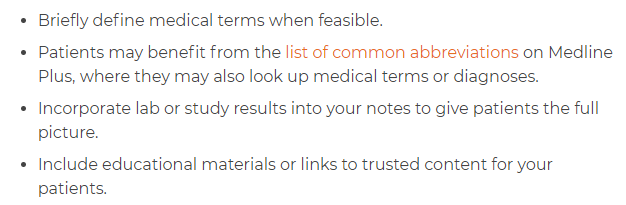
When I was in training as a pediatric gastroenterology fellow, one of my mentors relayed a story (perhaps embellished) that a parent had confronted him: “Doctor, I know you are lying to me. You told me my son had Crohn’s disease but the chart said he had TERMINAL ileitis.”
In their survey of patients in the Boston, Seattle, and rural Pennsylvania health systems, …among the respondents, 22 947 said they had read at least 1 clinical note and half said they had read at least 4 notes. Only 737 patients said the notes were very confusing.”
11% said they felt judged or offended or both. Those reactions were more common among women and people who reported poor health, unemployment, or inability to work. Among patients’ comments about why they felt judged or offended, the researchers identified 3 main themes: errors and surprises, labeling, and disrespect.
Another recent publication based on the patient survey reported that 96% of the patients said they understood all or nearly all of a note they selected from a recent visit…93% agreed or somewhat agreed that the note accurately described the visit, while 6% said something important was missing.
One of the researcher’s advice to physicians is to write the note as if the patient were sitting beside them, collaborating.
Physicians shouldn’t write anything in the health record that the patient doesn’t already know.
Many patients don’t even know that notes are available for them to read.
My take: As noted in the article, office notes have been used mainly for communication between physicians and to support billing. Whether open notes can lead to more engagement of patients and provide health benefits is uncertain. What is certain is that the availability of these notes is going to alter what becomes part of the medical record.
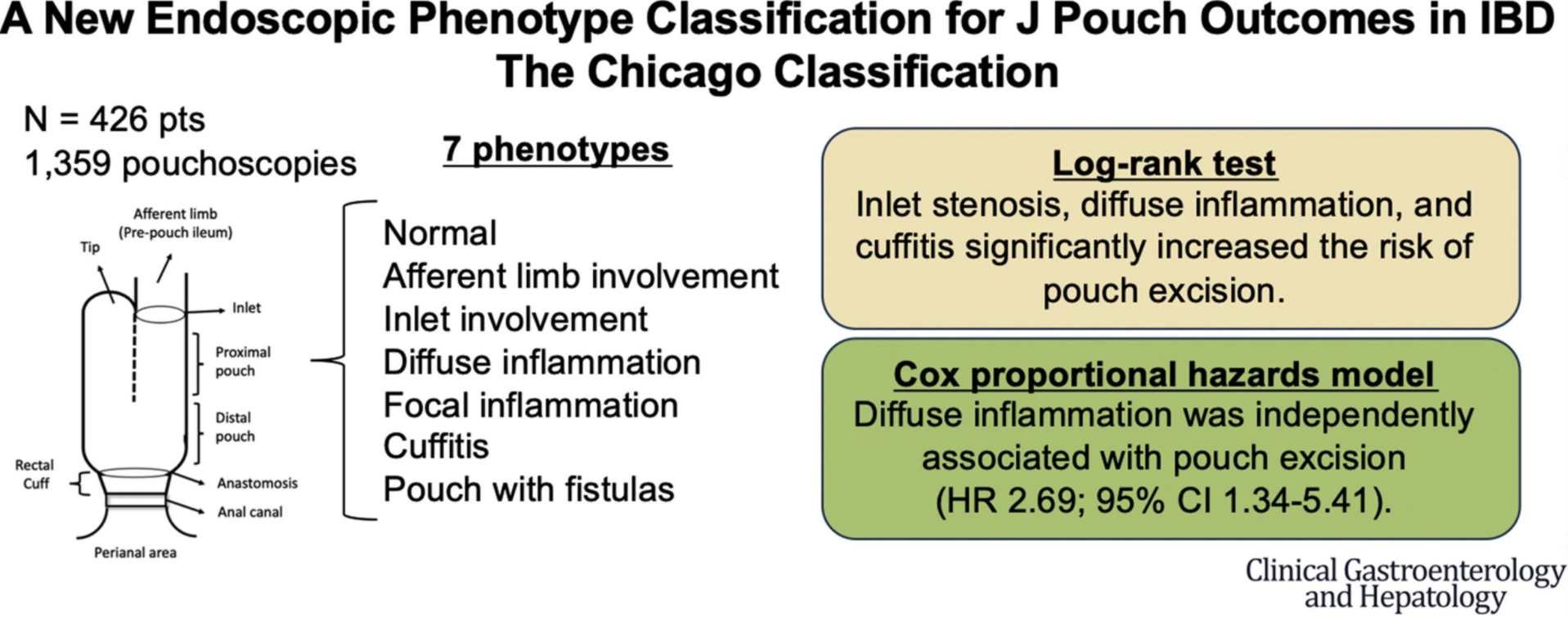
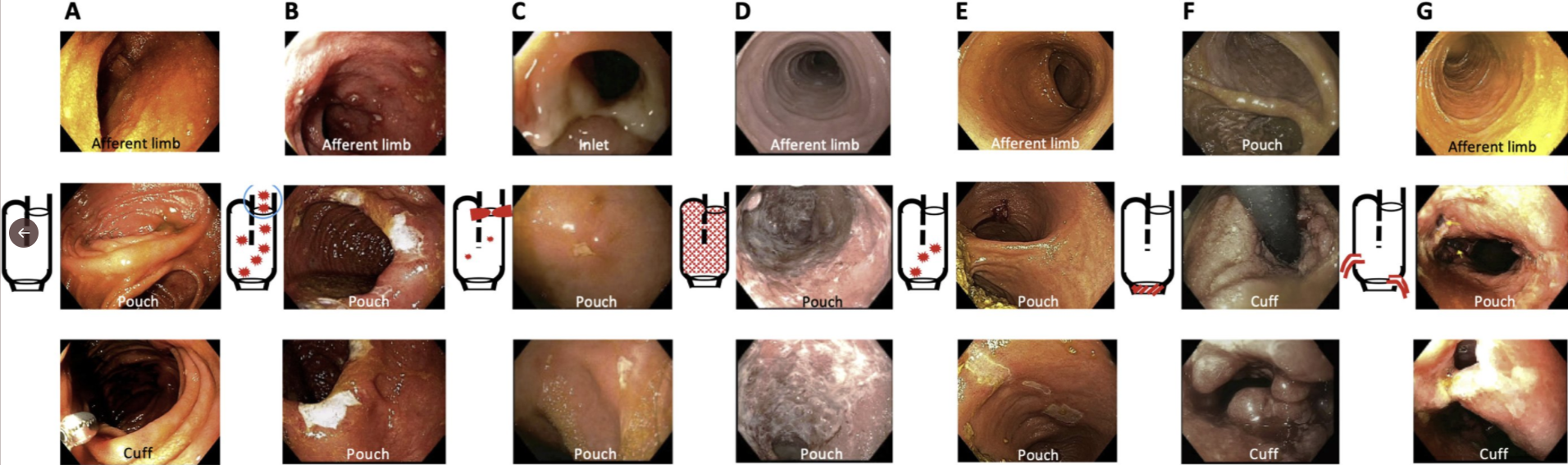
The authors retrospectively reviewed 1359 pouchoscopies and classified them into 7 main pouch phenotypes: (1) normal, (2) afferent limb involvement, (3) inlet involvement, (4) diffuse, (5) focal inflammation of the pouch body, (6) cuffitis, and (7) pouch with fistulas noted 6 months after ileostomy takedown.
Key finding: Diffuse inflammation was associated independently with pouch excision (hazard ratio, 2.69; 95% CI, 1.34–5.41; P = .005).
Methods: N=85. Liver stiffness measurement (LSM), by vibration-controlled transient elastography and noninvasive fibrosis scores (Firbosis-4, aspartate aminotransferase-platelet ratio index), were obtained before and 12 months after eradication with ledipasvir-sofosbuvir.
Key findings:
Overall, median baseline LSM was 5.8 (IQR, 4.2-6.5) and at follow-up 5.1 kPa (IQR, 4-6 kPa) (P = .045)
16 patients (19%) experienced regression, and 46 (54%) nonprogression of LSM
The median baseline FIB-4 and aspartate aminotransferase-platelet ratio index scores were 0.34 (IQR, 0.22-0.47) and 0.35 (0.24-0.57), and at follow-up 0.3 (IQR, 0.22-0.34) and 0.2 (0.18-2.8) (P < .001, <.001), respectively
Limitations: In Egypt, HCV genotype 4 is predominant; thus, findings could be different with other HCV genotypes. In addition, the ‘gold’ standard in assessing fibrosis remains a liver biopsy.
In many liver conditions, effective therapy has been associated with histologic improvement/regression. So, while the findings in this study are expected, it is still nice to see more evidence of this outcome.
My take: This study supports the notion that elimination of HCV is associated with either regression or non-progression of liver fibrosis. Treatment prior to extensive liver damage is likely both effective and cost-effective.
This retrospective study had 235 patients (median age 38 years). 90% had endoscopy at a median of 2 days from admission. Key findings:
155 of the 235 patients (66.0%) responded to steroids
78.1% (25 of 32) of patients with concurrent CRP ≥50 mg/L, albumin ≤30 g/L, and increased endoscopic severity (severe on physician’s global assessment) (maximum score = 3) did not respond to IV steroids (positive predictive value [PPV] 78.1%, negative predictive value [NPV] 87.1%).
Comparison with Truelove and Witts Score: 56 of 119 (47.1%) of those classed TWS severe did not respond to steroids. Previously TWS score of acute severe ulcerative colitis (ASUC), defined by at least 6 bloody stools per day plus at least 1 marker of systemic disturbance has been associated with a 19% risk of colectomy during admission.
My take: In patients with ulcerative colitis who present with low albumin and high CRP values, early escalation of medical therapy is highly likely; don’t forget to check a PPD or quantiferon Gold assay early on.
Dr. Joseph D. Feuerstein, gastroenterologist at Beth Israel Deaconess Medical Center in Boston… “It’s rising in incidence and prevalence throughout the world,” he said, and gastroenterologists are still trying to figure out why it shows up when it does in different people.
Crohn’s disease was first described in 1932 by Dr. Burrill B. Crohn…
Prompt diagnosis and appropriate therapy to suppress inflammation in the digestive tract are extremely important because a delay can result in scar tissue and strictures that are not reversed by medication…
Crohn’s is not curable and most patients have to stay on medication indefinitely. That can create yet another stumbling block. The biologics are very costly…
The authors hypothesized that the presence of gastroparesis would be associated with increased severity of symptoms in children with dyspepsia. They defined gastroparesis as having at least 10% retention of standardized radiolabeled meal after 4 hrs(2 eggs, 2 pieces of toast, strawberry jam, and 120 mL of water).
Key findings:
Bloating was the only symptom significantly worse in youth with gastroparesis (n=52, 50%); other symptoms that were compared included nausea, satiety, chest burning, pain and fullness.
In those with gastroparesis, only nausea correlated with retention (4 hours.; rs = 0.275, P < .05).
Girls with gastroparesis had significantly worse symptoms (except satiety) when compared with boys with gastroparesis (P < .05).
Key limitation: there are no established normative data in children; data extrapolated from adults suggest having >60% retention at 2 hours and >10% at 4 hours is abnormal; the latter is supported by a large retrospective pediatric study (n=1041, Ng et al. Am J Gastroenterol 2020; 115: 1830-9)
Comment:
In clinical practice, a GES rarely helps with clinical management. Prokinetic agents have limited effectiveness and may be used regardless of a GES result. Even in those with abnormal values, the effects of recent infections and malnutrition could contribute to an abnormal study.
My take: It is a little surprising that symptom severity was similar between children with and without abnormal GES. Given the limited clinical impact, most GES studies have limited value.
“Red Man” syndrome “calls up historical narratives that endorse and reinforce discrimination against Native American and Indigenous peoples”
Vancomycin infusion reactions are more readily documented in white males than in females and black patients. The combination of rash, itching, flushing and hives may be less apparent in some groups and/or mistaken as a true allergy.
“We recommend using the term “infusion reaction” for all non-immune-mediated drug reactions”
My take: I agree with the authors that the term “red man syndrome” should be dropped. It is both an insensitive term and also hinders appropriate diagnosis of vancomycin infusion reactions.
A recent political cartoon by Mike Lukovich had a caption/commentary on U.S. troops leaving Afghanistan: “Our times up here. We are being redeployed to a war zone.”
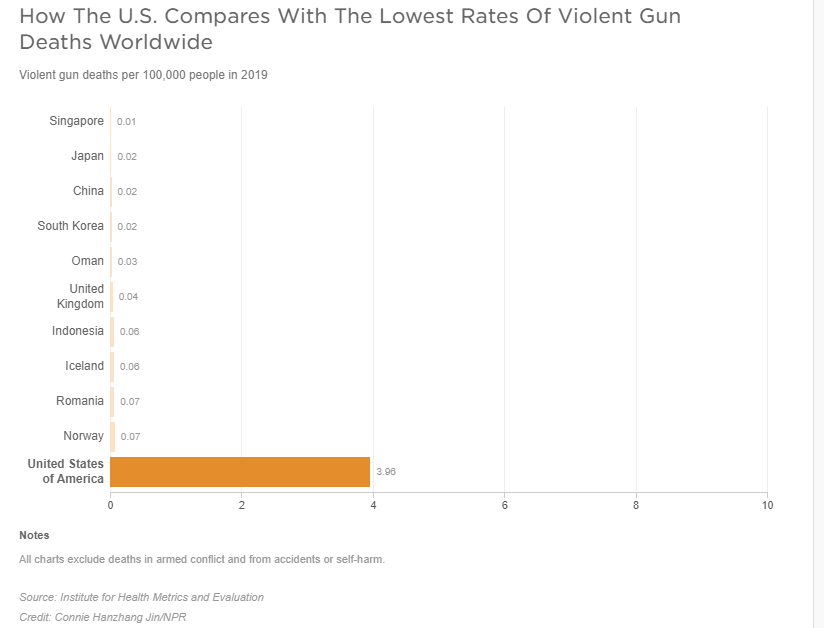
No Exaggeration: Too Many Children Are Dying in the U.S. “The sad fact is that a child or adolescent in the United States is 57% more likely to die by the age of 19 years than those in other wealthy nations.” This is due mainly to more deaths from MVAs and from gun violence.