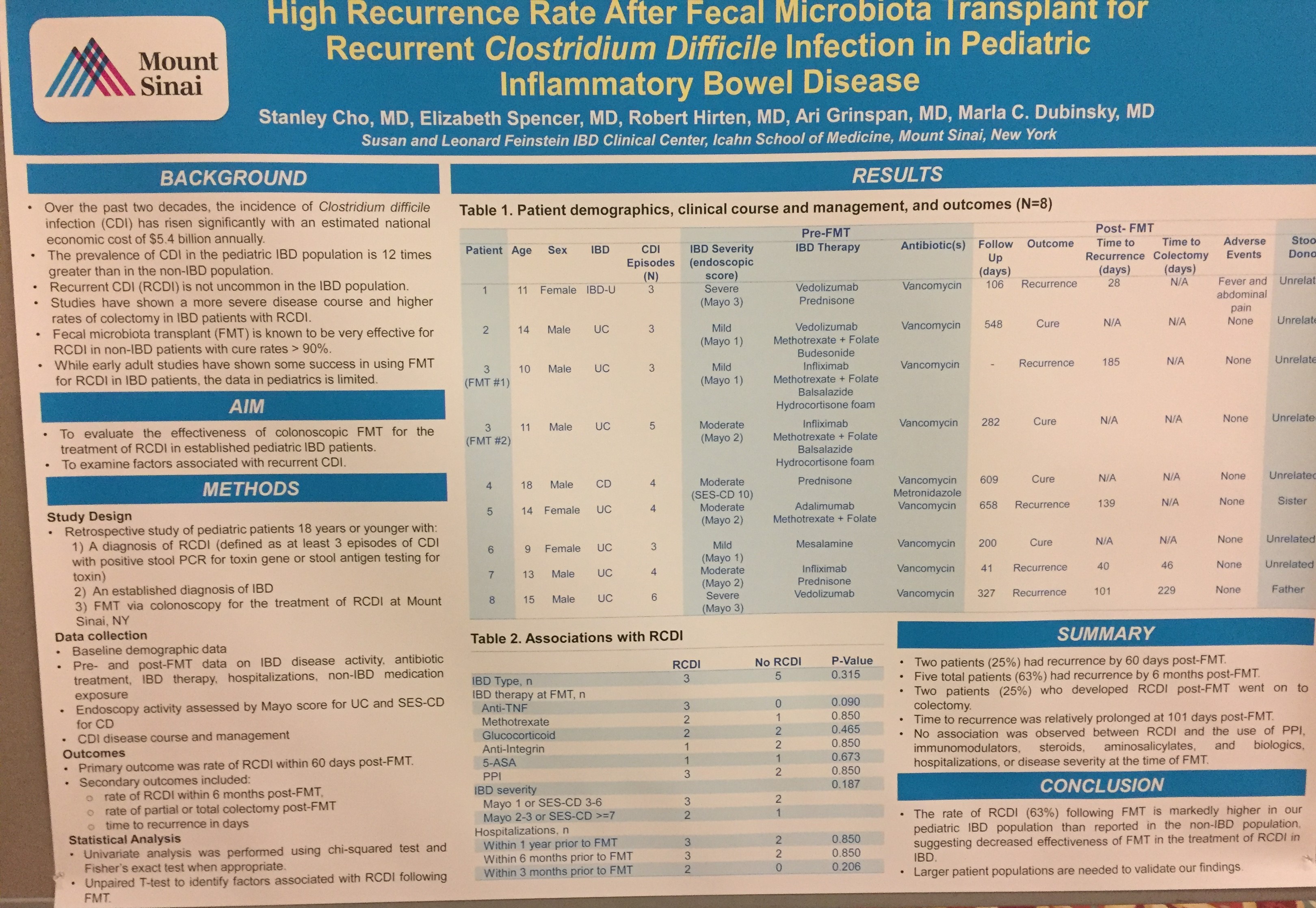
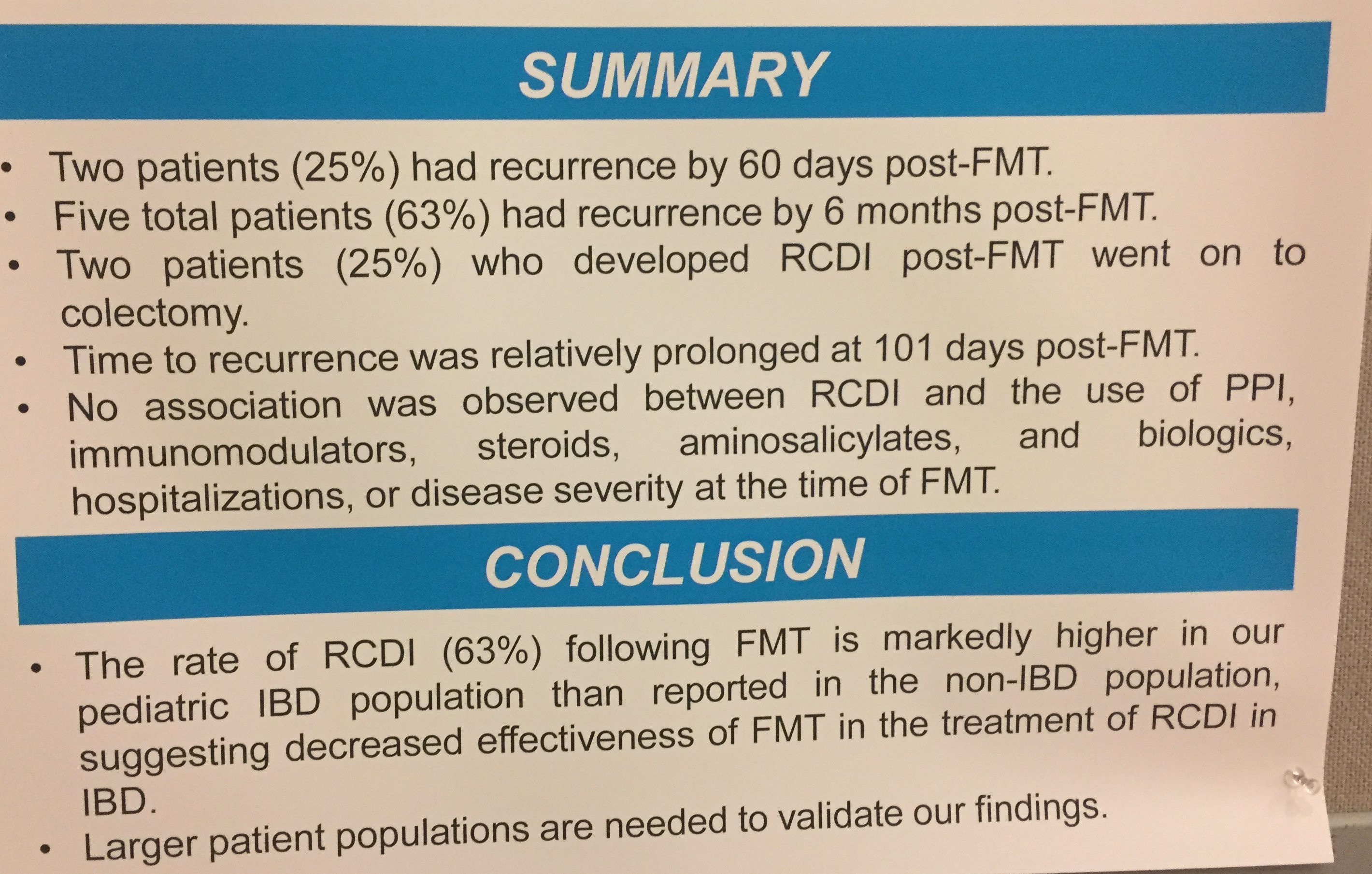
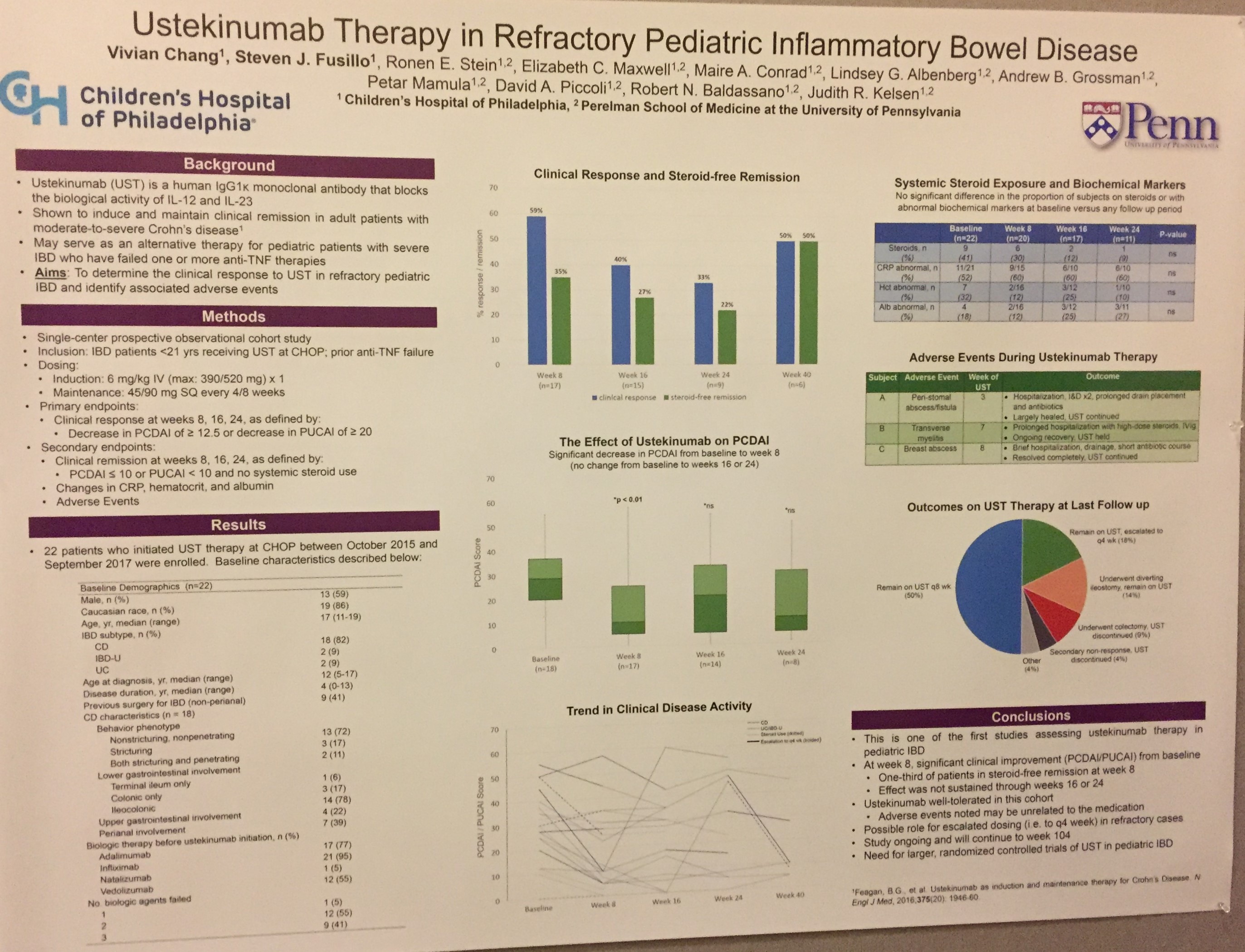
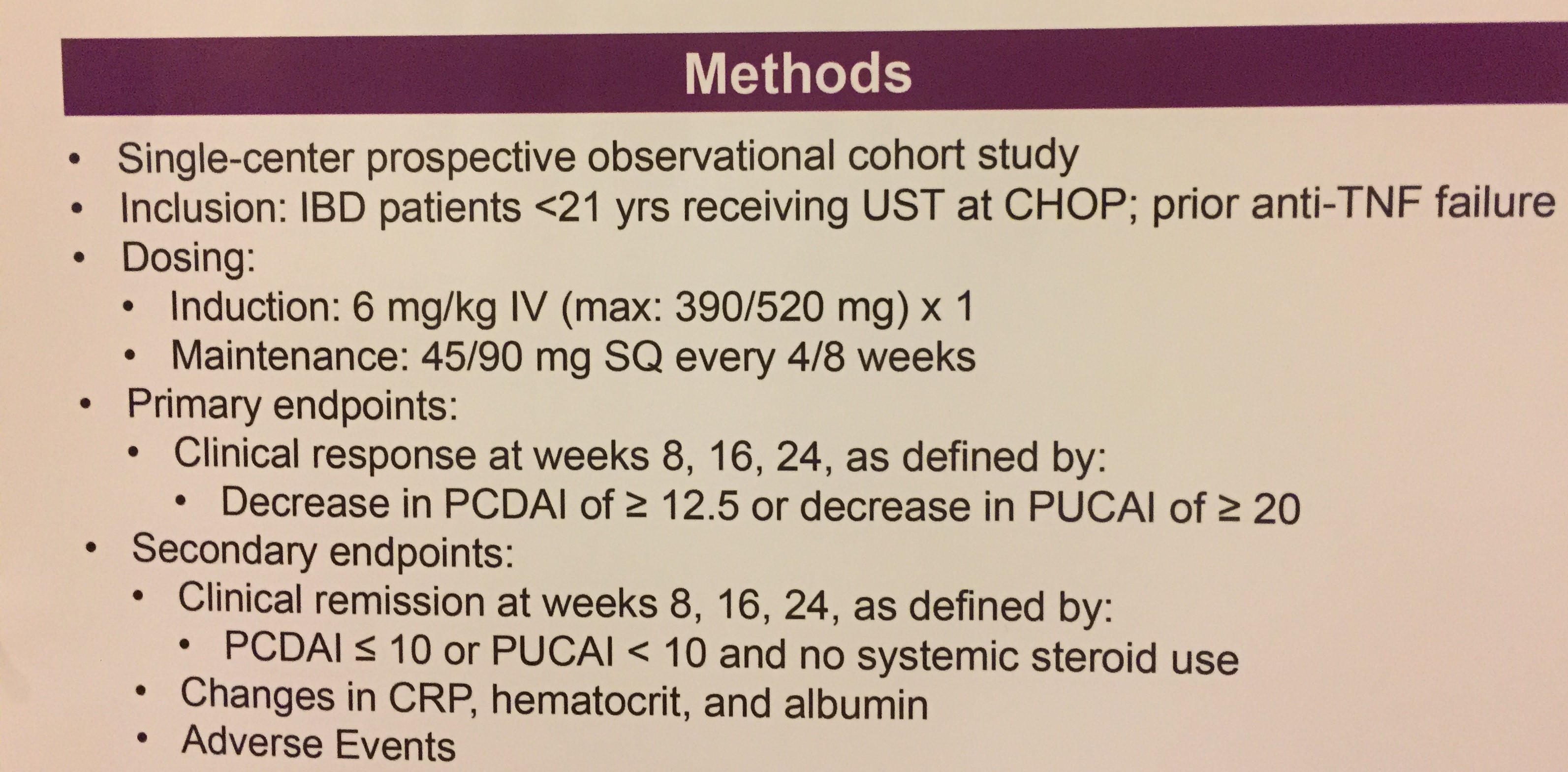
#NASPGHAN17 Presentations at Annual Meeting: GGT in PSC, Nutrition for Intestinal Failure

This blog entry has abbreviated/summarized this presentation. Though not intentional, some important material is likely to have been omitted; in addition, transcription errors are possible as well.

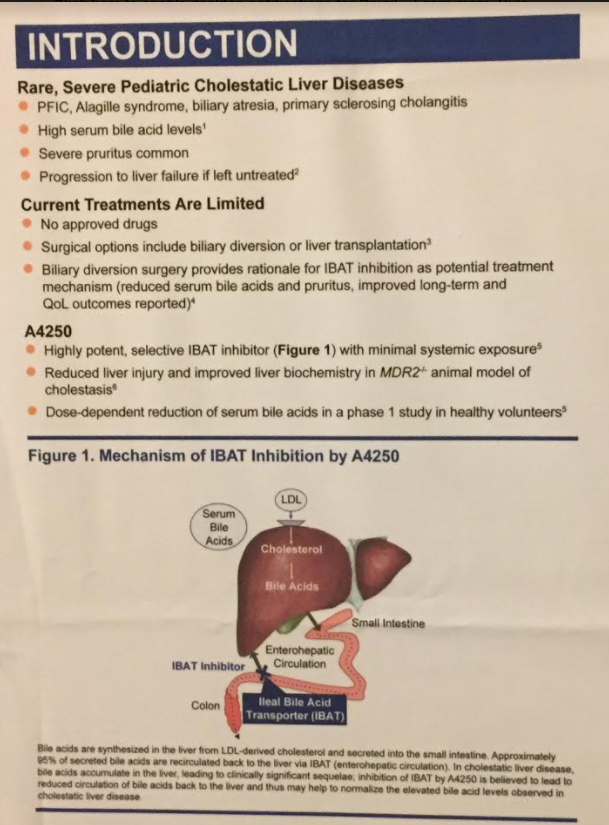
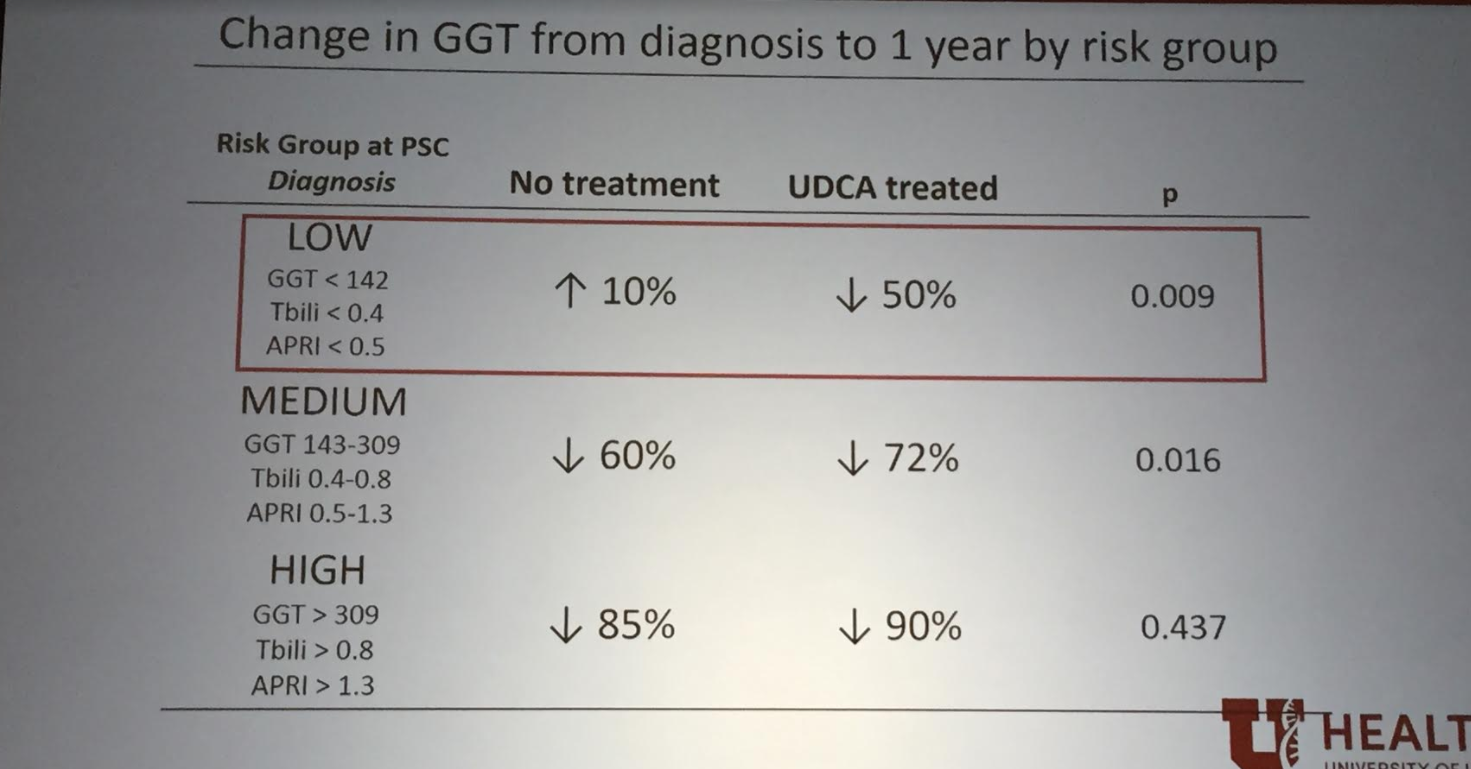
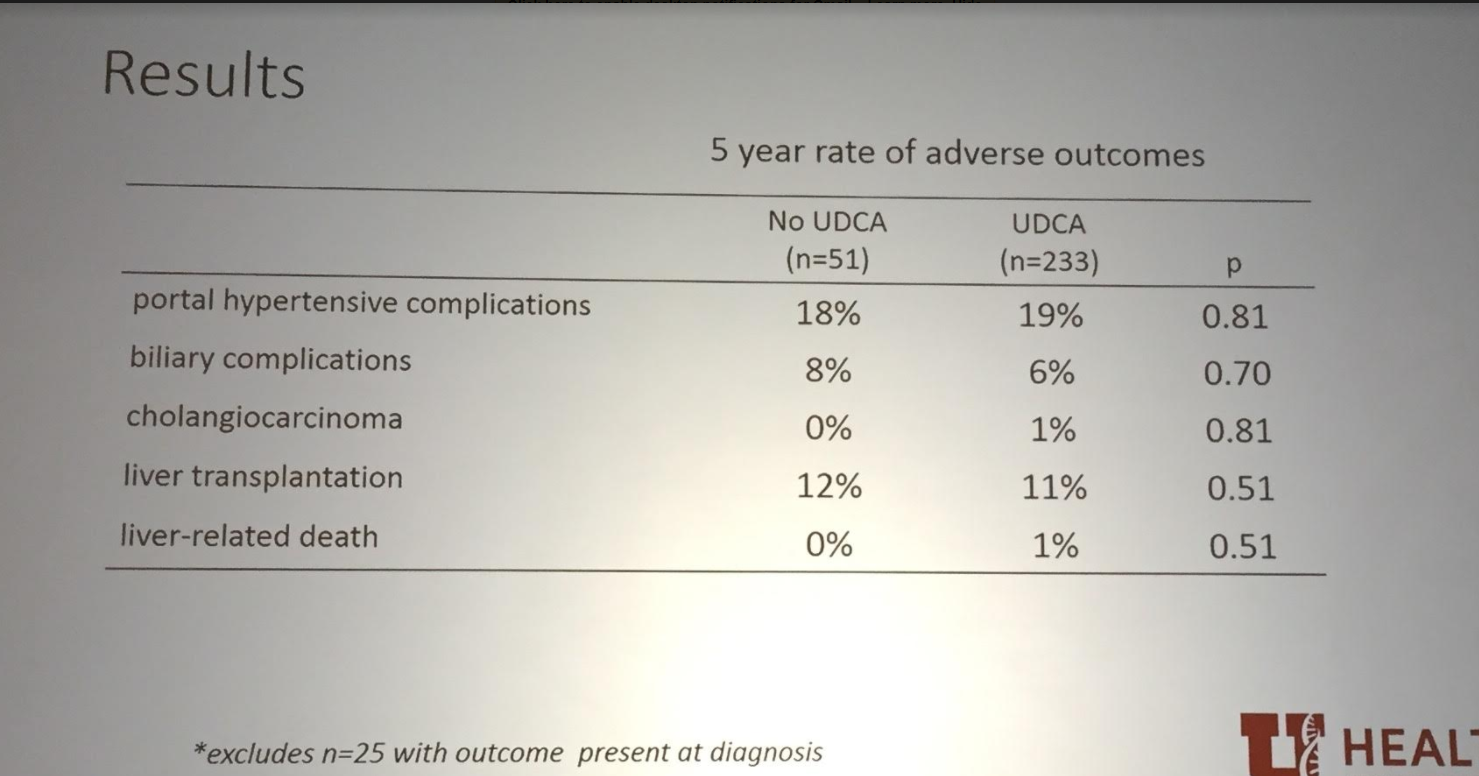
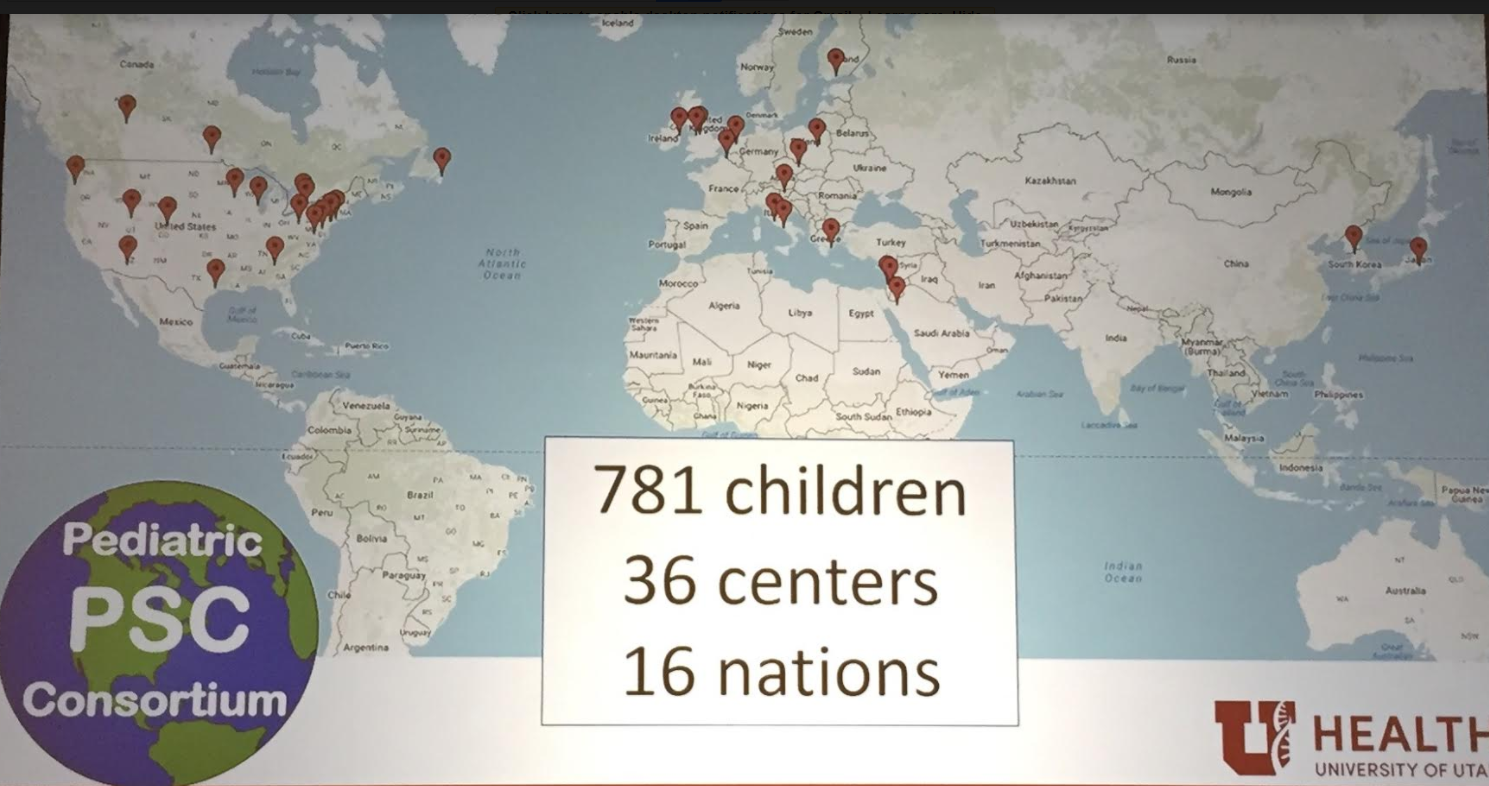
Improvement in GGT Predicts Event-free Survival in Primary Sclerosing Cholangitis Regardless of Ursodeoxycholic Acic Treatment. 

Mark Deneau et al. (Grand Watkins Prize).

Key points:

  • PSC is difficult to study due to its rarity and due to its slow progression; thus surrogate biomarkers are needed.
  • Alkaline phosphatase is not a good biomarker in children
  • GGT level at one year after diagnosis was predictive of prognosis
  • Ursodeoxycholic acid does not appear to be effective

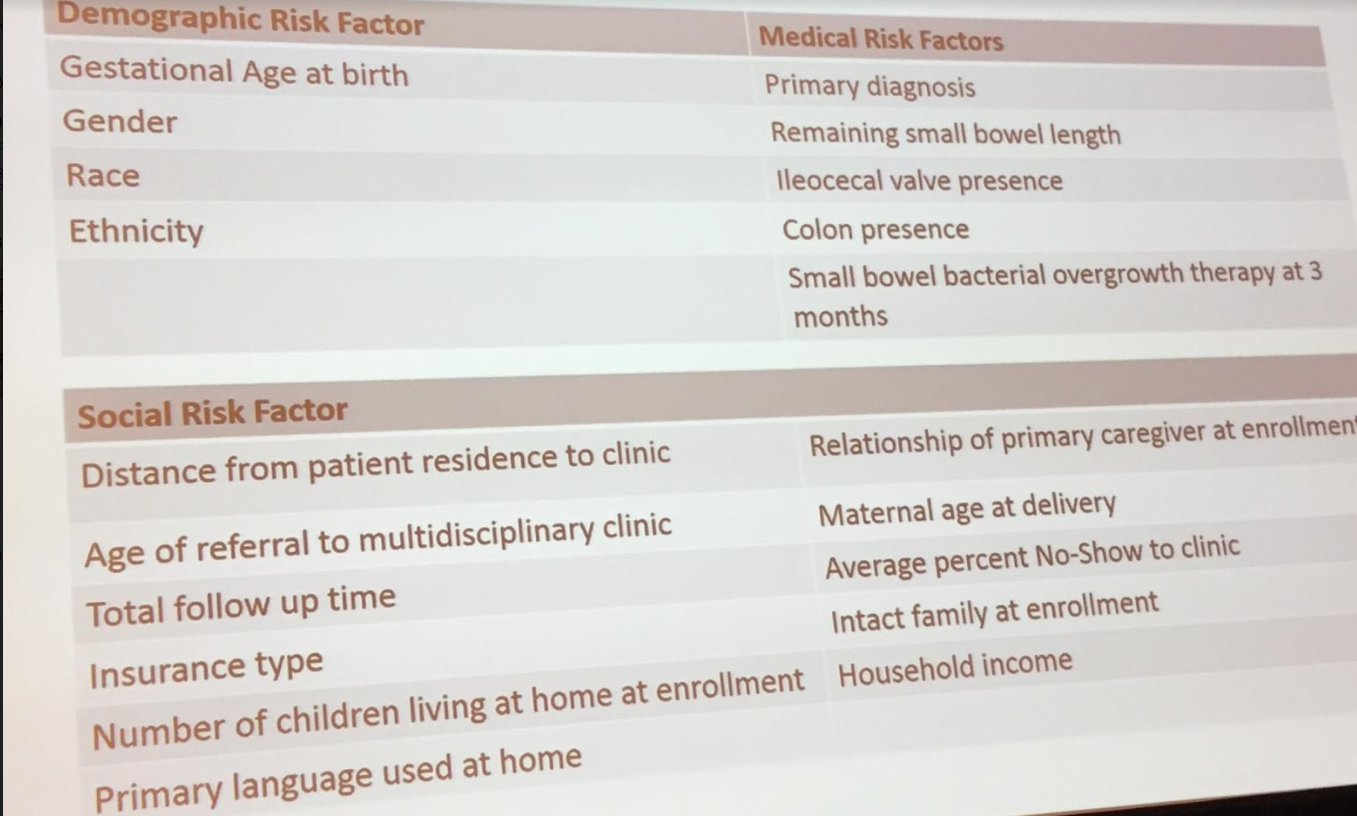
Optimizing Nutrition in Intestinal Failure

Justine Turner, University of Alberta

Key points:

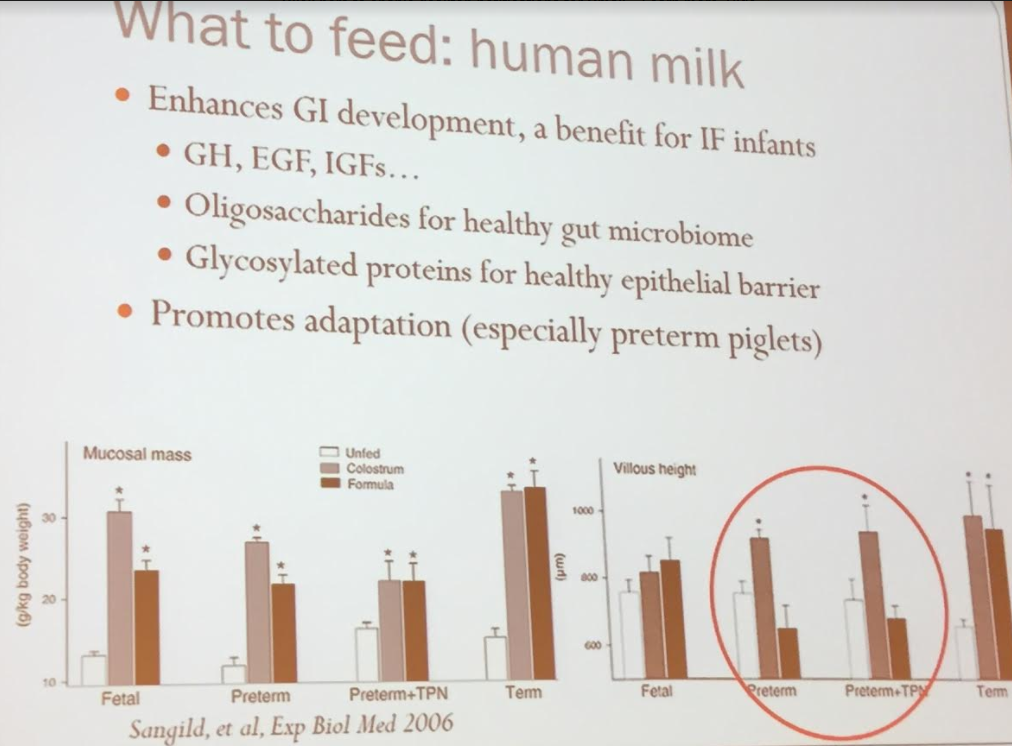
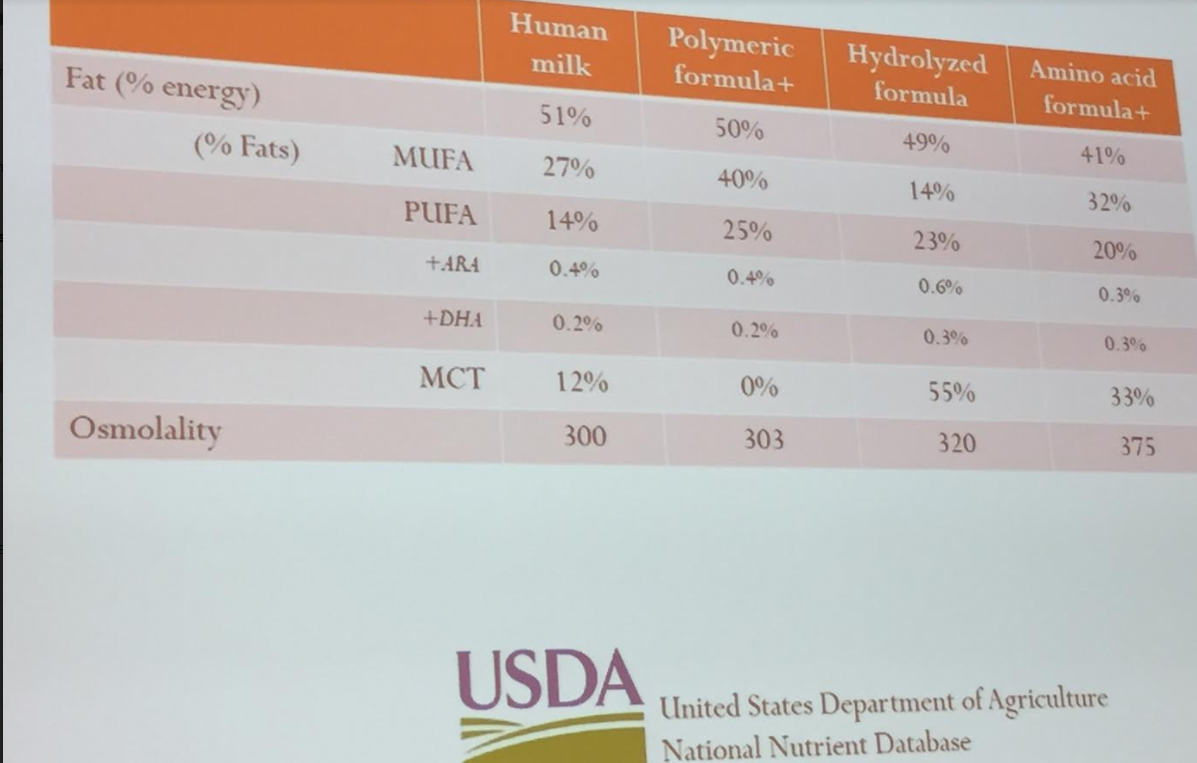
  • Human milk is an ideal “formula” for infants, including those with intestinal failure
  • Oral feedings are important
  • Combination of bolus feeds and continuous feeds is reasonable
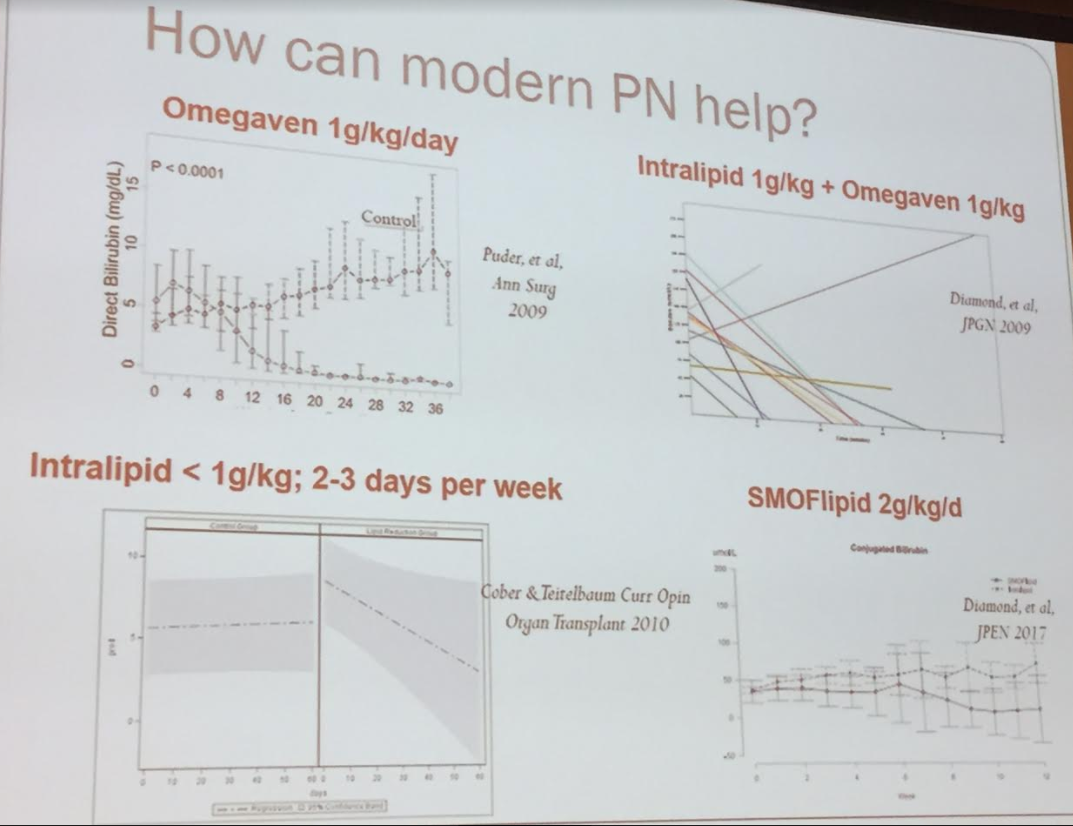
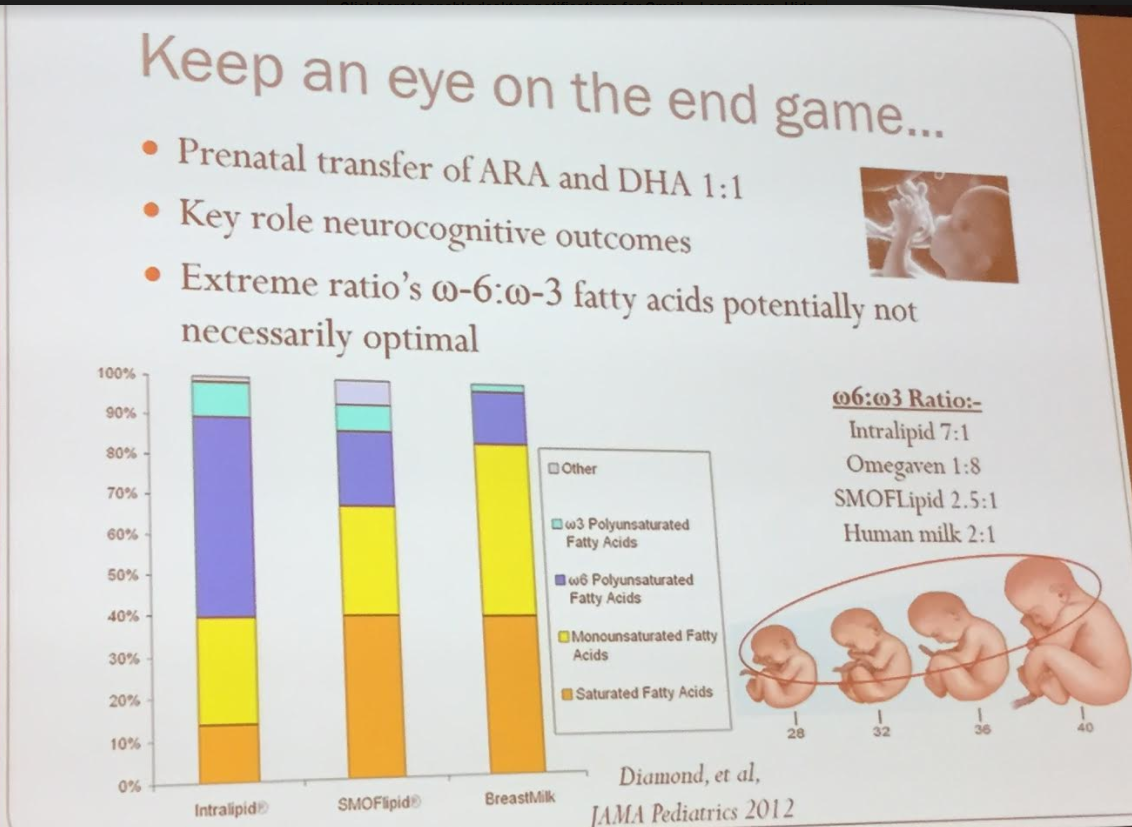
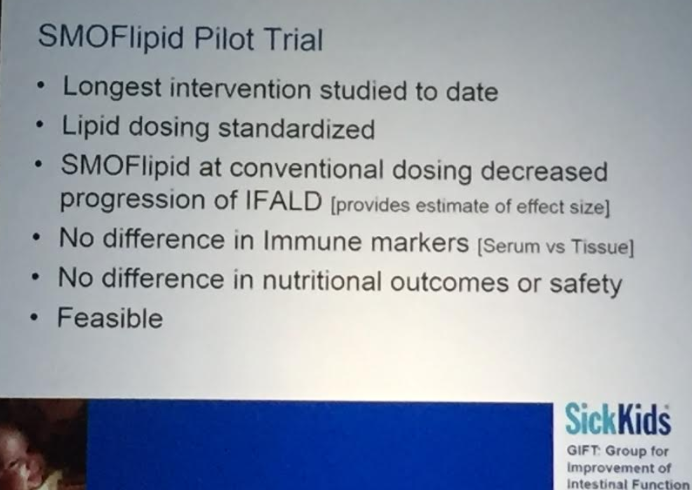
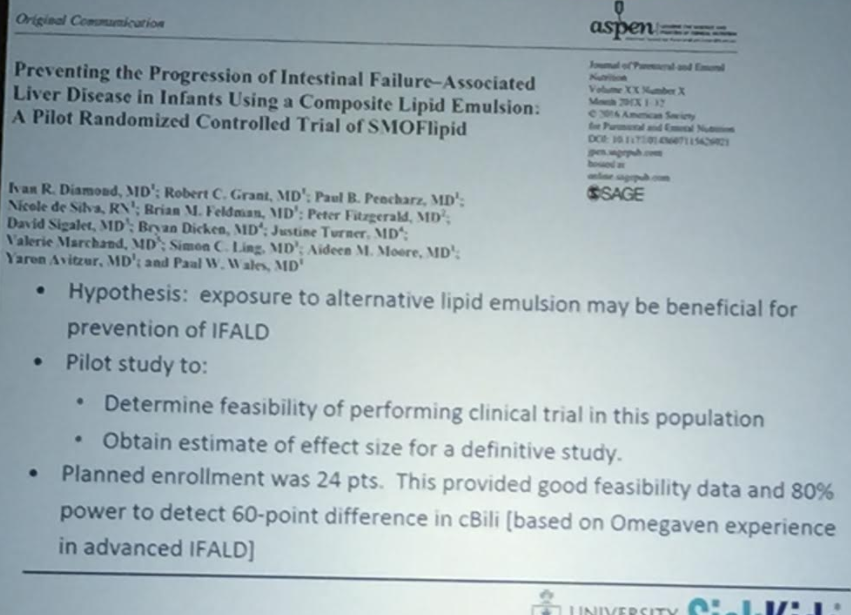
  • SMOFlipid allows higher lipid dose administration without hepatoxicity; this may improve cognitive outcomes
  • Amino acid based formulas have higher osmolality which can contribute to diarrhea

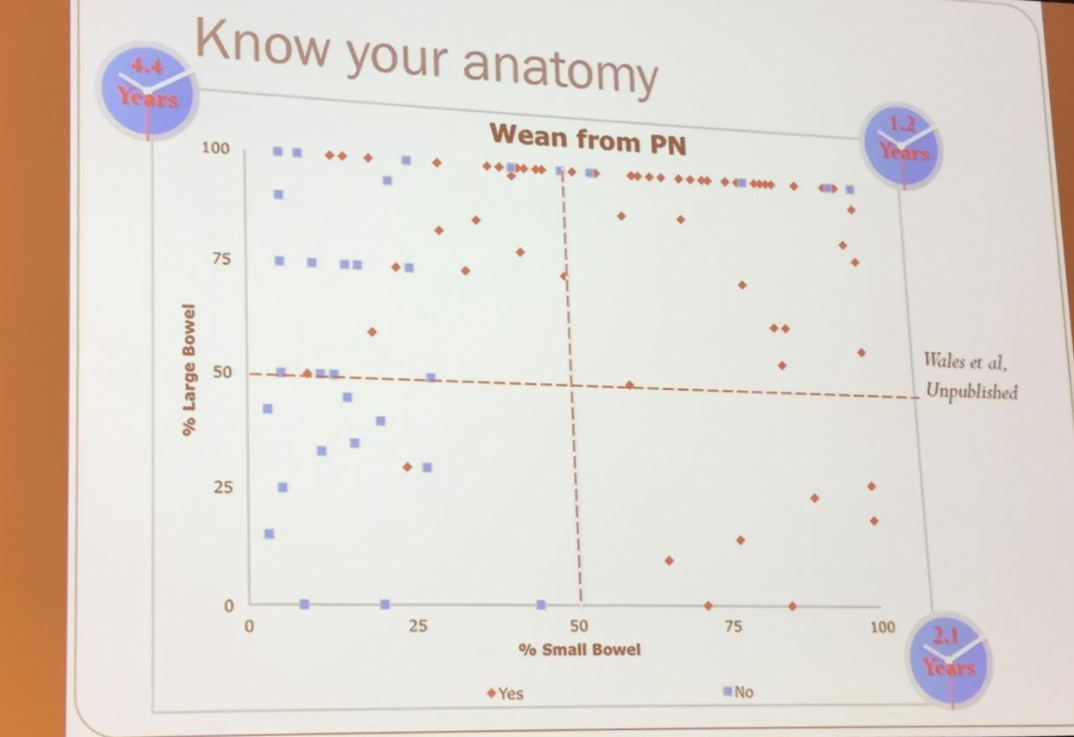
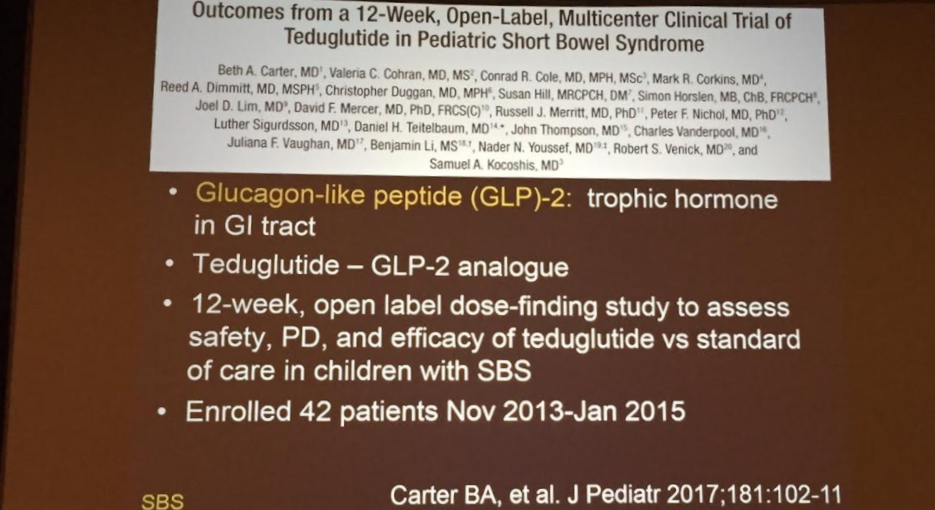
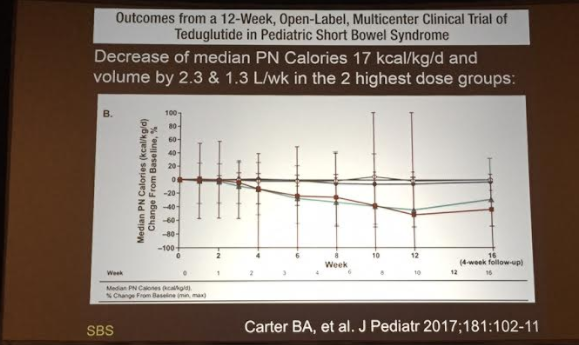
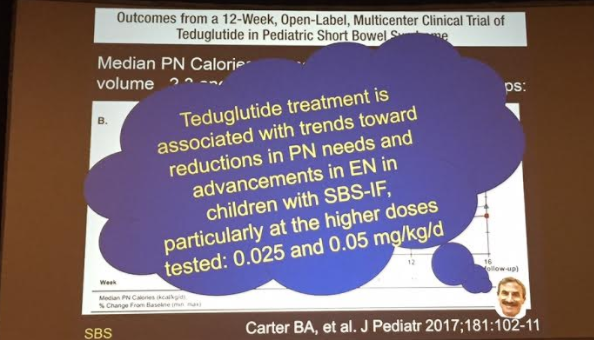
Patients with >50% of small bowel and >50% of colon were most likely to achieve enteral autonomy (GIFT registry)


#NASPGHAN17 Annual Meeting Notes (Part 2): Year in Review

This blog entry has abbreviated/summarized this presentation. Though not intentional, some important material is likely to have been omitted; in addition, transcription errors are possible as well.

This first slide shows the growth in NASPGHAN membership:

Year in Review

Melvin Heyman  Editor, JPGN

This lecture reviewed a number of influential studies that have been published in the past year.  After brief review of the study, Dr. Heyman summarized the key take-home point.


NASPGHAN Postgraduate Course 2017 (Part 3): Biliary Atresia, NAFLD, SMOFlipid, Pancreatic Pain

This blog entry has abbreviated/summarized these presentations. Though not intentional, some important material is likely to have been omitted; in addition, transcription errors are possible as well.

Here is a link to postgraduate course syllabus: NASPGHAN PG Syllabus – 2017

Biliary Atresia: Update on diagnostic and prognostic biomarkers and therapeutic interventions

Cara Mack    Children’s Hospital of Colorado

Key points:

  • 84% of biliary atresia is isolated; 16% are syndromic with other defects
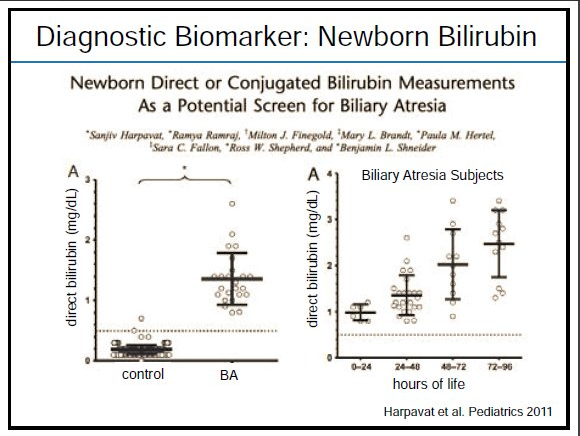
  • Direct bilirubin is (mildly) elevated at birth in patients with biliary atresia
  • Total bilirubin 3 months after Kasai predicts outcome. If <2 mg/dL, then unlikely to need a transplant in the first 2 years of life.
  • Reviewed biomarkers including Th1, Autotaxin, IL-8

Therapeutic interventions:

  • Nutritional support. Better nutrition improves outcomes after liver transplantation.
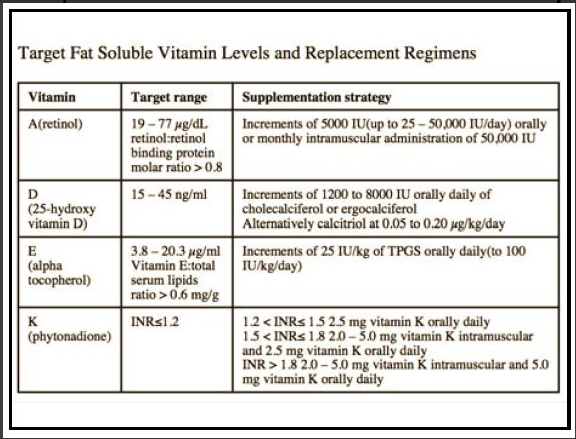
  • Fat soluble vitamin supplementation
  • Cholangitis prevention. Some studies have shown that prophylactic antibiotics may reduce incidence of cholangitis.
  • No therapeutic interventions that delay progression of this disease


CHILDREN Cohort Mgt of Vitamin Supplementation

Steroids are not helpful after Kasai procedure

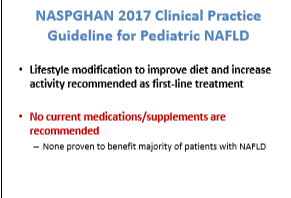
Diagnosis and Management of Pediatric NAFLD 2017

Stavra Xanthokos   Cincinnati Children’s Hospital Medical Center

Key points:

  • NAFLD is #2 cause of liver transplantation in adults and on its way to becoming #1
  • ALT is still the best screening tool; NASPGHAN guidelines recommends screening overweight/obese children 9-11 years of age
  • Ultrasound has poor sensitivity and specificity for NAFLD; it is helpful for detecting gallbladder disease
  • Bariatric surgery has been effective for NAFLD


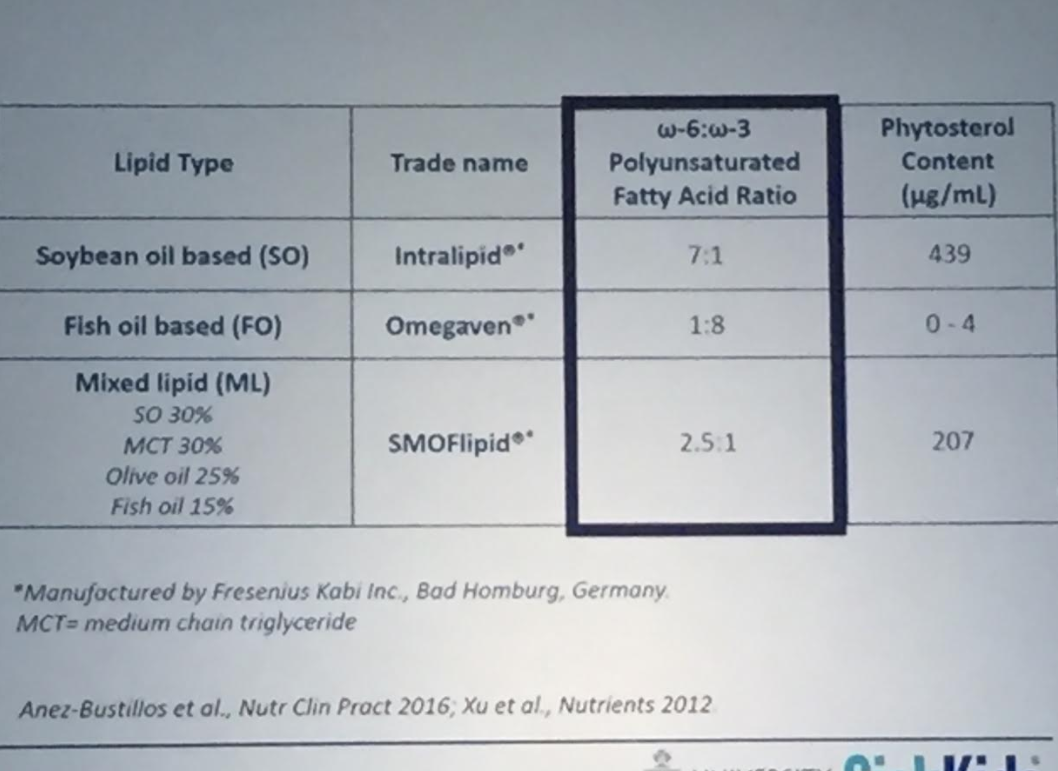
SMOFlipid and the Pediatric Patient

Peter Wales  Hospital for Sick Children (Toronto)

Slides are not available in syllabus

Key points:

  • Improving outcomes noted in the intestinal failure population
  • Dr. Wales reviewed proposed improvements with Omega-3 lipids -less cholestasis, less hepatitis, and less fibrosis
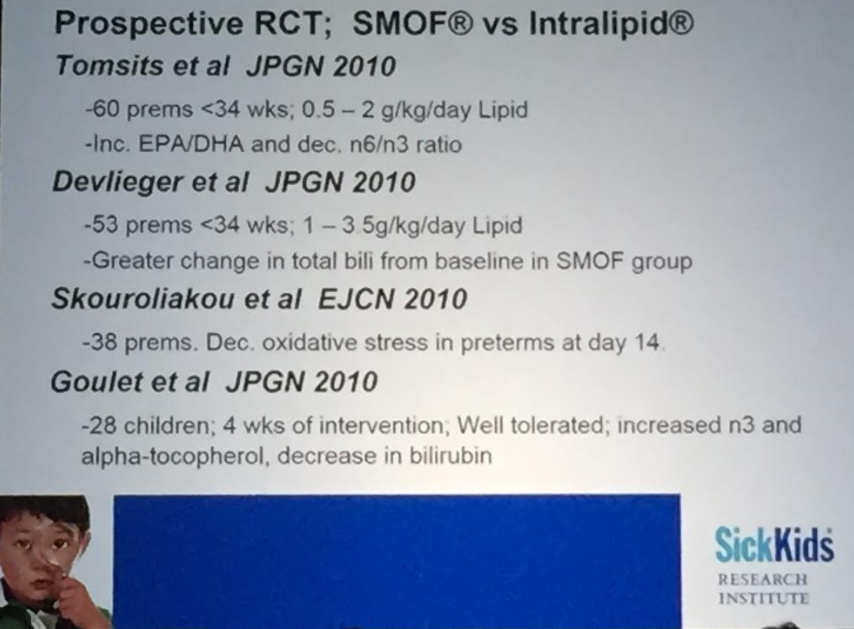
  • Compared improvements with lipid minimization (1 g/kg/day) compared to newer agents: omegaven and SMOFlipid. Additional studies are needed due to limitations of previous studies
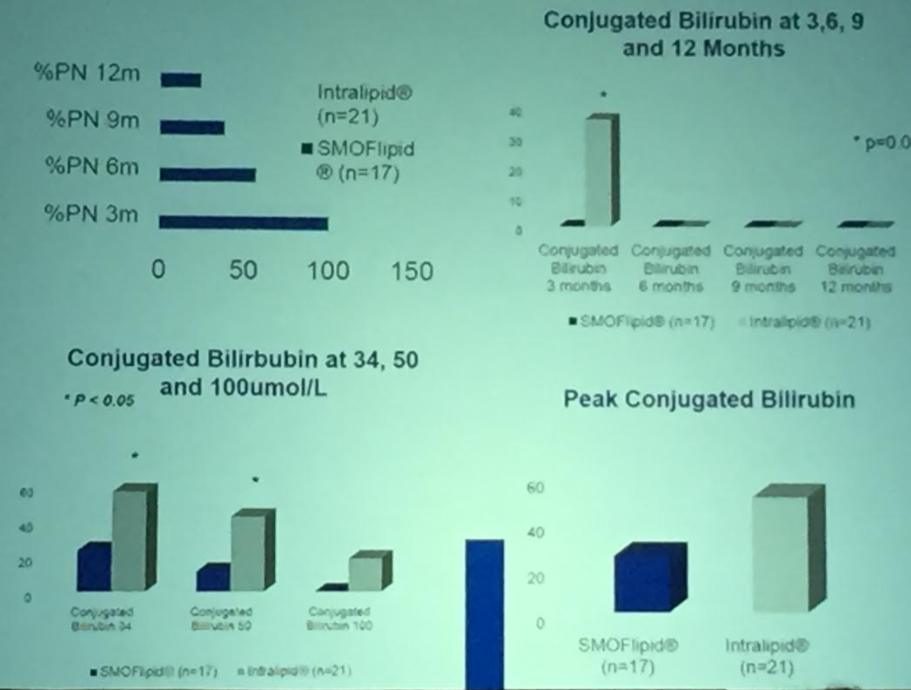
  • Discussed SMOFlipid vs. Intralipid trial at 5 centers in Canada. N=24.
  • At SickKids: SMOFlipid for all preterms at admission & for term infants after 2 weeks of PN. Dosing 2-2.5 g/kg & now accounts for 85% of lipid usage at institution
  • None of the lipid products were designed for preterm infants. Intralipid has a pediatric indication and other products are used off label
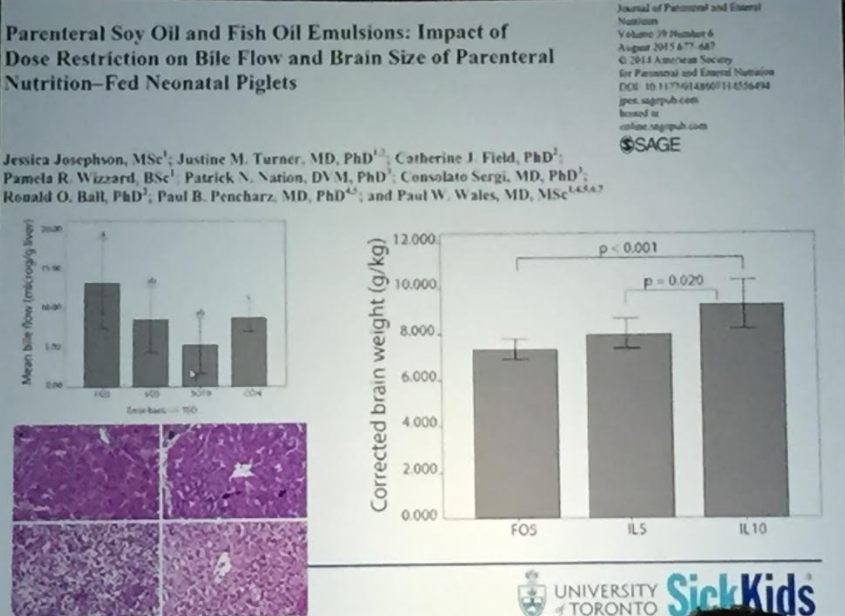
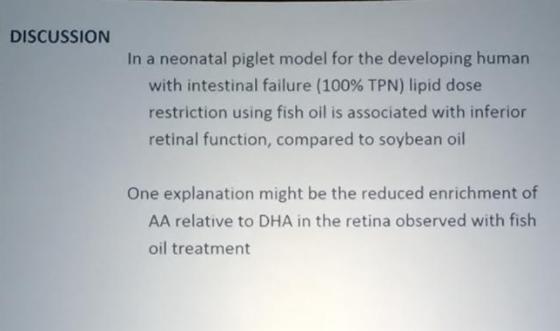
  • Lipid restriction probably affects brain size/development; thus, a lipid agent that allows for higher doses likely will be beneficial for developmental outcomes.  The retina can be used as a biomarker of the brain affects of lipids.

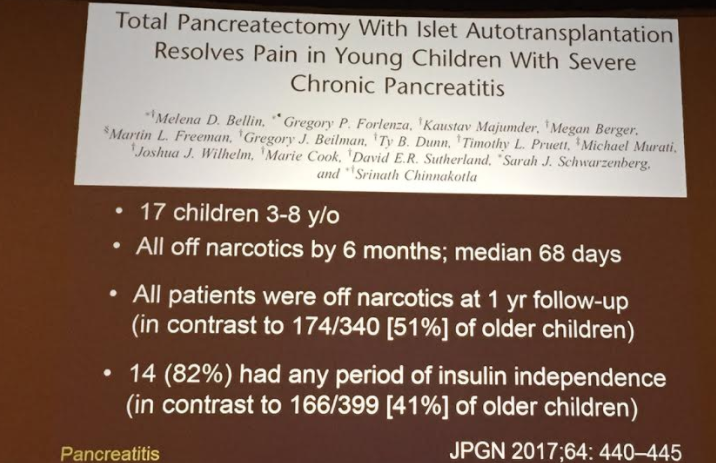
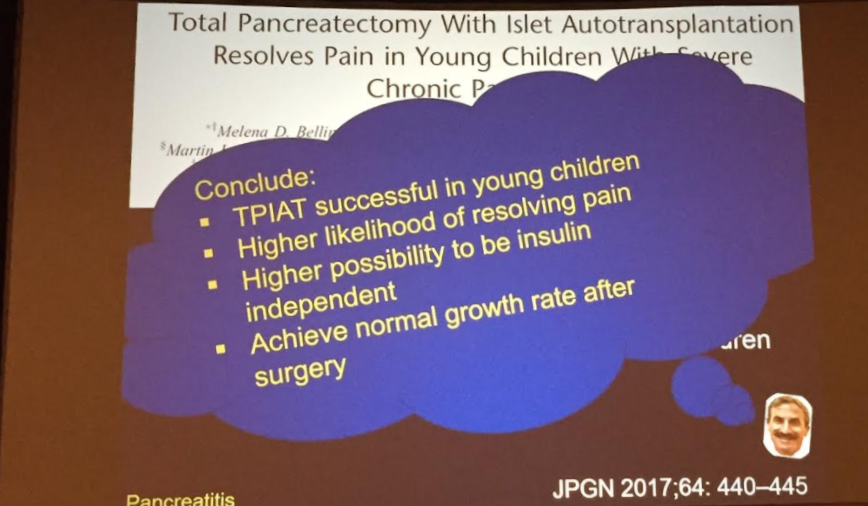
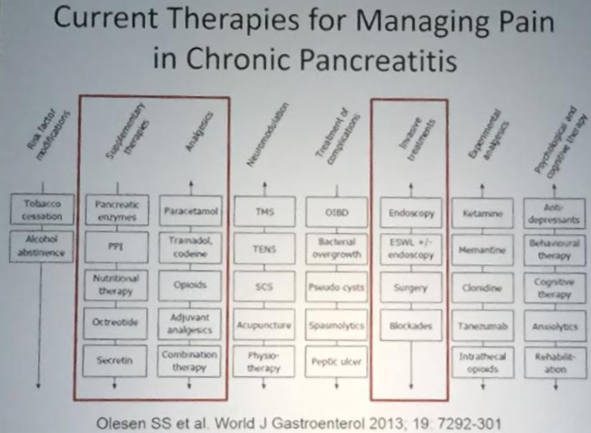
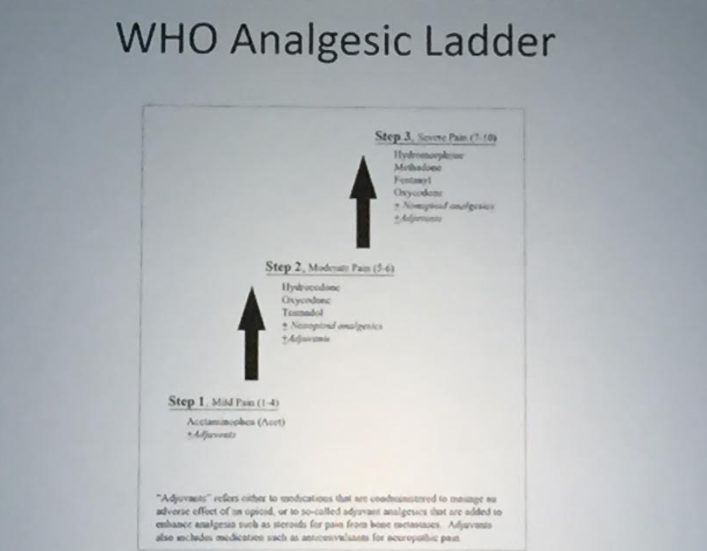
Painful Chronic Pancreatitis: Management/therapeutic interventions

Vikesh Singh  Johns Hopkins University School of Medicine

Slides are not available in syllabus


Breastfeeding: Protection from Inflammatory Bowel Disease

Xu L, et al. Systematic review with meta-analysis: breastfeeding and the risk of Crohn’s disease and ulcerative colitisAliment Pharmacol Ther2017;46:780-789.

https://doi.org/10.1111/apt.14291Thanks to Mike Hart for this reference.

From abstract:

Results

A total of 35 studies were included in the final analysis, comprising 7536 individuals with CD, 7353 with UC and 330 222 controls. Ever being breastfed was associated with a lower risk of CD (OR 0.71, 95% CI 0.59-0.85) and UC (OR 0.78, 95% CI 0.67-0.91). While this inverse association was observed in all ethnicity groups, the magnitude of protection was significantly greater among Asians (OR 0.31, 95% CI 0.20-0.48) compared to Caucasians (OR 0.78, 95% CI 0.66-0.93; P = .0001) in CD. Breastfeeding duration showed a dose-dependent association, with strongest decrease in risk when breastfed for at least 12 months for CD (OR 0.20, 95% CI 0.08-0.50) and UC (OR 0.21, 95% CI 0.10-0.43) as compared to 3 or 6 months.

From associated editorial by David Rakel:

This meta-analysis of 35 studies shows that there is a dose–response protective effect of the duration of breastfeeding on inflammatory bowel disease. The association shows as much as an 80% reduction in risk for both Crohn’s disease and ulcerative colitis for breastfeeding more than 12 months.

Breast Feeding Graph

Inflammatory bowel disease arises from a complex set of interactions related to genetic susceptibility, environmental exposures, and a dysregulated immune response to dysbiotic intestinal microbiota, according to the study authors. These data will give us one more reason to encourage breastfeeding, ideally for a year or more.

Related blog post: Nutrition Week (Day 7) Connecting Diet and Epidemiology in IBD


Fructose Restriction Improved Fatty Liver Disease in Children

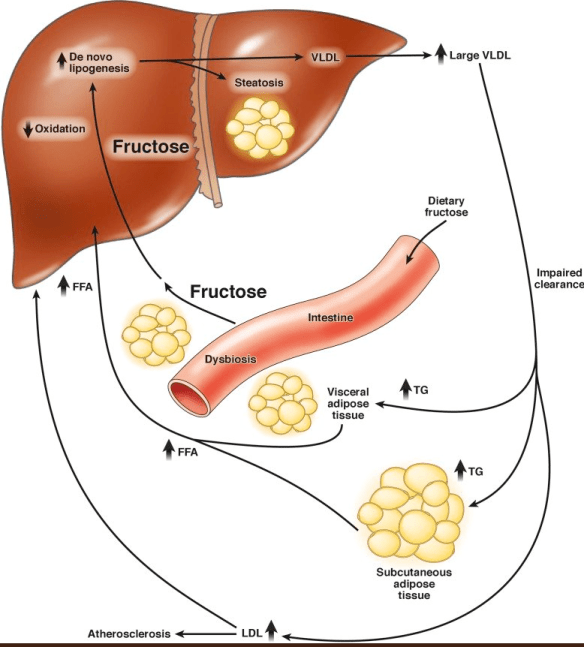
A recent study (J-M Schwarz et al. Gastroenterol 2017; 153: 743-52, editorial MB Vos, IR Goran Gastroenterol 2017; 153: 642-5 ) showed that restriction of fructose quickly improved fatty liver disease.

Several points from the editorial:

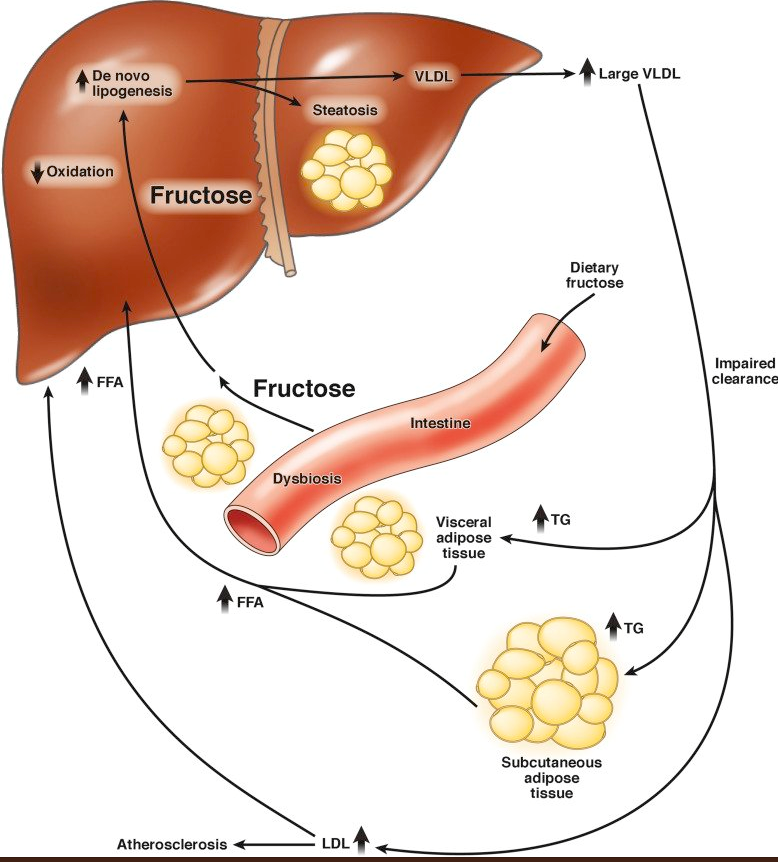
  • “The metabolic driver of buildup of fat storage in the liver is de novo lipogenesis (DNL) and fructose is a major substrate of DNL”
  • “In the healthy state, DNL is not expected to be a major contributor to lipid accumulation in the liver….[but] in a fatty liver, it has been estimated that 26% of the fat originates from DNL.”
  • Fructose is “limited in a natural diet…However, it is added to many processed foods and drinks in the form of cane sugar..and other types of sugars, going by ≥57 different names.”
  • Fructose is “commonly used in animal models to induce hepatic steatosis.”

The study is summarized in a recent AGA Journals Blog: Can Restricting Fructose Intake Reduce Fatty Liver Disease in Children?

An excerpt:

Jean-Marc Schwarz et al performed a clinical trial to investigate the effects of reducing fructose intake for 9 days in obese Latino and African American children with habitual high sugar consumption (fructose intake >50 g/day). They measured the effects of isocaloric fructose restriction on de novo lipogenesis, liver fat, visceral fat, subcutaneous fat, and insulin kinetics.

In their study, 41 children, 9−18 years old, had all meals provided for 9 days. The meals had the same energy and macronutrient composition as their standard diet, but with starch substituted for sugar, yielding a final fructose content of 4% of total kilocalories. The authors measured metabolic factors before and after fructose restriction. They measured liver fat, visceral fat, and subcutaneous fat by magnetic resonance spectroscopy and imaging.

Schwarz et al found that on day 10 of the diet, liver fat decreased from a median 7.2% at baseline to 3.8%, and visceral fat decreased from 123 cm3  at baseline to 110 cm3. Liver fat decreased in all but 1 of the 38 participants for whom paired data were available…

De novo lipogenesis decreased significantly after 9 days of fructose restriction; the de novo lipogenesis area under the curve value on day 10 decreased from 68% at baseline to 26% after the diet, in childen with low or high baseline levels of liver fat.

Insulin secretion during fasting and in response to an oral glucose tolerance test decreased significantly in children with low and high baseline levels of liver fat…

In an editorial that accompanies the article, Miriam B. Vos and Michael I. Goran say that it will be important to determine whether the effects of fructose reduction are sustained past 9 days…Vos and Goran state that it is important for physicians, nutritionists, schools, and parents to find ways to reduce fructose in the diets of children and patients with NAFLD.

Related posts:
 

Rarely Seen and “Do Not Miss” Explanation for Failure to Thrive

A fascinating case report (MA Curran et al. NEJM 2017; 377: 1468-77) provides a useful exercise in understanding how to evaluate difficult cases of “failure to thrive.”

From NEJM twitter feed

In essence, a 19 month girl with good linear growth had stopped gaining weight around 7 months of age.  After exhaustive evaluation, detailed in this report, the patient had an MRI which revealed a brain tumor and she was diagnosed with diencephalic syndrome. Key features include good appetite/caloric intake, happy appearance, and cachexia.

The discussion explains that in most children, poor weight gain results from poor caloric intake, which can be related to social issues including poverty, neglect, parental mental health issues, and lack of understanding by caregivers.

In children with good caloric intake, the potential reasons for poor growth are reviewed:

  • Endocrine causes: thyroid dysfunction
  • Renal, pulmonary, cardiac, liver, and pancreatic disease
  • GI diseases: Celiac disease, Inflammatory Bowel disease
  • Infections including tuberculosis, parasites, HIV

Despite the numerous potential causes, beyond basic laboratory assessment,  “extensive testing is usually not warranted: in one study, only 1.4% of additional laboratory tests were helpful in making the diagnosis.”

In many cases of diencephalic syndrome, symptoms like vomiting may be present on an intermittent basis as well as nystagmus or strabismus; these symptoms develop due to obstructive hydrocephalus.

My take: In children with good caloric intake, diencephalic syndrome is a rare but important etiology.


Too Much Zinc

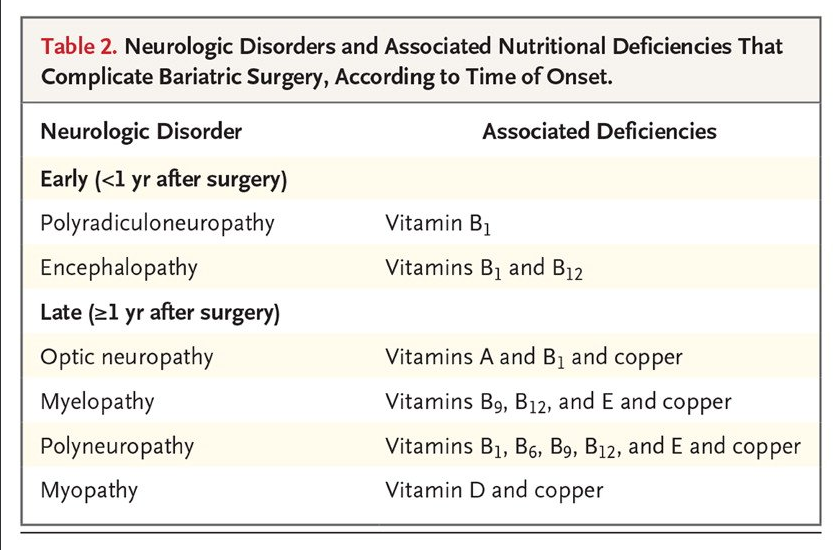
An interesting case report (DL Saly et al. NEJM 2017; 377: 1379-85) describes a 61 year old woman with multiple medical problems who developed numbness and tingling in hands/feed which progressed to unsteady gait and inability to stand.

Her medical problems included end-stage renal disease requiring dialysis, COPD, hepatitis C, depression,reflux, breast cancer, hypertension, and chronic back pain. Due to dysgeusia and suspected zinc deficiency associated with dialysis, she had been started on zinc therapy and this was doubled when she did not improve.

Ultimately she was diagnosed with copper deficiency which can result from zinc toxicity, “because zinc upregulates the protein to which copper binds in enterocytes, and an excess of zinc forces copper to be trapped in the enterocyte and unavailable for absorption.”

My take: Too much zinc (as well as other micronutrients/vitamins) can result in adverse effects.

Related blog posts:


Do these antibiotics make me look fat?

There has been a lot of interest and conflicting reports about whether antibiotics contribute to obesity.  Another interesting study on this theme:

  • ET Rogawski et al. JPGN 2017; 65: 350-6. 

The authors followed 1954 children twice weekly from birth to 2 years of age as part of the MAL-ED study.  There were 8 study sites, including in Bangladesh, India, Brazil, Pakistan, Nepal, South Africa, Peru, and Tanzania. Key finding:

  • Antibiotic use before 6 months of age was associated with increased weight from 6 months to 2 years of age.
  • Antibiotic use after 6 months did not affect growth.

The authors speculate: “If treatment of infections were the main mechanism, we would expect antibiotic exposure after 6 months to also have an impact.” Thus, they conclude that effects on the microbiome are likely a more important explanation.

My take (borrowed from te authors):  “Antibiotic use in low-resource settings” can improve growth, though the long-term consequences are not known.  In high-income settings, weight gain secondary to antibiotic exposure is more likely to be detrimental.

Related blog posts:

Patient T-shirt


Diet and Stress in Pediatric Eosinophilic Esophagitis

When it comes to eosinophilic esophagitis (EoE), I sometimes worry that some treatments are worse than the disease, depending on the severity of the EoE. A recent study (C Case et al. JPGN 2017; 65: 281-84) indicates that dietary therapy is often stressful for families.

This study examined children ages 2-18 during an annual American Partnership for Eosinophilic Diseases (APFED.org) patient education conference. What I found most interesting was Table 3. “Stress associated with eosinophilc esophagitis.”

Some of the data:

  • In response to ‘how stressful do you find the following since your child’s diagnosis of EoE?’ Family structure at mealtimes: Not stressful 13.5%, somewhat stressful 21.6%, moderate stressful 16.2%, significant stressful 32.4%, and severe stressful 16.2%
  • In response to ‘how stressful do you find the following since your child’s diagnosis of EoE? Buying and cooking separate foods/meals for your child: Not stressful 2.6%, somewhat stressful 21.1%, moderate stressful 21.1%, significant stressful 31.6%, and severe stressful 23.7%
  • In response to ‘how stressful do you find the following since your child’s diagnosis of EoE? Financial strain due to cost of food: Not stressful 10.5%, somewhat stressful 21.1%, moderate stressful 18.4%, significant stressful 23.7%, and severe stressful 36.3%
  • What is your current stress level in response to your child’s EoE? Not stressful 2.6%, somewhat stressful 15.8%, moderate stressful 36.8%, significant stressful 42.1%, and severe stressful 2.6%
  • 62% of respondents indicated that child’s EoE has affected marital relationship.

In addition, the study documented that “half of youth were affected by worry, anger, and sadness related to specialized diets.”  As this study relied on participants at an APFED meeting, this could skew the EoE population to be more severely affected.

My take: This study shows the emotional burden that dietary treatment of EoE places on families.

Related blog posts:

Berry College

WIC Formula Selection in Infants and Children

Over the past year, I have been working with the Georgia Chapter of the American Academy of Pediatrics alongside Stan Cohen, MD and Kylia Crane RDN, LD to develop an algorithm to improve formula selection for young children who use the WIC program.  This project was modeled after a similar project for infants.  Here are two of the slides and then the entire slideset is included below:
Link to slideset: AAPformulaAlgorithmsWIC