Clinical Practice Advice: Pancreatic Necrosis

Recently the AGA published expert practice advice for pancreatic necrosis: TH Baron et al. Gastroenterol 2020; 158: 67-75.

Link to full-text PDF:  American Gastroenterological Association Clinical Practice Update: Management of Pancreatic Necrosis.  The link includes 5 figures which provide algorithms based on their recommendations.

I’ve copied their 15 best practice advice below and highlighted the most useful.  Early in the course of pancreatic necrosis, it can be difficult to discern if an infection is present due to a robust inflammatory response; some findings suggestive of infection include gas in the collection, bacteremia, sepsis, or clinical deterioration.  Generally, surgical, endoscopic or radiologic intervention is more optimal when there is a walled-off pancreatic necrosis (WON) which typically takes 4 weeks or more.

Best Practice Advice 1

Pancreatic necrosis is associated with substantial morbidity and mortality and optimal management requires a multidisciplinary approach, including gastroenterologists, surgeons, interventional radiologists, and specialists in critical care medicine, infectious disease, and nutrition. In situations where clinical expertise may be limited, consideration should be given to transferring patients with significant pancreatic necrosis to an appropriate tertiary-care center.

Best Practice Advice 2

Antimicrobial therapy is best indicated for culture-proven infection in pancreatic necrosis or when infection is strongly suspected (ie, gas in the collection, bacteremia, sepsis, or clinical deterioration). Routine use of prophylactic antibiotics to prevent infection of sterile necrosis is not recommended.

Best Practice Advice 3

When infected necrosis is suspected, broad-spectrum intravenous antibiotics with ability to penetrate pancreatic necrosis should be favored (eg, carbapenems, quinolones, and metronidazole). Routine use of antifungal agents is not recommended. Computed tomography–guided fine-needle aspiration for Gram stain and cultures is unnecessary in the majority of cases.

Best Practice Advice 4

In patients with pancreatic necrosis, enteral feeding should be initiated early to decrease the risk of infected necrosis. A trial of oral nutrition is recommended immediately in patients in whom there is absence of nausea and vomiting and no signs of severe ileus or gastrointestinal luminal obstruction. When oral nutrition is not feasible, enteral nutrition by either nasogastric/duodenal or nasojejunal tube should be initiated as soon as possible. Total parenteral nutrition should be considered only in cases where oral or enteral feeds are not feasible or tolerated.

Best Practice Advice 5

Drainage and/or debridement of pancreatic necrosis is indicated in patients with infected necrosis. Drainage and/or debridement may be required in patients with sterile pancreatic necrosis and persistent unwellness marked by abdominal pain, nausea, vomiting, and nutritional failure or with associated complications, including gastrointestinal luminal obstruction; biliary obstruction; recurrent acute pancreatitis; fistulas; or persistent systemic inflammatory response syndrome.

Best Practice Advice 6

Pancreatic debridement should be avoided in the early, acute period (first 2 weeks), as it has been associated with increased morbidity and mortality. Debridement should be optimally delayed for 4 weeks and performed earlier only when there is an organized collection and a strong indication.

Best Practice Advice 7

Percutaneous drainage and transmural endoscopic drainage are both appropriate first-line, nonsurgical approaches in managing patients with walled-off pancreatic necrosis (WON). Endoscopic therapy through transmural drainage of WON may be preferred, as it avoids the risk of forming a pancreatocutaneous fistula.

Best Practice Advice 8

Percutaneous drainage of pancreatic necrosis should be considered in patients with infected or symptomatic necrotic collections in the early, acute period (<2 weeks), and in those with WON who are too ill to undergo endoscopic or surgical intervention. Percutaneous drainage should be strongly considered as an adjunct to endoscopic drainage for WON with deep extension into the paracolic gutters and pelvis or for salvage therapy after endoscopic or surgical debridement with residual necrosis burden.

Best Practice Advice 9

Self-expanding metal stents in the form of lumen-apposing metal stents appear to be superior to plastic stents for endoscopic transmural drainage of necrosis.

Best Practice Advice 10

The use of direct endoscopic necrosectomy should be reserved for those patients with limited necrosis who do not adequately respond to endoscopic transmural drainage using large-bore, self-expanding metal stents/lumen-apposing metal stents alone or plastic stents combined with irrigation. Direct endoscopic necrosectomy is a therapeutic option in patients with large amounts of infected necrosis, but should be performed at referral centers with the necessary endoscopic expertise and interventional radiology and surgical backup.

Best Practice Advice 11

Minimally invasive operative approaches to the debridement of acute necrotizing pancreatitis are preferred to open surgical necrosectomy when possible, given lower morbidity.

Best Practice Advice 12

Multiple minimally invasive surgical techniques are feasible and effective, including videoscopic-assisted retroperitoneal debridement, laparoscopic transgastric debridement, and open transgastric debridement. Selection of approach is best determined by pattern of disease, physiology of the patient, experience and expertise of the multidisciplinary team, and available resources.

Best Practice Advice 13

Open operative debridement maintains a role in the modern management of acute necrotizing pancreatitis in cases not amenable to less invasive endoscopic and/or surgical procedures.

Best Practice Advice 14

For patients with disconnected left pancreatic remnant after acute necrotizing mid-body necrosis, definitive surgical management with distal pancreatectomy should be undertaken in patients with reasonable operative candidacy. Insufficient evidence exists to support the management of the disconnected left pancreatic remnant with long-term transenteric endoscopic stenting.

Best Practice Advice 15

A step-up approach consisting of percutaneous drainage or endoscopic transmural drainage using either plastic stents and irrigation or self-expanding metal stents/lumen-apposing metal stents alone, followed by direct endoscopic necrosectomy, and then surgical debridement is reasonable, although approaches may vary based on the available clinical expertise.

Related blog post: NASPGHAN 2017 Postgraduate Course Part 1 -includes slides on pancreatic fluid collection management


Is Tenofovir the Best Medication for Hepatitis B Infection?

Two recent studies have suggested that tenofovir may be more effective for hepatitis B virus (HBV) infections.

  • T C-F Yip et al. Gastroenterol 2020; 158: 215-25.
  • J Choi et al. JAMA Oncol 2019; 5: 30-6. (Reviewed in a commentary by P Lampertico, M Colombo. Gastroenterol 2019; 157: 1682-88)

In the first retrospective study from Hong Kong, the authors analyzed 29,350 consecutive treated-patients  (mean age 52.9 years).  1309 were treated with tenofovir disoproxil fumarate (TDV) and 28,041 were treated with entecavir. Key findings:

  • TDF-treated patients were younger (mean age 43.2 years vs. 53.4 years) and had less cirrhosis at baseline (2.9% vs. 13.6%).
  • After a median follow-up of 3.6 years, 8 TDF-treated patients (0.6%) and 1386 (4.9%) of entecavir-treated patients developed hepatocellular carcinoma (HCC).  The authors note that TDF maintained a lower rate of HCC after propensity score weighting (hazard ratio of 0.36)

The second study was a nationwide population cohort database with >24,000 patients –all with ALT >80. Key finding:

  • HCC was significantly lower in TDF group than in the entecavir group, the percent person-years being 0.64 compared to 1.06; though, there was not a lower mortality rate or a lower liver transplantation rate.

The commentary associated with the latter study makes the following points:

  • Both TDF and entecavir could prevent “the incidence and mortality of HCC …in >85% of patients who received [them] for years.”
  • Studies comparing TDF and entecavir have come up with conflicting results.  “Three studies in Korea, the U.S, and Europe reported no differences between NAs even after patient matching by a propensity score.”
  • “Cumulatively, all these studies deliver the reassuring message of a robust risk reduction of liver cancer taking place in patients with chronic hepatitis B who experience prolonged virus suppression after NA therapy, but currently they fail to provide convincing evidence that one NA is superior to the other one in determining such clinical benefit.”

My take: Tenofovir may be better but the answer is not definitive; due to lack of randomization, there may still be confounding variables in which sicker patients are receiving entecavir and this could be contributing to the difference in outcomes.  Also, in patients with bone disease and renal impairment, tenofovir alafenamide (TAF) or entecavir is recommended.

Related blog posts:

From P’tit Train Du Nord Linear Park

What Are The Limits of (Preterm) Viability?

A retrospective recent study (PL Watkins et al. J Pediatr 2020; 217: 52-8) provides data that suggests that preterm infants at 22-23 weeks gestation can have good outcomes.

Cohort:

  • n=70 for 22-23 weeks (22 weeks, n=20, 23 weeks, n=50)
  • n=178 for 24-25 weeks (24 weeks, n=79, 25 weeks, n=99)

Key findings:

  • Survival to hospital discharge: 78% for 22-23 week cohort, 89% for 24-25 week cohort
  • No or mild neurodevelopmental impairment 64% or 22-23 week cohort, 76% for 24-25 week cohort. This was based on prospectively collected data at 18-22 months with Bayley Scales (BSID-III) (≥85) and being free from vision and hearing impairment

These survival and neurodevelopmental outcomes far exceed previous reports.  The study and the associated editorial (pg 9) identify several treatment characteristics that could have helped optimize outcomes: antenatal steroids, high-frequency ventilation, and a specialized environment.  Also, the authors did not include infants who were outborn, stillborn or died in the delivery room.

My take: This article’s data needs to be replicated elsewhere; in the meanwhile, it is going to challenge the notion of nihilism for infants born at 22-23 weeks gestation.

Related article: AH Jobe. J Pediatr 2020; 217: 184-8.  This commentary discusses the potential lifetime consequences of antenatal steroids, which may affect neurodevelopment and cardiovascular outcomes. “Antenatal corticosteroids are frequently used to disrupt normal development in rodent models”

Related blog posts:

St Thomas Harbor

Briefly Noted: Ferritin Levels and Cognitive Outcomes

PC Parkin et al. J Pediatr 2020; 217:189-91.

In this study, the authors conducted a secondary analysis of data from the Optimizing Early Child Development Study (Toronto) with 745 healthy children.  The authors note that the setting is from a high resource area with high maternal education.

Key finding:

  • In pediatric patients, 1-3 years, higher serum ferritin values were associated with higher cognitive function as measured by the Mullen Scales of Early Learning
  • Ferritin of 17 mcg/L or higher corresponded to maximum level of cognition

Based on this study, the authors recommend obtaining a ferritin level at 12 months of age at same time when a hemoglobin is recommended.

My take: The implication of this study is that iron deficiency, even in the absence of socioeconomic status, can have a detrimental effect on cognitive outcomes.

Related blog post: Nutrition Week (Day 6) Iron Deficiency in Breastfed Infants


Giant Flag in San Juan, Puerto Rico

Neurocognitive Function with Pediatric Intestinal Failure

Lately, there have been a lot of articles on neurocognitive function.  The latest (A Gold et al. JPGN 2020; 70: 225-31) describes the myriad of problems facing children with intestinal failure (IF). The authors literally used 12 different measures of neurocognitive and academic measures –though not all 28 subjects had each of these measures (Table 2).

Caveats:

  • The authors specifically excluded 5 children with severe neurodevelopmental problems that precluded participation in standardized assessment and 10 children who were transplant recipients.
  • Also, when judging the results, it is important to keep in mind that their cohort had a good maternal education level; 68% were college graduates.

Key findings:

  • 13 of 28 (46%) received a diagnosis of cognitive/learning DSM diagnosis
  • 29% met diagnostic criteria for a learning disability, 7% for ADHD, and 11% for intellectual disability; comparison Canadian prevalence rates are 4%, 5%, and 1% respectively
  • The number of first-year septic episodes was associated with poorer outcomes; ≥2 or more episodes increased the likelihood.
  • Sustained cholestasis was associated with poor outcomes
  • The average level of intellectual functioning in their sample of 28 children was within 1 standard deviation of the population mean

There are a lot of risk factors for neurodevelopment impairment in these children with IF: prematurity, nutritional status/specific nutrient deficiencies, cholestasis, need for anesthesia/surgeries

My take: More than half of children with IF had neurodevelopemental impairment.  In this cohort, recurrent sepsis in the first year of life and sustained cholestasis were associated risk factors.

Related blog posts:

Sunrise in Sandy Springs


Does Gastrostomy Tube Placement Lower Rates of Hospitalization?

Yes. But maybe for the reasons one might expect.

In this retrospective study from Australia (P Jacoby et al J Pediatr 2020; 217: 131-8.), the authors analyzed two cohorts with total of 673 children with disabilities who had undergone gastrostomy tube (GT) placement.

Key findings:

  • All-cause hospitalizations declined at 5 years after procedure with combined (both cohorts) incidence rate ratio of 0.63
  • Admissions for lower respiratory tract infections did not change appreciably
  • Admissions for epilepsy were generally decreased (see Table V) –this drop is mainly what accounts for the lower hospitalization rates.
  • Fundoplication (which occurred in ~30% with GT insertion) “seemed to decrease the relative incidence of acute LRTI admissions in the combined cohort”
  • The specific numbers for hospitalizations are listed in Table V.

In their discussion, the authors noted that in the year prior to GT placement, there had been an elevated number of hospitalizations.  With regard to fundoplication, the authors note uncertain benefit for respiratory complications.  In previous studies of neonates and children with neurologic impairment and GT placement, there was similar gastrointestinal and respiratory related admissions with or without fundoplication.

My take: GT placement facilitates care for children with disabilities including provision of medication and nutrition.  This study confirms subsequent improvement in hospitalization rates but does not show a clear benefit with regard to respiratory infections.

Related blog posts:

Neurodevelopmental Outcomes: Biliary Atresia

A recent study from the Netherlands (LH Rodijk et al. J Pediatr 2020; 217: 118-24) which included 46 children provides data on the suboptimal neurodevelopmental outcomes of children with biliary atresia (BA).  This cohort did not exclude children born prematurely or those with a history of intracranial hemorrhage; the children had undergone Kasai portoenterostomy (KPE) between 2002-2012 and had a median age of 11 years.

Key findings:

  • 36 of 46 (78%) had undergone liver transplantation
  • Median age at time of KPE was 60 days
  • 12 (25%) received special education (vs. 2.4% in ‘normal’ population)
  • Motor outcomes were affected with up to half scoring low on motor skills
  • Total IQ was 91 (compared with 100 in norms)
  • There were no significant differences in the cognitive outcomes of the patients with their native livers compared to those who had undergone liver transplantation (*small sample size)

Potential explanations:

  • Detrimental affects of cholestasis
  • Major surgery/anesthesia may result in impaired neurodevelopment

My take: This study documents a fairly high rate of neurodevelopmental problems in children with BA.  The information we need now –how to mitigate this.

VL NG et al. J Pediatr 2018; 196: 139-47. This study with 148 children examined the neurodevelopmental outomes of young children with biliary atresia (ChiLDRen Study). Key finding: Children with their native livers were at increased risk for neurodevelopmental delays at 12 and 24 months.  This risk was more than 4-fold increased among those with unsuccessful Kasai procedure.

Related blog posts:

Antibiotic Selection for Suspected Central Line Infections

A recent study (BP Raphael et al. JPGN 2019; 70: 59-63) describes 309 central line-associated bloodstream infections (CLABSI) in 90 children were dependent on parenteral nutrition (median age 3.8 years).

Key findings:

  • 60% of isolated organisms were gram-positive, 34% were gram-negative, and 6% fungi.
  • For gram-positive organisms, 51% were sensitive to methicillin
  • For gram-negative organisms, 71% were sensitive to piperacillin-tazobactam, 97% to cefepime, and 99% to meropenem

Based on these findings, the authors advocate the following:

  • “Vancomycin and cefepime provide improve coverage over vancomcyin piperacillin-tazobactam for” CLABSI
  • Empiric use of vancomycin and meropenem “may be justified” in septic shock “where maximal probability of cure outweighs risks of long-term drug resistance”
  • If there is an increased fungemia risk, such as prior fungal infections, shock, or immunodeficiency, the authors recommend adding fluconazole

Another advantage of cefepime over piperacillin-tazobactam is a reduced risk of acute kidney injury which has been associated with the latter.

My take: Individual institutions may have variable organism sensitivity.  In the absence of institutional data, this recommendations are a good starting point.

Related blog post: #NASPGHAN19 Intestinal Failure Session Part 1

Disclaimer: This blog, gutsandgrowth, assumes no responsibility for any use or operation of any method, product, instruction, concept or idea contained in the material herein or for any injury or damage to persons or property (whether products liability, negligence or otherwise) resulting from such use or operation. These blog posts are for educational purposes only. Specific dosing of medications (along with potential adverse effects) should be confirmed by prescribing physician.  Because of rapid advances in the medical sciences, the gutsandgrowth blog cautions that independent verification should be made of diagnosis and drug dosages. The reader is solely responsible for the conduct of any suggested test or procedure.  This content is not a substitute for medical advice, diagnosis or treatment provided by a qualified healthcare provider. Always seek the advice of your physician or other qualified health provider with any questions you may have regarding a condition.
Old Montreal

AAP Behind the Scenes 2020 (Part 2): AAP Agenda, Safe Sleep, Encouraging Physician Diversity, APEX Mental Health

More from our recent AAP Board Meeting –more highlights:

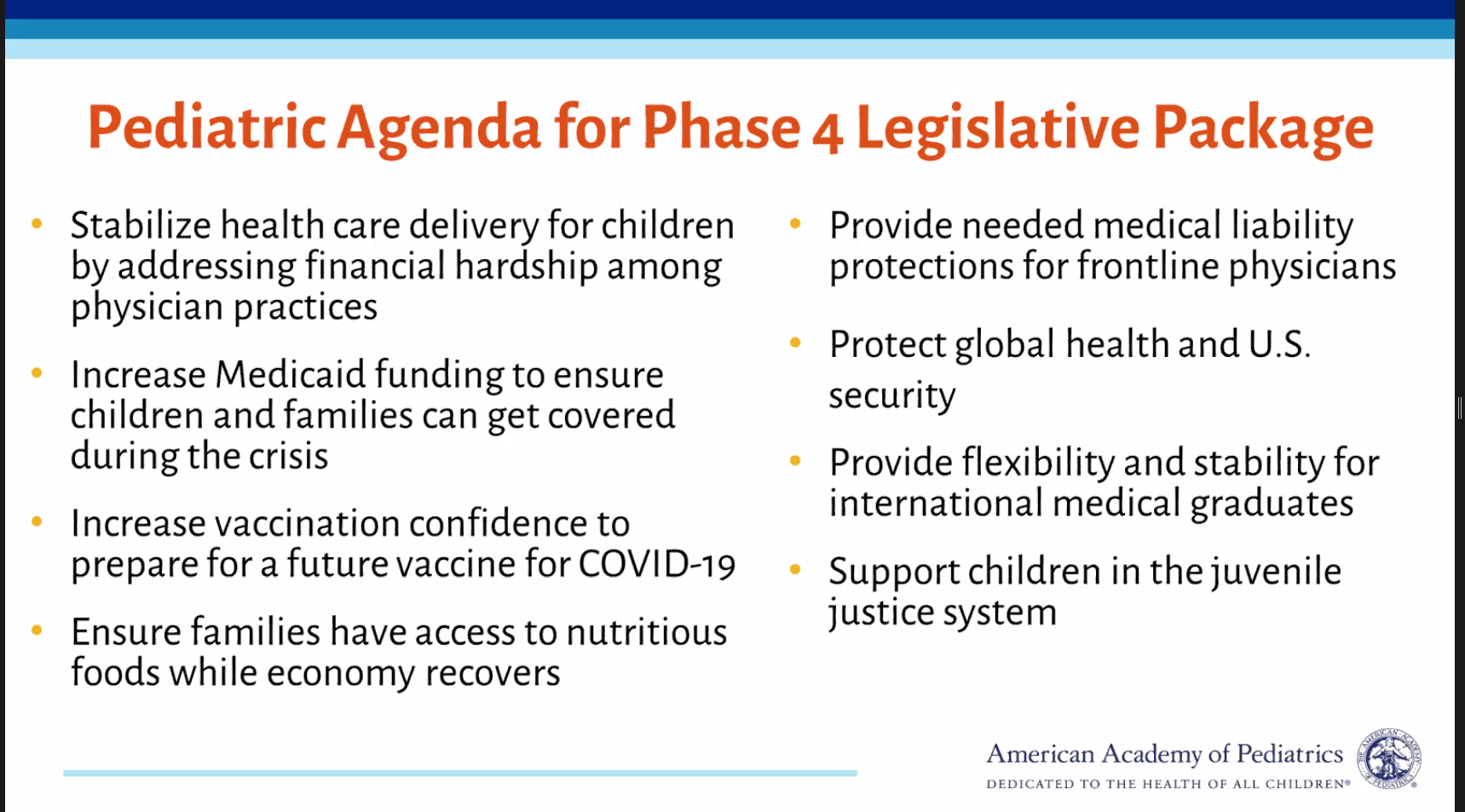
Dr Sally Goza, AAP National President reviewed some of the AAP’s initiatives:

  • Healthcare coverage & Change in ‘public charge’
  • Gun violence
  • Climate Change
  • Early Childhood Programs
  • Suicide Prevention
  • E-cigarettes
  • Social Media.  She noted that Pinterest and Google have made efforts to curb harmful inaccurate posts, especially with regard to immunization information, whereas Facebook has not been cooperative.

2020 Georgia Blueprint for Children:

Dr. Sarah Lazarus, a terrific ED physician and an advocate for safe sleep, described updates and obstacles related to reducing sudden unexpected death infant death.

Key points:

  • NASPGHAN 2018 GERD recommendations (33 page PDF) with regard to positioning:  “The working group recommends not to use positional therapy (ie, head elevation, lateral and prone positioning) to treat symptoms of GERD in sleeping infants”
  • CPSC has removed many inclined sleepers.  Commentary from Dr. Lazarus from WebMD (November 2019): Sleeping on an Incline Not Safe for Baby

The Consumer Product Safety Commission is warning parents not let a baby sleep in rockers, pillows, car seats, or any other product that holds an infant at an incline — with their head higher than their feet.

“I do think it should have happened a while ago when we saw there were deaths from them, but I’m glad they did it now,” says Sarah Lazarus, DO, a pediatric emergency medicine physician at Children’s Healthcare of Atlanta. Dr. Lazarus is also an injury prevention researcher at Emory University and reviews infant deaths for the state of Georgia.  And what about putting the crib mattress at an incline to help with reflux?

Lazarus says she knows pediatricians used to recommend that, but she says new studies show that it doesn’t really help and may be unsafe. “We do not recommend any sort of wedging or propping or positioning at this point,” she says. In addition to avoiding inclined surfaces, the commission is reminding parents that babies can suffocate if they sleep with blankets, pillows, or other items. The safest way for a baby to sleep is flat on their back, in a bare crib, and on a flat, firm surface.Related blog posts:

Dr. Heval Kelli introduced a program called young physician initiative.  “Getting into medical school can be a long process and difficult to navigate particularly for students from underserved communities due to the lack of access to medical mentorship and network.  The Young Physicians Initiative provides early and interactive guidance to underserved middle school, high school and college students. We inspire students to pursue careers in medicine and pursue pipeline’s opportunities by Being Present in their communities.”

Here are links to his website and to one of the articles covering this project:

My take: This is a terrific program, though there are many other challenges that need to be addressed to encourage applicants from a wide range of socioeconomic groups.

Related blog post: Hidden Costs of Medical Schools

The final speaker, Dante McKay, discussed the APEX program which is a school-based program to address mental health issues in children.

AAP Behind the Scenes 2020 (Part 1): Pandemic Monitoring

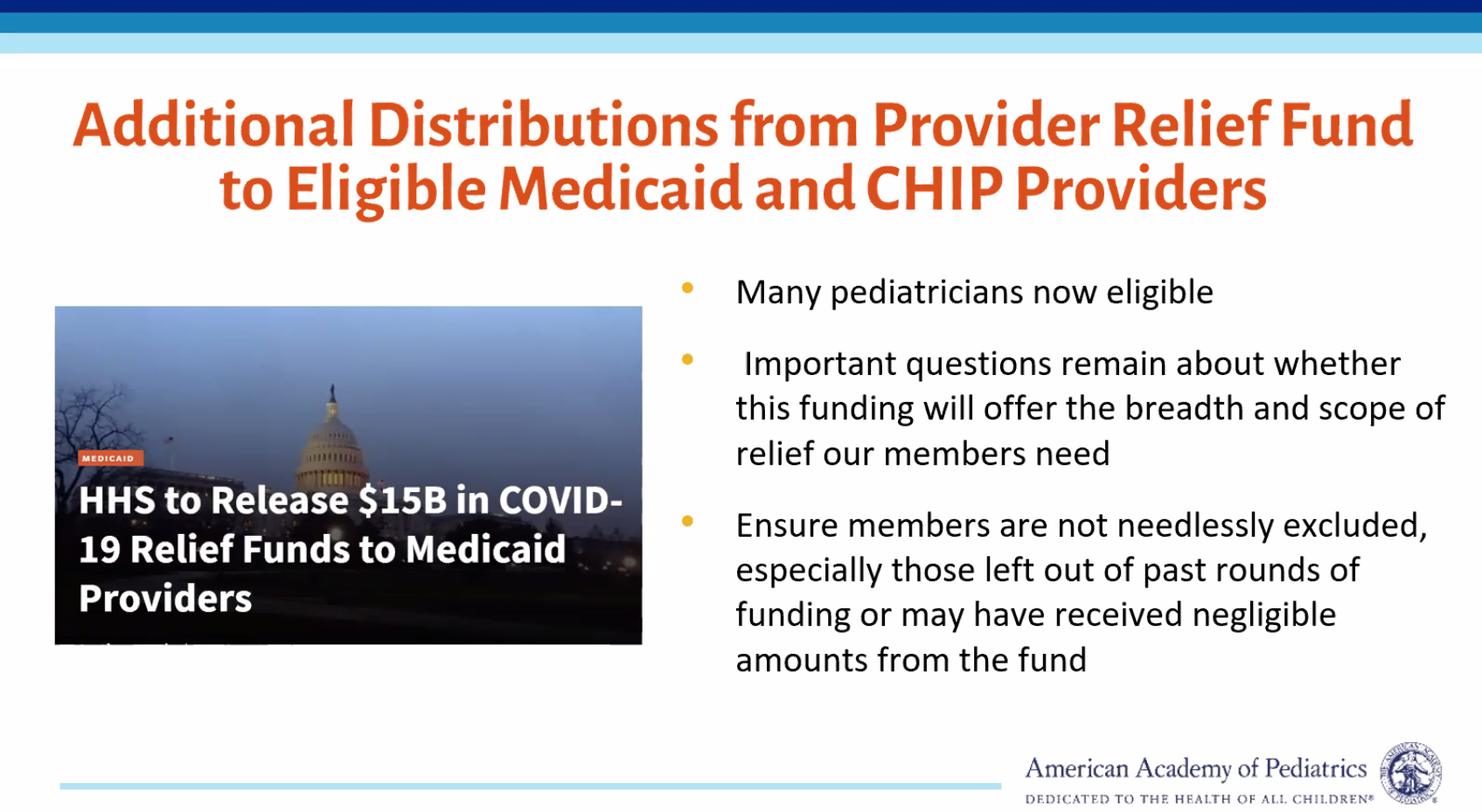
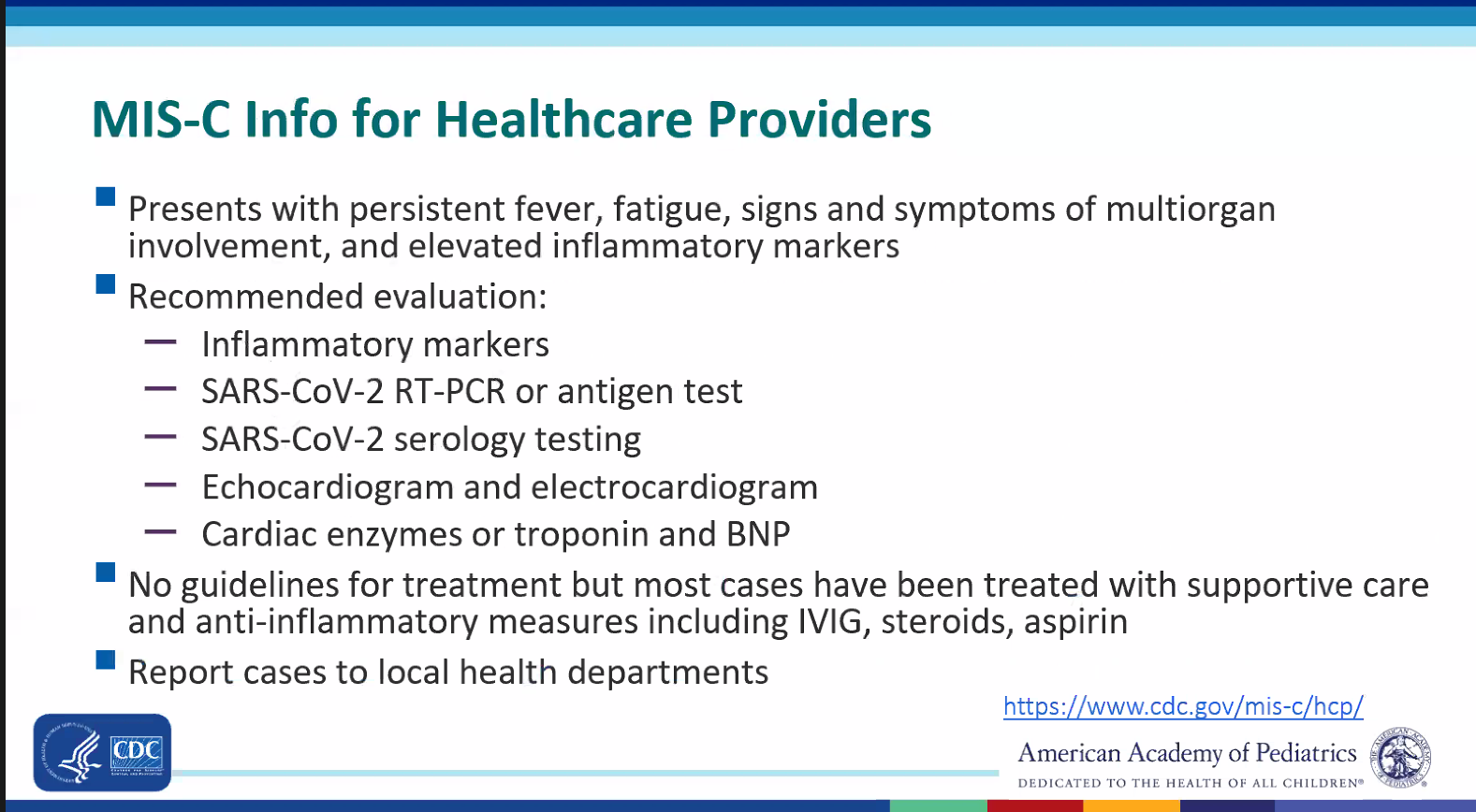
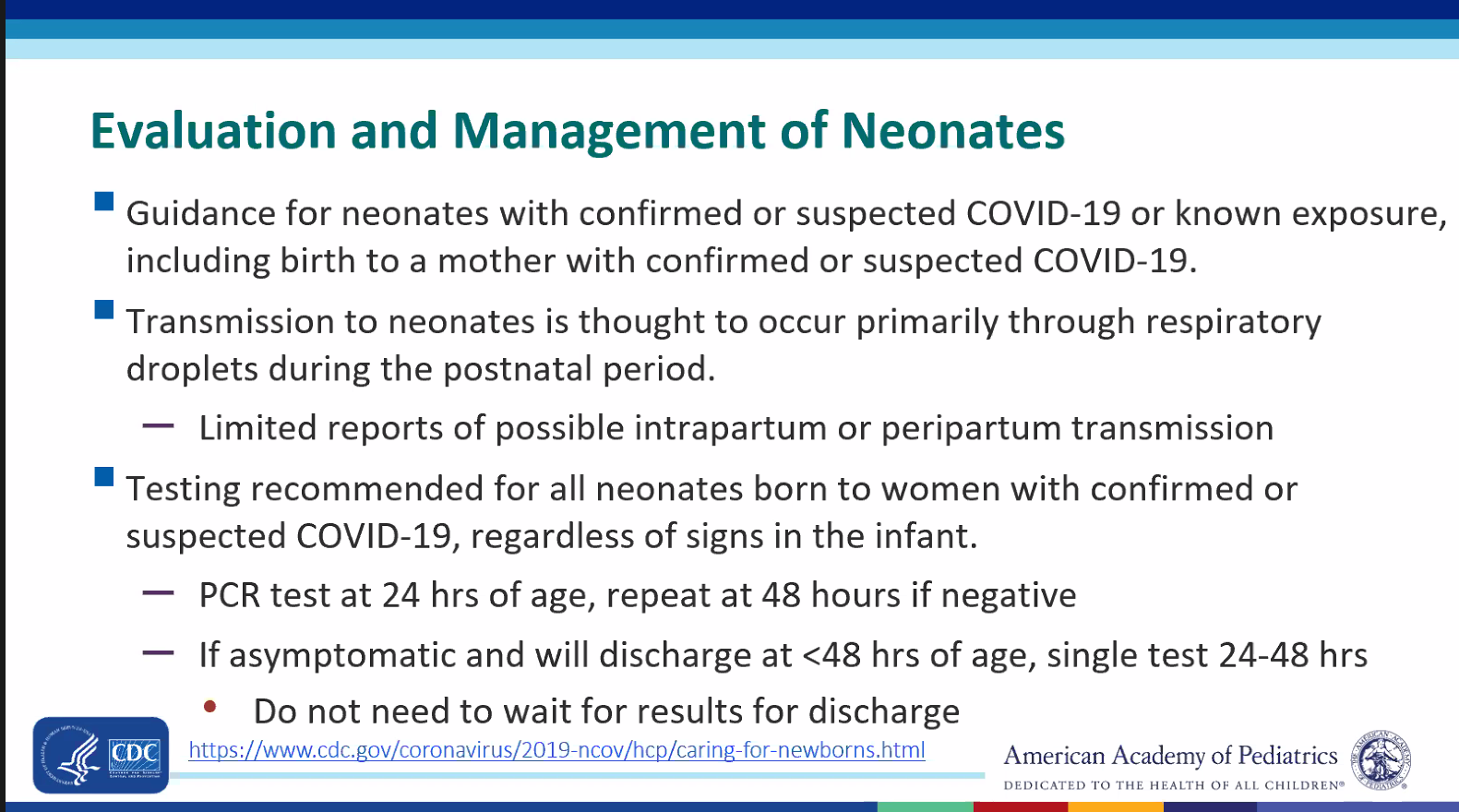
Currently I am vice chair for the section of nutrition at the Georgia Chapter of the American Academy of Pediatrics; Dr. Tanya Hofmekler is now chair of the section.  I recently attended a Board Meeting which received reports from a number of committees.  One of the presentations from Dr. Evan Anderson (infectious disease specialist), provided an update on the coronavirus, the flu, and other emerging infections.

Key Points:

  • Coronavirus appears to be more contagious than the flu but less contagious than many other infections like measles
  • CDC has website which is update for the coronavirus which is updated frequently:  2019 Novel Coronavirus (2019-nCoV) Situation Summary
  • This is a bad year for the flu (see “red line” on last two slides).  The number of hospitalizations/mortality in young children (0-4) is increased compared to previous years, though the number of cases has been higher in previous years
  • There is now an FDA-approved Ebola vaccine
  • A single case of measles can cost $50,000 for public health to respond; direct medical costs could be much higher

Slide above was accurate on 2/8/20


Satire from The Onion

Related blog post: