New Era in Cholestatic Liver Diseases

H Sutton, RJ Sokol, BM Kamath. Hepatology 2025; 82: 985-995. Open Access! IBAT inhibitors in pediatric cholestatic liver diseases: Transformation on the horizon?

This review article is one of many in the same issue (#4) of Hepatology.

Key points:

  • “In the last few years, a novel class of agents, intestinal bile acid transporter (Ileal bile acid transporter (IBAT); also known as apical sodium-dependent bile acid transporter [ASBT]) inhibitors, has emerged and gained approval from the FDA… the pivotal studies on which these approvals were granted were all performed in rare pediatric cholestatic diseases, namely Alagille syndrome (ALGS) and progressive familial intrahepatic cholestasis (PFIC).3 Additional expansion of these approvals will possibly follow as there are ongoing trials of IBAT inhibitors in primary biliary cirrhosis, primary sclerosing cholangitis, and biliary atresia.”
  • “The role of bile acids in promoting hepatic injury in cholestasis is perhaps best illustrated in human infants with ABCB11 (bile salt export pump; BSEP) disease or PFIC type 2…The response to IBAT inhibition in this disease further supports the notion that retained bile acids are a key factor leading to progressive liver injury and cholestatic symptoms including pruritus, fat-soluble vitamin deficiencies, and growth failure.4
  • These medications may improve liver histology and not just reduce pruritic symptoms: “Using the MDR2−/− mouse cholangiopathy model, Miethke et al22 demonstrated that ASBT inhibition led to a reduction in both serum and intrahepatic bile acid concentrations by 98% and 65%, respectively. These reductions in bile acid concentrations were associated with improved liver biochemistry and a reduction in peri-portal inflammation and fibrosis on histology. The histopathologic improvements seen in these treated MDR2−/− are important to highlight, as they support the rationale of this therapeutic approach: that lowering serum bile acid (sBA) with IBAT inhibition leads to a reduction in intrahepatic bile acid accumulation and toxicity, improvements in liver inflammation and fibrosis, and ultimately improved liver disease biology.”
  • Numerous clinical trials are listed in Table 1 (completed trials) and Table 2 (ongoing).
  • Physiology: “Bile acids are key regulators of their own enterohepatic circulation, predominately through activation of the farnesoid X receptor (FXR)…the fecal elimination of bile acids in IBAT inhibitor–treated patients appears to far exceed the rate of synthesis of new bile acids in the liver; thus, IBAT inhibitors reduce the total bile acid pool size and the bile acid load presented to the liver.22,34,39
  • Alagille syndrome (ALGS): Key trials are summarized including the ICONIC trial with maralixibat and the ASSERT trial with odevixibat.
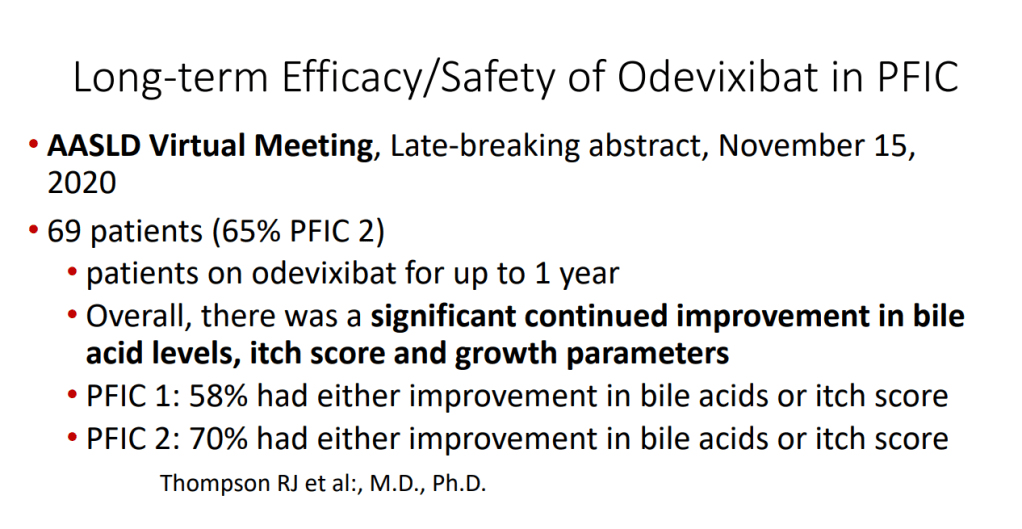
  • PFIC (Type 1 and 2) Trials: Key trials are summarized including the MARCH-PFIC trial with maralixibat and the PEDFIC1 & PEDFIC 2 trialswith odevixibat.
  • Safety: These medications are well-tolerated with self-limiting diarrhea and abdominal pain especially at the initiation of these medications. Liver blood test abnormalities have been noted in up to 20%. “This is an interesting finding, and the underlying etiology is unknown. Maralixibat is largely luminally restricted and so, without systemic absorption, a direct hepatotoxic effect is unlikely. It may reflect an alteration in the speciation of the bile acid pool with increasing bile acid synthesis or alterations in the gut-liver axis signaling. More importantly, it is not known if there are any clinical consequences to the increase in ALT.”
  • Cost: The authors note that ursodeoxycholic acid and antihistamines are frequently used for management of pruritus. They also not that “from a cost standpoint, it seems appropriate to offer rifampin before IBAT inhibitors in the treatment of cholestatic pruritus.”
  • Conclusions: “The clinical trial data are encouraging. As more physicians gain experience prescribing IBAT inhibitors, we will continue to learn how to best apply them to our patient populations. Like any new drug, there are still several unknowns. One of these unknowns is the potential for loss of efficacy…The short-term to medium-term clinical effects of IBAT inhibitors are clear, but we have not yet begun to see the long-term benefits. Whether durable reductions in oncogenic and fibrogenic bile acids reduce rates of HCC or slow the progression of (or reverse) portal hypertension remains to be seen.”

Related article: M Trauner, SJ Karpen, PA Dawson. Hepatology 2025; 82: 855-876. Open Access! Benefits and challenges to therapeutic targeting of bile acid circulation in cholestatic liver disease

“Recent advances in understanding bile acid (BA) transport in the liver… This has led to new treatments targeting BA transport and signaling. These include inhibitors of BA transport systems in the intestine and kidney (IBAT/ASBT inhibitors) and liver (NTCP inhibitors), as well as receptor agonists that modify BA synthesis and transport genes. BA analogs like norucholic acid also show promise. This review discusses the molecular and clinical basis for these therapies, particularly for cholestatic liver disorders.
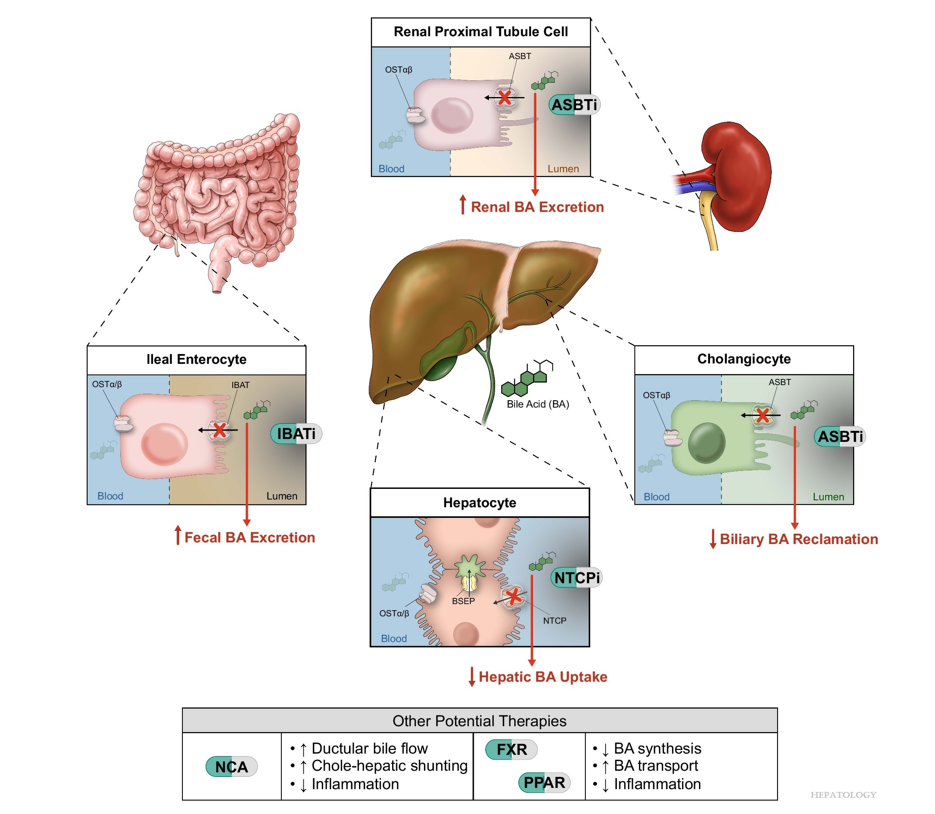
Principal therapeutic targets within the entero-nephro-hepatic circulation of BAs in cholestasis.

My take (borrowed from Trauner et al): “We have arrived at a new era in the treatment of cholestatic disorders. This has been made possible by incorporating findings from discoveries into the molecular pathogenesis of cholestasis and adaptive processes that direct rational therapeutics to improve patients’ lives.”

Related blog posts:

Ultrasonography to Distinguish Biliary Atresia from Alagille Syndrome

AM Upton et al. J Pediatr Gastroenterol Nutr. 2025;81:212–216. The “maximum echogenicity” at the right portal vein: Biliary atresia versus Alagille syndrome

See related ultrasound study from last week: Improving Ultrasound Examination to Identify Biliary Atresia

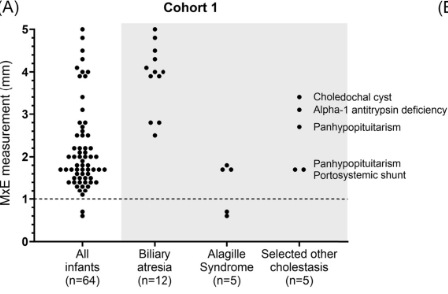
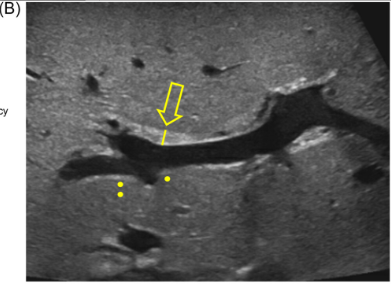
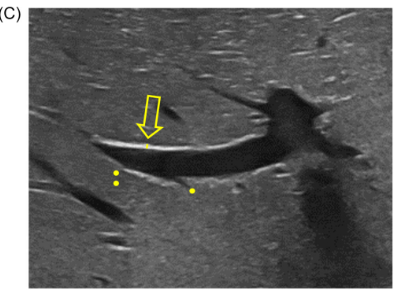
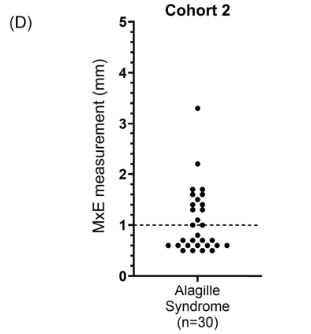
Background/Methods: One way clinicians can distinguish between biliary atresia and Alagille syndrome is with a positive “triangular cord sign.” This ultrasound finding refers to a thickened echogenicity at the anterior aspect of the right portal vein…the maximum echogenicity at the anterior aspect of the right portal vein (“maximum echogenicity” or “MxE”) was measured in a group of infants with cholestasis (Cohort 1, n=64) and in another group of infants with Alagille syndrome (Cohort 2, n=30).

Key findings:

  • “Thin echogenicity at the anterior aspect of the right portal vein may help distinguish between biliary atresia and Alagille syndrome…None of the 12 infants with biliary atresia in Cohort 1 had a MxE < 1.0 mm”
  • “A MxE < 1.0 mm could help identify Alagille syndrome. 2 of the 64 infants with cholestasis in Cohort 1 had a MxE < 1.0 mm. Both infants were eventually diagnosed with Alagille syndrome. In the Cohort 2 infants with Alagille syndrome, 16 of 30 infants had a MxE < 1.0 mm”
Infant with biliary atresia
Infant with Alagille Syndrome

Discussion Point:

“Infants with Alagille syndrome can have smaller bile ducts which may be inapparent on invasive testing such as cholangiography. As a result, they may be presumptively diagnosed with biliary atresia and inappropriately treated with the Kasai portoenterostomy. Unfortunately, these infants have poorer outcomes compared to infants with Alagille syndrome who do not receive the Kasai portoenterostomy.” Thus, distinguishing Alagille from biliary atresia is very important.

My take: This study shows that MxE (a refinement of what has previously been called the triangular cord sign) on ultrasound may help distinguish biliary atresia from Alagille syndrome. As this is a single-center study, it will be important to determine if this ultrasound finding can be replicated in other centers and whether the finding is operator-dependent.

Related blog posts:

Disclaimer: This blog, gutsandgrowth, assumes no responsibility for any use or operation of any method, product, instruction, concept or idea contained in the material herein or for any injury or damage to persons or property (whether products liability, negligence or otherwise) resulting from such use or operation. These blog posts are for educational purposes only. Specific dosing of medications (along with potential adverse effects) should be confirmed by prescribing physician.  Because of rapid advances in the medical sciences, the gutsandgrowth blog cautions that independent verification should be made of diagnosis and drug dosages. The reader is solely responsible for the conduct of any suggested test or procedure.  This content is not a substitute for medical advice, diagnosis or treatment provided by a qualified healthcare provider. Always seek the advice of your physician or other qualified health provider with any questions you may have regarding a condition

Lecture: IBAT Inhibitor for Alagille Syndrome

I recently attended an online lecture which reviewed Alagille Syndrome and the emergence of an IBAT inhibitor for the management of cholestatic pruritus. Selected slides from Mirum Pharmaceutical Lecture: “Updates in the Treatment of Cholestatic Pruritus in Patients With Alagille Syndrome.” *I have no financial disclosures or conflict of interests in this medication or company.

  • The severe itching which is seen in most patients with Alagille is often quite detrimental to quality of life. It impacts sleep, causes irritability, skin damage, and physical distcomfort
  • Typically, the first week of receiving the medication, it is started at1/2 the maintenance dose.
  • Monitoring response can be done with the ItchCheck App, Itch score or Clinical scratch score
  • Monitoring hepatic blood tests and periodic monitoring of fat soluble vitamins is recommended

My take: Though Alagille syndrome is a multisystem disease, improvement in pruritus due to cholestasis with an oral daily medication is an important advance/option. There is little systemic absorption and thus far a reassuring safety profile.

Related blog posts:

GALA: Alagille Study

SM Vandriel et al. Hepatology 2023; 77: 512-529. Open Access! Natural history of liver disease in a large international cohort of children with Alagille syndrome: Results from the GALA study

This was a very large retrospective study (with more than 90 authors) with 1433 children.

Key findings:

  • Only 40.3% of children reach adulthood with their native liver; 54.4% had their native liver at 10 years of life
  • “It is noteworthy that bile duct paucity was reported in only 65% of liver biopsies performed during the first 3 months of life, the period during which there are diagnostic challenges with distinguishing ALGS from syndromic BA.” Thus, with a liver biopsy, there is a significant risk of misdiagnosis
  • The all‐cause mortality rate was 8.5%
  • The total bilirubin level between 6-12 months of life had significant predictive value. In the associated editorial: “The authors reported that 79% of patients with median TB of <5.0 mg/dL..reached adulthood with their native livers, whereas only 31.6% and 18.2% of patients with median TB levels between” 5-10 and >10 mg/dL survived into adulthood with their native livers.
  • The editorial makes the point that this data will be helpful and ongoing studies will be needed to determine the effectiveness of novel treatments (e.g. IBAT inhibitors)

My take: This is a very useful study in understanding the long term outcomes of Alagille syndrome.

Related blog posts:

Sandy Springs, GA

Liver Briefs: HLH in Infancy, Maralixibat for Alagille Syndrome, Liver Disease Due to Inborn Errors of Immunity
N Hadzic et al. J Pediatr 2022; 250: 67-74. High Prevalence of Hemophagocytic Lymphohistiocytosis in Acute Liver Failure of Infancy In this retrospective study of pediatric acute liver failure (PALF, n=78) in children <24 months of age: Thirty of the 78 children had the HLH phenotype and underwent genetic assessment, which demonstrated positive findings in 19 (63.3%), including 9 (30%) with biallelic primary HLH mutations and 10 (33.3%) with heterozygous mutations and/or polymorphisms. The mortality in this group was 33% (n=10). The authors conclude that targeted genetic analysis (ie perforin, SIAP, XIAP, and GRA) or whole exome sequencing should become a standard part of PALF workup.

Related blog posts:

BM Kamath et al. J Pediaatr 2023; 252: 68-75. Open Access! Maralixibat Treatment Response in Alagille Syndrome is Associated with Improved Health-Related Quality of Life. Twenty of the 27 patients (74%), all with moderate-to-severe pruritus at enrollment, achieved an Itch-Reported Outcome (Observer) treatment response at week 48. “The significant improvements in pruritus seen with maralixibat at week 48 of the ICONIC study are clinically meaningful and are associated with improved HRQoL.”

Related blog posts:

D Sharma et al. Hepatology 2022; 76: 1845-1861. Tip of the iceberg: A comprehensive review of liver disease in Inborn errors of immunity This articles reviews inborn errors of immunity (IEI) and their liver manifestations. This includes the following:

  • T-cell/B-cell deficiency: SCID, CD40 ligand deficiency, DOCK8 deficiency, IL-21R deficiency, and Activated P13K delta syndrome
  • Antibody deficiency: CVID, X-linked aggamoglobulinemia
  • Phagocytic disorders: CGD
  • Primary Immune Regulatory Disorders: STAT1 GOF, STAT3 GOF, IPEX, APECED
  • Others: Wiskott-Aldrich syndrome, Immunodeficiency-centromeric instability-facial anomalies syndrome, Hepatic veno-occlusive disease with immunodeficiency, STAT3-deficient hyper IgE syndrome

In patients with IEIs with liver abnormalities, one needs to consider infectious etiologies (eg. HAV, HBV, HCV, HEV, CMV, EBV, HSV, cryptosporidium, liver abscess), autoimmune disorders (eg. AIH), drug-induced liver disease, and sclerosing cholangitis

Royal Terns at Siesta Key, FL

Favorite Posts of 2021

I am happy to say that this is the last nightcall that I will have this year!

Today, I’ve compiled some of my favorite posts from the past year. I started this blog a little more than 10 years ago. I am grateful for the encouragement/suggestions from many people to help make this blog better. Also, I want to wish everyone a Happy New Year.

GI:

IBD:

LIVER:

Nutrition:

Other Topics:

Thanks to Jennifer

Aspen Webinar 2021 Part 3-IBAT Inhibitors

This blog entry has abbreviated/summarized this presentation. Though not intentional, some important material is likely to have been omitted; in addition, transcription errors are possible as well. Another great lecture from Dr. Suchy.

IBAT Inhibitors Frederick Suchy

Key  points:

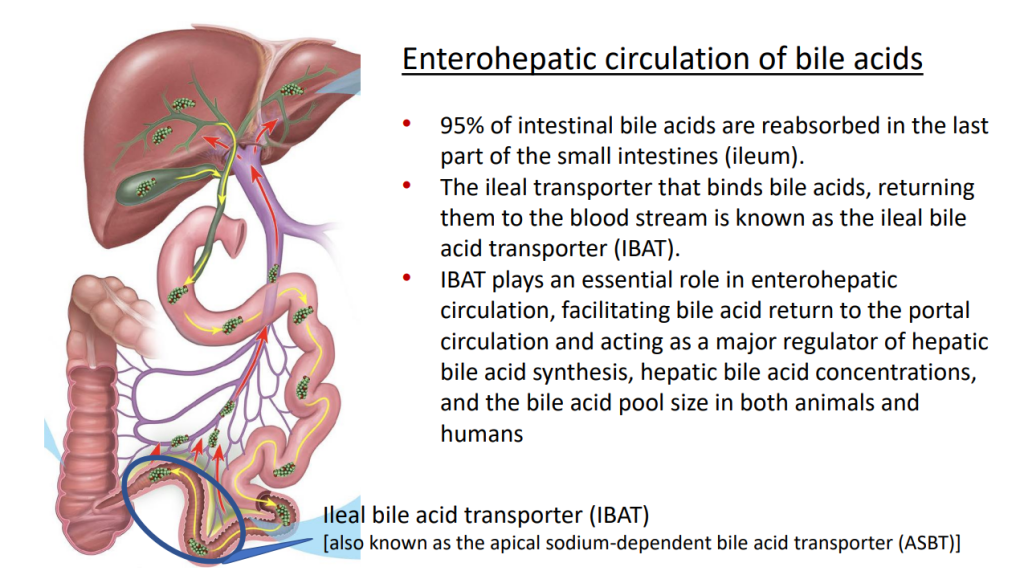
  • IBAT inhibitors block intestinal absorption of bile acids/disrupt enterohepatic circulation; this leads to augmented bile acid excretion in stools
  • IBAT inhibitors may reduce liver damage in the setting of cholestasis/accumulation of toxic bile acids
  • Potential diseases for IBAT inhibitors include Alagille syndrome and PFIC
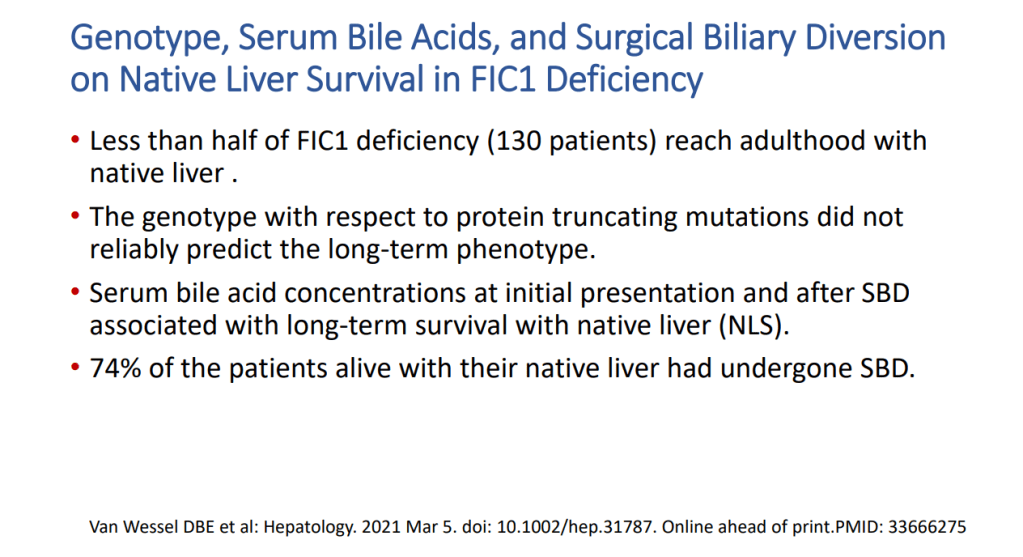
  • Van Wessel et al (J Hepatol 2020; 73: 84-93) correlated survival with PFIC1/PFIC2 with bile acid levels and showed improvement in survival in those with surgical biliary diversion
  • Goals for IBAT inhibitor trials: improvement in pruritus, bile acids, reduced ALT, hepatic fibrosis, HCC and need for liver transplantation
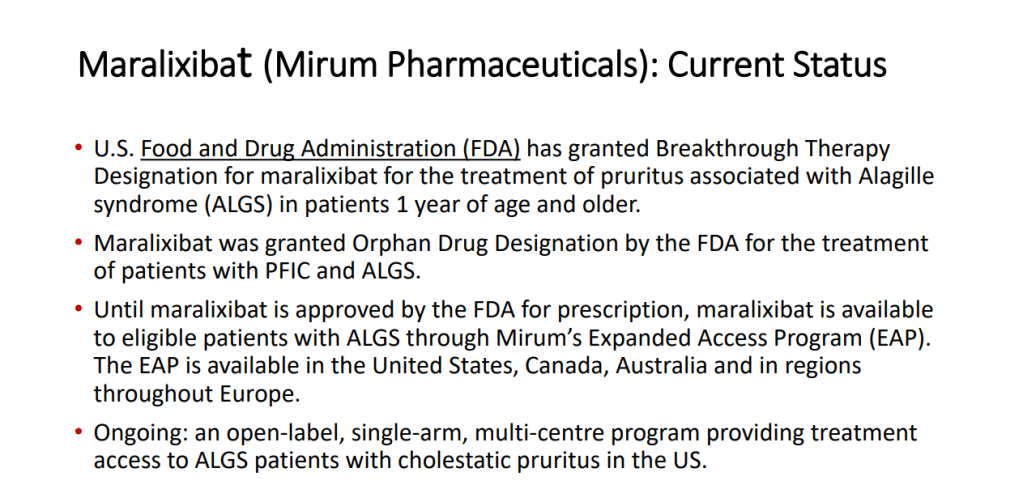
  • Marixibat is available for use as an FDA approved breakthrough medication for Alagille and PFIC2 in pediatric patients older than 1 year
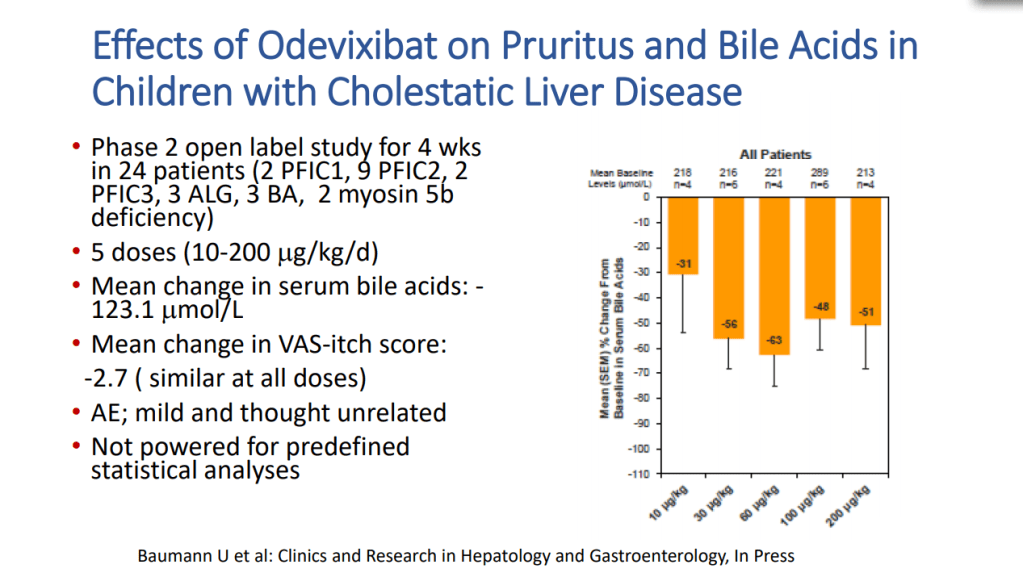
  • Odexibat is designated as an orphan drug for Alagille, PFIC, PBC, and biliary atresia
  • Safety appears good with IBAT inhibitors. Fat soluble vitamin monitoring is needed
This image has an empty alt attribute; its file name is image-132.png
This image has an empty alt attribute; its file name is image-134.png
This image has an empty alt attribute; its file name is image-136.png
This image has an empty alt attribute; its file name is image-138.png
This image has an empty alt attribute; its file name is image-140.png
This image has an empty alt attribute; its file name is image-142.png
This image has an empty alt attribute; its file name is image-144.png
This image has an empty alt attribute; its file name is image-146.png
This image has an empty alt attribute; its file name is image-148.png

Related blog posts:

Case report: Alejandro Velez Lopez

3 yo presented with fatigue and jaundice, 3 weeks after COVID-19 infection. She was not taking any medications.  Labs:  ALT 939, AST 1321, T bili 5.5, D bili 0.9, INR 2, Plts 174, Hgb 12.8, LDH 1297. remained positive for SARS-CoV2 by PCR. Acetaminophen -no exposure.  Evaluation: LKM 1:1280. Neg ANA, NL Ferritin, NL sIL2r, Other viral studies negative, NL IgG. Developed encephalopathy with NH4 317, INR peaked at 2.8.  Treated with steroids, rifaximin and lactulose.  Liver biopsy showed sub-massive necrosis and fibrosis (indicative of  autoimmune hepatitis, likely triggered or exacerbated by COVID-19).  Patient responded to medical therapy and did not require liver transplantation.

NASPGHAN Alagille Syndrome Webinar

​A great and short webinar was recently presented from the ​NASPGHAN Foundation​ with three lectures

Webinar​​: Alagille Syndrome (If this link does not work, the On Demand version of the webinar is now available on LearnOnLine, at https://learnonline.naspghan.org/products/on-demand-advances-in-diagnosis-and-treatment-of-alagille-syndrome.  You can also find it by logging into LearnOnline at https://learnonline.naspghan.org/ and entering the Webinars section.)

The first lecture by Dr. Melissa Gilbert was an excellent overview of the genetics of Alagille Syndrome.

Key points:

  • JAG1 mutations account for ~95% of Alagille syndrome mutations and NOTCH2 about 3%
  • Many mutations identified are due to missense mutations which are often variants of unknown clinical significance (VOUS). In these patients, to determine if it is pathogenic, one has to correlate the clinical picture along with specific amino acid change, location of variant, and frequency of variant in normal population. Dr. Gilbert noted that among the ~97% of cases with genetic abnormalities, about 80% have recognized pathogenic mutations and about 17% have VOUS.
  • There is variability of severity of Alagille syndrome in the same family, likely related to genetic modifiers
  • When using genetic panel, if panel uses only single nucleotide variants, this will miss the deletion/duplication variants which account for ~10% of cases

The second lecture by Binita Kamath was a terrific review and compared the differences between Alagille Syndrome with JAG1 mutations and NOTCH2; the latter are much less likely to have cardiac abnormalities and butterfly vertebrae. The liver phenotype/survival is similar.

Key points:

  • Outcomes of Alagille syndrome by 25 years of age including frequent bone fractures and development of portal hypertension.
  • Severe liver disease is common. 75% in a multi-center cohort (CHILDREN) required liver transplantation by age 18 years and 10% died; in contrast, a large GALA cohort of 911 children, 41% survived with their native liver at 18 years.
  • After transplantation, renal sparing strategies are needed due to frequent renal insufficiency; patients with severe cardiac disease may not be candidates for liver transplantation.
  • There is work on an Alagille Syndrome growth curve.
  • Screening for brain vascular malformations/Moyamoya –Dr. Kamath tends to screen after age 8 years of age at baseline (when child does not need sedation for brain imaging) and then every 4-5 years. Also, an MRI/MRA is done prior to major surgery.
  • Hyperlipidemia in Alagille Syndrome is mainly due to lipoprotein X; this is not a risk factor for cardiac health.

The third (& also excellent) lecture by Saul Karpen (who disclosed his potential conflicts of interest) reviewed current treatments and emerging treatments.

Key points:

  • The current medical therapies have not been carefully tested; rifampin for pruritus may relieve cholestasis in about 50% of patients.
  • IBAT inhibitors interrupt enterohepatic circulation. These agents improve pruritus and decrease serum bile acids.
  • Dr. Karpen reminded the audience to follow fat soluble vitamin levels and if treatment is needed, to provide Vitamin D formulations with TPGS.
On the right hadd panel (above), the orange bar represents those with severe pruritus and the effects of PEBD on pruritus.

Related blog posts:

Intracranial Hypertension & Papilledema with Alagille Syndrome

NM Rock et al. JPGN 2020; 71: 655-662. Intracranial Hypertension and Papilledema in a Large Cohort of Pediatric Patients With Alagille Syndrome

Key findings:

  • In this retrospective cohort of 69 patients, Nine (13.0%) had papilledema and Five (7.2%) had confirmed or probable intracranial hypertension. All five had undergone liver transplantation.
  • Age (in months) when intracranial hypertension was diagnosed: 35, 43, 55, 62, and 103.

Discussion Points:

  • “Cerbrovascular abnormalities, including moyamoya disease, are increasingly describe in patients with” Alagille syndrome.
  • “Opthalmic complications in relation with papilledema seem to appear mostly after” liver transplantation. This could indicate that LT/immunosuppression exaccerbate underlying disorder, that those who need LT have more severe phenotype or could be related to closer scrutiny (‘follow-up bias”).
  • First line treatment for intracranial hypertension in this group is generally acetazolamide.

My take: I agree with the authors who propose regular eye exams for patients with Alagille syndrome, especially if needing liver transplantation. Further evaluation is recommended for patients who have greater than mild papilledema. This includes MRI and lumbar opening pressure.

Related blog posts:

Sunrise -Isle of Palms

#NASPGHAN 17 More Abstracts

This link for the NASPGHAN abstracts :NASPGHAN 2017 Scientific Abstracts

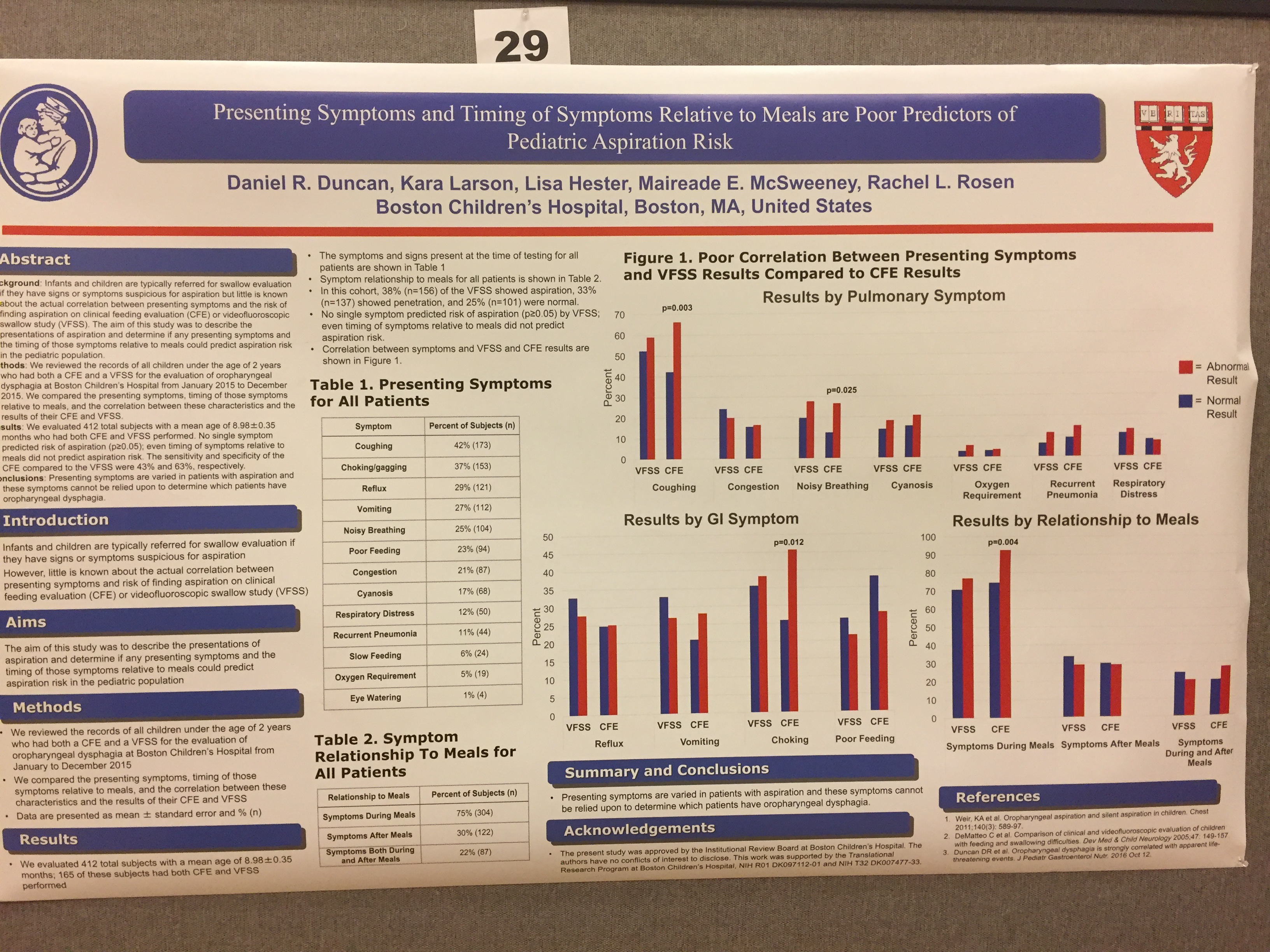
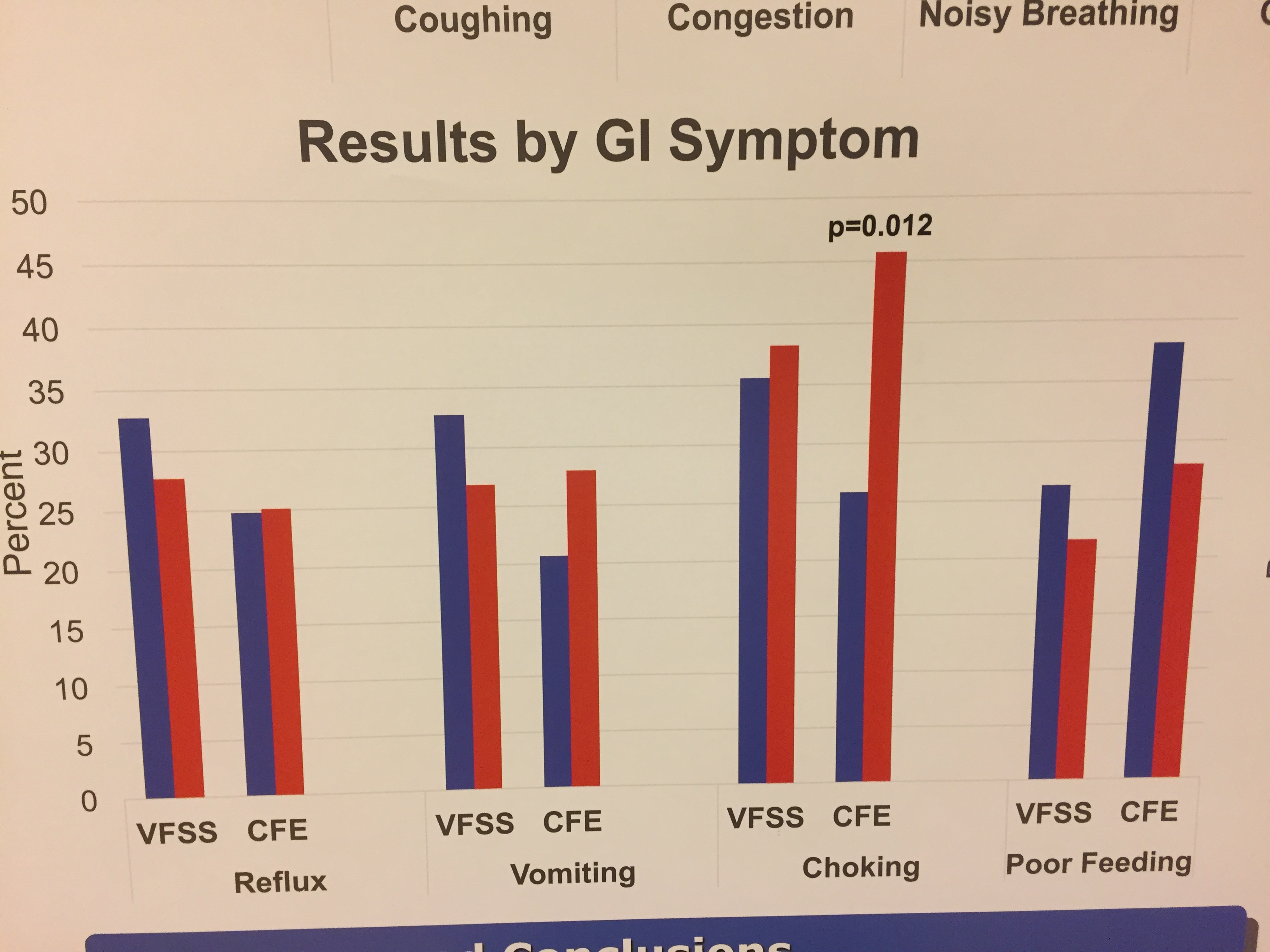
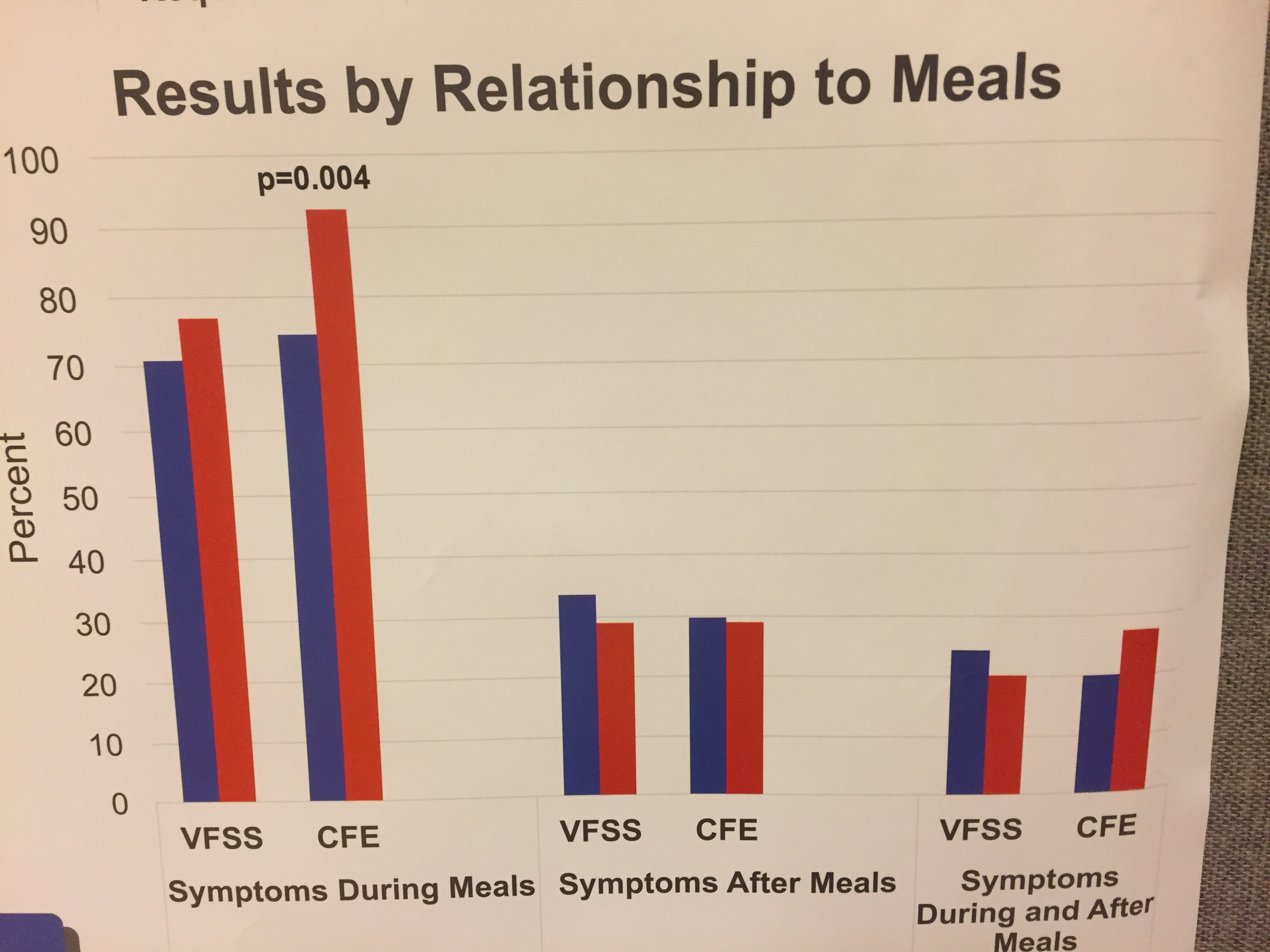
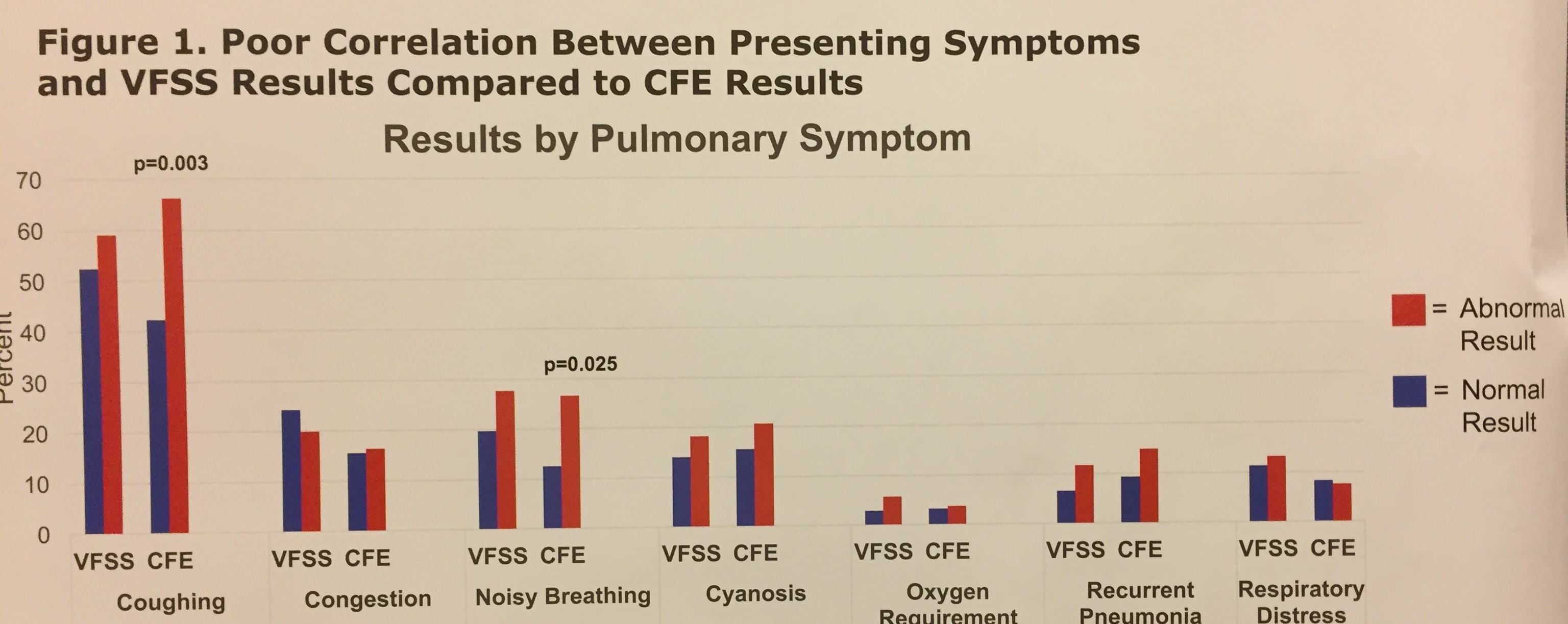
The following slides are from some of the abstract posters. This first poster (next 5 pics) showed that symptom association with meals is not predictive of aspiration among a selected group of children who underwent swallow study evaluations. In the figures, the blue bars are children who passed the swallow study whereas the red bars indicate the children who failed the swallow study.

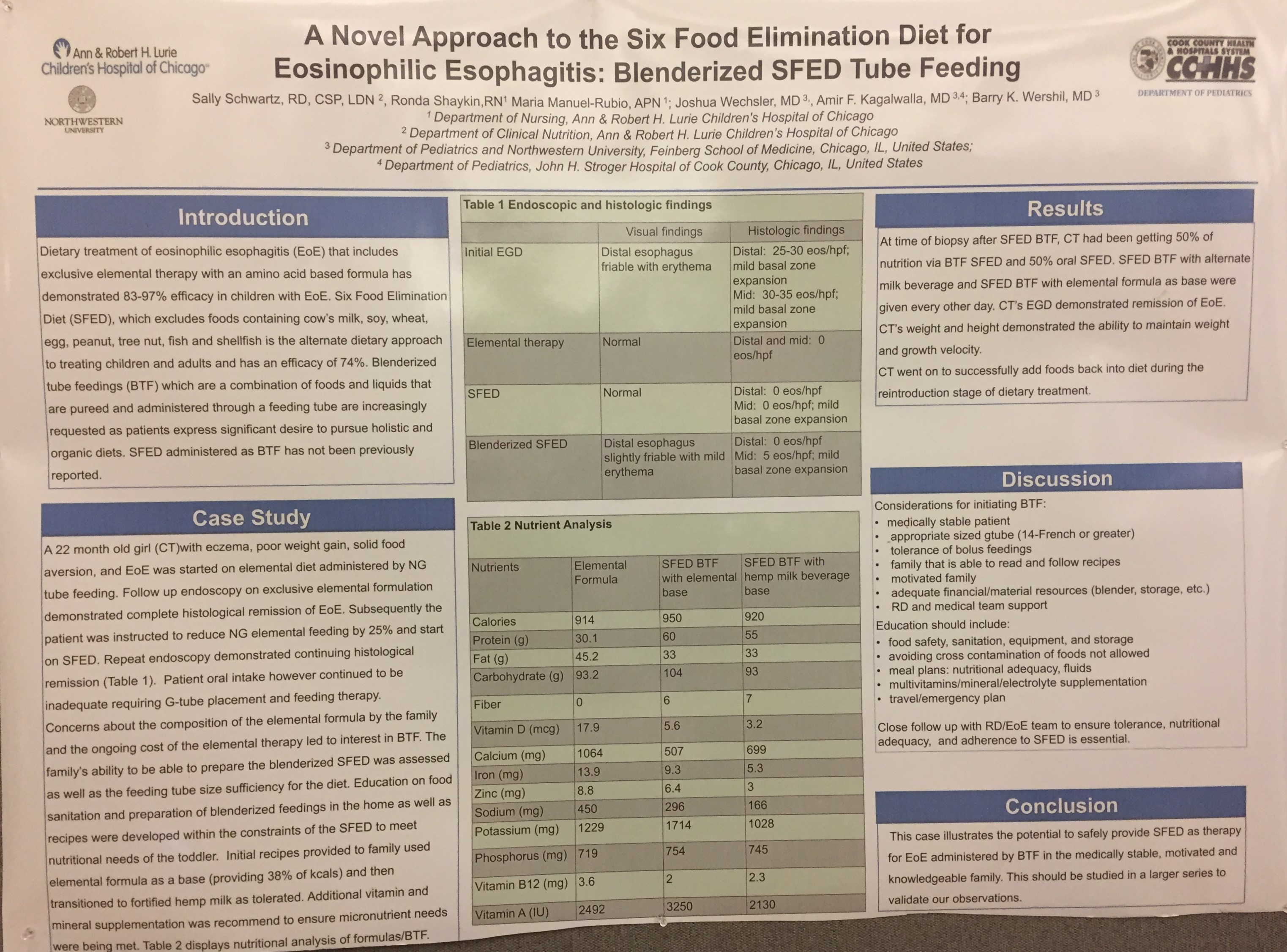
This next slide demonstrated that a six food diet for EoE could be administered blenderized via a gastrostomy tube.

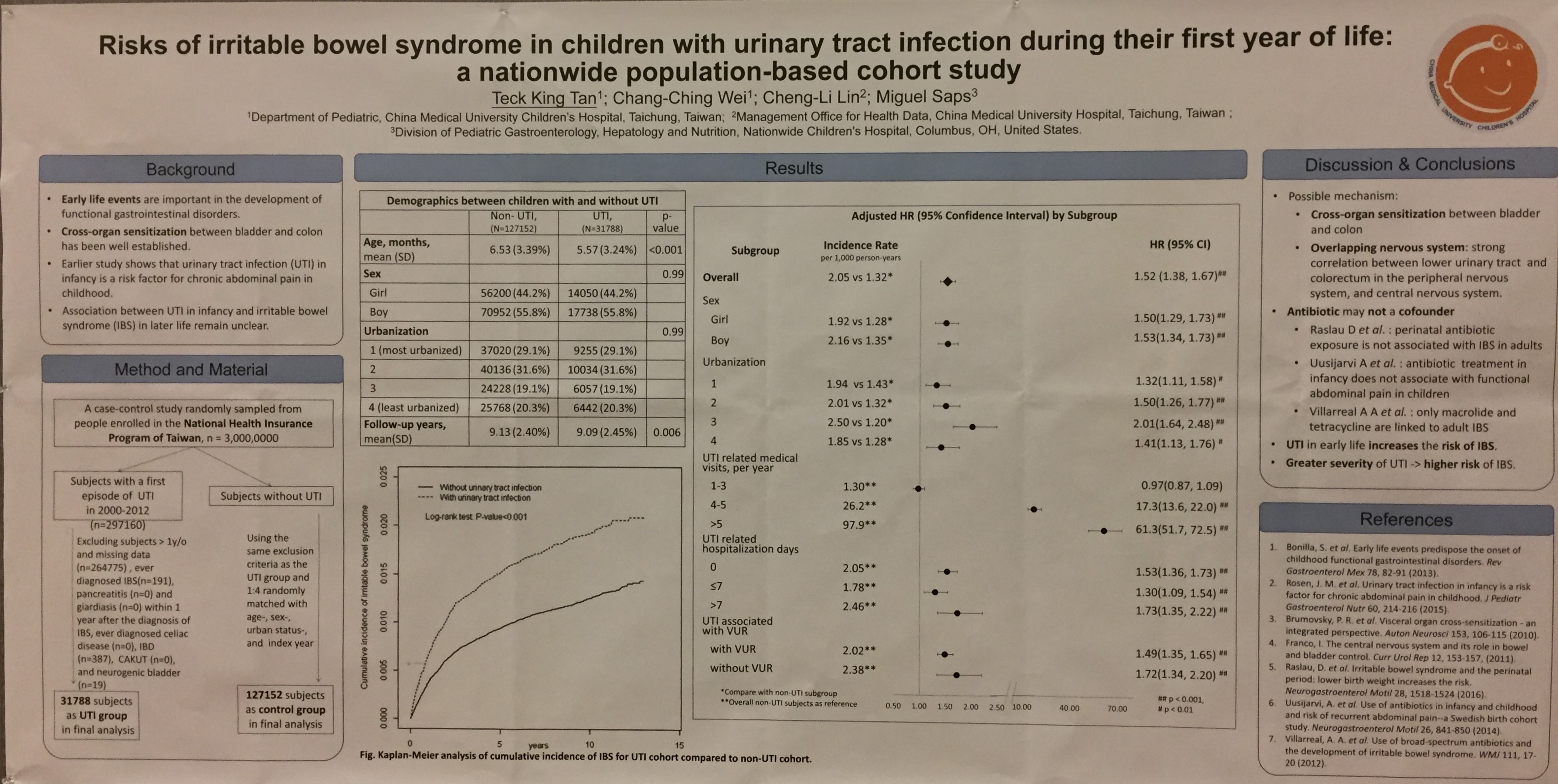
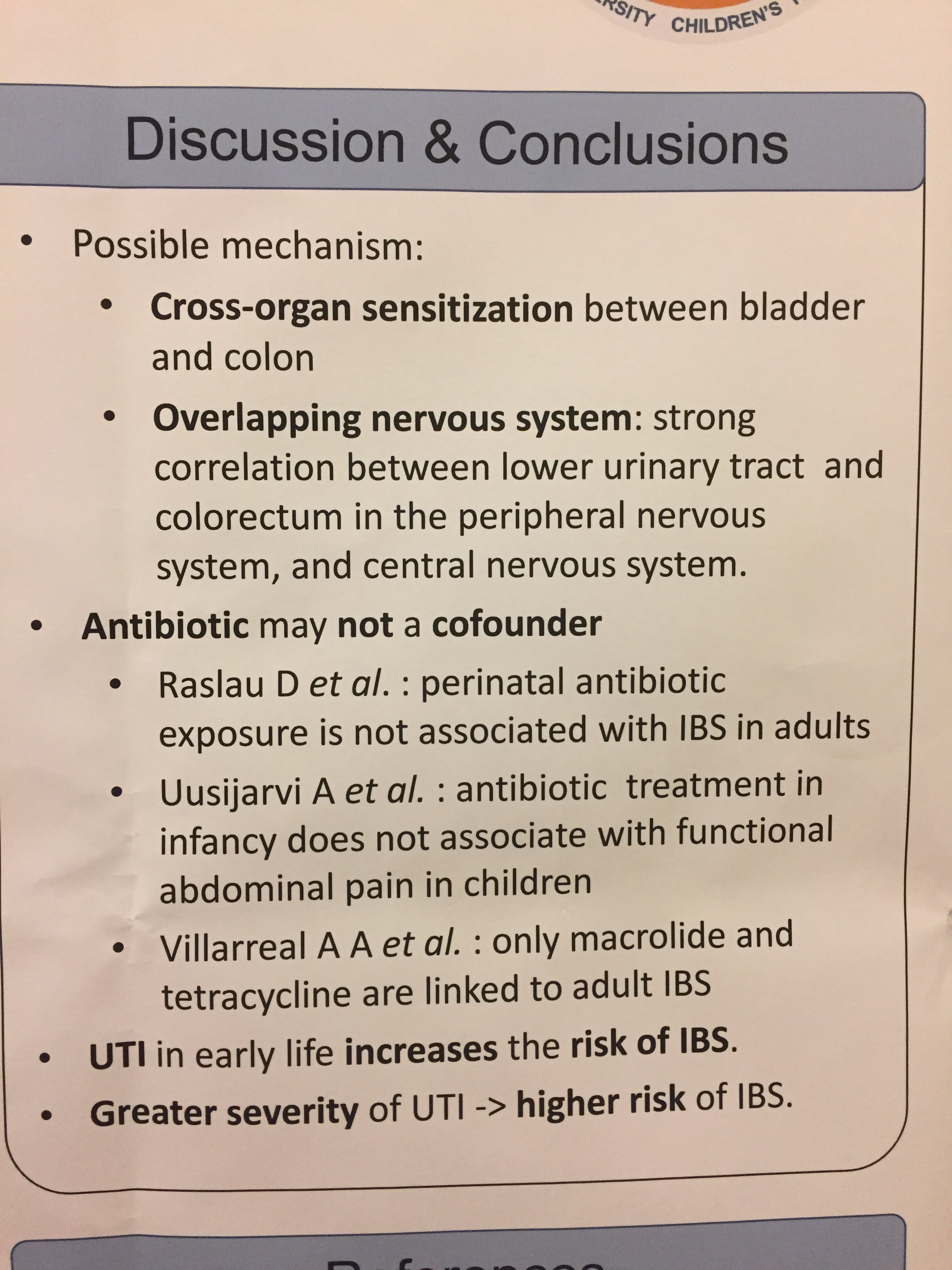
The next slide showed that irritable bowel syndrome was more frequent (overall hazard ratio of 1.52) following a urinary tract infection in the first year of life.

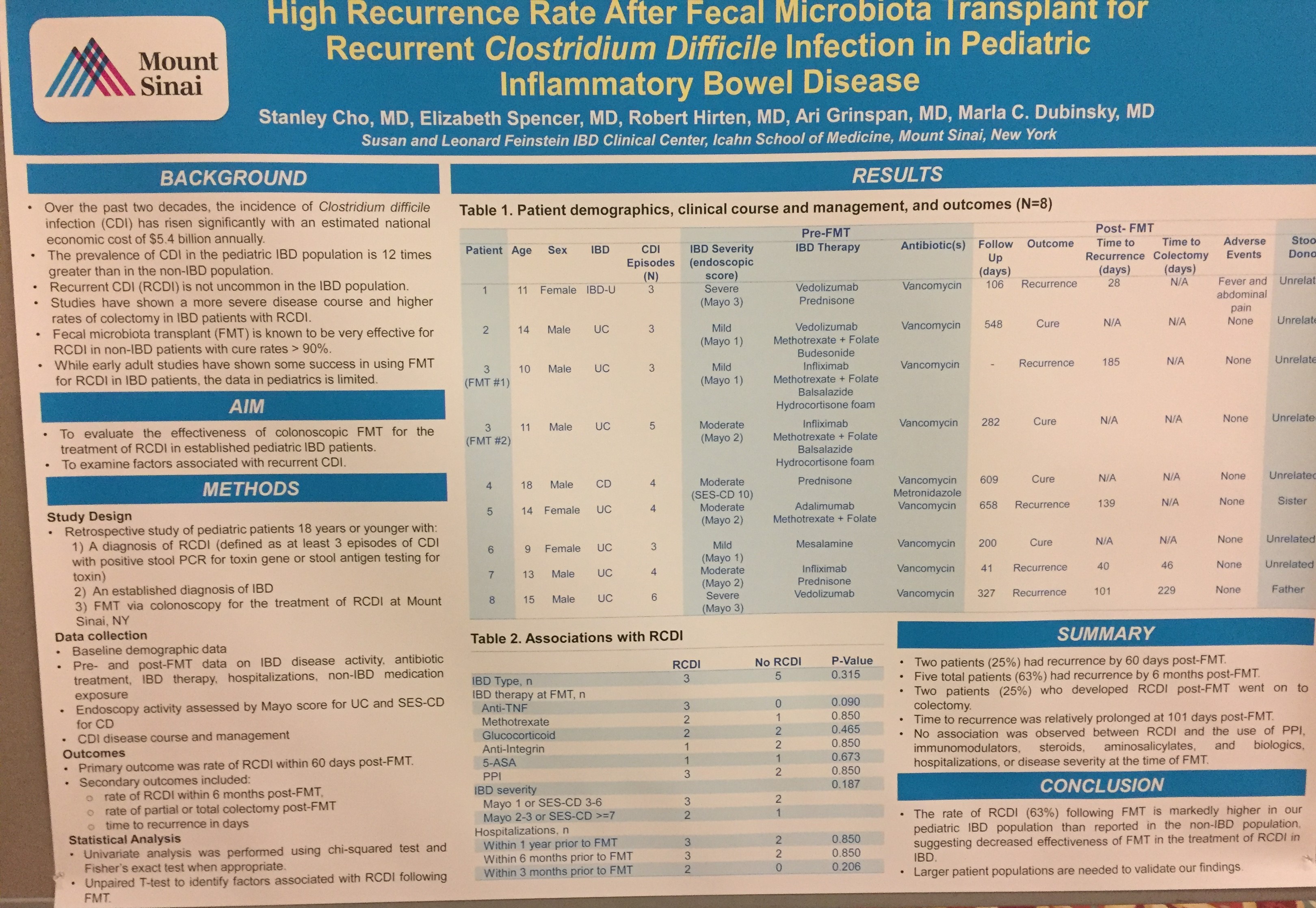
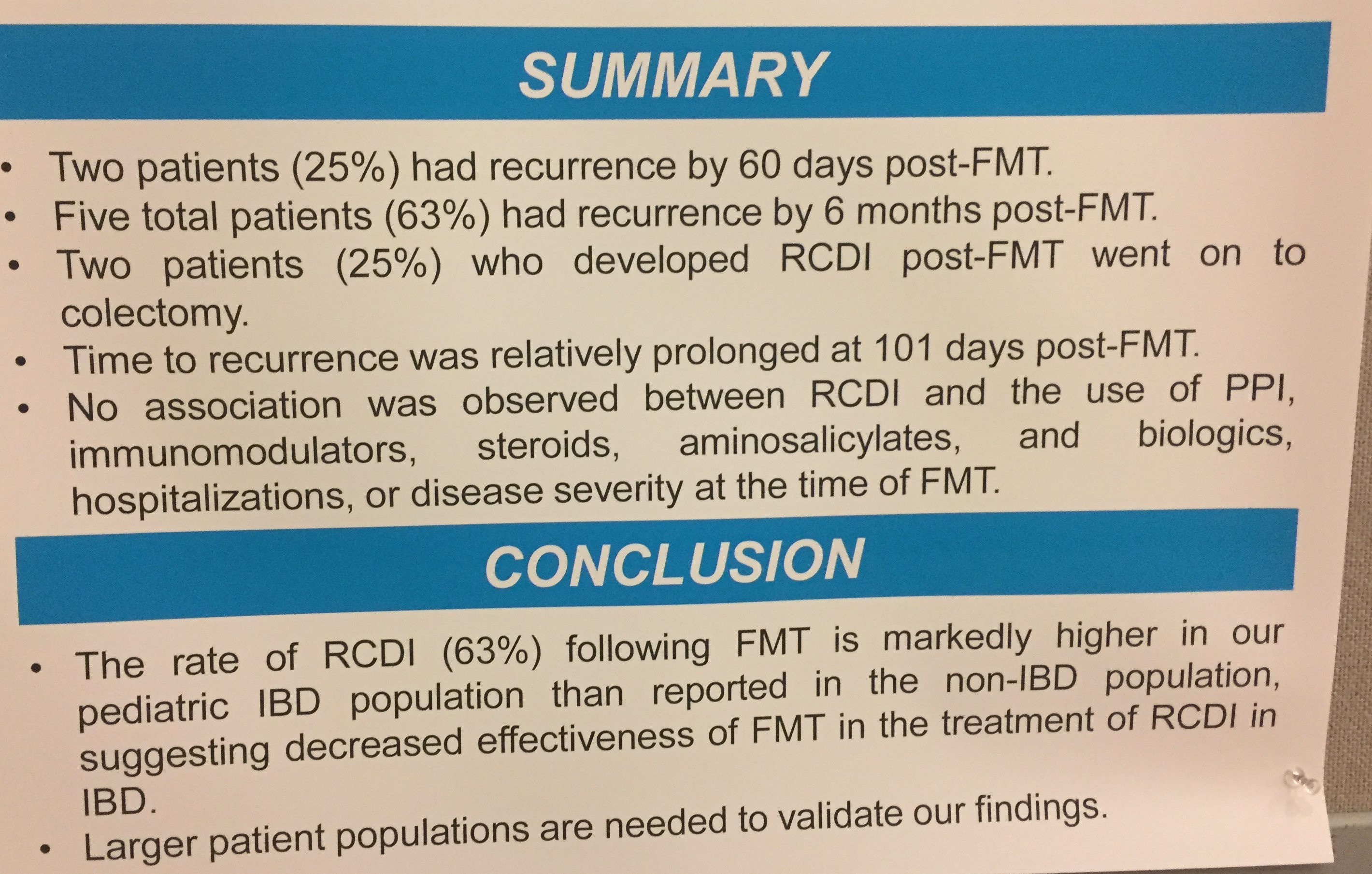
The next pictures are from a poster discussing high rates of recurrent C difficile infection following fecal microbial transplantation in pediatric patients with inflammatory bowel disease (mainly ulcerative colitis).  An inference from this study would be that many cases of C difficile that were attributed as causing symptoms could in fact have been from a flare up of their IBD.  More details about the diagnosis of C difficile (based on PCR or ELISA) would be helpful

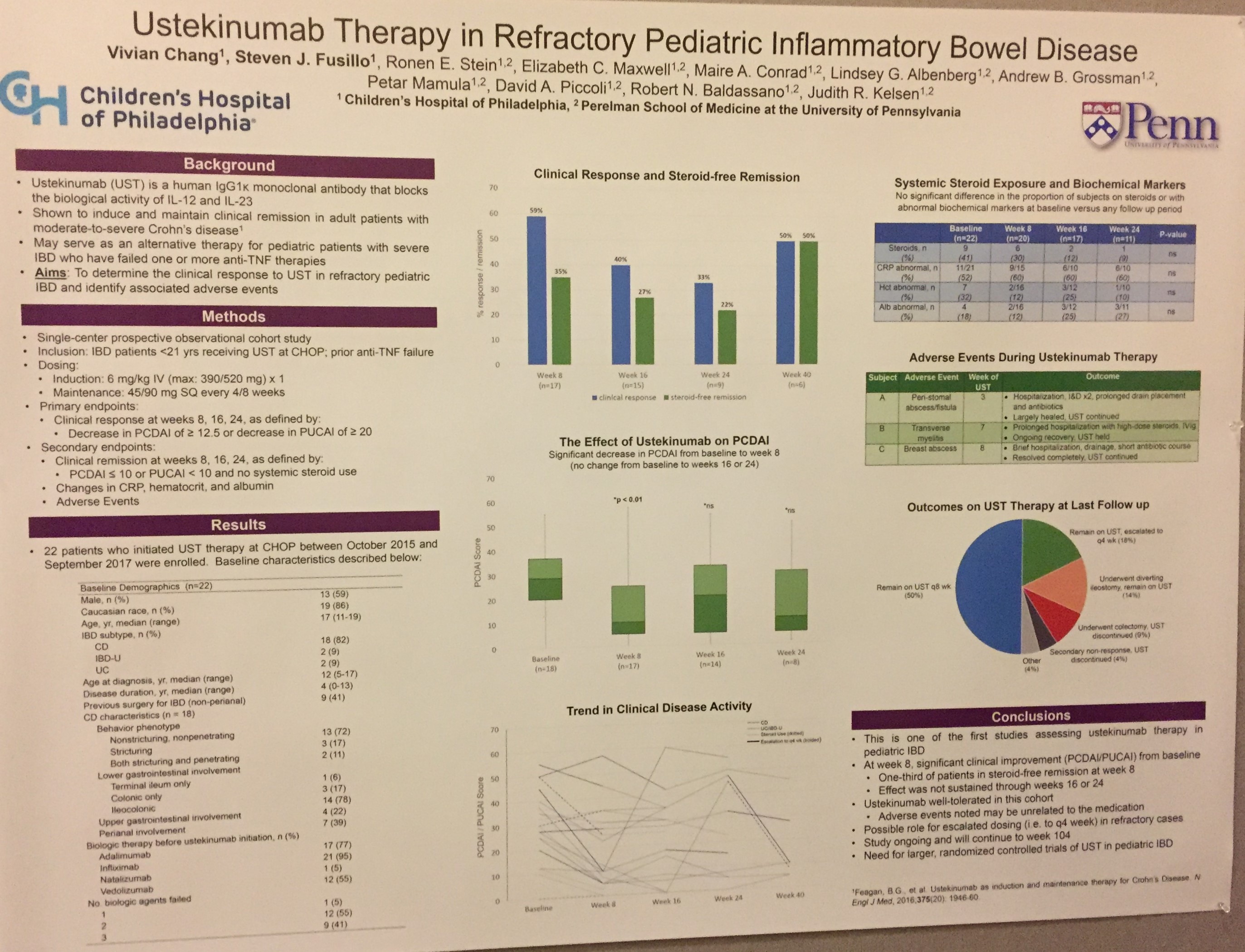
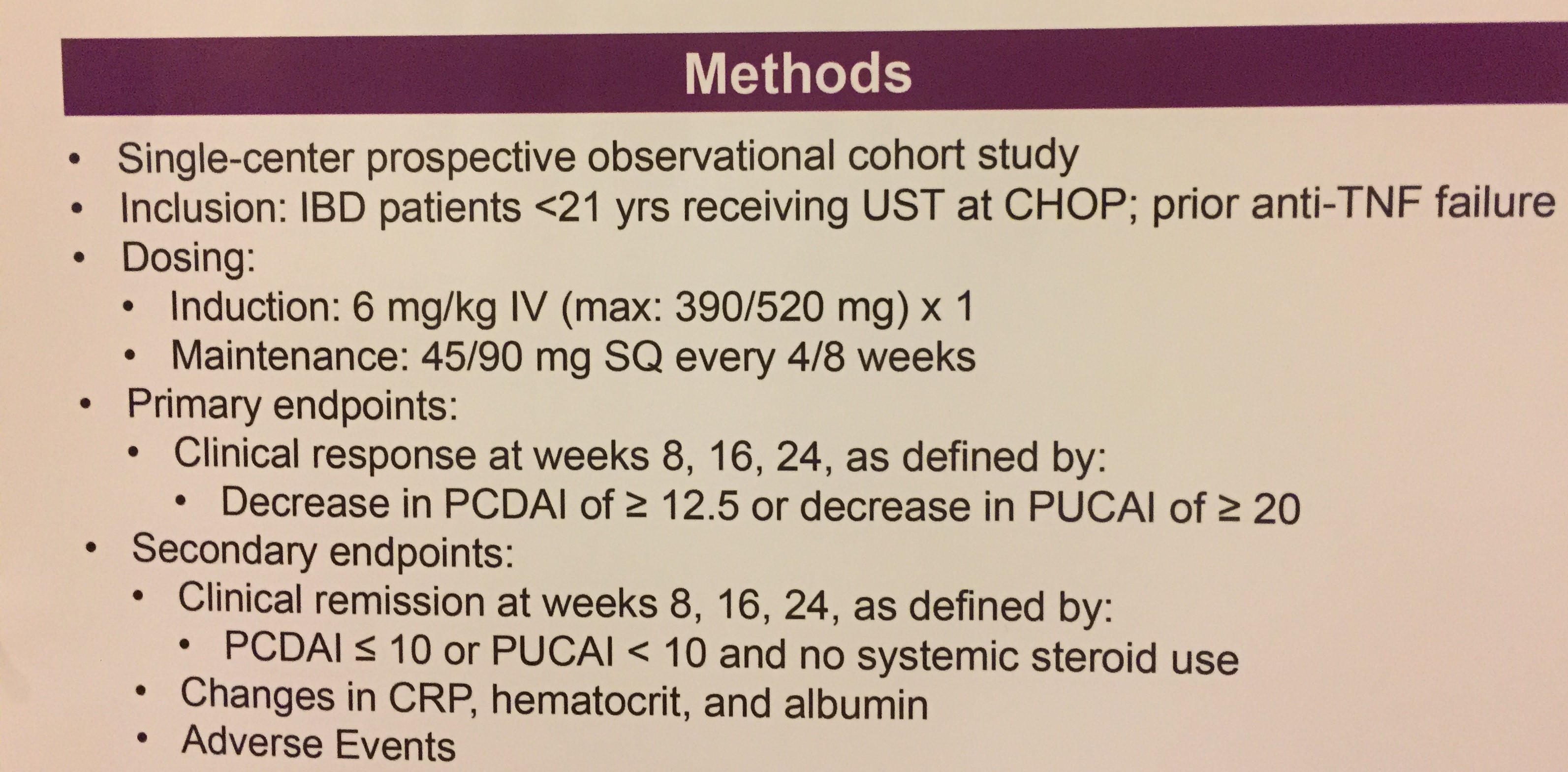
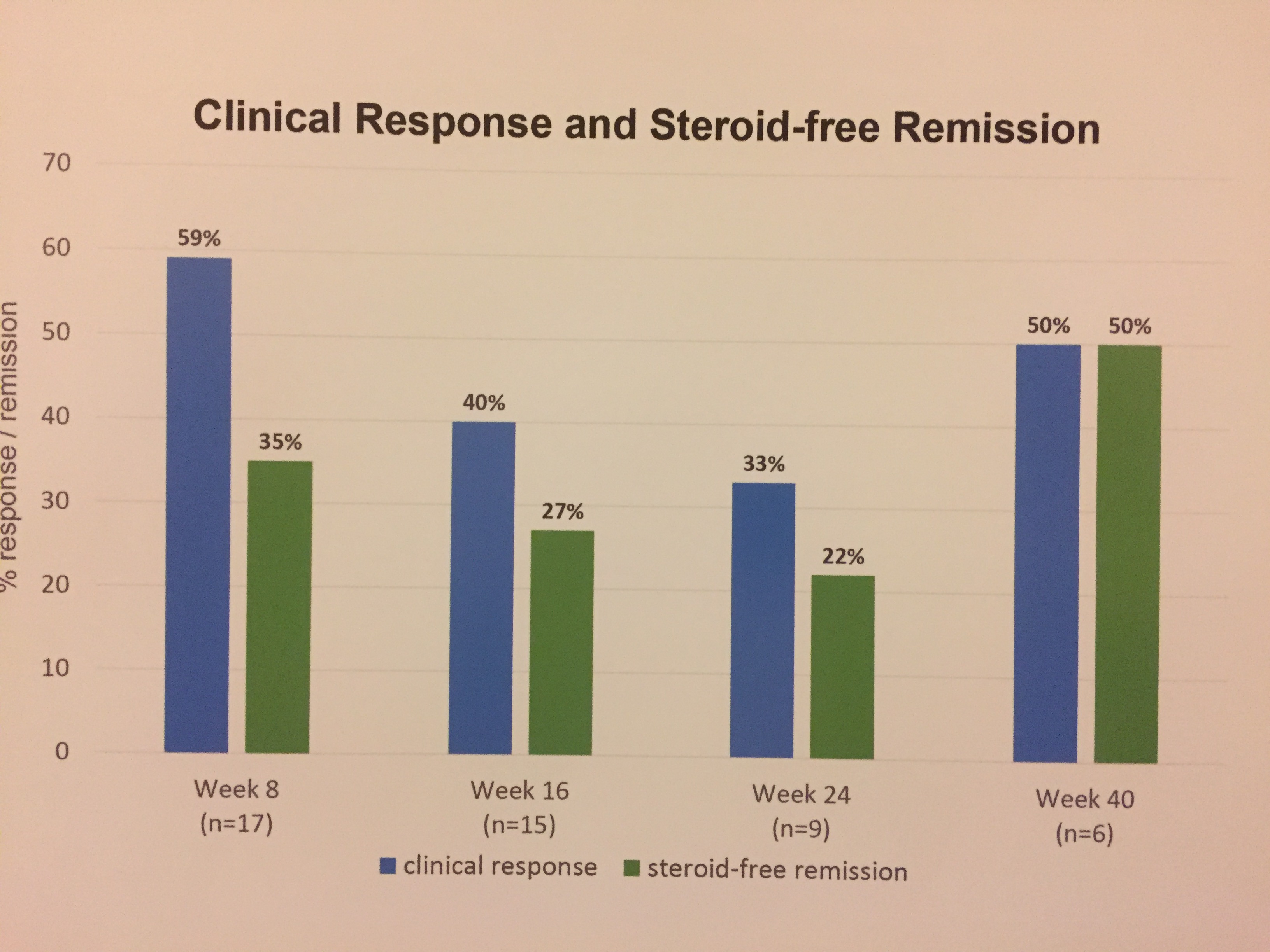
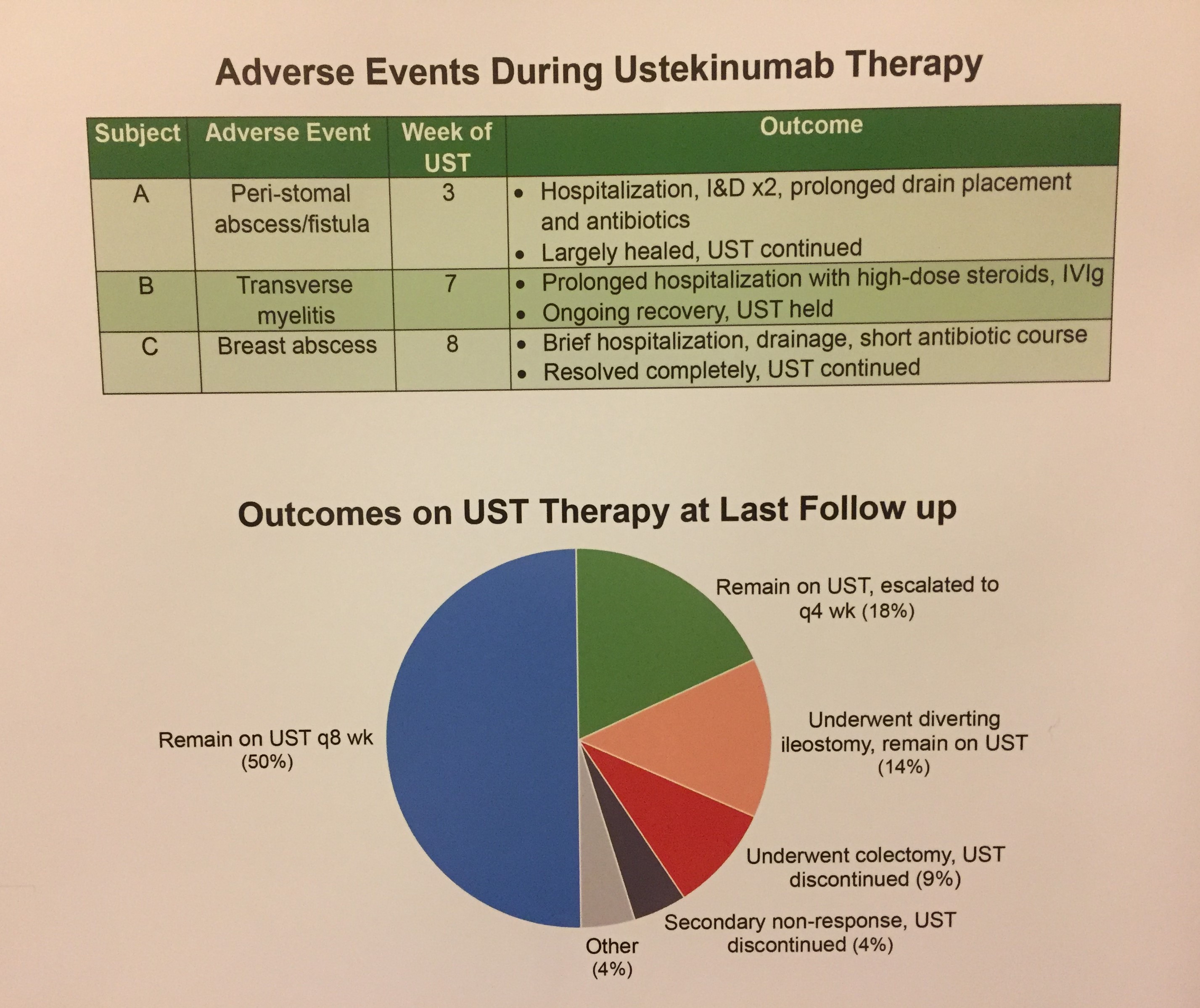
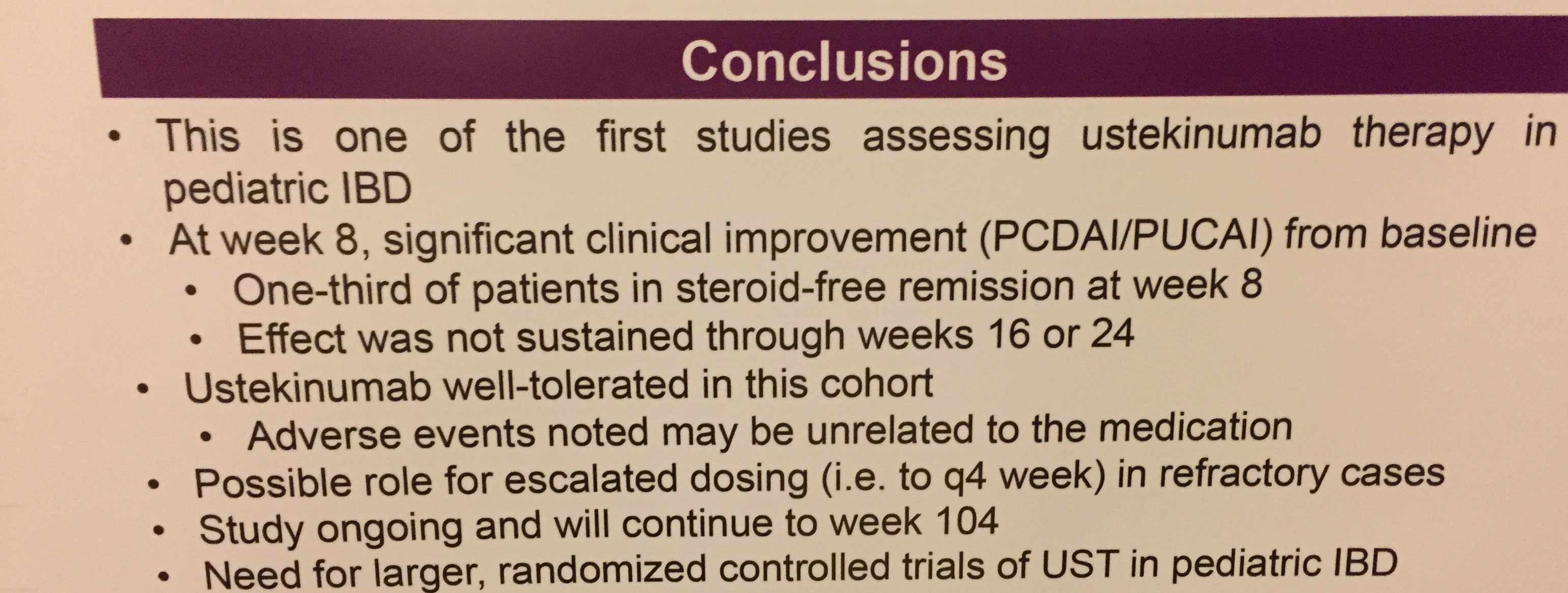
The next poster provides data from CHOP experience with Ustekinumab.  Overall, in this highly-selected (refrcactory) population the long term improvement was low; while one-third had steroid-free remission at week 8, this was not maintained at week 16 and week 24.  In addition, among the 22 patients, one developed transverse myelitis.

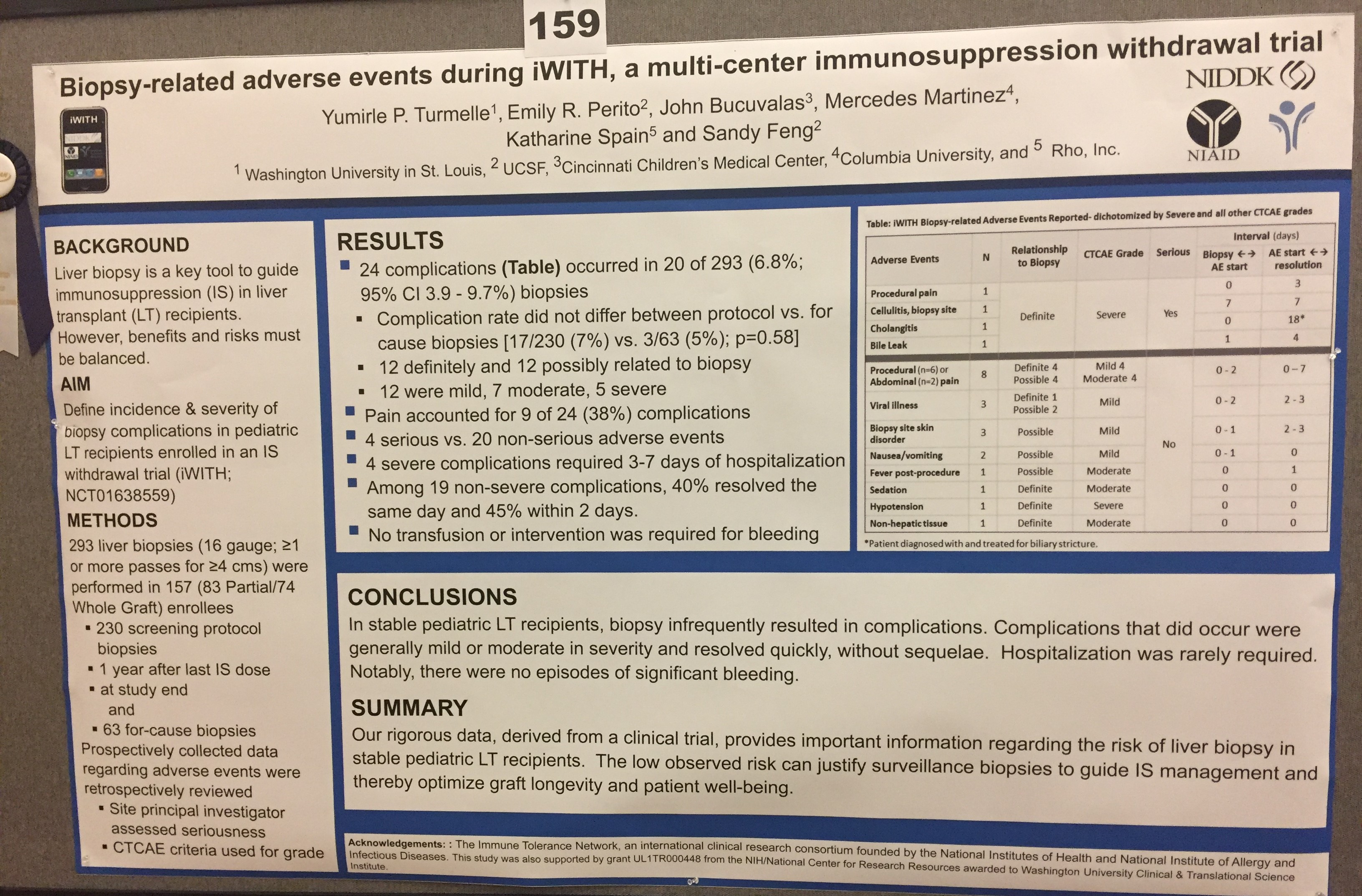
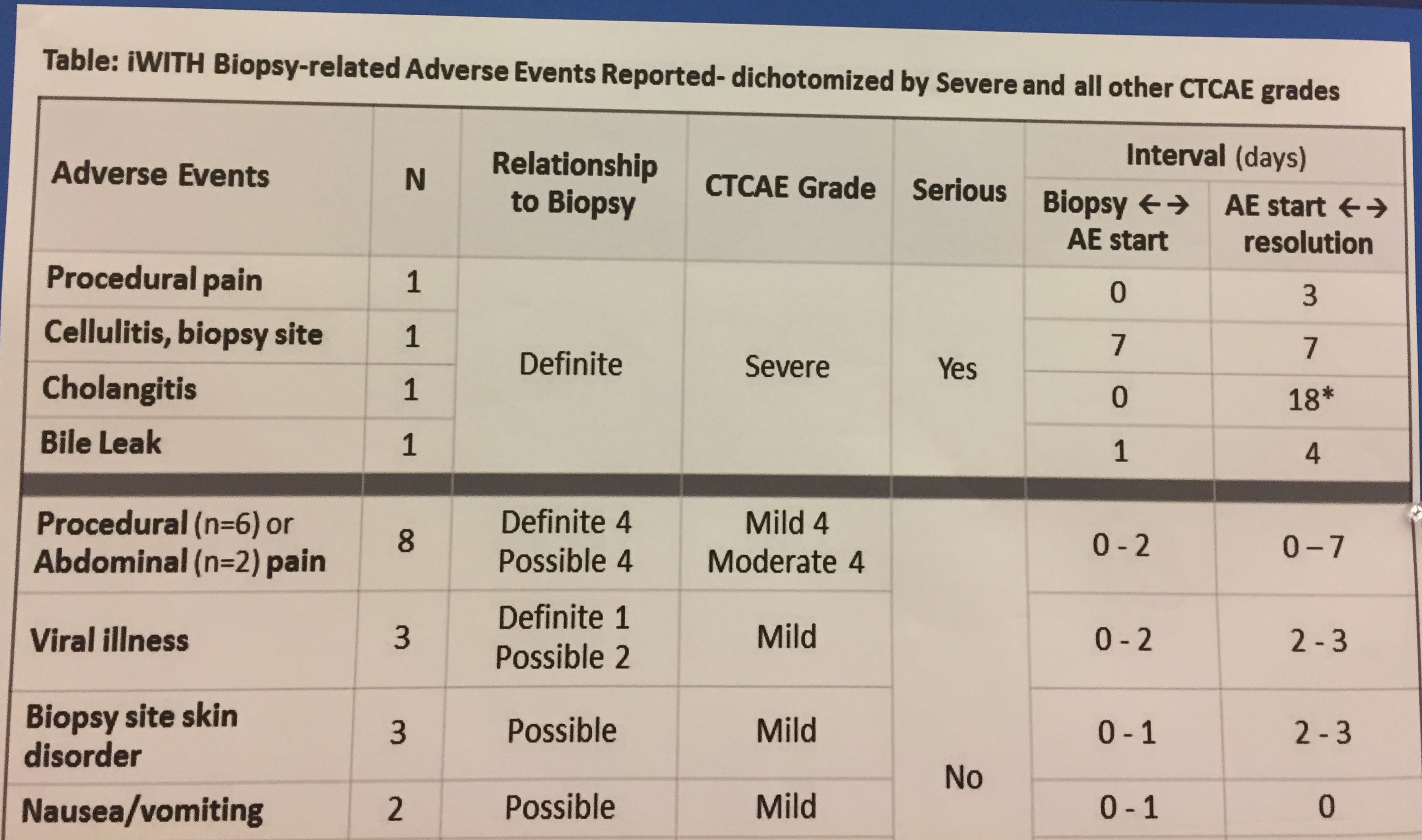
This study that follows (next two pics) documented the relative safety of liver biopsies (mainly percutaneous without interventional radiology) in the post-transplant period.  The two most serious adverse events, cholangitis and bile leak, helped identify biliary strictures.

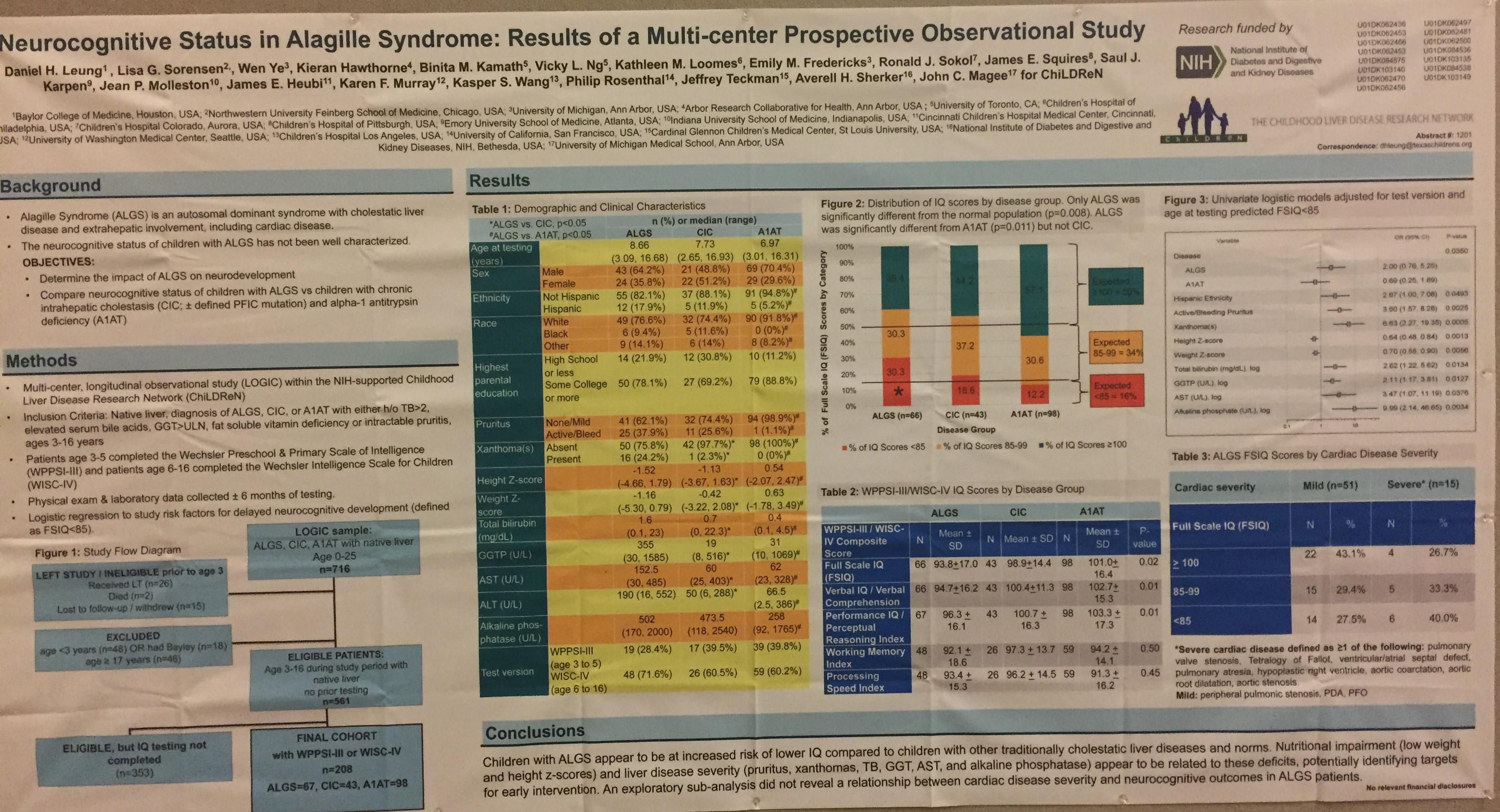
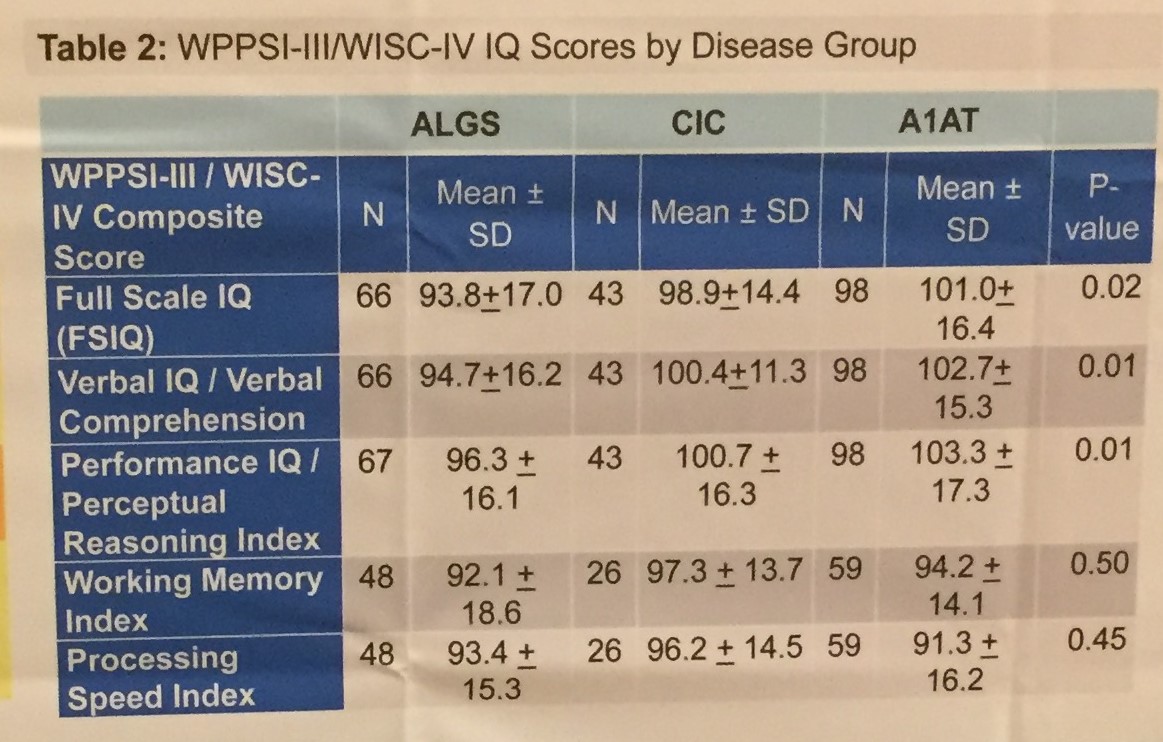
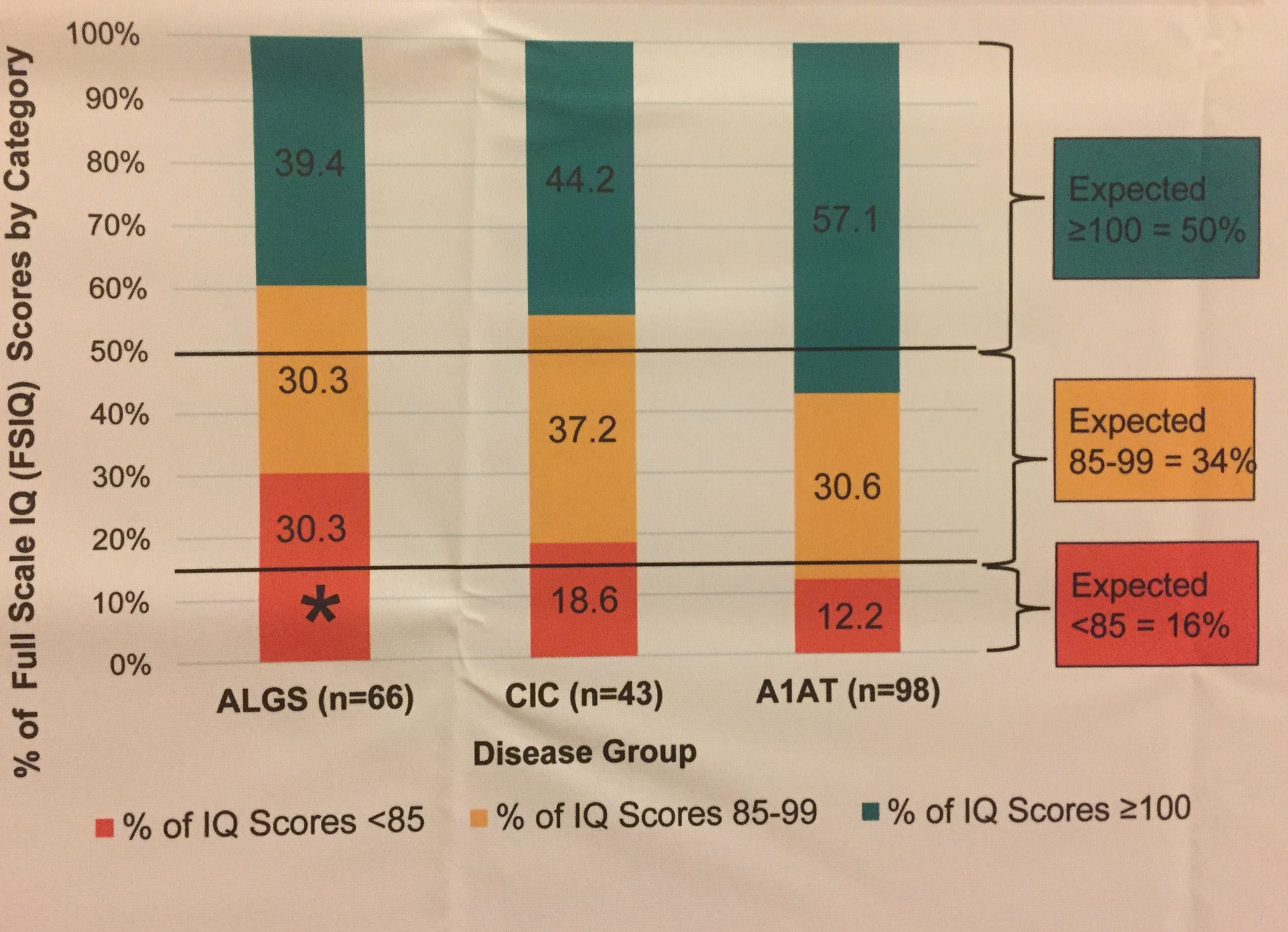
The following collaborative study examined the neurocognitive status of children with Alagille syndrome.  Overall, this study shows that children with Alagille syndrome are at increased risk of low IQ compared to children with other cholestatic diseases.