Pediatric Fatty Liver Disease is a Reversible Disease

S Lefere et al. Clin Gastroenterol Hepatol 2022; 20: 2317-2326. Open Access! Intensive Lifestyle Management Improves Steatosis and Fibrosis in Pediatric Nonalcoholic Fatty Liver Disease

In this prospective study with 204 children with severe obesity, intensive lifestyle changes were implemented. Key findings:

  • After 6 months, the median body weight loss was 16.0% in the 167 patients evaluated
  • Fibrosis improved in 75.0% (P < .001) (33% had F2 or higher fibrosis at baseline per elastography)
  • Fasting serum alanine aminotransferase and homeostasis model assessment of insulin resistance decreased significantly over the 1-year period (P < .001)

T Khurana et al. J Pediatr 2022; 250: 61-66. Clinically Meaningful Body Mass Index Change Impacts Pediatric Nonalcoholic Fatty Liver Disease

In this retrospective study with 784 children, Key findings:

  • Of these children, 168 (31%) had a BMIz (BMI z-score) change of >−.25 from baseline over a median of 367 days (IQR, 201-678 days). Thus, ~1/3rd of children achieved a drop in BMIz with lifestyle advice
  • A BMIz reduction of >.25 was associated with significant improvements in serum aminotransferase levels.

My take: These pediatric studies replicate similar findings from adult studies showing that modest reductions in weight are associated with improvement in NAFLD. However, most patients are not successful with lifestyle advice which underscores the need for pharmacotherapy.

Related blog posts:

Siesta Key, FL

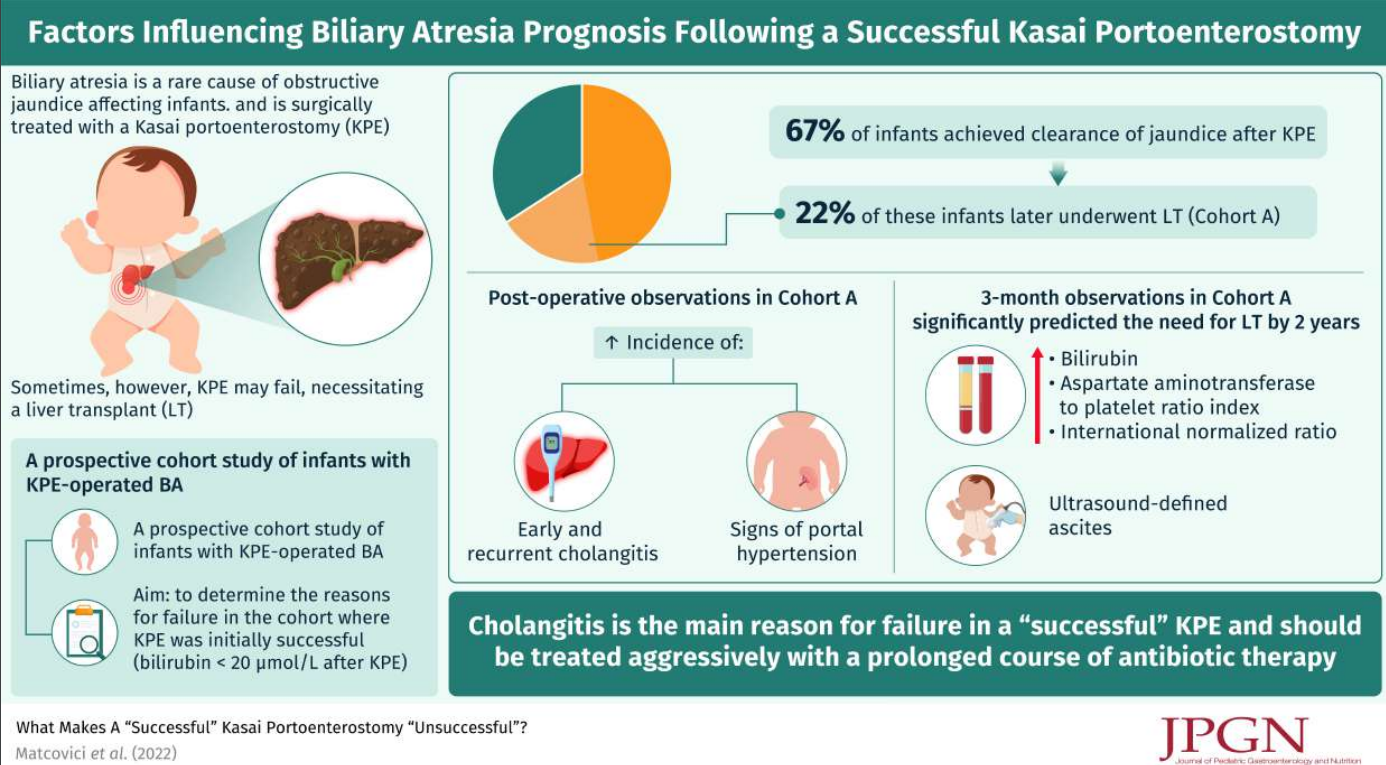
“What Makes A “Successful” Kasai Portoenterostomy “Unsuccessful”?

M Matcovici et al. JPGN 2023; 76: 66-71. What Makes A “Successful” Kasai Portoenterostomy “Unsuccessful”?

Methods: This review of a single-center prospective biliary atresia (BA) database examined which factors were associated with long-term success of a Kasai portoenterostomy (KPE). Successful KPE was defined by achieving a postoperative bilirubin of ≤20 µmol/L. Cholangitis was based on Tokyo (Adult) Guidelines (Calculator MD Calc: Tokyo Guidelines for Acute Cholangitis 2018). Explanation of Tokyo Guidelines: Tokyo Classification Cholangitis

Key findings:

  • 90 (67%) achieved clearance of jaundice after KPE. From these 20 (22%) (Cohort A) underwent LT with the remainder continuing with native liver (Cohort B) (median follow-up of 4.15 years)
  • Postoperatively, both cholangitis [any episode, 18/20 (90%) vs 15/70 (21%); P < 0.0001] and portal hypertension (PHT) [gastrointestinal (GI) bleed, 10/20 (50%) vs 2/70 (2.8%); P < 0.0001] were significantly more common in cohort A

My take: The authors assert that “failure is not preordained at KPE but due to recurrent cholangitis and/or symptoms of PHT.” In my view, this study shows an association but not causation of cholangitis/PHT with increased likelihood of KPE failure. It is quite possible that the cholangitis develops in those with suboptimal bile flow; thus, cholangitis (as well as PHT) may be an indicator that the KPE is not working as well, rather than the reason. Yet, it is also likely that episodes of cholangitis exacerbate any underlying problems.

Related blog posts:

Liver Briefs: HLH in Infancy, Maralixibat for Alagille Syndrome, Liver Disease Due to Inborn Errors of Immunity

N Hadzic et al. J Pediatr 2022; 250: 67-74. High Prevalence of Hemophagocytic Lymphohistiocytosis in Acute Liver Failure of Infancy In this retrospective study of pediatric acute liver failure (PALF, n=78) in children <24 months of age: Thirty of the 78 children had the HLH phenotype and underwent genetic assessment, which demonstrated positive findings in 19 (63.3%), including 9 (30%) with biallelic primary HLH mutations and 10 (33.3%) with heterozygous mutations and/or polymorphisms. The mortality in this group was 33% (n=10). The authors conclude that targeted genetic analysis (ie perforin, SIAP, XIAP, and GRA) or whole exome sequencing should become a standard part of PALF workup.

Related blog posts:

BM Kamath et al. J Pediaatr 2023; 252: 68-75. Open Access! Maralixibat Treatment Response in Alagille Syndrome is Associated with Improved Health-Related Quality of Life. Twenty of the 27 patients (74%), all with moderate-to-severe pruritus at enrollment, achieved an Itch-Reported Outcome (Observer) treatment response at week 48. “The significant improvements in pruritus seen with maralixibat at week 48 of the ICONIC study are clinically meaningful and are associated with improved HRQoL.”

Related blog posts:

D Sharma et al. Hepatology 2022; 76: 1845-1861. Tip of the iceberg: A comprehensive review of liver disease in Inborn errors of immunity This articles reviews inborn errors of immunity (IEI) and their liver manifestations. This includes the following:

  • T-cell/B-cell deficiency: SCID, CD40 ligand deficiency, DOCK8 deficiency, IL-21R deficiency, and Activated P13K delta syndrome
  • Antibody deficiency: CVID, X-linked aggamoglobulinemia
  • Phagocytic disorders: CGD
  • Primary Immune Regulatory Disorders: STAT1 GOF, STAT3 GOF, IPEX, APECED
  • Others: Wiskott-Aldrich syndrome, Immunodeficiency-centromeric instability-facial anomalies syndrome, Hepatic veno-occlusive disease with immunodeficiency, STAT3-deficient hyper IgE syndrome

In patients with IEIs with liver abnormalities, one needs to consider infectious etiologies (eg. HAV, HBV, HCV, HEV, CMV, EBV, HSV, cryptosporidium, liver abscess), autoimmune disorders (eg. AIH), drug-induced liver disease, and sclerosing cholangitis

Royal Terns at Siesta Key, FL

Most Popular 2022 Posts

The list of the most viewed gutsandgrowth blog posts in 2022.

Links to Posts:

MMP-7 Helps Sort Out Biliary Atresia from Parenteral Nutrition-Associated Liver Disease

PS Salvi et al. J Pediatrics 2022; 249: 97-100. Open access! Comparing Serum Matrix Metalloproteinase-7 in Parenteral Nutrition-Associated Liver Disease and Biliary Atresia

In this single-center retrospective study with 19 patients, MMP-7 and GGT values were compared in children who were diagnosed with Parenteral Nutrition-Associated Liver Disease (PNALD, n=15) and Biliary atresia (n=4). Key findings:

  • Median MMP-7 values for PNALD patients 37.8 ng/mL was much lower than MMP-7 values for biliary atresia 112.3 ng/mL.
  • GGT values were not statistically significantly different 116 for PNALD vs 248 for biliary atresia
  • In this cohort, a MMP-7 threshold of 52.8 ng/mL had a sensitivity of 100% and specificity of 93.5% for biliary atresia.

My take: MMP-7 values reduce diagnostic uncertainty between PNALD and biliary atresia. However, there are infrequent cases of biliary atresia with lower values of MMP-7.

Related blog posts:

Two Sisters Pierre-August’s Renoir

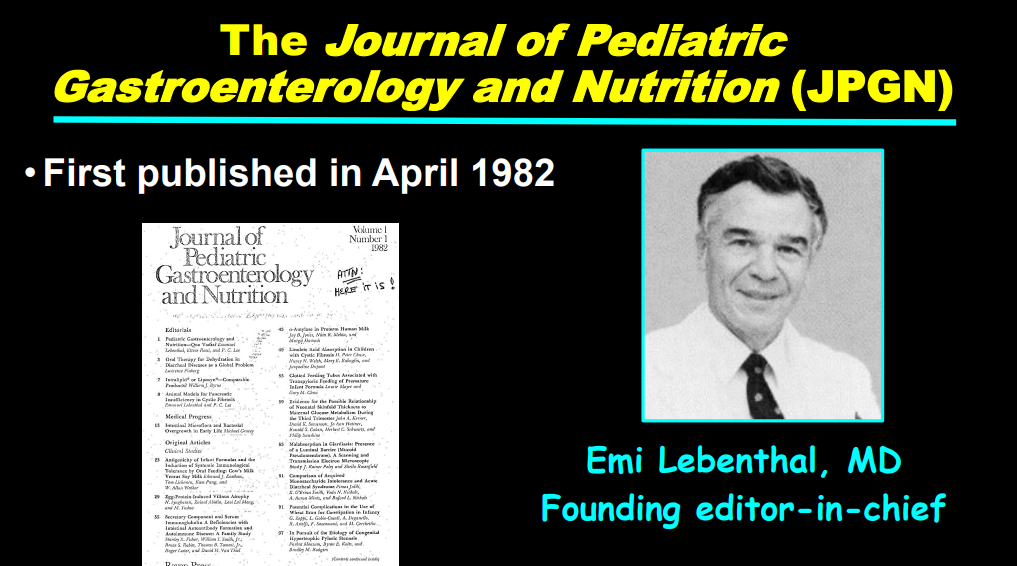
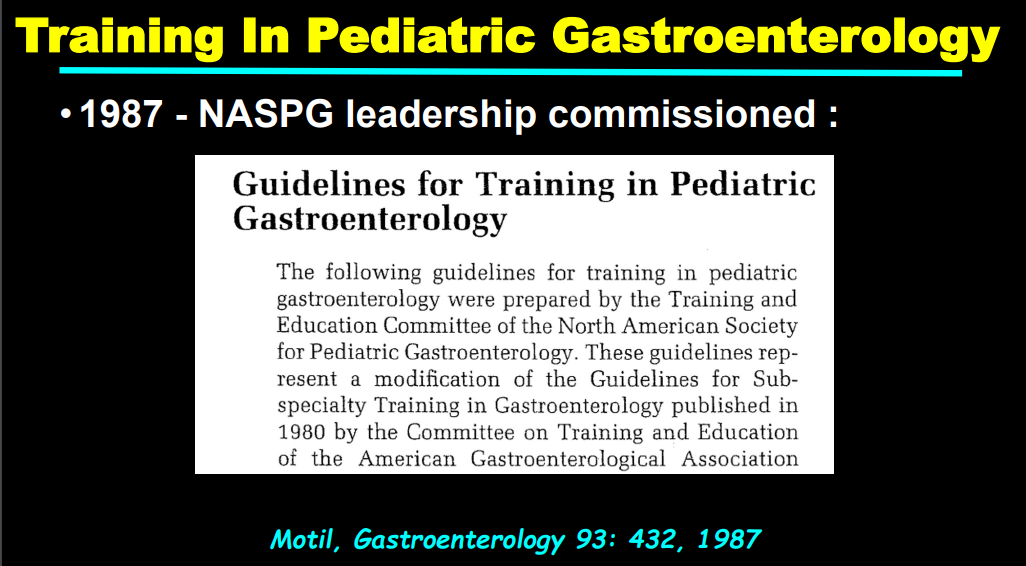
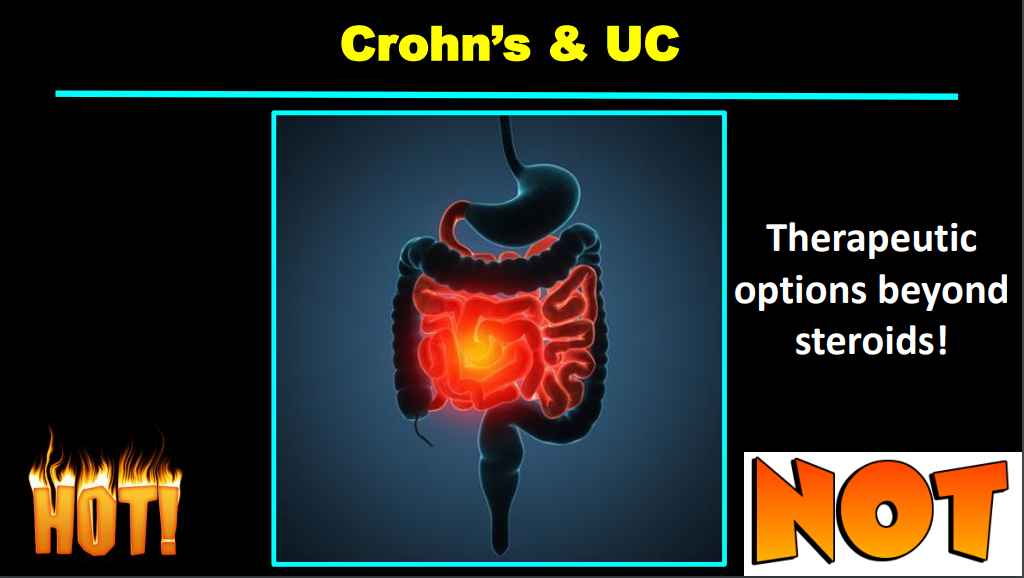
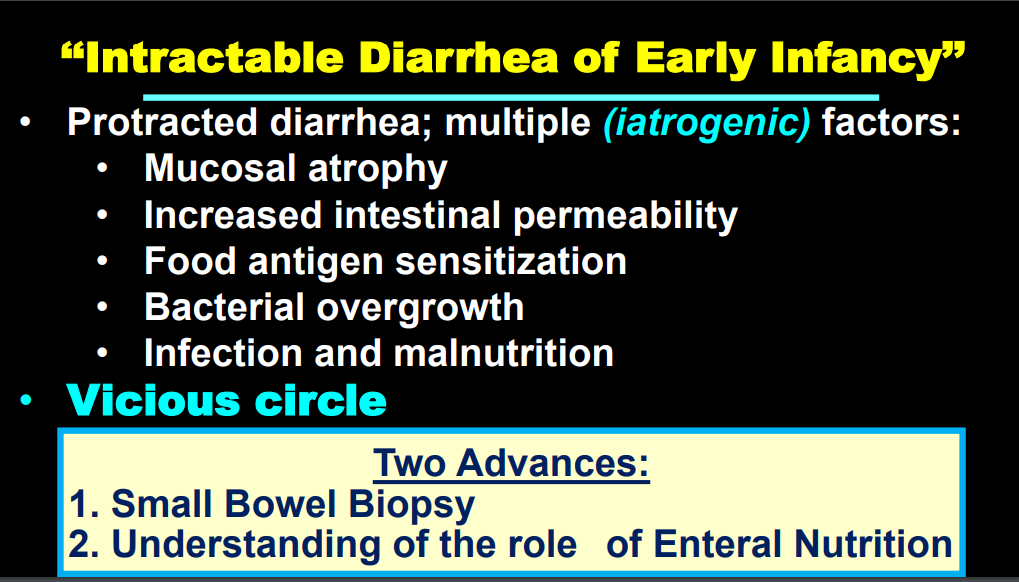
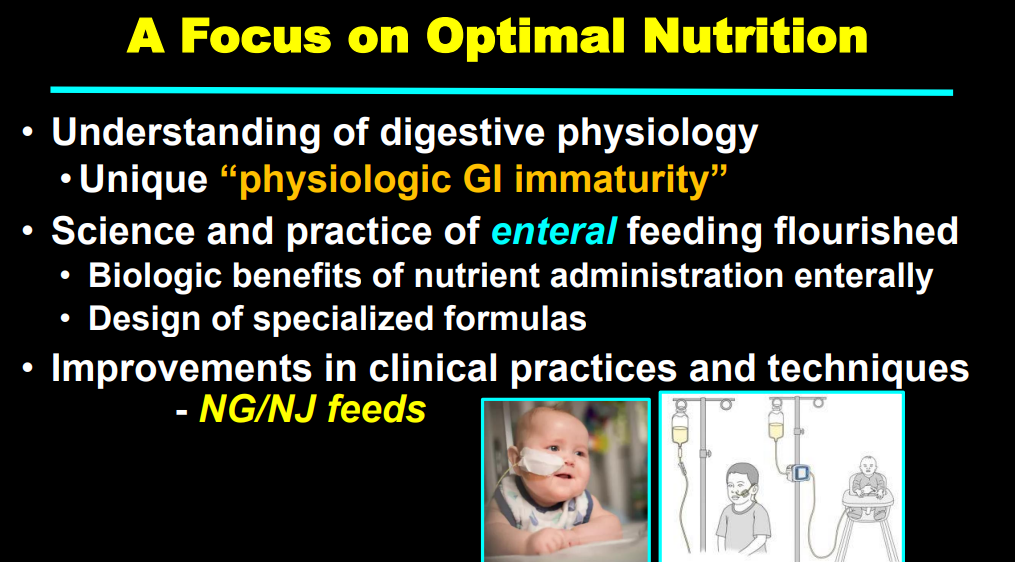
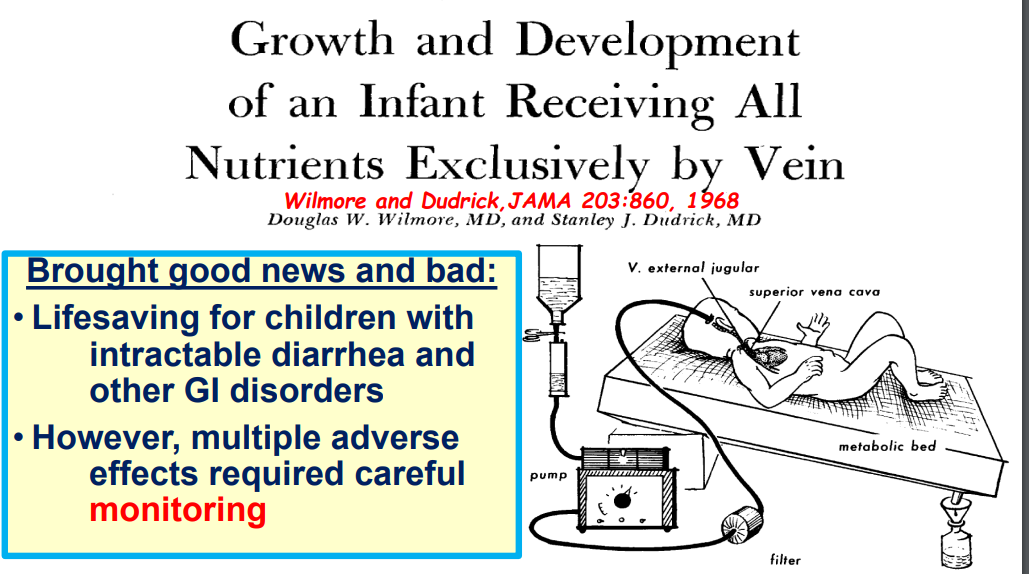
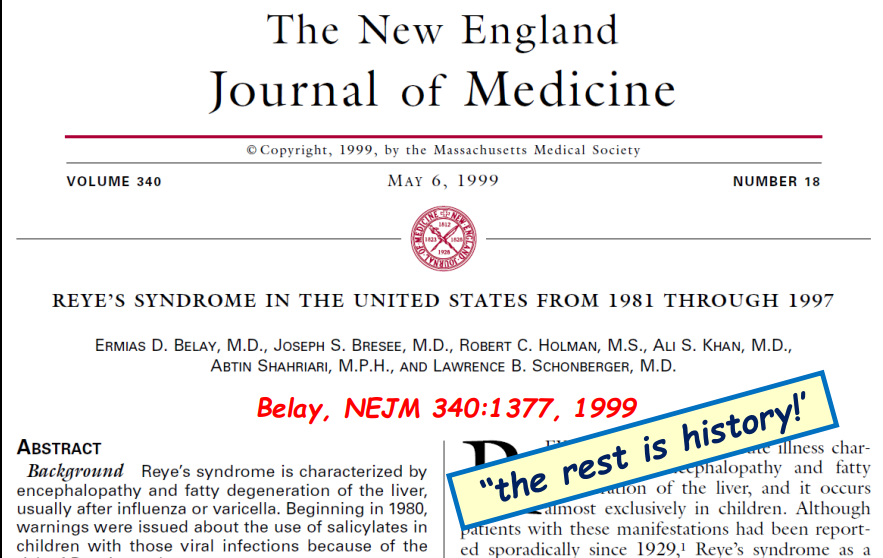
NASPGHAN22: History of Pediatric GI & Selected Slides from the William F Balistreri Lecture (Part 1)

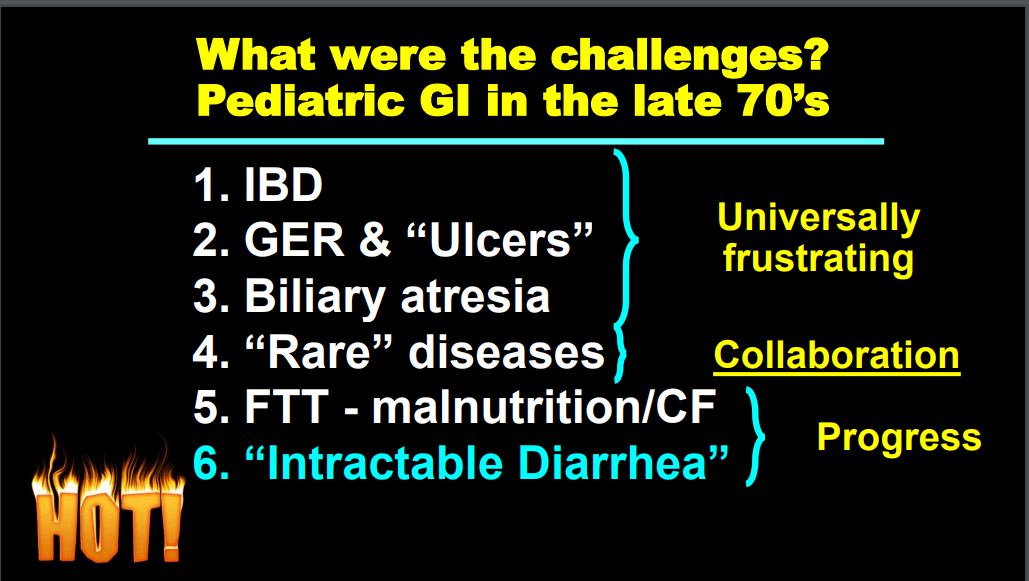
Shortly before attending medical school, I read a book by Lewis Thomas called The Youngest Science. The narrative explains the evolving of medicine into a sophisticated science. The recent Balistreri lecture (given by Dr. Balistreri himself) provides a similar narrative but focused on our specific subspecialty.

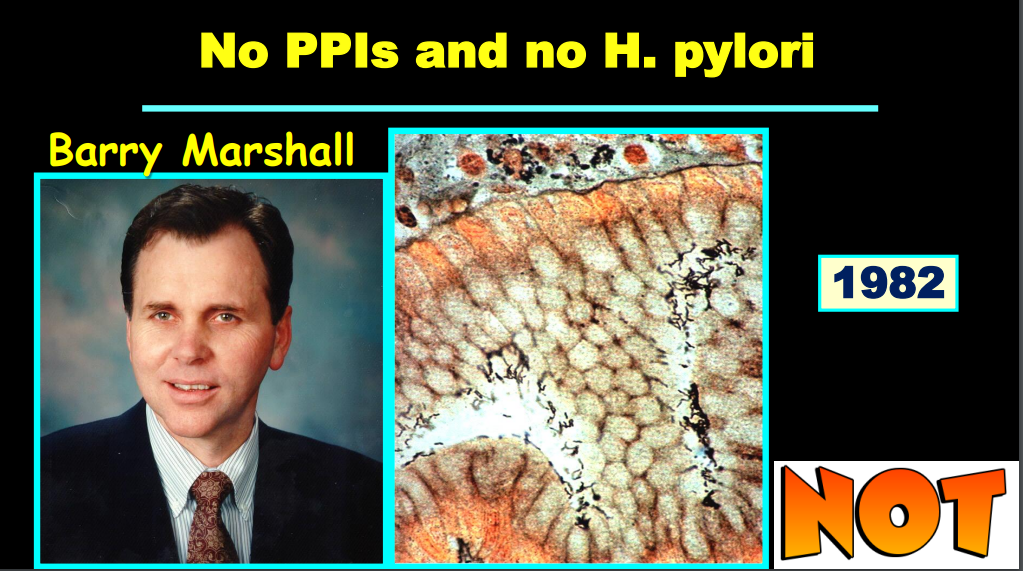
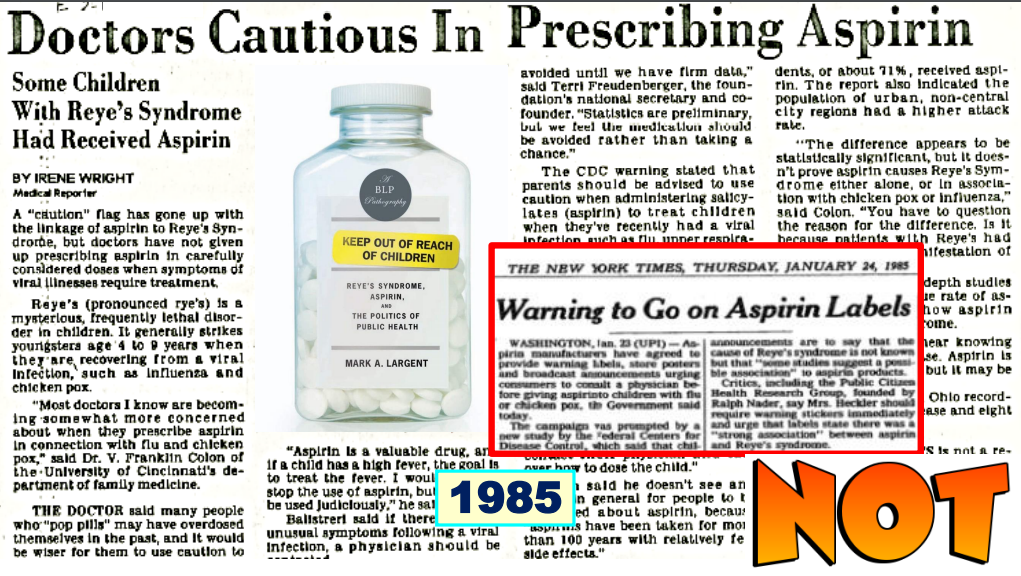
Here are some of the slides:

It was not until 1982 that the role of H pylori was recognized as a causative agent for peptic ulcer disease

Pediatric Drug-Induced Liver Injury

F Monge-Urrea, E Montijo-Barrios. JPGN 2022; 75: 391-395. Drug-induced Liver Injury in Pediatrics

Background: Antibiotics and antiepileptics remain the most frequent causes of DILI. DILI may result in severe outcomes (eg liver transplant) in up to 5% of cases and could result in chronic liver disease in ~20%.

This is a terrific review -Figure 1 is particularly helpful. Figure 1 is an algorithm. Prior to using algorithm, review potential hepatoxcity by searching in NIH Livertox website. Next steps:

  1. Calculate pattern of injury (R score). R= ALT/ULN divided by ALP/ULN (ALP =alkaline phosphatase)
  2. Identify suspect drug. Hepatocellular (R >/=5), Mixed (R=2-5), Cholestatic (R</= 2). Examples of hepatocellular include acetaminophen, NSAIDs, Minocycline. Examples of mixed include azathioprine, and sulfasalazine. Examples of cholestatic include amoxicillin/clavulanate, and TMP/SMX
  3. Exclude alternative causes
  4. Calculate RUCAM Score (detailed in Table 1). This score can also be found at this link (open access): Overview of causality assessment in drug-induced liver injury
  5. Discontinue implicated drug and review specific therapies. For example, N-acetylcysteine for acetaminophen, and carnitine for valproate
  6. Consider liver biopsy only if suspected DILI progresses or fails to resolve on withdrawal of suspect drug (resolution can take 3-4 months)

Drug stop rules are reviewed:

  • ALT or AST values that exceed 8 times the ULN
  • ALT or AST values that exceed 5 times the ULN -hold medication for 2 weeks
  • ALT or AST values >3 times the ULN and Bilirubin >2 times the ULN
  • ALT or AST values that exceed 3 times the ULN with progressive nonspecific symptoms

Related blog posts:

Crow’s Pass Trail, AK

Disclaimer: This blog, gutsandgrowth, assumes no responsibility for any use or operation of any method, product, instruction, concept or idea contained in the material herein or for any injury or damage to persons or property (whether products liability, negligence or otherwise) resulting from such use or operation. These blog posts are for educational purposes only. Specific dosing of medications (along with potential adverse effects) should be confirmed by prescribing physician.  Because of rapid advances in the medical sciences, the gutsandgrowth blog cautions that independent verification should be made of diagnosis and drug dosages. The reader is solely responsible for the conduct of any suggested test or procedure.  This content is not a substitute for medical advice, diagnosis or treatment provided by a qualified healthcare provider. Always seek the advice of your physician or other qualified health provider with any questions you may have regarding a condition.

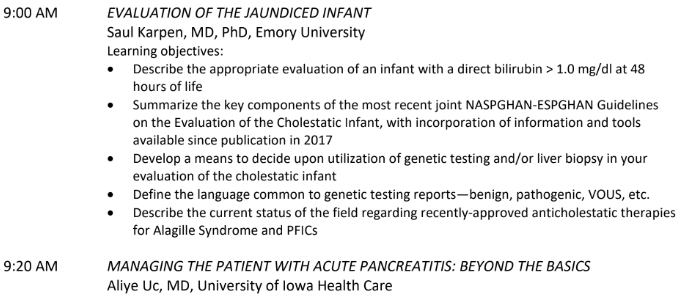
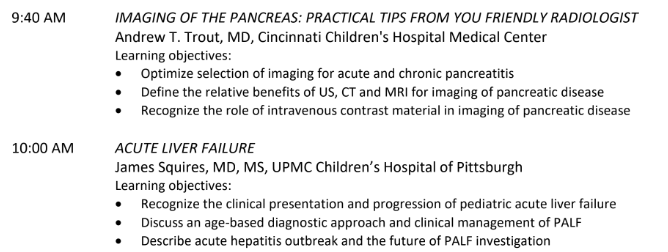
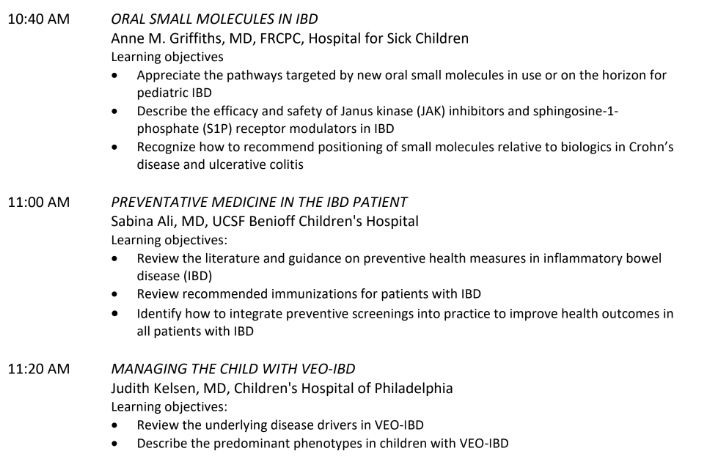
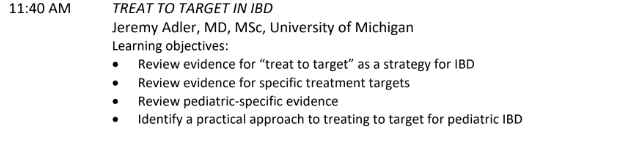
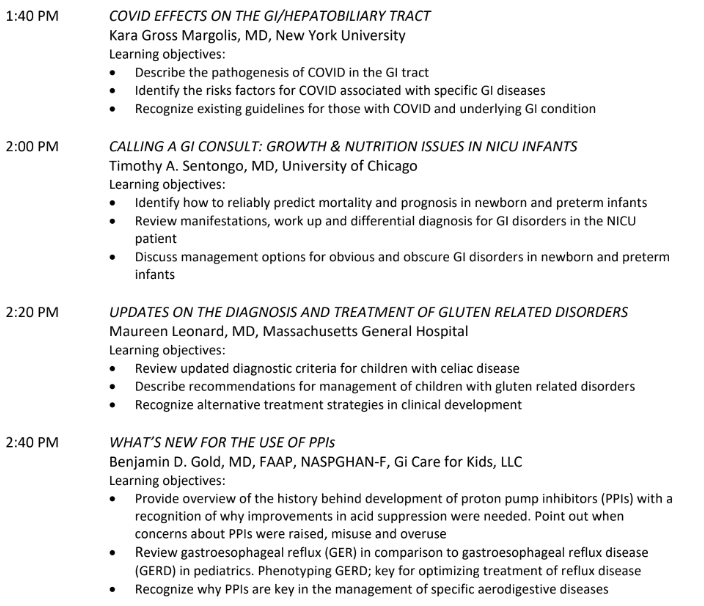
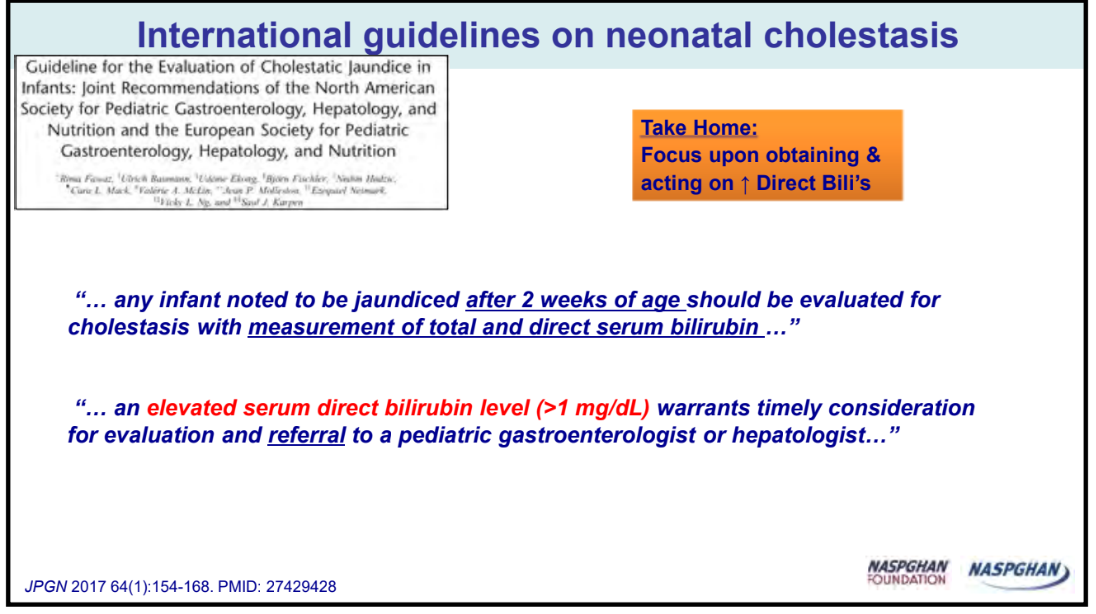
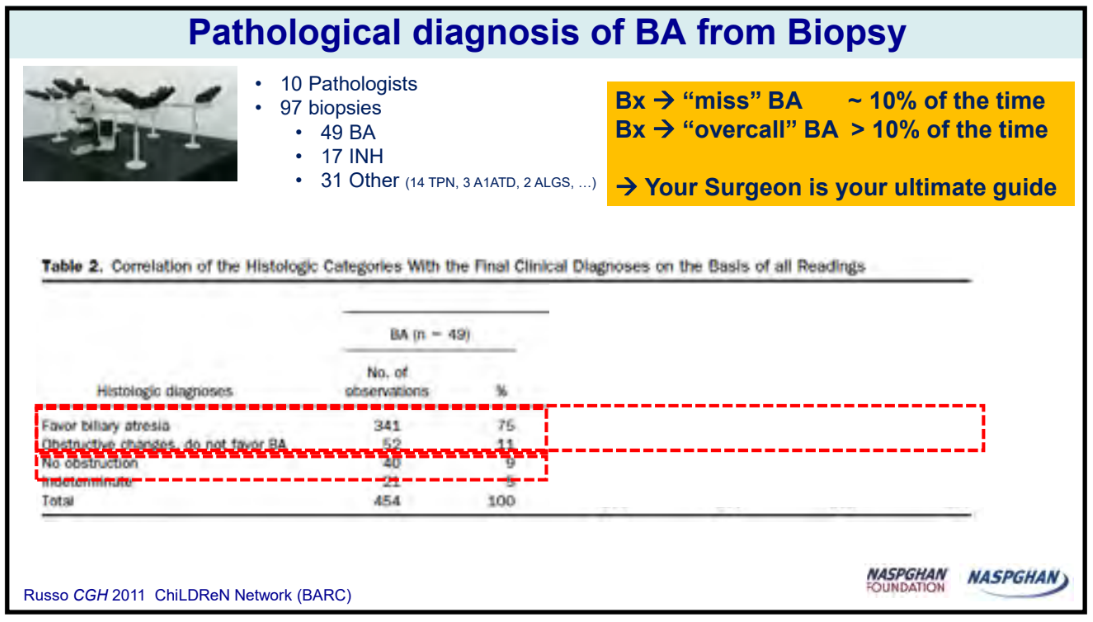
Selected Slides from NASPGHAN 2022 Postgraduate Course (Part 1)

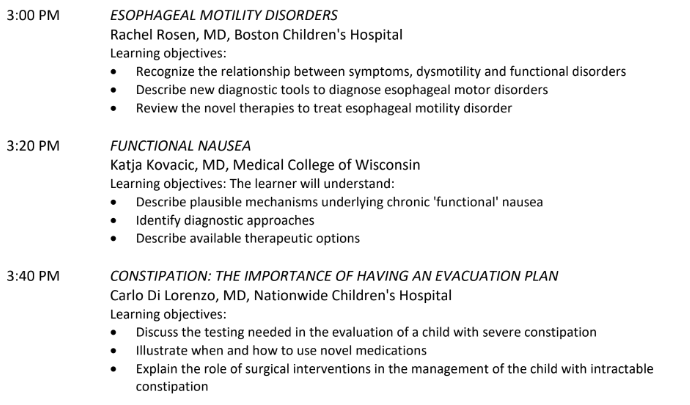
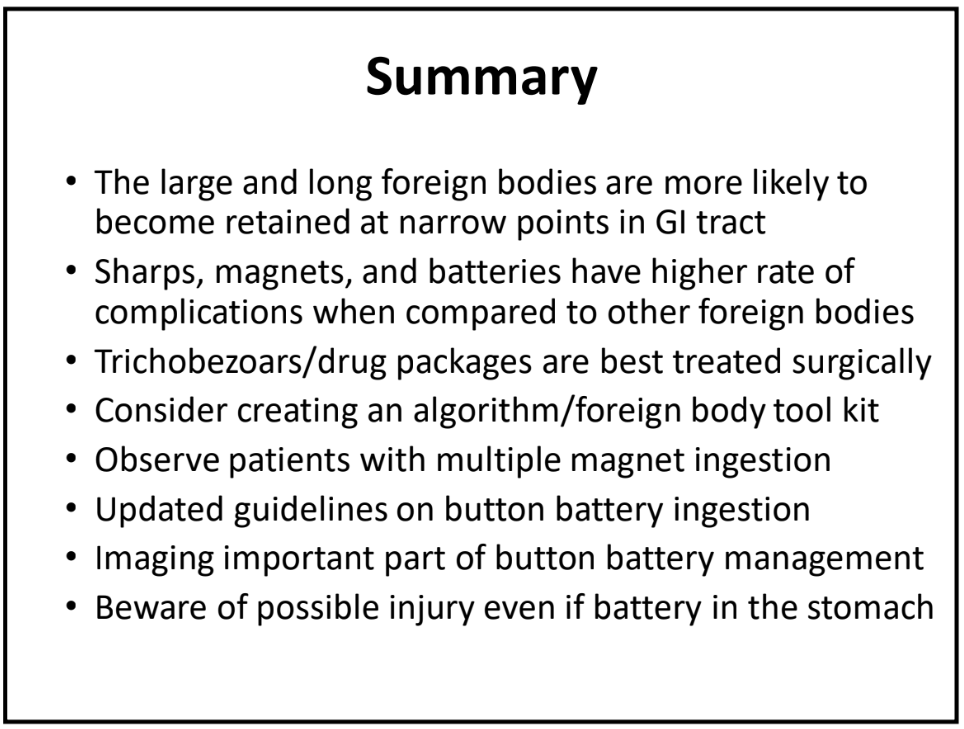
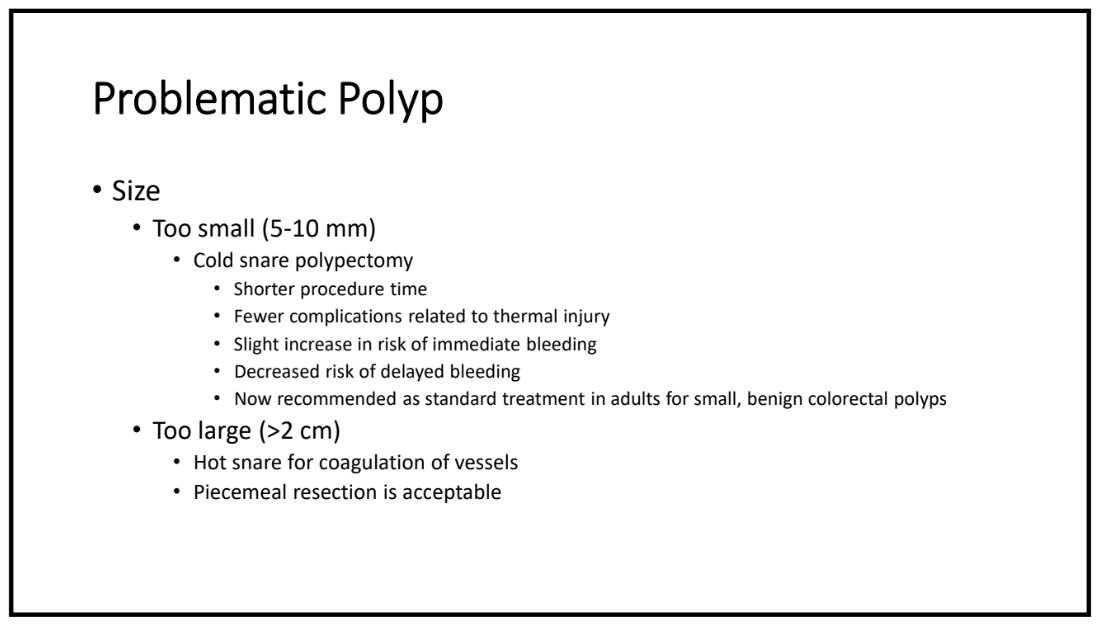
Pediatric Foreign Body Ingestions
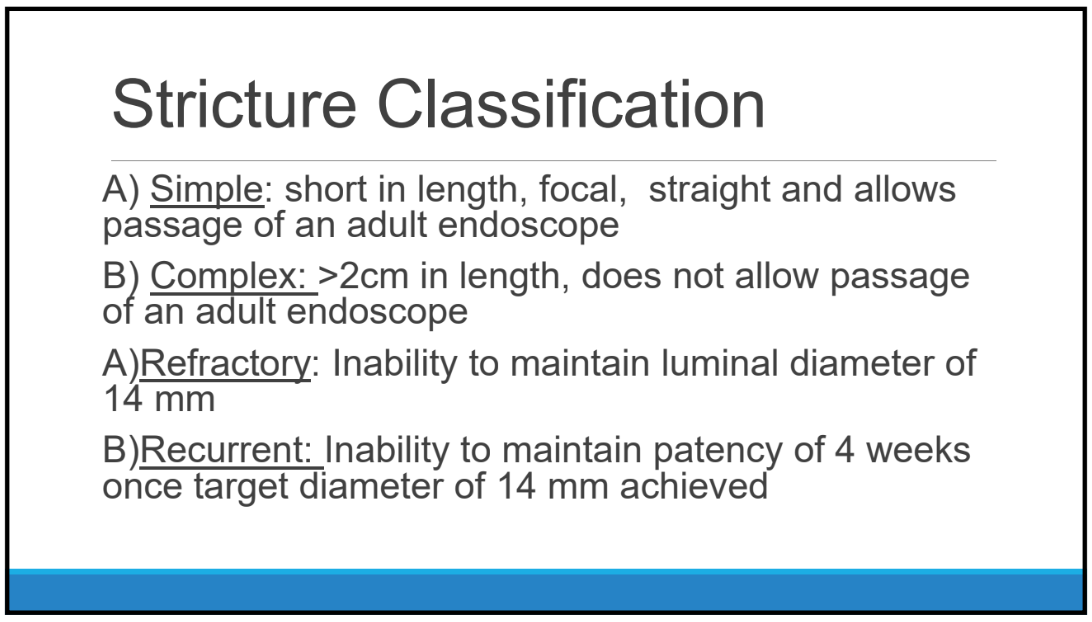
Esophageal Strictures
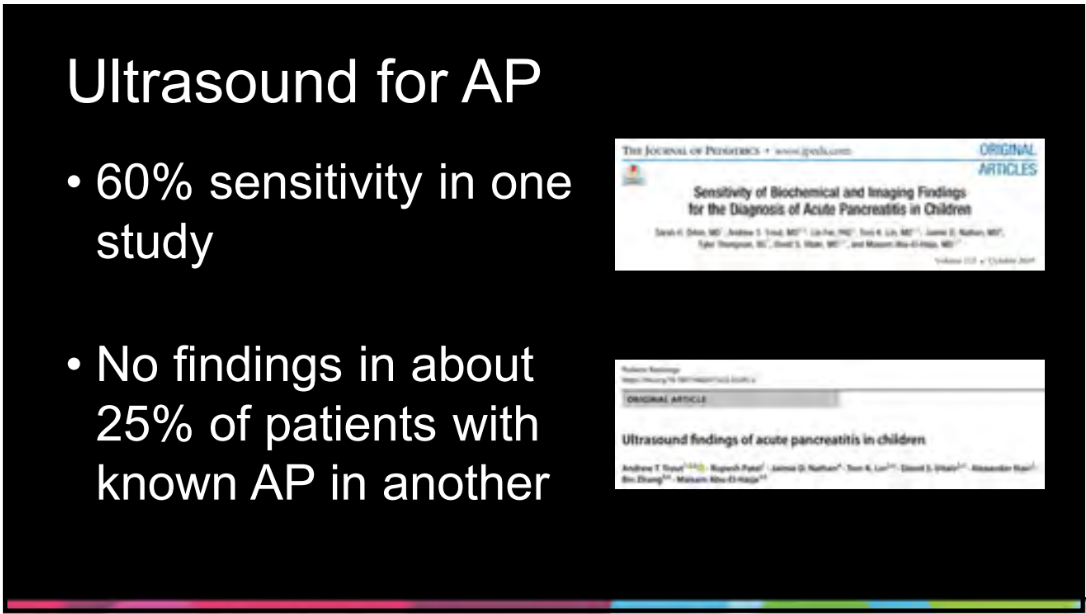
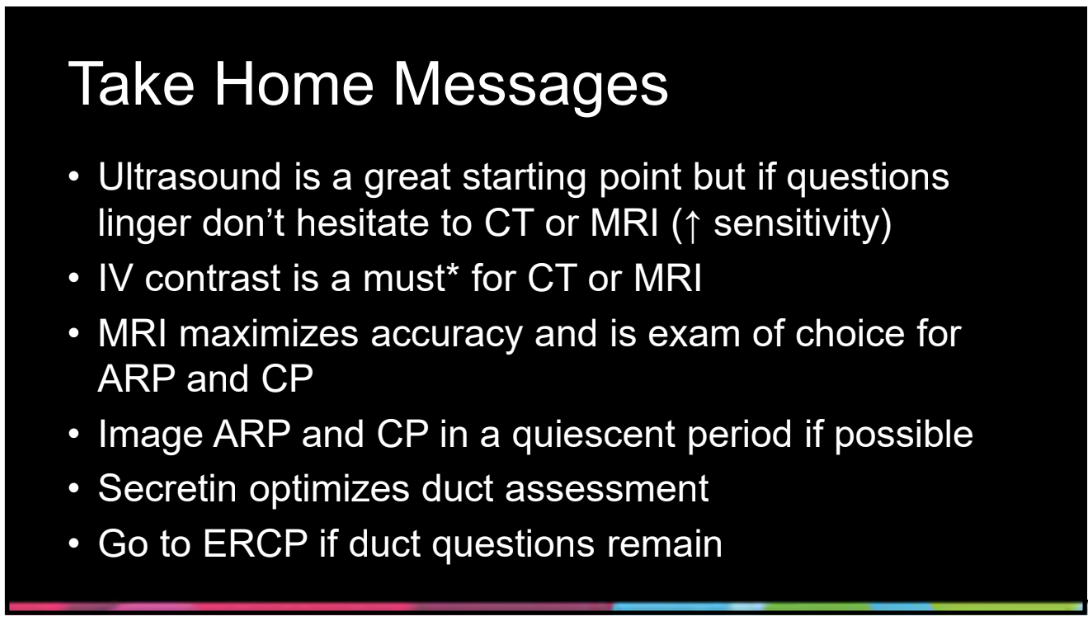
Imaging for Acute Pancreatitis
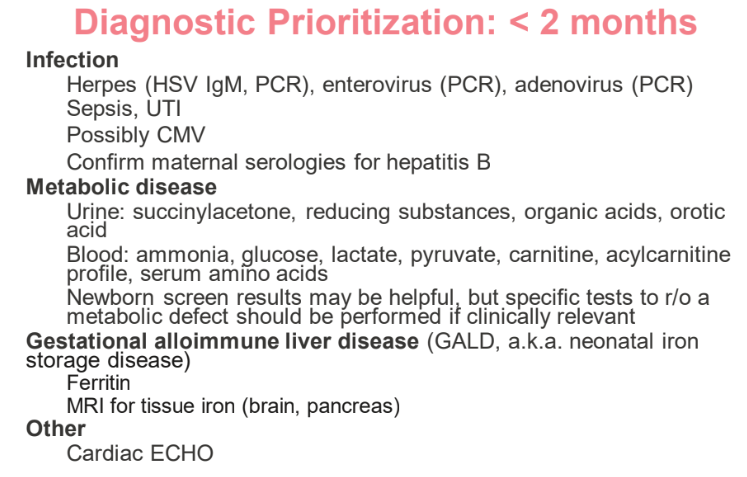
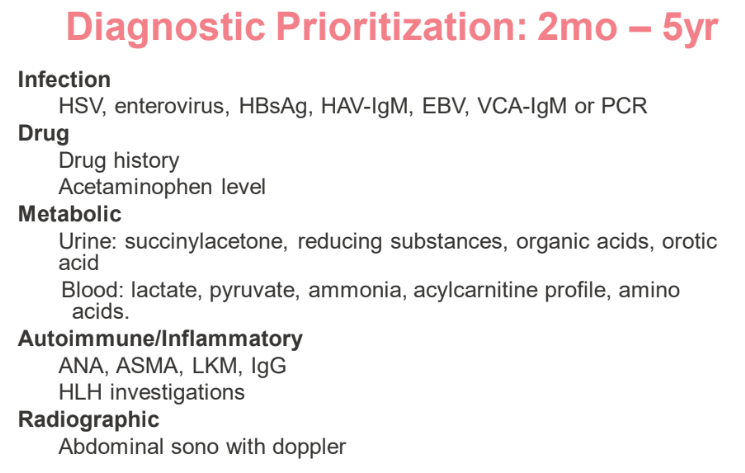
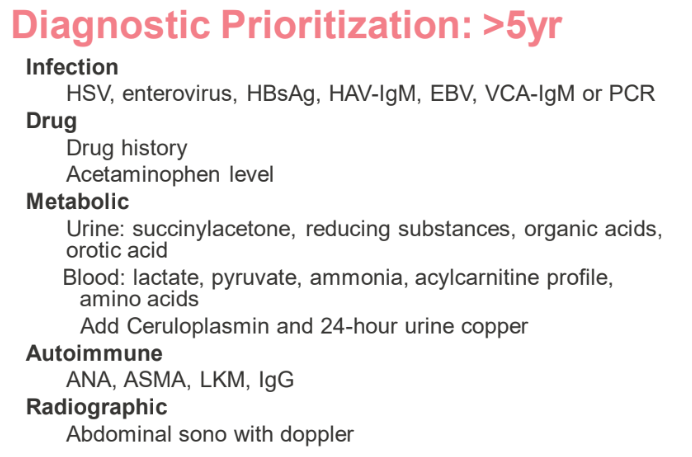
For Acute Liver Failure

Disclaimer: This blog, gutsandgrowth, assumes no responsibility for any use or operation of any method, product, instruction, concept or idea contained in the material herein or for any injury or damage to persons or property (whether products liability, negligence or otherwise) resulting from such use or operation. These blog posts are for educational purposes only. Specific dosing of medications (along with potential adverse effects) should be confirmed by prescribing physician.  Because of rapid advances in the medical sciences, the gutsandgrowth blog cautions that independent verification should be made of diagnosis and drug dosages. The reader is solely responsible for the conduct of any suggested test or procedure.  This content is not a substitute for medical advice, diagnosis or treatment provided by a qualified healthcare provider. Always seek the advice of your physician or other qualified health provider with any questions you may have regarding a condition.

Unfortunate or Unfair Disparities in Liver Transplantation

In medical school, I took additional courses in bioethics and one of the influential lecturers was Tristramm Engelhardt (Right to Health Care).  “According to him, injuries, disabilities, and diseases arising from natural causes are considered unfortunate. On the other hand, those situations become unfair when brought about by the doing of others. Engelhardt also notes that the result of someone’s unfair action should not be attributed to the society as a whole.”

Two recent articles detail the link between socioeconomics and outcomes in liver transplantation. Are these problems unfair or just unfortunate?

NH Ebel et al. Liver Transplantation 2022; 28: 1521-1529. A review of racial, socioeconomic, and geographic disparities in pediatric liver transplantation

Key points:

  • Disparities remain in pediatric liver transplantation at all time points: from access to referral for transplantation, likelihood of living donor transplantation, use of exception narratives, waitlist mortality, and inequitable posttransplant outcomes
  • Black children are less likely to be petitioned for exception scores, have higher waitlist mortality, are less likely to be the recipient of a living donor transplant, and have worse posttransplant outcomes compared with White children.
  • Children living in the most socioeconomically deprived neighborhoods have worse posttransplant outcomes.
  • Children living farther from a transplant center have higher waitlist mortality

KA Mohamed et al. Liver Transplantation 2022; 28: 1441-1453. Open access! Neighborhood poverty is associated with failure to be waitlisted and death during liver transplantation evaluation

Key points:

  • Based on retrospective analysis of 3454 patients (2011-2018), neighborhood poverty was independently associated with waitlisting (odds ratio 0.56, 95% confidence interval [CI] 0.38–0.82) and death during LT evaluation (hazard ratio 1.49, 95% CI 1.09–2.09)
  • Despite use of the objective prioritization with MELD scores in the allocation of organs, disparities in access for LT continues for vulnerable populations

My take: It is unfortunate but not surprising that poverty and socioeconomic factors adversely affect liver transplantation; the outcomes show stark differences. These issues, however, affect every aspect of health care (& beyond). Though they are not easily addressed, efforts to try to level the playing field are important especially with regard to transplantation to assure optimal use of this life-saving resource.

Related blog posts:

Portage Pass Trail (near Whittier AK) with views of Portage glacier