Does Gastrostomy Tube Placement Lower Rates of Hospitalization?

Yes. But maybe for the reasons one might expect.

In this retrospective study from Australia (P Jacoby et al J Pediatr 2020; 217: 131-8.), the authors analyzed two cohorts with total of 673 children with disabilities who had undergone gastrostomy tube (GT) placement.

Key findings:

  • All-cause hospitalizations declined at 5 years after procedure with combined (both cohorts) incidence rate ratio of 0.63
  • Admissions for lower respiratory tract infections did not change appreciably
  • Admissions for epilepsy were generally decreased (see Table V) –this drop is mainly what accounts for the lower hospitalization rates.
  • Fundoplication (which occurred in ~30% with GT insertion) “seemed to decrease the relative incidence of acute LRTI admissions in the combined cohort”
  • The specific numbers for hospitalizations are listed in Table V.

In their discussion, the authors noted that in the year prior to GT placement, there had been an elevated number of hospitalizations.  With regard to fundoplication, the authors note uncertain benefit for respiratory complications.  In previous studies of neonates and children with neurologic impairment and GT placement, there was similar gastrointestinal and respiratory related admissions with or without fundoplication.

My take: GT placement facilitates care for children with disabilities including provision of medication and nutrition.  This study confirms subsequent improvement in hospitalization rates but does not show a clear benefit with regard to respiratory infections.

Related blog posts:

Neurodevelopmental Outcomes: Biliary Atresia

A recent study from the Netherlands (LH Rodijk et al. J Pediatr 2020; 217: 118-24) which included 46 children provides data on the suboptimal neurodevelopmental outcomes of children with biliary atresia (BA).  This cohort did not exclude children born prematurely or those with a history of intracranial hemorrhage; the children had undergone Kasai portoenterostomy (KPE) between 2002-2012 and had a median age of 11 years.

Key findings:

  • 36 of 46 (78%) had undergone liver transplantation
  • Median age at time of KPE was 60 days
  • 12 (25%) received special education (vs. 2.4% in ‘normal’ population)
  • Motor outcomes were affected with up to half scoring low on motor skills
  • Total IQ was 91 (compared with 100 in norms)
  • There were no significant differences in the cognitive outcomes of the patients with their native livers compared to those who had undergone liver transplantation (*small sample size)

Potential explanations:

  • Detrimental affects of cholestasis
  • Major surgery/anesthesia may result in impaired neurodevelopment

My take: This study documents a fairly high rate of neurodevelopmental problems in children with BA.  The information we need now –how to mitigate this.

VL NG et al. J Pediatr 2018; 196: 139-47. This study with 148 children examined the neurodevelopmental outomes of young children with biliary atresia (ChiLDRen Study). Key finding: Children with their native livers were at increased risk for neurodevelopmental delays at 12 and 24 months.  This risk was more than 4-fold increased among those with unsuccessful Kasai procedure.

Related blog posts:

Antibiotic Selection for Suspected Central Line Infections

A recent study (BP Raphael et al. JPGN 2019; 70: 59-63) describes 309 central line-associated bloodstream infections (CLABSI) in 90 children were dependent on parenteral nutrition (median age 3.8 years).

Key findings:

  • 60% of isolated organisms were gram-positive, 34% were gram-negative, and 6% fungi.
  • For gram-positive organisms, 51% were sensitive to methicillin
  • For gram-negative organisms, 71% were sensitive to piperacillin-tazobactam, 97% to cefepime, and 99% to meropenem

Based on these findings, the authors advocate the following:

  • “Vancomycin and cefepime provide improve coverage over vancomcyin piperacillin-tazobactam for” CLABSI
  • Empiric use of vancomycin and meropenem “may be justified” in septic shock “where maximal probability of cure outweighs risks of long-term drug resistance”
  • If there is an increased fungemia risk, such as prior fungal infections, shock, or immunodeficiency, the authors recommend adding fluconazole

Another advantage of cefepime over piperacillin-tazobactam is a reduced risk of acute kidney injury which has been associated with the latter.

My take: Individual institutions may have variable organism sensitivity.  In the absence of institutional data, this recommendations are a good starting point.

Related blog post: #NASPGHAN19 Intestinal Failure Session Part 1

Disclaimer: This blog, gutsandgrowth, assumes no responsibility for any use or operation of any method, product, instruction, concept or idea contained in the material herein or for any injury or damage to persons or property (whether products liability, negligence or otherwise) resulting from such use or operation. These blog posts are for educational purposes only. Specific dosing of medications (along with potential adverse effects) should be confirmed by prescribing physician.  Because of rapid advances in the medical sciences, the gutsandgrowth blog cautions that independent verification should be made of diagnosis and drug dosages. The reader is solely responsible for the conduct of any suggested test or procedure.  This content is not a substitute for medical advice, diagnosis or treatment provided by a qualified healthcare provider. Always seek the advice of your physician or other qualified health provider with any questions you may have regarding a condition.

Old Montreal

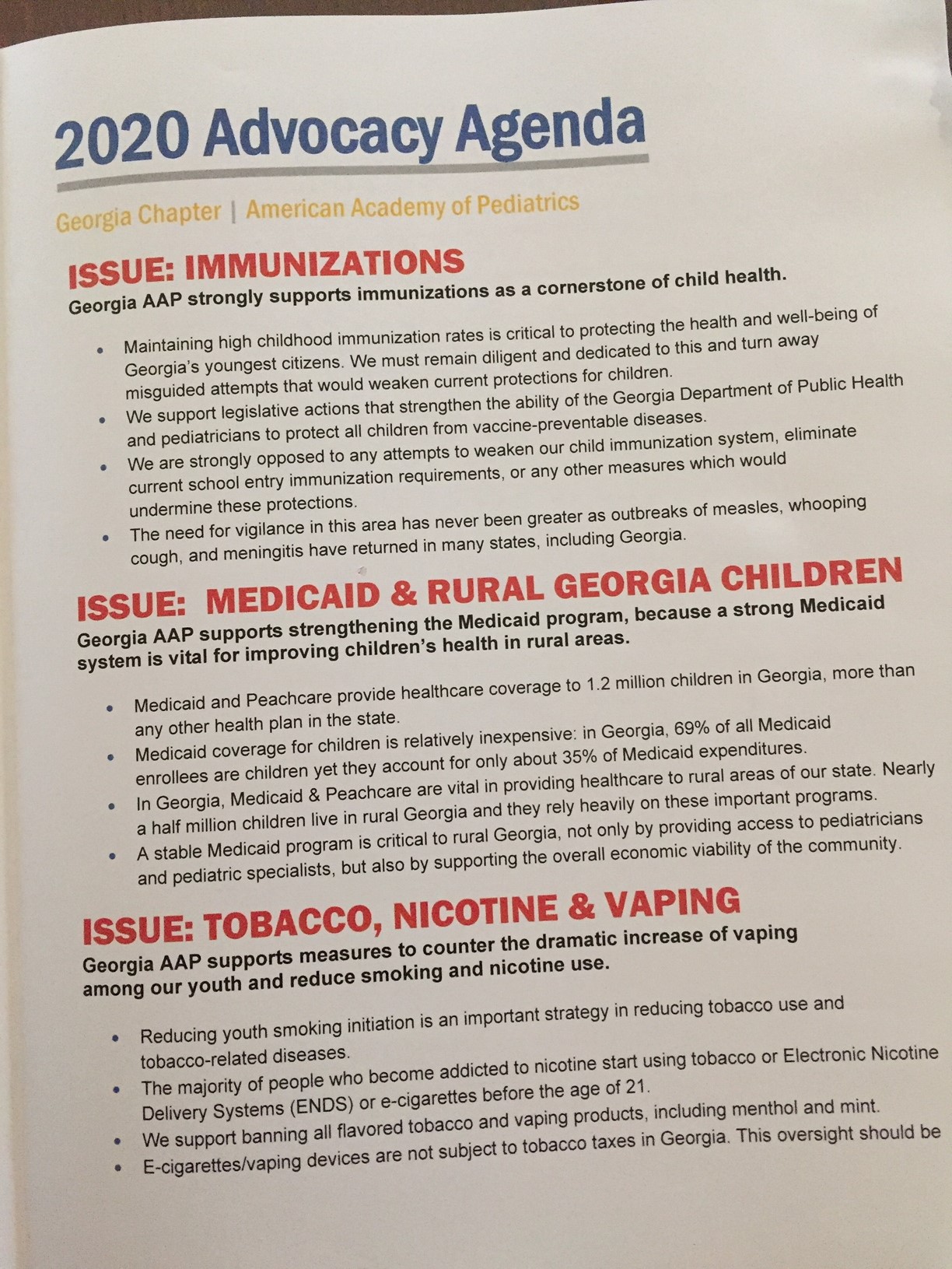
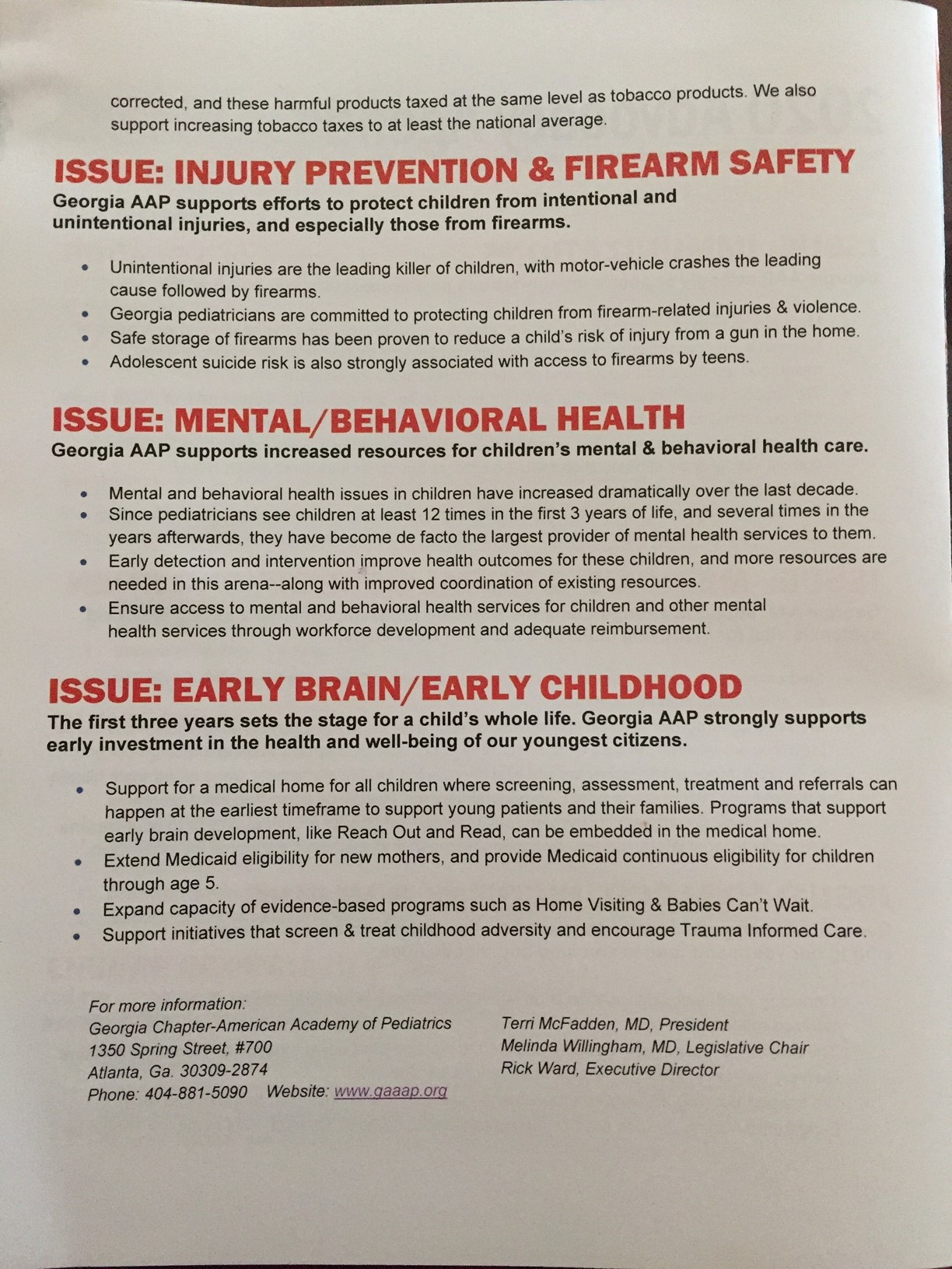
AAP Behind the Scenes 2020 (Part 2): AAP Agenda, Safe Sleep, Encouraging Physician Diversity, APEX Mental Health

More from our recent AAP Board Meeting –more highlights:

Dr Sally Goza, AAP National President reviewed some of the AAP’s initiatives:

  • Healthcare coverage & Change in ‘public charge’
  • Gun violence
  • Climate Change
  • Early Childhood Programs
  • Suicide Prevention
  • E-cigarettes
  • Social Media.  She noted that Pinterest and Google have made efforts to curb harmful inaccurate posts, especially with regard to immunization information, whereas Facebook has not been cooperative.

2020 Georgia Blueprint for Children:

Dr. Sarah Lazarus, a terrific ED physician and an advocate for safe sleep, described updates and obstacles related to reducing sudden unexpected death infant death.

Key points:

  • NASPGHAN 2018 GERD recommendations (33 page PDF) with regard to positioning:  “The working group recommends not to use positional therapy (ie, head elevation, lateral and prone positioning) to treat symptoms of GERD in sleeping infants”
  • CPSC has removed many inclined sleepers.  Commentary from Dr. Lazarus from WebMD (November 2019): Sleeping on an Incline Not Safe for Baby

The Consumer Product Safety Commission is warning parents not let a baby sleep in rockers, pillows, car seats, or any other product that holds an infant at an incline — with their head higher than their feet.

“I do think it should have happened a while ago when we saw there were deaths from them, but I’m glad they did it now,” says Sarah Lazarus, DO, a pediatric emergency medicine physician at Children’s Healthcare of Atlanta. Dr. Lazarus is also an injury prevention researcher at Emory University and reviews infant deaths for the state of Georgia.  And what about putting the crib mattress at an incline to help with reflux?

Lazarus says she knows pediatricians used to recommend that, but she says new studies show that it doesn’t really help and may be unsafe. “We do not recommend any sort of wedging or propping or positioning at this point,” she says. In addition to avoiding inclined surfaces, the commission is reminding parents that babies can suffocate if they sleep with blankets, pillows, or other items. The safest way for a baby to sleep is flat on their back, in a bare crib, and on a flat, firm surface.Related blog posts:

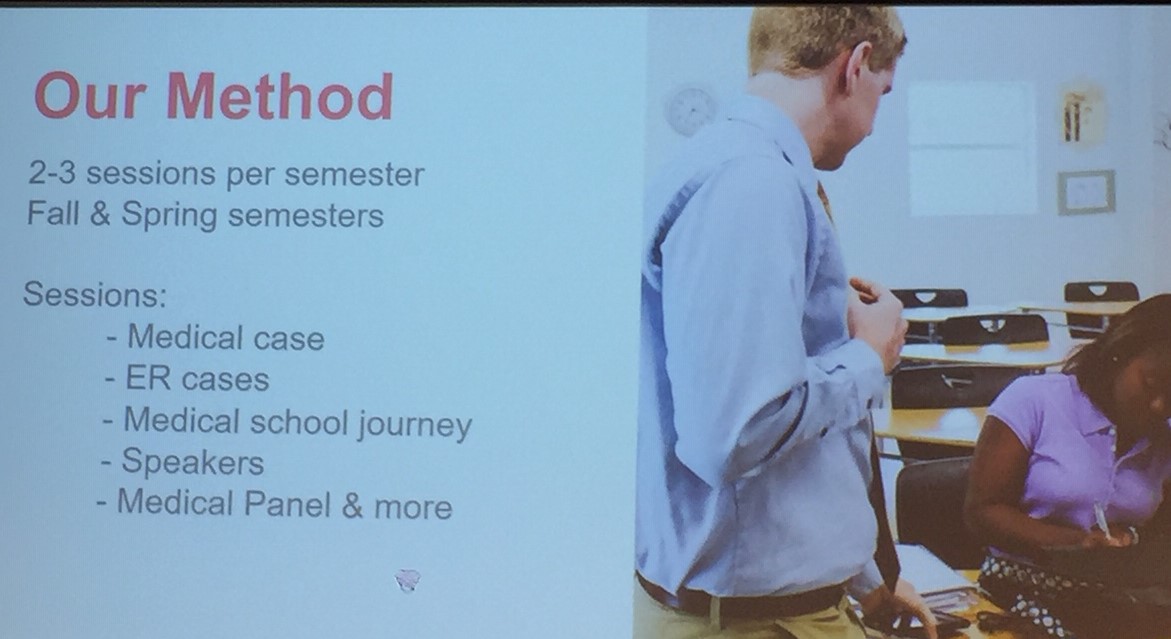
Dr. Heval Kelli introduced a program called young physician initiative.  “Getting into medical school can be a long process and difficult to navigate particularly for students from underserved communities due to the lack of access to medical mentorship and network.  The Young Physicians Initiative provides early and interactive guidance to underserved middle school, high school and college students. We inspire students to pursue careers in medicine and pursue pipeline’s opportunities by Being Present in their communities.”

Here are links to his website and to one of the articles covering this project:

My take: This is a terrific program, though there are many other challenges that need to be addressed to encourage applicants from a wide range of socioeconomic groups.

Related blog post: Hidden Costs of Medical Schools

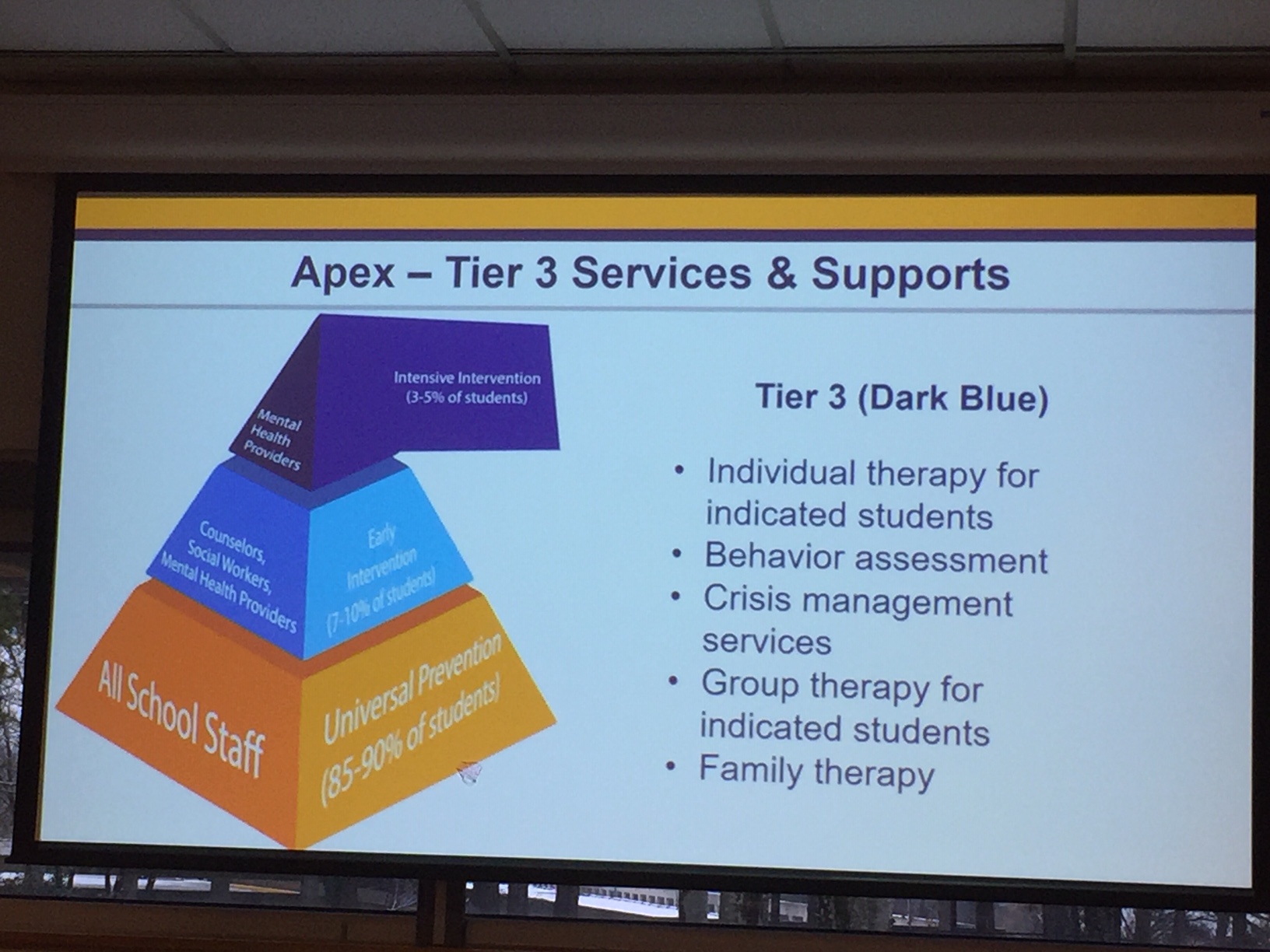
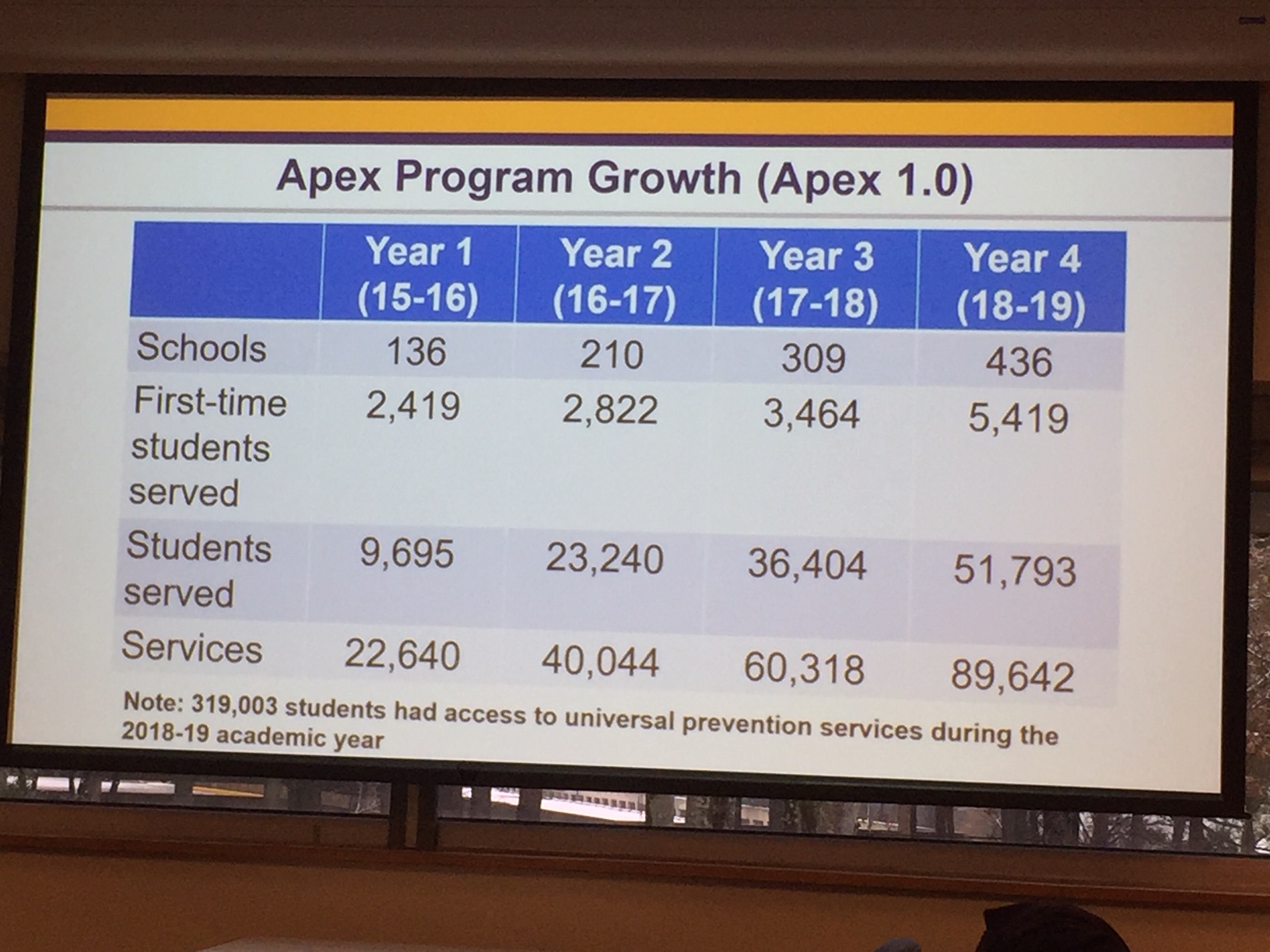
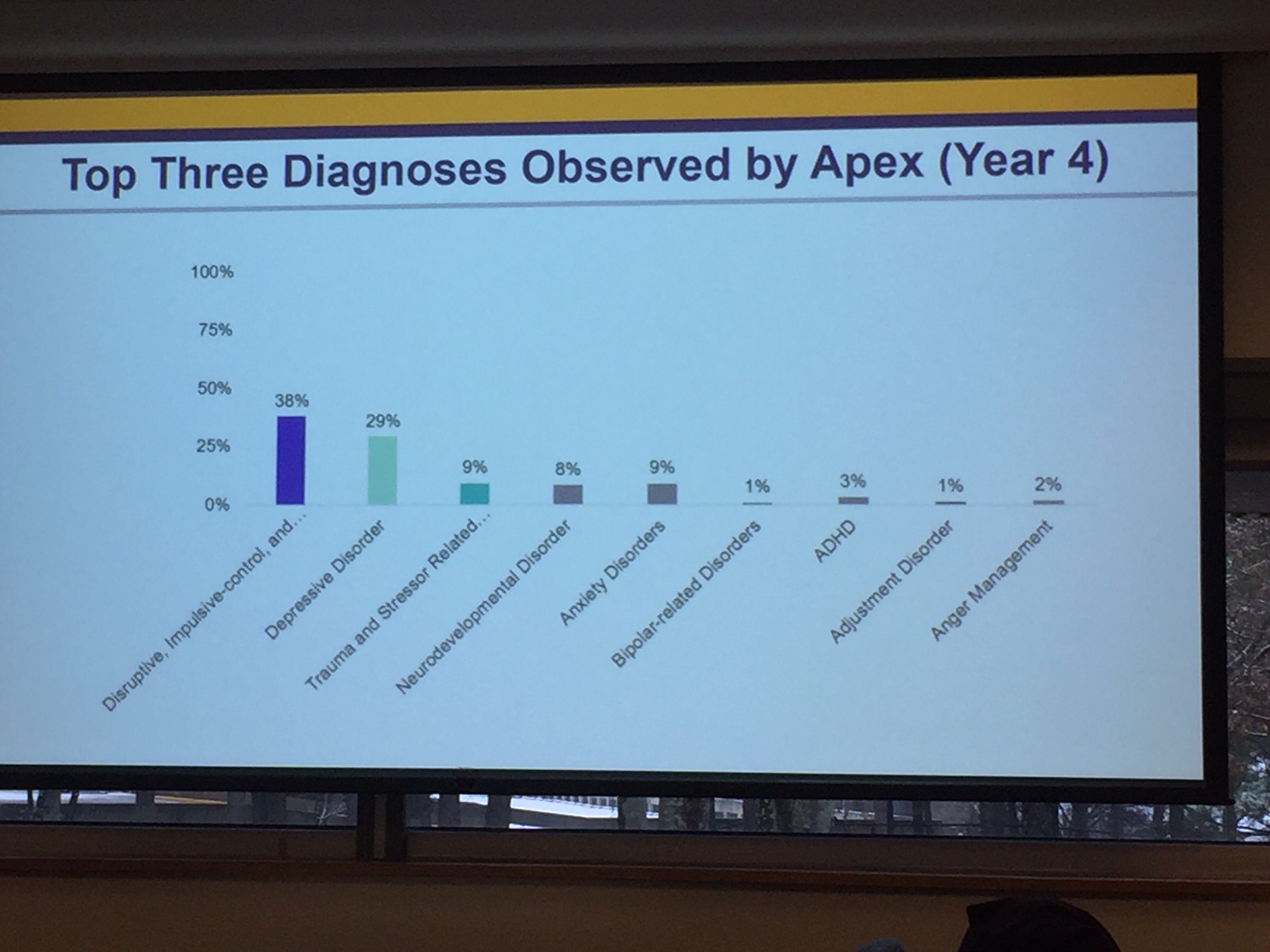
The final speaker, Dante McKay, discussed the APEX program which is a school-based program to address mental health issues in children.

AAP Behind the Scenes 2020 (Part 1): Pandemic Monitoring

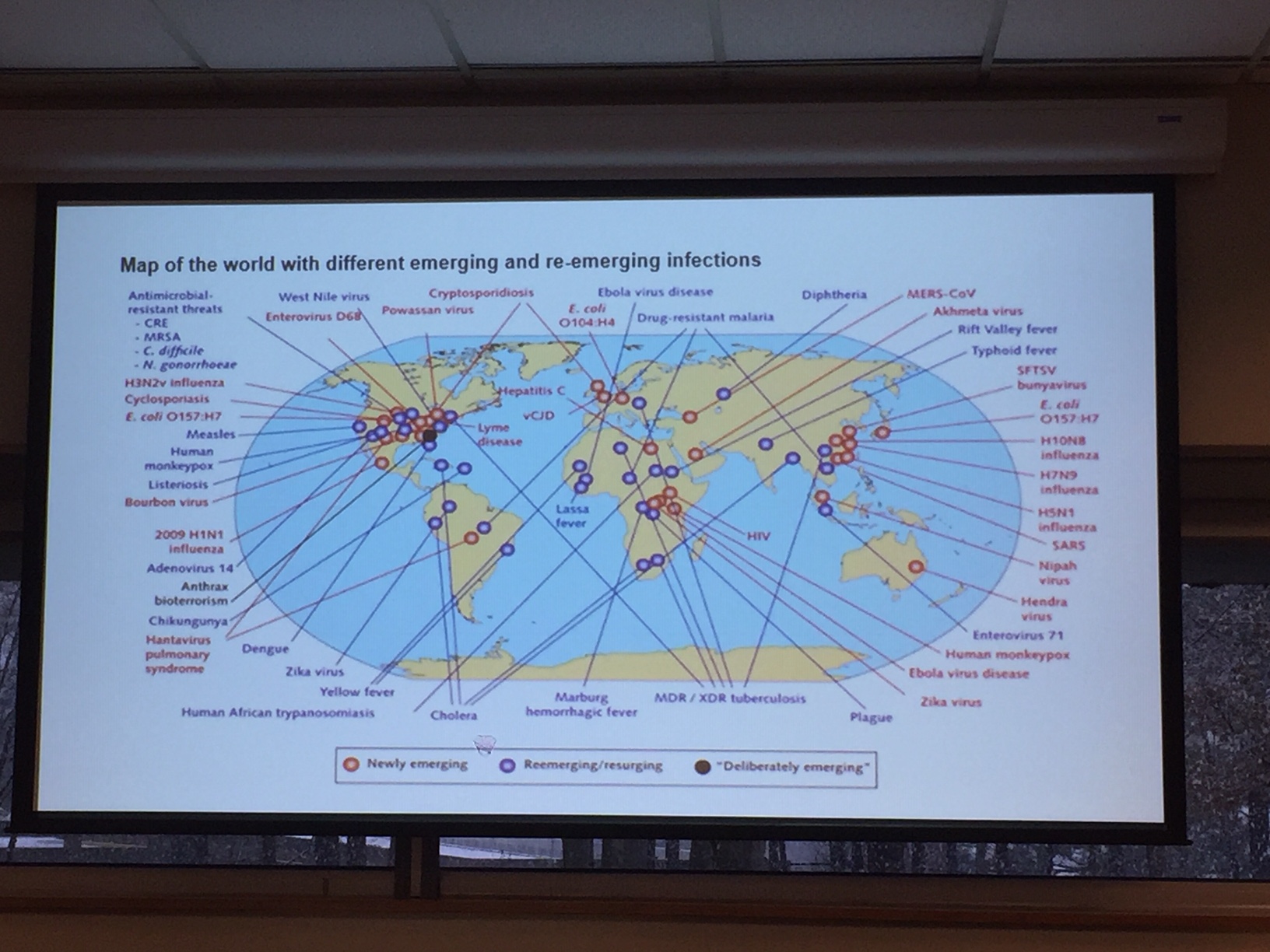
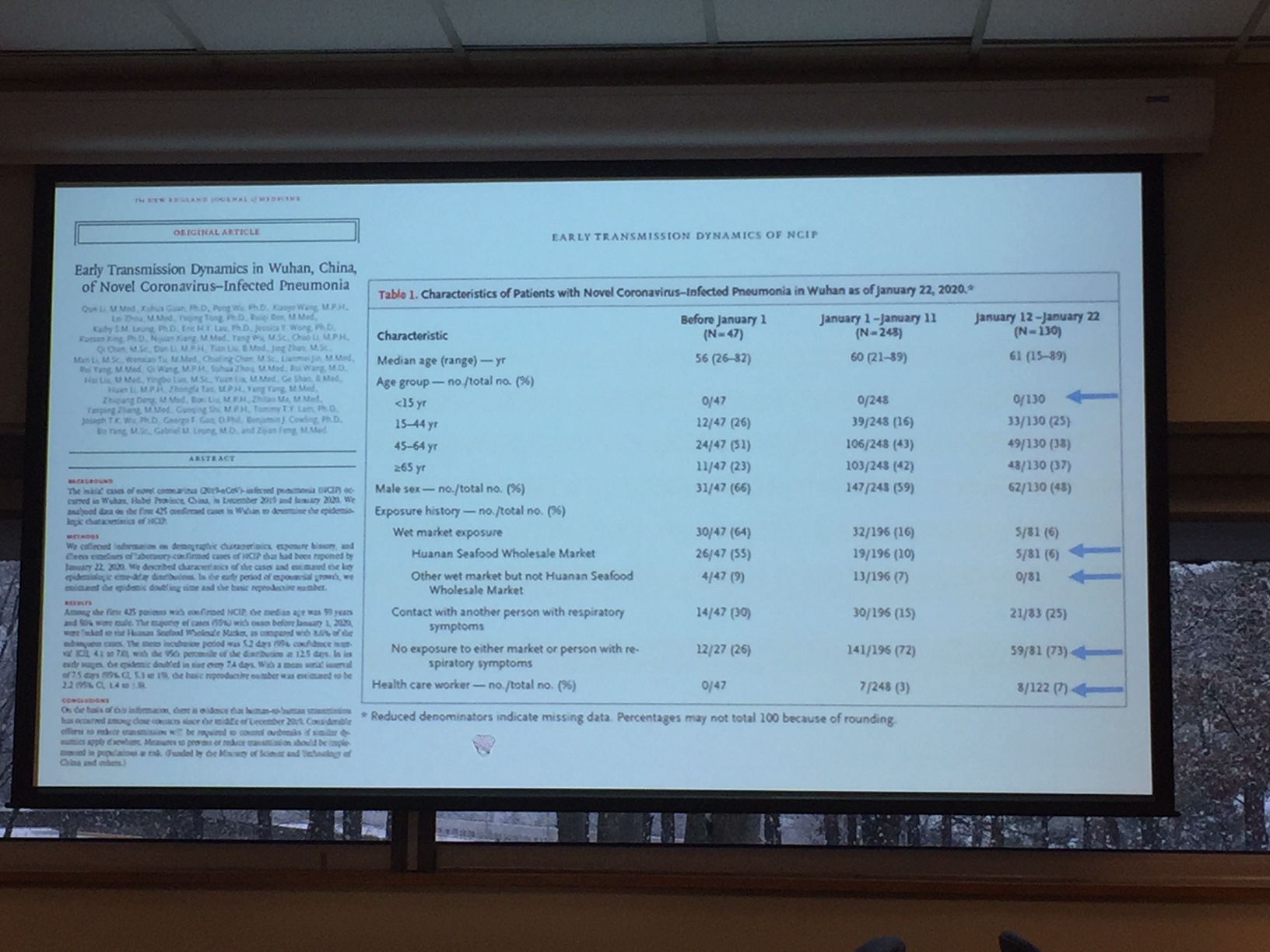
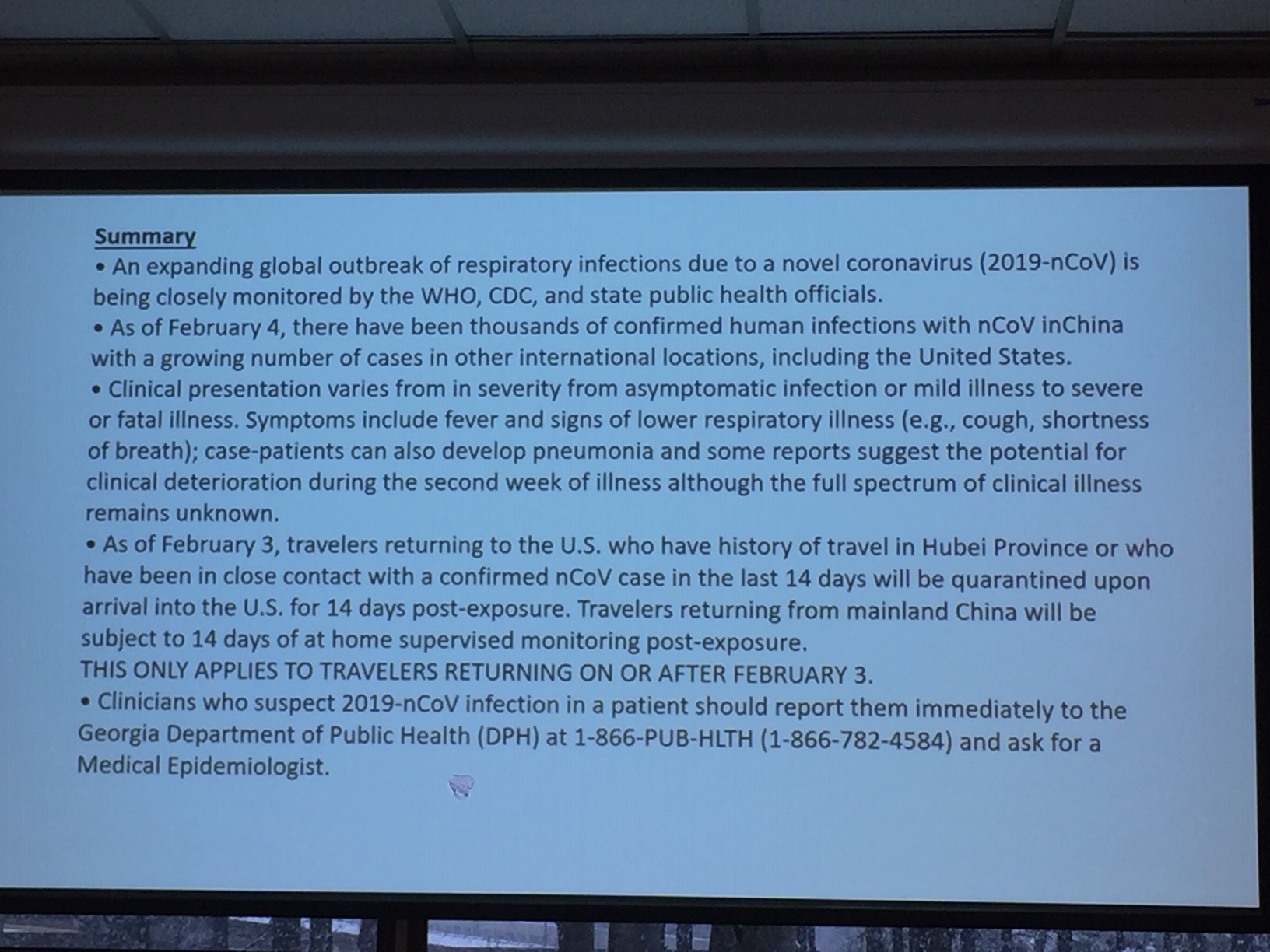
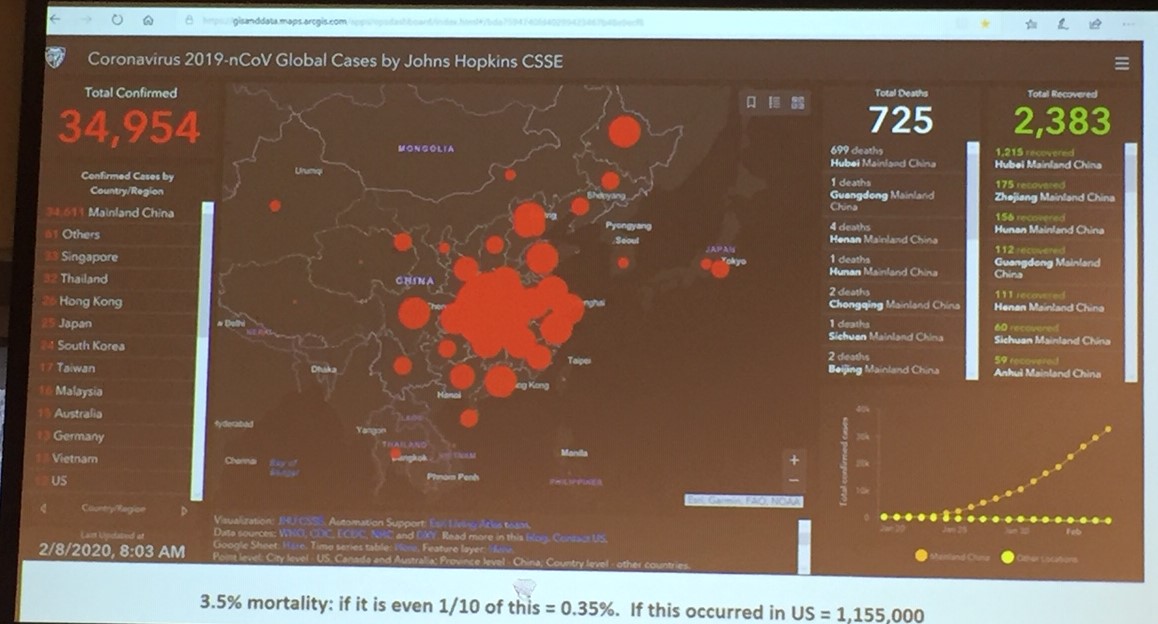
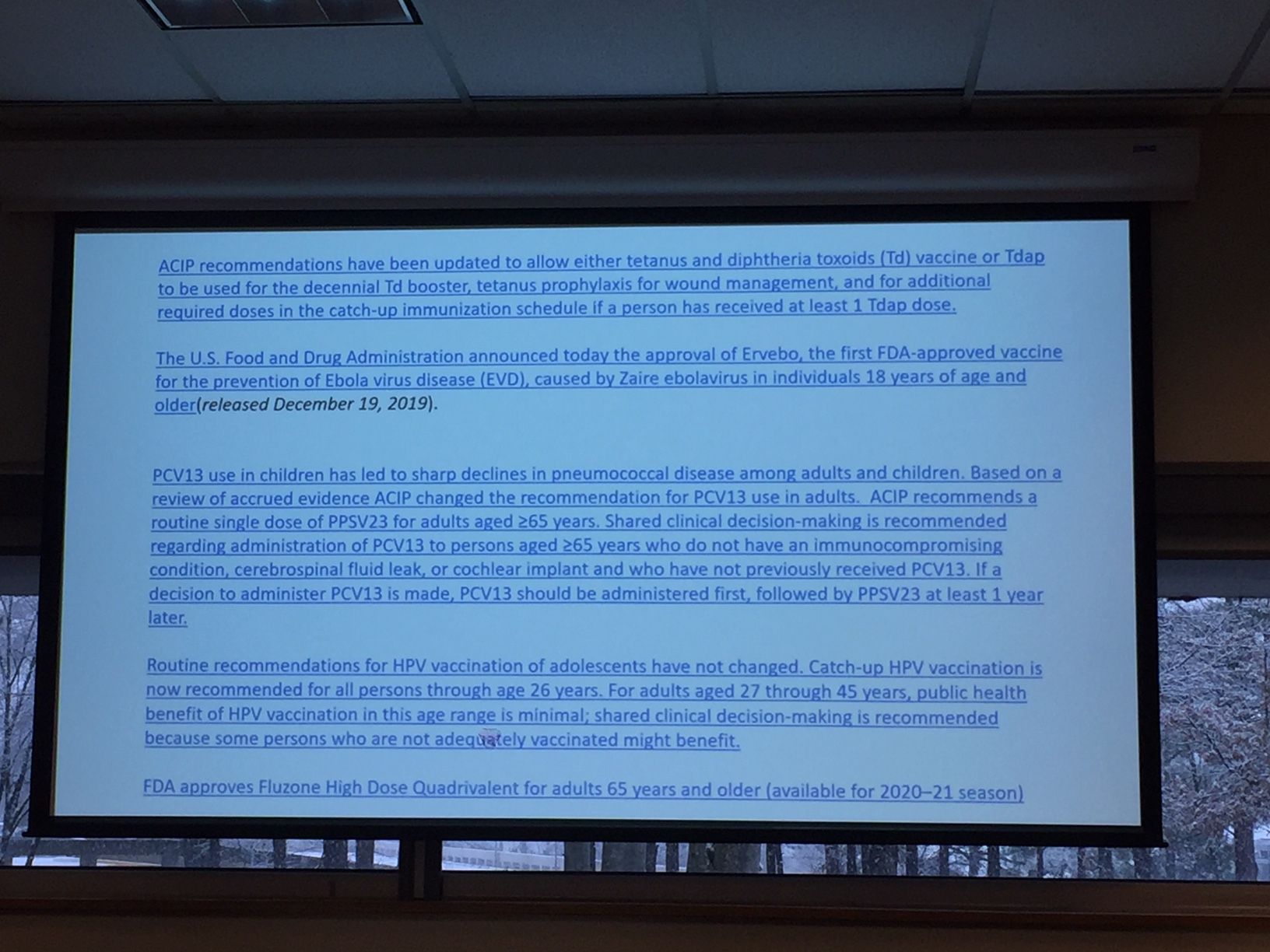
Currently I am vice chair for the section of nutrition at the Georgia Chapter of the American Academy of Pediatrics; Dr. Tanya Hofmekler is now chair of the section.  I recently attended a Board Meeting which received reports from a number of committees.  One of the presentations from Dr. Evan Anderson (infectious disease specialist), provided an update on the coronavirus, the flu, and other emerging infections.

Key Points:

  • Coronavirus appears to be more contagious than the flu but less contagious than many other infections like measles
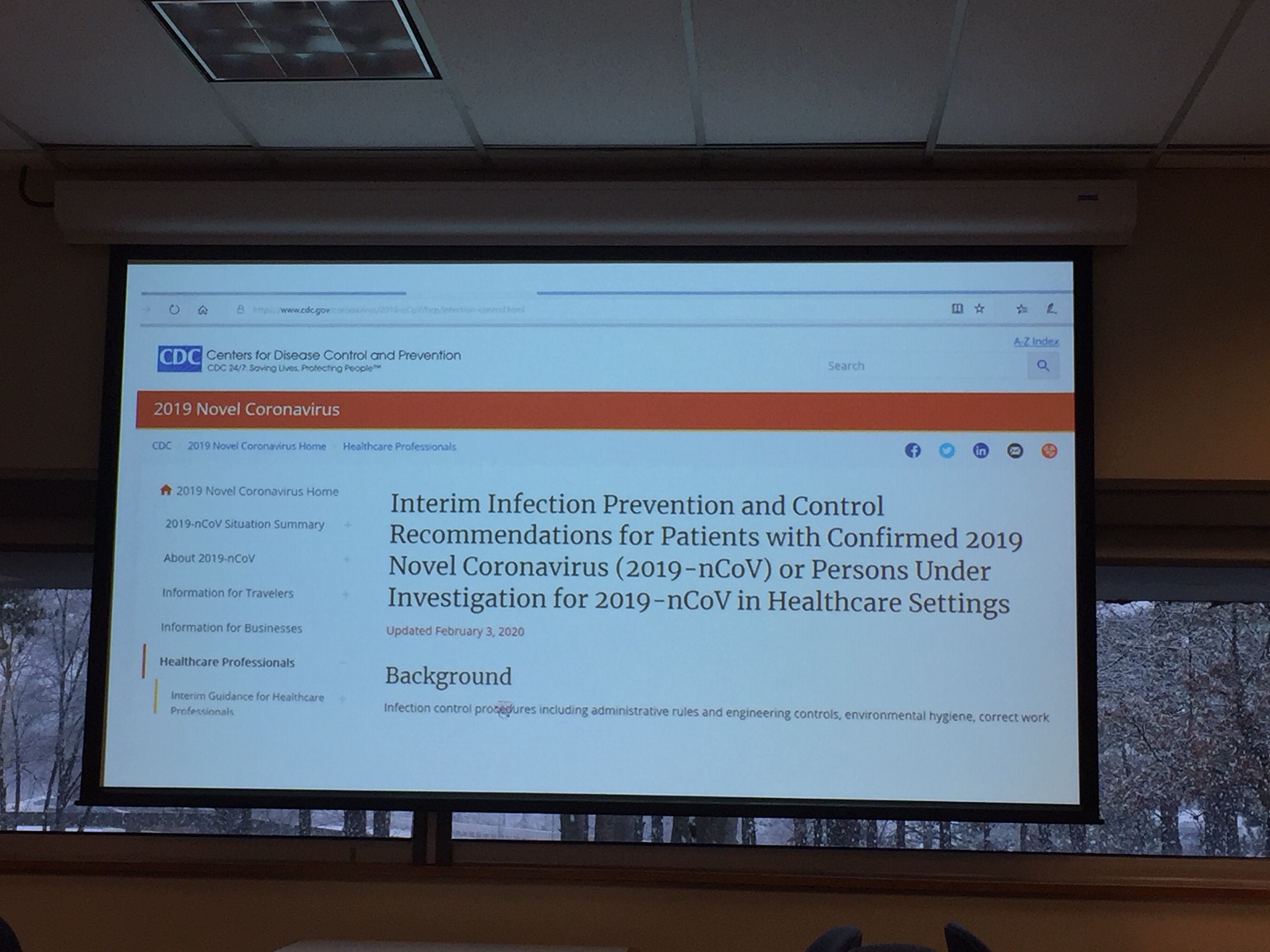
  • CDC has website which is update for the coronavirus which is updated frequently:  2019 Novel Coronavirus (2019-nCoV) Situation Summary
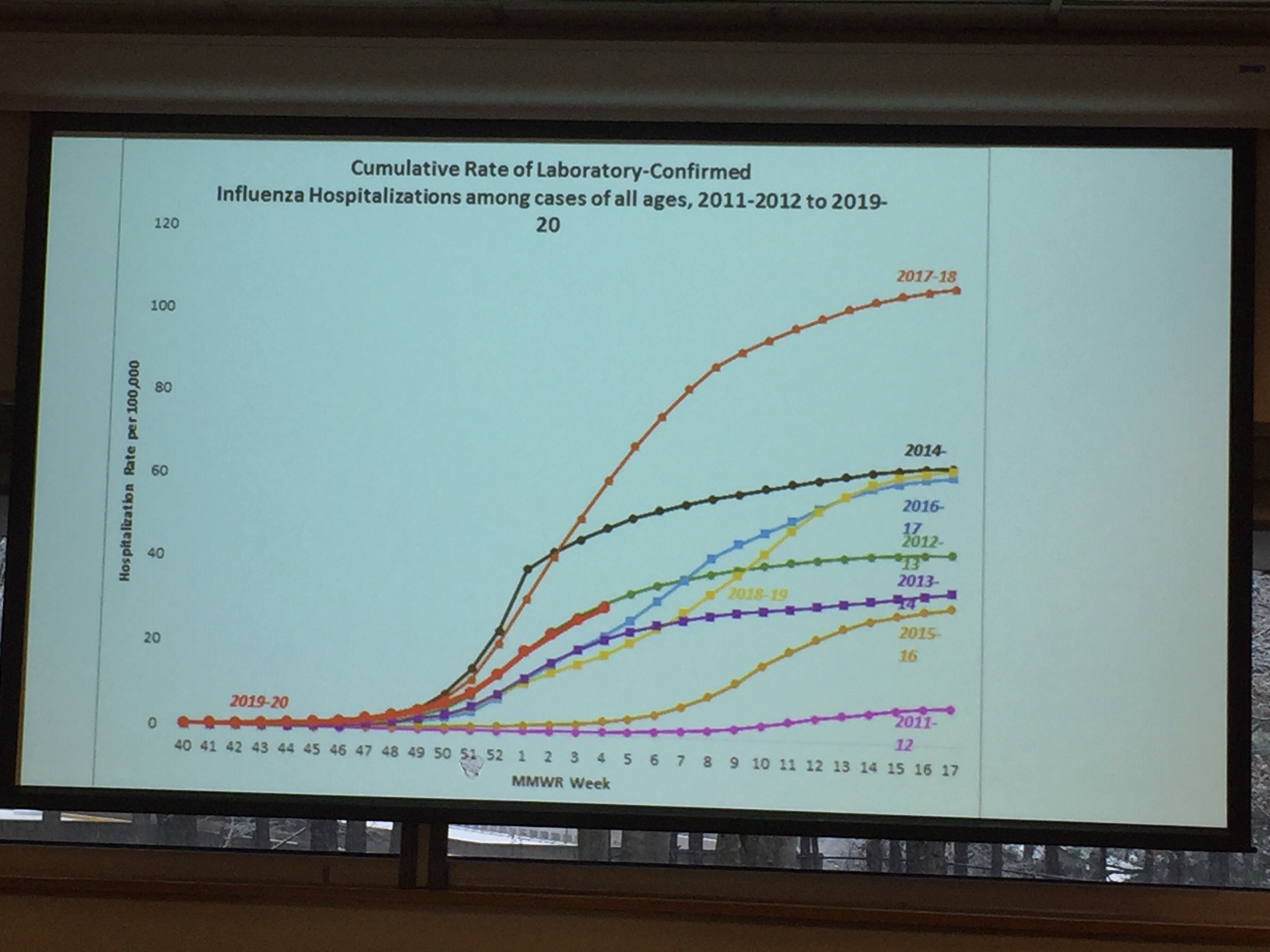
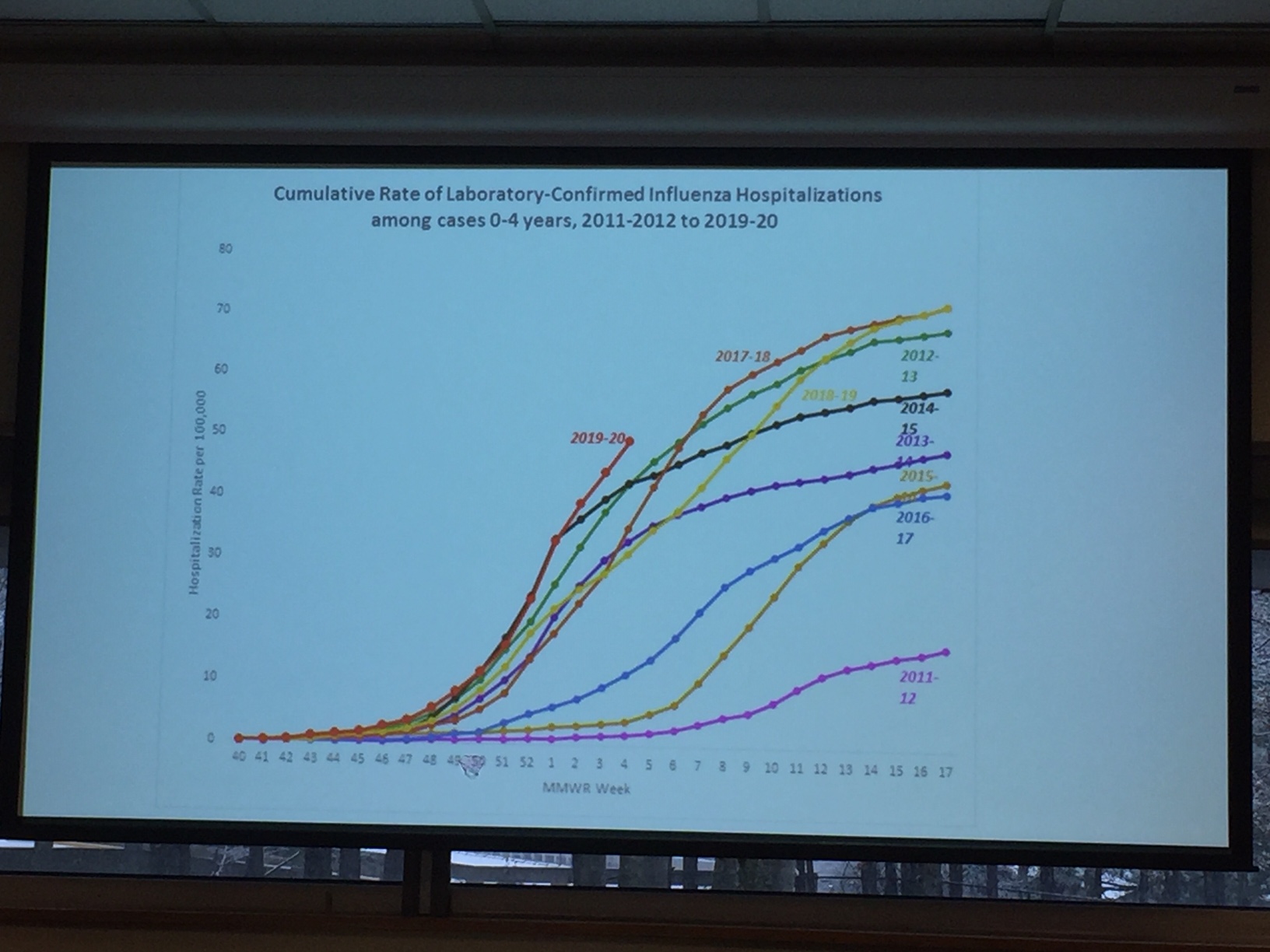
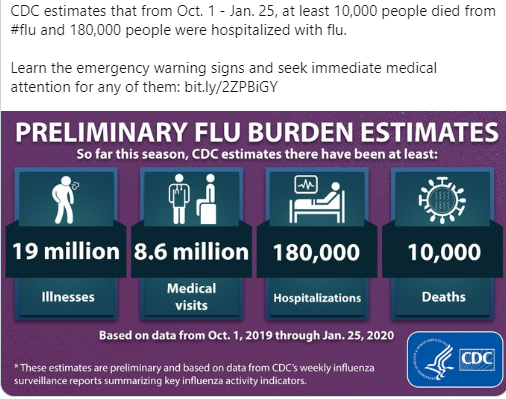
  • This is a bad year for the flu (see “red line” on last two slides).  The number of hospitalizations/mortality in young children (0-4) is increased compared to previous years, though the number of cases has been higher in previous years
  • There is now an FDA-approved Ebola vaccine
  • A single case of measles can cost $50,000 for public health to respond; direct medical costs could be much higher

Slide above was accurate on 2/8/20


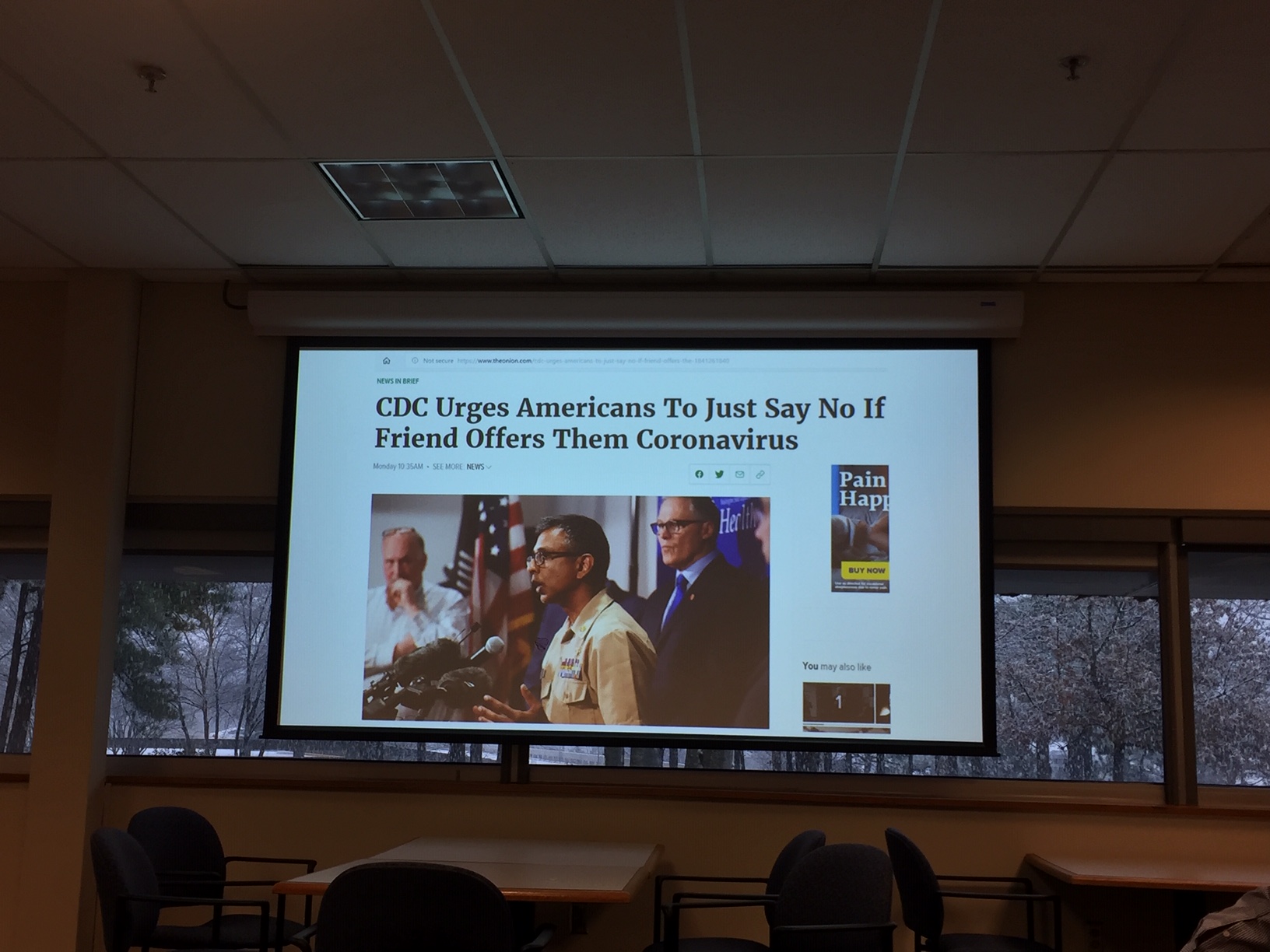
Satire from The Onion

Related blog post:

ACG Guideline for Small Intestinal Bacterial Overgrowth

Link to full PDF: ACG Clinical Guideline: Small Intestinal Bacterial Overgrowth

M Pimentel et al. Am J Gastroenterol 2020;00:1–14. https://doi.org/10.14309/ ajg.0000000000000501; published online January 8, 2020

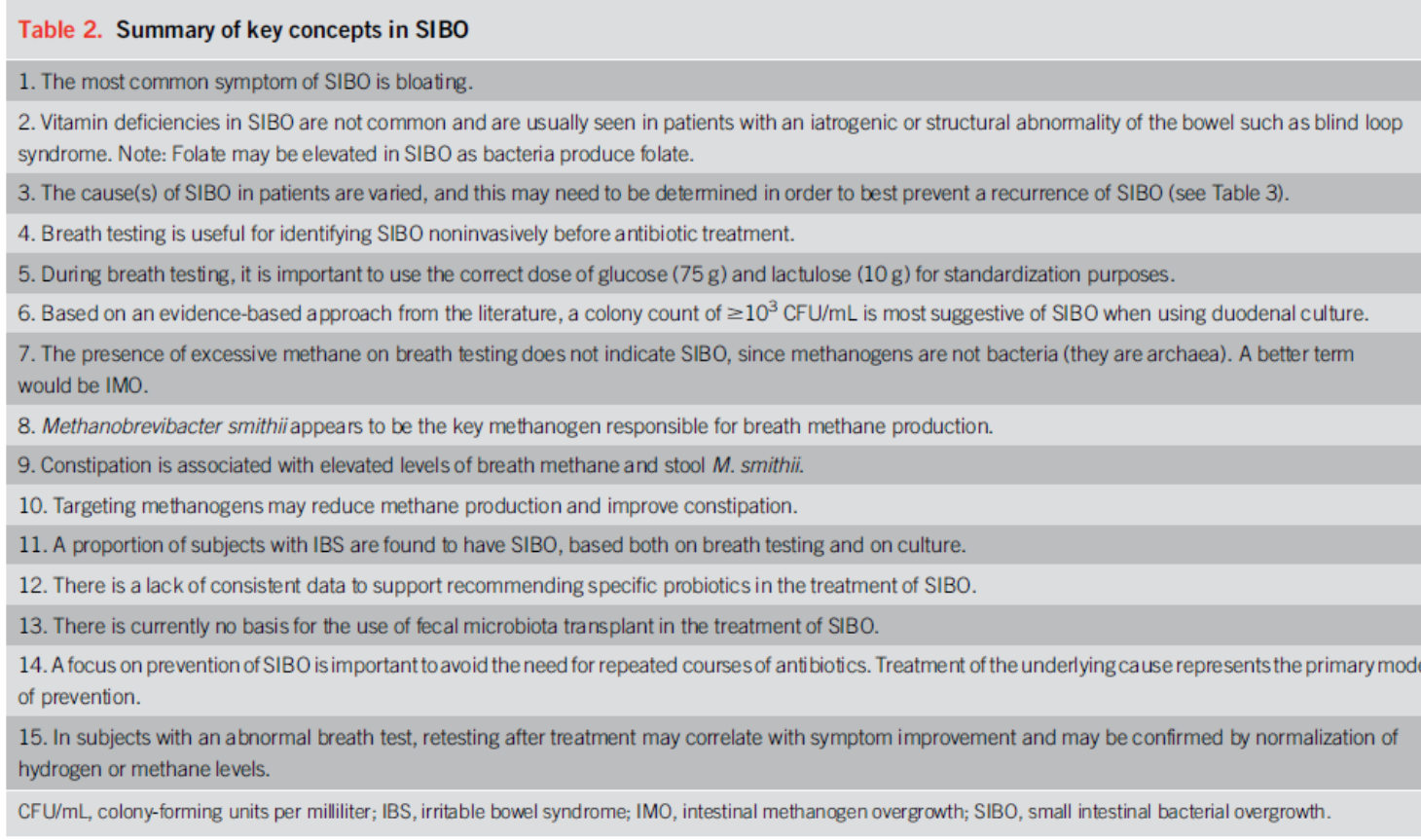
One key point is that the authors acknowledge that almost all of their recommendations are based on a very low level of evidence.  In fact, only one of their 6 recommendations in Table 1 is considered to have more evidence and it is rated as low level of evidence.

The article provides an in-depth review of small intestinal bacterial overgrowth including underlying homeostasis mechanisms/pathophysiology (Tables 3 & 4) and treatments.  For those needing treatment, the authors list options in Table 5 including rifaximin, amoxicillin-clavulanic acid, ciprofloxacin, doxycycline, metronidazole, neomycin, norfloxacin, tetracycline, and trimethoprim-sulfamethoxazole.

Image Available from Lizzie Aby Feed

Related blog posts:

Disclaimer: This blog, gutsandgrowth, assumes no responsibility for any use or operation of any method, product, instruction, concept or idea contained in the material herein or for any injury or damage to persons or property (whether products liability, negligence or otherwise) resulting from such use or operation. These blog posts are for educational purposes only. Specific dosing of medications (along with potential adverse effects) should be confirmed by prescribing physician.  Because of rapid advances in the medical sciences, the gutsandgrowth blog cautions that independent verification should be made of diagnosis and drug dosages. The reader is solely responsible for the conduct of any suggested test or procedure.  This content is not a substitute for medical advice, diagnosis or treatment provided by a qualified healthcare provider. Always seek the advice of your physician or other qualified health provider with any questions you may have regarding a condition.


IBD and Immune-Mediated Diseases

J Burisch et al. Clin Gastroenterol Hepatol 2019; 17: 2704-12.  In this nationwide cohort from Denmark with 14,377 adult patients with IBD (median age 45.8 yrs) and 71,885 controls; immune-mediated diseases (IMID) were present in 22.5% of those with IBD.

Most common IMID:

  • psoriasis
  • asthma
  • type 1 diabetes
  • iridocyclitis

Other IMID:

  • multiple sclerosis
  • pyoderma gangrenosum
  • rheumatoid arthritis
  • ankylosing spondylitis,
  • celiac
  • primary scelorsing cholangitis,
  • primary biliary cholangitis
  • sarcoidosis
  • Graves’ disease

Findings:

  • Patients receiving infliximab were at a reduced risk of developing an IMID with aOR of 0.52 for Crohn’s disease (CD) and 0.47 for Ulcerative Colitis. (UC)
  • 80.3% of IMID were noted prior to onset of IBD
  • The presence of IMID was associated with an increased risk of surgery in patients with CD with aOR of 2.30 but not in patients with UC

My take: About 1 in 4 patients with IBD have at least 1 other immune-mediated disease.  The presence of an immune-mediated disease is associated with a higher likelihood of needing a biologic therapy and with surgery in patients with Crohn’s disease. In patients with numerous immune-mediated diseases, one needs to consider the possibility of other etiologies (eg. CTLA4 defiency)

Related blog posts:

Saint Jerome (not far from Montreal)

This blog, gutsandgrowth, assumes no responsibility for any use or operation of any method, product, instruction, concept or idea contained in the material herein or for any injury or damage to persons or property (whether products liability, negligence or otherwise) resulting from such use or operation. These blog posts are for educational purposes only. Specific dosing of medications (along with potential adverse effects) should be confirmed by prescribing physician.  Because of rapid advances in the medical sciences, the gutsandgrowth blog cautions that independent verification should be made of diagnosis and drug dosages. The reader is solely responsible for the conduct of any suggested test or procedure.  This content is not a substitute for medical advice, diagnosis or treatment provided by a qualified healthcare provider. Always seek the advice of your physician or other qualified health provider with any questions you may have regarding a condition

Real-World Vedolizumab: Better Than Expected

Two recent studies indicate that vedolizumab is performing better than expected in the “real world.”

  • JL Koliani-Pace et al. Inflamm Bowel Dis 2019; 25: 1854-61
  • DM Faleck et al. Clin Gastroenterol Hepatol 2019; 17: 2497-2505.

In the first study, the researchers used 2 data sets (VICTORY cohort, n=1087, & the Truven cohort, n=2574)  to compare vedolizumab in two separate eras; the early era was May 2014-June 2015  and the later era was July 2015-June 2017.

Key findings:

  • Patients with Crohn’s disease (CD) in the VICTORY cohort during the second era had better clinical remission rates: 40% vs 31% and better mucosal healing rates 58% vs 42%
  • Later era patients with ulcerative colitis (UC) in the Truven database had lower rates of IBD-related hospitalization (22.4% vs. 9.6%) and surgery (17.2% vs. 9.4%)
  • In the later era, patients were more likely to be biologic naive.

This study indicates that, overall, patients treated in the first era were likely more sick and less likely to respond to vedolizumab.  The authors’ note that this could be a ‘warehouse effect’ whereby “patients treated within the first year of a drug’s approval are likely representative of a select group of high-risk patients who are refractory to currently available therapies and are being warehoused on ineffective and undesirable therapies (ie. chronic steroid) to bridge them through until a promising agent is approved by the FDA.”

In the second study, the authors retrospectively examined 650 patients with CD and 437 with UC who were treated between 2014-16.  Patients who had a more recent diagnosis of CD (≤2 years) fared better than those with more long-standing disease.

Key findings:

  • Early-stage CD vs. later-stage CD clinical remission rates: 38% vs 23%
  • Early-stage CD vs. later-stage CD with corticosteroid-free remission: 43% vs 14%
  • Early-stage CD vs. later-stage CD with endoscopic remission: 29% vs. 13%
  • UC disease duration did not associate with response to vedolizumab

My take: Taken together, these studies indicate that vedolizumab in the real world may outperform the results of the landmark studies which helped garner FDA approval.  In patients who are less sick and have not been considered refractory to multiple treatments, response rates to vedolizumab are higher.

Related blog posts:

Video for Patients: Benefits and Risks of IBD Treatment & Risks of Untreated IBD

A recent study (NE Newman, KL Williams, BJ Zikmunde-Fisher, J Adler. JPGN 2020;70: e33-36) highlights work to communicate the benefits and risks of the treatment for inflammatory bowel disease (IBD) along with the risks of untreated IBD.  “We developed a simple video aid to illustrate competing risks associated with medications and underling disease in context of inflammatory bowel disease…Those who viewed the video aid had more realistic perceptions than those who did not view it.”

Here is a link to the ~13 minute online video: IBD: Risk of Disease and Treatments

Overall, the presentation is very helpful and thoughtful.  I think this would be an excellent overview for families.  For practitioners, a few points that could benefit from some nuance are noted below some screenshots.  It is worth stating that the authors had started this project a few years ago and some of the points below are related to more information that has emerged.

In the section of treatment benefits (above), the presentation suggests that thiopurines (azathioprine, 6-mercaptopurine) and methotrexate both are effective in about 50%; this is probably an overestimate; in addition, methotrexate as monotherapy is definitely less effective (if effective at all) for ulcerative colitis .  Also, it would be worthwhile to indicate that anti-TNF monotherapy with therapeutic drug monitoring may help achieve similar benefits as dual therapy.

In the section of colon cancer, the authors provide useful data that current treatments lower this risk substantially.  It is notable that more recent reports suggest that there have been improvements in the rates of colon cancer associated with IBD.

Overall, the section on lymphoma is very good.

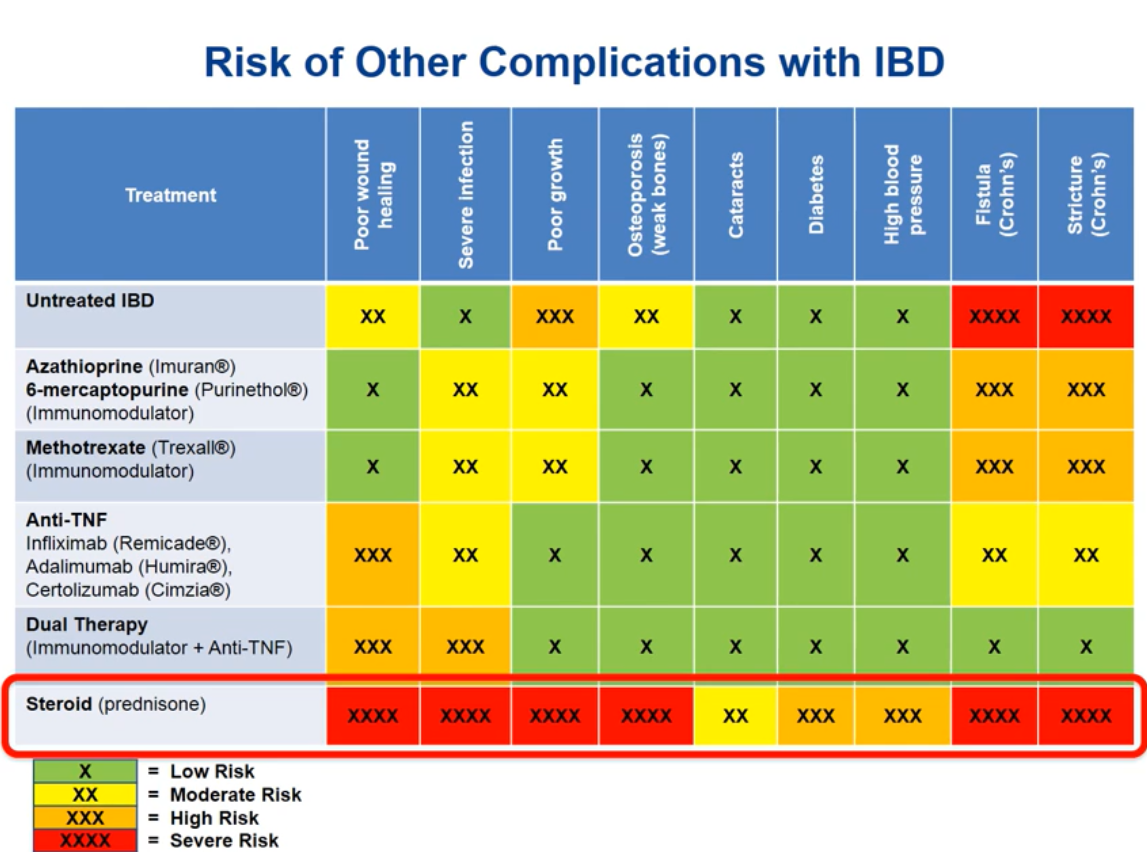
In the section on other complications, the presentation suggests that there may be impaired wound-healing with anti-TNFs.  I think this risk is overstated in this slide. Also, I think the risk of severe infection with thiopurines is a little bit higher than stated; though, this can be mitigated with careful monitoring.

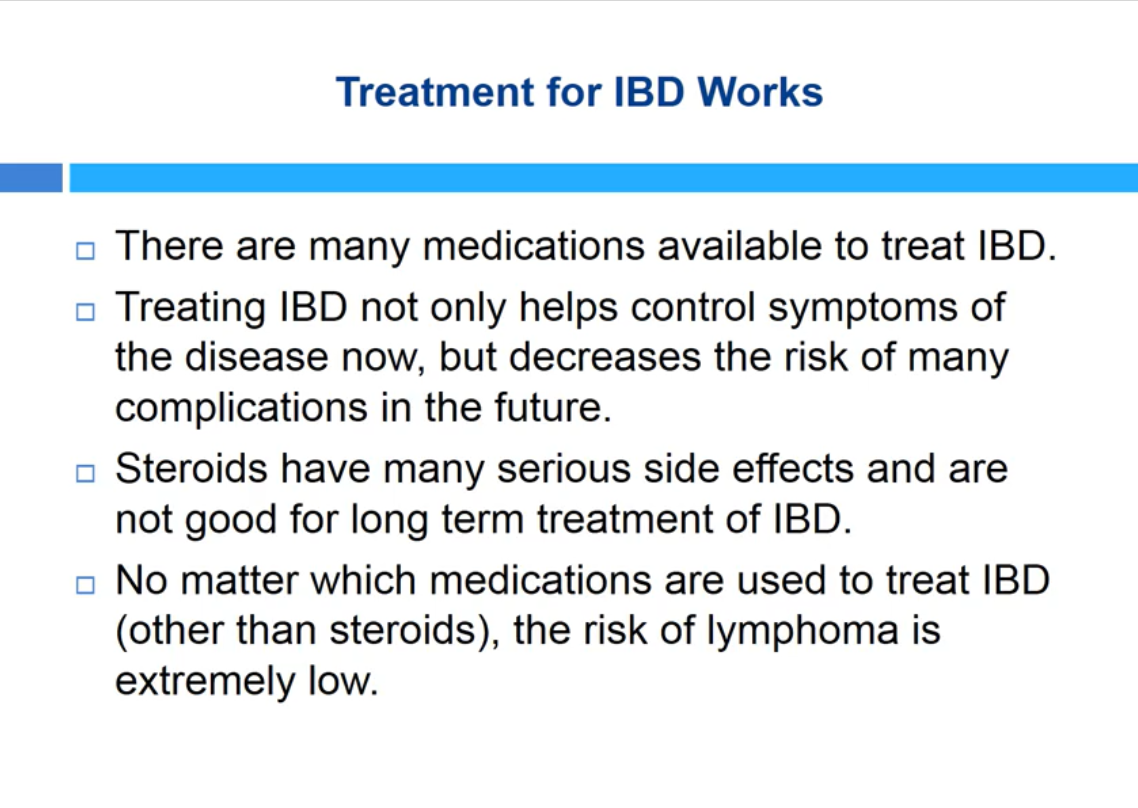
I think this summary slide could be improved by noting that the overall risk of serious cancers is likely lowered by treating IBD.  Since colon cancer is a fairly common cancer and IBD treatment reduces the risk, this likely outweighs the increased risk of other cancers (eg. lymphoma) which are much less common.

Another link to video: https://tinyurl.com/IBDTreatments

Related posts:

Disclaimer: This blog, gutsandgrowth, assumes no responsibility for any use or operation of any method, product, instruction, concept or idea contained in the material herein or for any injury or damage to persons or property (whether products liability, negligence or otherwise) resulting from such use or operation. These blog posts are for educational purposes only. Specific dosing of medications (along with potential adverse effects) should be confirmed by prescribing physician.  Because of rapid advances in the medical sciences, the gutsandgrowth blog cautions that independent verification should be made of diagnosis and drug dosages. The reader is solely responsible for the conduct of any suggested test or procedure.  This content is not a substitute for medical advice, diagnosis or treatment provided by a qualified healthcare provider. Always seek the advice of your physician or other qualified health provider with any questions you may have regarding a condition.

New Therapy for Eosinophilic Esophagitis

In a report (I Hirano, ES Dellon et al. Gastroenterol 2020; 158: 111-22) on a phase 2 trial with 47 adults, the authors show that weekly subcutaneous injections of dupilumab (300 mg) was associated with improvement in eosionophilic esophagitis.

Dupilumab, a fully human monoclonal antibody, antagonizes the interleukin-4 receptor-alpha component of the type 2 receptor, thereby inhibiting signaling of IL-4 and IL-13. Dupilumab has shown “efficacy in pediatric and adult atopic dermatitis, asthma, and chronic sinusitis with nasal polyposis” and is FDA-approved for use in these disorders.

Key findings:

  • Dupilumab was associated with improvement in dysphagia as measured by the Straumann Dysphagia Instrument with a mean reduction of 3.0 compared to 1.3 in the placebo group at week 10 (P=.0304)
  • Dupilumab was associated with improvement in histology, at week 12, the peak eosinophil count had dropped by a mean of 86.8 (P<.0001 vs. placebo)
  • Dupilumab was associated with improvement in endoscopic parameters as assessed by endoscopic reference score which dropped by 1.6 (P -.0006 vs placebo)
  • No serious adverse effects were evident.  Nasopharyngitis was noted in 17% in the dupilumab group compared to 4% of placebo-treated patients.  Injection site erythema was noted in 35% (vs. 8% in placebo group

Of note, the study was sponsored by pharmaceutical companies and many of the authors (including both lead authors) were either affiliated with these companies.

My take: This study indicates that Dupilumab has at least short term efficacy and safety for eosinophilic esophagitis.

Related blog posts:

Disclaimer: This blog, gutsandgrowth, assumes no responsibility for any use or operation of any method, product, instruction, concept or idea contained in the material herein or for any injury or damage to persons or property (whether products liability, negligence or otherwise) resulting from such use or operation. These blog posts are for educational purposes only. Specific dosing of medications (along with potential adverse effects) should be confirmed by prescribing physician.  Because of rapid advances in the medical sciences, the gutsandgrowth blog cautions that independent verification should be made of diagnosis and drug dosages. The reader is solely responsible for the conduct of any suggested test or procedure.  This content is not a substitute for medical advice, diagnosis or treatment provided by a qualified healthcare provider. Always seek the advice of your physician or other qualified health provider with any questions you may have regarding a condition