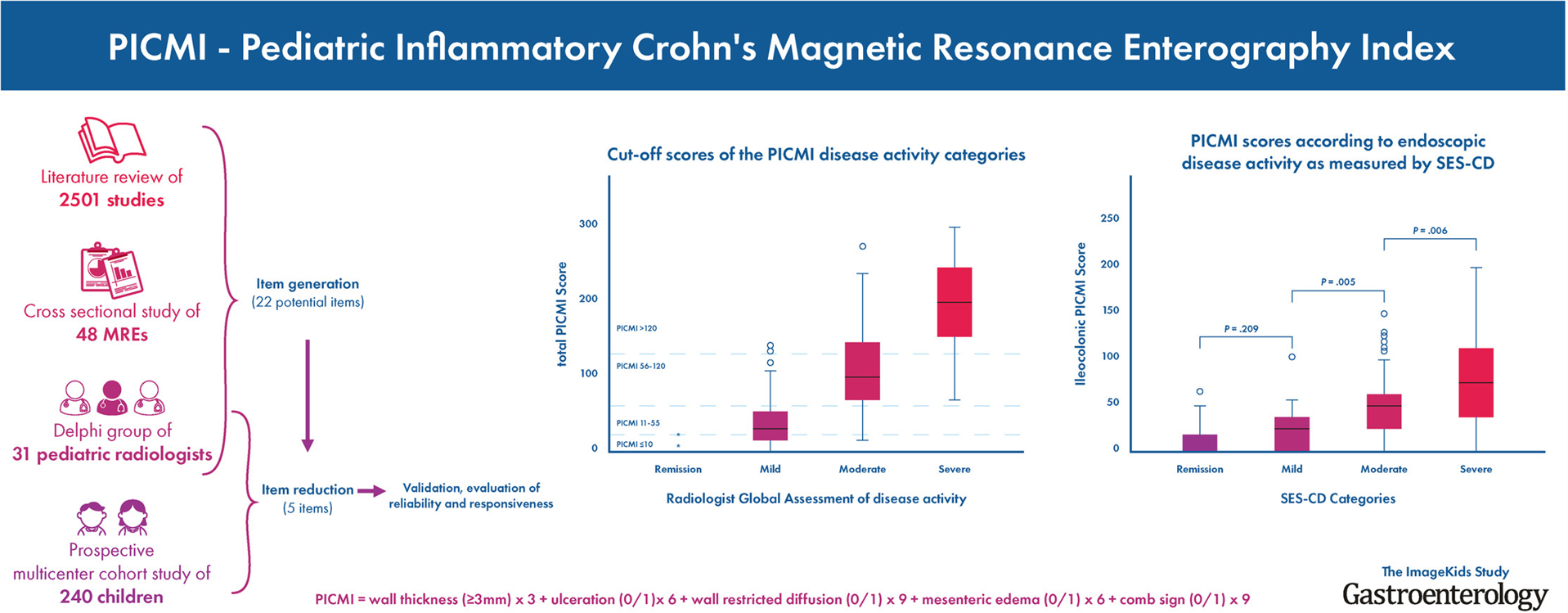
In the validation cohort of 81 MREs, the weighted global PICMI correlated well with the radiologist global assessment (r = 0.85; P < .001) and with the simple endoscopic score in a subsample with ileocolonic disease (r = 0.63; P < .001).
Interobserver and test-retest reliability were high (interclass correlation coefficients, 0.84 and 0.81, respectively; both P < .001)
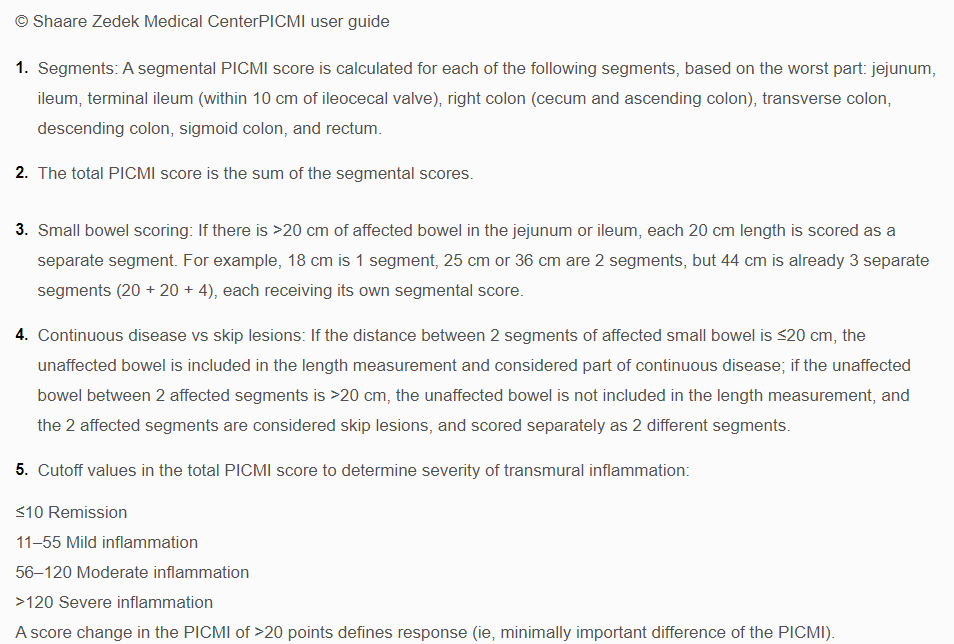
Transmural healing was defined as PICMI ≤10 and response as a change of >20 points with excellent discriminative validity (area under the receiver operating characteristic curve = 0.96
My take: This study identifies a specific MRI index (PICMI) that is reliable for assessing the entire bowel in pediatric CD and does not require intravenous gadolinium or rectal enema. By using a standardized tool, similar to SEMA-CD for ileocolonoscopy, this will improve the usefulness of MREs.
Also noted: Link: Clinical support tool (sponsored by AGA) that provides individualized information on 2nd line therapy effectiveness (ustekinumab and vedolizumab) with regard to probability of achieving clinical remission, how quick to expect a response, and whether therapeutic drug monitoring is needed.
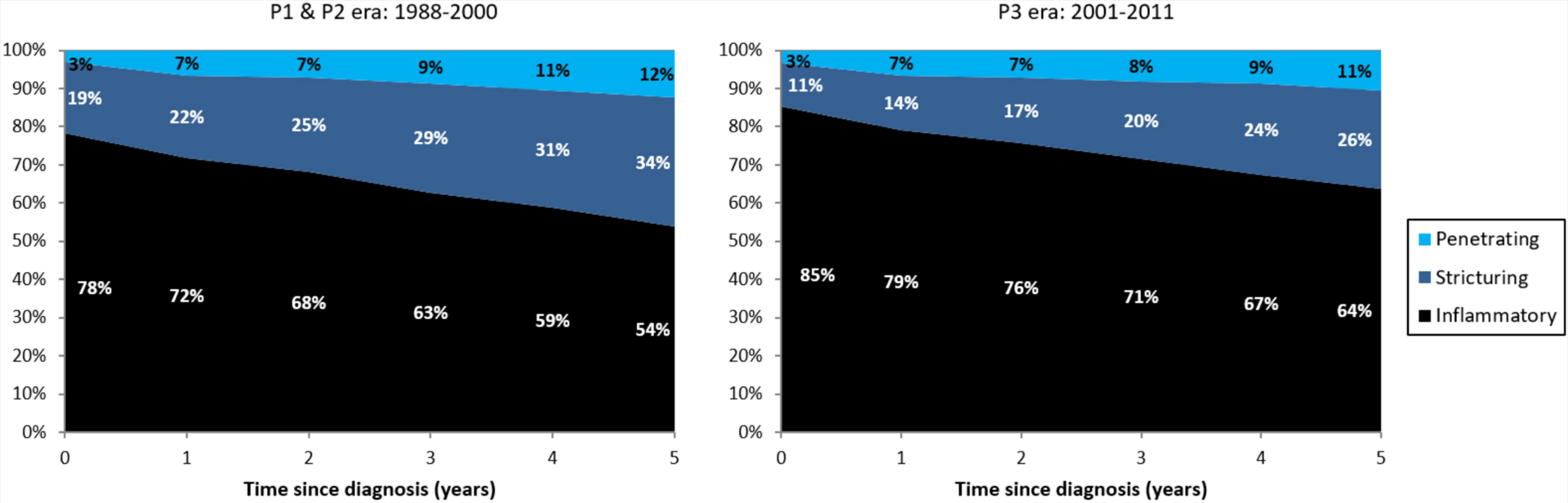
This retrospective study dating back to 1988 examined 1007 patients diagnosed with CD who were followed up for a median duration of 8.8 years.
Key findings:
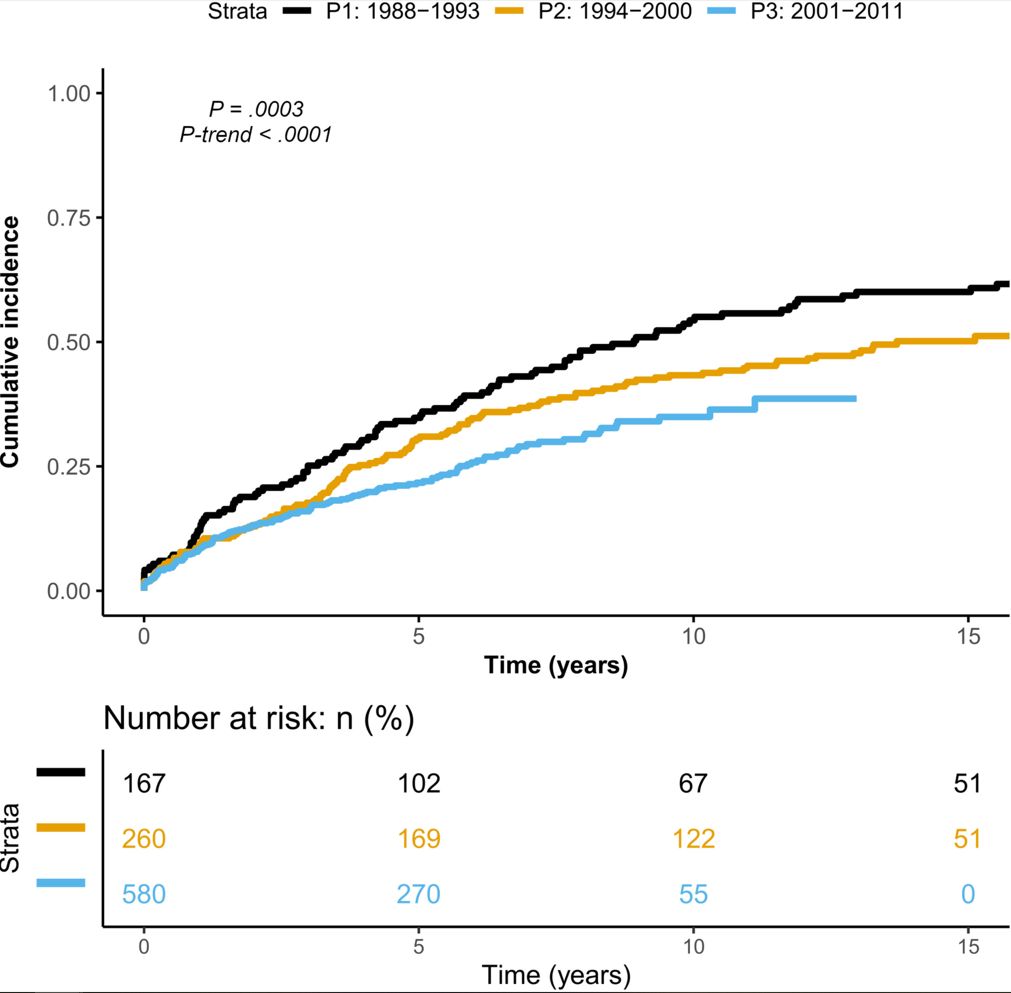
The risk for intestinal resection at 5 years decreased significantly over time (P1, 35%; P2, 31%; and P3, 22%; P = .0003. This decrease in resections coincided with increased use of immunosuppressive (IS) and anti-TNF therapy: IS and anti-TNF exposure rate at 5 years increased from 33.9% (in P1) to 76.5% (in P3) and from 0% (in P1) to 50.5% (in P3).
The risk for progression from inflammatory to stricturing behavior decreased significantly over time (P1, 27%; P2, 28%; and P3, 20%)
LE Targownik et al. Clin Gastroenterol Hepatol 2022; 20: 2607-2618. Earlier Anti-TNF Initiation Leads to Long-term Lower Health Care Utilization in Crohn’s Disease but Not in Ulcerative Colitis
Methods: The authors “used health administrative data from Manitoba, Canada to identify all persons with a new diagnosis of inflammatory bowel disease (IBD) between 2001 and 2018 who received tumor necrosis factor antagonists (anti-TNF) therapy and had at least 1 year of post anti-TNF initiation follow-up.”
Key findings:
Among 742 persons with CD, early anti-TNF initiators had fewer IBD-specific and overall hospitalizations over the 5 years following the start of therapy
Incidence of resective surgery was also lower in earlier anti-TNF initiators with CD if the first year following initiation was excluded from the analysis.
In 318 cases of UC, there was no impact of the timing of anti-TNF therapy on the rates of hospitalization and surgery.
My take: These two studies show that use of biologic therapy is associated with better outcomes in Crohn’s disease including fewer intestinal resections and fewer hospitalizations. It appears that earlier use may alter the natural history in part by reducing the likelihood of stricturing disease. Interestingly, the RISK study showed a reduction in penetrating disease with early use of biologics but not a reduction in stricturing disease (Related blog post: CCFA: Updates in Inflammatory Bowel Disease 2017 (part 3))
Key findings from this retrospective review (2011-2019):
Of 1801 cases of histologic colitis, 11 patients had CMV found by histology (mean age 15.4, 72.7% female), with an incidence of 0.6%
Nine out of these 11 (81.8%) patients were immunocompromised and 4 (36.4%) had inflammatory bowel disease (IBD) as an underlying diagnosis of whom 2 had new-onset ulcerative colitis
5 of 6 post-transplant patients with CMV colitis had preexisting CMV viremia
An independent analysis of 54 consecutive IBD-associated colectomy cases at TCH showed no histologic evidence of CMV
The study finding that half of the cases of CMV in the IBD population were identified prior to treatment indicates that the underlying IBD may be a more important susceptibility factor than the immunosuppressive medications.
My take: This study indicates that CMV colitis remains important in the post-transplant population but is rarely consequential in the pediatric IBD population.
IBD Updates -January 2017 With regard to CMV and IBD, this study showed “that in most cases the virus is nonpathogenic and thus antiviral is usually ineffective”
Little O’Malley Peak Trail, near Anchorage AK. Denali is visible in background, even though it is ~180 miles away.
Disclaimer: This blog, gutsandgrowth, assumes no responsibility for any use or operation of any method, product, instruction, concept or idea contained in the material herein or for any injury or damage to persons or property (whether products liability, negligence or otherwise) resulting from such use or operation. These blog posts are for educational purposes only. Specific dosing of medications (along with potential adverse effects) should be confirmed by prescribing physician. Because of rapid advances in the medical sciences, the gutsandgrowth blog cautions that independent verification should be made of diagnosis and drug dosages. The reader is solely responsible for the conduct of any suggested test or procedure. This content is not a substitute for medical advice, diagnosis or treatment provided by a qualified healthcare provider. Always seek the advice of your physician or other qualified health provider with any questions you may have regarding a condition.
“The study included data from 463 observed vedolizumab concentrations (59 peaks and 404 troughs) from 74 patients with IBD (52 with Crohn’s disease and 22 with ulcerative colitis or unclassified IBD, median age 16 years)…This study was part of the multicentre REFINE study, which aimed to investigate paediatric PK factors among different biological therapies. Both induction and maintenance doses were between 6 and 10 mg/kg for patients less than 30 kg and 300 mg for patients above 30 kg.”
Key findings:
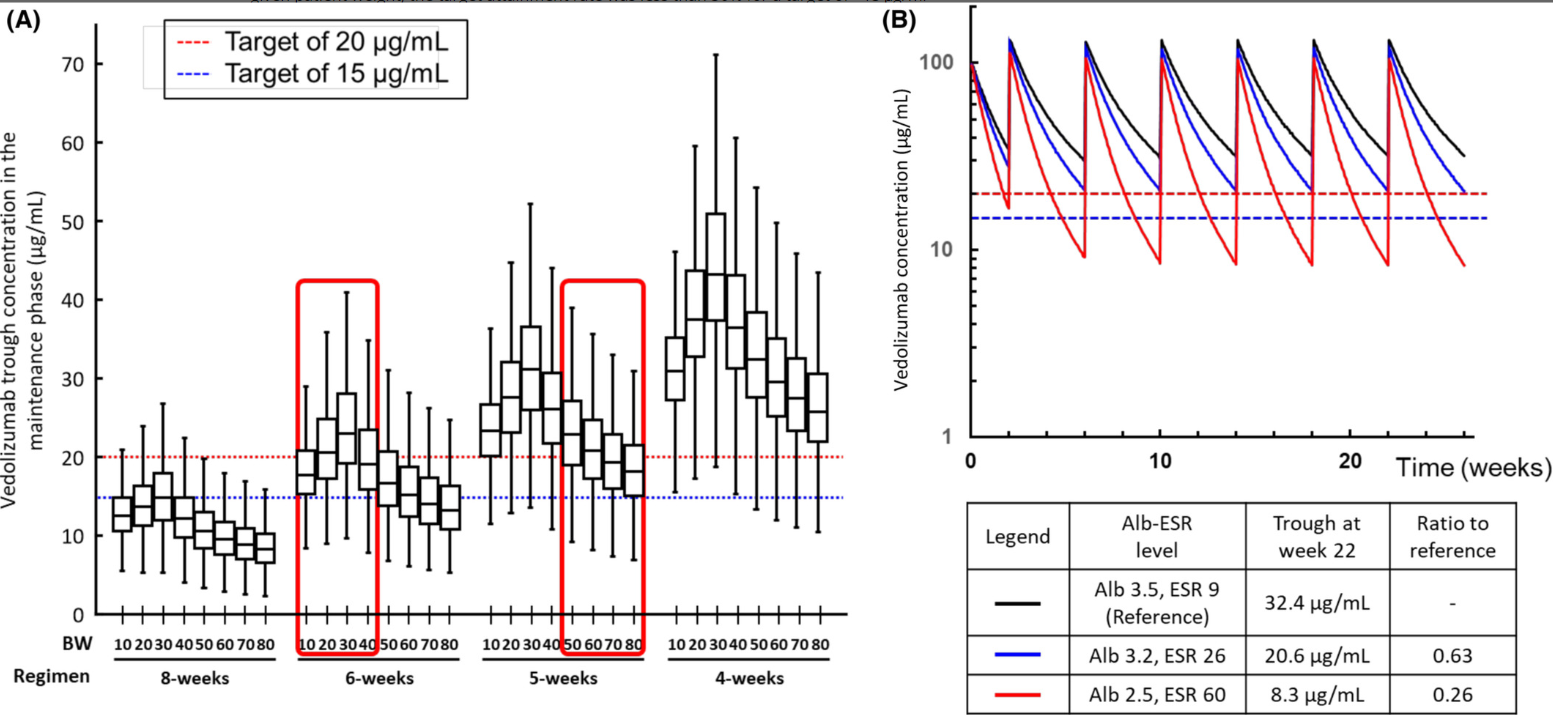
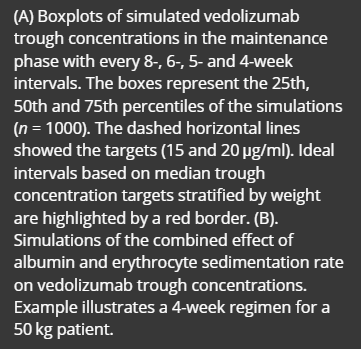
“Using the new model in a simulation analysis of standard vedolizumab infusions (0, 2 and 6 weeks followed by every 8 weeks), we demonstrate that the expected cTrough at week 22 (infusion-5) in the majority of patients would result in drug exposure below current cTrough targets..The dosing simulations in our current study found that receiving standard dosing would lead to <20% of patients achieving a cTrough of 20 μg/ml at infusion-5.”
“The severity of hypoalbuminemia resulted in higher drug CL (lower cTrough) than the inflammatory burden (elevated ESR).”
Infusion-3 cTrough of at least 37 μg/ml and infusion-4 cTrough of at least 20 μg/ml best predicted SFCR (steroid-free clinical remission) at infusion-4. In contrast, we showed inadequate drug exposure during induction (AUCweek 14 of <134,580 μg h/ml) was associated with clinical non-response
My take: This study shows that therapeutic drug monitoring (TDM) is likely to be beneficial in improving outcomes in pediatric patients receiving vedolizumab. Low albumin in particular is associated with increased drug clearance. From this study, it looks like most pediatric patients will need dosing every 4 to 6 weeks to achieve good levels. The authors in their discussion reinforce the utility of TDM to “guide anti-TNF dose optimisations has been shown to improve durability and reduce both immunogenicity and loss of response.”
51 Strik AS, Löwenberg M, Mould DR, Berends SE, Ponsioen CI, van den Brande JMH, et al. Efficacy of dashboard driven dosing of infliximab in inflammatory bowel disease patients: a randomized controlled trial. Scand J Gastroenterol 2021; 56: 145– 154.
Disclaimer: This blog, gutsandgrowth, assumes no responsibility for any use or operation of any method, product, instruction, concept or idea contained in the material herein or for any injury or damage to persons or property (whether products liability, negligence or otherwise) resulting from such use or operation. These blog posts are for educational purposes only. Specific dosing of medications (along with potential adverse effects) should be confirmed by prescribing physician. Because of rapid advances in the medical sciences, the gutsandgrowth blog cautions that independent verification should be made of diagnosis and drug dosages. The reader is solely responsible for the conduct of any suggested test or procedure. This content is not a substitute for medical advice, diagnosis or treatment provided by a qualified healthcare provider. Always seek the advice of your physician or other qualified health provider with any questions you may have regarding a condition.
Background: NSAIDs are well-known to cause gastrointestinal injury. While single center studies have suggested that NSAIDs are associated with increased IBD flares, a systemic review of 18 studies found no consistent association between NSAIDs and IBD exacerbation.
This study included 15,705 (44.8%) and 19,326 (55.2%) IBD patients with and without an NSAID exposure.
Key findings:
Findings from a Cox proportional hazards model suggest an association between NSAIDs and IBD exacerbation (HR 1.24; 95%CI 1.16-1.33)
However, the likelihood of an IBD exacerbation in the NSAID exposed arm preceding NSAID exposure was similar (HR 1.30; 95%CI 1.21-1.39).
Those who received NSAIDs were already at increased risk of experiencing a disease flare. And the prior event rate ratio for IBD exacerbation, as determined by dividing the adjusted HR after NSAID exposure by the adjusted HR for pre-NSAID exposure, was 0.95 (95% CI, 0.89 – 1.01).
“A self-controlled case series analysis of 3,968 patients who had both an NSAID exposure and IBD exacerbation demonstrated similar exacerbation rates in the 1-year preceding exposure, 2-6 weeks post-exposure, and 6-weeks to 6-months post-exposure, but higher incidence 0-2 weeks post-exposure, suggesting potential confounding by reverse causality.” The self-controlled part of the study allowed patients to serve as their own controls which allowed adjustment for many factors that are difficult to control with retrospective studies.
75% of patients with IBD who were prescribed an NSAID did not have an IBD exacerbation during a mean of 5.9 years of follow-up
NSAIDs were commonly used: 36.5% of patients with IBD had received at least one NSAID prescription
NSAIDs use was prescribed more frequently in patients with immune targeted therapy (likely a marker for moderate to severe disease)
Discussion points:
The estimated prior event ratio of 0.95 suggests that the risk of IBD flares in NSAID-exposed patients preceded the use of NSAIDs. The risk of IBD exacerbation did not increase in the 2 weeks to 6 months after NSAID exposure.
The overall association of increased IBD flare is likely related to reverse causation. Patients may take NSAIDs due to arthropathy or other symptoms that may be an early manifestation of a flare.
My take: This study challenges the prevailing view that NSAID use worsen inflammatory bowel disease; it is more likely that IBD exacerbations are due to underlying risk from more severe disease and residual confounding/reverse causality. The study provides reassurance that short-duration use is likely to be well-tolerated in most patients with IBD.
Methods: This was “a randomised, double-blind, parallel-group, active-comparator, phase 3b trial (SEAVUE) at 121 hospitals or private practices in 18 countries. We included biologic-naive patients aged 18 years or older with moderately to severely active Crohn’s…Eligible patients were randomly assigned (1:1; via an interactive web response system) to receive ustekinumab (approximately 6 mg/kg intravenously on day 0, then 90 mg subcutaneously once every 8 weeks) or adalimumab (160 mg on day 0, 80 mg at 2 weeks, then 40 mg once every 2 weeks, subcutaneously) through week 56. Study treatments were administered as monotherapy and without dose modifications.”
386 patients were enrolled.
Key findings:
29 (15%) of 191 patients in the ustekinumab group and 46 (24%) of 195 in the adalimumab group discontinued study treatment before week 52
At week 52, 124 (65%) of 191 patients in the ustekinumab group versus 119 (61%) of 195 in the adalimumab group were in clinical remission (CDAI <150)
Endoscopic remission at week 52: ustekinumab 29% and for adalimumab 29%
Endoscopic response at week 52: ustekinumab 42%and for adalimumab 37%
Rapid onset of clinical response was seen with both therapies with improvement noted as early as week 2 assessment
Antidrug antibodies were less frequent with ustekinumab compared to adalimumab: 2% vs 74%.
Infections were reported in 65 (34%) of ustekinumab group compared to 79 (41%) of adalimumab group. Serious infections were reported in four (2%) of 191 patients in the ustekinumab group and five (3%) of 195 in the adalimumab group.
No deaths occurred through week 52 of the study.
My take:
Both medications had a high similar response rate. Ustekinumab had fewer patients discontinue medication and lower immunogenicity which could improve efficacy/duration of response in an extended study.
It is good to see a well-designed head-to-head study rather than a placebo-control arm. Placebo-based studies are hard to justify given the availability of multiple effective agents.
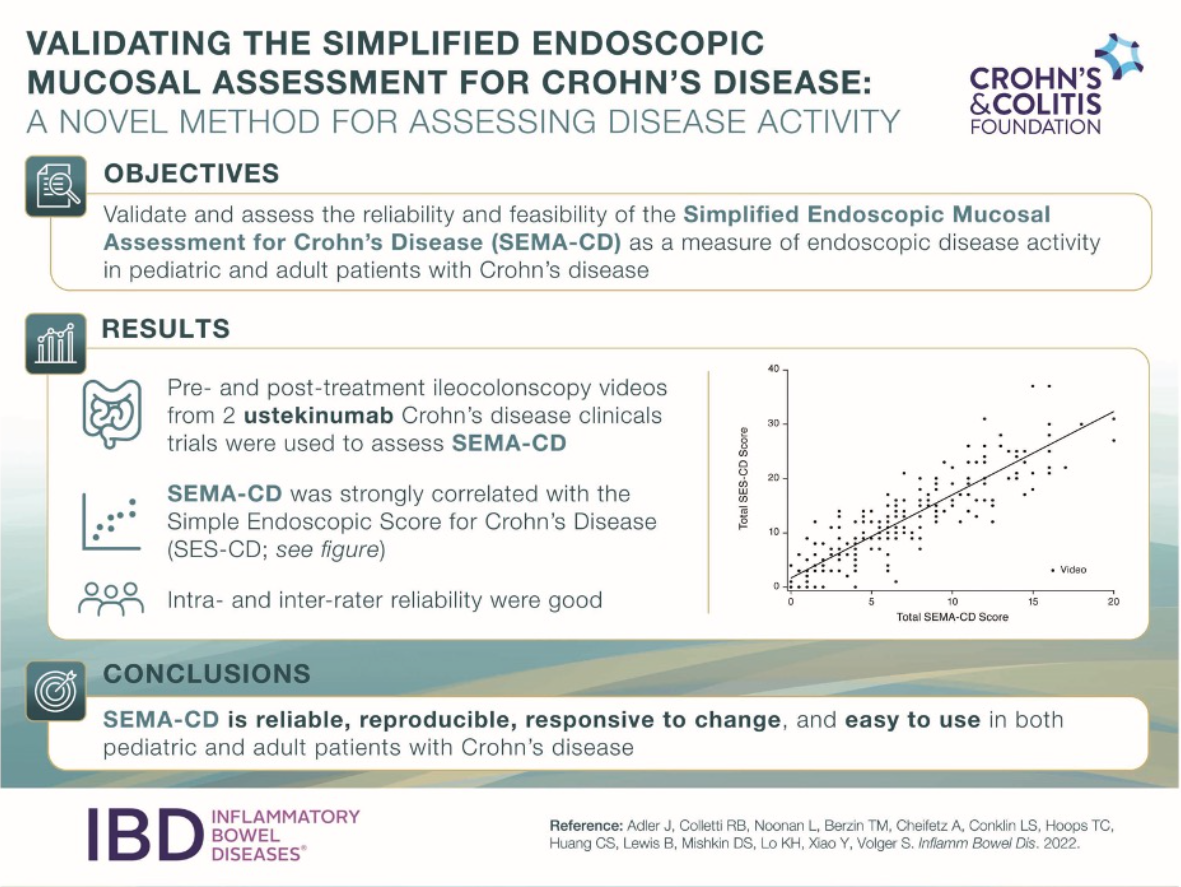
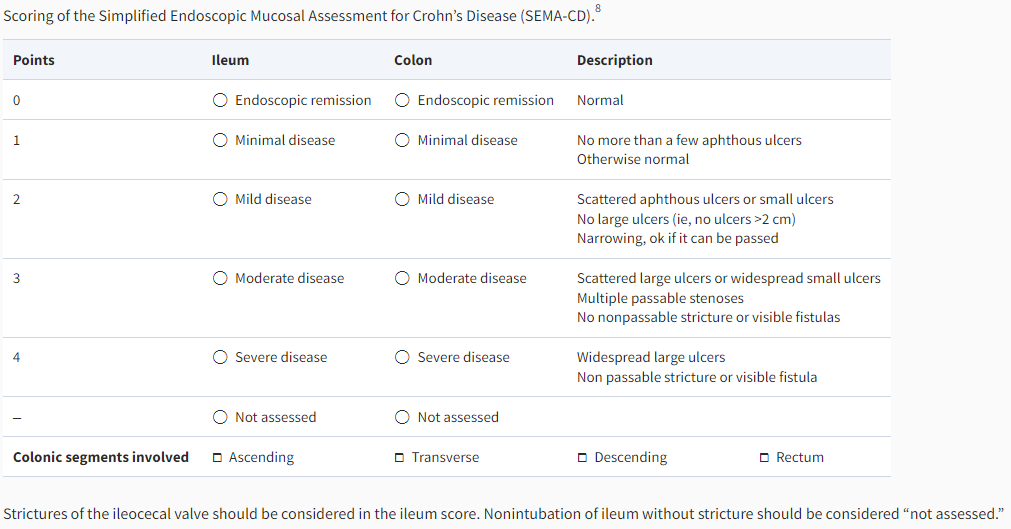
“The SEMA-CD is scored by assigning a numerical value ranging from 0 (endoscopic remission) to 4 (severe disease) for each bowel region (ileum and colon). The overall colon is scored as a whole based on the most severe colonic segment. The number of colonic segments with any degree of active disease is recorded, regardless of the severity of individual segments. The overall colon score is then multiplied by the number of involved colonic segments, and the result is added to the ileum score.”
In a nationwide Swedish cohort of 18,815 incident patients with a minimum 5 years of follow-up, 652 (3.5%) underwent formation of a stoma. The 5-year cumulative incidence of stoma formation was 2.5%, with no differences between calendar periods (2003–2006, 2007–2010, and 2011–2014).
This study captured data from 1317 patients (including 927 patients stopping infliximab and 390 patients stopping adalimumab) to develop risk prediction models. “The authors confirm many of the high risk, albeit rather intuitive, factors that are associated with the risk of relapse, including younger age, younger age at diagnosis, smoking, upper gastrointestinal tract involvement, longer disease duration, absence of concomitant immunosuppressant use, previous anti-TNF failure, and absence of clinical remission.”
The editorial notes that even in the lowest risk group, more than 20% had risk of relapse within 1 year; in addition, stopping therapy increases risk of not recapturing remission with restart of treatment. “Stopping anti-TNF therapy is a highly personalized treatment decision and is one that carries considerable risks…therapeutic discontinuation of TNF antagonists should be reserved for the very small minority of patients who are in deep remission, have a strong desire to stop treatment, have no (or very few) characteristics of high-risk CD, can tolerate a substantial disease flare, and are fully informed of the risks of therapeutic withdrawal.”
Graphical abstract below shows that 52.2% of patients who did not achieve clinical response to 8 weeks’ treatment with tofacitinib 10 mg BID in the induction studies achieved a clinical response following extended induction (delayed responders). At Month 12 of OCTAVE Open, 70.3%, 56.8%, and 44.6% of delayed responders maintained clinical response and achieved endoscopic improvement and remission, respectively. Corresponding values at Month 36 were 56.1%, 52.0%, and 44.6%.
My take: By extending the treatment induction to 16 weeks to determine response (rather than 8 weeks), the authors showed that 75% of patients with ulcerative colitis in the initial cohort respond to tofacitinib.
4 patients with Crohn’s disease had loss of response.
9% of patients were switched back to IV vedolizumab due to adverse events or fear of needles.
Median clinical and biochemical disease activity remained stable after the switch. Median vedolizumab serum concentrations increased from 19 μg/ml at the time of the switch to 31 μg/ml 12 weeks after the switch (p < 0.005).
HC Kaplan et al. Am J Gastroenterol 2022 Jun 1;117(6):902-917. Open access: Personalized Research on Diet in Ulcerative Colitis and Crohn’s Disease: A Series of N-of-1 Diet Trials. In this study, 21 patients (completed trial) were randomized to 1 of 2 sequences of 4 alternating 8-week SCD (specific carbohydrate diet) and MSCD (modified specific carbohydrate diet) periods.
Key findings: “SCD and MSCD did not consistently improve symptoms or inflammation.” “Some individuals had improvement in symptoms and fecal calprotectin compared with their UD, whereas others did not.” The authors note that it took 18 months to recruit 54 patients for this study across 19 research sites.
Black adult patients were significantly less likely than White patients to have a diagnosis of CD (odds ratio [OR], 0.53) or UC (OR, 0.41). Pediatric Black patients were also less likely to have a diagnosis of CD (OR, 0.41) or UC (OR, 0.38)
Adult Hispanic patients were less likely to have a diagnosis of CD (OR, 0.33) or UC (OR, 0.45) compared with non-Hispanic patients. Similarly, pediatric Hispanic patients were less likely to have a diagnosis of CD (OR, 0.34) or UC (OR, 0.50).
Thus, these data suggest that CD and UC are modestly less prevalent among patients of non-White races and Hispanic ethnicity