Antibiotic Selection for Suspected Central Line Infections

A recent study (BP Raphael et al. JPGN 2019; 70: 59-63) describes 309 central line-associated bloodstream infections (CLABSI) in 90 children were dependent on parenteral nutrition (median age 3.8 years).

Key findings:

  • 60% of isolated organisms were gram-positive, 34% were gram-negative, and 6% fungi.
  • For gram-positive organisms, 51% were sensitive to methicillin
  • For gram-negative organisms, 71% were sensitive to piperacillin-tazobactam, 97% to cefepime, and 99% to meropenem

Based on these findings, the authors advocate the following:

  • “Vancomycin and cefepime provide improve coverage over vancomcyin piperacillin-tazobactam for” CLABSI
  • Empiric use of vancomycin and meropenem “may be justified” in septic shock “where maximal probability of cure outweighs risks of long-term drug resistance”
  • If there is an increased fungemia risk, such as prior fungal infections, shock, or immunodeficiency, the authors recommend adding fluconazole

Another advantage of cefepime over piperacillin-tazobactam is a reduced risk of acute kidney injury which has been associated with the latter.

My take: Individual institutions may have variable organism sensitivity.  In the absence of institutional data, this recommendations are a good starting point.

Related blog post: #NASPGHAN19 Intestinal Failure Session Part 1

Disclaimer: This blog, gutsandgrowth, assumes no responsibility for any use or operation of any method, product, instruction, concept or idea contained in the material herein or for any injury or damage to persons or property (whether products liability, negligence or otherwise) resulting from such use or operation. These blog posts are for educational purposes only. Specific dosing of medications (along with potential adverse effects) should be confirmed by prescribing physician.  Because of rapid advances in the medical sciences, the gutsandgrowth blog cautions that independent verification should be made of diagnosis and drug dosages. The reader is solely responsible for the conduct of any suggested test or procedure.  This content is not a substitute for medical advice, diagnosis or treatment provided by a qualified healthcare provider. Always seek the advice of your physician or other qualified health provider with any questions you may have regarding a condition.

Old Montreal

USDA Changing School Rules –Policy Should Get an “F”

From NPR: More Pizza And Fries? USDA Proposes To ‘Simplify’ Obama-Era School Lunch Rules

An excerpt:

The U.S. Department of Agriculture has proposed new rules for school meals aimed at giving administrators more flexibility in what they serve in school cafeterias around the country each day.

For instance, instead of being required to offer higher quantities of nutrient-dense red and orange vegetables such as carrots, peppers and buttternut squash, schools would have more discretion over the varieties of vegetables they offer each day. In addition, students will be allowed to purchase more entree items as a la carte selections…

Critics say the proposed changes from the Trump administration amount to further rollbacks of the nutrition standards put in place during the Obama administration following the passage of the Healthy, Hunger-Free Kids Act of 2010

“In practice, if finalized, this would create a huge loophole in school nutrition guidelines, paving the way for children to choose pizza, burgers, French fries, and other foods high in calories, saturated fat or sodium in place of balanced school meals every day,” The proposal follows a spate of rule changes announced by Perdue in 2018 that weakened the whole grain requirements and gave school administrators more leeway to serve up white breads and biscuits. 

My take: School lunch standards do not need to be rolled back.  While improving nutrition at schools will not solve the epidemic of obesity, it needs to be at least one piece of a much bigger puzzle.

Related blog posts:

AAP Bariatric Surgery Recommendations

A recent policy statement (SC Armstrong et al. Pediatrics 2019; 144 (6): e20193223) outlines current evidence regarding adolescent bariatric surgery and makes recommendations for practitioners & policymakers.  There is also an accompanying technical report which provides more detail and supporting evidence.  Thanks to Ben Gold for this reference.

Full PDF Link: Pediatric Metabolic and Bariatric Surgery: Evidence, Barriers, and Best Practices

This policy statement uses “adolescent” to refer to a person from age 13 years to age 18 years.

Background: “Although nearly 4.5 million US adolescents have severe obesity, current estimates suggest that only a small faction undergo metabolic and bariatric surgery…Many providers prefer a “watchful waiting” approach, or long-term lifestyle management.50 However, current evidence suggests that pediatric patients with severe obesity are unlikely to achieve a clinically significant and sustained weight reduction in lifestyle-based weight management programs53 and that watchful waiting may lead to higher BMI and more comorbid conditions…In addition, comparative data examining
postoperative outcomes along the severely obese BMI spectrum (low, middle, and high) suggest that adolescents within a lower BMI range (BMI <55) at the time of bariatric
surgery have a higher probability of achieving nonobese status when compared with individuals with a higher starting BMI (BMI ≥55).”

From Table 2 -Indications for Bariatric Surgery:

  1. Class 2 obesity, BMI ≥35, or 120% of the 95th percentile for age and sex, whichever is lower  along with clinically significant disease, including obstructive sleep apnea (AHI .5), T2DM, IIH, NASH, Blount disease, SCFE, GERD, and hypertension
  2. Class 3 obesity, BMI ≥40, or 140% of the 95th percentile for age and sex, whichever is lower. Clinically significant disease is not required but commonly present

Recommendations for practitioners:

  • Seek high-quality multidisciplinary centers that are experienced in assessing risks and benefits of various treatments for youth with severe obesity, including bariatric surgery, and provide referrals to where such programs are available.
  • Identify pediatric patients with severe obesity who meet criteria for surgery and provide
    timely referrals to comprehensive, multidisciplinary, pediatric-focused metabolic and bariatric surgery programs.
  • Monitor patients postoperatively for micronutrient deficiencies and consider providing iron, folate, and vitamin B12 supplementation as needed.
  • Monitor patients postoperatively for risk-taking behavior and mental health problems.

SYSTEM-LEVEL RECOMMENDATIONS:

  • Advocate for increased access for pediatric patients of all racial, ethnic, and socioeconomic backgrounds to multidisciplinary programs
  • Consider best practice guidelines, including avoidance of unsubstantiated lower age limits, in the context of potential health care benefits and individualized patient-centered care.
  • For insurers: Provide payment for care (pre-operative, operative & post-operative). Reduce barriers to pediatric metabolic and bariatric surgery (including inadequate payment, limited access, unsubstantiated exclusion criteria, and bureaucratic
    delays in approval requiring unnecessary and often numerous appeals) for patients who meet careful selection criteria.

My take: These recommendations are in general agreement with previous guidelines.  I think having the stamp of approval from the AAP is likely to help in getting coverage and may shift attitudes.

Related blog posts:

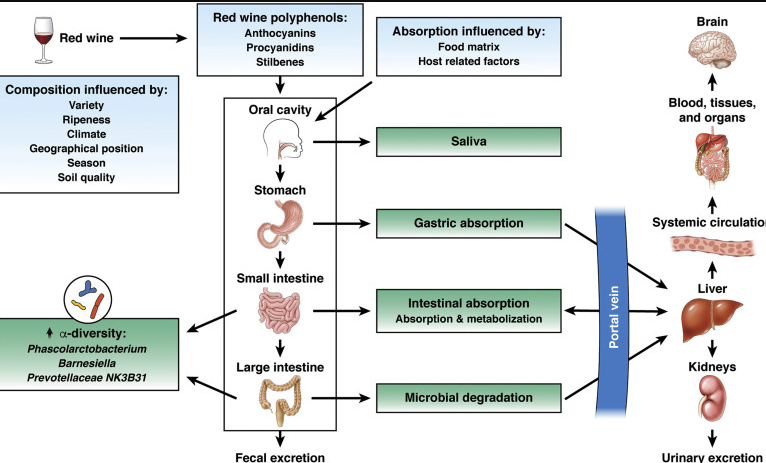
Why Stool Diversity is a Crappy Argument for Drinking Red Wine

A recent study (C Le Roy et al.  Gastroenterol 2020; 158: 270-2) has indicated that red wine (& to a lesser extent white wine) can improve the intestinal microbiome diversity.

A recent AGA blog provides some insight into this study: Is Red Wine Consumption Good For Your Intestinal Microbiome?

An excerpt:

Consumption of red wine polyphenols has been previously associated with health benefits ranging from reducing cardiovascular disease risk factors, metabolic syndrome, and depression to improving cognition…

Le Roy et al compared the effects of beer and cider, red wine, white wine, spirits, and sum of all alcohols on the α-diversity of the intestinal microbiota (determined from 16s ribosomal RNA sequence data) in discovery cohort of 916 women (from a study of twins in the United Kingdom) and 2 replication cohorts (in Europe and North America) using a linear mixed-effect model adjusted for age, body mass index, Healthy Eating Index scores, education, and family structure…

LeRoy et al found that red wine consumption was associated, in a frequency-dependent manner, with α-diversity—even rare consumption had an effect. White wine was associated with α-diversity to a lesser extent, and there was no association with other alcohol categories…

LeRoy et al also observed a direct association between red wine consumption and blood level of insulin and high-density lipoprotein.

[Limitations] this was a cross-sectional and observational study; randomized studies would be needed to determine whether red wine drinking has direct effects on composition of the intestinal microbiome and health outcomes…

My view: If you like to drink red wine, that’s fine but I would be reluctant to expect a health benefit –no matter how great your poop is.  As the associated editorial notes, “high consumption of alcohol has many adverse health effects, including development of cirrhosis. So, it remains to be determined whether long-term trials of red wine can be safely managed in an ethically responsible manner. It will be important to identify doses that provide beneficial health effects without reducing gut barrier integrity.”

Related blog posts

How Important Is It to Correct Vitamin D Deficiency in a Critically-Ill Patient?

According to a recent study (NEJM 2019; 381: 2529-40), correction of vitamin D deficiency in critically-ill has NO significant effects on mortality and other non-fatal outcomes.

Link  to abstract: Early High-Dose Vitamin D3 for Critically Ill, Vitamin D–Deficient Patients

The article notes that observational data have indicated that Vitamin D deficiency is common in critically ill patients and has been associated with longer lengths of stay, prolonged ventilation and death.  However, “vitamin D level is considered a marker of coexisting conditions and frailty, and residual confounding may drive theses associations.”

Methods: a randomized, double-blind, placebo-controlled, phase 3 trial of early vitamin D3 supplementation in critically ill, vitamin D–deficient patients who were at high risk for death. Randomization occurred within 12 hours after the decision to admit the patient to an intensive care unit. Eligible patients received a single enteral dose of 540,000 IU of vitamin D3 or matched placebo.

Results:

  • A total of 1360 patients were found to be vitamin D–deficient during point-of-care screening and underwent randomization. Of these patients, 1078 had baseline vitamin D deficiency (25-hydroxyvitamin D level, <20 ng per milliliter [50 nmol per liter]) confirmed by subsequent testing and were included in the primary analysis population.
  • The mean day 3 level of 25-hydroxyvitamin D was 46.9±23.2 ng per milliliter (117±58 nmol per liter) in the vitamin D group and 11.4±5.6 ng per milliliter (28±14 nmol per liter) in the placebo group
  • The 90-day mortality was 23.5% in the vitamin D group (125 of 531 patients) and 20.6% in the placebo group (109 of 528 patients) (difference, 2.9 percentage points; 95% CI, −2.1 to 7.9; P=0.26). There were no clinically important differences between the groups with respect to secondary clinical, physiological, or safety end points.

My take: Correction of low serum vitamin D levels did not improve outcomes.  This likely indicates that low vitamin D levels are often an epiphenomenon of critical illness and not a contributing causal etiology.

Related blog posts:

Montreal


Year in Review: My Favorite 2019 Posts

Yesterday, I listed the posts with the most views.  The posts below were the ones I like the most.

General/General Health:

Nutrition:

Liver:

Endoscopy:

Intestinal Disorders:


Disclaimer: This blog, gutsandgrowth, assumes no responsibility for any use or operation of any method, product, instruction, concept or idea contained in the material herein or for any injury or damage to persons or property (whether products liability, negligence or otherwise) resulting from such use or operation. These blog posts are for educational purposes only. Specific dosing of medications (along with potential adverse effects) should be confirmed by prescribing physician.  Because of rapid advances in the medical sciences, the gutsandgrowth blog cautions that independent verification should be made of diagnosis and drug dosages. The reader is solely responsible for the conduct of any suggested test or procedure.  This content is not a substitute for medical advice, diagnosis or treatment provided by a qualified healthcare provider. Always seek the advice of your physician or other qualified health provider with any questions you may have regarding a condition.


20-Year Follow-up of Statins in Children

A recent study (IK Luirink et al. NEJM 2019; 381: 1547-56) examined the effects of statin therapy in children with familial hypercholesterolemia (FH) who were followed for 20 years. At baseline, the median age was 13 years in the treated cohort and in their sibling control group.  184 of 214 (86%) of patients with FH were seen in follow-up and 77 of 95 (81%) of siblings.

Key findings:

  • The mean LDL cholesterol had decreased from 237 to 161 mg/dL
  • LDL target of <100 mg/dL was achieved in 37 patients (20%)
  • Mean progression of carotid intima-media thickness over the entire follow-up period was 0.0056 mm/year in patients with FH and 0.0057 mm/year in sibling controls
  • The cumulative incidence of cardiovascular events and death from cardiovascular causes at age 39 years was lower in the treated group compared to  their affected parents: 1% vs. 26% and 0% vs. 7% respectively

Discussion:

“This makes a strong case for not only ‘the lower the better’ but also for ‘the younger the better” as atherosclerotic disease is determined not only by the LDL level but also by cumulative exposure.

My take: This study provides convincing data that statin therapy prolongs health and life in patients with familial hypercholesterolemia.

Related blog posts:

#NASPGHAN19 Annual Meeting -Plenary Session

Here are some notes and a few slides from NASPGHAN’s plenary session.  There could be errors of transcription in my notes.

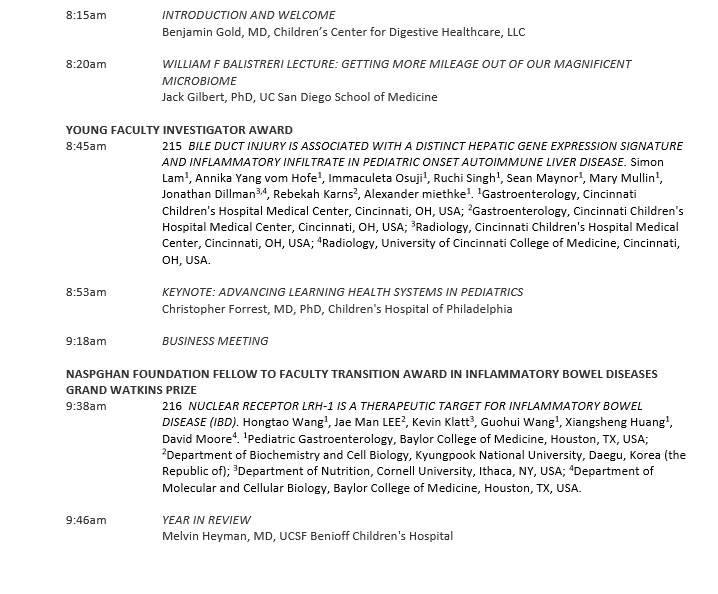
Benjamin Gold, NASPGHAN president and part of our GI group, GI Care For Kids, welcomed everyone to the meeting.

Link to NASPGHAN_Annual_Meeting_Program 2019

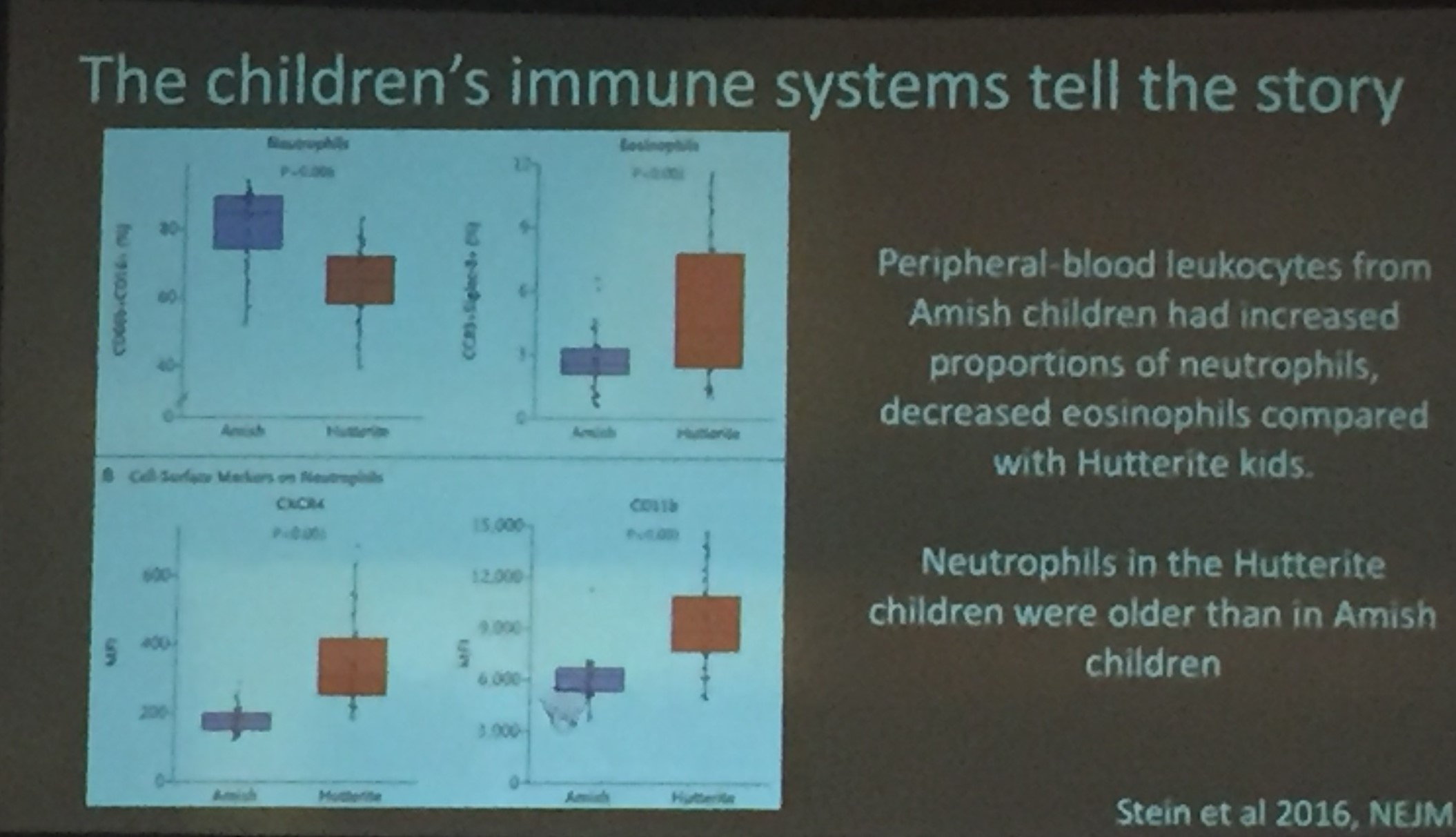
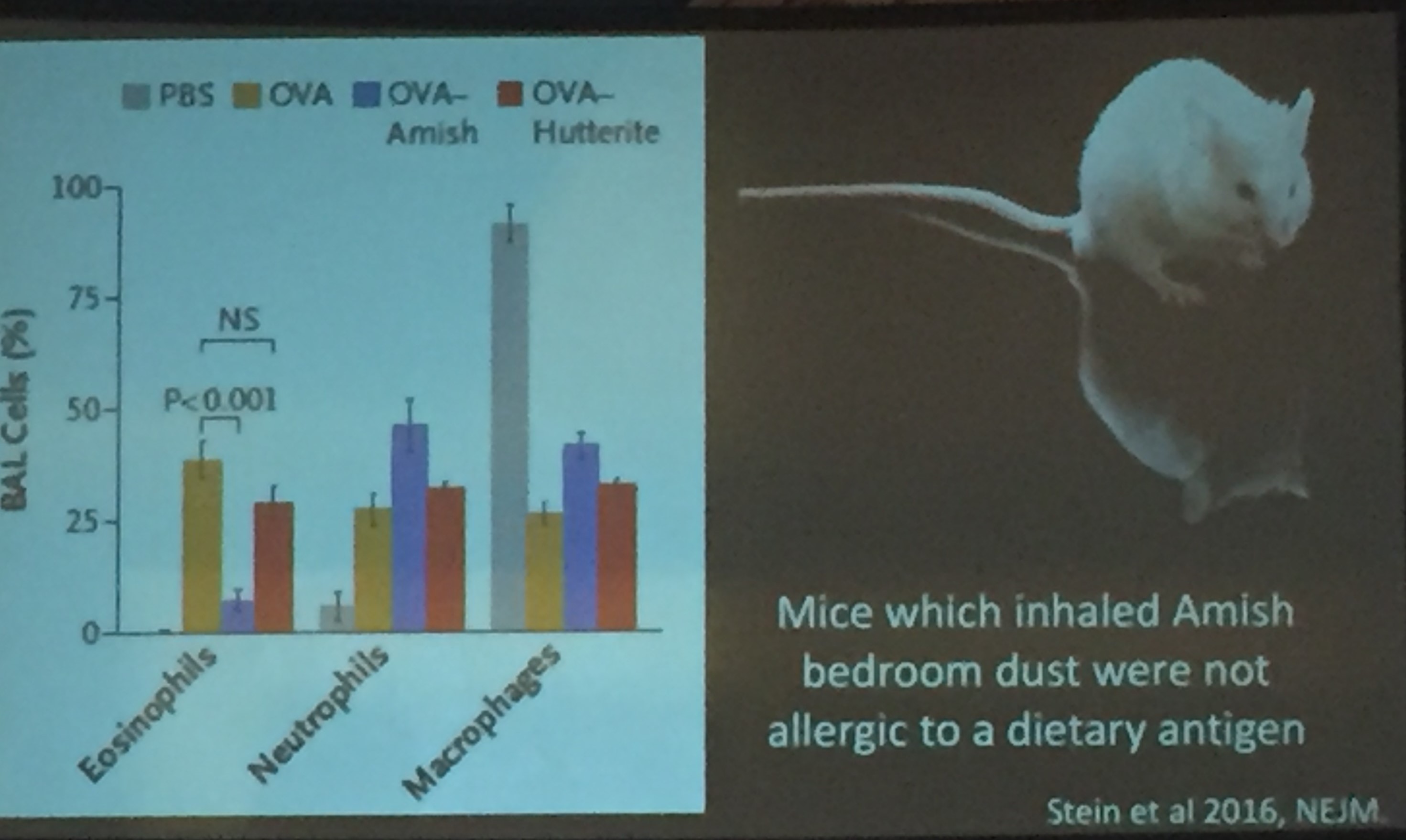
The first speaker, Jack Gilbert, gave the William F Balistreri lecture.  Dr. Gilbert has written a book on the topic of our ‘magnificent microbiome,’ Dirt is Good.  Here are a few slides:

Related study (not discussed in the talk): A recent study (R Vasapolli et al. Gastroenterology 2019; 157: 1081-91) provided data from 21 healthy adults. Using biopsies from panendoscopy and saliva/fecal samples, the authors found that the fecal microbiome is not representative of the mucosal microbiome.  In addition, each GI region had a different bacterial community.

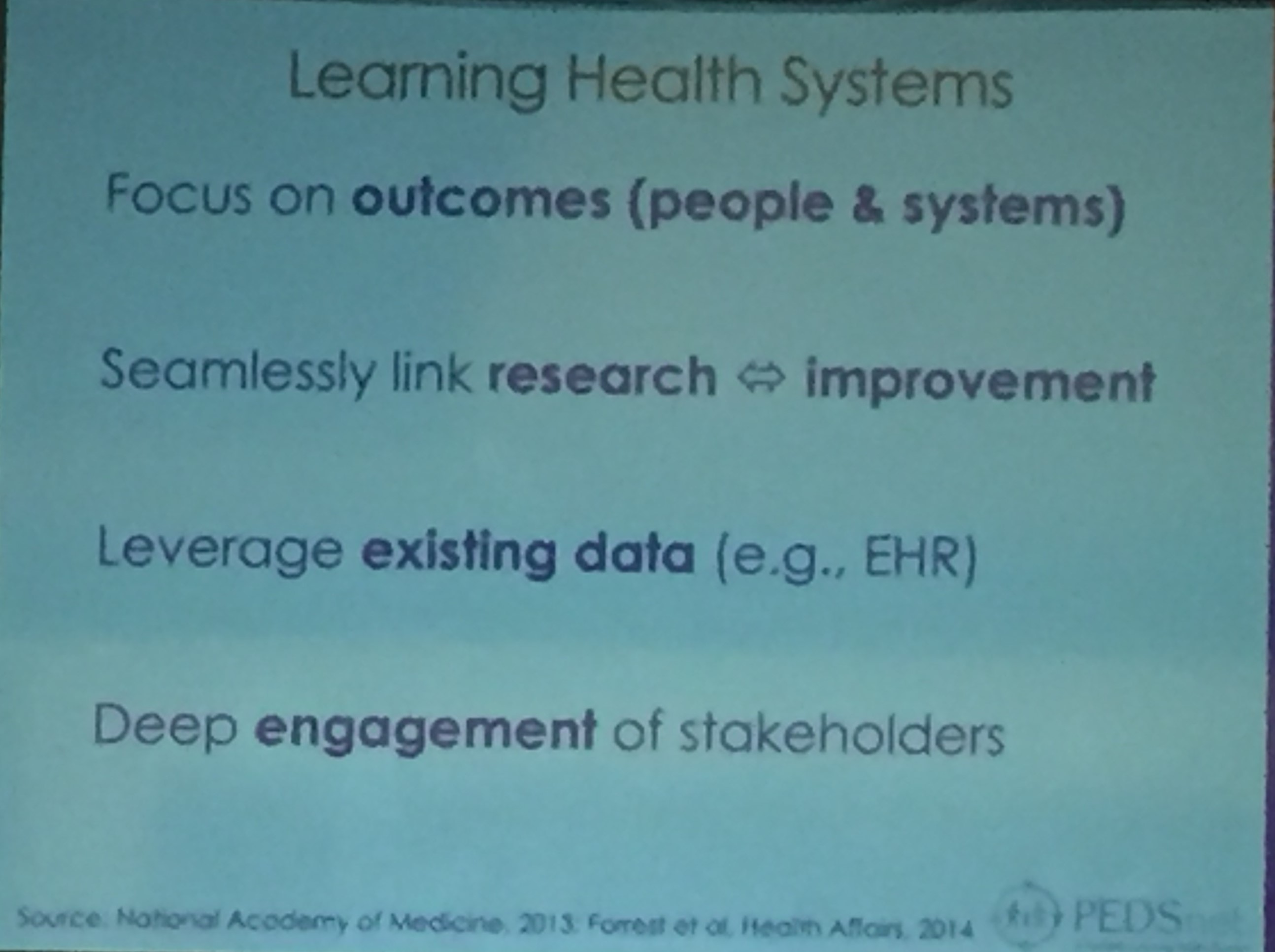
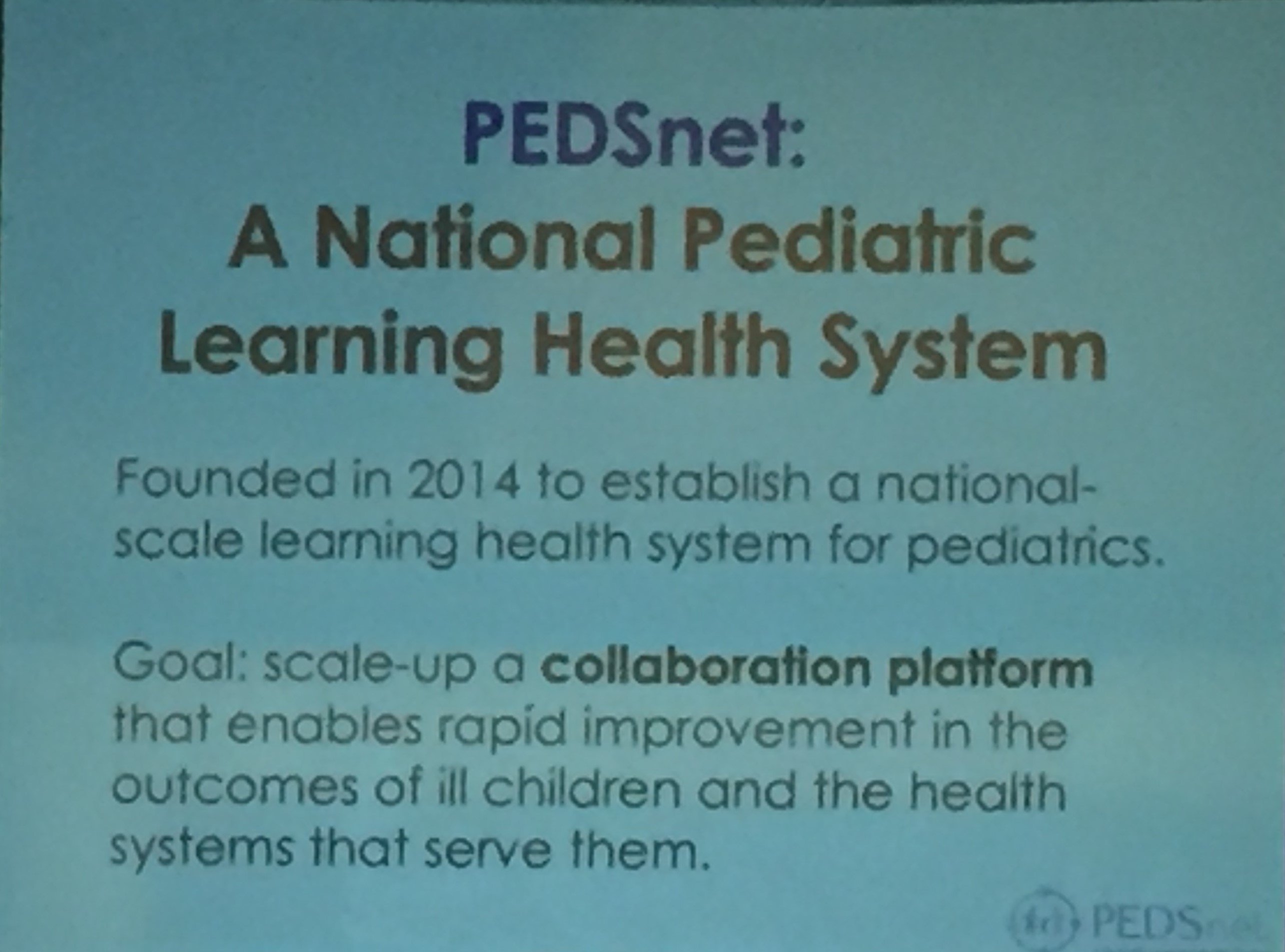
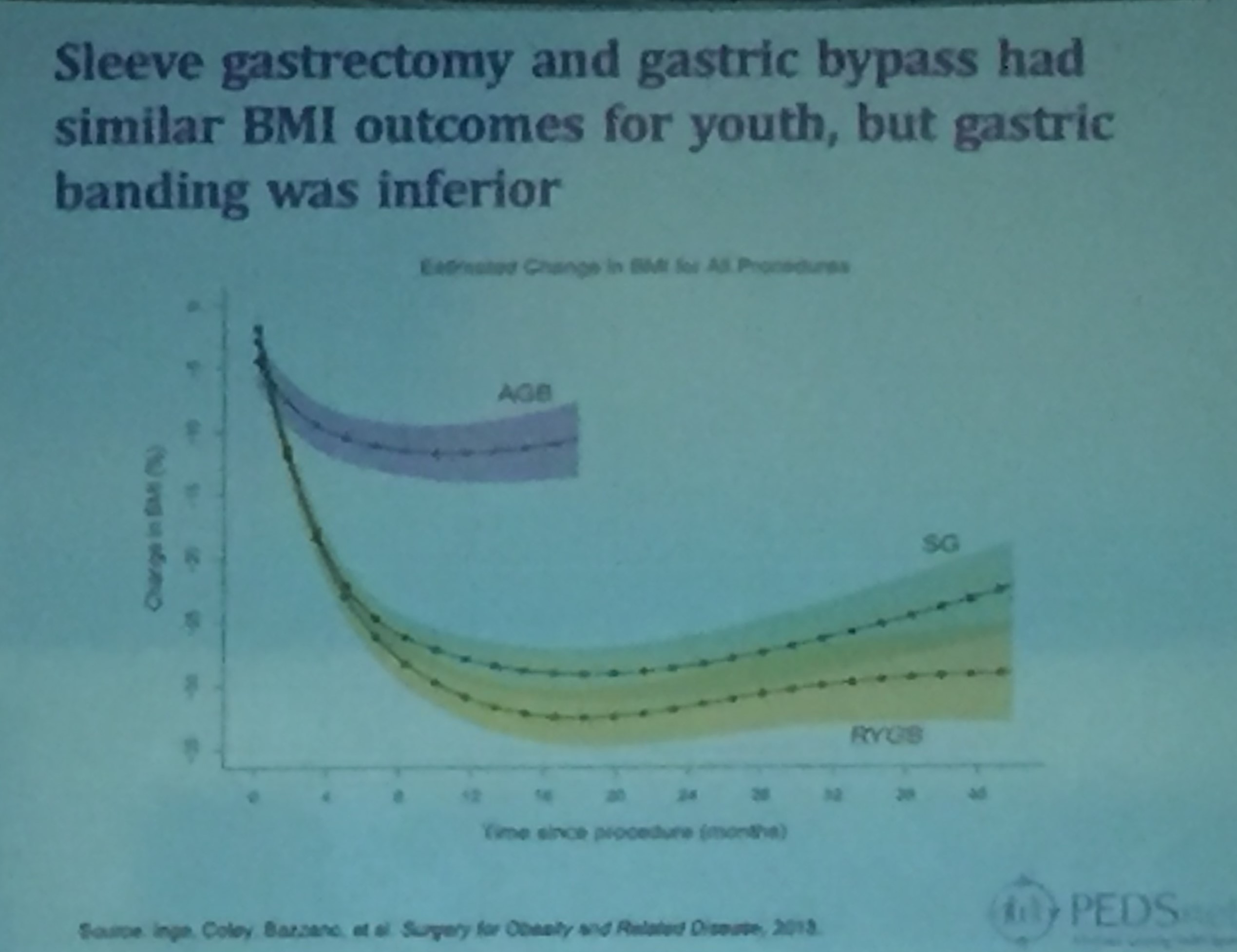
Christopher Forrest gave the keynote lecture on pediatric learning health systems. By collating data from large pediatric health systems, the researchers can determine more quickly how effective treatments are in all pediatric specialties.

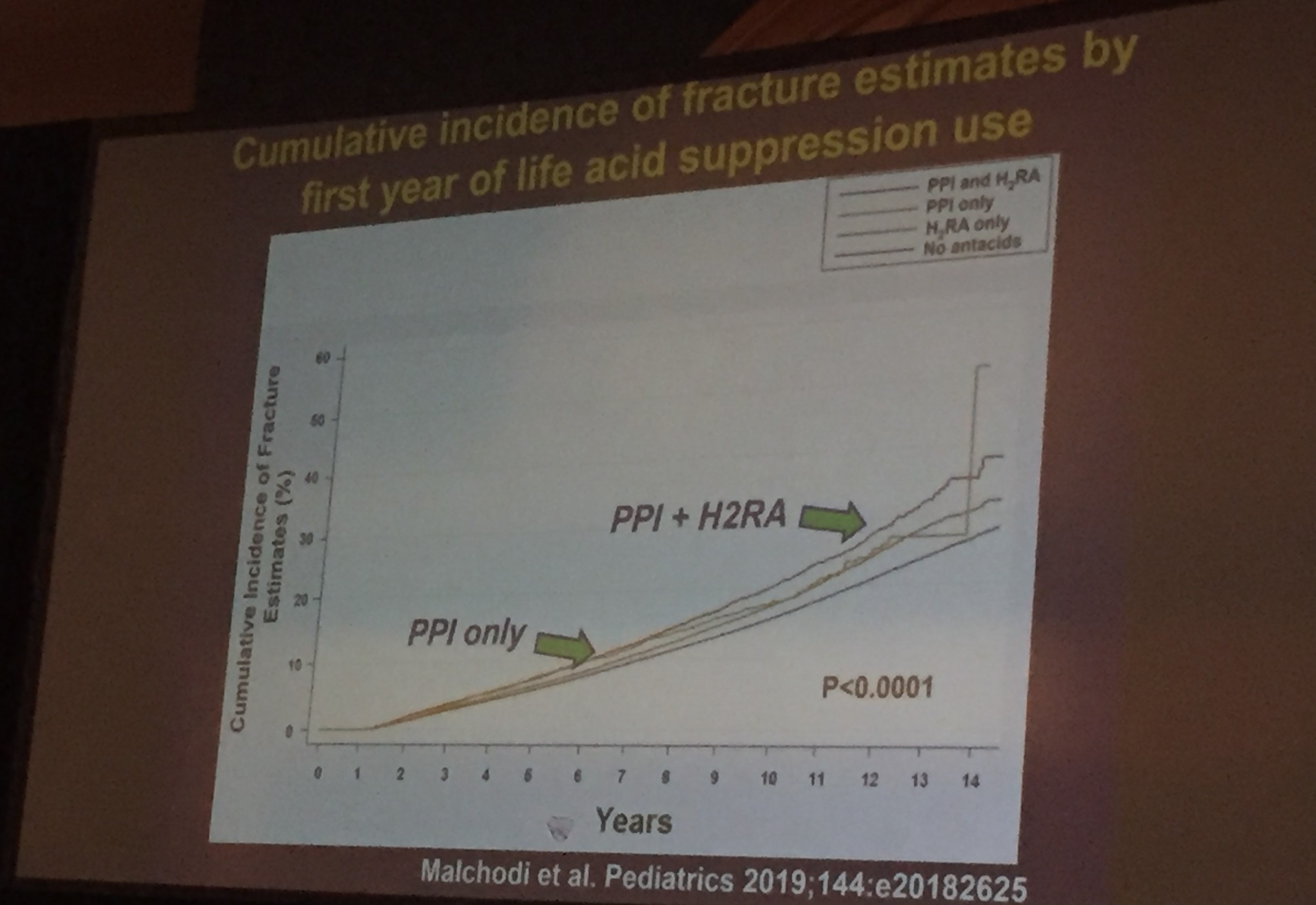
Melvin Heyman, editor of JPGN, provided a good year in review. I only capture a few images.

#NASPGHAN19 Selected Abstracts (Part 2)

Link to full NASPGHAN 2019 Abstracts.

Here are some more abstracts/notes that I found interesting at this year’s NASPGHAN meeting.

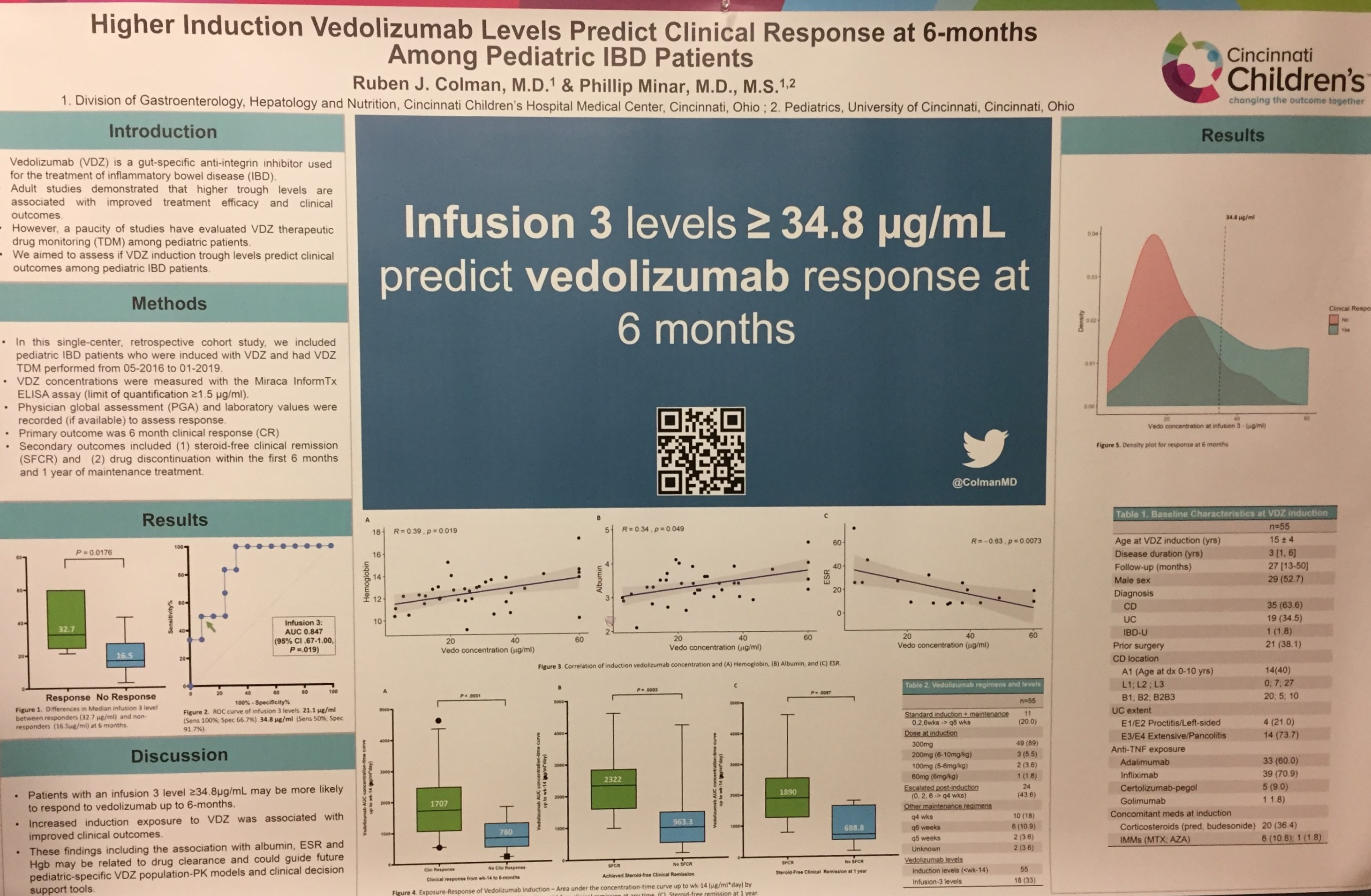
A study (poster below) from Cincinnati found that a vedolizumab level ≥34.8 mcg/mL at week 6 (prior to 3rd infusion) predicted clinical response at 6 months

Related blog posts:

The poster below reported a high frequency of eosinophilic disorders in children who have undergone intestinal transplantation. Related blog post: Eosinophilic disease in children with intestinal failure

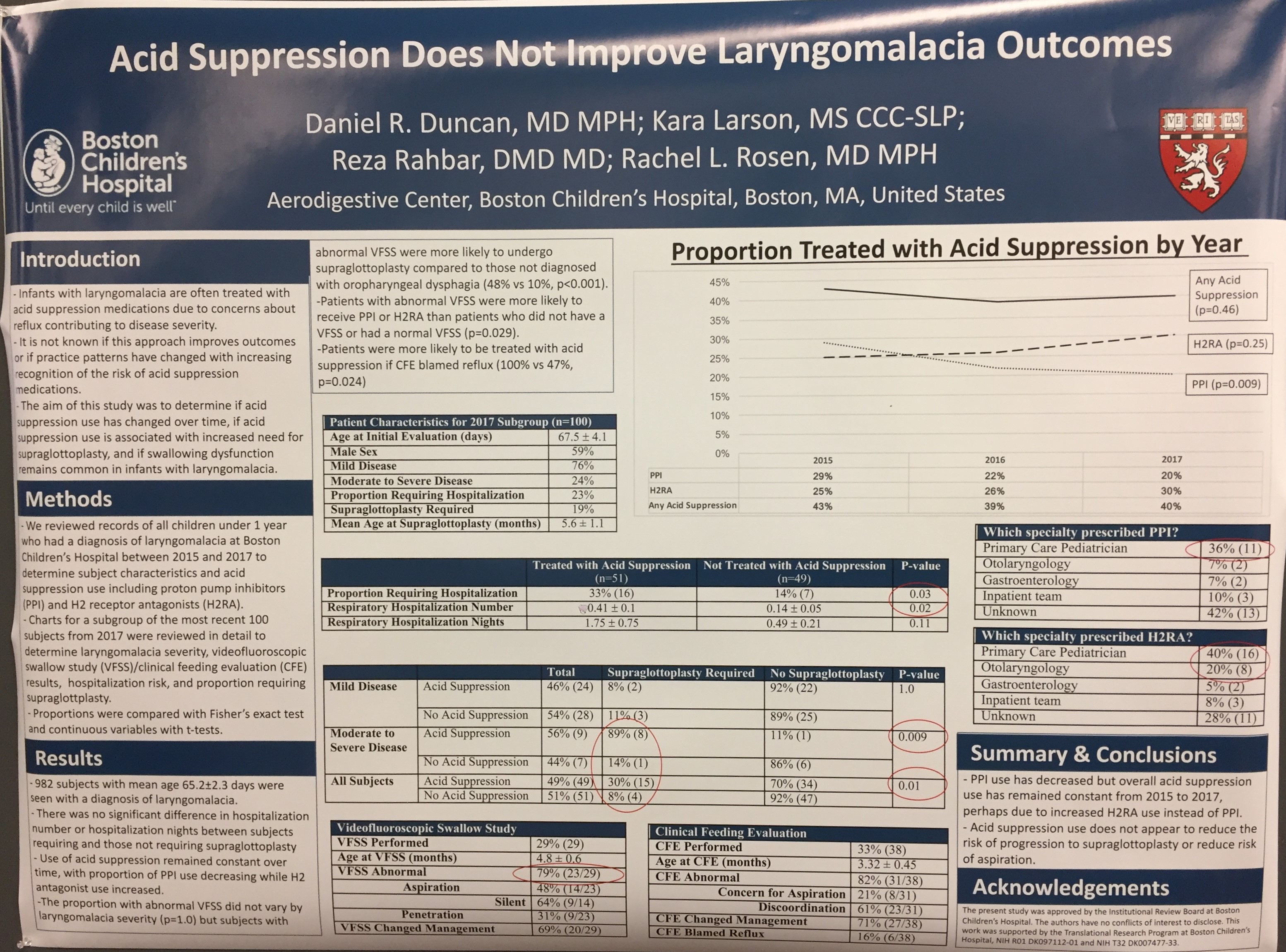
This study from Boston indicates that acid suppression was not associated with improved outcomes in infants with laryngomalacia (eg. lower supraglottoplasy rates or lower aspiration rates.

Related blog posts:

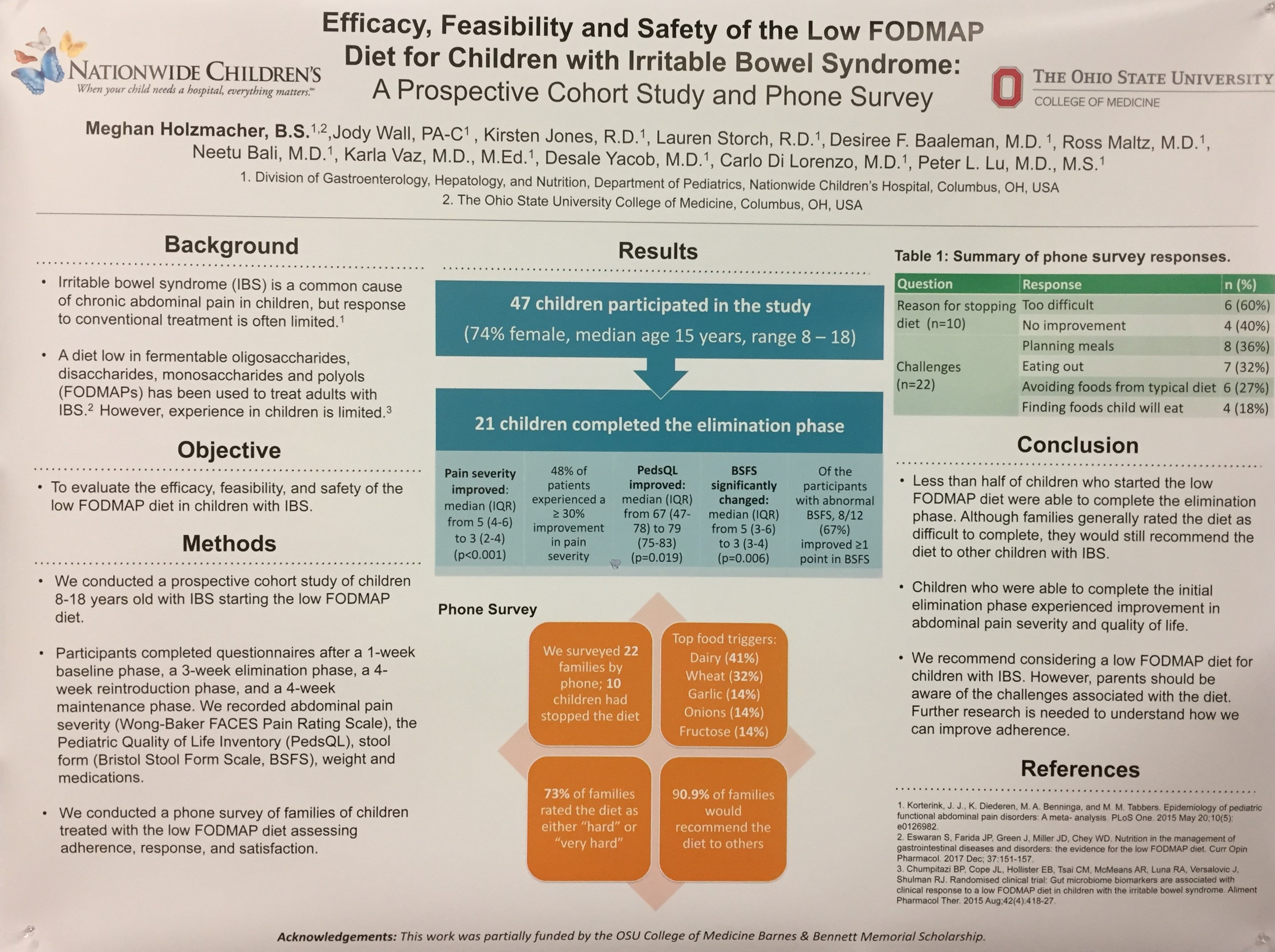
The study below showed that “less than half of children who started the low FODMAP diet were able to complete the elimination phase.” This indicates the need for careful dietary counseling when attempting this therapy.

Related blog posts:

The abstract below showed that the dietary intake of children with inflammatory bowel disease, who were not receiving enteral nutrition therapy, was similar to healthy control children.

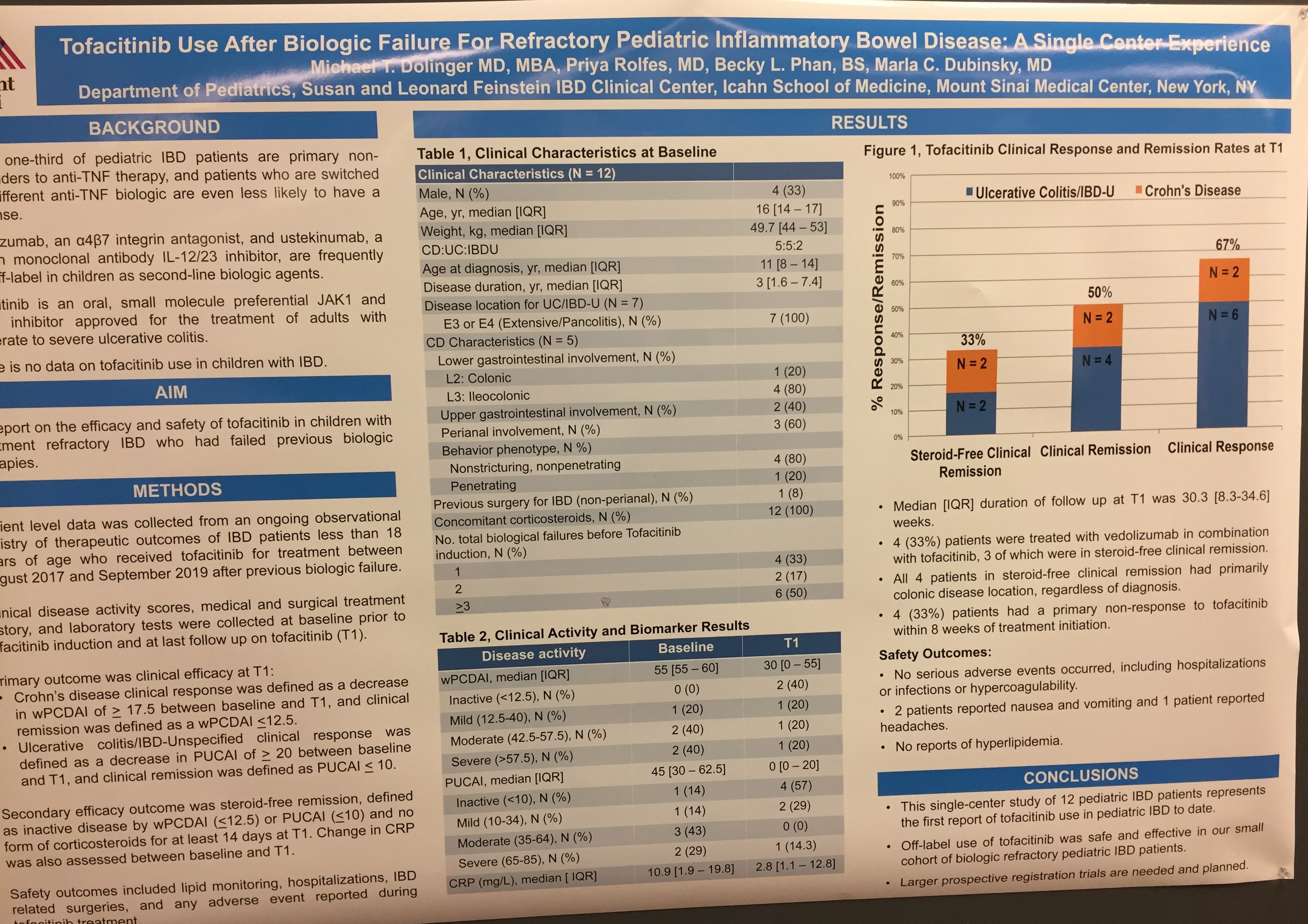
The next two studies provide some pediatric experience with tofacitinib in teenagers with inflammatory bowel disease (14-18 years of age).  The first poster had 12 children and reported a 67% clinical response rate (cohort with 5 with CD, 5 with UC, and 2 with IC).  The second poster had 4 of 6 with a clinical response and 3 in remission.

Related blog posts -Tofacitinib:

Disclaimer: This blog, gutsandgrowth, assumes no responsibility for any use or operation of any method, product, instruction, concept or idea contained in the material herein or for any injury or damage to persons or property (whether products liability, negligence or otherwise) resulting from such use or operation. These blog posts are for educational purposes only. Specific dosing of medications (along with potential adverse effects) should be confirmed by prescribing physician.  Because of rapid advances in the medical sciences, the gutsandgrowth blog cautions that independent verification should be made of diagnosis and drug dosages. The reader is solely responsible for the conduct of any suggested test or procedure.  This content is not a substitute for medical advice, diagnosis or treatment provided by a qualified healthcare provider. Always seek the advice of your physician or other qualified health provider with any questions you may have regarding a condition.

Those Probiotics May Actually Be Hurting Your ‘Gut Health’

A very readable article in the Wall Street Journal: Those Probiotics May Actually Be Your ‘Gut Health’ –may be behind a paywall. (Thanks to Ben Enav for sharing)

This study makes the following key points:

  • “In a landmark paper by my colleague Dr. Jennifer Wargo at the University of Texas MD Anderson Cancer Center that was published in Science last year, melanoma patients with the healthiest gut microbiomes—that is, the greatest diversity of microorganisms—showed enhanced systemic and antitumor immunity as well as significantly increased odds of responding to immunotherapy.”
  • “The preliminary results [from an MD Anderson Study] showed that patients who reported taking an over-the-counter probiotic supplement had a lower probability of responding to immunotherapy as well as lower microbiome biodiversity. But those eating a high-fiber diet were about five times more likely to respond to immunotherapy and had high gut bacteria diversity, including bacteria previously linked to a strong immunotherapy response.”
  • “The cheapest and safest way to improve our microbiome and gut health is to make simple dietary changes to feed the development of good bacteria and crowd out the bad. There is no pill, special food, unique diet or quick fix for what ails our health and diet. The key is simply to focus on eating a diverse, whole-food, plant-centered, high-fiber diet.”

More information on studies alluded to above:

Related blog posts: