Does a Liver Transplantation Improve the Course of Inflammatory Bowel Disease?

AR Safarpour et al. Inflamm Bowel Dis 2023; 29: 973-985. Alterations in the Course of Inflammatory Bowel Disease Following Liver Transplantation: A Systematic Review and Meta-analysis

The authors identifed 25 studies which met inclusion criteria. Key findings:

  • In the analysis of studies with 3-category outcomes (n = 13), the pooled frequencies of patients (n=646) with improved, unchanged, or aggravated IBD course after LT were 29.4%, 51.4% (, and 25.2%.
  • Subgroup analyses revealed that patients with ulcerative colitis (UC), younger age at LT, or shorter duration of follow-up were more likely to have an improved disease course.
  • In the analysis of studies with 2-category outcomes (n = 12), the pooled frequencies of patients (n=672) with improved/unchanged or aggravated IBD course were 73.6% and 24.1%, respectively

My take: Despite the intensification of immunosuppression, most often the course of IBD is unchanged in patients following a liver transplantation.

Related blog posts:

View from L’Jaardin Exotique in Eze, France

Why Do Children Taking Adalimumab Benefit from Methotrexate Dual Therapy?

MD Kappelman et al. Gastroenterology. 2023: 165: 149-161. Open Access! Comparative Effectiveness of Anti-TNF in Combination With Low-Dose Methotrexate vs Anti-TNF Monotherapy in Pediatric Crohn’s Disease: A Pragmatic Randomized Trial

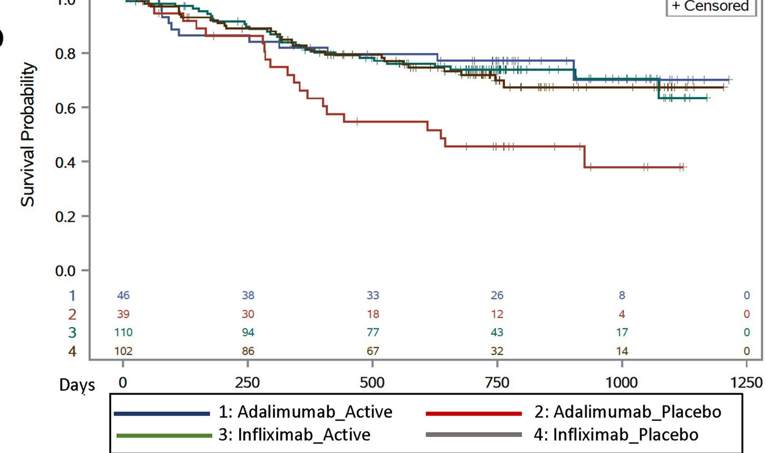
This study enrolled 297 children with Crohn’s disease starting anti-TNF therapy.  Patients initiating infliximab or adalimumab were randomized in 1:1 allocation to methotrexate or placebo and followed for 12–36 months. 

Methotrexate dosing: For those in the active arm, oral methotrexate was administered with a weekly dose of 15 mg for children ≥40 kg, 12.5 mg for children 30 to <40 kg, and 10 mg for children 20 to <30 kg. All participants received pretreatment with ondansetron 4 mg (or placebo) to prevent nausea and folic acid (1 mg/d).

Key findings:

  • For treatment failure: among infliximab initiators, there were no differences between combination and monotherapy (hazard ratio, 0.93; 95% CI, 0.55–1.56)
  • For treatment failure: among adalimumab initiators, combination therapy was associated with longer time to treatment failure (hazard ratio, 0.40; 95% CI, 0.19–0.81).
  • A trend toward lower anti-drug antibody development in the combination therapy arm was not significant (infliximab: odds ratio, 0.72; 95% CI, 0.49–1.07; adalimumab: odds ratio, 0.71; 95% CI, 0.24–2.07).
  • In our study, only 38% of participants underwent colonoscopy during follow-up (41% had calprotectin measurement). 

My thoughts on this study:

My take: Given the increased difficulty monitoring the kids on adalimumab, they are probably better off on dual therapy.  My suspicion, though, is that if they had optimized levels, the benefit of dual therapy is probably small and would mirror the findings with IFX.

When Will Intestinal Ultrasound for IBD Become Practical?

M Allocca et al. Gastroenterol 2023; 164: 851-855. Open Access! Intestinal Ultrasound in the Assessment and Management of Inflammatory Bowel Disease: Is It Ready for Standard Practice?

This short article outlines the indications, availability, technical skills, cost-effectiveness and potential value of intestinal ultrasound (IUS). Some key points:

  • Goal: “IUS is used as a first-line investigation and can avoid or delay the need for more invasive and expensive testing (CT, MRI, or colonoscopy). Thus, costs are minimized and patient convenience is optimized”
  • Availability: “IUS is quite widespread in many European countries, but its uptake has been significantly less in other parts of the world, including the United States. Limitations to its use include the absence of standardized and reproducible protocols, lack of local expertise, and the perception that IUS is an operator-dependent tool, feasible only by highly experienced operators. In reality, however,…. studies specifically addressing sonographer variability demonstrate substantial agreement for color Doppler signals and almost perfect agreement for bowel-wall thickness, as the most relevant IUS parameter.”
  • Expertise: Trainees “have to perform at least 300 supervised ultrasound examinations in Italy and 400 in Germany to achieve full competency…It is believed that learners can achieve competency in IUS after approximately 200 supervised examinations, but it is important to acknowledge that a formal learning curve and the criteria for competency assessment have not yet been fully defined”

My take: Despite all the interest in this useful point-of-care tool, for IUS to become more widespread in the U.S. it will need to be incorporated in training programs. The threshold for competency is not achievable with a weekend seminar. It will be interesting to see how this test affects cost, management, and outcomes. Will it reduce or increase other cross sectional imaging testing? Is the information from IUS more useful than a calprotectin (stool biomarker) which could also be a point-of-care test?

Related blog posts:

The Oro Valley/Tucson Loop shared use bike path extends over 130 car free miles throughout unincorporated Pima County, Marana, Oro Valley, and Tucson.

Lipid Changes with IBD Medications

JAM Sleutjes et al. Inflamm Bowel Dis 2023; 29: 531-538. Open Access! Lipid Changes After Induction Therapy in Patients with Inflammatory Bowel Disease: Effect of Different Drug Classes and Inflammation

In this prospective study (n=198), the authors examined lipid profile changes at week 10 in patients starting IBD medications: corticosteroids, thiopurines, methotrexate, anti-TNF-α agents, vedolizumab, ustekinumab, and tofacitinib.

Key findings:

  • Relative increases in total cholesterol, HDL-c, and LDL-c were significant after prednisone (+26%, +31%, +12%) and tofacitinib therapy (+20%, +25%, +26%), respectively
  • No changes were observed in other drug classes
  • Findings did not correlate with calprotectin or CRP values, likely indicating a direct medication effect

My take: Recent studies have provided some reassurance regarding tofacitinib and the risk of major adverse cardiovascular events (MACEs) (see posts below). Nevertheless, it seems prudent to monitor lipids in patients receiving JAK inhibitors.

Related blog posts:

The Oro Valley/Tucson Loop shared use bike path extends over 130 car free miles throughout unincorporated Pima County, Marana, Oro Valley, and Tucson. We managed a 40 mile bike trip.

What I Don’t Want to See: Catastrophic Antiphospholipid Syndrome

SA Kahn et al. NEJM 2023; 388: 358-368. Case 3-2023: A 16-Year-Old Girl with Abdominal Pain and Bloody Diarrhea

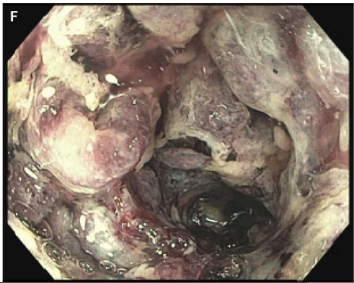
This case report of a girl presenting with abdominal pain and diarrhea identifies a rare etiology, catastrophic antiphospholipid syndrome (CAPS). CAPS can result in ischemic colitis. This patient underwent a colonoscopy which was normal in rectum but then became abnormal in the sigmoid colon:

“CAPS is thought to result from the binding of antiphospholipid antibodies to cell surfaces, which activates endothelial cells, monocytes, and platelets and leads to inflammation, complement activation, and thrombosis. The formation of thrombi in patients with antiphospholipid antibodies is thought to be a multihit process.7 The presence of antiphospholipid antibodies in the blood is the first event, but the antibodies typically do not cause disease until another event occurs.”

Management of antiphospholipid antibodies: “Thrombotic disease manifestations are important in guiding therapy. For patients with antiphospholipid antibodies and no history of clotting, anticoagulation for primary thromboprophylaxis is generally not recommended…For patients with antiphospholipid antibodies and a history of unprovoked thrombosis (e.g., patients with APS), long-term thromboprophylaxis is recommended…For patients with more severe presentations — such as this patient, who had CAPS with thrombosis in multiple organs — treatment is more aggressive and involves targeting multiple steps within the CAPS cascade.”

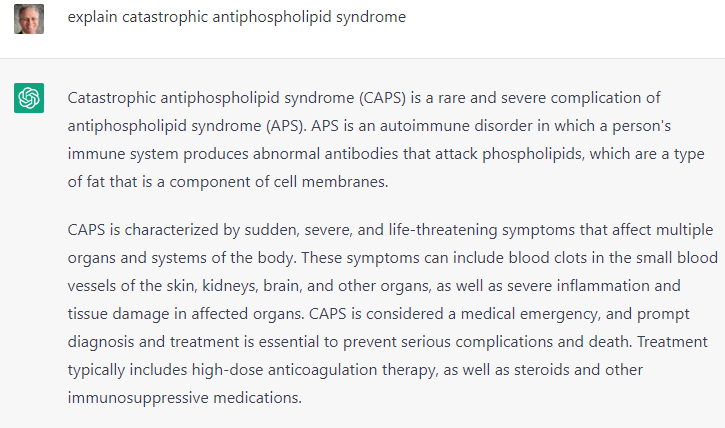
From ChatGPT

My take: This 16 yo had a severe presentation and the case is a reminder that there are multiple reasons besides IBD for a teenager to have bloody diarrhea and abdominal pain.

Related blog posts:

Favorite Posts 2022

Thank you to those who have helped me this past year with this blog –colleagues, friends and family. Wishing all of you a good 2023. Here are some of my favorite posts from this past year:

GI:

Nutrition:

Liver:

Endoscopy:

Health Policy:

Humor:

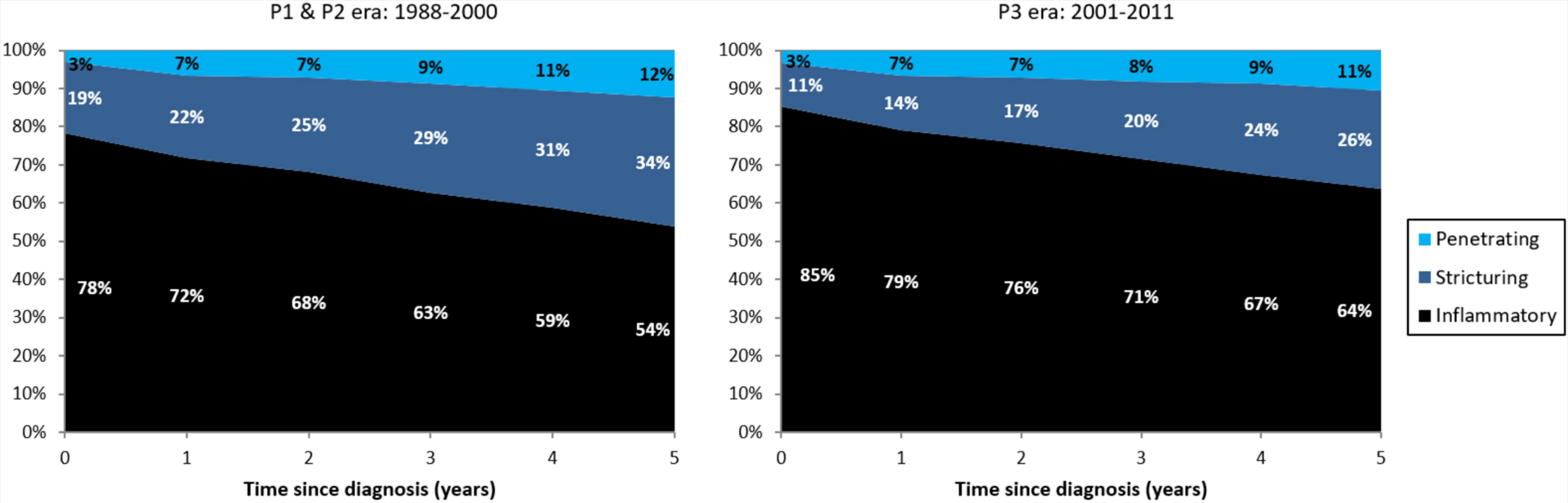
Improving Natural History of Pediatric Crohn’s Disease with Biologic Therapy -Two Studies

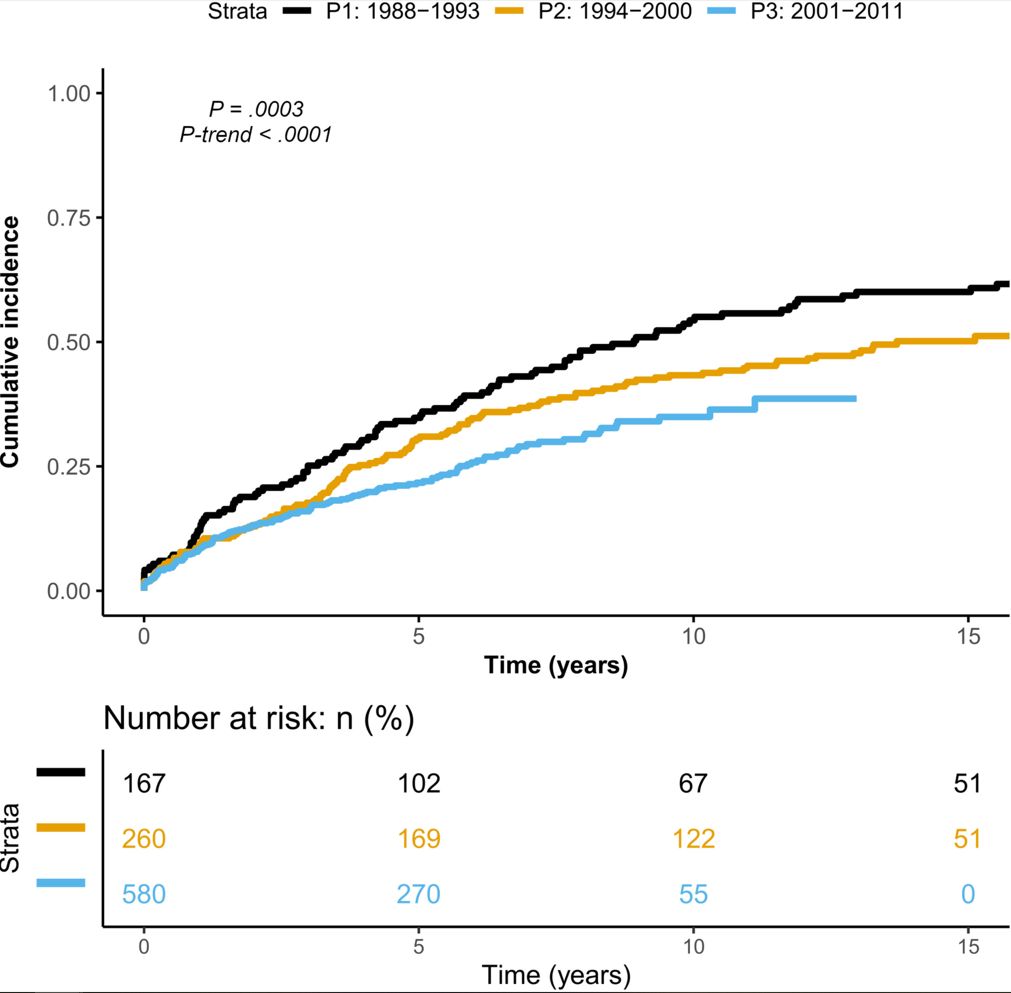
D Ley et al. Clin Gastroenterol Hepatol 2022; 20: 2588-2597. Open Access! New Therapeutic Strategies Have Changed the Natural History of Pediatric Crohn’s Disease: A Two-Decade Population-Based Study

This retrospective study dating back to 1988 examined 1007 patients diagnosed with CD who were followed up for a median duration of 8.8 years.

Key findings:

  • The risk for intestinal resection at 5 years decreased significantly over time (P1, 35%; P2, 31%; and P3, 22%; P = .0003. This decrease in resections coincided with increased use of immunosuppressive (IS) and anti-TNF therapy: IS and anti-TNF exposure rate at 5 years increased from 33.9% (in P1) to 76.5% (in P3) and from 0% (in P1) to 50.5% (in P3).
  • The risk for progression from inflammatory to stricturing behavior decreased significantly over time (P1, 27%; P2, 28%; and P3, 20%)

LE Targownik et al. Clin Gastroenterol Hepatol 2022; 20: 2607-2618. Earlier Anti-TNF Initiation Leads to Long-term Lower Health Care Utilization in Crohn’s Disease but Not in Ulcerative Colitis

Methods: The authors “used health administrative data from Manitoba, Canada to identify all persons with a new diagnosis of inflammatory bowel disease (IBD) between 2001 and 2018 who received tumor necrosis factor antagonists (anti-TNF) therapy and had at least 1 year of post anti-TNF initiation follow-up.”

Key findings:

  • Among 742 persons with CD, early anti-TNF initiators had fewer IBD-specific and overall hospitalizations over the 5 years following the start of therapy
  • Incidence of resective surgery was also lower in earlier anti-TNF initiators with CD if the first year following initiation was excluded from the analysis.
  • In 318 cases of UC, there was no impact of the timing of anti-TNF therapy on the rates of hospitalization and surgery.

My take: These two studies show that use of biologic therapy is associated with better outcomes in Crohn’s disease including fewer intestinal resections and fewer hospitalizations. It appears that earlier use may alter the natural history in part by reducing the likelihood of stricturing disease. Interestingly, the RISK study showed a reduction in penetrating disease with early use of biologics but not a reduction in stricturing disease (Related blog post: CCFA: Updates in Inflammatory Bowel Disease 2017 (part 3))

IBD Updates: Dietary Patterns and Disease Activity, Ustekinumab in SUSTAIN study, INSPECT Study for Perianal Fistulas

BN Limketkai et al. Inflamm Bowel Dis 2022; 28: 1627-1636. Open Access! Dietary Patterns and Their Association With Symptoms Activity in Inflammatory Bowel Diseases. This retrospective study with dietary surveys of 691 participants found the following:

  • Compared with WD1 (typical Western Diet), PB2 (Plant-based diet 2) was associated with lower odds of active symptoms for CD (odds ratio [OR], 0.32
  • PB1 (Plant-based diet 1) was associated with lower odds of active symptoms for participants with UC (OR, 0.45; 95% CI, 0.23-0.90) but not for participants with CD (OR, 0.95

Diet PB1 (“Plant-based Diet 1”) was characterized by much higher intake of fruits, vegetables, plant-based proteins, and cooked grains than most other dietary clusters. There was low water intake in favor of juices and other beverages. There was otherwise average intake of added fats and oils, sugars, seafood, and dairy products, and modest intake of meats, eggs, mixed grains, and breads.

Diet PB2 (“Plant-based Diet 2”) was characterized by high intake of fruits, vegetables, plant proteins, and cooked grains and low intake of animal proteins (especially red and cured meats), added fats, sweetened beverages, sweet bakery products, other desserts, eggs, and breads. There was also a reduction of other beverages in favor of water. There was otherwise an average intake of seafood and dairy products.

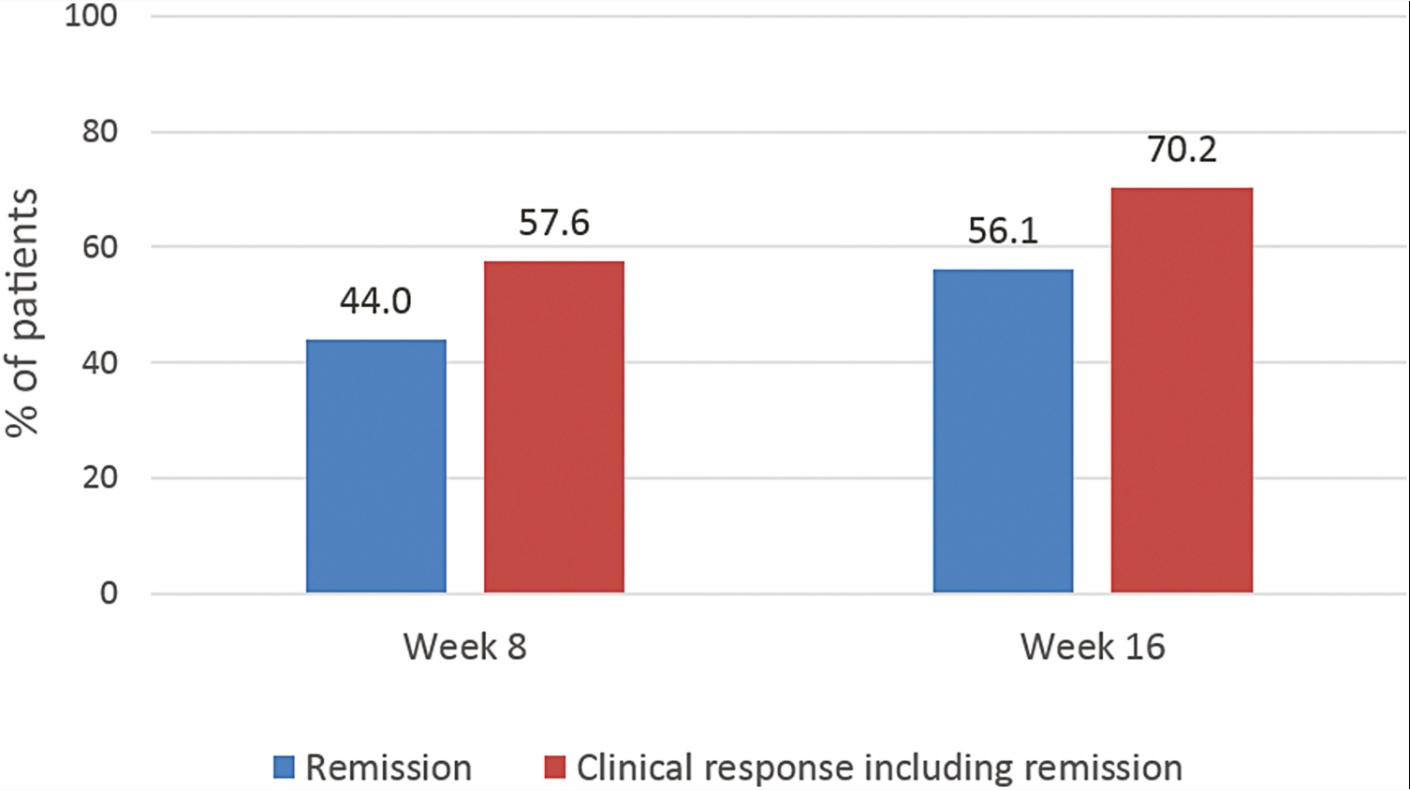
M Chaparro et al. Inflamm Bowel Dis 2022; 28: 1725-1736. Open Access! Long-Term Real-World Effectiveness and Safety of Ustekinumab in Crohn’s Disease Patients: The SUSTAIN Study In this retrospective study, 97% of the 463 patients had received prior biological therapy.

  • At week 16, 56% had remission, 70% had response
  • 26.1% required dose escalation or intensification
  • After a median follow-up of 15 months, 356 (77%) patients continued treatment.
  • Previous intestinal surgery and concomitant steroid treatment were associated with higher risk of ustekinumab discontinuation.
  • Neither concomitant immunosuppressants nor the number of previous biologics were associated with ustekinumab discontinuation risk

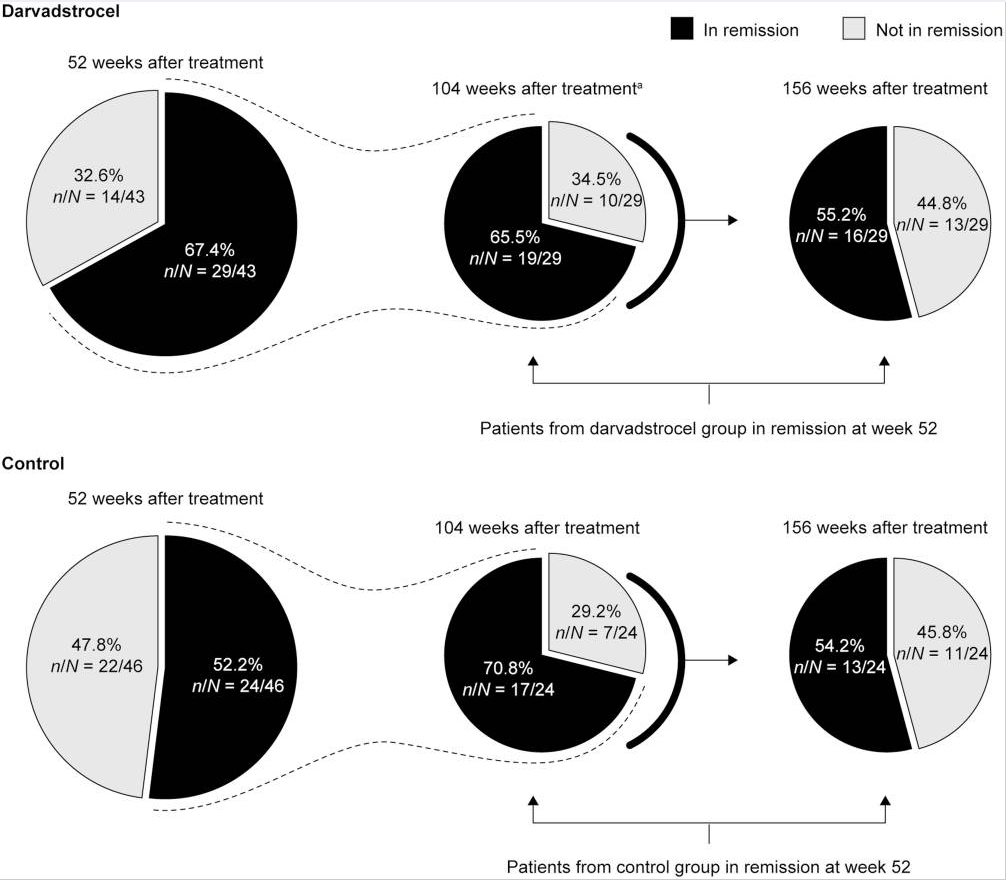
J Panes et al. Inflamm Bowel Dis 2022; 28: 1737-1745. Open Access! INSPECT: A Retrospective Study to Evaluate Long-term Effectiveness and Safety of Darvadstrocel in Patients With Perianal Fistulizing Crohn’s Disease Treated in the ADMIRE-CD Trial

Background: The current chart review study evaluated the longer-term effectiveness and safety of darvadstrocel (expanded allogeneic adipose-derived mesenchymal stem cells).; n=43 treated patient and n=46 controls.

Key findings:

  • At 52, 104, and 156 weeks posttreatment, clinical remission was observed in 29 (67.4%) of 43, 23 (53.5%) of 43, and 23 (53.5%) of 43 darvadstrocel-treated patients, compared with 24 (52.2%) of 46, 20 (43.5%) of 46, and 21 (45.7%) of 46 control subjects, respectively.

Selected Slides from NASPGHAN 2022 Postgraduate Course (Part 2)

See previous post for lecturers

Oral small molecultes in IBD. Anne Griffiths, MD
Judith Kelsen, Very early onset IBD
VEO Evaluation
VEO Treatments
Jeremy Adler and Treat to Target for IBD
Timothy Sentongo and Growth and Nutrition Issues in the NICU
Maureen Leonard and Gluten-Related Disorders Update
Rachel Rosen and Esophageal Motor Disorders
Katja Kovacic and Functional Nausea
This study was 20 yrs ago -we can do better today

Disclaimer: This blog, gutsandgrowth, assumes no responsibility for any use or operation of any method, product, instruction, concept or idea contained in the material herein or for any injury or damage to persons or property (whether products liability, negligence or otherwise) resulting from such use or operation. These blog posts are for educational purposes only. Specific dosing of medications (along with potential adverse effects) should be confirmed by prescribing physician.  Because of rapid advances in the medical sciences, the gutsandgrowth blog cautions that independent verification should be made of diagnosis and drug dosages. The reader is solely responsible for the conduct of any suggested test or procedure.  This content is not a substitute for medical advice, diagnosis or treatment provided by a qualified healthcare provider. Always seek the advice of your physician or other qualified health provider with any questions you may have regarding a condition.