Missing Opportunities to Cure Pediatric Hepatitis C Infection

MR Curtis et al. Pediatrics (2025) 155 (5): e2024068565. Disparities in Linkage to Care Among Children With Hepatitis C Virus in the United States

Background: “Current guidelines recommend treating all children aged 3 years or older with DAAs (direct-acting antivirals). These treatments achieve cure in more than 98% of HCV cases and reduce risks for cirrhosis, hepatocellular carcinoma (HCC), and liver-related mortality. Despite availability of DAAs, only 62% of adults with HCV have linked to care, 39% initiated treatment, and 26% attained cure (sustained virologic response) as of 2023.”

Methods: This retrospective cohort analysis included children born between 2000 and 2018 who were diagnosed with HCV between the ages of 0 and 18 years. The study analyzed TriNetX Research Network data, a US national electronic health records network with more than 87 million individuals within the U.S.

Key findings:

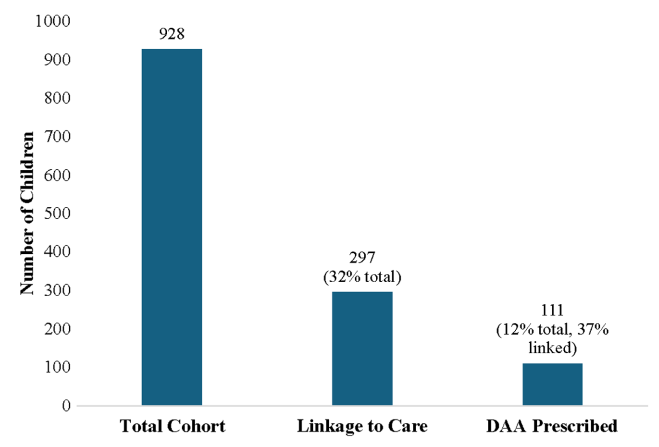
  • Among 928 children with HCV, 297 (32.0%) linked to HCV care and 111 (12.0%) were prescribed a DAA (direct-acting antiviral). Thus only 1 in 8 children with HCV were prescribed DAAs
  • Of 928 children with HCV, 35.9% of children were diagnosed with HCV perinatally (by 3 years old), 44.5% during childhood (between 4 and 12 years old), and 19.6% in adolescence (between 13 and 18 years old)
  • White and Hispanic/Latinx children were much more likely than black children to receive a DAA prescription with OR of 3.44 and 2.20 respectively
  • Children in Midwest, North, and West had higher rights of DAA prescription compared to the South with OR of 2.40, 1.50, and 4.19 respectively
Discussion points:

Potential barriers to treatment:

  • DAAs were only approved for children aged 3 years or older in 2019 for some genotypes and not until 2021 for all genotypes.
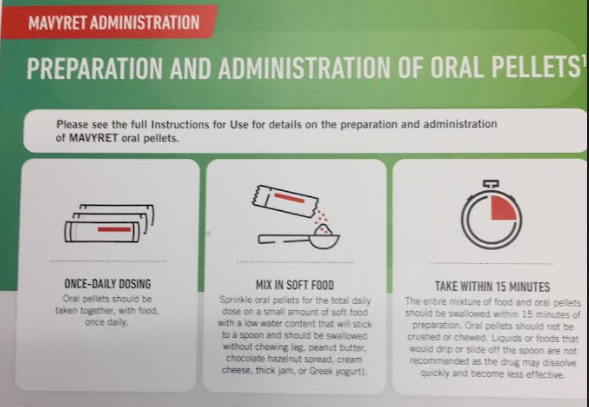
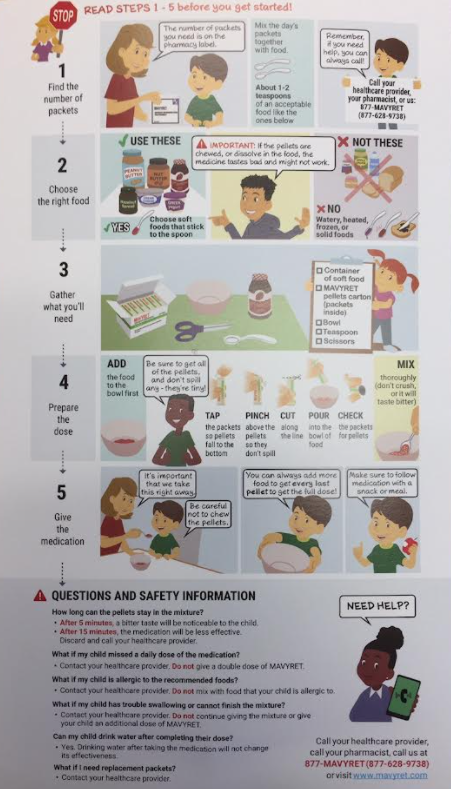
  • Some parents choose to wait to treat young children because of difficulty administering medications at the ages of 3 and 4 years old
  • Insurance: “The cause of low uptake of treatment is likely multifactorial: Medicaid and commercial insurers implemented restrictions based on degree of liver fibrosis, active or recent substance use, or specialty prescribing because of the very high initial cost of DAAs. Although most of these restrictions have now been removed, some still remain, and some insurance plans have varying criteria for pregnant or pediatric members.”

New CDC Recommendations: “In light of the new Centers for Disease Control and Prevention perinatal HCV testing recommendations and universal HCV screening recommended in pregnancy, more young children with HCV will be identified”

Limitations: Retrospective study relies on data from a database

My take: Being able to cure HCV with DAAs has been an incredible medical achievement. However, efforts to eradicate HCV have not gotten very far and had a severe setback with the opioid epidemic which increased rates of HCV. This study shows that very few children with HCV actually receive curative treatment. Advancing the goal of HCV elimination will require sustained efforts to get those identified with HCV to treatment, both in children and adults.

Related summary article in GI Hep News (5/21/25): Clinicians Can Prescribe the Cure for Hepatitis C: Most Kids Never Get It. Two other points:

  • “The prevalence of HCV in pregnant people jumped 16-fold between 1998 and 2018 to 5.3 cases per every 1000 pregnancies, and these patients can transmit the disease perinatally. Many people are unaware they are infected.”
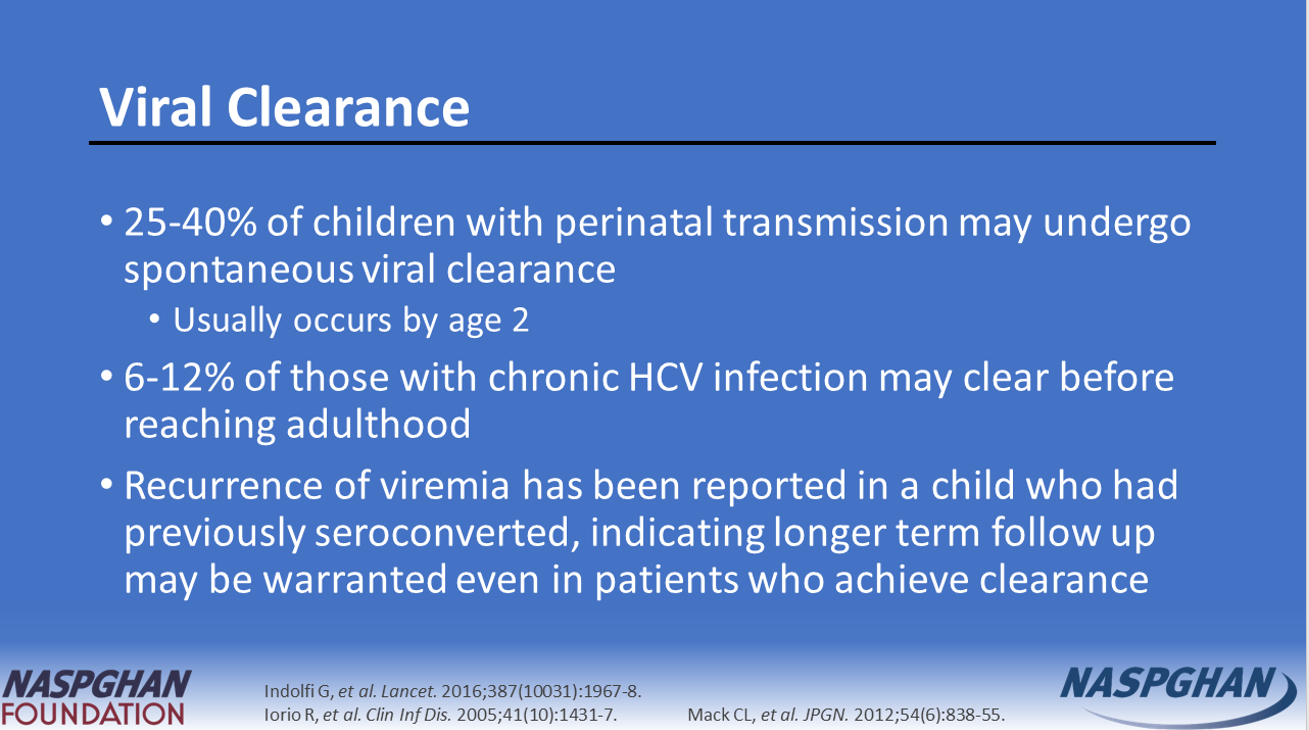
  • “More than half of children clear the infection on their own by age 3, the age at which treatment can also begin”

Related blog posts:

Useful website:: HCVguidelines.org (living online reference of HCV therapies for all populations, including children)

One Week Treatment to Protect Non-Liver Transplant Recipients of HCV+ Organs & Baseball Dog

Link: Bat Dog

————

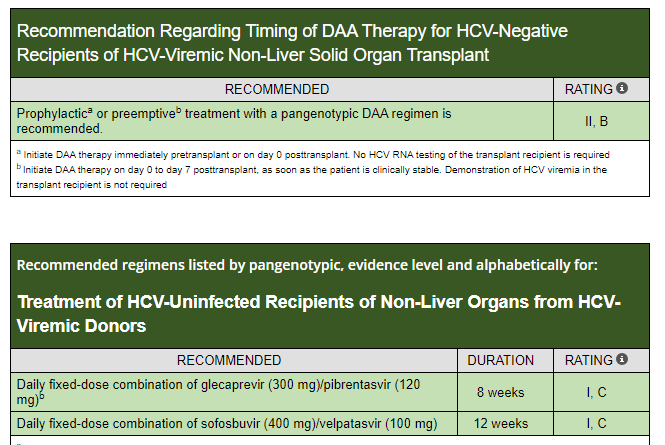
A recent report in Gastroenterology and Hepatology News (July 2024: Shortened Protocol Can Prevent Infection in Recipients of HCV+ Organs) highlighted the recommended use of 1 week empiric treatment to prevent the development of hepatitis C in transplant recipients of HCV+ organs.

The cost for a one week course of “the Toronto Protocol” which includes glecaprevir-pibrentasvir along with ezetimbe is ~$2800. This is much less than a full course which likely would cost ~$30,000. Ezetimbe, cholesterol-lowering agent, has the ability to prevent HCV from entering cells.

For liver transplant recipients of HCV+ donor, a 12 week course of treatment is recommended

From HCV Guidelines:

Related blog posts:

Please Make It Stop (Plus One)

Personal pet peeve: I receive so many unwanted promotional materials from pediatric hospitals and pediatric gastroenterology divisions from across the country. This is such a waste of paper and effort. Presumably, this is an endeavor to raise the profile of these institutions and programs.

If anyone reading this blog has any role in this, please stop sending this crap and only send this material to alumni or those that request (opt-in) it.

From AGA Today:

Year-in-Review for Pediatric Hepatology

Recently, Dr. William Balistreri presented a review of some of the biggest advances in pediatric hepatology this past year on the Bowel Sounds Podcast (with the award-winning hosts).

He discussed the following:

  • IBAT inhibitors which are a game-changer for pruritic cholestatic disorders like Alagille syndrome. By reducing itching, it may help many avoid liver transplantation
  • HCV medications which usually result in a cure with typical therapy courses running 8-12 weeks
  • Emergence of a new treatment, Fazirsiran, for alpha-one antitrypsin deficiency (see blog post below)
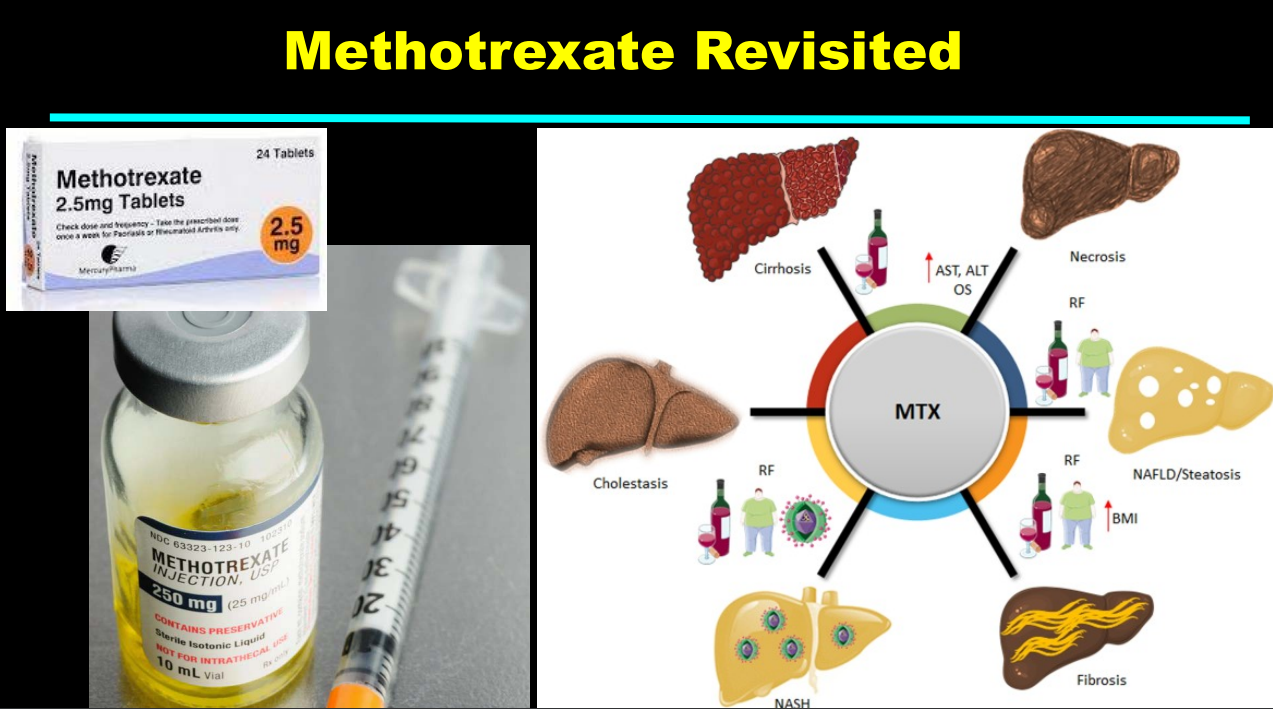
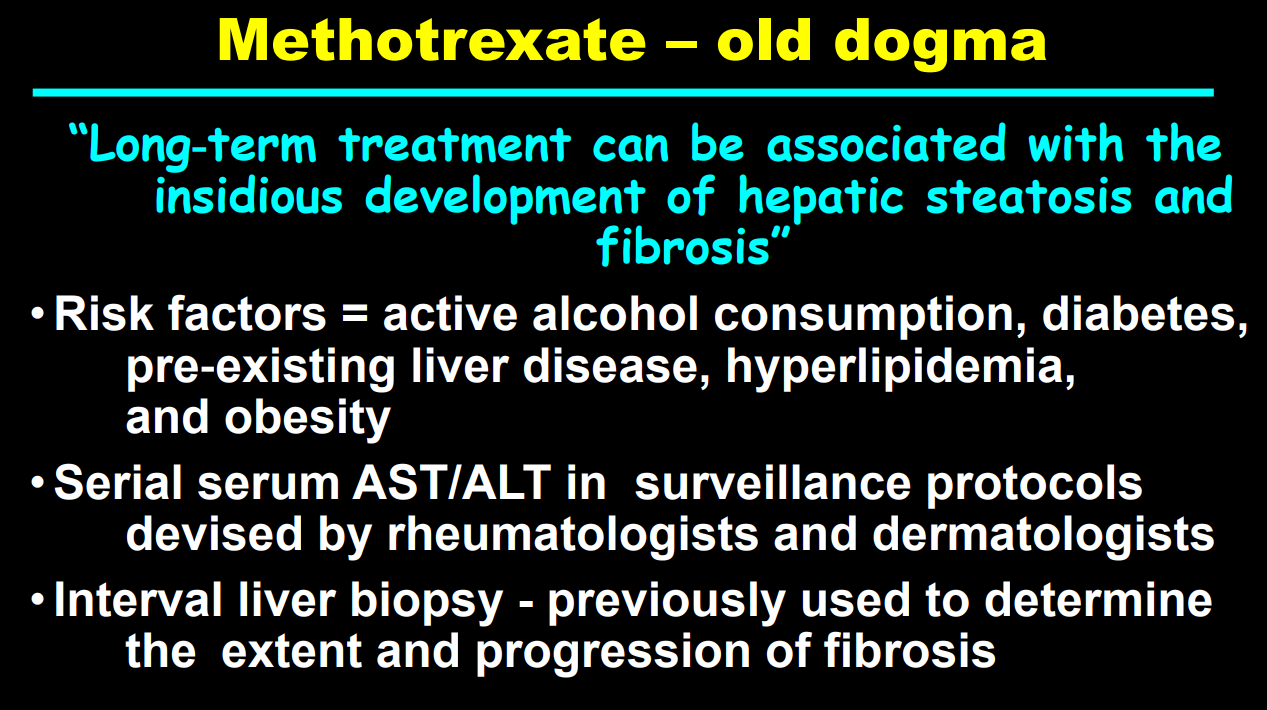
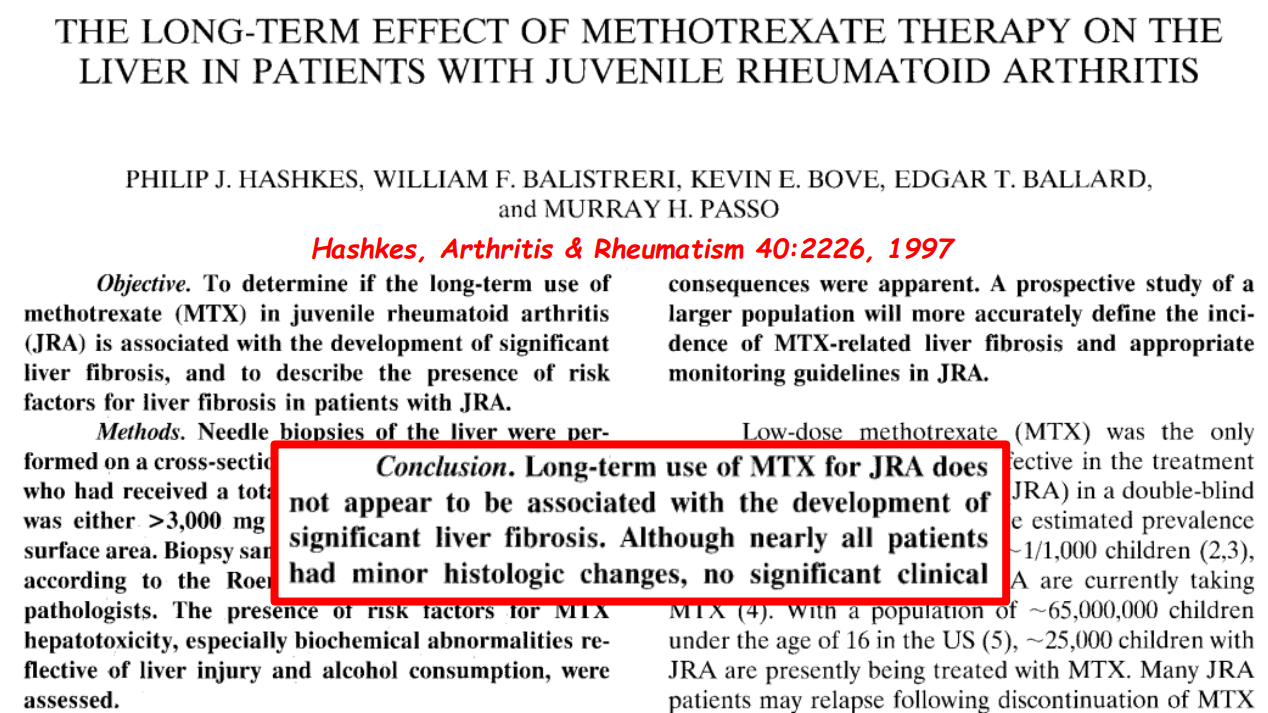
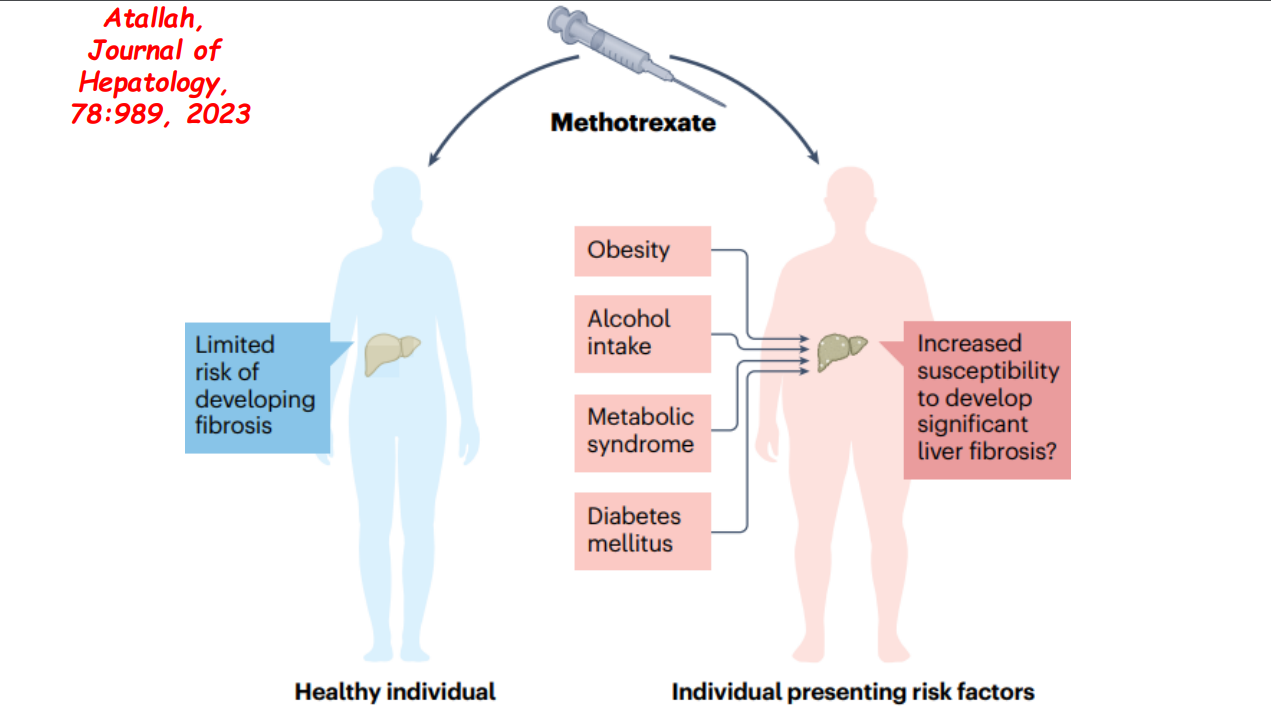
  • More data showing the good liver safety of methotrexate in individuals without preexisting liver disease. Dr. Balistreri and colleagues showed pediatric patients with JRA did not develop liver fibrosis/clinical liver disease in 1997.
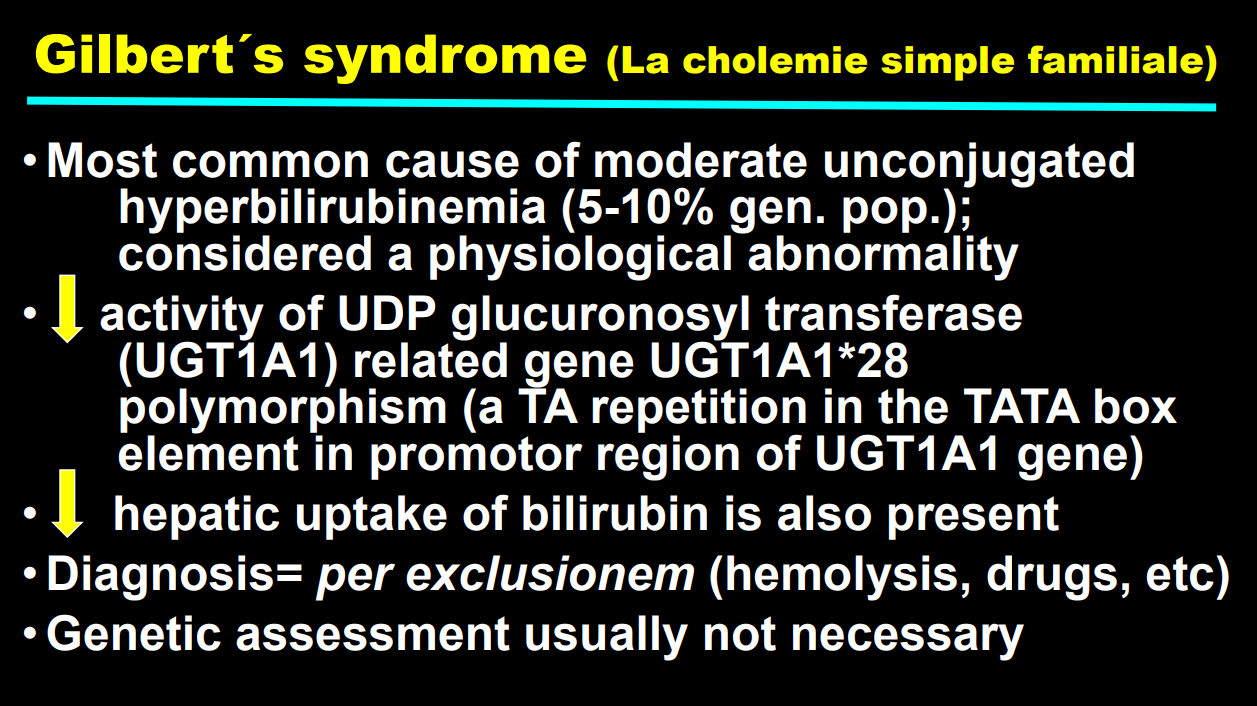
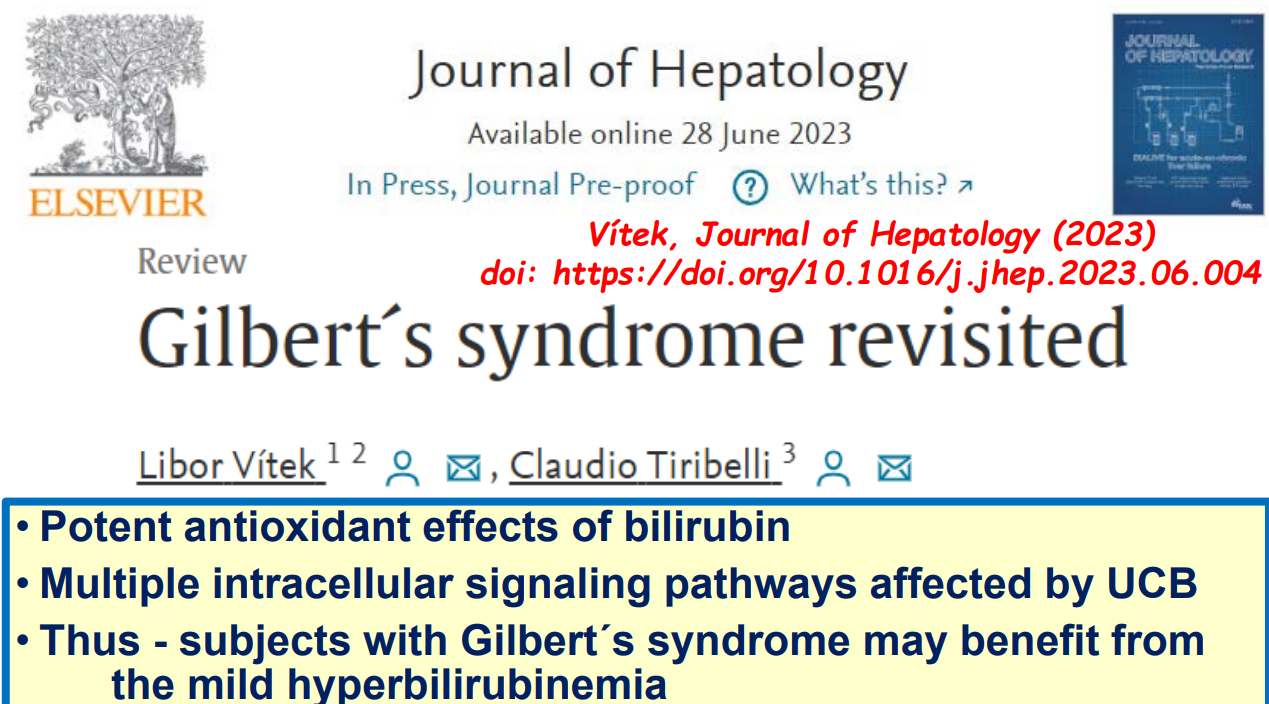
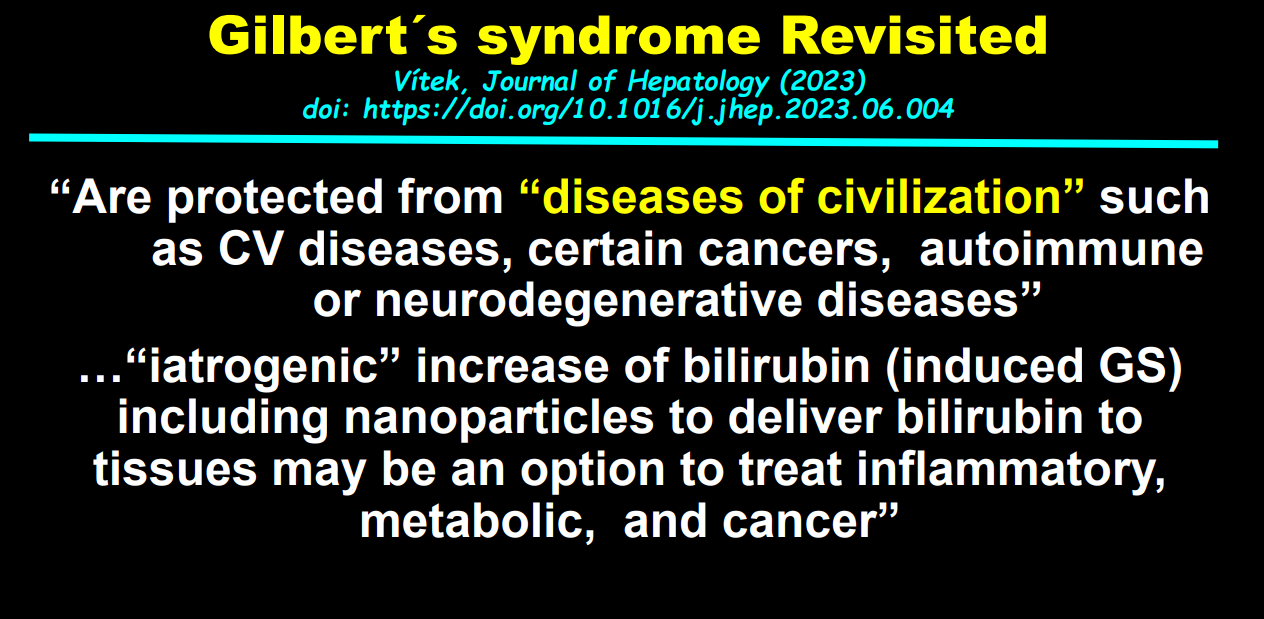
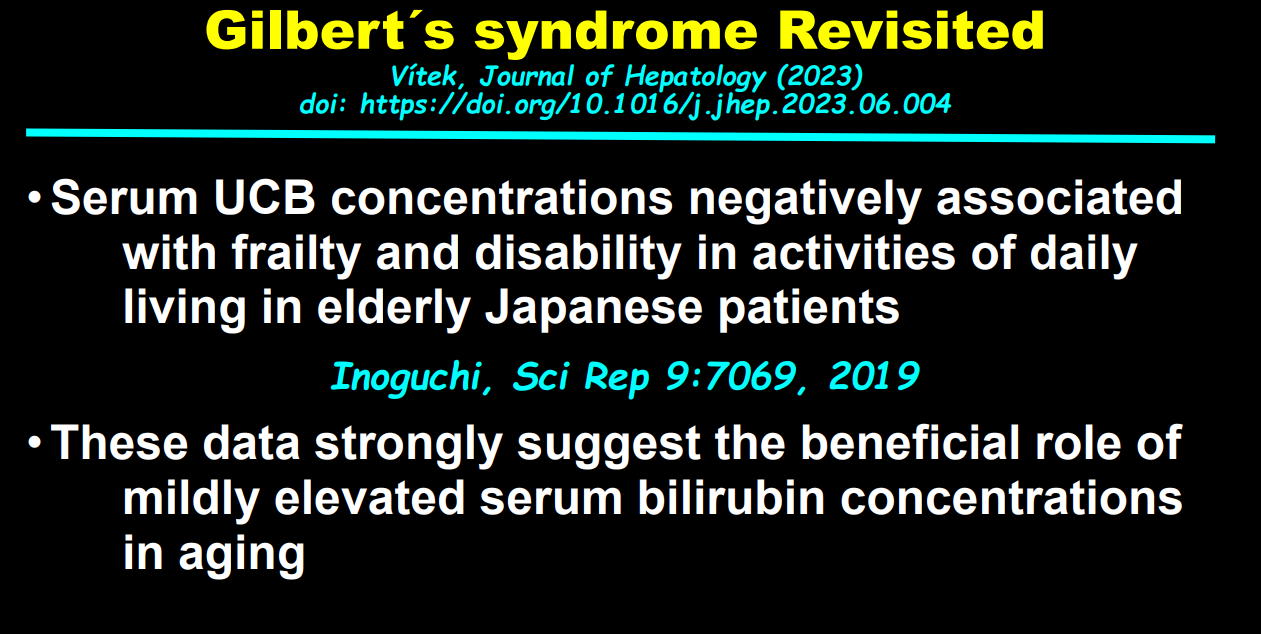
  • How Gilbert’s may be beneficial –>hopeful news for the mildly jaundiced children that we see. Science (M Leslie, 6/8/23): Can ‘toxic’ bilirubin treat a variety of illnesses

He kindly agreed to send me a few slides on the later two subjects at my request:

Related blog posts:

IBAT Inhibitors:

Hepatitis C

Alpha-One Antitrypsin

Dr. Balistreri

Hepatitis C is Undertreated in the U.S.

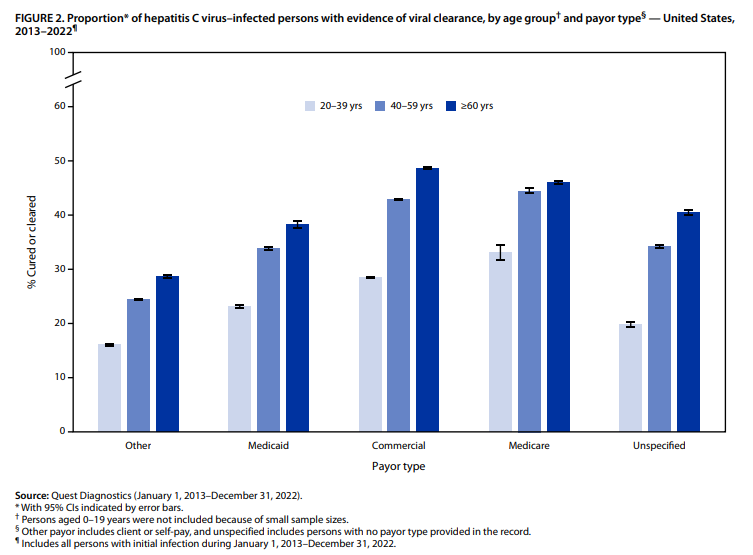
C Wester et al. MMWR 2023; 72 (26): 716-720. Open Access! Hepatitis C Virus Clearance Cascade — United States, 2013–2022 (starts on page 16 of PDF)

Key findings:

  • Among the approximately 1.0 million persons in this analysis with initial infection, only 34% had laboratory evidence of viral clearance
  • Overall, viral clearance was lowest among persons aged 20–39 years (24%). Patients 0-19 were not included in this analysis
  • To overcome the low cure rate, some have recommended a subscription model for HCV treatment; this was piloted in Louisiana. In this pilot, the state paid a lump sum to make the drug available for free to all patients on Medicaid and federal prisoners. Francis Collins has indicated that a national program, while expensive, would save the government $13 billion in 10 years (Source: Infectious Disease Special Edition, 6/30/23: Most Americans With HCV Not Receiving DAAs)

My take: Improving access to HCV treatment has the potential to save livers, save lives and save money.

Related blog posts:

Favorite Posts 2022

Thank you to those who have helped me this past year with this blog –colleagues, friends and family. Wishing all of you a good 2023. Here are some of my favorite posts from this past year:

GI:

Nutrition:

Liver:

Endoscopy:

Health Policy:

Humor:

Liver Briefs: Hep C Undertreated, Mystery Hepatitis Pediatric Cases, & AAP Hyperbilirubinemia Guidelines

Yesterday’s link to a funny 2 minute eulogy did not work right and has been fixed. Here is the updated link and it should work: Humor: Eulogy

In response to this video, Steven Liu sent me a link to a a Weird Al Yankovic:YouTube: Word Crimes. This link would probably be helpful for those reviewing a poorly-written journal submission when providing feedback (& hopefully not sent to anyone trying to provide information via a GI blog).

————-

USA Today (8/9/22): Fewer than a third of insured Americans with hepatitis C receive timely treatment, CDC study shows

“More than 95% of people infected with hepatitis C can be cured with a simple course of antivirals…[the CDC] looked at nearly 50,000 insured patients diagnosed with hepatitis C between January 2019 and October 2020 and found less than one-third received treatment within a year of their diagnosis, according to the study published Tuesday in the Morbidity and Mortality Weekly Report...Treatment was lowest among patients who had state-administered Medicaid plans, with about 23% receiving it. About 28% people covered by Medicare and 35% with private insurance received treatment within the year.”

“Cases of hepatitis C rates have skyrocketed as the opioid epidemic worsens, jumping from an estimated 2,700 infections in 2011 to 57,500 infections in 2019, according to the CDC.”

NY Times (7/26/22): Viral Infections and Gene Variant Are Linked to Child Hepatitis Cases

“Two small studies…suggest a possible explanation for the hepatitis cases: In a small subset of children with this particular gene variant, dual infections with A.A.V.2. (adeno-associated virus 2) and a helper virus, often an adenovirus, trigger an abnormal immune response that damages the liver….As of July 8, 1,010 probable cases had been reported from 35 countries, according to the World Health Organization”

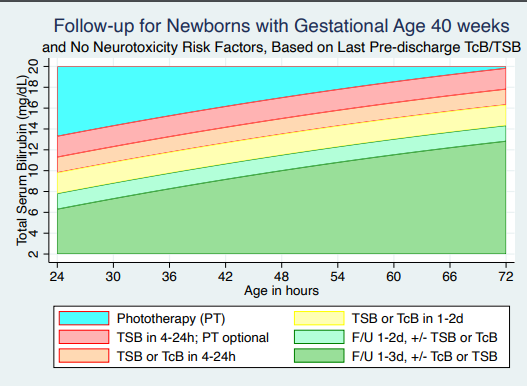
AR Kemper et al. Pediatrics 2022; https://doi.org/10.1542/peds.2022-058859. Open Access: Clinical Practice Guideline Revision: Management of Hyperbilirubinemia in the Newborn Infant 35 or More Weeks of Gestation

Disclaimer: This blog, gutsandgrowth, assumes no responsibility for any use or operation of any method, product, instruction, concept or idea contained in the material herein or for any injury or damage to persons or property (whether products liability, negligence or otherwise) resulting from such use or operation. These blog posts are for educational purposes only. Specific dosing of medications (along with potential adverse effects) should be confirmed by prescribing physician.  Because of rapid advances in the medical sciences, the gutsandgrowth blog cautions that independent verification should be made of diagnosis and drug dosages. The reader is solely responsible for the conduct of any suggested test or procedure.  This content is not a substitute for medical advice, diagnosis or treatment provided by a qualified healthcare provider. Always seek the advice of your physician or other qualified health provider with any questions you may have regarding a condition.

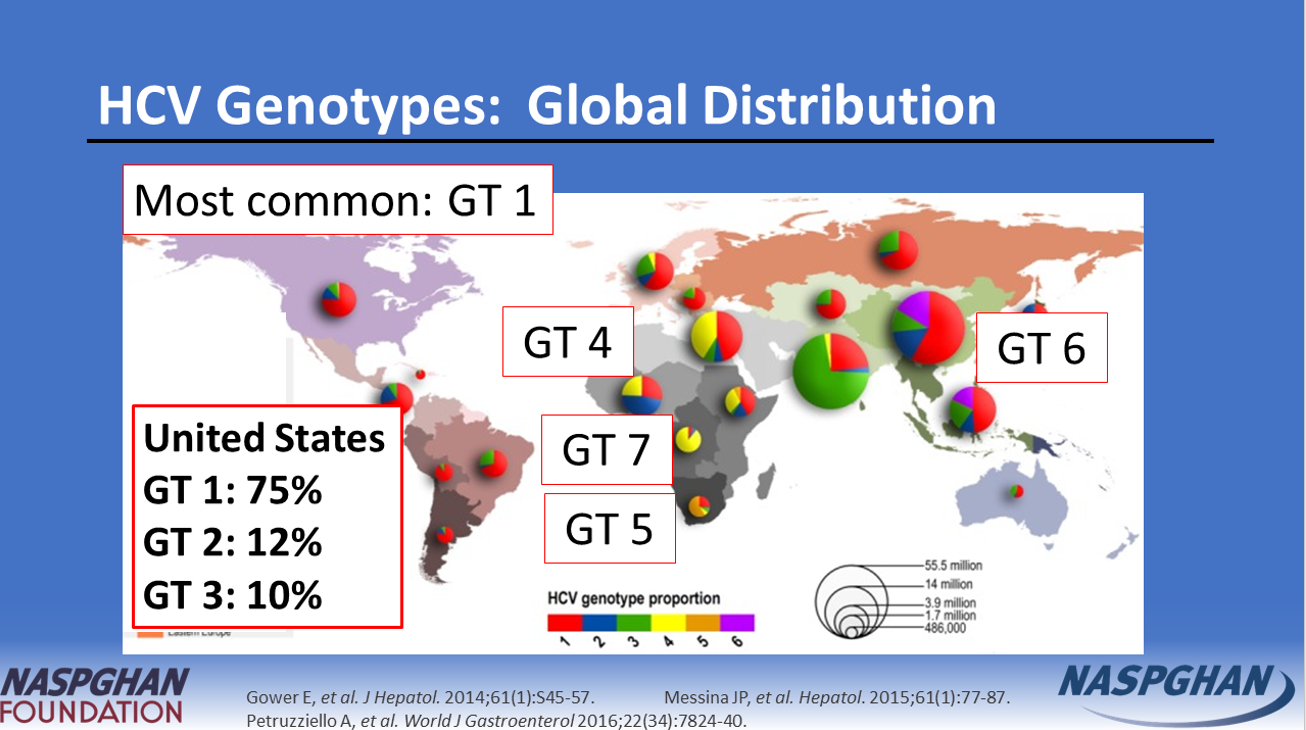
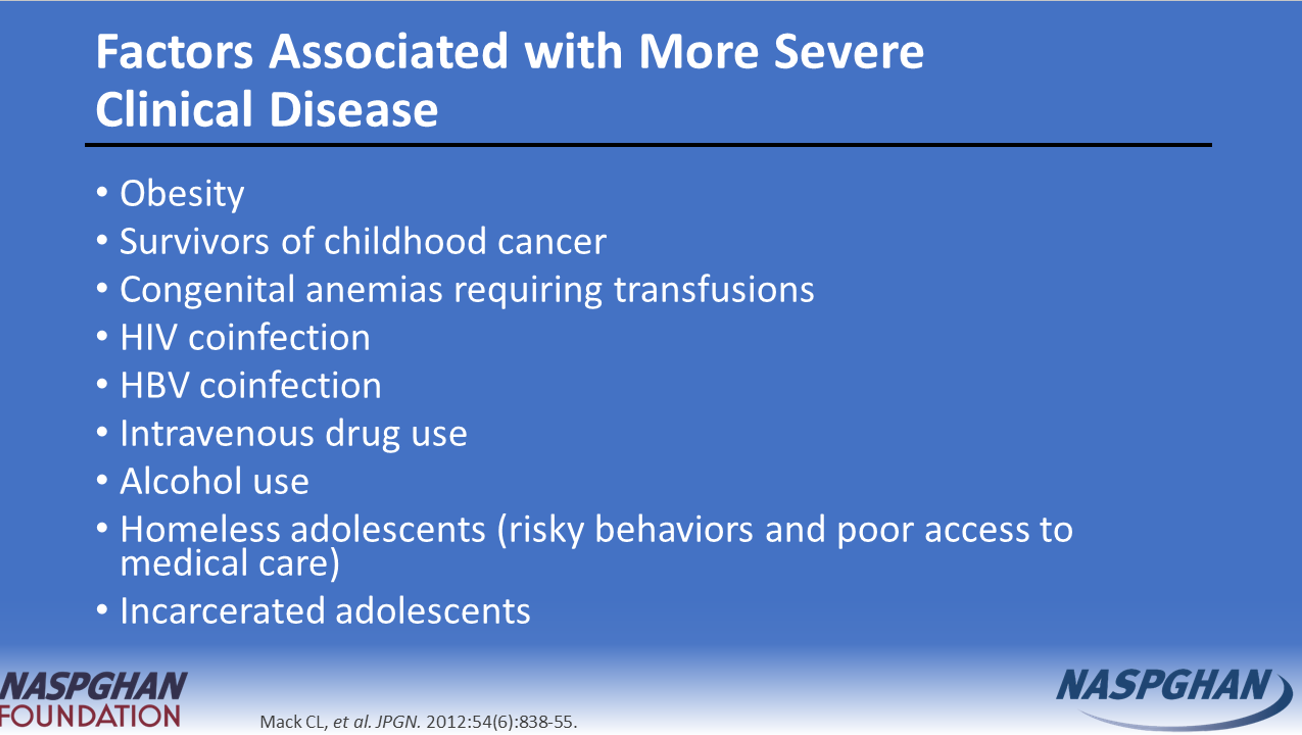
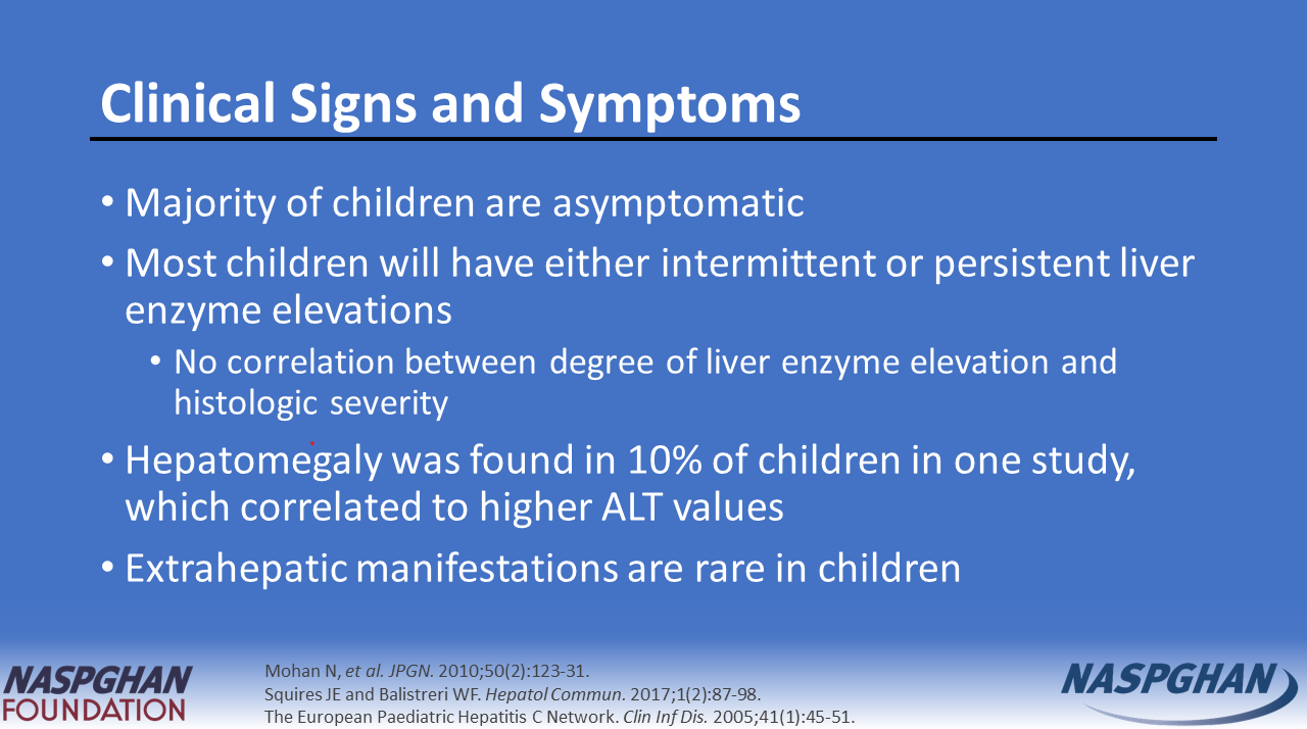
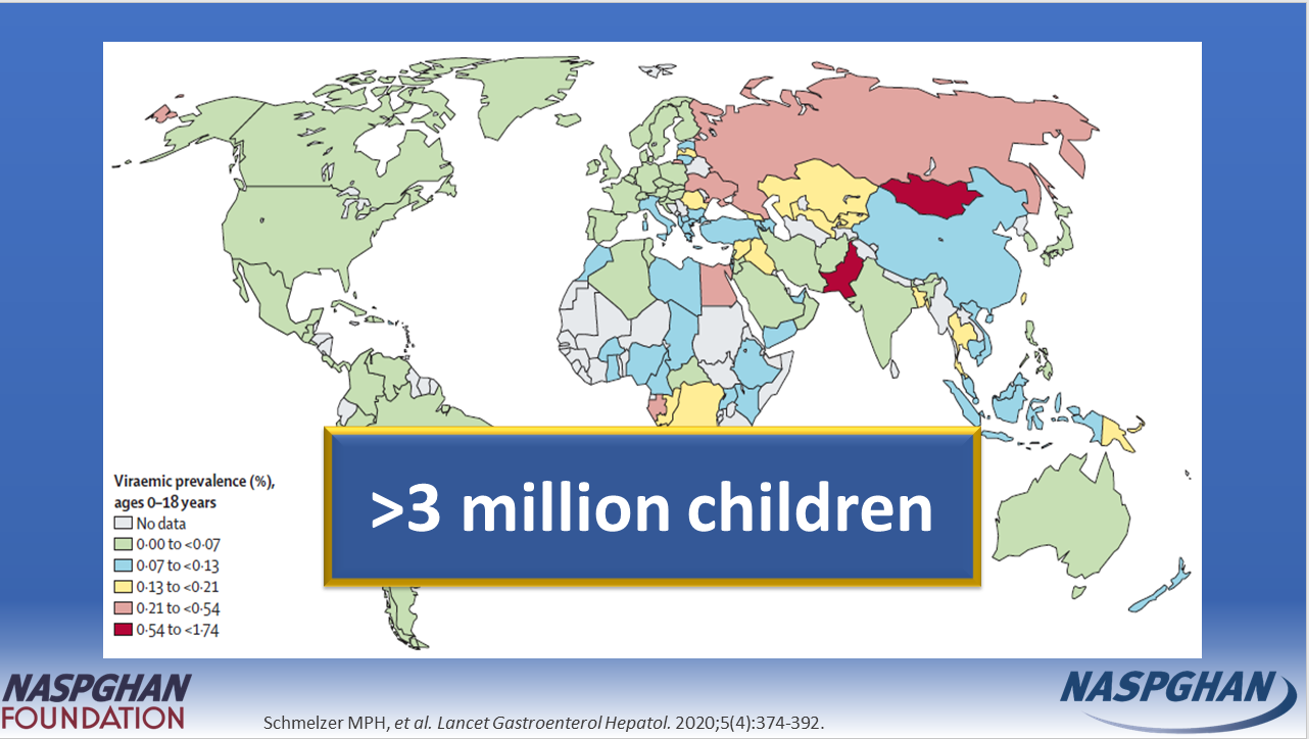
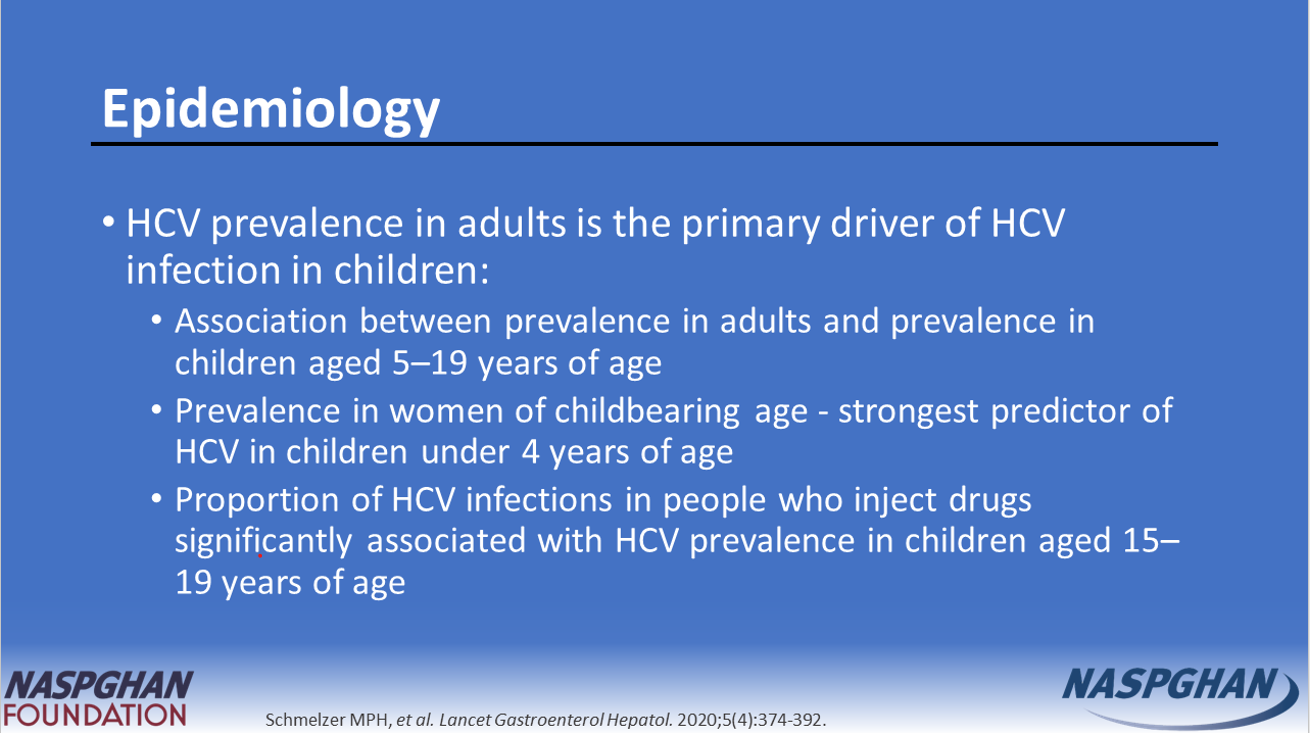
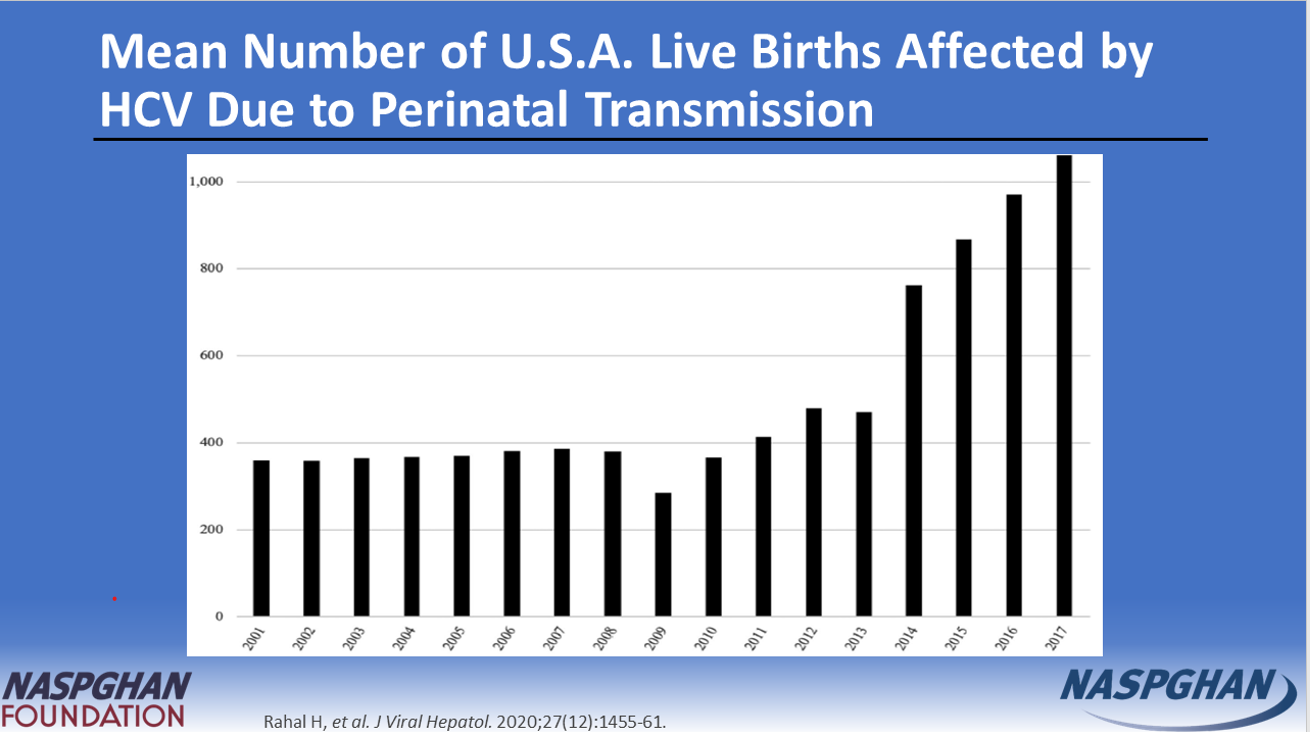
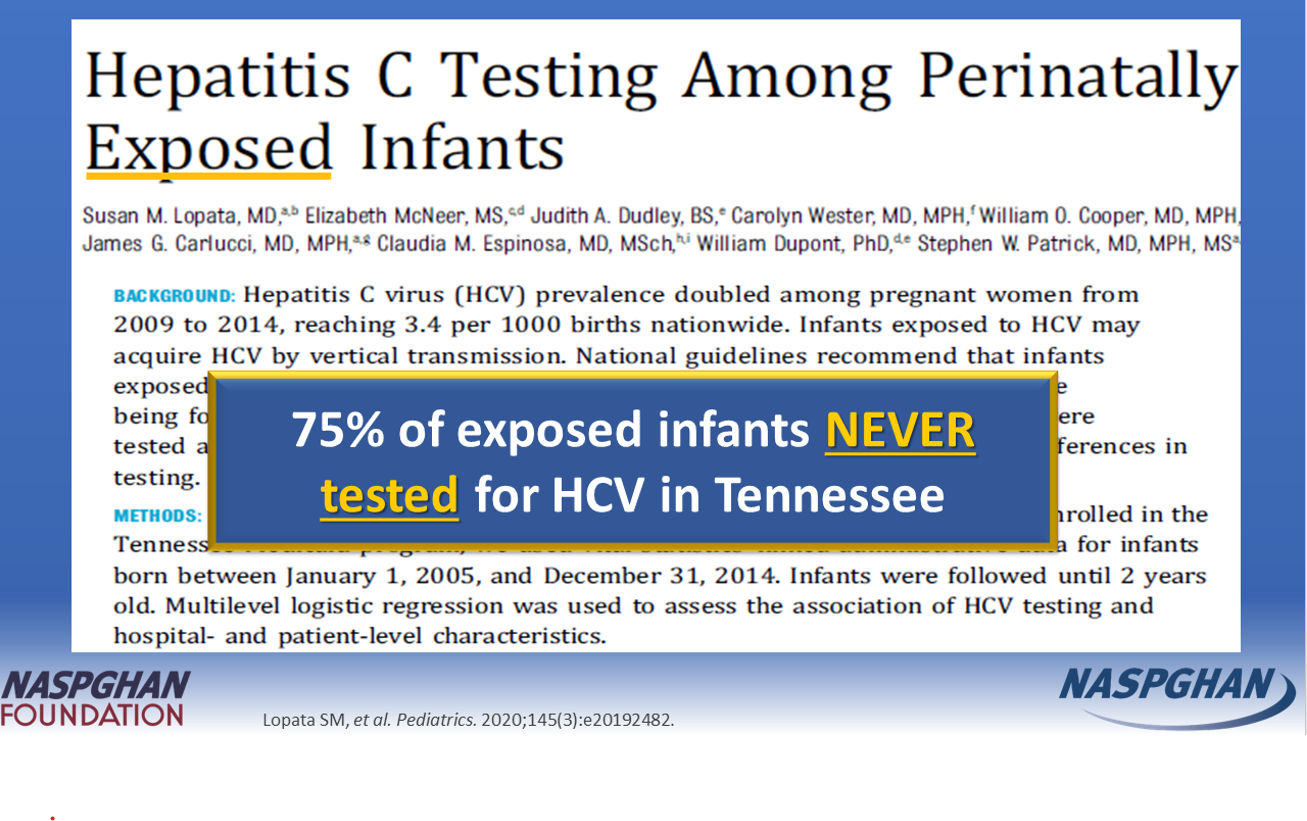
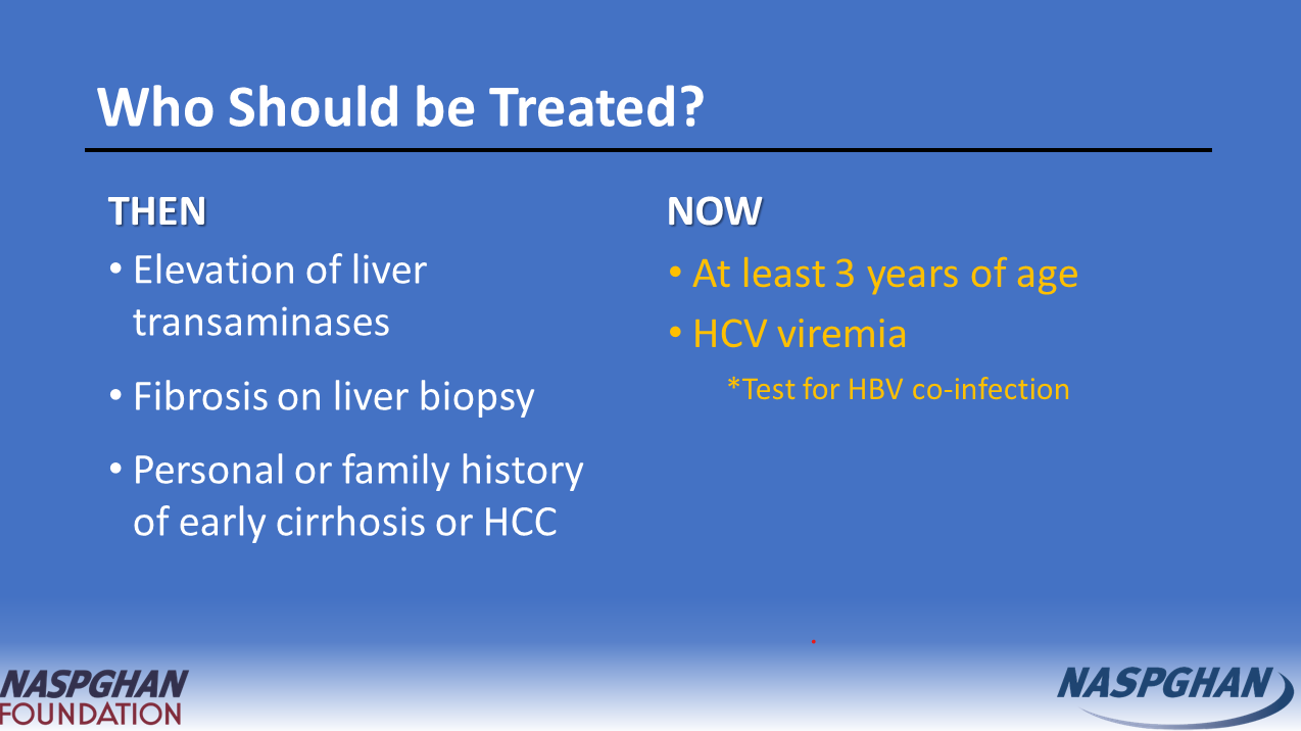
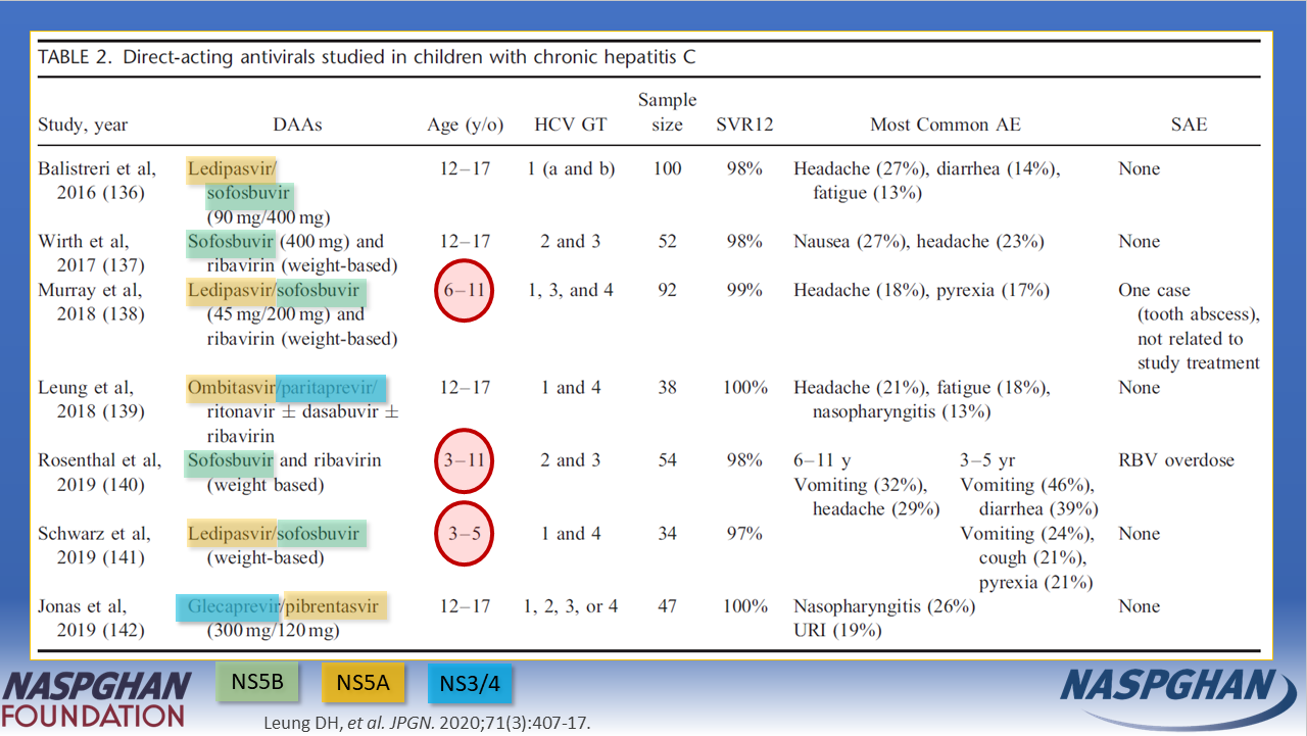
NASPGHAN Foundation: Hepatitis C in Children and Adolescents

This past month, I participated as a lecturer for the NASPGHAN Foundation’s educational campaign on Hepatitis C in Children and Adolescents. The slides highlight some tremendous advances and challenges in the field of viral hepatitis. I have copied some of the slides below (used with permission) and the full slide deck can be obtained via this link: Hepatitis C in Children and Adolescents

Related blog posts:

Gilead is a corporate sponsor for these talks. (Disclosure: I have requested that the honorarium for these lectures to be directed back to the NASPGHAN Foundation.)

Disclaimer: This blog, gutsandgrowth, assumes no responsibility for any use or operation of any method, product, instruction, concept or idea contained in the material herein or for any injury or damage to persons or property (whether products liability, negligence or otherwise) resulting from such use or operation. These blog posts are for educational purposes only. Specific dosing of medications (along with potential adverse effects) should be confirmed by prescribing physician.  Because of rapid advances in the medical sciences, the gutsandgrowth blog cautions that independent verification should be made of diagnosis and drug dosages. The reader is solely responsible for the conduct of any suggested test or procedure.  This content is not a substitute for medical advice, diagnosis or treatment provided by a qualified healthcare provider. Always seek the advice of your physician or other qualified health provider with any questions you may have regarding a condition.

Favorite Posts of 2021

I am happy to say that this is the last nightcall that I will have this year!

Today, I’ve compiled some of my favorite posts from the past year. I started this blog a little more than 10 years ago. I am grateful for the encouragement/suggestions from many people to help make this blog better. Also, I want to wish everyone a Happy New Year.

GI:

IBD:

LIVER:

Nutrition:

Other Topics:

Thanks to Jennifer

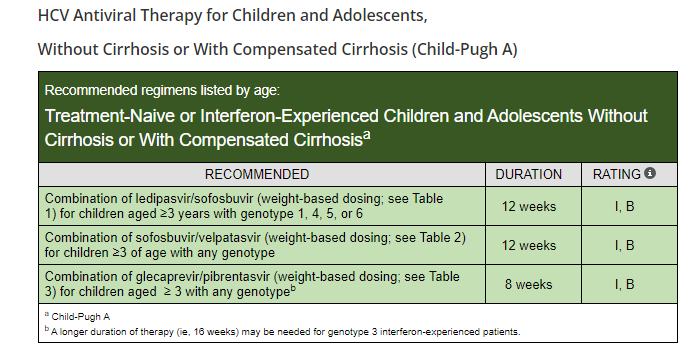
Oral Pan-Genotypic HCV Drugs Approved For Children Starting at Age 3 Years

AAP News (Nov 2021): First oral pan-genotypic HCV drugs approved for children as young as 3 years

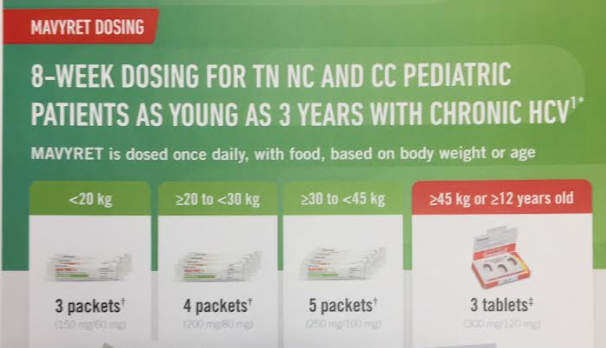
“The Food and Drug Administration (FDA) has approved Epclusa (sofosbuvir and velpatasvir) and Mavyret (glecaprevir and pibrentasvir) for treatment of chronic hepatitis C virus (HCV) infection in pediatric patients as young as 3 years. These products are the first all-oral, pan-genotypic (genotypes 1-6) HCV treatment regimens for pediatric patients 3 years and older…Both products are available as oral tablets and as newly approved oral pellets in dosing strengths suitable to accommodate the recommended weight-based dosing in pediatric patients.”

From HCVGuidelines.org (updated September 2021):

The following images are from Abbvie patient-provider handouts. I do not receive any funding from any pharmaceutical company but think these instructions are useful.

Disclaimer: This blog, gutsandgrowth, assumes no responsibility for any use or operation of any method, product, instruction, concept or idea contained in the material herein or for any injury or damage to persons or property (whether products liability, negligence or otherwise) resulting from such use or operation. These blog posts are for educational purposes only. Specific dosing of medications (along with potential adverse effects) should be confirmed by prescribing physician.  Because of rapid advances in the medical sciences, the gutsandgrowth blog cautions that independent verification should be made of diagnosis and drug dosages. The reader is solely responsible for the conduct of any suggested test or procedure.  This content is not a substitute for medical advice, diagnosis or treatment provided by a qualified healthcare provider. Always seek the advice of your physician or other qualified health provider with any questions you may have regarding a condition.